
Last updated November 18, 2026






Free written scope consultation - allowances, timeline, and change-order rules on paper before a single trade is scheduled
Construction Warning Signs: A Richmond Homeowner’s Reference Guide
By the time most Richmond homeowners realize something is wrong with their construction project, the contractor has already been paid past the point where leverage exists. That’s the trap. The signs were there in week one, sitting on the front lawn like a forgotten toolbox, but nobody had taught the homeowner what to look for. This guide changes that. It’s written for the homeowner in Richmond, CA about to sign a kitchen remodel contract or watching framing go up on an ADU, and it covers the behavioral, documentary, material, and financial red flags that show up during active work. Read it before the first invoice clears.
Quick Answer
The clearest warning signs a Richmond construction project is heading toward failure are: a crew that changes faces every few days, a permit placard that never appears on the site, a contractor who resists putting change orders in writing, pressure to pay the next draw before the current milestone is inspected, and an unwillingness to hand over lien waivers from subcontractors. Any one of these is a signal to slow down and ask questions. Two or more showing up at once means you should stop payments until the issue is resolved in writing.
Styles & brands we work with
- Kitchen remodeling
- Bathroom remodeling
- Home additions & ADU
- Roofing
- Windows & doors
- Driveway & pavers
- Fence
Table of Contents
- On-Site Behavioral Red Flags During Active Work
- The Permit Placard Problem Richmond Homeowners Miss
- Communication Red Flags: When the Contractor Goes Quiet
- Why Written Change Orders Matter More Than Handshakes
- Spotting Material Substitution On-Site Without a Spec Sheet
- Financial Warning Signs Specific to California Construction Contracts
- Why Subcontractor Non-Disclosure Should Worry You
- What to Do When You Spot a Red Flag Mid-Project
On-Site Behavioral Red Flags During Active Work
The things that go wrong on a Richmond jobsite usually show up as behavior before they show up as defects. You don’t need to know how to frame a wall to notice that the people framing yours are different every time you drive by. Crew instability is the single most reliable early indicator that something is off with the contractor’s cash flow or scheduling. When the crew on your kitchen remodel rotates through four different lead carpenters in two weeks, that’s usually a sign the contractor is juggling too many jobs or paying late. In our experience, a stable crew that shows up at the same time every morning is a much stronger trust signal than a polished sales presentation.
Watch for these specifically:
- Different lead person every day. You should know your project manager’s name by week one and hear from them directly.
- No company signage, no uniform, unmarked vans. Licensed operations in Richmond identify themselves. Trucks show a business name, workers show company shirts.
- Work starting before permits are visibly posted. Demolition before the placard is up means either permits weren’t pulled or the contractor pulled them under a different scope.
- The contractor avoids walking inspections with you. A confident builder welcomes a code official on-site. A nervous one schedules around them.
- Crews working on unpermitted side projects at your address. If a neighbor’s bathroom tile is being loaded into a truck parked in your driveway, that’s a scheduling and liability problem.
One North Richmond homeowner we worked with described watching a crew of “helpers” arrive in a rented Home Depot van and rotate out every 48 hours over three weeks. By the time the tile failed in the not-yet-finished shower, the original crew was long gone. On-site behavior is the leading indicator. Defects come later.
The Permit Placard Problem Richmond Homeowners Miss
Richmond requires a permit placard posted visibly on any permitted job. It should be up the first day of demolition or rough framing. If it’s not, ask why in writing. Full stop. This single check catches more problems than any other:
- Locate the placard on day one. It’s a stiff paper or laminated card showing the permit number, scope, and inspecting jurisdiction.
- Match the scope on the placard to the work being done. A placard for “water heater replacement” on a bathroom gut is a cancel-worthy mismatch.
- Verify the permit is active. City of Richmond allows permit status checks online via the eTRAKiT portal; you can look up your address in minutes.
- Note the inspection schedule. Rough framing, rough electrical, rough plumbing, and final inspections are logged. Ask for the inspection dates in writing.
- Watch for skipped inspections. If drywall goes up before the rough framing inspection is signed off, you may be paying to open the walls later.
Richmond’s older housing stock, especially in neighborhoods like Iron Triangle and Santa Fe, frequently involves knob-and-tube wiring and cast iron drainage that inspectors flag hard. A contractor who isn’t scheduling inspection visits because they “know the inspector” or “will get the sign-off later” is telling you something. Believe them.
Communication Red Flags: When the Contractor Goes Quiet
The most instructive warning sign isn’t a bad answer. It’s the pattern of when the contractor doesn’t answer. A contractor who returns calls cheerfully during the bidding phase and stops responding between construction milestones is signaling how they’re going to behave during the parts of the project where they have your money and you have no leverage. The bidding phase is when they need you. The midpoint is when you need them.
- Response time doubles after the first draw. Track it. One day response becomes three becomes a week.
- Questions get deflected to “we’ll handle it.” A direct question like “when will the electrical rough-in be inspected?” deserves a direct answer with a date.
- All communication shifts to phone calls only. Text and email create records. Contractors with something to hide prefer verbal.
- You get a different point of contact every week. That’s turnover inside their business, and it means accountability is already slipping.
- Marketing emails keep arriving on schedule while your project emails bounce. The business isn’t dead; it’s just deprioritizing you.
Richmond contractors serving both sides of the bay plus the East Bay corridor run heavy schedules in spring and fall. We’ve seen honest contractors get behind on communication because they’re managing more jobs than admin staff can handle. That’s not automatically a red flag, but it becomes one the moment they stop giving you honest timelines and start telling you what you want to hear.
Why Written Change Orders Matter More Than Handshakes
Any change to the scope of work, price, or timeline should trigger a written change order before the work proceeds. A contractor who resists this is telling you something important: they’d rather argue about the price later than agree on it now. California’s Business and Professions Code requires written contracts for projects over $500, so verbal adjustments have no place on a remodel of any size.
Here’s the friction pattern to watch:
- You ask for a small change (adding an outlet, shifting a vanity).
- The contractor says “no problem, no paperwork needed.”
- Weeks later, the invoice includes the change at a price you never agreed to.
- You dispute it. They point to verbal approval.
- You lose the argument because nothing is written down.
The fix is not complicated. When a contractor waves off paperwork on a change, send a confirming email yourself: “Confirming we discussed adding a dedicated circuit for the microwave at $X, work to proceed Tuesday.” If they reply “yes,” you have a written record. If they don’t reply, don’t let the work start. In our own process, a written line-item change order is a non-negotiable step, not a favor. That’s how Groundwork Construction Co. of Richmond home operates, and it’s how you should insist any contractor in Richmond operates on your job.
Spotting Material Substitution On-Site Without a Spec Sheet
Material substitution is one of the most common ways a Richmond remodel loses value quietly. The contract says “or equivalent” and the crew shows up with the cheapest equivalent available. You don’t need to be a trade expert to catch this. You need the original spec sheet, a phone, and five minutes on the day of delivery. Every premium brand has visible identifiers:
- Roofing: GAF and CertainTeed shingles have the brand printed on every wrapper. Look at the actual bundle wrap when it lands, not the paperwork.
- Windows: Andersen and Pella windows carry a laser-etched glass mark and a serial tag on the sash. If the crew is installing a lookalike, the mark is missing.
- Kitchen cabinetry: KraftMaid cabinet boxes ship with the brand stamped inside the door or on the back panel. Every drawer box did as well.
- Countertops: Cambria quartz slabs ship with a serial that traces back to the specific quartz design. If the fabricator can’t produce that serial, ask why.
- Prefab ADU shells: If your Richmond ADU is going up with a prefab structure from a company like Mighty Buildings or Plant Prefab, the delivery documents name the manufacturer. Request them before the crane is on-site.
Substitution isn’t always dishonest; supply chains break, and a good contractor will call you the same day to say “the slab design you picked is six weeks out, here are three options.” What you’re watching for is silent substitution, the delivery showing up with the cheaper product and no phone call. That pattern is a warning sign that will repeat itself. Read more about how we scope materials on our Home Additions & ADU in Richmond page.
Financial Warning Signs Specific to California Construction Contracts
California’s contract rules give homeowners more leverage than most realize, but only if they know what to demand. Three things belong on every Richmond project, no exceptions:
- A written, itemized contract listing scope, materials, price, schedule, and payment terms. Required by the Contractors State License Board (CSLB) for projects over $500.
- A payment schedule tied to milestones, not calendar dates. No more than $1,000 or 10% down (whichever is less) before work begins.
- Conditional lien waivers from every subcontractor and material supplier before each payment clears.
The early payment pressure pattern is the single most dangerous threat in Richmond construction. A contractor asking for 40% down “to buy materials” is asking you to finance their business. If they can’t float a few thousand dollars of materials on a $60,000 job, their cash flow is already cracked, and your project is the repair. Watch for these statements from any contractor:
- “We need the money Friday or the crew walks.” A steady operation doesn’t have this conversation.
- “Lien waivers aren’t necessary, we’ve paid everyone.” Written waivers are proof, not paperwork. Ask anyway.
- “The sub doesn’t need to sign anything.” If a subcontractor is on your property, their name and payment status should be in writing.
- “Cash discount if you skip the contract.” This is illegal in California and an immediate walk-away.
- “The permit fees are included” but the receipts never appear.
The right response to any of these: pause payments, request documentation in writing, and if necessary file a complaint with the CSLB. Never fund a draw before the milestone is inspected, and never accept a phone call in place of a signed waiver. Lien rights in California are strong enough that a subcontractor who never got paid can put a lien on your property even after your contractor has your money.
Why Subcontractor Non-Disclosure Should Worry You
Your contract names the general contractor. It rarely names the twelve subcontractors who’ll actually perform the work. That gap is where Richmond projects sometimes go sideways. If a general contractor goes silent on which subs are being used, you’re missing three things you need:
- License verification. Every subcontractor performing work over $500 in California must hold a CSLB license. You can look up any name in seconds.
- Insurance coverage. A subcontractor without general liability coverage becomes your problem the moment someone gets hurt or a wall gets damaged.
- Lien exposure. You can be liable to a subcontractor your GC never paid, even if you paid the GC in full.
Don’t ask for permission to see the sub list. Ask for it in writing as part of the initial submittal package. A professional operation will have it ready on day one. A contractor who gets defensive about their sub list has something in that list they don’t want you to see. Use our Fence Installation in Richmond project pages as a reference for how a clear scope of work should read; even a small fence job should list who’s performing it and under what license.
What to Do When You Spot a Red Flag Mid-Project
You don’t have to blow up the job. In most cases you shouldn’t. The goal when a red flag appears mid-project is to preserve your leverage and your legal position without burning the relationship. These are the steps we tell Richmond homeowners to take, in order:
- Document everything before you react. Photos with timestamps of the site, the placard, the crew, the substituted material, the missing documentation. Save the emails and texts.
- Put the concern in writing, calmly. “I noticed the subfloor material doesn’t match what’s listed in the contract. Can you confirm the product? I’d like it in writing before the next draw clears.”
- Pause the next payment until the issue is resolved in writing. This is your strongest lever. Never use it as a threat, always as a stated policy.
- Request the documentation directly. Lien waivers, sub licenses, insurance certificates, permit inspection records, material delivery receipts. All of it is yours to ask for.
- Call the City of Richmond Building Department if inspections are being skipped. A call from the inspector reframes the conversation.
- Bring in a third party if the contractor won’t engage. A licensed inspector on your dime ($400-$800 for a mid-project review) frequently pays for itself in leverage alone.
- Escalate only if the pattern continues. CSLB complaint, formal demand letter, then arbitration or small claims depending on the amount. Most situations resolve at step three.
The mistake we see Richmond homeowners make is waiting until the project is complete to raise a concern. By then the final payment is done and your leverage is gone. The right moment to raise an issue is the moment you see it, in writing, before the next dollar moves. For larger scopes like additions, this discipline matters even more, so we cover it in detail on our additions page and in our Driveway & Pavers in Richmond project guides as well.
Common Mistakes to Avoid
- Paying the second draw before the first milestone is walked and signed off. On a Point Richmond remodel, that milestone should be inspected by you personally, in person, with the contractor on-site. Never sign a milestone release over the phone.
- Accepting “or equal” language in the contract without naming the equal. In Richmond’s humid bayside climate, a cheaper window or shingle substitution fails years faster than the spec brand. Name the brand, name the model, name the spec.
- Trusting a great bid from a contractor whose license you never verified. CSLB lookup takes 30 seconds. A fast verification beats a slow lawsuit every time.
- Letting the contractor handle the permit entirely without seeing the final inspection sign-off. Always request the signed-off final inspection card before the last payment clears.
- Skipping lien waivers because the contractor “seems like an honest guy.” Honest people provide waivers without being asked. The other kind argue about it.
- Believing a verbal promise to “make it right later.” If a contractor is willing to fix something, they should be willing to put the fix in writing with a timeline. The 730-Day Done Right Promise exists because a written warranty outlives memory.
- Waiting until the project is finished to raise concerns. Your leverage is highest in the first 60% of the project, not the last 10%. Say it early, say it in writing.
See the difference
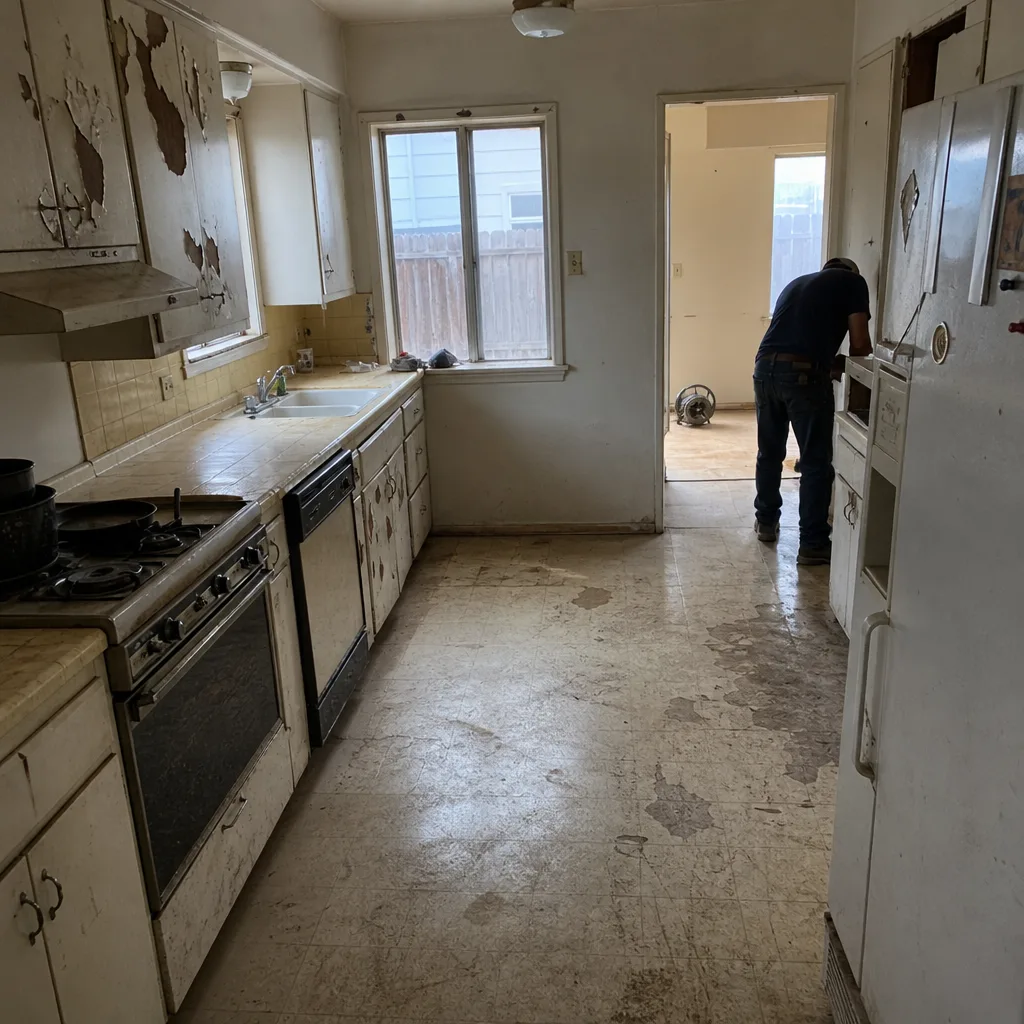 Before
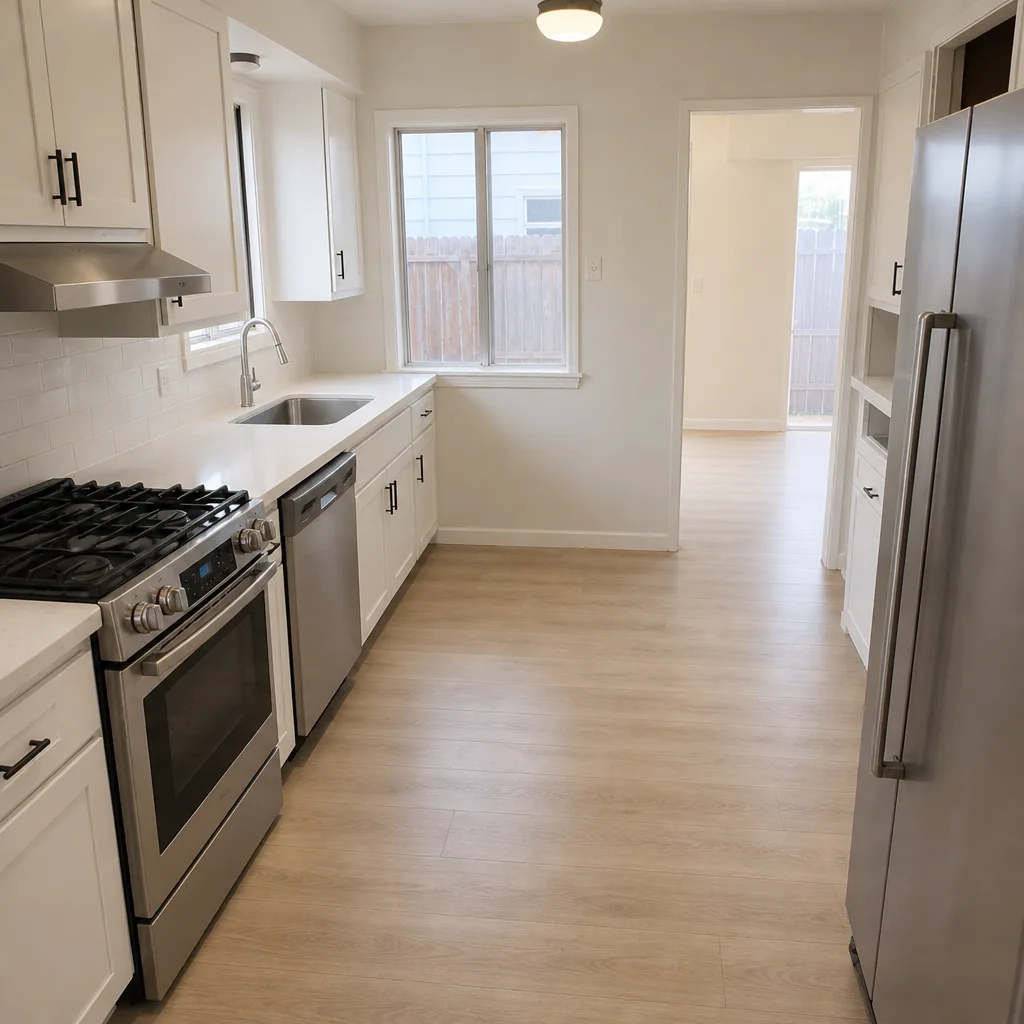 After
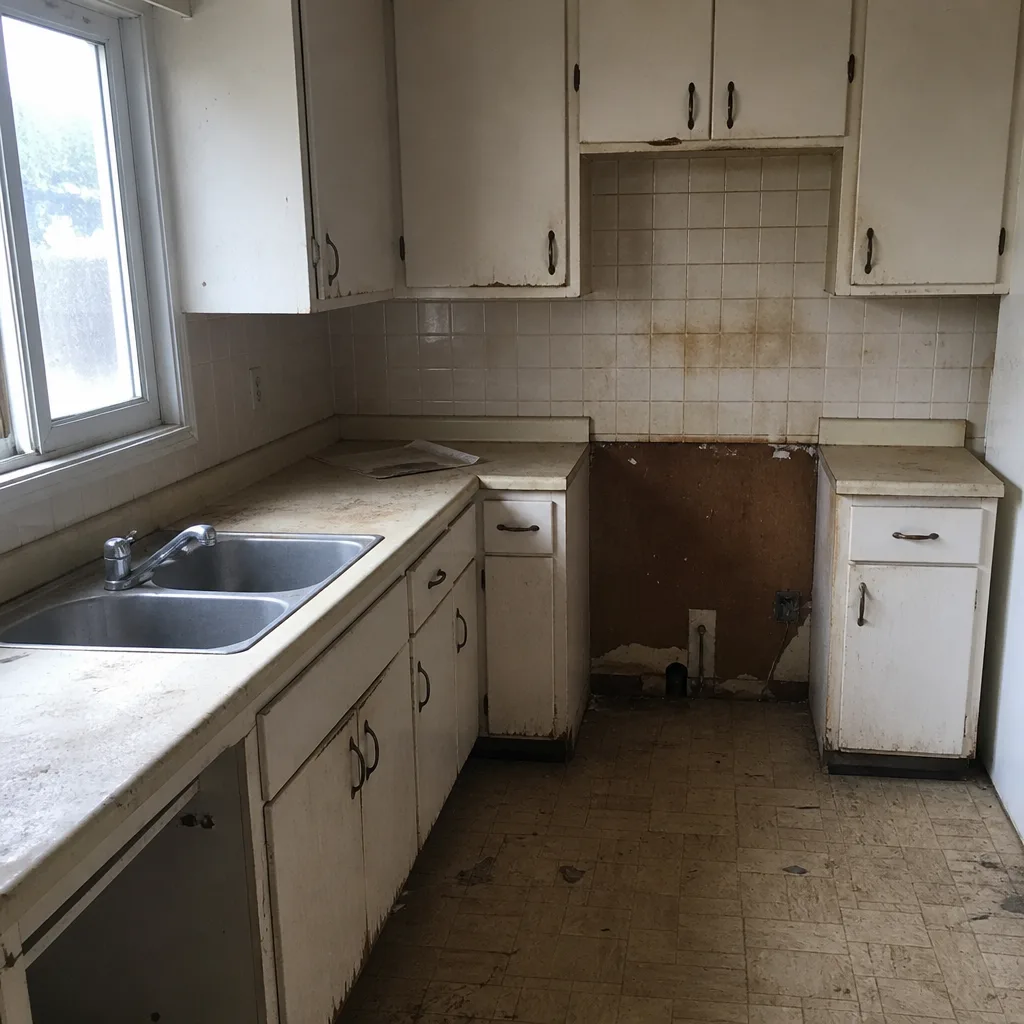 Before
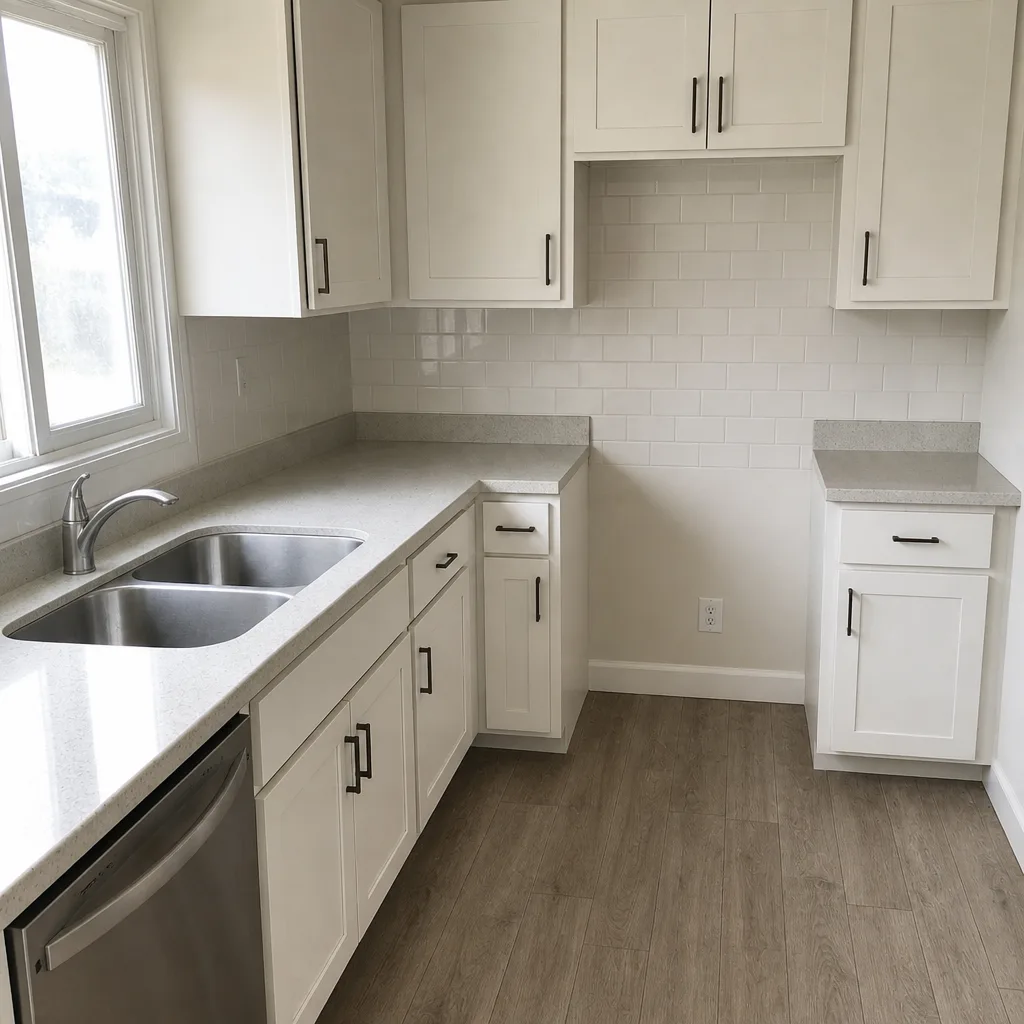 After
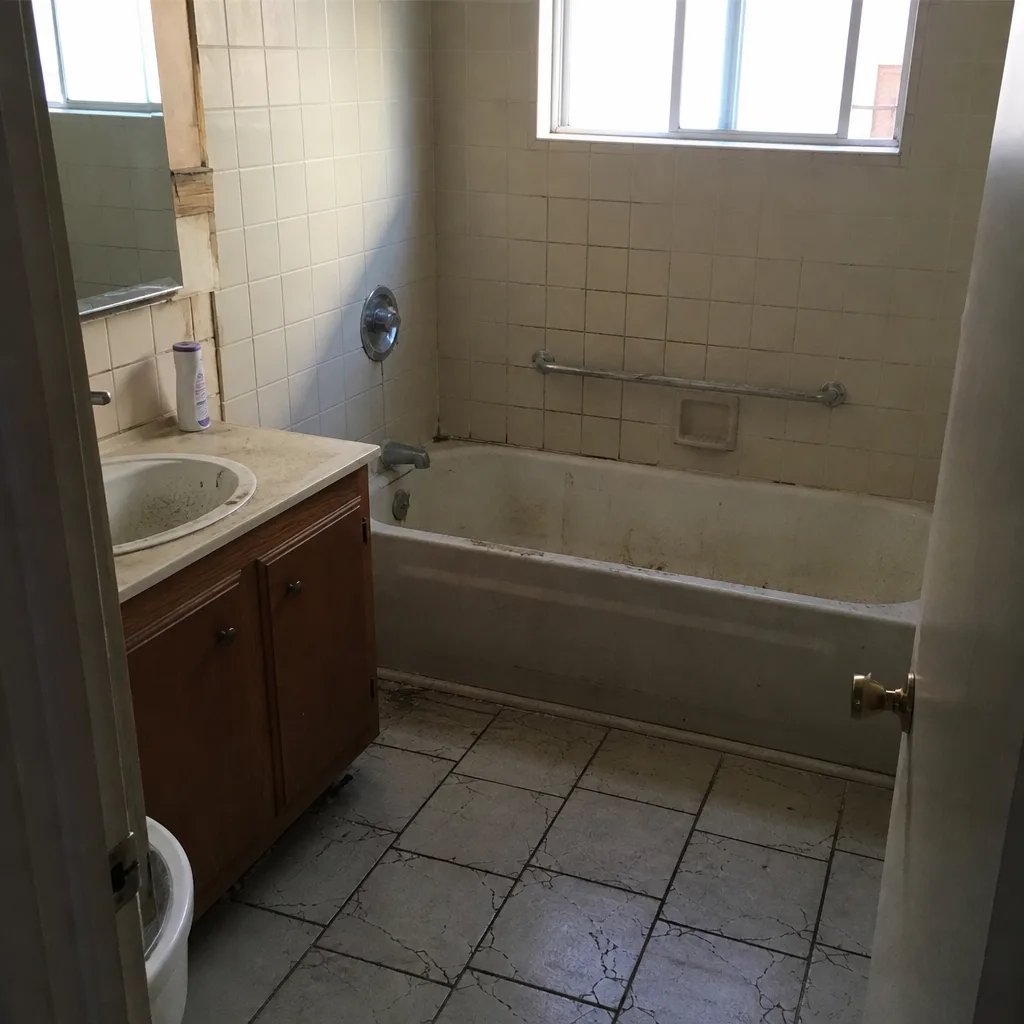 Before
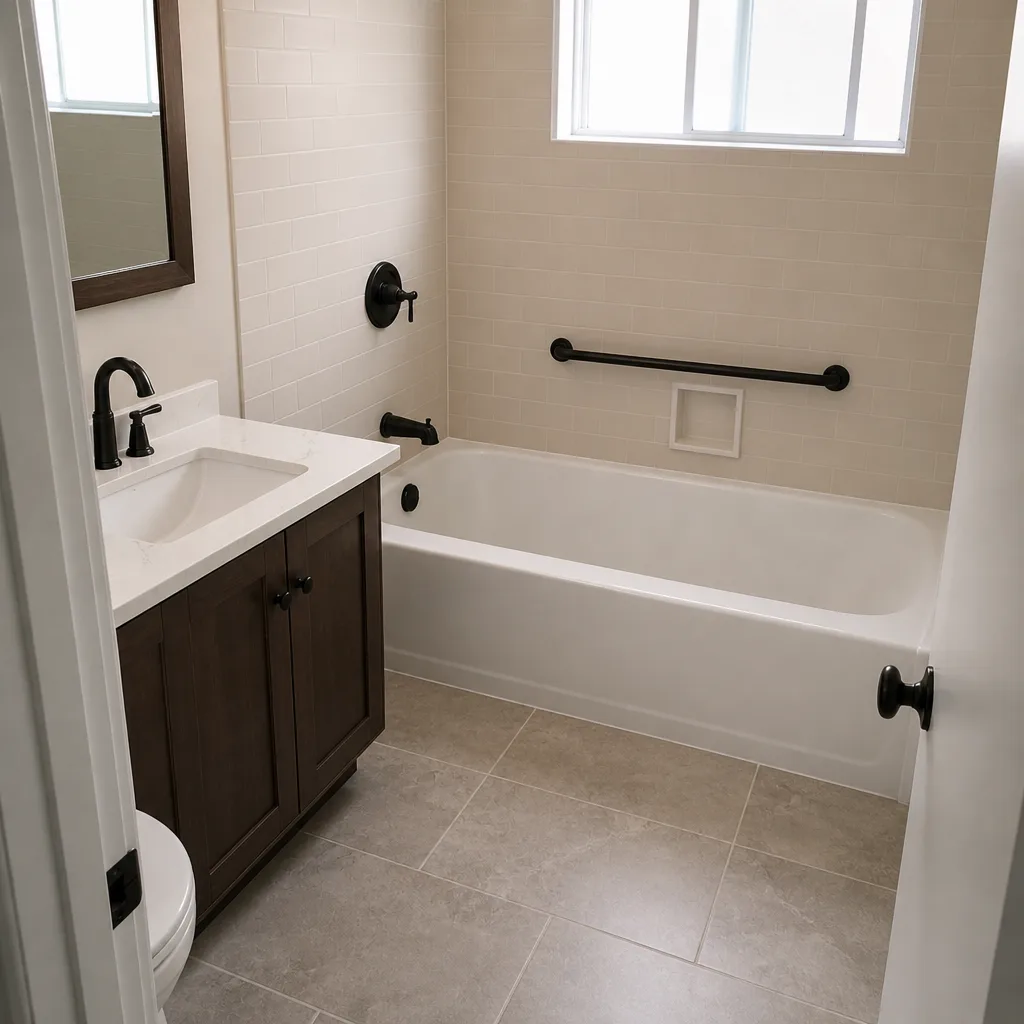 After
When to Call a Professional
Some problems need a trained eye on-site rather than a phone call. Call a professional contractor for a second opinion when: the permit placard has been absent for more than a week of active work; a subcontractor’s license can’t be verified after being asked for twice; a material substitution has appeared without a prior conversation; or the contractor has stopped returning emails and texts while invoices keep arriving. Those four situations alone account for most of the mid-project rescues we see in Richmond. Groundwork Construction Co. of Richmond offers free estimates in Richmond – call (833) 700-4611. We’ll walk a project honestly, even if the not-yet-finished work isn’t ours to complete.
Frequently Asked Questions

No permit placard on day one. Richmond requires visible posting of an active permit before demolition or framing begins, and its absence is the fastest check for whether permits were actually pulled. If the placard isn’t up, ask for the permit number in writing before any work proceeds. Call (833) 700-4611 if you’d like a professional to look at a project that seems off.
No. California law limits the deposit to $1,000 or 10% of the contract price, whichever is less, before work begins. Anything above that is a signal to walk. Call (833) 700-4611 for a free estimate from a contractor who prices the job honestly from day one.
Look up their name on the Contractors State License Board (CSLB) website. Every subcontractor performing work over $500 in California must hold an active license, and the lookup takes less than a minute. Ask your GC for the sub list in writing as part of the initial submittal package. Call (833) 700-4611 if you want us to review a sub list you’ve already received.
Usually that the contractor is running more jobs than they can staff, or paying crews late enough that good workers find steadier work. Either pattern means scheduling and quality will suffer on your project. A stable crew that shows up at the same time every day is one of the strongest trust signals you’ll see. Call (833) 700-4611 to talk through a project where the crew is rotating.
Yes, you can pause a scheduled milestone payment until a concern is resolved in writing, especially if the concern relates to a milestone that hasn’t been completed or inspected. Document your concern in a written email, state the reason for the hold, and request the specific documentation you need. Keep the payments already made on record. Call (833) 700-4611 for a free estimate if you’d rather restart with a contractor who puts everything in writing.
Only if the substitution is silent. Supply chain issues happen on every project in Richmond, and a good contractor will call you the same day with options. The warning sign is the delivery showing up with the cheaper brand and no phone call beforehand. Verify by checking the brand stamp on the wrappers, boxes, and sashes at delivery. Call (833) 700-4611 to schedule a free estimate on a project where you want the material list nailed down in writing.
The Bottom Line
The warning signs of a construction project heading toward failure are not subtle; they’re unfamiliar. Crews that rotate, placards that never appear, change orders kept verbal, draws pulled ahead of milestones, subs left unnamed, materials swapped without a phone call. Every single one of these is a signal you can spot before the leverage leaves the room. The Richmond homeowner who knows what to watch for in the first ten days of a project saves themselves 10 months of argument later. If a project on your street or in your own house has started looking wrong, call us at (833) 700-4611 for a free estimate and a straight read on the job. Upfront pricing, written scope, and a 730-Day Done Right Promise – the standard we hold every Richmond project to.
Written by the team at Groundwork Construction Co. of Richmond.