Last updated November 18, 2026




Free written scope consultation - allowances, timeline, and change-order rules on paper before a single trade is scheduled
DIY vs Professional Construction: The Richmond Homeowner’s Decision Guide
Most Richmond homeowners assume the DIY question is about skill. It isn’t. It’s about paperwork, soil, and insurance. California is one of the strictest states in the country for owner-builder construction, and a Richmond homeowner who takes on the wrong scope of work can trigger permit violations, void their homeowner’s insurance, and create disclosure obligations that follow the house to the next sale. We’ve watched capable, careful people get buried by three things they never checked before buying a single bag of Quikrete. This guide covers all of it: the actual owner-builder rules, where DIY genuinely pays off in Richmond, the soil and slope traps, and the honest math on doing part of the job yourself.
Styles & brands we work with
- Kitchen remodeling
- Bathroom remodeling
- Home additions & ADU
- Roofing
- Windows & doors
- Driveway & pavers
- Fence
Quick Answer
In Richmond, DIY is a reasonable bet for interior cosmetic work, painting, fencing repairs, and demolition you hire licensed trades to follow. It stops being reasonable the moment a project touches structural framing, grading and drainage, gas, electrical panels, or anything requiring an inspection – not because homeowners aren’t skilled, but because California’s owner-builder rules, the city’s permit process, and Richmond’s expansive bayfront soils can turn a weekend project into a five-figure correction. The smart middle path is to do the labor you’re allowed to do and hire licensed professionals for the inspectable scopes.
Table of Contents
- What California’s owner-builder rule actually allows
- The honest DIY capability framework for Richmond
- Why flatwork, grading, and drainage fail in Richmond
- The true cost comparison: DIY vs professional
- How to use professionals strategically and keep the savings
- Common mistakes to avoid
- When to call a professional
- Frequently asked questions
What California’s owner-builder rule actually allows
California lets a homeowner act as their own “owner-builder” on a project, but the allowance is narrower than most people think. The owner-builder exemption exists so you can improve property you actually live on, with your own hands, without holding a contractor license. It does not mean you can hire unlicensed workers to do the work while you supervise and call it owner-builder. That’s one of the most common misunderstandings we run into in Richmond, and it’s the one that carries the most legal exposure.
Here’s the legal line, in plain terms:
- You may perform work yourself on a home you occupy, pull the permit as owner-builder, and manage your own schedule.
- You may hire licensed contractors for specific scopes – and they must be licensed for those scopes.
- You may not hire unlicensed helpers to perform construction work on a project over the $500 labor threshold and still claim the owner-builder exemption. That combination is illegal in California regardless of your skill level or good intentions.
- You may not skip the permit because it’s “just a small job.” Richmond’s building division treats unpermitted work seriously, and the correction process is expensive.
There’s a second layer most homeowners don’t know about: the owner-builder disclosure. When you sell a home where you acted as owner-builder, you can be required to disclose that fact to the buyer, and you may be on the hook for defects in work you performed yourself. In a market like Richmond, where buyers and their agents read disclosure packets closely, an owner-builder notation invites questions – and price adjustments.
Then there’s insurance. Standard homeowner policies assume work on the structure was done by licensed trades and inspected. If a fire or water loss traces back to unpermitted or uninspected owner-builder work, your carrier can reduce or deny the claim. That’s the scenario nobody plans for and everybody regrets.
The honest DIY capability framework for Richmond
Skill matters, but it’s not the deciding factor. The deciding factor is whether the work is inspectable, structural, or permitted. Work that will be inspected by the city, work that carries structural load, and work that requires a permit all have a specific failure mode that only shows up months later. Here’s how that framework plays out across the projects Richmond homeowners ask us about most.
Where DIY genuinely works in Richmond:
- Interior painting and trim. Low risk, high savings, and no permit required.
- Fence panel replacement on existing posts, provided you’re not changing the fence height or line near a property boundary.
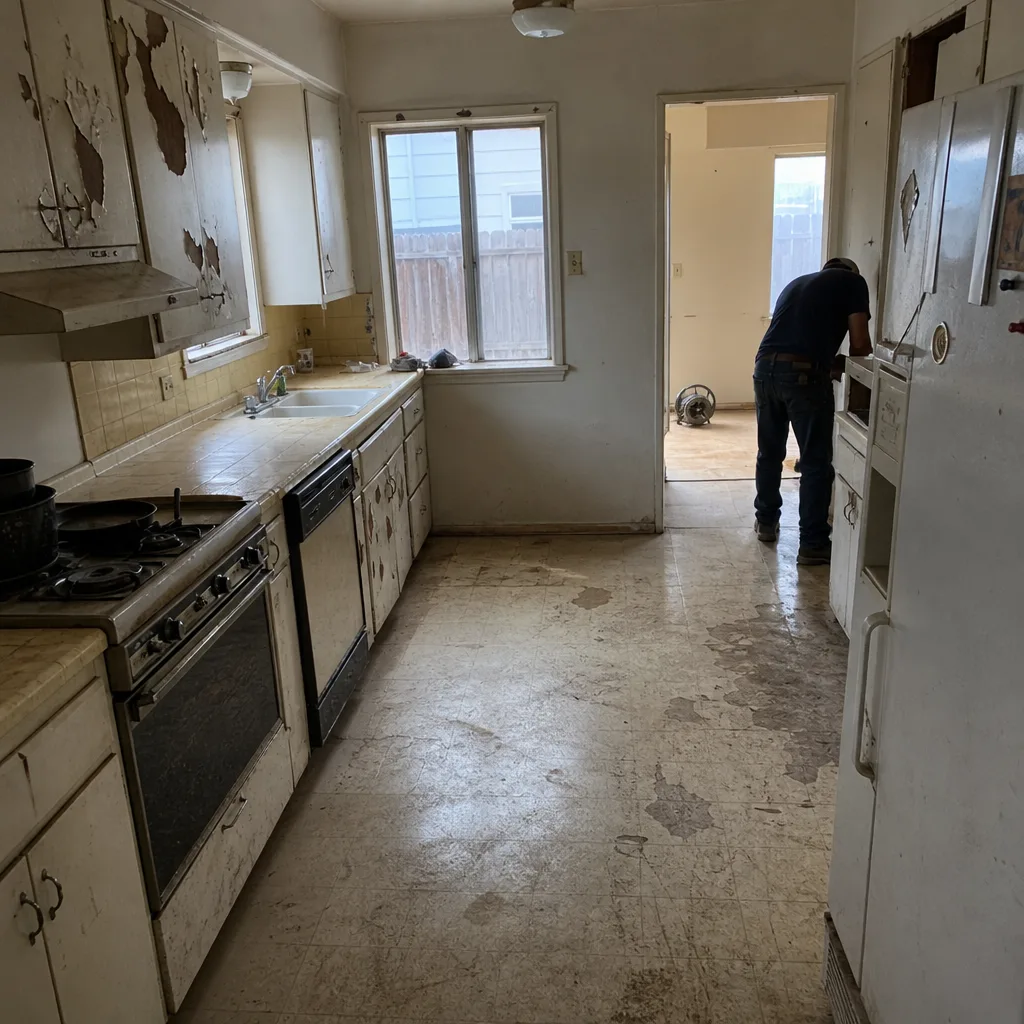
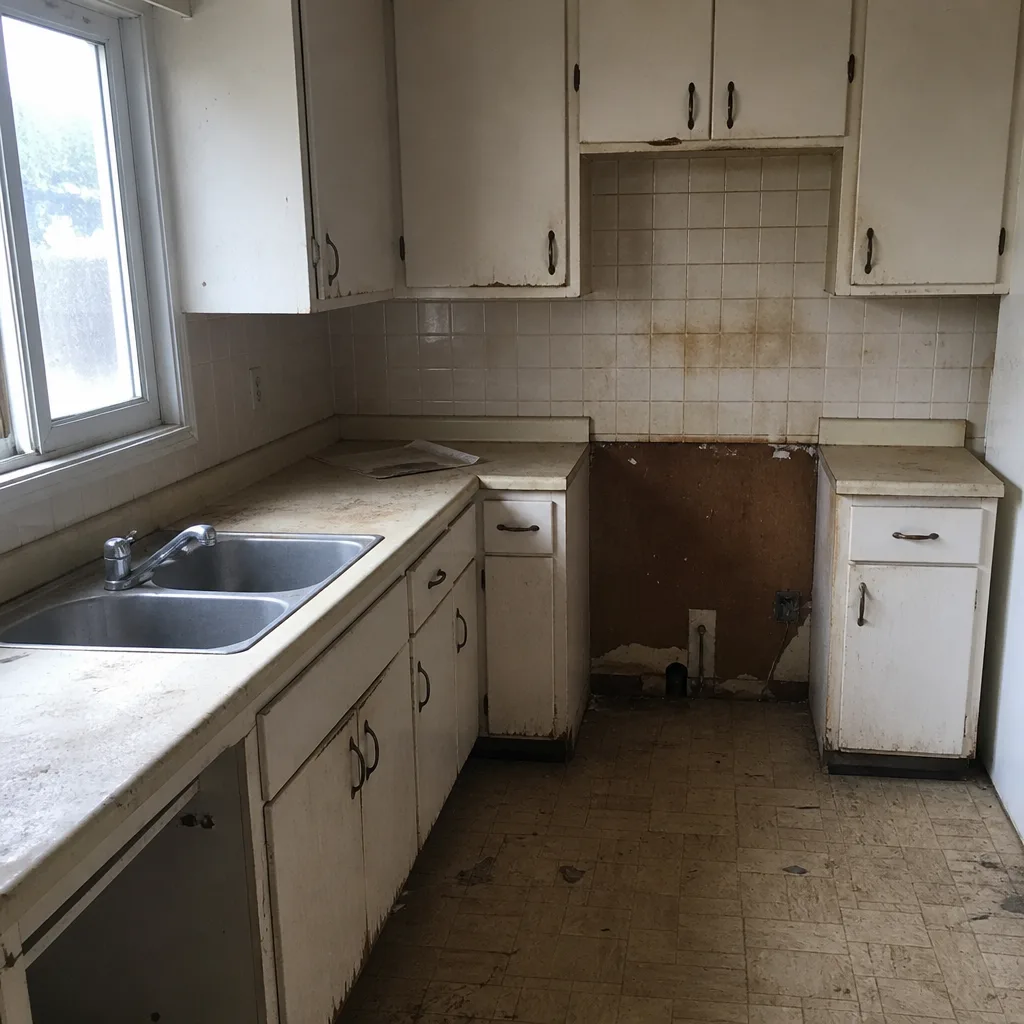
- Cosmetic kitchen updates – swapping cabinet fronts, replacing a faucet, painting cabinets. We see a lot of this in the older bungalows around Point Richmond and the Richmond Annex.
- Demolition and site prep, when the rebuild is going to a licensed trade anyway. More on that below.
- Landscape planting, raised garden beds, and non-structural hardscape refresh.
Where DIY is a bad bet in Richmond:
- Anything that requires a permit and inspection – additions, structural changes, window replacements that change egress, roof replacements, electrical service changes, gas line work.
- Grading, retaining walls, and drainage. Richmond’s soils and slopes make these high-consequence work, and we’ll explain exactly why in the next section.
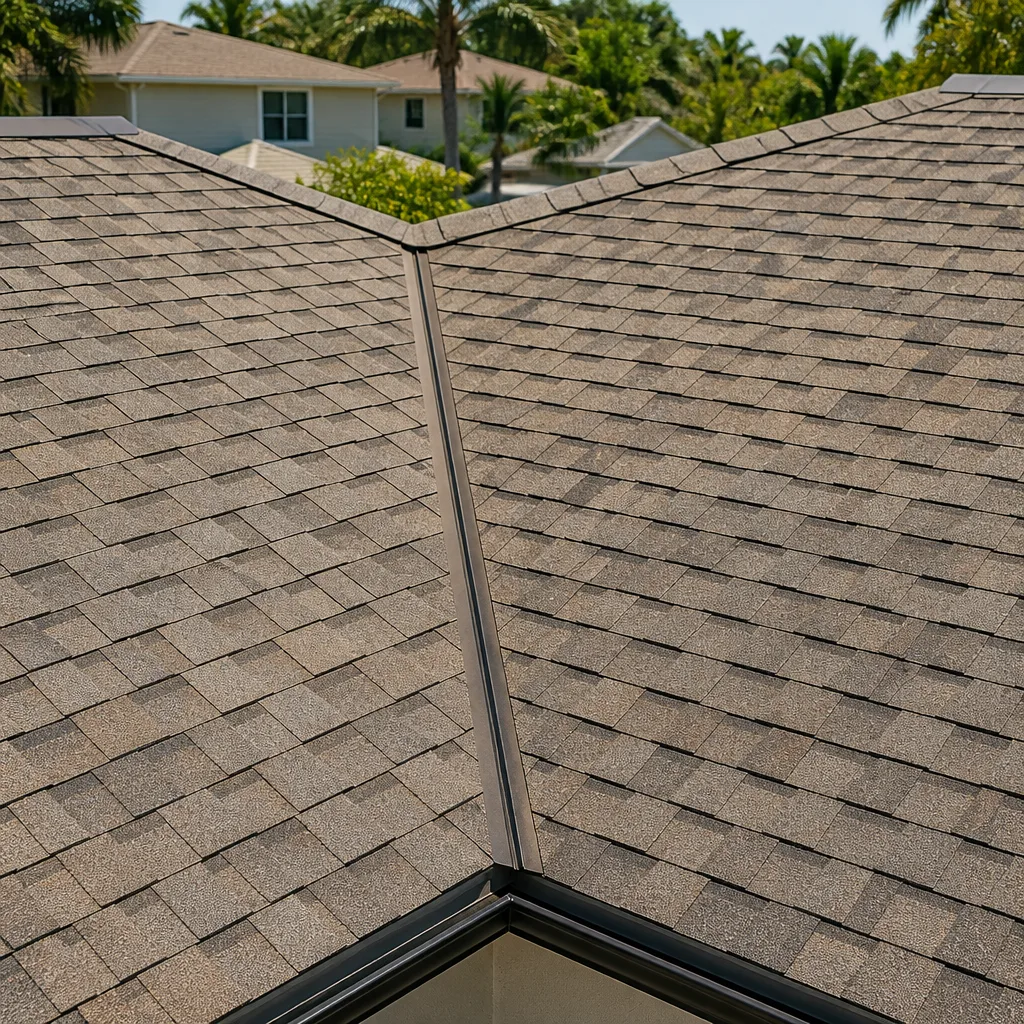
- Roofing. Beyond the fall risk, roof assemblies depend on correct underlayment and flashing sequencing – and a single flashing error in a wind-driven rain event shows up as a ceiling stain months later.
- Electrical panel work and gas. These carry genuine life-safety risk, and California requires licensed professionals. We don’t give step-by-step instructions for these, and neither should anyone else.
- Structural framing, load-bearing wall removal, and foundation work.
If your project is on the “bad bet” list, the honest advice is to get it specified and priced before you buy anything. A free estimate costs you nothing; a bad structural call costs you the project plus the correction.
Why flatwork, grading, and drainage fail in Richmond
This is the part of the guide most homeowners have never considered, and it’s the most Richmond-specific. A large share of Richmond sits on bayfront and former marsh soils with high clay content – soils that swell when wet and shrink when dry. That seasonal movement is why so many driveways, walkways, and patios in Richmond crack along a single line within a year or two of being poured. It’s not bad concrete. It’s bad base.
The failures follow a pattern we see repeatedly:
- The base is under-compacted. A slab poured on a shallow, hand-tamped base moves with the clay and cracks. Proper compacted base depth and moisture conditioning matter in Richmond’s soils far more than they do in a dry inland city.
- Grading pushes water toward the structure. Richmond has slopes, and a homeowner who regrades a yard for better drainage or a bigger patio can inadvertently send water toward the foundation. That’s when you get foundation movement, sticking doors, and drywall cracks.
- Drainage improvements create downstream problems. A retaining wall or French drain installed without proper outlet or slope calculation doesn’t fail where you can see it – it fails at the property line, or under the neighbor’s fence.
We’ve seen homeowners pour a foundation for a shed or an accessory structure and discover the drainage problem a season later, after the clay has moved the slab. Poorly executed site work near a structure is exactly the scenario that triggers insurance questions and disclosure problems.
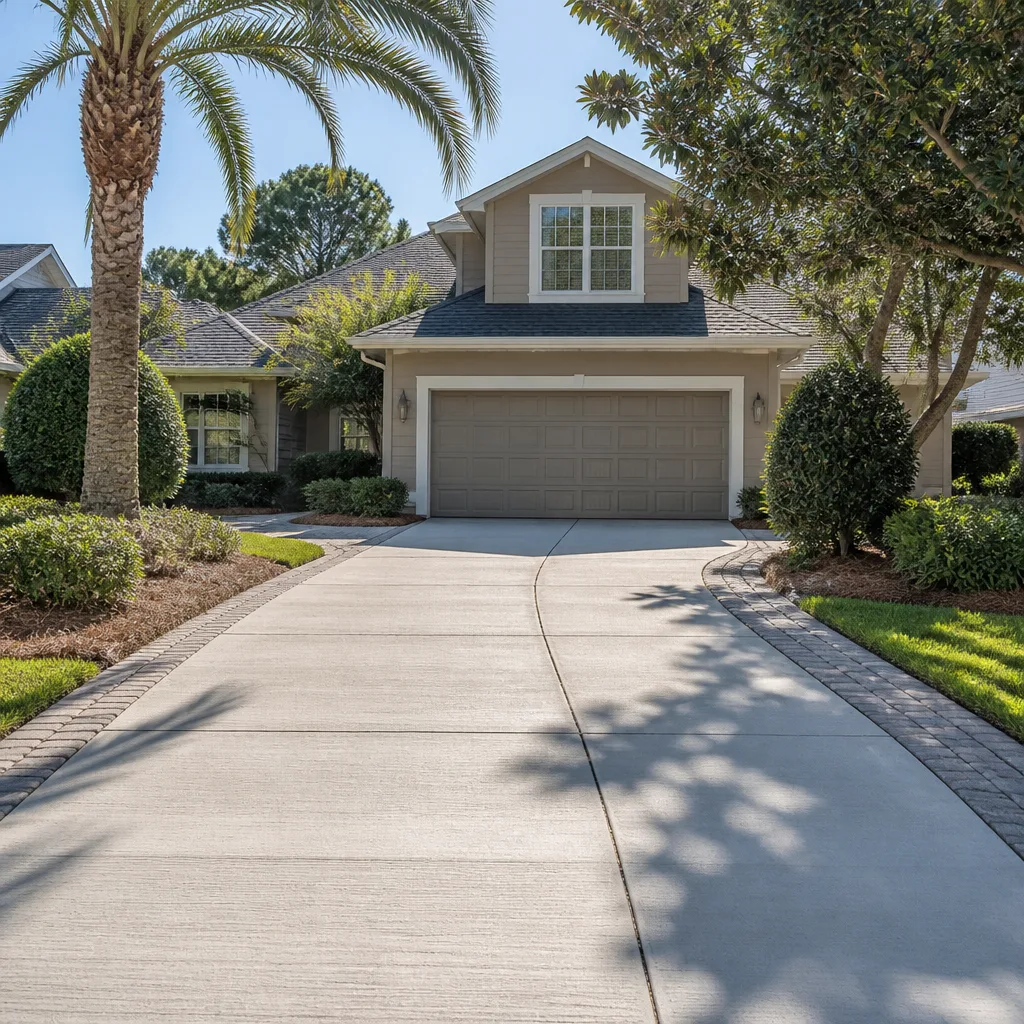
That’s why the driveways, patios, and hardscape work is one of the few places we consistently recommend hiring out. You can read more about how we handle Driveway & Pavers in Richmond, including base prep and drainage, before you commit to doing it yourself. The materials – whether Oldcastle, Quikrete, or Sakrete – are the cheap part. The preparation and the grading are what the job actually is.
The true cost comparison: DIY vs professional
The DIY cost comparison most homeowners run is materials-only. The real comparison adds time, tool rental, error correction, permit fees, and the cost of any mistake that has to be torn out. Here’s a realistic Richmond comparison for the kind of projects homeowners most often price both ways. These are ballpark ranges we see in this market – not a quote, and not a promise.
| Project | DIY materials + tools + permit | DIY realistic all-in (with corrections) | Professional installed range |
|---|---|---|---|
| Interior painting (2,000 sq ft home) | $800 – $1,400 | $1,000 – $1,800 | $3,500 – $6,500 |
| Fence panel replacement (100 linear ft) | $600 – $1,200 | $800 – $1,800 | $2,400 – $4,500 |
| Concrete driveway replacement (600 sq ft) | $2,000 – $3,500 | $3,800 – $7,500 | $8,000 – $14,000 |
| Bathroom refresh (no layout change) | $3,500 – $6,000 | $5,000 – $9,000 | $12,000 – $22,000 |
| Roofing (1,500 sq ft, asphalt shingle) | $4,000 – $7,000 | Not recommended – safety and code risk | $12,000 – $20,000 |
| Home addition or ADU | Not legal as owner-builder for most scopes | N/A | Project-specific; see notes |
A few things to read into that table honestly:
- The corrections column is real. Most first-time DIY flatwork and drainage projects need at least one tear-out or redo. We’ve seen homeowners spend more than a professional quote by the second attempt.
- Time has a cost. A driveway that takes a homeowner four weekends is four weekends of not running a business, not going to work, not spending time with family. Weigh that honestly.
- The permitting cost cuts both ways. Richmond permits carry fees and inspection time. A professional who pulls permits and passes inspection is bundling a service you’d otherwise have to learn from scratch.
- Financing changes the math. A professional project offers 0% financing for 18 months and, on projects over $10,000, $1,000 off – which can erase most of the cash-flow advantage of DIY on anything in the four-figure-plus range.
Where a project is likely to be inspected or structural, the honest model isn’t “DIY saves 50%.” It’s “DIY saves 20-30% at best, if nothing goes wrong.” That’s a real saving, and it’s also a real risk profile.
How to use professionals strategically and keep the savings
The best outcome for most Richmond homeowners isn’t all-DIY or all-professional. It’s strategic. You do the labor the owner-builder rules and the project schedule genuinely allow, and you hire licensed trades for the scopes that are inspectable, structural, or simply higher-risk than the savings justify.
Here’s a sequence that works well in Richmond:
- Get the scope defined and permits nailed down first. Before you do anything, know what the city will inspect and what the owner-builder exemption actually covers for your project. We can walk through the scope on a free estimate.
- Do the demolition and site prep yourself. Demo is high-labor, low-risk, and doesn’t require a license when it’s non-structural. Removing old finishes, tearing out a deck, clearing debris: real savings with little downside.
- Hire licensed trades for plumbing, electrical, and gas. These are costly mistakes waiting to happen and they’re not scopes you want to learn on your own house.
- Hire for anything that gets inspected. Roofing, structural, new flatwork, windows and doors that change egress: the value of a pro here isn’t just the labor, it’s the permit path, the inspection pass, and the warranty.
- Keep the finish work you’re competent at. Painting, trim, cabinet install, tile on a flat floor: these are where a homeowner’s labor genuinely compresses the budget without creating a correction.
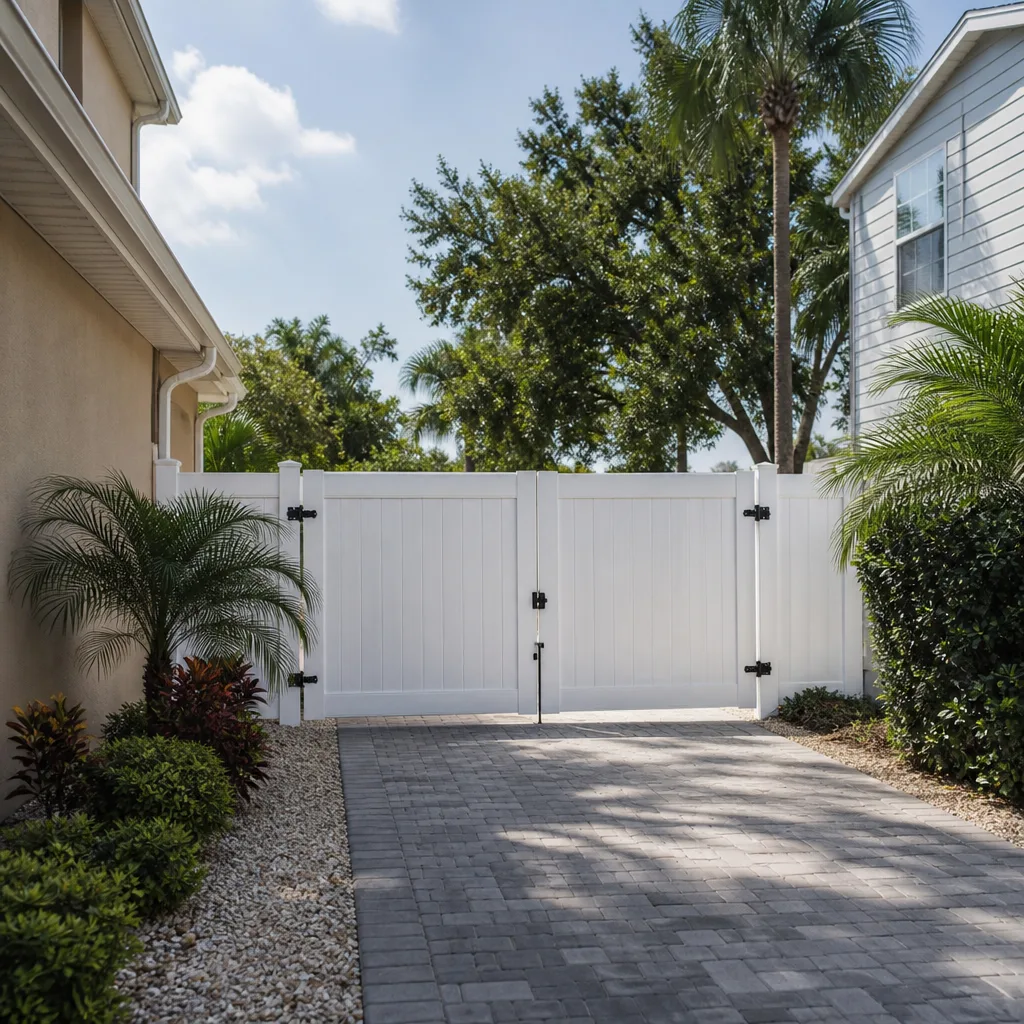
If your project is an addition or an ADU – which is where most Richmond owner-builder questions land – the honest advice is to treat it as a professional project from day one. The permitting, structural engineering, and inspection sequence on Home Additions & ADU in Richmond is exactly the scope where the owner-builder exemption runs out fast. ADU kits and prefab units from brands like Abodu can simplify the timeline, but the site work, utility connections, and inspection path still require licensed trades. If you need fence or site work bundled in, our Fence Installation in Richmond team coordinates that with the site prep.
The professional model worth looking for is one where the contractor tells you which pieces you can take yourself and which ones they won’t let you touch. That’s the model we run. It’s also why we don’t sell against DIY. We sell against the projects that DIY is wrong for.
Common Mistakes to Avoid
- Pulling an owner-builder permit and then hiring unlicensed help. This is the single most common and most expensive mistake we see in Richmond. It voids the exemption and creates liability that follows the property at resale.
- Skipping the permit because the project is “just cosmetic.” Window replacements that change egress, structural changes, roofing, and any kind of grading all have permit requirements in Richmond. Skipping them converts a cheap project into a correction.
- Pouring flatwork on a shallow, poorly compacted base. Richmond’s clay soils will find the cracks within a season. Under-compacted base is the leading cause of a driveway that fails in two years instead of twenty.
- Regrading a yard without calculating where the water goes. A slope that looks right at the surface can send water toward the foundation, and we’ve seen the resulting foundation movement start within a single rainy season.
- Buying materials before the scope is set. We’ve lost count of homeowners who bought Oldcastle pavers or a pallet of Quikrete, then found out the project needed a different base depth or drainage calculation. Materials bought early usually get donated.
- Treating inspection as a formality. Richmond’s building division does real inspections. Owners who assume a pass get red-tagged and lose weeks, sometimes months, waiting for a re-inspection.
- Not checking what the warranty covers before the first tear-out. A single door manufactured by a premium brand still fails if the rough opening wasn’t flashed and sealed. Material warranties are typically voided by installation errors, which is exactly why installation warranties exist.
- Underestimating the insurance and disclosure trail. Unpermitted and uninspected work becomes a disclosure problem the moment you sell. In a Richmond market where buyers ask hard questions, this can affect your sale price before it affects your coverage.
When to Call a Professional
Call a licensed professional when the project is structural, requires a permit or inspection, or touches gas, electrical, roofing, or site drainage. Call when the work will be inspected by Richmond’s building division, because the inspection path and the schedule are part of the service you’re buying. Call when you’re selling the house in the next five years and the work would become an owner-builder disclosure item. Call when the alternative is a tear-out, because the correction nearly always costs more than the original bid.
Groundwork Construction Co. of Richmond offers free estimates in Richmond. Our technicians have up to 12 years of experience, they’re background-checked and arrive in uniform, and every project is covered by the 730-Day Done Right Promise. Calls are answered by a live person 24/7. If the honest answer is “you can do this yourself,” we’ll tell you. Call (833) 700-4611 to schedule your free estimate.
Frequently Asked Questions
You can DIY projects on a home you occupy under California’s owner-builder exemption, but not projects that require licensed trades or where you’d hire unlicensed help. Structural work, electrical panels, gas lines, roofing, and permitted additions all require licensed professionals. For a scope check on your specific project, call (833) 700-4611 – estimates are free.
That combination is illegal in California and voids the owner-builder exemption. You become exposed to permit violations, potential insurance claim denial, and disclosure obligations at resale. It’s the most expensive shortcut we see Richmond homeowners take, and the correction is almost always larger than the project.
Yes, and it’s the most common hybrid model we see work well. Demolition and non-structural site prep are high-labor work with limited code risk, and licensed trades can pick up from there. Get the scope defined and the permit path confirmed before you swing a hammer, though – the order matters.
Richmond’s bayfront and former marsh soils have high clay content that moves with seasonal moisture, so an under-compacted base cracks the slab within a season. The fix is proper compacted base depth, moisture conditioning, and drainage calculation – not better concrete.
No. Upfront pricing means the number you see is the number you pay. We provide a written line-item estimate before work begins, pull the permits, and don’t change-order unless you change the scope yourself. Call (833) 700-4611 for a free estimate on your project.
Yes. We offer 0% financing for 18 months, plus $1,000 off projects over $10,000, which is why the cash-flow gap between DIY and professional narrows more than most homeowners expect on larger Richmond projects. Call (833) 700-4611 to talk through the numbers before you decide.
The Bottom Line
DIY in Richmond works cleanly on interior cosmetic work, painting, fence repairs, and demo you hire licensed trades to follow. It stops working the moment a project becomes structural, permitted, or touchable by its own drainage – not because homeowners aren’t skilled, but because California’s owner-builder rules, Richmond’s soils, and the insurance and disclosure trail change the risk profile. The smart approach is strategic: do the labor you’re allowed to do, hire licensed professionals for the inspectable scopes, and get the scope and the price in writing before you buy anything. If you’re not sure which side of the line your project falls on, that’s the right time to ask.
Start with a free estimate from Groundwork Construction Co. of Richmond. Call (833) 700-4611 – a live person answers 24/7 – and we’ll walk your project, tell you what you can do yourself, and quote the rest in writing with upfront pricing and no surprises. From foundation to finish line, built to last and backed in writing by the 730-Day Done Right Promise.
Written by the team at Groundwork Construction Co. of Richmond.
See the difference
 Before
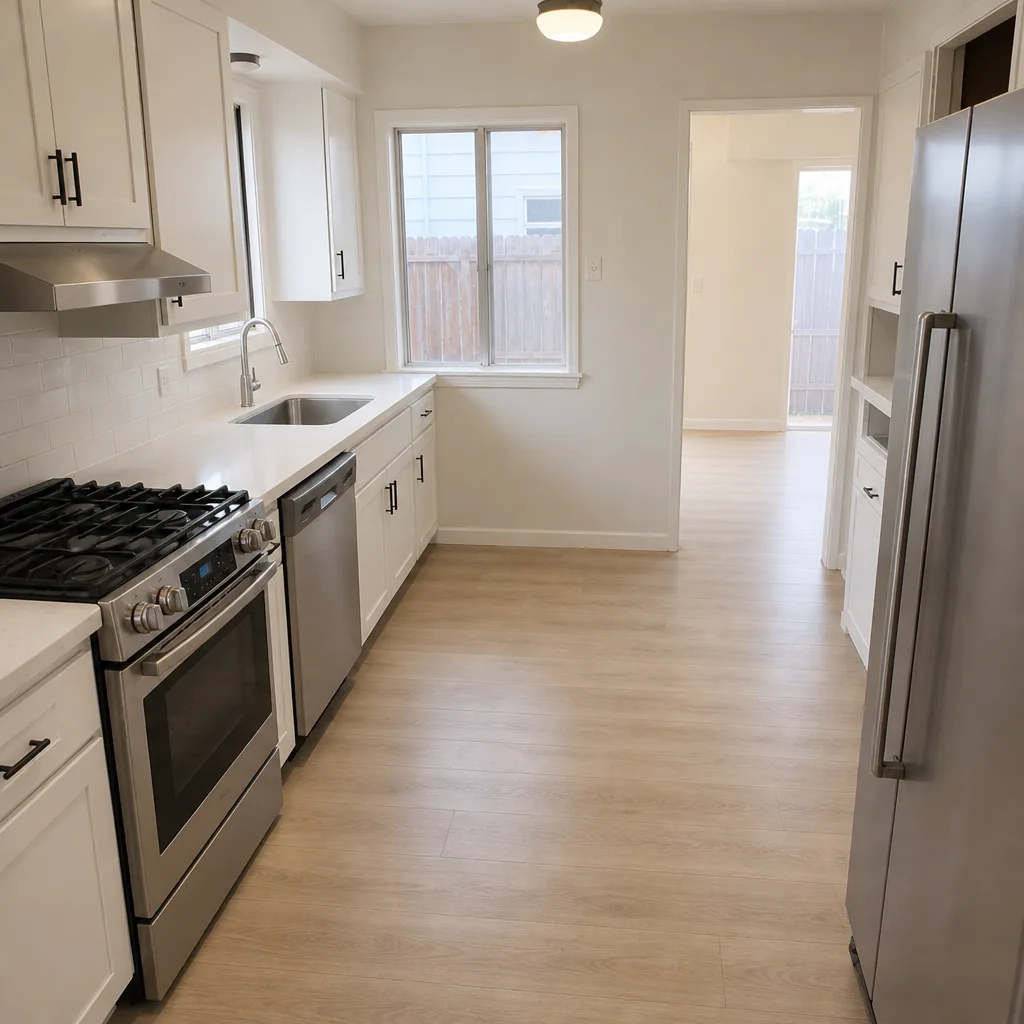 After
 Before
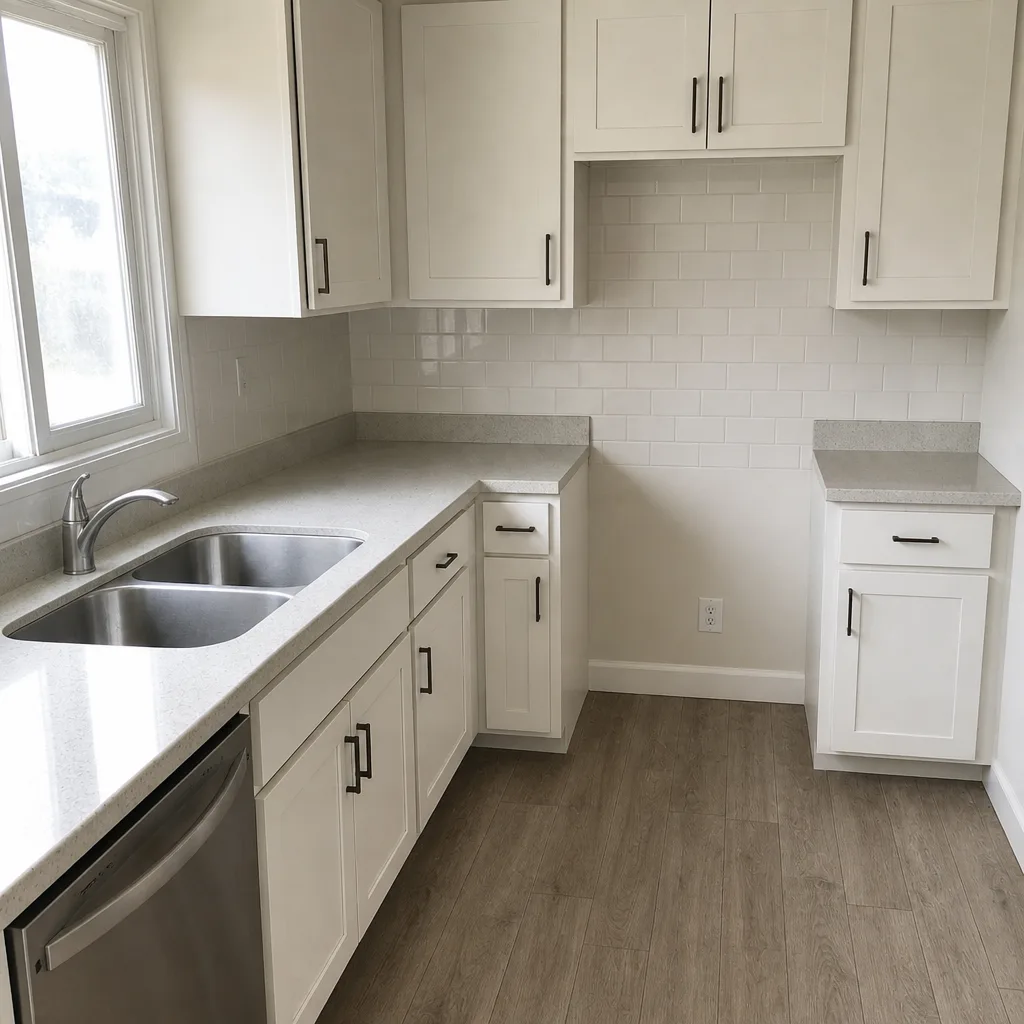 After
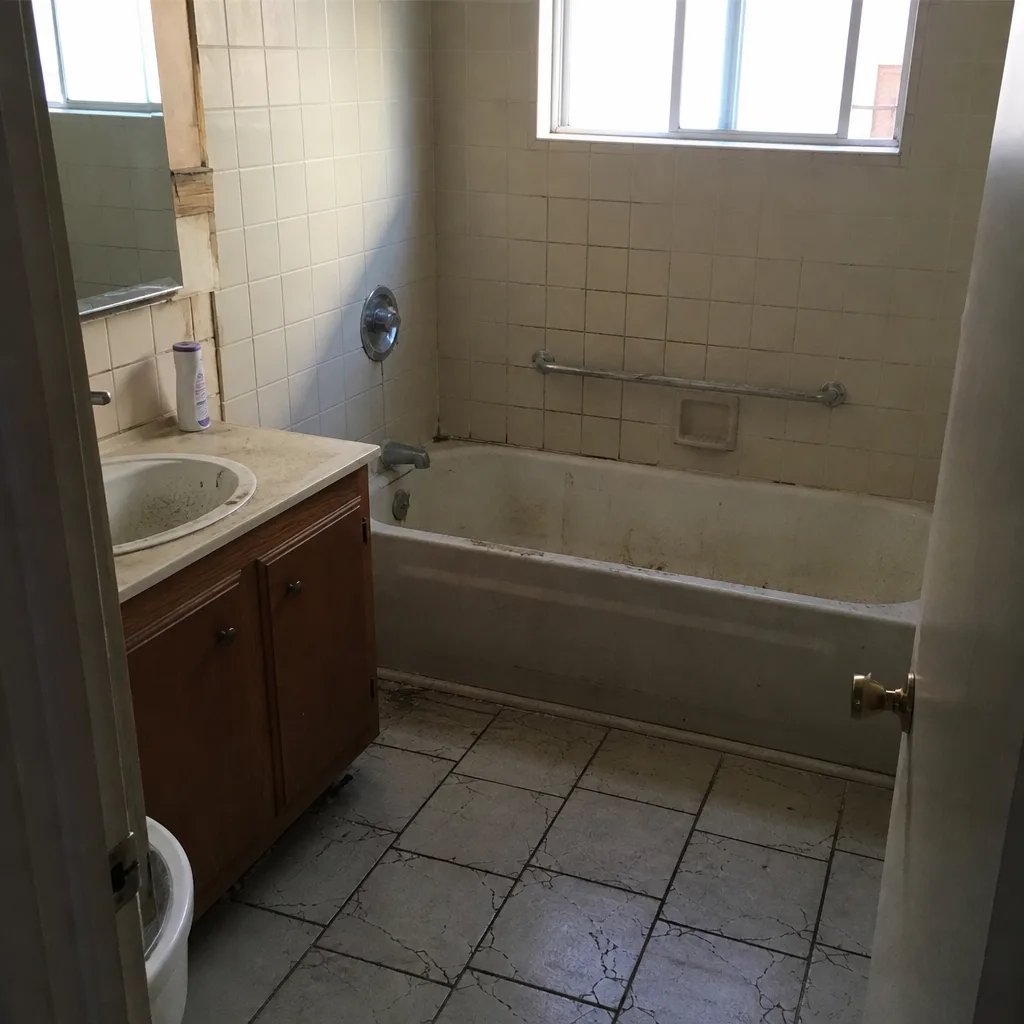 Before
 After