Last updated November 18, 2026



Free written scope consultation - allowances, timeline, and change-order rules on paper before a single trade is scheduled
How Long Does Driveway & Pavers Take? Timelines and What to Expect
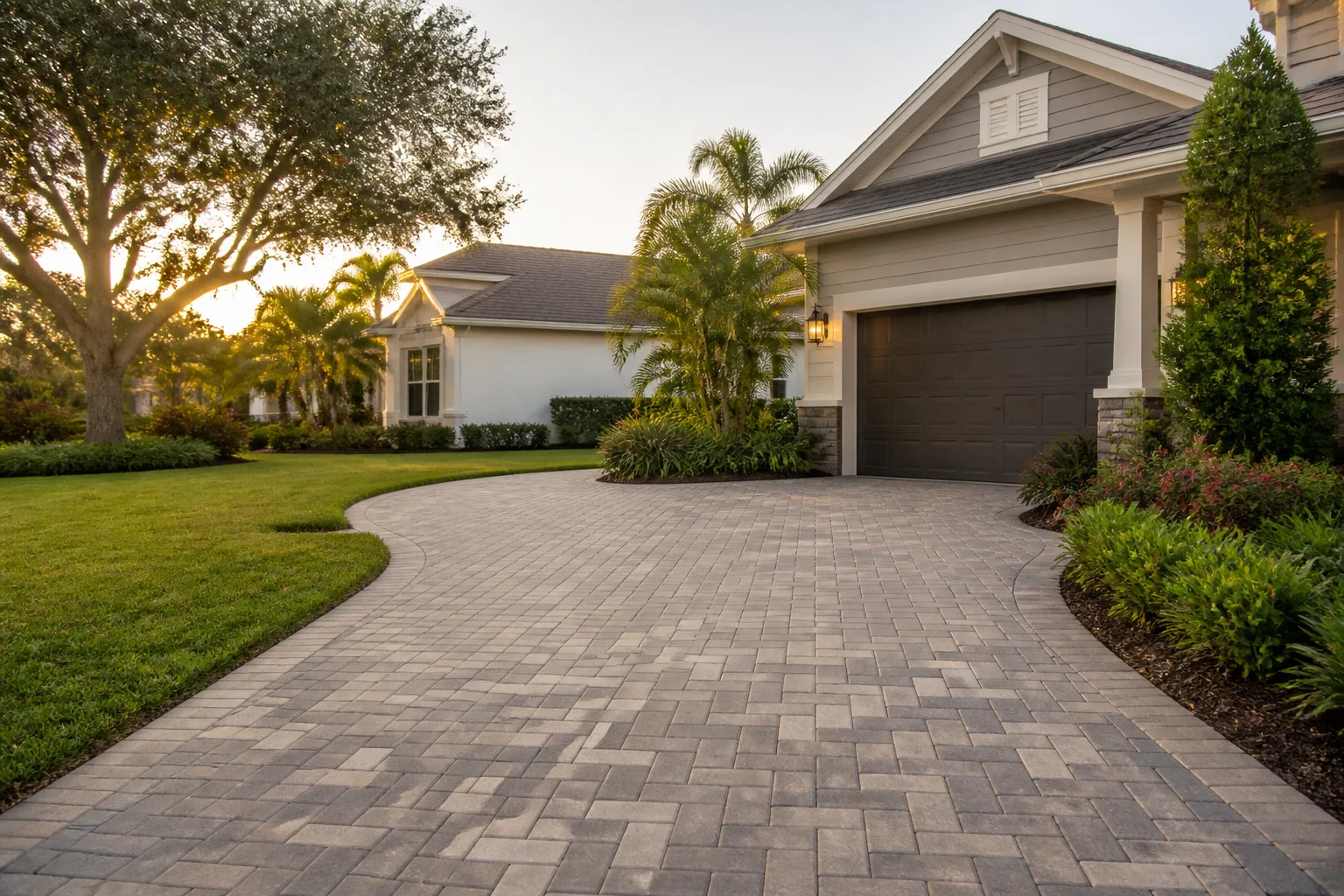
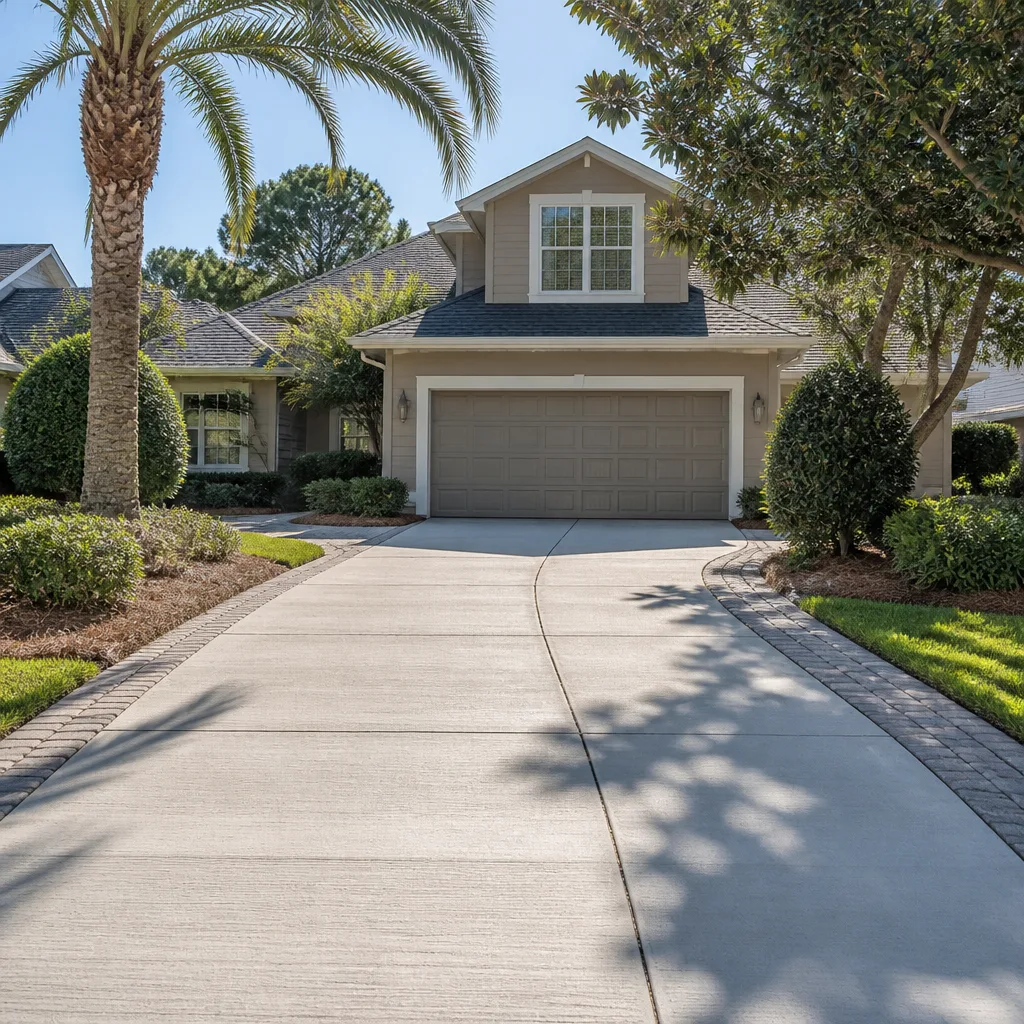
A contractor who quotes you “three days” for a driveway paver job is either leaving out base work or planning to skip it. Neither scenario ends well for you. Pavers themselves go down fast. The excavation, grading, compaction, and joint sand that make a driveway survive Richmond’s rainy winters take the real time, and those are the steps that determine whether your driveway is flat and tight in year eight or rocking and full of weeds. We wrote this guide to walk you through the honest phase-by-phase timeline so you can read a bid without guessing what got left out.
Quick Answer
A standard 400 to 600 square foot driveway paver installation in Richmond takes about 5 to 8 working days from demolition to final joint sand, and 6 to 10 days if sealing is included. Add another 24 to 72 hours of cure-dependent finishing before you drive on it. Larger driveways, poor access, or a concrete slab that has to be broken out will push the number higher.
Styles & brands we work with
- Kitchen remodeling
- Bathroom remodeling
- Home additions & ADU
- Roofing
- Windows & doors
- Driveway & pavers
- Fence
Table of Contents
- The Phase-by-Phase Breakdown: Real Day Counts
- How Richmond’s Wet Season Changes Your Project Window
- The 24 to 72 Hour Window You Cannot Skip
- What Legitimately Delays a Paver Project vs. a Contractor Problem
- How Size, Access, and Existing Surface Move the Timeline
- Why Sealing Is a Separate Calendar Decision
- What the Timeline Costs You: Line-Item Ranges
- How to Vet a Timeline Before You Sign
The Phase-by-Phase Breakdown: Real Day Counts
When a contractor tells you a driveway paver job takes “a week,” ask them which of these phases they’re counting. In our experience, the number that comes back is usually just the install days, which is roughly 30 percent of the actual work. Here’s the full picture for a typical 500 square foot driveway in Richmond with a solid base.
- Demolition and haul-off (1 to 2 days). If there’s an existing asphalt or concrete surface, it gets broken up and trucked out. Concrete is heavier and slower than asphalt. On older Richmond properties, we’ve pulled out layers of failed patch jobs and even a buried sidewalk under what looked like flat concrete.
- Excavation and subgrade prep (1 to 2 days). The old surface leaves about a 7 to 9 inch hole. That hole gets graded to slope water away from the house and garage, which is critical in a city with as much drainage pressure as Richmond has.
- Base installation and compaction (1 to 2 days). Class II base goes in 2 to 3 inch lifts, each compacted before the next goes down. This is the phase cut-rate crews rush, and it’s the phase that keeps a driveway from settling.
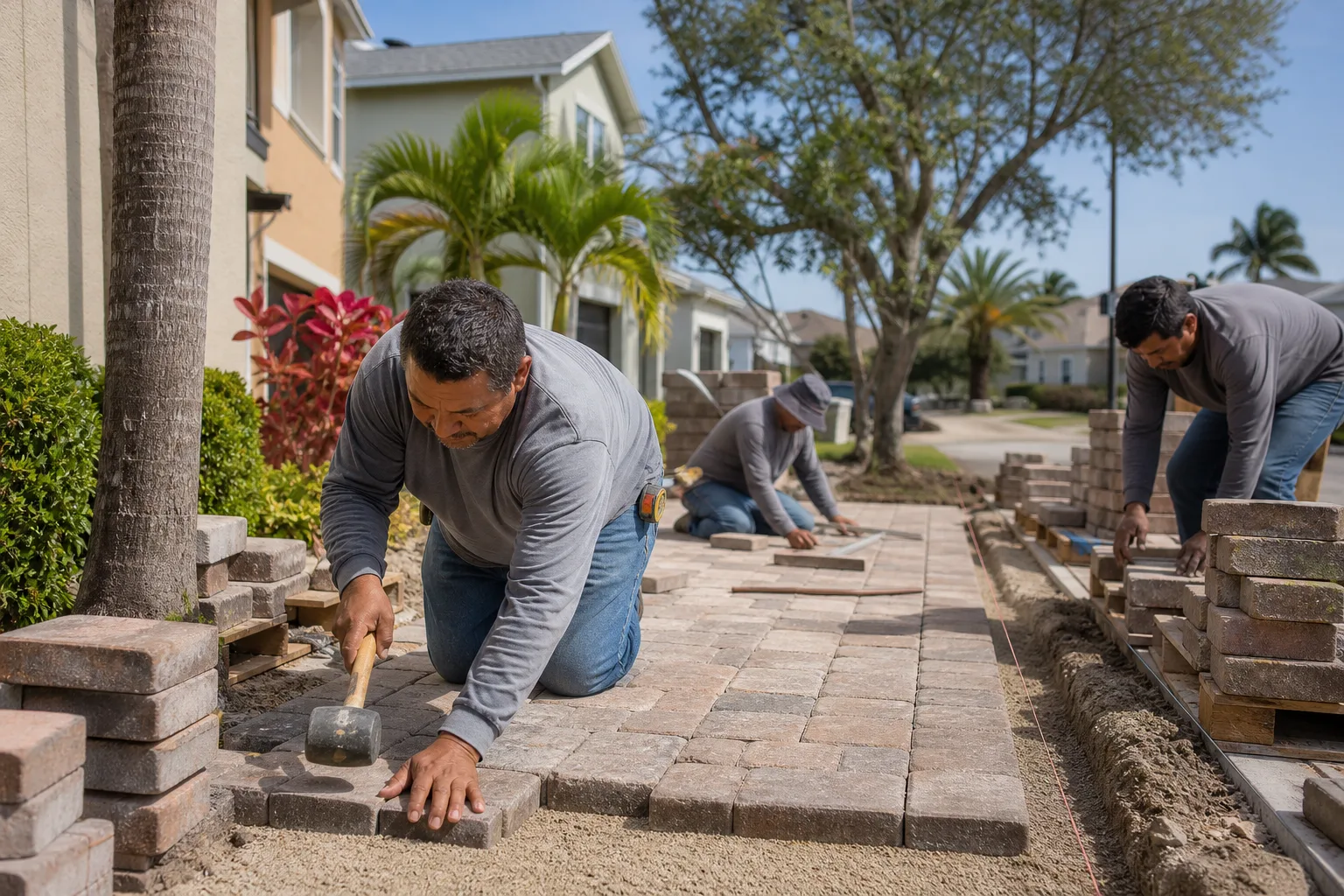
- Bedding sand and paver install (1 to 2 days). A 1 inch sand bed goes down, then the pavers go on top. Paver installation itself is fast: a skilled crew lays 400 to 800 square feet a day depending on the pattern.
- Edge restraint and cut work (half day). The perimeter gets restrained and cut to fit. Edge restraint is what keeps the field from spreading under tire load.
- Joint sand and cleanup (half day). Polymeric or regular sand goes into the joints, gets swept in, and gets compacted into the joints.
Total for a mid-sized driveway: 5 to 8 working days, plus any curing and sealing days. If your project includes steps, a border course, or a curb reveal, add 1 to 2 days.
How Richmond’s Wet Season Changes Your Project Window
Richmond’s wet season runs roughly November through March, with the heaviest rain historically landing in December and February. For paver work, that timing matters more than most homeowners realize, because base compaction and joint sand both fail in standing water. A crew that tries to install pavers on a saturated subgrade is going to hand you a driveway that moves within a year.
Here’s what “weather holds” should actually mean in your contract:
- Base phase: excavation and grading need at least 48 to 72 hours of dry forecast. If it rains the night before compaction, the base has to dry before the compaction pass, which is typically 1 to 3 extra days depending on sun exposure.
- Install phase: pavers can go down in light drizzle without issue, but heavy rain during install means the sand bed is compromised and has to be re-laid.
- Sealing phase: this is the most weather-sensitive step. Sealer needs a dry surface and 24 hours of clear weather after application. Richmond humidity slows dry times, so March and September are the best sealing months in this market.
A contractor who schedules your project in February without a wet-season plan is either hoping for luck or planning to cut corners when the weather turns. Ask what the “weather hold” clause in the contract actually says. Your schedule needs a built-in buffer in the rainy months. The best window in Richmond is April through October, but a good crew can still do excellent work in the shoulder months if they leave buffer days for weather and don’t try to sprint through compaction.
The 24 to 72 Hour Window You Cannot Skip
Paver driveways are not driveways the moment the crew packs up. That 24 to 72 hour post-installation window exists because the joint sand needs to settle, the polymeric binder (if you’re using one) needs to cure, and the surface needs to stabilize before it takes any load. Vehicle traffic on a fresh install compacts the sand unevenly, shifts pavers out of pattern, and can ruin the edge restraint bond.
What the timeline actually looks like for access:
- 0 to 24 hours: no foot traffic, no vehicle traffic. Keep the driveway roped off.
- 24 to 48 hours: light foot traffic is fine. Don’t park anything on it.
- 48 to 72 hours: vehicles can start crossing, but avoid turning the steering wheel while the car is stationary (that’s what scrubs pavers out of pattern).
- After sealing: 24 hours minimum, longer if it’s humid or cool. Sealer on a cool, damp day can take 48 hours to fully cure.
We’ve seen homeowners pull the cones back on day one and back a U-Haul onto a fresh install. It never ends well. The pavers themselves are tough; the sand and restraint aren’t locked in yet. Plan your parking elsewhere, tell your neighbors, and treat that window as part of the schedule.
What Legitimately Delays a Paver Project vs. a Contractor Problem
Not all delays are created equal. Some are the weather and the ground doing what weather and ground do. Others are a contractor who overbooked, didn’t order materials, or ran out of crew. You should be able to tell the difference before you sign, because the difference is about $2,000 in rescheduling costs and weeks of your life.
Legitimate delays (nobody’s fault):
- Saturated subgrade after rain. Base compaction cannot happen on wet ground.
- Unexpected buried utilities, old footings, or tree roots under the excavation area. Richmond yards are old, and we’ve hit root systems under driveways that were never removed during earlier updates.
- Material delivery delays. Some pavers come from regional quarries; a lead time of 2 to 3 weeks on specialty styles is normal.
- Permit or HOA sign-off delays when a driveway widens or changes the curb area. Richmond properties in some neighborhoods need a separate curb cut review, and that review doesn’t happen in a day.
- Discovery of poor drainage on the property. If water is running toward your garage, the plan needs a swale or a drain line before pavers go down.
Contractor scheduling problems to push back on:
- The crew disappears for two or three days mid-project with no notice and no reason.
- Material “wasn’t ordered yet” after demo started.
- Compaction is skipped or rushed “to stay on schedule.”
- Multiple jobs are being worked by the same small crew, and your driveway is being alternated with someone else’s.
- Your start date keeps shifting without any weather excuse.
Any legitimate delay should come with a written update and a revised schedule. If your contractor can’t explain the delay in plain words and give you a new date, the delay isn’t the weather. It’s the contractor.
How Size, Access, and Existing Surface Move the Timeline
Two driveways in the same Richmond zip code can have a 4 day timeline difference for reasons that never appear in a phone quote. Size is the obvious one, but it’s rarely the biggest driver.
- Square footage. Below 400 square feet typically lands at 4 to 6 working days. A 400 to 600 square foot driveway runs 5 to 8. Above 600 square feet, add roughly 1 day per 200 square feet for install, plus demolition time.
- Access. Richmond has a lot of narrow side yards and hillside properties. If a mini skid steer can’t reach the excavation area, everything gets hand-carried. That can add 1 to 2 days and real labor dollars.
- Existing surface. Paver-over-existing-concrete is technically possible with the right base and drainage, but it’s rarely the right call. Full removal of concrete adds a day. Full removal of asphalt is faster but requires tracking the broken material out of the site.
- Slope. A sloped driveway needs stepped base preparation and often a retaining detail. Steep properties in the Richmond hills add 1 to 3 days versus a flat lot.
- Drainage. If a channel drain or French drain has to go in, that’s a half to a full day on top of the paver install, and it’s not on the standard quote unless the contractor looked at the property.
This is why a phone quote is mostly guesswork. The number that matters comes from someone standing on the property with a laser level and a wheel.
Why Sealing Is a Separate Calendar Decision
Sealing is not part of the install signature date. It’s a separate appointment 30 to 90 days after install, when the pavers have gone through a full wet-dry cycle and the joint sand has fully settled. The reason is simple: sealer applied too early traps moisture, and trapped moisture under sealer in a wet climate causes efflorescence (the white chalky film that shows up on paver surfaces) and dull patches.
What the sealing timeline looks like:
- Install completes. Joint sand gets swept in and the driveway is ready for light foot traffic at 24 hours.
- 30 to 90 day cure window. Pavers and joint sand settle. If any sand was lost, we top it off before sealing.
- Surface clean and dry. Sealing day requires 24 to 48 hours of dry forecast before and 24 hours after.
- Application. One day, typically 4 to 6 hours for a standard driveway.
- Cure. 24 hours before foot traffic, 48 to 72 before vehicles in cool weather.
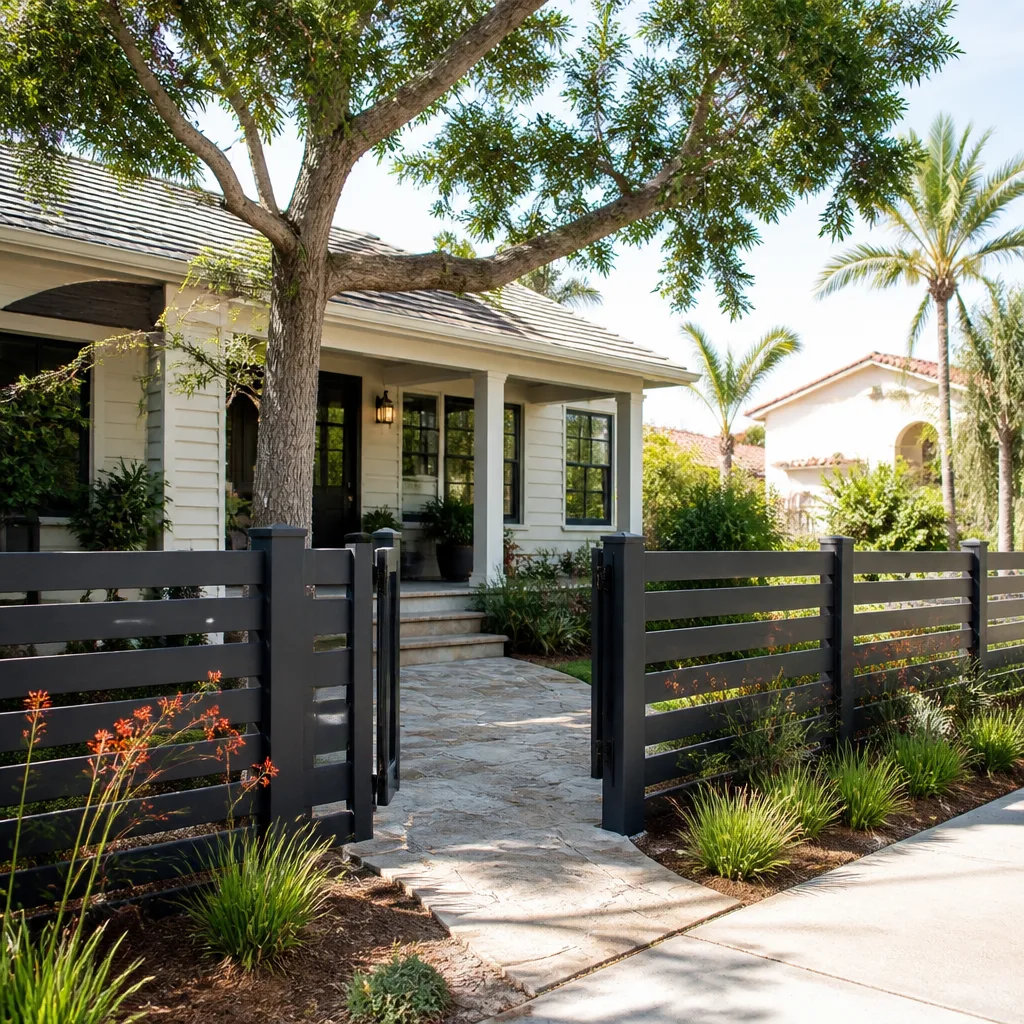
If a contractor tells you they’ll seal the same week as install, ask them why. There’s a legitimate reason in a narrow set of cases, but the default answer should be no. Sealing too early is one of the most common ways pavers fail in Richmond, and the failure usually appears as white haze and patchy discoloration rather than a dramatic collapse. If you’re planning the full scope of exterior work at once, driveway pavers pair naturally with a matching fence installation in Richmond so both projects share the same weather window and site access.
What the Timeline Costs You: Line-Item Ranges
The cost picture is inseparable from the timeline, because the phases you can’t skip are also the phases you can’t cut. Here’s what the market in Richmond currently looks like, line by line, for a standard 500 square foot driveway.
- Demolition and haul-off of existing surface: $800 to $1,800 (concrete at the high end, asphalt at the low end)
- Excavation, grading, and base prep: $1,500 to $3,500 depending on access and existing subgrade
- Pavers (material): $2.50 to $6 per square foot depending on brand and thickness, so $1,250 to $3,000 for 500 square feet
- Installation labor and base sand: $4 to $8 per square foot installed
- Edge restraint and cuts: $300 to $600
- Joint sand and compaction: included in most quality installs, but verified as a line item on the bid
- Sealing (30 to 90 days later): $1 to $2.50 per square foot, so $500 to $1,250 for 500 square feet
Total realistic range for a 500 square foot driveway in Richmond: $6,000 to $13,000 installed and sealed, depending on paver choice and site conditions. The lower end of that range is honest work with standard pavers; the higher end typically reflects premium brands, curved layouts, or difficult access. We partner with material brands across each of our trades to give homeowners real options at both ends of the budget, including 0% financing for 18 months and $1,000 off projects over $10,000.
If a bid comes in at $3,500 for the same job, ask which phase got cut. The answer is almost always the base.
How to Vet a Timeline Before You Sign
Before you sign, make sure the schedule you’re agreeing to accounts for every phase, every cure window, and every weather buffer. Here’s the checklist we’d use on our own house:
- Ask for a written phase schedule. Demo, base, install, joint sand, and seal should each show a day range. If they don’t, the contractor is quoting you a guess.
- Confirm compaction is onsite. Ask how the base gets compacted and whether the compaction pass is included in the price. Loose base equals failed pavers.
- Get the weather hold clause in writing. What happens if it rains on day two? Does the schedule shift by days or weeks?
- Ask when sealing is scheduled. The right answer is 30 to 90 days out, not the same week.
- Understand the traffic cure window. 24 hours for foot traffic, 48 to 72 before vehicles. If your contractor doesn’t mention this, they’re not planning for it.
- Get the warranty in writing. Workmanship matters more than materials on paver jobs. Look for a multi-year guarantee on install and note what’s actually covered.
- Ask about site access. If the contractor hasn’t walked access, the timeline is missing the labor reality of your specific property.
Good contractors plan for every phase and tell you the real number. The 730-Day Done Right Promise on our projects exists because workmanship on paver installs is the thing that matters most in year two and three, not the day of install. A paver driveway that isn’t properly based and compacted is going to look fine the day you pay for it and start failing by the next wet season.
If your project has a broader scope, like a new fence along the property line or an ADU addition in Richmond shelling out at the same time, sequencing the paver work with the rest of the construction saves real calendar time because the site equipment and access are already there.
Common Mistakes to Avoid
- Accepting a “day count” that only includes install days. Ask which phases are being counted. If the answer excludes demolition, base, or joint sand, the number is fiction.
- Scheduling in February without a wet-season buffer. Richmond rain will find your compaction pass. Build 3 to 5 buffer days into winter installs or wait for the dry window from April through October.
- Driving on the driveway before the cure window ends. 48 to 72 hours, then avoid stationary steering for the first week. This isn’t a suggestion, it’s the difference between a tight field and one that’s shifting by month three.
- Letting the same contractor seal the same week. Seal is a 30 to 90 day appointment. Early seal traps moisture and causes efflorescence on Richmond’s humid days.
- Skipping compaction verification. Ask how the base is compacted and whether a plate or roller is used per lift. If the answer is vague, the base isn’t being taken seriously.
- Choosing the crew by lowest bid on a driveway that slopes toward the house. Slope and drainage affect both timeline and water direction. A cheap bid on a complicated slope is going to cost more in year two.
- Not asking about the pitch of new construction pavers. If the paver pattern runs flat against your garage apron, water sits. That’s a detail the contractor should raise, not you.
See the difference
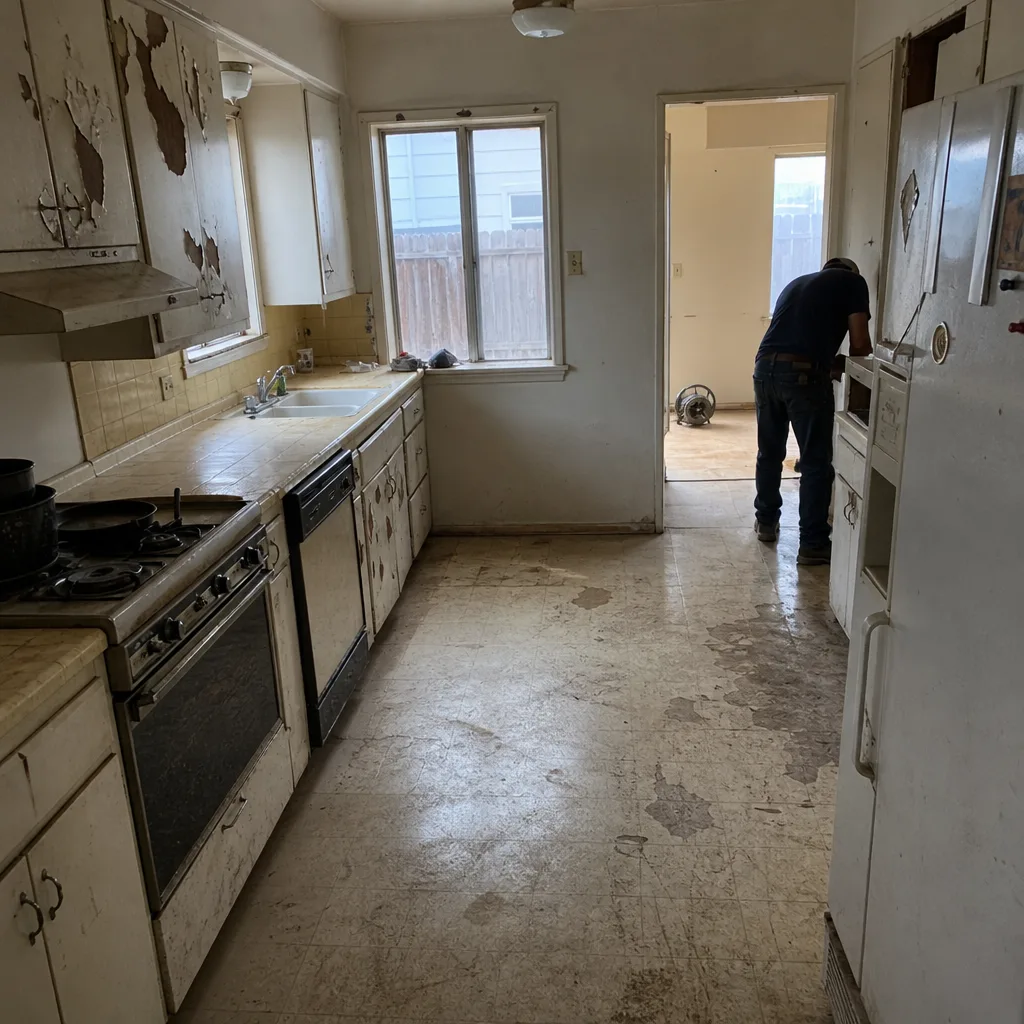 Before
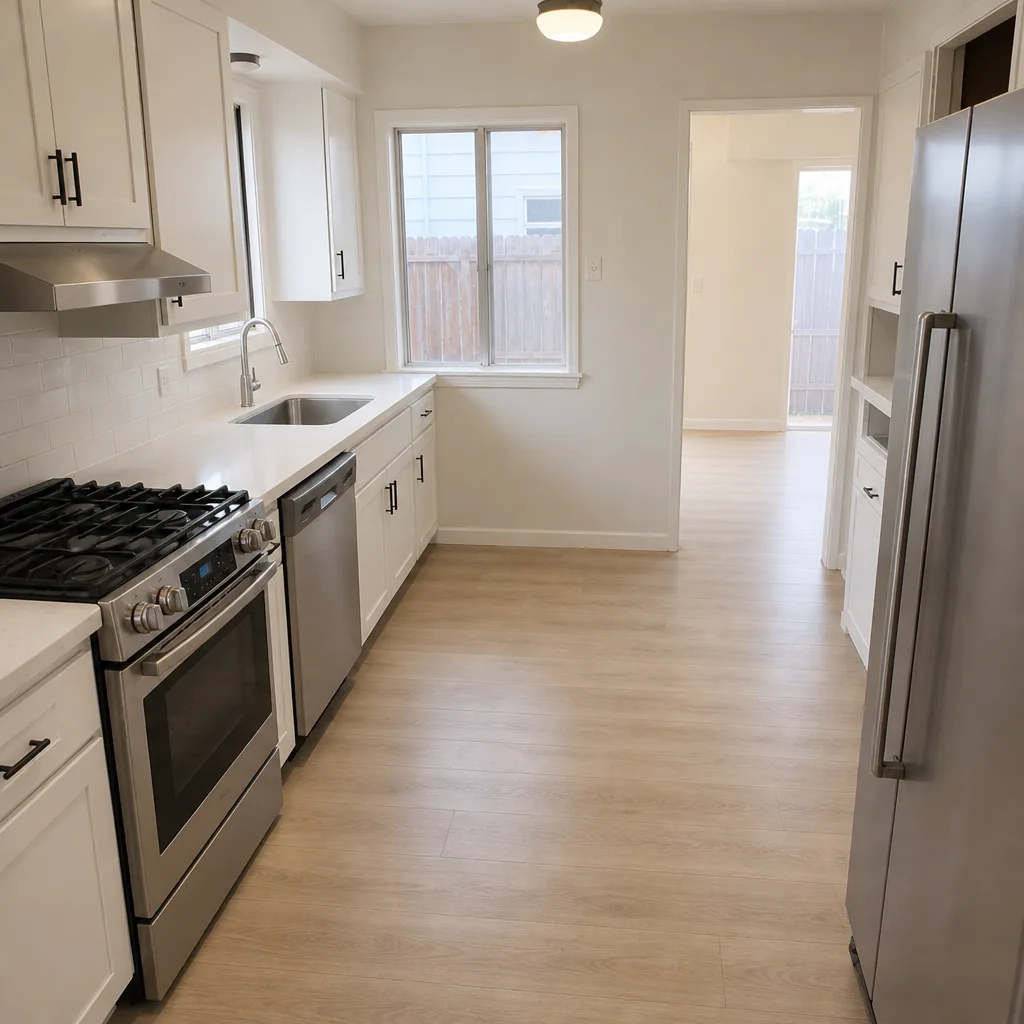 After
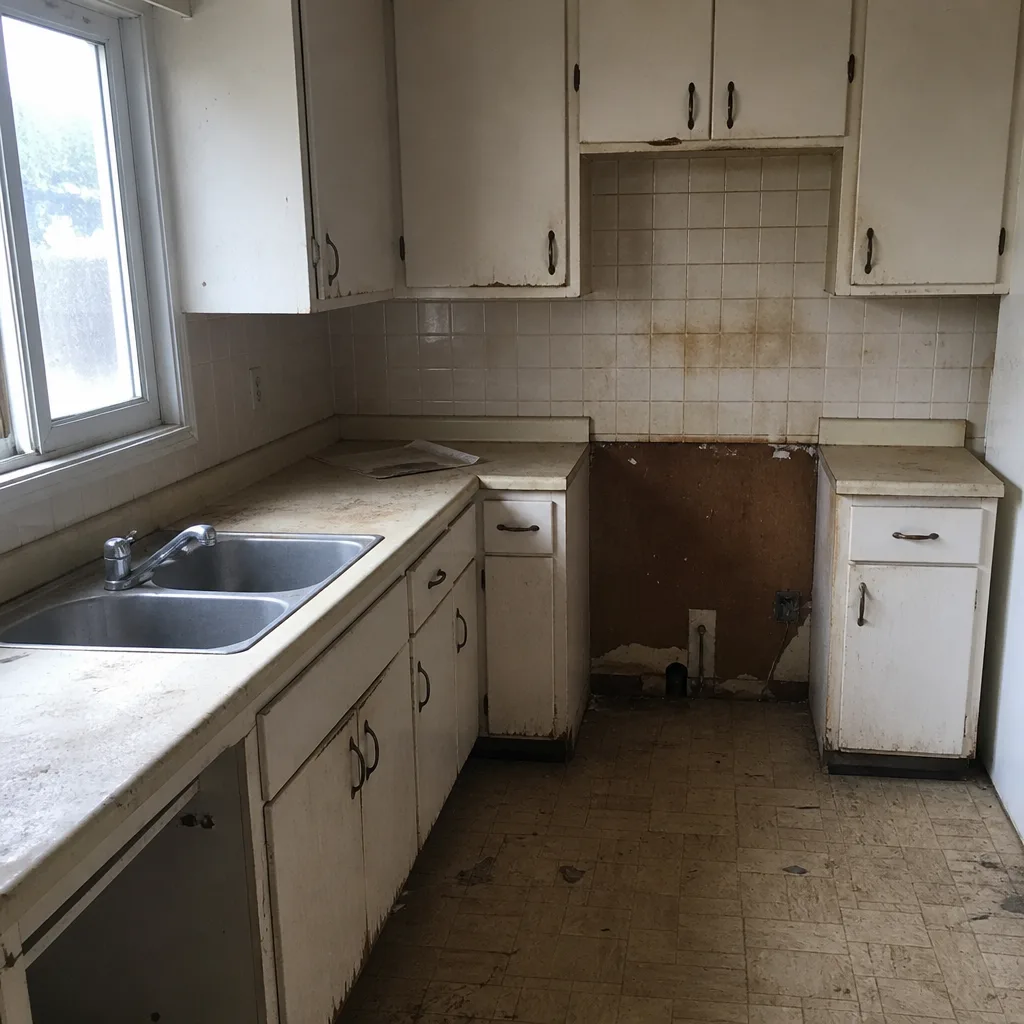 Before
 After
 Before
 After
When to Call a Professional
Some paver work is technically within reach of a weekend crew, like a small walkway. Driveways on a slope, driveways over an existing failed surface, driveways with active drainage problems, or any driveway that touches a foundation or garage apron are best handled by a crew that does this every week. That’s especially true in Richmond, where wet winters and old properties combine to make base prep and slope the deciding factors. If your existing driveway has settled sections, standing water, or paver patterns that are heaving up in one corner, get a real assessment before you spend money on a surface treatment. The pavers are the visible part; the fix, if there is one, is underneath them.
Groundwork Construction Co. of Richmond offers free estimates in Richmond and can walk your specific property, quote the full phase schedule, and give you an upfront price with no surprises. Call (833) 700-4611 for a free, no-pressure estimate.
Frequently Asked Questions
A standard 400 to 600 square foot paver driveway in Richmond takes 5 to 8 working days from demolition to joint sand, or 6 to 10 if you include sealing later. Larger jobs, poor site access, or full removal of a concrete surface push it longer. Call (833) 700-4611 and we’ll walk your property and give you a real phase-by-phase schedule, not a phone guess.
No. You need to wait 24 hours for foot traffic and 48 to 72 hours before vehicles, and avoid stationary steering for the first week. The joint sand and edge restraint need time to lock in, and driving early is the most common reason fresh pavers shift out of pattern. Call (833) 700-4611 if a contractor told you otherwise.
A weather hold means the crew stops work because the ground is too wet or the forecast doesn’t support the current phase, usually base compaction or sealing. Legitimate weather holds in Richmond’s wet season add 1 to 5 days depending on how long the rain lasts. The clause should be in your written contract before you sign. Call (833) 700-4611 and we can tell you what your specific project window looks like.
No, and you shouldn’t. Sealing happens 30 to 90 days after install, once the pavers and joint sand have gone through a full wet-dry cycle. Sealing earlier traps moisture and causes efflorescence. If a contractor quotes sealing on the same week as the install, ask them why. Call (833) 700-4611 for a full scope quote that includes the sealing timeline.
Different properties have different real timelines. Access, slope, base condition, existing surface type, and drainage needs all shift the schedule, often by 3 to 5 days. A flat driveway with clean access and no existing surface to remove is the fast case; a sloped lot with a concrete slab to break out is the slow case. The right timeline is the one built from your property, not the neighbor’s.
Sometimes, yes, but not by skipping phases. If you have a hard deadline, tell us at the estimate and we’ll sequence demo and base first, then install as weather allows. What we won’t do is skip compaction or set pavers on wet base to hit a date. Call (833) 700-4611 and we’ll build the fastest schedule that doesn’t come back to cost you.
The Bottom Line
A driveway paver project in Richmond takes 5 to 8 working days for a standard size, 6 to 10 with sealing, plus a 24 to 72 hour cure-dependent window before vehicles are allowed on it. Any quote that doesn’t count the demolition, base prep, compaction, and joint sand phases is leaving out the work that determines whether your pavers actually last. Site access, slope, existing surface, and wet-season scheduling move that timeline more than square footage does. Get a phase-by-phase written estimate, confirm the weather hold and the sealing appointment, and treat the cure window as part of the job. That’s the schedule that holds up in year eight, not just the day the crew leaves.
If you’re ready to price the full picture, Driveway & Pavers in Richmond shows what we do and how we build the schedule. You can also see the broader scope of our work at the Groundwork Construction Co. of Richmond home, and our full lineup of external upgrades in case your project touches the fence line, the roofline, or the home shell.
Call (833) 700-4611 for a free, no-pressure estimate on your driveway paver project. We’ll walk the site, quote every phase, and give you an upfront price with no surprises. Live person, 24/7, background-checked and uniformed technicians on every project, and the 730-Day Done Right Promise behind the work.
Written by the team at Groundwork Construction Co. of Richmond.