






Free written scope consultation - allowances, timeline, and change-order rules on paper before a single trade is scheduled
Styles & brands we work with
- Kitchen remodeling
- Bathroom remodeling
- Home additions & ADU
- Roofing
- Windows & doors
- Driveway & pavers
- Fence
See the difference
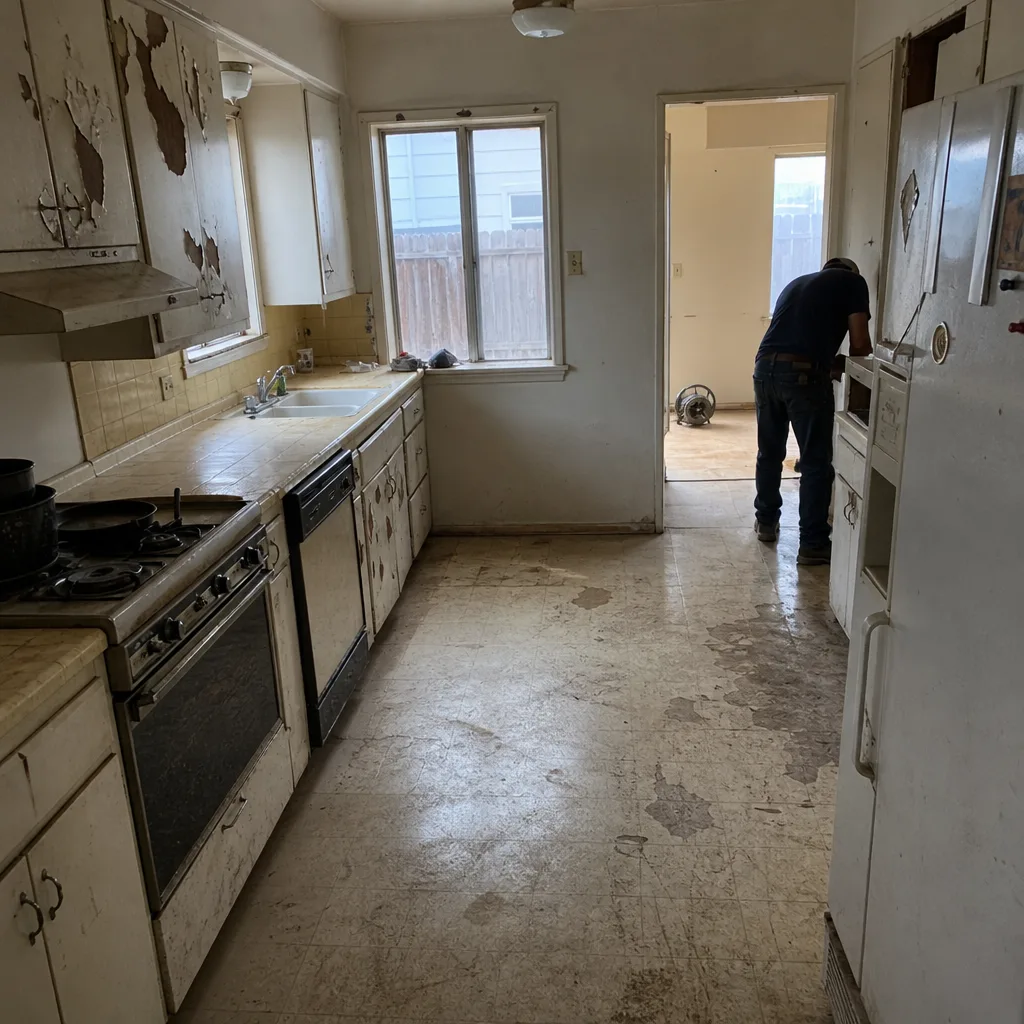 Before
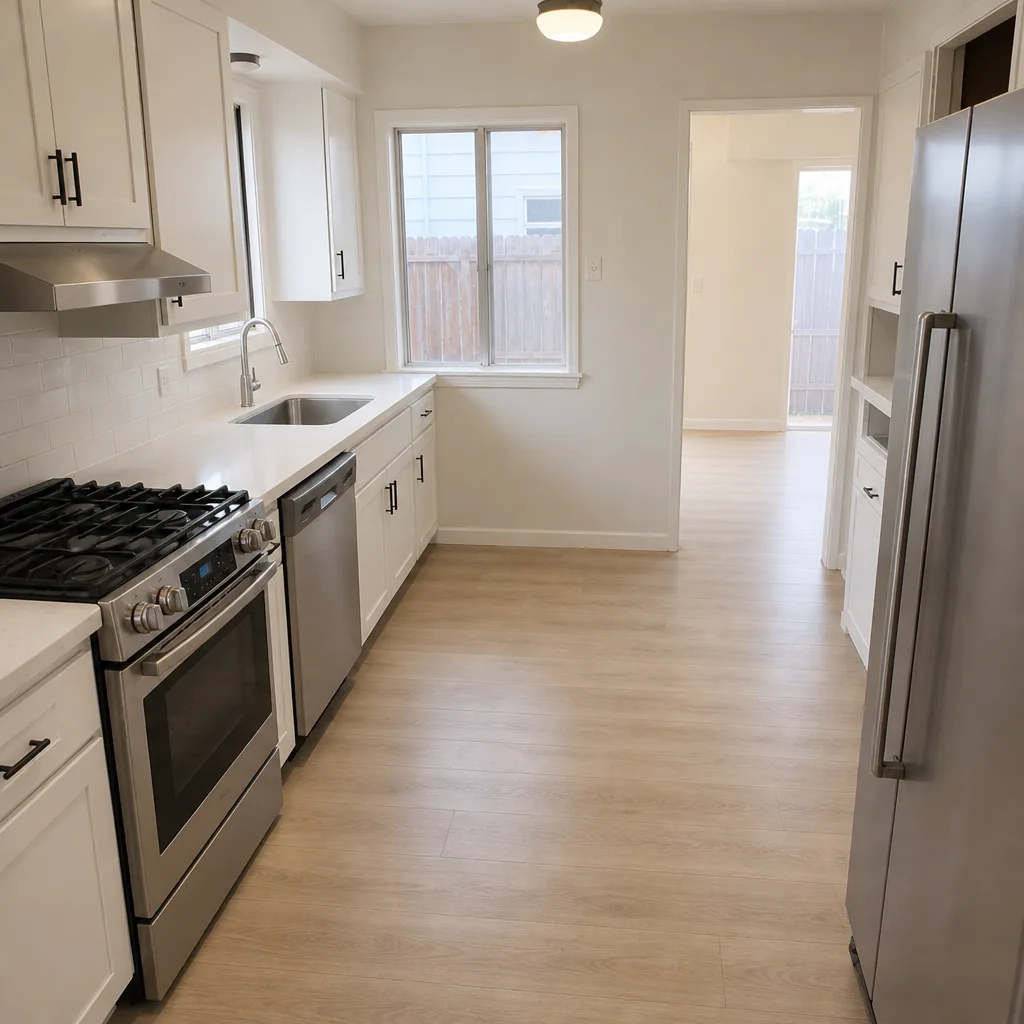 After
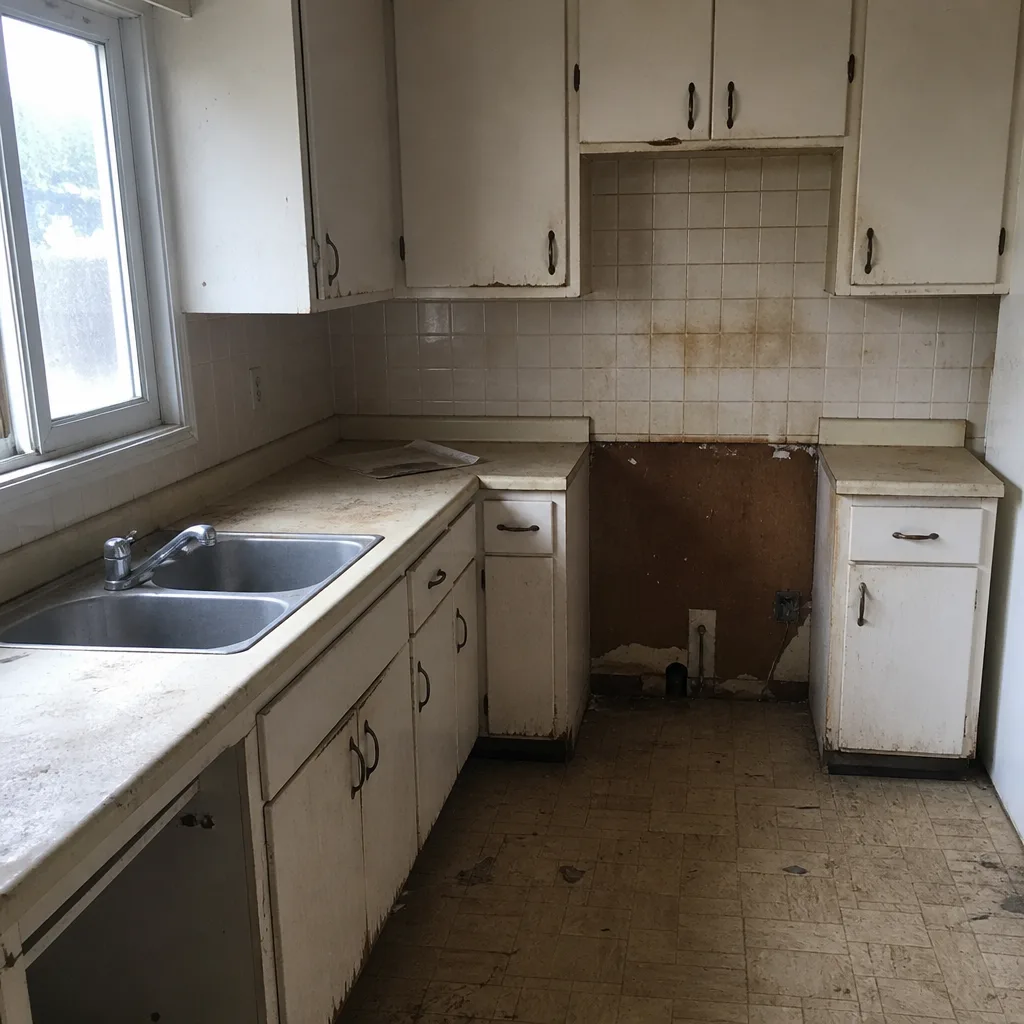 Before
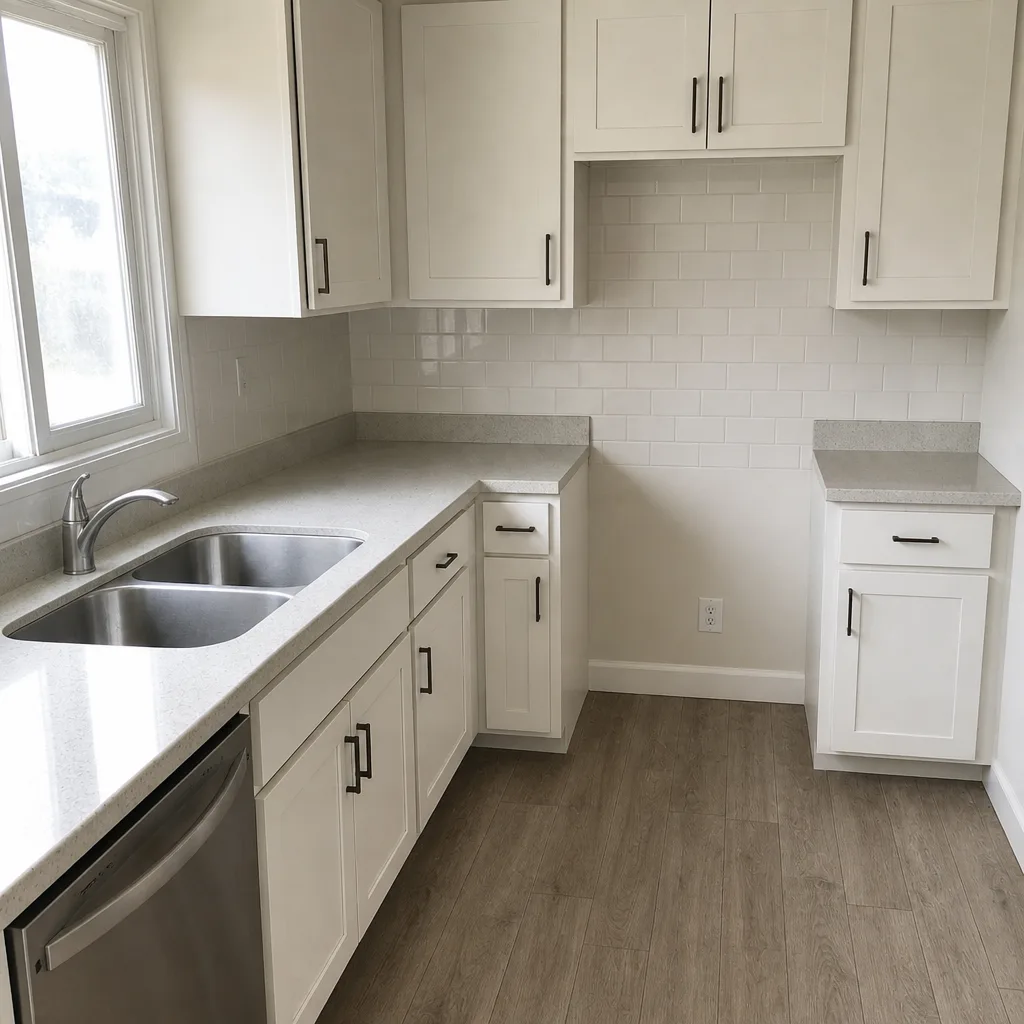 After
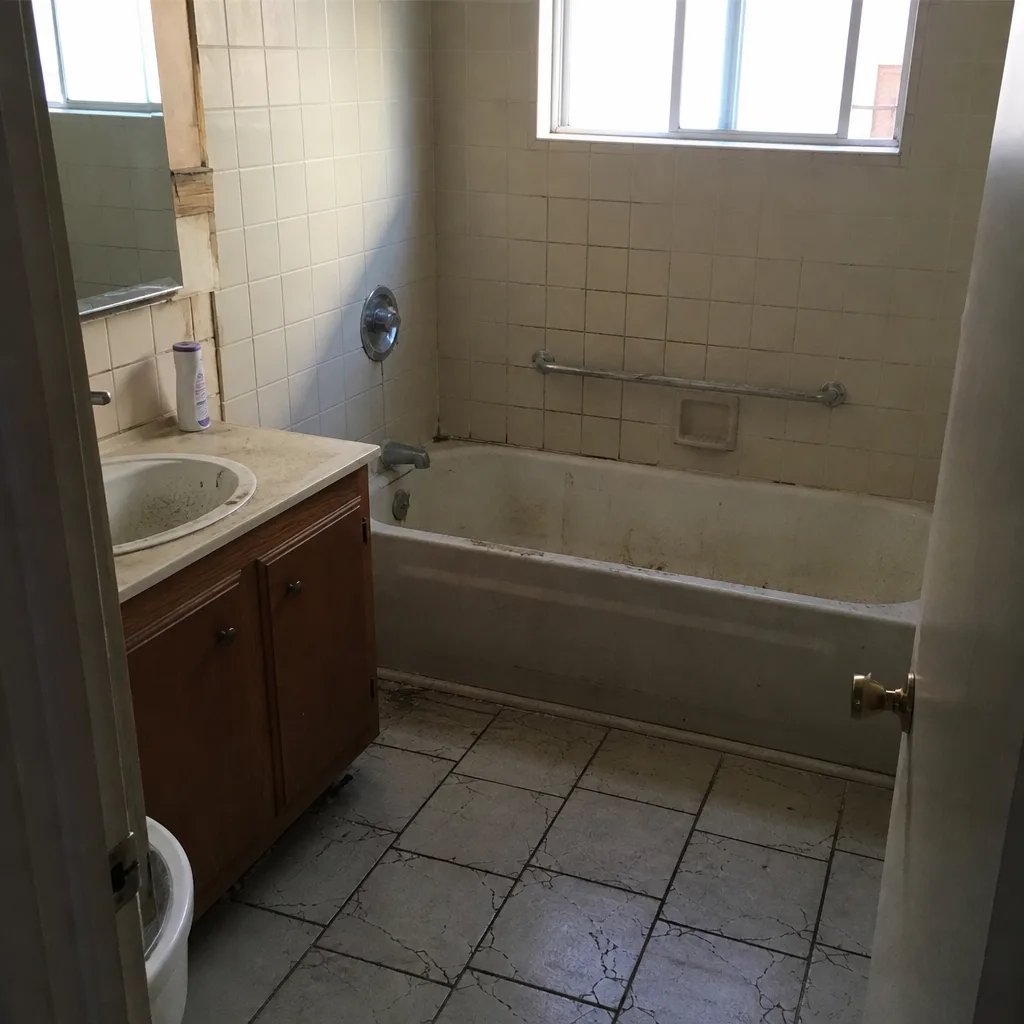 Before
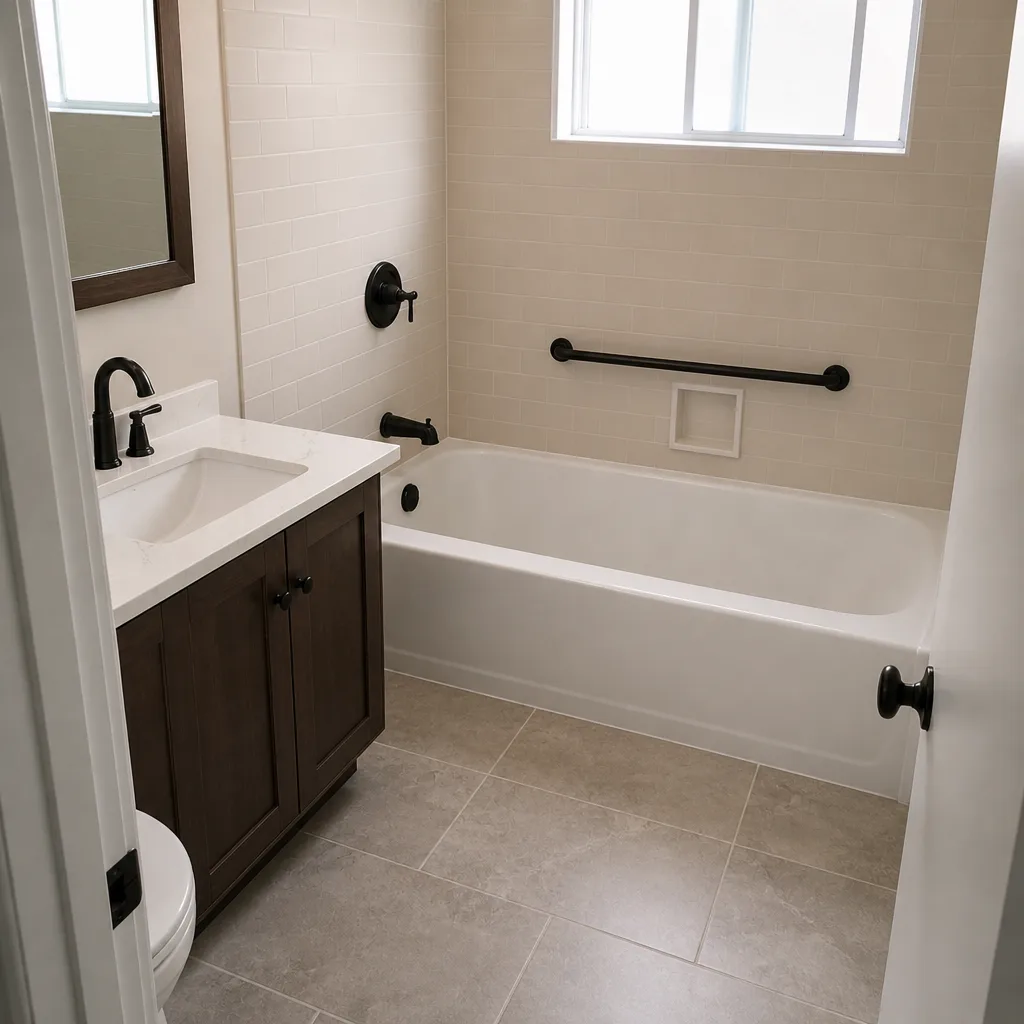 After
General Contractor vs Handyman in Richmond, CA: Choose a Licensed GC Unless the Job Is Truly Cosmetic
Choose a licensed general contractor for anything that opens a wall, touches wiring, moves plumbing, changes structure, or needs a permit. Stick with a handyman only for surface-level work: painting, patching, hanging a door, swapping a faucet, assembling furniture. In Richmond, the deciding factor usually isn’t price or project size. It’s liability. A handyman who opens a wall in a pre-1950 Iron Triangle bungalow and finds cloth-wrapped knob-and-tube wiring has just walked you both into a problem their license and insurance probably won’t cover. Call (833) 700-4611 for a free project estimate before you decide.

Why Richmond’s Older Housing Stock Changes the Equation
Richmond isn’t a blank-slate suburb. The flatlands hold 1910s-1940s shipyard-worker bungalows and craftsmans in South Richmond and the Iron Triangle, 1950s-60s stucco tract homes out toward Parkview and Verde, and mid-century ranches on the Richmond Heights and El Sobrante fringe. Plenty of these homes still carry their original knob-and-tube or early cloth wiring, undersized galvanized plumbing, and additions that went in during the 1940s through the 1970s without a permit.
That matters because the moment a wall comes down, hidden conditions surface. Lead paint on old trim. Asbestos-containing floor tile and plaster. The “garage” or “bonus room” on a 1940s South Richmond bungalow is often a shipyard-era conversion with no permit on record, so any remodel can trigger a plan-check scramble for retroactive permits. Those aren’t hypothetical headaches. They’re routine in this housing stock, and they carry real remediation dollar signs.
There’s a second Richmond-specific layer most comparison articles skip entirely. Former Kaiser Shipyards land and refinery-adjacent parcels mean contractors here occasionally run into contaminated soil, buried fuel tanks, and fill soils that need soil management plans and DTSC or Bay Area Air Quality permits. Out at Point Molate and the old naval waterfront, bay-mud fill and erosion make site work and permitting a different animal than a standard residential job in El Cerrito or San Pablo. None of that belongs on a handyman’s to-do list.
Bottom line: the GC-versus-handyman question isn’t mainly about “how big is the job.” It’s about who is accountable when something goes wrong. That’s the frame we work from at Groundwork Construction Co. of Richmond.
The California $500 Rule Most Homeowners Don’t Know
California limits unlicensed handyman work to a combined $500 for labor and materials per job. Cross that threshold and the work legally requires a licensed contractor. Most Richmond homeowners blow past $500 without realizing it, and doing so exposes them to uninsured contractor liability if the worker gets hurt or damages the property. A handyman re-grouting tile or repainting trim stays under the line. A “small” bathroom refresh that turns into a shower rebuild does not.
What a licensed GC carries that a handyman doesn’t:
- Workers’ comp and general liability – if a background-checked Groundwork technician is injured on your property, you’re covered in a way you simply aren’t with an unlicensed worker.
- A CSLB license bond – a financial backstop and a formal complaint path if something goes wrong.
- Subcontractor vetting – licensed electricians and plumbers pulled in only when the scope calls for them, not a guy who “knows a little electrical.”
- Permit-pulling capability – a handyman legally can’t pull permits for most structural, electrical, or plumbing work, so anything requiring one either goes unpermitted (a future liability at resale) or stalls.
Need a walkthrough of what a permitted scope actually looks like for your home? Our kitchen remodeling in Richmond page shows how permits and inspections thread through a real project.

Side-by-Side: Handyman vs. Licensed GC in Richmond
| Factor | Handyman | Licensed GC |
|---|---|---|
| Legal job cap | $500 combined labor + materials | No cap |
| Permit pulling | Generally cannot | Pulls and manages permits |
| Insurance & bond | Usually none | Workers’ comp, GL, CSLB bond |
| Hazmat handling | Not equipped or insured | Licensed trades handle abatement |
| Structural / electrical / plumbing | Out of scope | In scope, inspected |
| Workmanship guarantee | Verbal, if any | Written, 730-Day Done Right Promise |
When a Richmond job involves a roof deck, exterior envelope, or window system, the scope and code load climb fast. Our roofing in Richmond and window replacement pages lay out how we coordinate trades and inspections on older homes.
What a Real Scope Looks Like (and What It Costs in Richmond)
Scope and price are where the handyman math usually falls apart. An honest comparison means matching the job to the right tier. Here’s how the numbers run in this market for the work that most often lands on a homeowner’s list:
| Project | Typical Richmond Range |
|---|---|
| Kitchen remodel | $14,000-$45,000 |
| Bathroom remodel | $9,000-$28,000 |
| Walk-in shower installation | $4,500-$12,000 |
| Roof replacement | $8,000-$20,000 |
| Roof repair | $400-$1,800 |
| Window replacement | $4,500-$15,000 |
| Home addition | $45,000-$130,000 |
| ADU construction | $90,000-$220,000 |
| Garage conversion | $30,000-$80,000 |
A handyman quoting a bathroom “half the price” is usually quoting labor only, with no permit, no abatement, and no guarantee. The honest comparison is against a permitted, insured, inspected scope. On top of clear line items, Groundwork pairs upfront pricing with 0% financing for 18 months and $1,000 off projects over $10,000, so a large remodel is financially reachable without surprises buried in the fine print.
Every project is backed by our 730-Day Done Right Promise – if it’s not done right, we make it right. If a remodel on one of these older homes pulls in a crew of background-checked, uniformed technicians and premium materials from brands like GAF, CertainTeed, or Andersen, you want that guarantee in writing. Learn how we handle a full-scope job on our home additions and ADU page, or see the bathroom remodeling and driveway and pavers scopes to gauge which tier your job falls into.
The Same Job, Two Very Different Outcomes
Here’s a first-hand pattern from the field. A homeowner in South Richmond hires a handyman to “freshen up” an older bathroom. He opens the wall, finds cloth wiring and asbestos tile, then either leaves it exposed or works around it with no permit. Six months later, the homeowner is calling us to remediate, re-permit, and redo the work, with the original “savings” more than erased.
The same job run as a permitted GC scope: knob-and-tube verified, hazmat properly abated by licensed trades, electrical brought to code, inspection signed off, and a written guarantee standing behind the finish. Higher initial number, considerably lower total cost. Our bathroom remodeling in El Sobrante and kitchen remodeling in San Pablo pages walk through that permitted process on nearby older homes, and our garage conversion page covers why shipyard-era additions need a permit review before demo.
FAQs
Typically a handyman quotes 20-40% less up front, but that number usually excludes permits, hazmat abatement, insurance coverage, and any written guarantee. On Richmond’s pre-1950 homes, one abatement surprise can erase the difference entirely. Call (833) 700-4611 for a free, upfront-priced comparison on your specific scope.
No for anything beyond minor, non-permitted swaps, and legally capped at $500 combined labor and materials per job in California. Any electrical or plumbing work that requires a permit must be done by a licensed contractor. Our window and door work and fence installation pages show how we sequence licensed trades on permitted projects.
Licensed trades test and, if present, abate it before the project continues, which is exactly what a handyman cannot legally handle. Disturbing knob-and-tube or asbestos tile without proper abatement creates remediation costs that dwarf any labor savings. Get a free estimate and we’ll scope the testing up front.
Usually yes, especially on the flatlands where unpermitted 1940s-70s additions are common and a plan-check can require retroactive permits. A licensed GC pulls and manages those permits; a handyman generally can’t. See how we run a permitted build on our ADU and kitchen remodeling in El Cerrito pages.
Get a No-Pressure Assessment
If you’d rather have it looked at before you commit, Groundwork Construction Co. of Richmond offers a no-pressure assessment in Richmond – call (833) 700-4611. You’ll get a straight answer on whether your job needs a licensed GC or a handyman, an upfront price, and the 730-Day Done Right Promise behind the work.
Written by the team at Groundwork Construction Co. of Richmond, serving Richmond, CA.