




Free written scope consultation - allowances, timeline, and change-order rules on paper before a single trade is scheduled
Styles & brands we work with
- Kitchen remodeling
- Bathroom remodeling
- Home additions & ADU
- Roofing
- Windows & doors
- Driveway & pavers
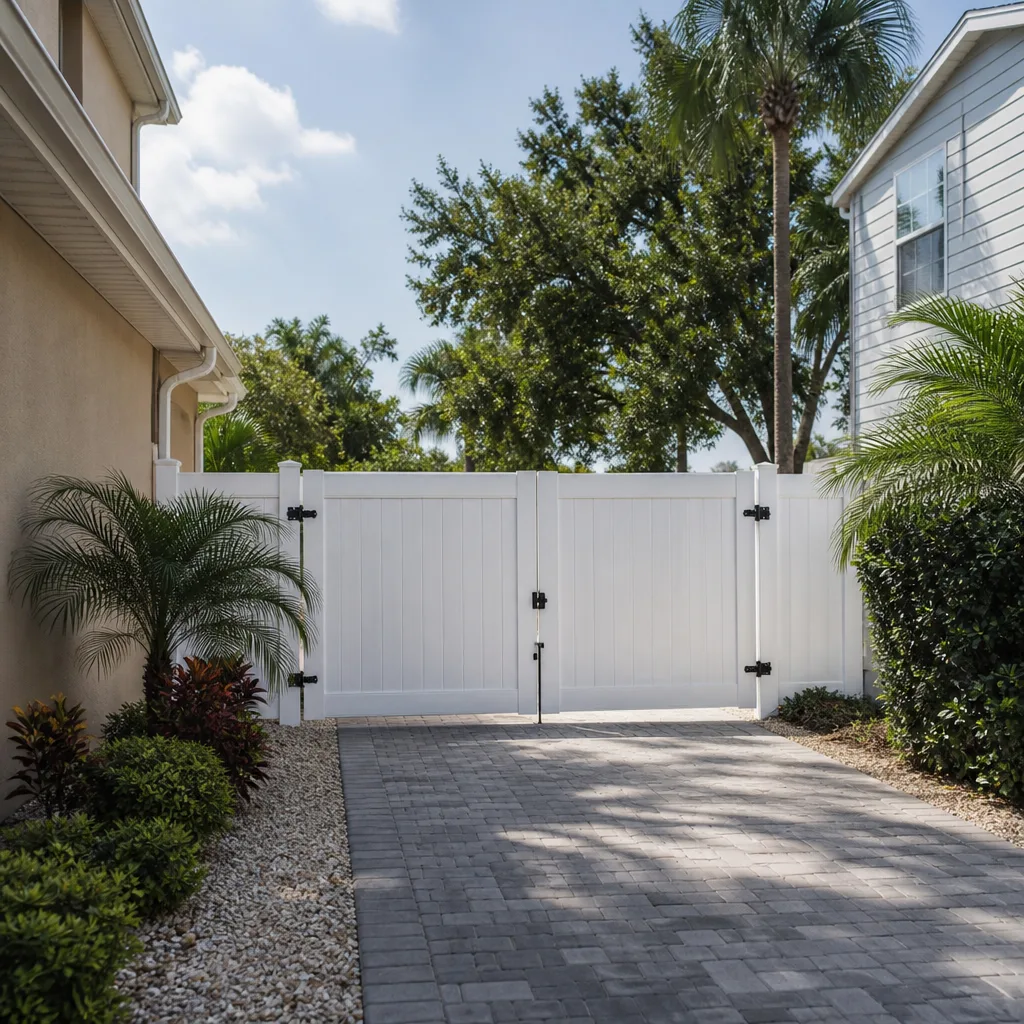
- Fence
See the difference
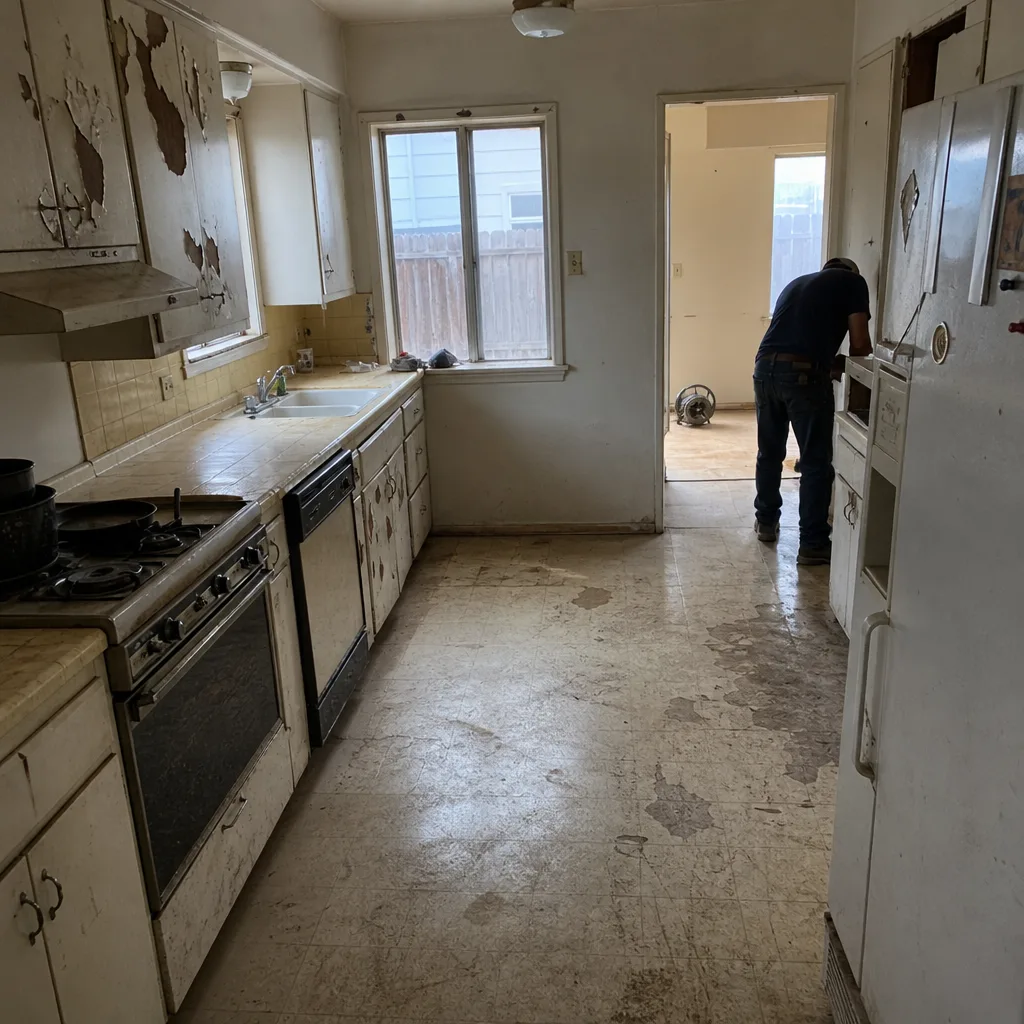 Before
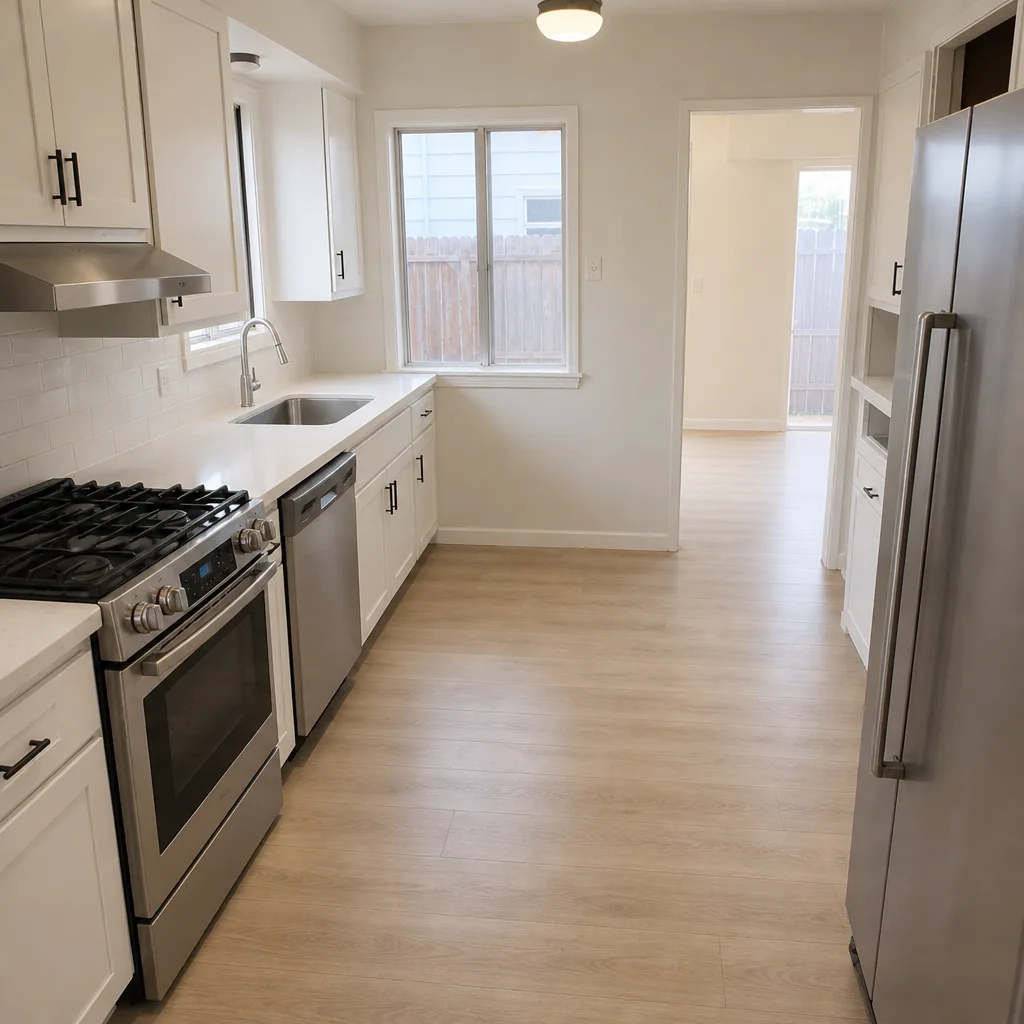 After
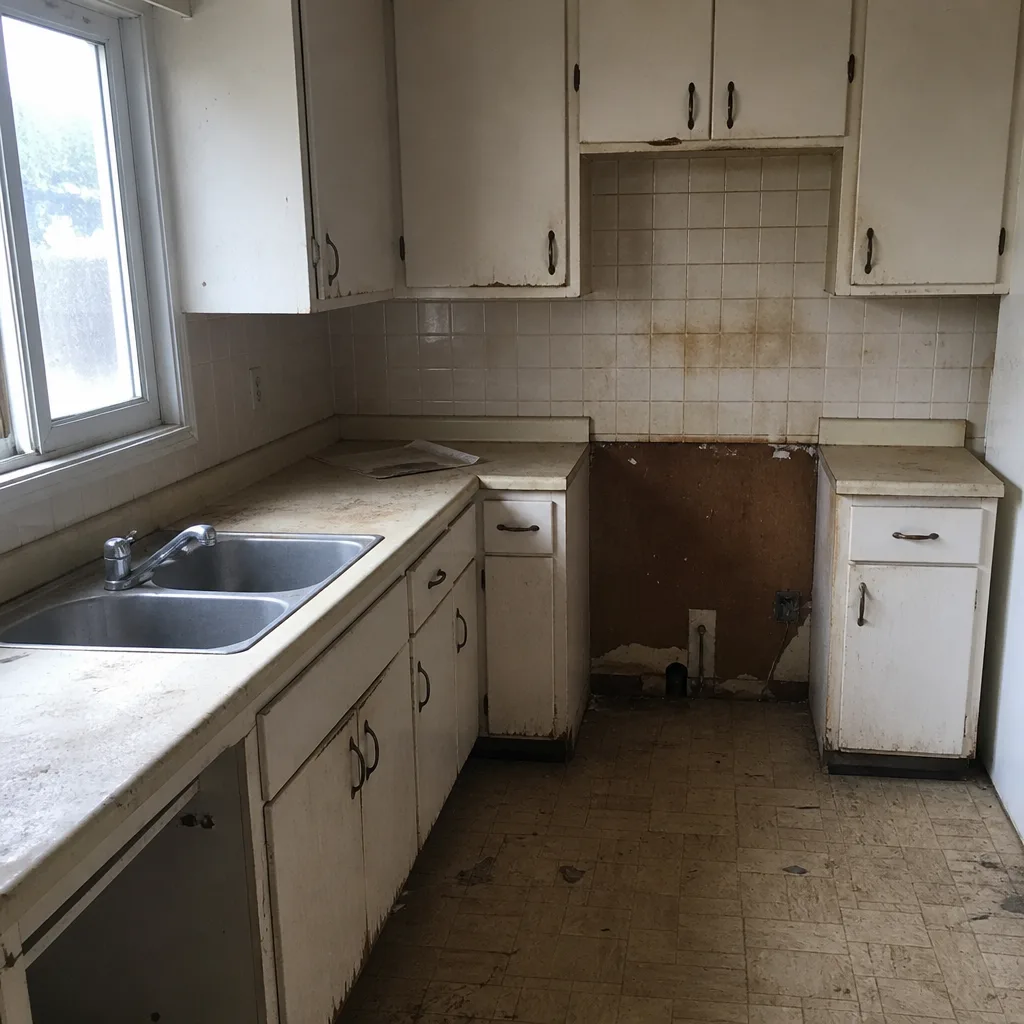 Before
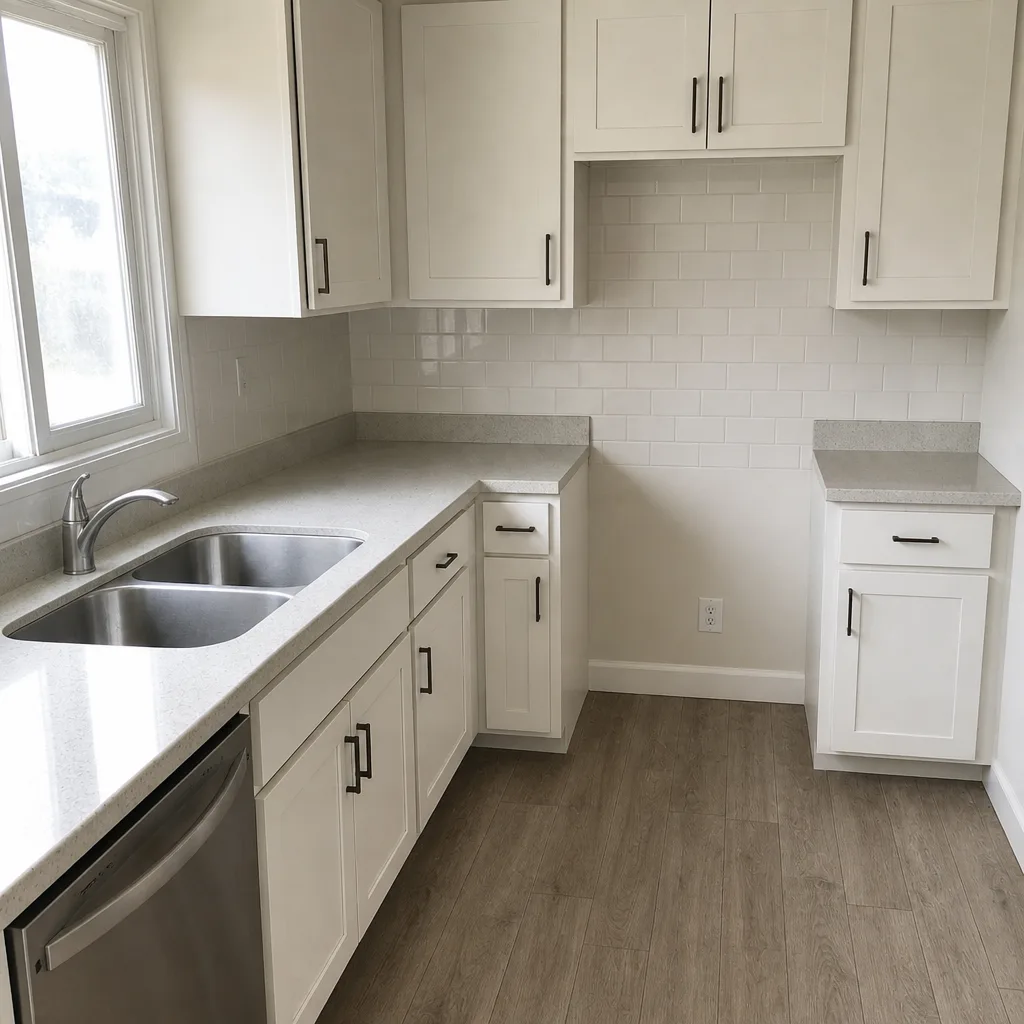 After
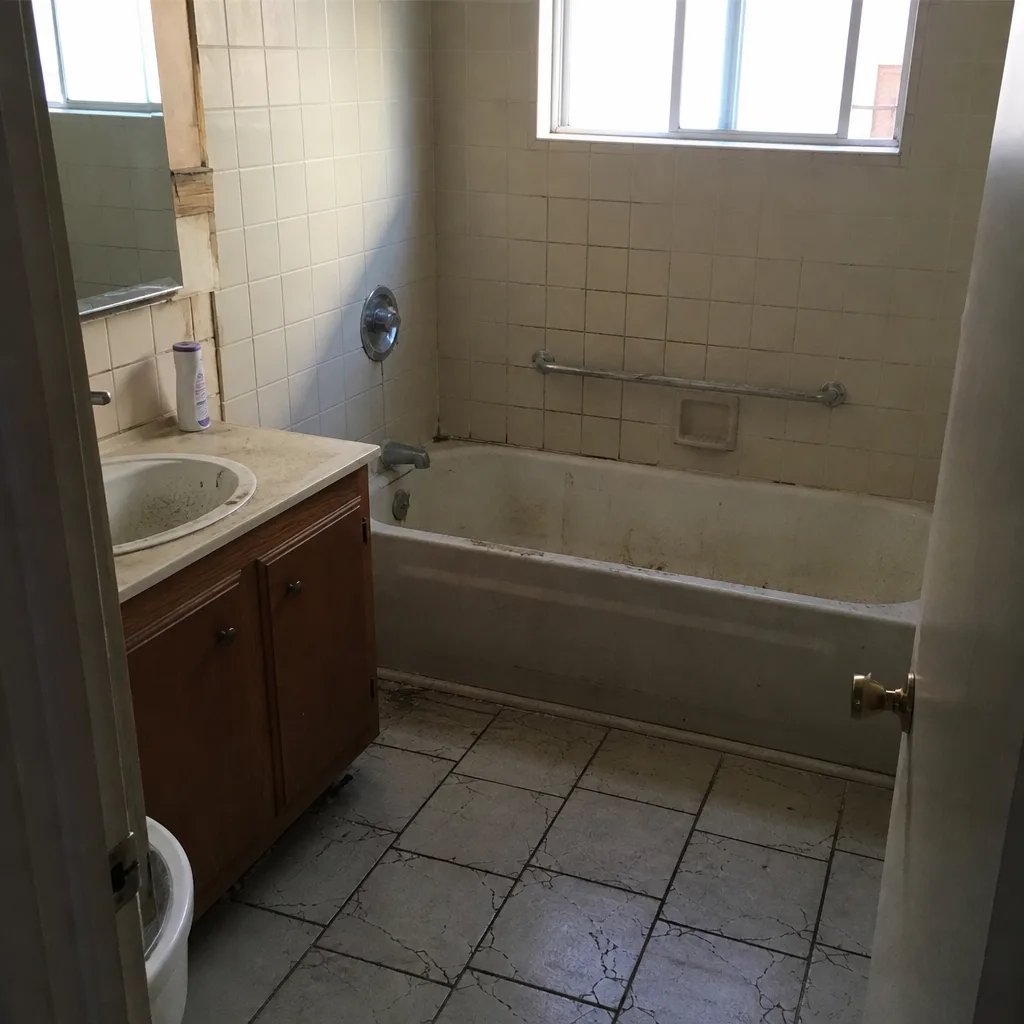 Before
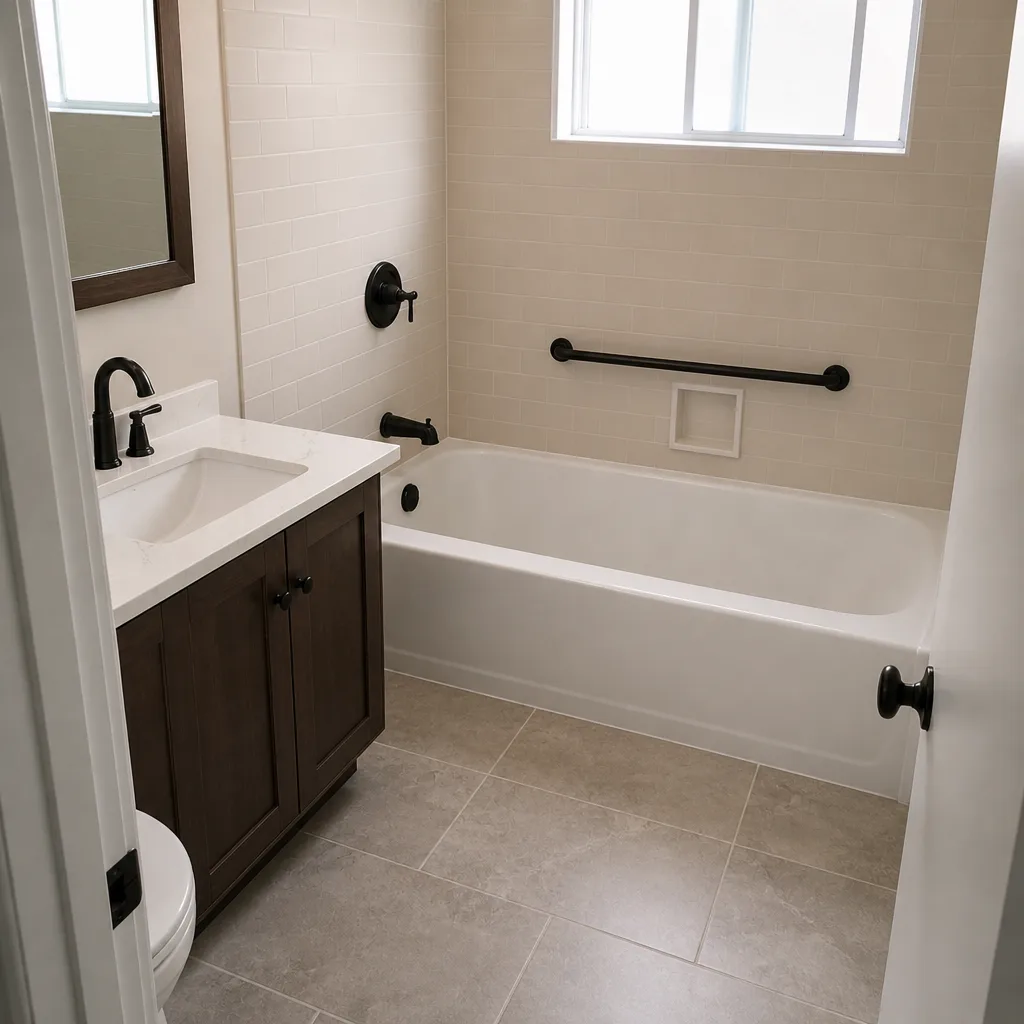 After
How to Find a Roof Leak in Richmond, CA: Start Where the Water Enters, Not Where It Shows
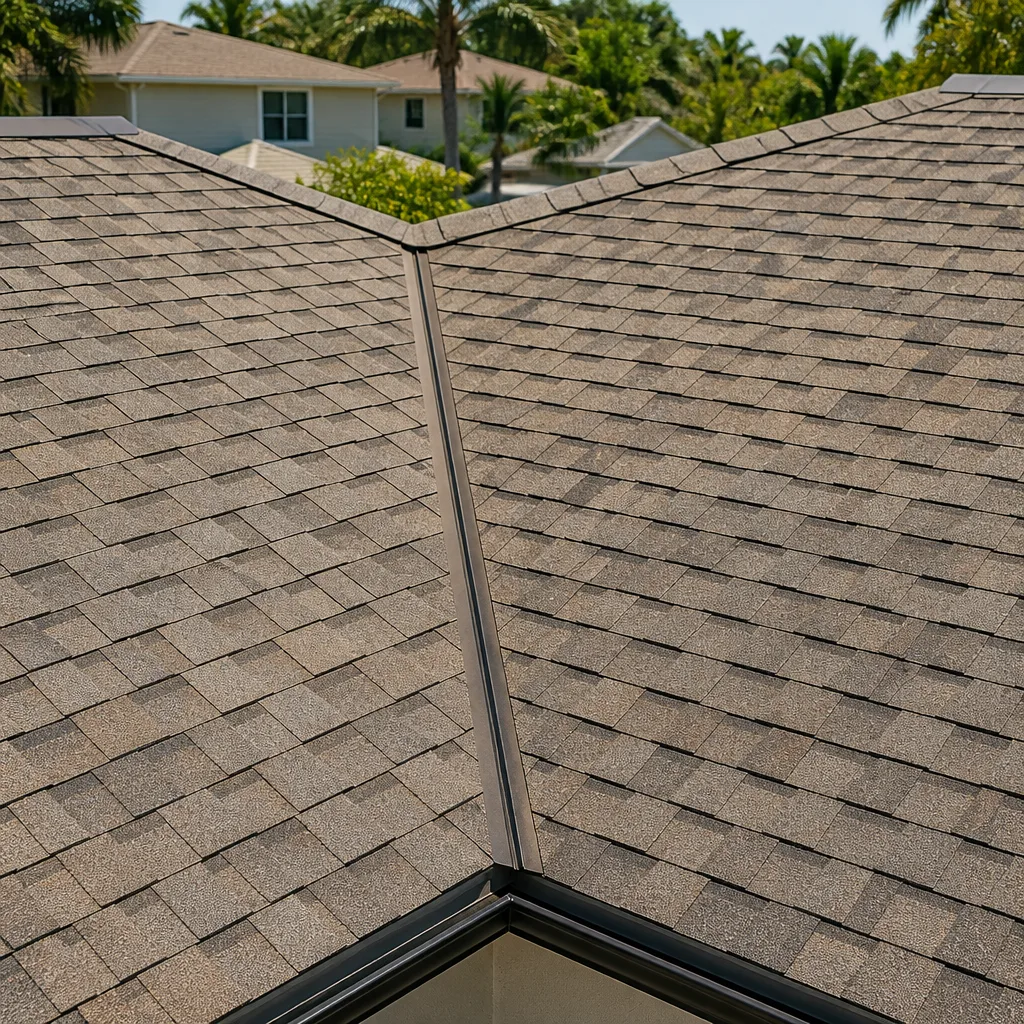
To find a roof leak, don’t start at the ceiling stain. Start at the roofline junction above it. On Richmond’s older flatland homes, water almost always enters at flashing, valleys, or penetrations and then travels sideways along the boards before it drips through the ceiling. The stain is where the water finally exits, not where the roof failed. That single fact reshapes how you hunt for it. Water on a 1940s Iron Triangle bungalow often enters 10 to 20 feet from the drip, at the valley where someone added a room in 1962. If you’re mid-storm and need eyes on it now, call (833) 700-4611 and a real person answers, day or night.
Why the Stain Rarely Sits Under the Leak in Richmond
Richmond’s housing stock makes this worse than in most East Bay cities. The flatlands are packed with 1910s-1940s shipyard-worker bungalows and craftsmans, and many of them were built with skip-sheathing: 1×6 boards laid with gaps between them rather than solid decking. Water that gets past the shingles lands on those boards and runs laterally along them, sometimes for 15 feet, before finding a gap wide enough to drop through into the attic or wall cavity. A homeowner standing in the attic with a flashlight sees a drip and assumes it’s directly above. It almost never is.
That’s why attic-only diagnosis is unreliable on Richmond’s older homes. The travel path defeats it. You can find moisture, and you can find the exit point, but connecting the two requires understanding how the roof planes meet.
The Suspect We Find Most Often: Unpermitted Addition Valleys
Throughout the older flatlands, additions from the 1940s through the 1970s were common and frequently unpermitted. When an original roof plane meets a later addition, someone has to tie the two together with a valley and step flashing. What we regularly find at those junctions is aluminum step flashing applied without proper counter-flashing, or nailed in a way that leaves the top edge exposed to wind-driven rain. It holds for years, then it doesn’t.
So a water stain blooms in a bedroom that sits under the original roof, while the actual entry point is at the garage conversion valley 15 feet away. If your bungalow has an attached room, a bumped-out kitchen, or an enclosed porch that looks like it was added later, put that junction at the top of your suspect list before you look anywhere else.
How to Narrow It Down Without Climbing on a Wet Roof
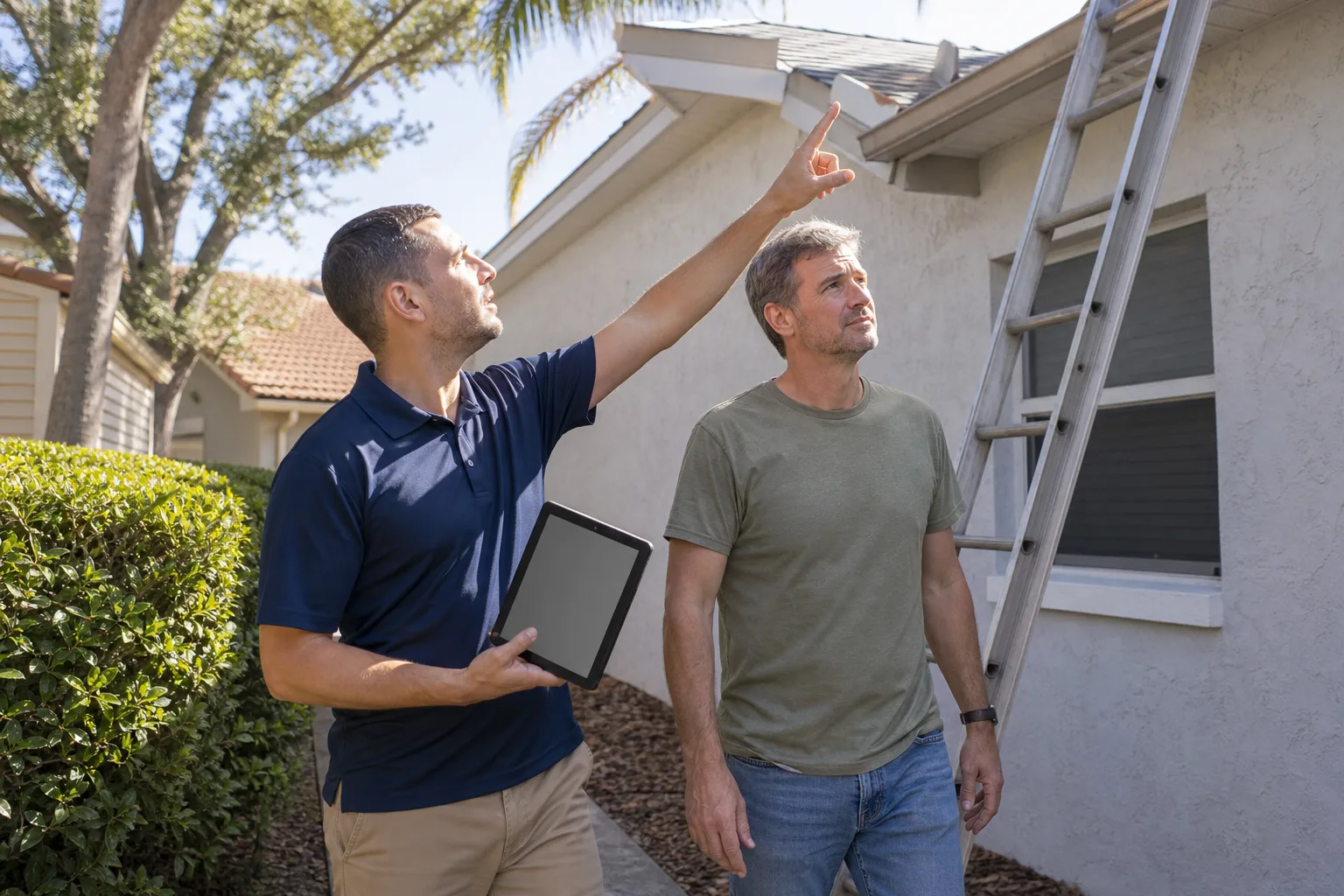
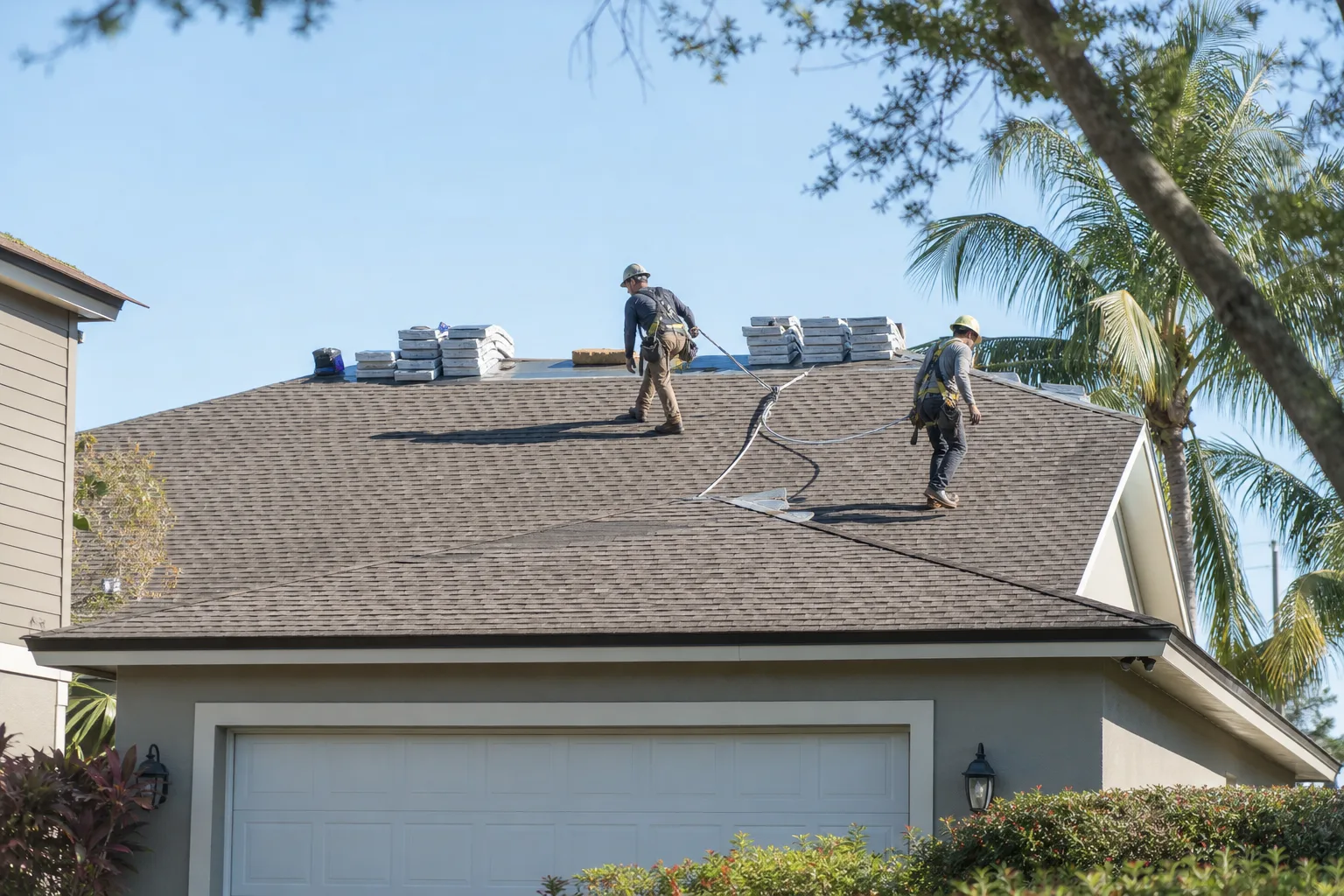
Walking a saturated roof is how people get hurt, and Richmond’s winter rains and fog-belt moisture leave shingles slick and brittle. You don’t need to be up there to isolate the zone. Have one person in the attic with a bright flashlight and another outside with a garden hose, then run water systematically from the lowest point to the highest.
- Start at the gutters and downspouts. A surprising share of “roof leaks” are overflowing or disconnected gutters backing water under the eave.
- Move up to the eave and fascia. Ice-dam territory this isn’t, but wind-driven rain gets under the first course on exposed edges.
- Work up the roof planes in sections. Let each section run for several minutes while the person in the attic watches. When the drip starts, you’ve found the entry zone.
- Test every penetration last: vents, skylights, chimneys, and the addition valley. These are where most failures live.
Hose-testing narrows the zone. Confirming and repairing the flashing is a job for someone who does it weekly. When it’s time to make the fix, our Roofing team handles the flashing and shingle work with GAF and CertainTeed systems, and the repair is covered by the 730-Day Done Right Promise.
Condensation or a Real Leak? The Fog-Belt Test
Richmond homeowners call us every winter convinced they have a roof leak when they have attic condensation. The bay’s fog-influenced climate means cold, damp mornings, and warm moist air from the living space below hits a cold roof deck and condenses. It drips. It stains. It looks exactly like a leak.
The test is timing. If the drip shows up only on cold foggy mornings and dries out when the day warms, that’s condensation, and it usually points to attic ventilation or a bath fan venting into the attic instead of outside. If the drip appears during and after rain events, it’s a leak. Misreading this one costs homeowners real money on repairs they never needed. Get it right before you spend.
What a roof leak repair typically costs in Richmond
For context on what to budget once you’ve located the problem, here’s how repair and replacement pricing runs in this market. Upfront pricing, no surprises: the number you see is the number you pay.
| Job | Typical Richmond range |
|---|---|
| Roof repair (flashing, shingles, small leak) | $400-$1,800 |
| Tile roof repair | $600-$2,500 |
| Full roof replacement | $8,000-$20,000 |
| Metal roof installation | $15,000-$40,000 |
If the leak has been running along skip-sheathing for a season or two, the decking underneath may be soft, and that changes the repair scope. We document what we find before quoting so there are no surprises mid-job.
Common Local Scenarios We Get Called Out For
- The South Richmond bungalow with a later room. Original roof meets an unpermitted shipyard-era conversion. Valley flashing is the first place we look, every time.
- The stucco tract home in Parkview or Verde. 1950s-60s builds where wall-to-roof junctions and vent boots have quietly aged out.
- The Richmond Heights ranch with fog-side rot. South and west-facing wood siding and fascia take the fog-belt moisture year after year, and leaks show up where the trim has gone soft.
- The “bonus room” over the garage. Frequently a converted space with an improvised roofline above it, which means improvised flashing.
When to Stop Hunting and Call Someone
If you’ve hose-tested and still can’t pin it down, or you find soft decking, active rot, or daylight in the attic, that’s the point to hand it to a pro. Our technicians have up to 12 years of experience, arrive background-checked and in uniform, and work from the full-scope mindset that keeps one contractor accountable from foundation to finish line. Calls are answered by a live person 24/7, so a homeowner mid-storm at 10pm can talk to a real person and get a straight answer on whether a bucket-and-wait is safe or whether emergency tarping is warranted. No voicemail, no callback limbo. To see how we handle everything around the roof, our home page lays it out, and our Richmond service area page covers where we work across the city.
Groundwork Construction Co. of Richmond also brings standing offers to any roofing project: a free project estimate and design consult, $1,000 off projects over $10,000, and 0% financing for 18 months. Built to last, backed in writing.
FAQs
You usually can’t from the ceiling alone, because water travels along the roof boards before it drips through, so the stain sits away from the entry point. Hose-test from gutters up while someone watches in the attic to narrow the zone. If it’s still unclear, call (833) 700-4611 for an assessment and a free estimate.
No, and in Richmond it’s often condensation instead. If the drip only appears on cold foggy mornings and dries as the day warms, suspect attic ventilation or a bath fan venting into the attic. If it tracks with rain events, it’s a leak. Get the diagnosis right before you spend on repairs; call (833) 700-4611 if you want a second opinion.
Most roof repairs here run $400-$1,800 depending on the flashing and shingle work involved, and tile roof repair runs $600-$2,500. If the decking has gone soft, the scope grows. Call (833) 700-4611 for an exact quote; estimates are free.
Yes, calls are answered by a live person 24/7, so you can reach someone even at 10pm mid-storm. We’ll help you decide whether a bucket-and-wait is safe or whether emergency tarping is warranted. Call (833) 700-4611.
If you’d rather have it looked at, Groundwork Construction Co. of Richmond offers a no-pressure assessment in Richmond. Call (833) 700-4611 and we’ll find the entry point, not just the drip.
Written by the team at Groundwork Construction Co. of Richmond, serving Richmond, CA.