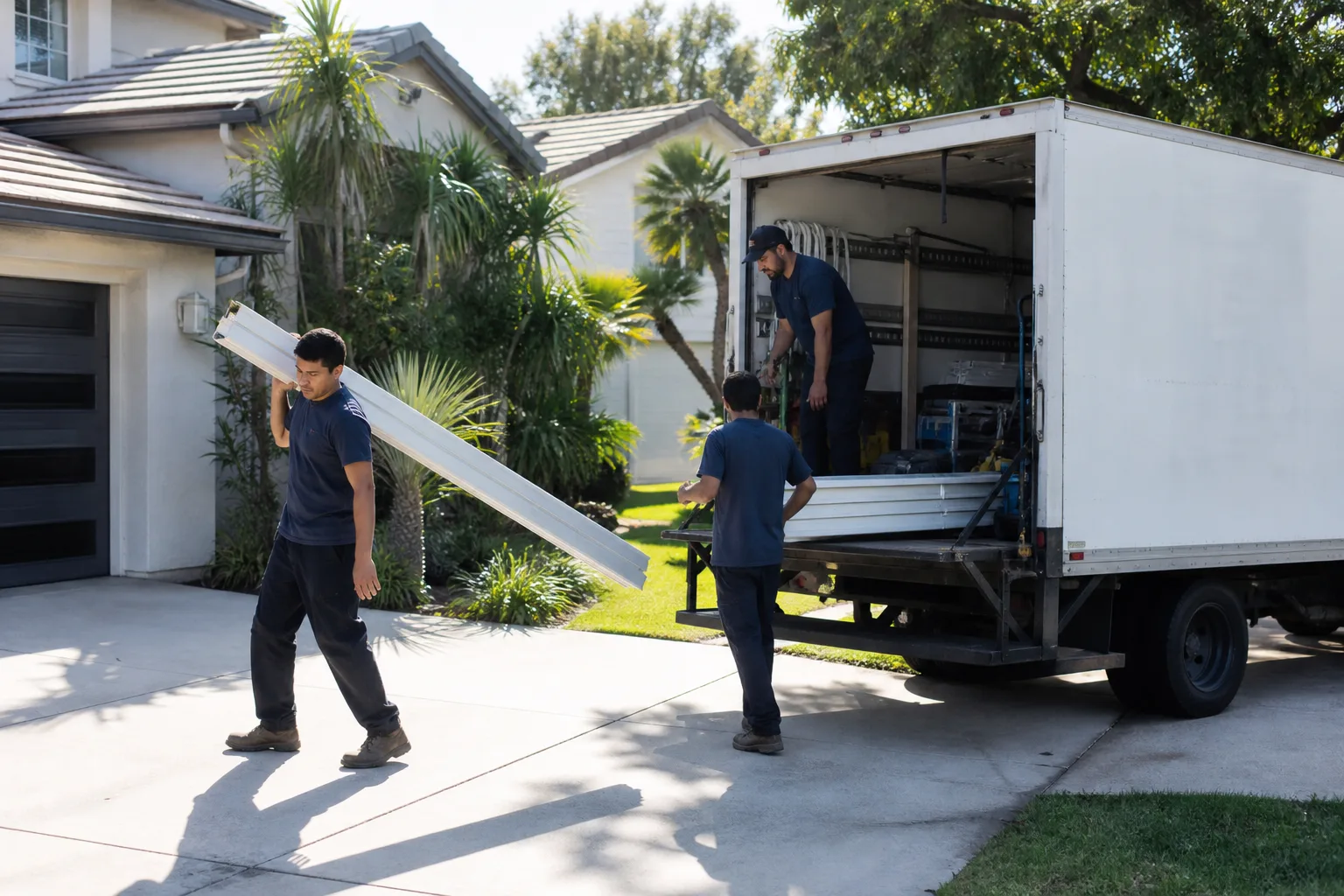








Free written scope consultation - allowances, timeline, and change-order rules on paper before a single trade is scheduled
Styles & brands we work with
- Kitchen remodeling
- Bathroom remodeling
- Home additions & ADU
- Roofing
- Windows & doors
- Driveway & pavers
- Fence
See the difference
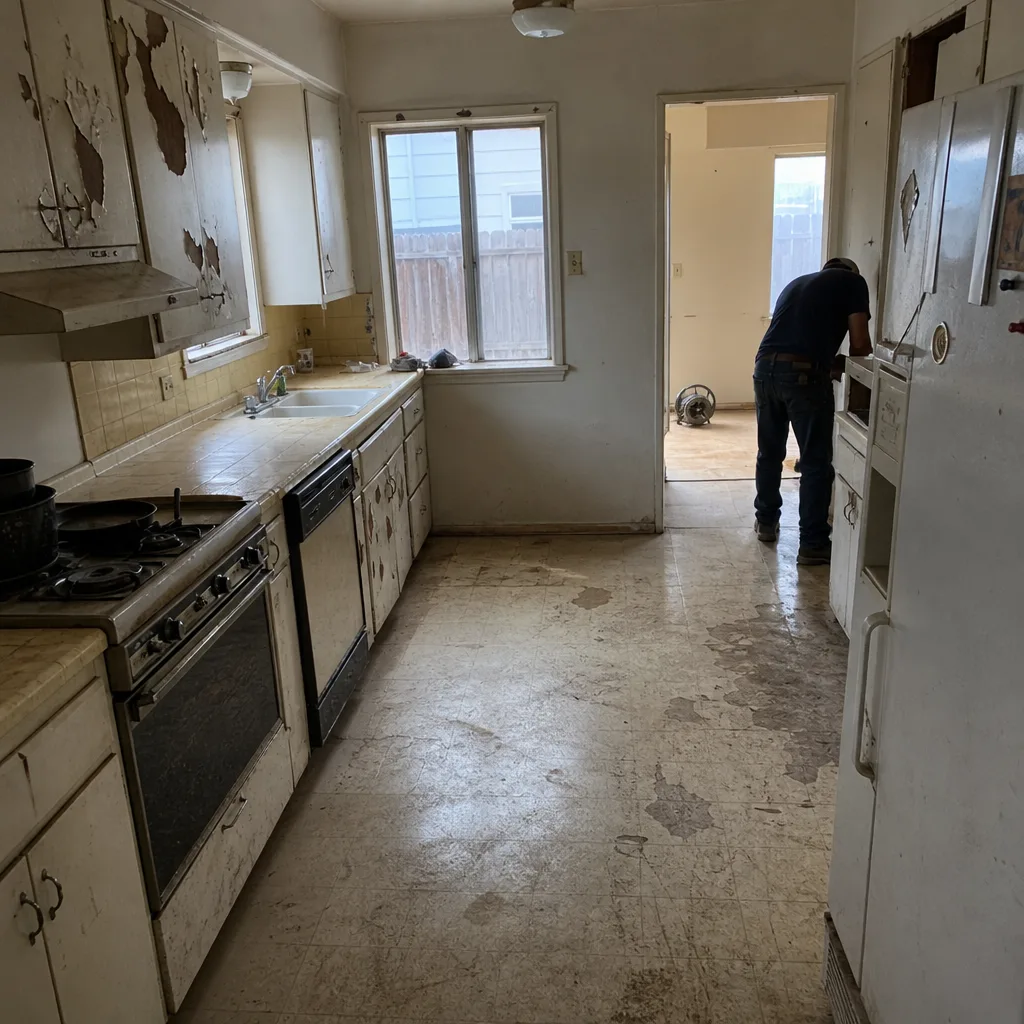 Before
 After
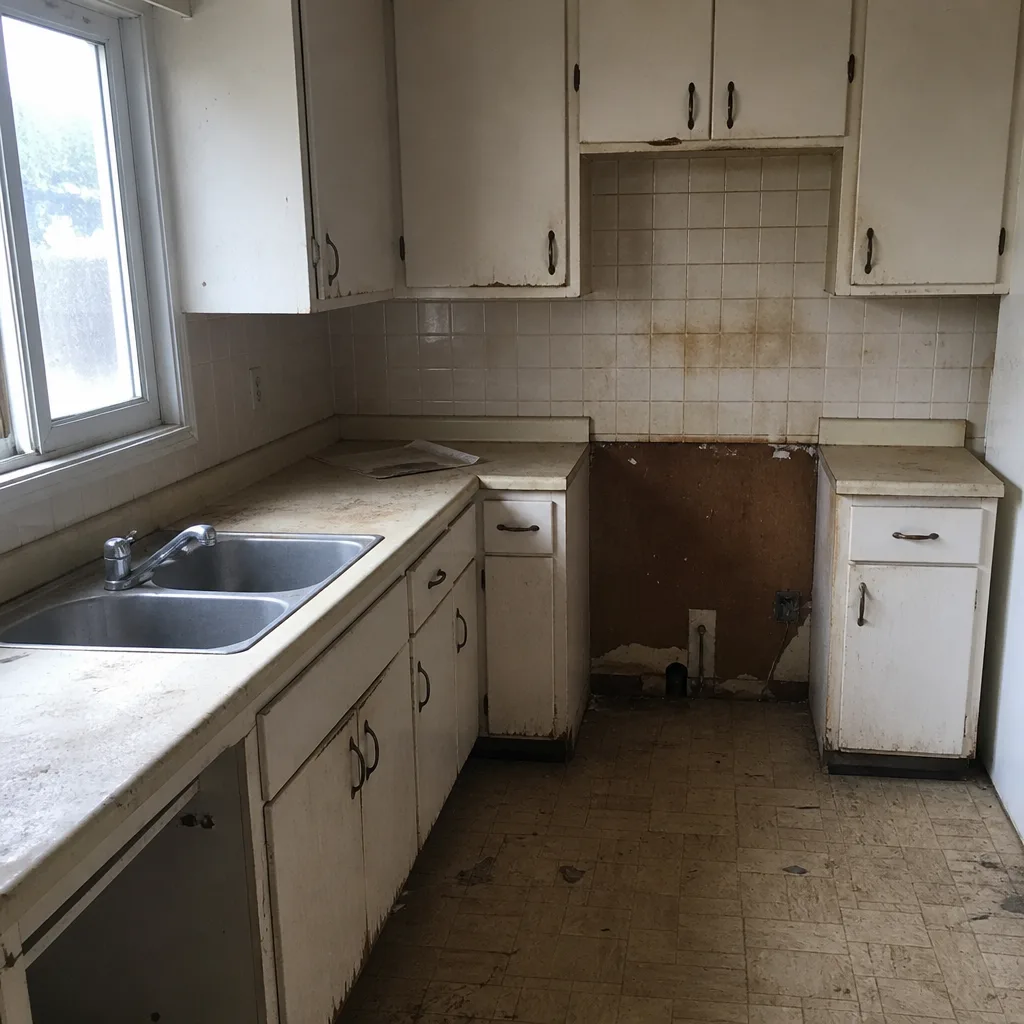 Before
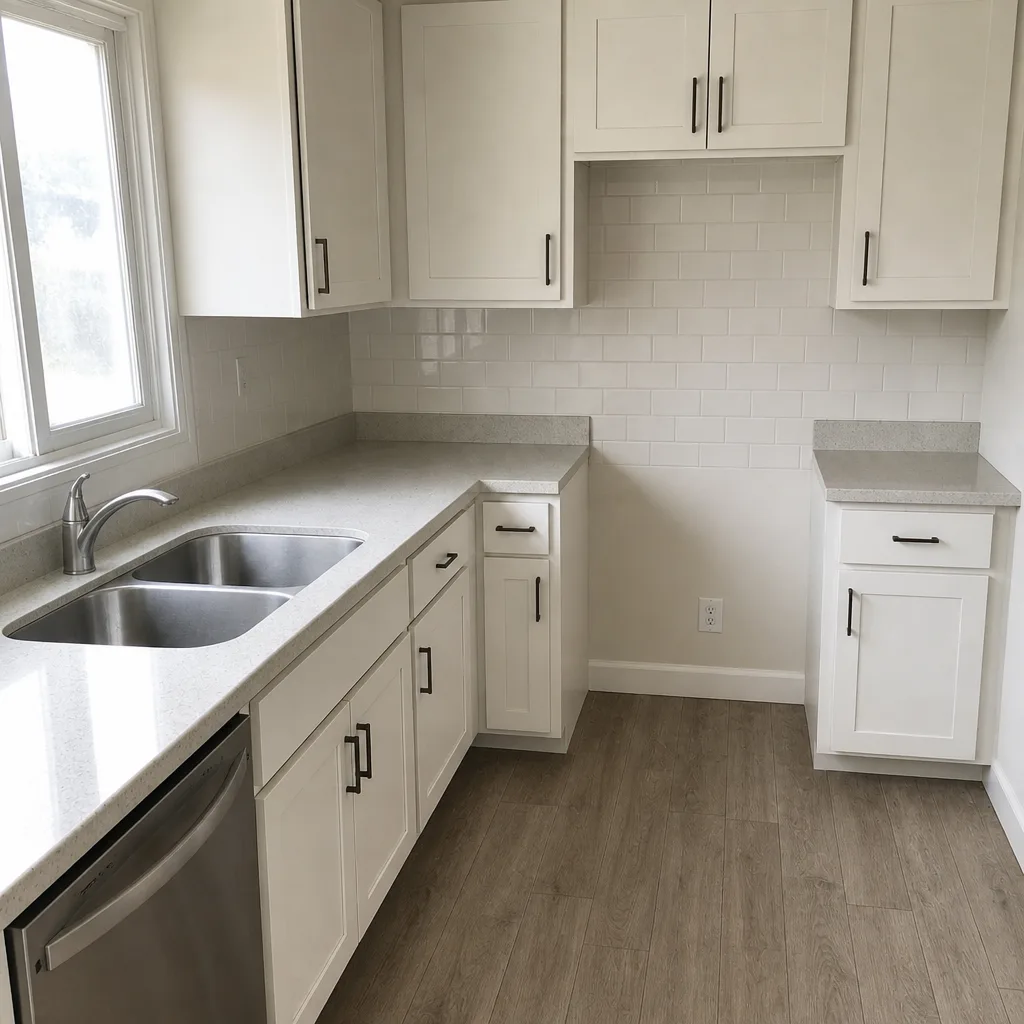 After
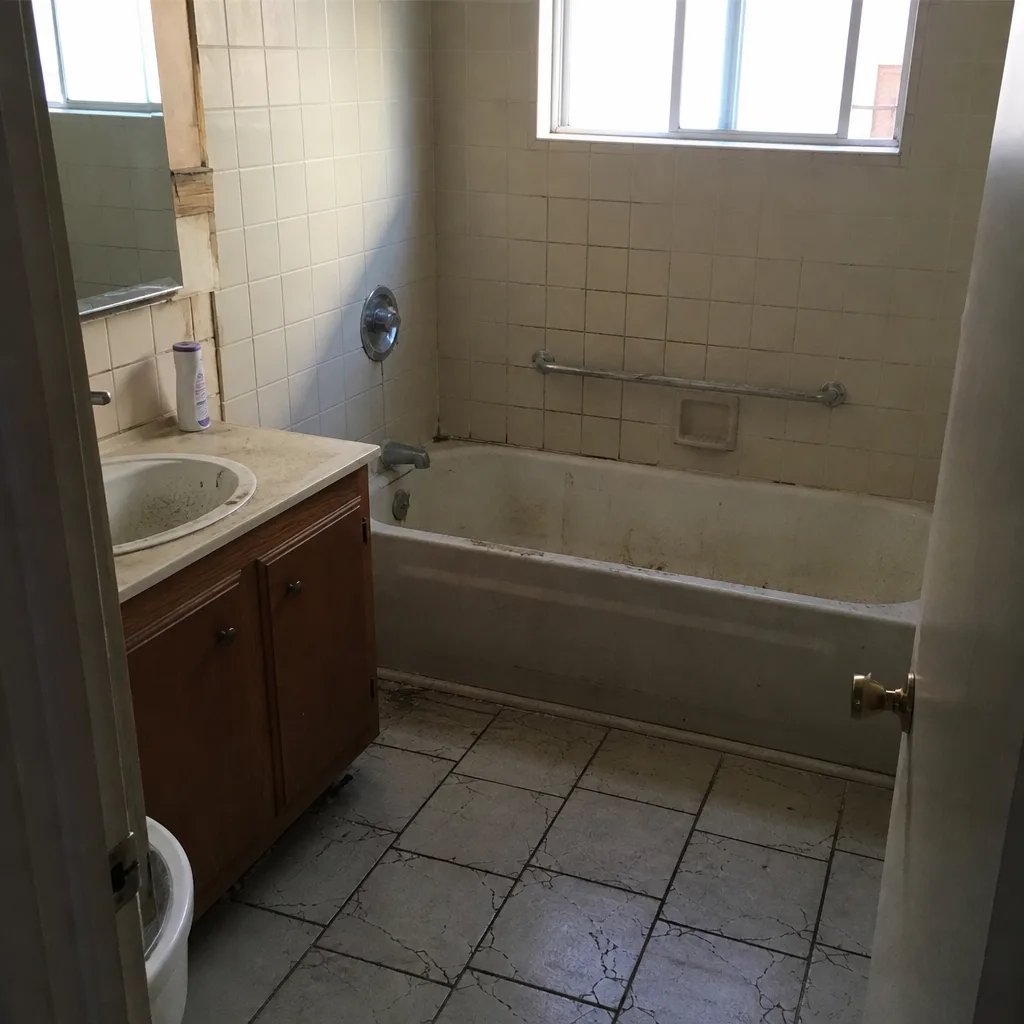 Before
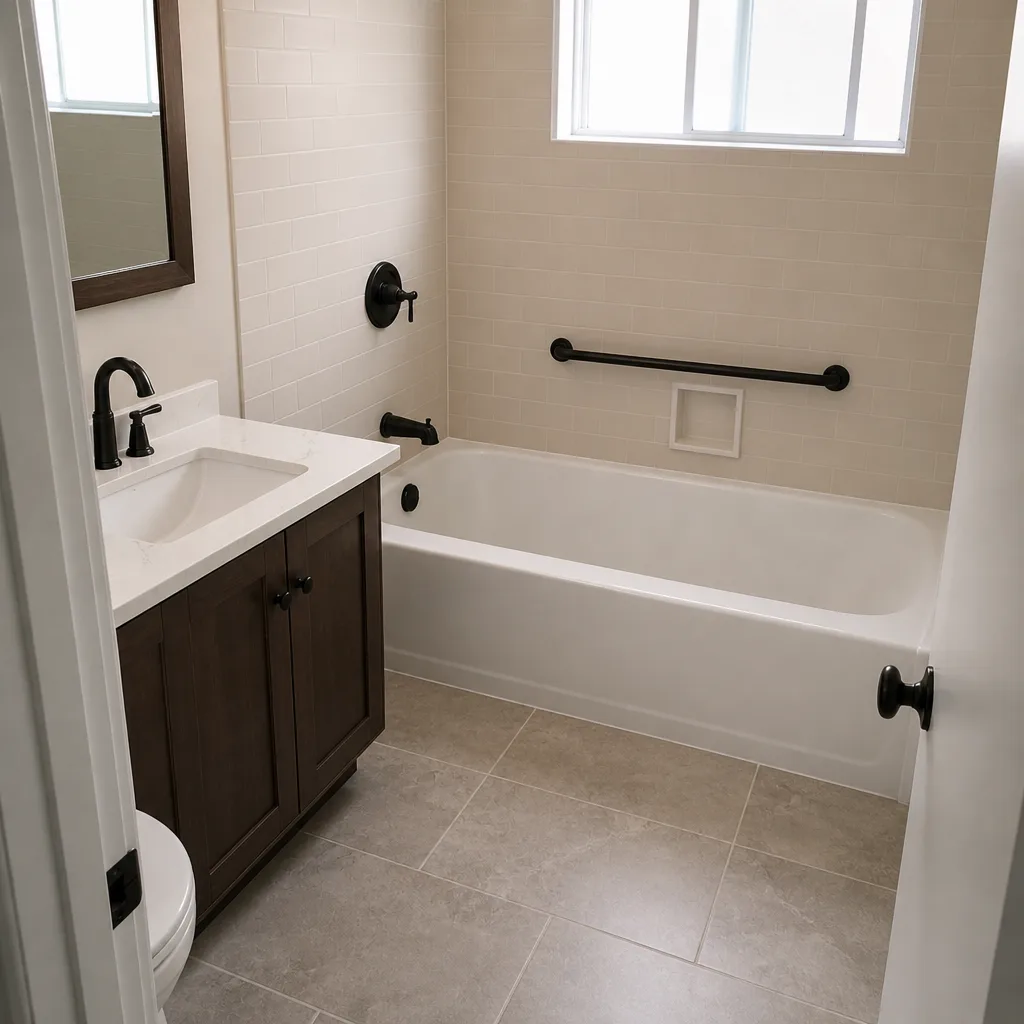 After
How to Clean Gutters in Richmond, CA: Clear the Downspouts First, Then the Runs
Cleaning gutters in Richmond starts with the downspouts, not the gutter channels. Flush and clear each downspout from the bottom before you touch the runs, because the debris that collects here isn’t dry autumn leaves that blow away. It’s eucalyptus seed pods and bark strips compacted by months of bay fog into a damp, oily mat that packs into elbow bends like wet cardboard. Push that material from the top and you’ll plug the downspout solid. If a run is already overflowing in a winter storm and you’d rather have it handled, call Groundwork Construction Co. of Richmond at (833) 700-4611 and a live person answers, day or night.

Why Richmond Gutters Fail Differently Than the Rest of the East Bay
Most gutter guides are written for the Midwest or New England, where the problem is a fall dump of dry maple leaves. Richmond doesn’t work that way. The tree canopy along the Richmond Hills and the waterfront corridors is dominated by eucalyptus, and eucalyptus doesn’t drop tidy leaves. It sheds hard seed pods, long curling strips of bark, and oily leaf litter. Combine that with our fog-influenced summers, where condensation keeps everything damp, and the material inside a Richmond gutter doesn’t stay loose. It composts in place.
What that means practically: a leaf blower or a dry scoop does almost nothing except drive the wet paste toward the outlet. The compacted mat slides into the downspout in one slug, hits the first elbow, and sets up. That’s why so many Richmond homeowners clean their gutters in October, feel satisfied, and then watch water sheet over the fascia in the first real January rain.
On the older flatlands, the housing stock adds another wrinkle. The 1910s-1940s shipyard-worker bungalows and craftsmans in South Richmond and the Iron Triangle were built with narrow gutters and short downspout runs, often with original or later-altered hangers. Those short runs mean less room for a plug to travel before it stops the whole system. If your gutter system has aged into something that won’t drain even when clean, that’s the point where repair makes more sense than another cleaning, and our Roofing team can assess the fascia, hangers, and roofline together.
What to Look For: A Richmond Debris and Condition Checklist
Before you climb a ladder, know what you’re actually dealing with. Ten minutes of inspection from the ground tells you most of what you need.
- Tree species overhead. Eucalyptus or pine within a roofline’s reach means plan on bottom-up clearing, not a quick top-down scoop. Pine needles from the Richmond Heights edge knit together into a thatch that behaves like a sponge.
- Debris texture in the run. If what you can see from the ladder looks like wet coffee grounds or dark paste rather than distinct leaves, it’s compacted and needs flushing, not raking.
- Downspout discharge point. Watch where water actually leaves the downspout. If it pools against the foundation, you’ve found the real drainage problem.
- Fascia firmness. Press the fascia board behind the gutter with your thumb. Soft, spongy wood means moisture has been sitting there. Fog-belt homes in South Richmond are especially prone to this.
- Gutter slope and hanger condition. Standing water in a clean gutter means it’s out of slope or the hangers have pulled loose.
What’s the Right Order of Operations for Eucalyptus-Clogged Gutters?
Bottom-up, every time. Here’s the sequence that actually clears Richmond gutters instead of just moving the problem:
- Locate every downspout outlet at ground level. Note each discharge point before you touch anything up top.
- Clear and flush each downspout from the bottom. Run water or a plumber’s snake up from the bottom to break the compacted plug loose at the elbow. This is the step most people skip, and it’s the one that matters most here.
- Remove the top debris by hand, wearing gloves. Scoop the wet mat into a bucket, not onto the roof or the ground below. Eucalyptus litter stains stucco and pavers.
- Flush the runs from the high end toward the outlet once the downspouts are confirmed open. Water should move freely; if it backs up, the downspout still has a plug.
- Re-check fascia and hangers while the gutter is empty and accessible.
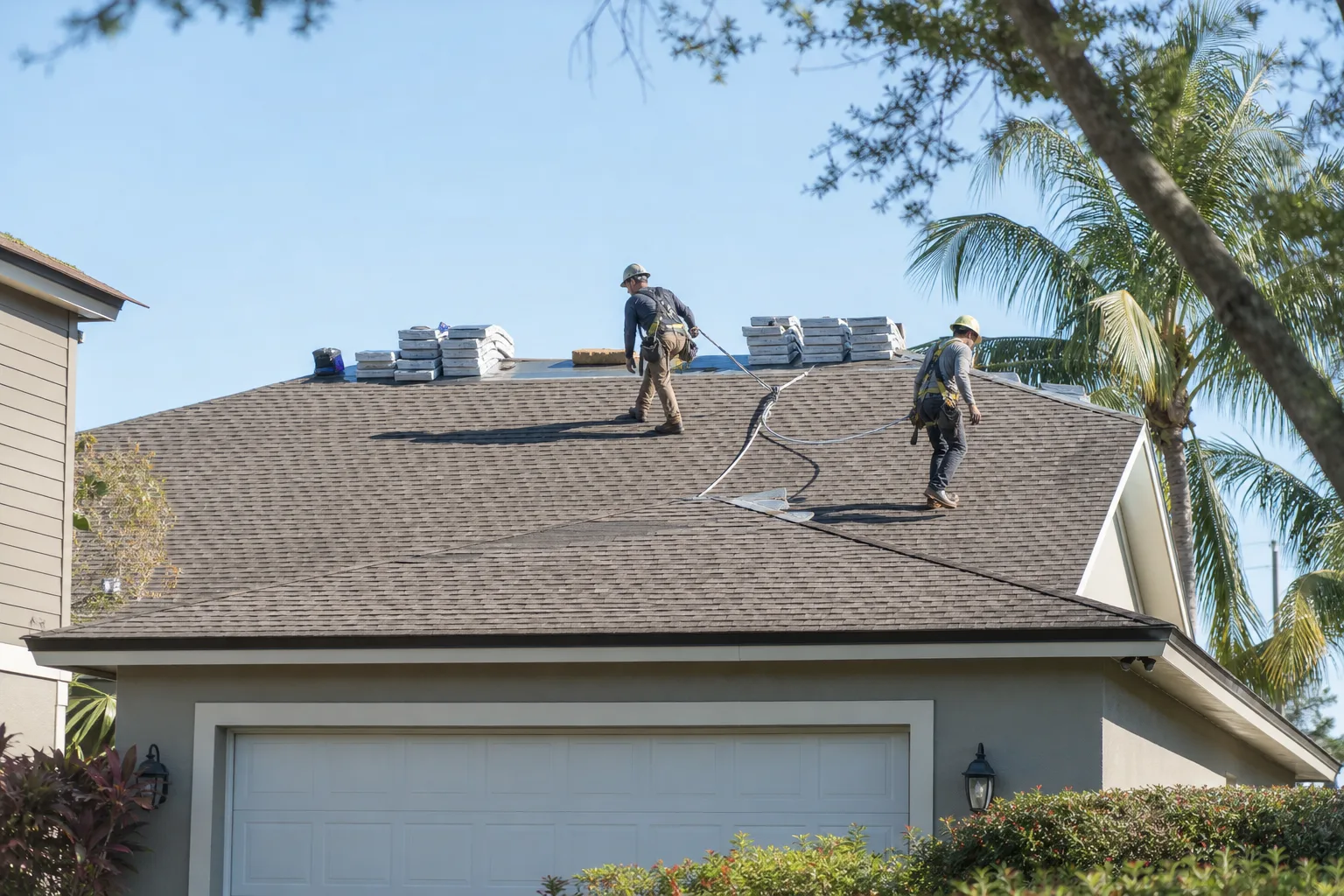
Safety matters here. Wet gutters, fog-slick roofs, and a two-story drop are a bad combination. If your home is more than one story, if the roofline is steep, or if the gutters are pulling away from the fascia, that’s a job for someone with the right ladders, fall protection, and training. Our background-checked, uniformed technicians handle gutter and roofline work so you’re not the one balancing on an extension ladder in a January drizzle. Groundwork technicians bring up to 12 years of experience to this kind of work.
What Does Gutter and Roofline Work Cost in Richmond?
Cleaning alone is inexpensive compared to what neglected drainage costs in repairs. Here’s what the related work runs in the Richmond market:
| Work | Typical Richmond Range |
|---|---|
| Roof repair (leaks, flashing, fascia-adjacent) | $400 – $1,800 |
| Tile roof repair | $600 – $2,500 |
| Roof replacement | $8,000 – $20,000 |
| Metal roof installation | $15,000 – $40,000 |
Soft fascia caught during a cleaning is a few hundred dollars of repair. The same soft fascia caught two years later is often a roofline replacement. That’s the reason we recommend checking fascia with thumb pressure on every cleaning visit, not just when you notice a problem. If the inspection finds something bigger, you get upfront pricing, no surprises, and every project is covered by our 730-Day Done Right Promise: if it’s not done right, we make it right. We also offer $1,000 off projects over $10,000 and 0% financing for 18 months when repair turns into a larger project.
Where Should Downspouts Discharge on a Richmond Flatland Lot?
Away from the foundation and away from your neighbor’s lot. Richmond flatland homeowners who redirect downspouts to discharge onto soil should confirm the terminus point isn’t sending water toward a neighboring property line or a storm drain inlet in a way that conflicts with Contra Costa County stormwater rules. This is worth confirming before you reroute anything: moving a downspout two feet can solve your drainage problem or create a neighbor dispute, depending on where the water lands.
The practical rule: discharge at least 4 to 6 feet from the foundation, onto a splash block or gravel-filled dry well, with the ground sloping away from the house. On the low-lying flatlands near the bay, winter rains expose drainage and foundation issues fast, so a downspout that dumps against the slab is a problem you want to catch early. If you’re not sure your current discharge points are compliant or effective, that’s a reasonable reason to have it looked at before the next storm season.
When Is It Worth Calling a Pro Instead of Doing It Yourself?
Call a professional when the gutters are on a second story, when the fascia feels soft, when water still backs up after you’ve cleared from the bottom, or when you’re cleaning the same clogged elbow for the third time in a season. Repeated clogs in the same spot usually mean a slope or hanger problem, not a debris problem, and no amount of cleaning fixes a gutter that’s pulled loose.
One thing that does help homeowners in Richmond: our calls are answered by a live person, 24/7, so a January morning at 7am when your gutters are overflowing mid-storm gets you immediate guidance, not a callback form. You can reach us any hour, and we’ll tell you over the phone whether it’s something you can handle or something that needs eyes on it. That’s the kind of straight answer we’d want if it were our own house.
FAQs
Twice a year is the baseline for Richmond, but homes under eucalyptus should plan on three cleanings: late spring, early fall, and after the first heavy winter rain. The fog belt means debris stays damp and compacts faster than in drier East Bay cities, so the usual once-a-year schedule leaves you exposed by January.
Not for eucalyptus debris, no. A leaf blower works on dry, loose leaves, but Richmond’s fog-moistened seed pods and bark form a compacted mat that a blower just shoves toward the downspout. Clear the downspouts from the bottom first, remove the wet material by hand, then flush. If you’d like us to handle it, call (833) 700-4611 for a free estimate.
Because the downspout is still plugged or the gutter has lost its slope. In Richmond, the most common culprit is a compacted plug sitting at the first elbow, which a top-down cleaning just makes worse. Flush from the bottom; if the problem repeats, the hangers or slope likely need work. Call us for an exact quote and we’ll tell you what’s actually going on.
Roof repair in Richmond runs $400 to $1,800 for typical leaks, flashing, and fascia-adjacent fixes, with tile roof repair at $600 to $2,500. Catching it during a gutter cleaning keeps it at the low end. For a free estimate and design consult, call (833) 700-4611. We also serve the wider Richmond service area, so tell us where you are when you call.
If you’d rather have it looked at, Groundwork Construction Co. of Richmond offers a no-pressure assessment in Richmond. Call (833) 700-4611 and we’ll come out, check the runs, the downspouts, and the fascia, and give you a straight answer on what needs doing.
Written by the team at Groundwork Construction Co. of Richmond, serving Richmond, CA.