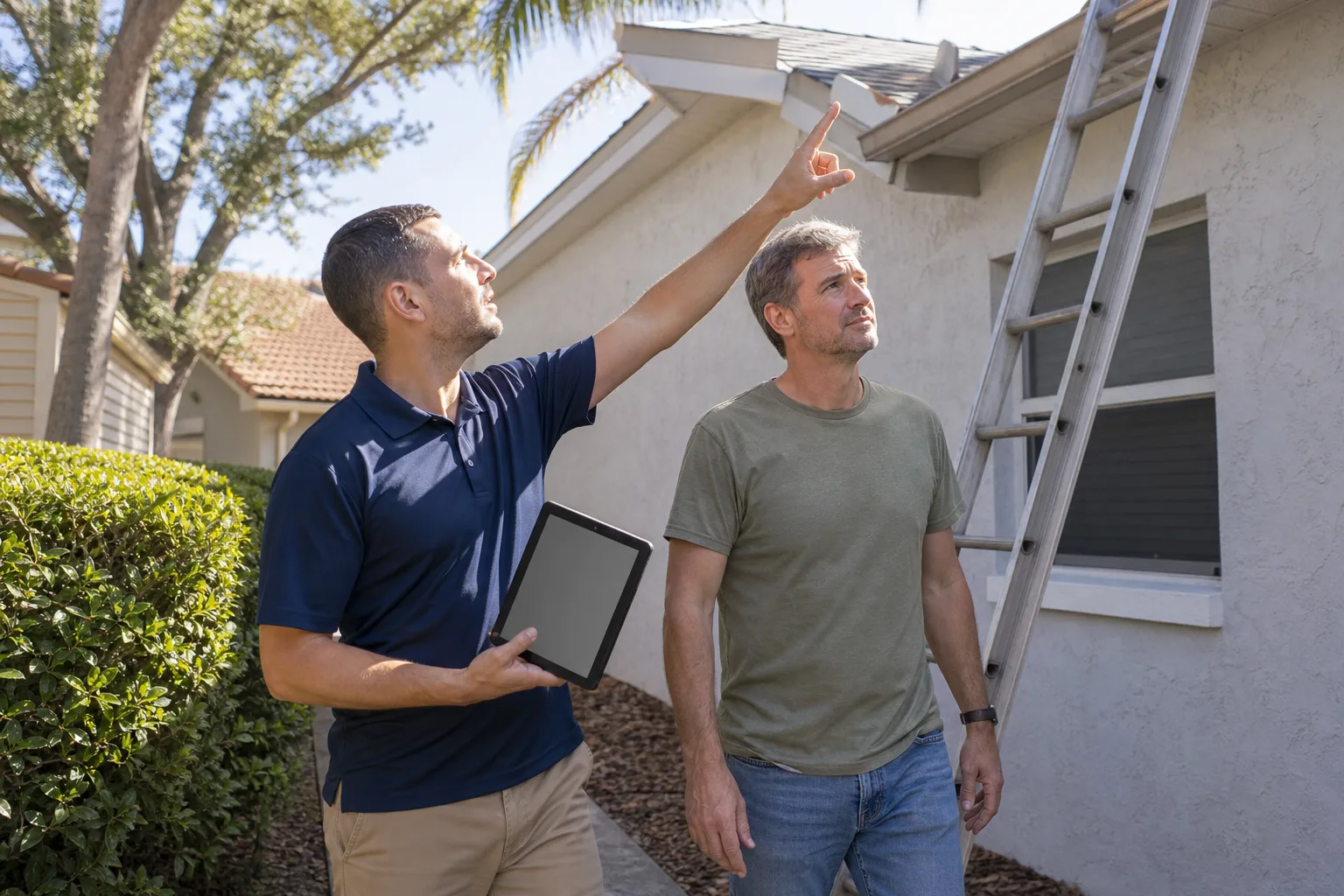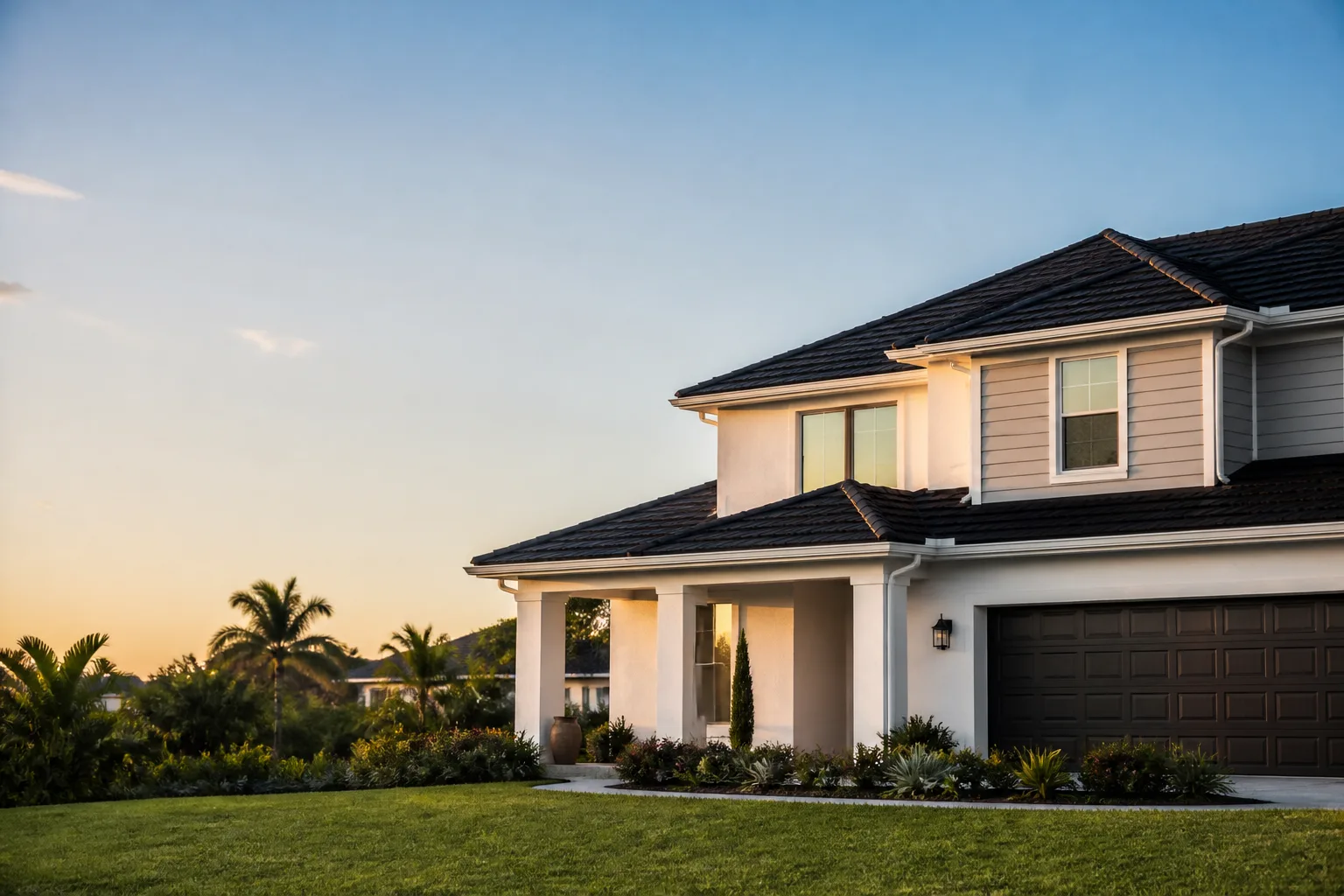

Free written scope consultation - allowances, timeline, and change-order rules on paper before a single trade is scheduled
Styles & brands we work with
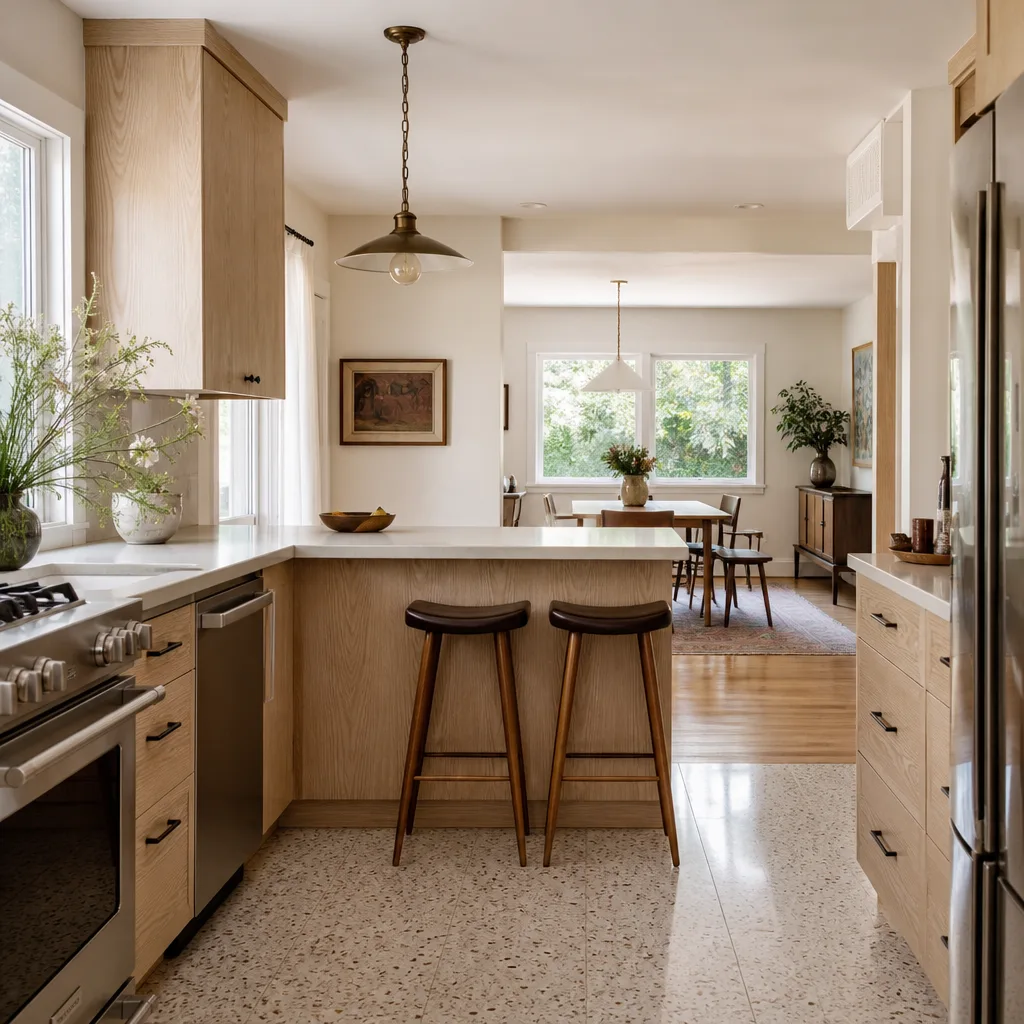
- Kitchen remodeling
- Bathroom remodeling
- Home additions & ADU
- Roofing
- Windows & doors
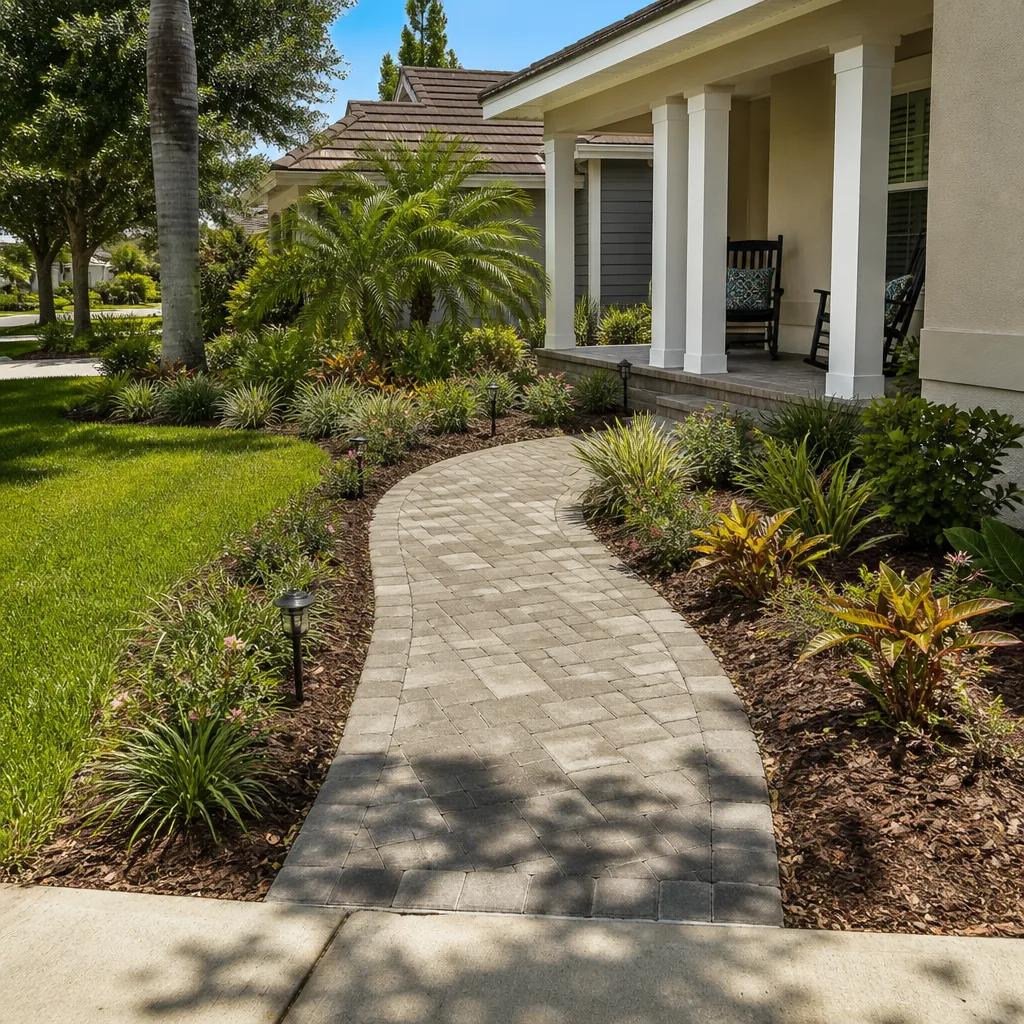
- Driveway & pavers
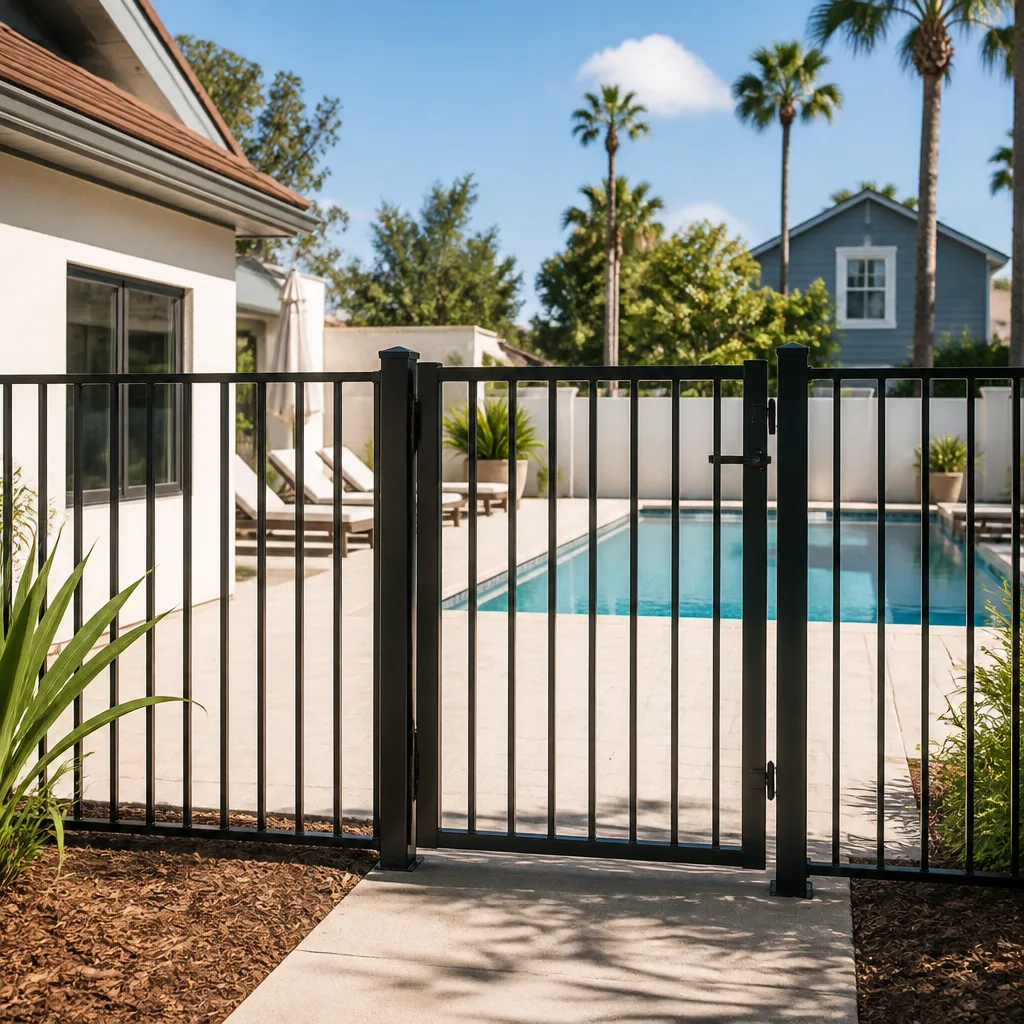
- Fence
See the difference
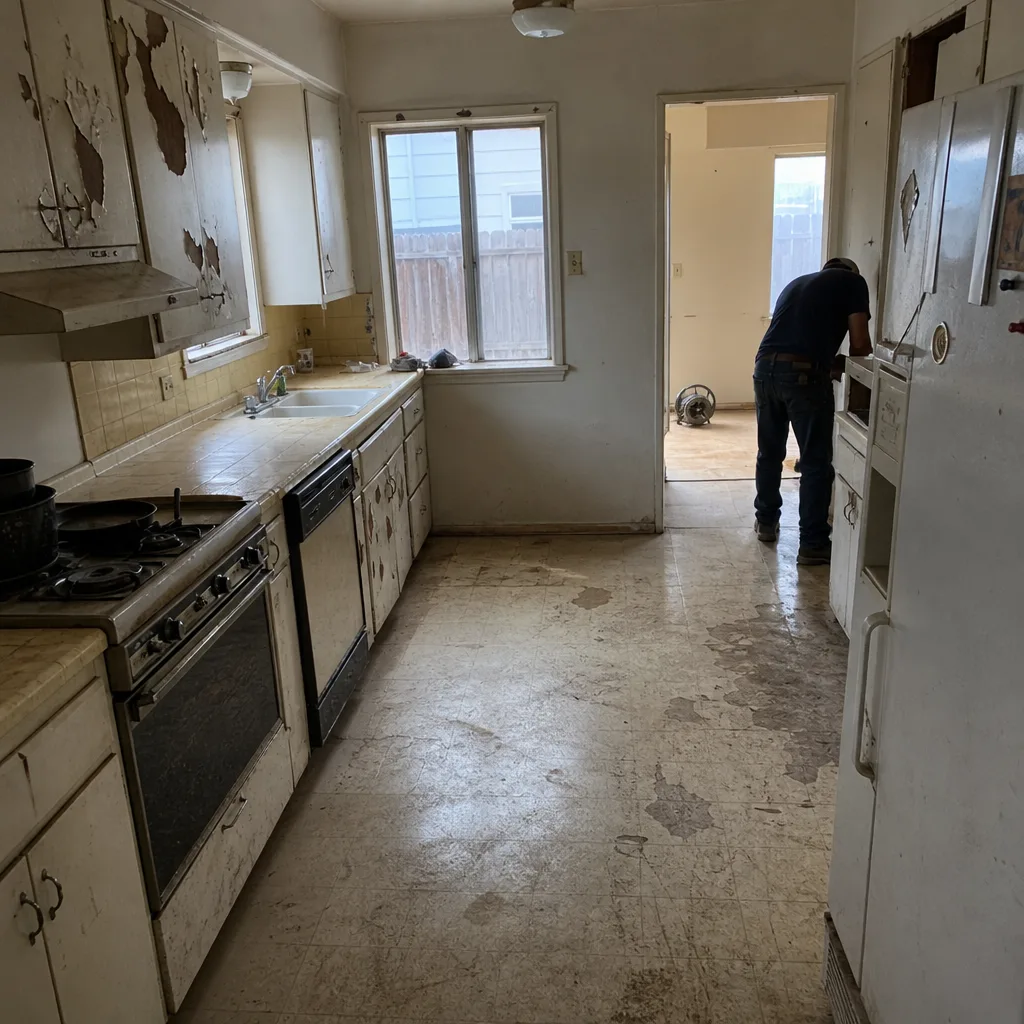 Before
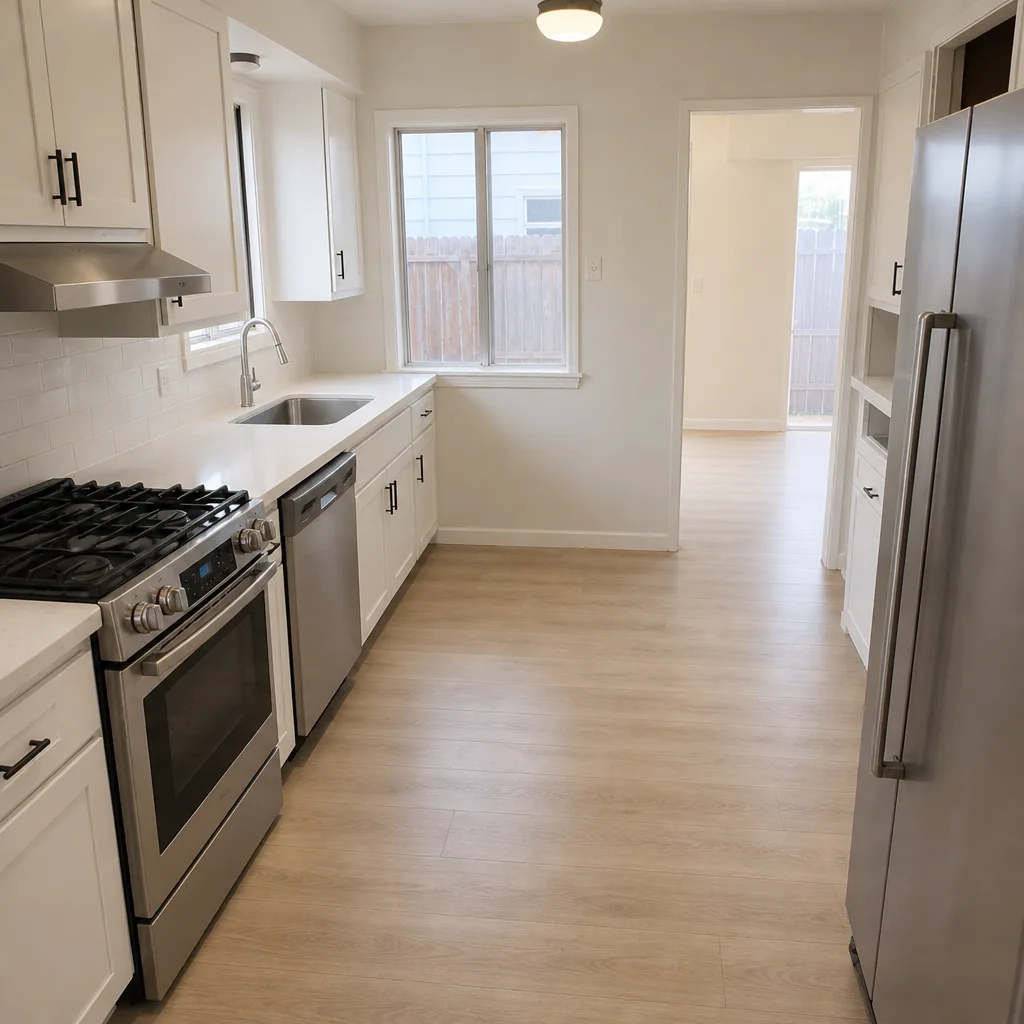 After
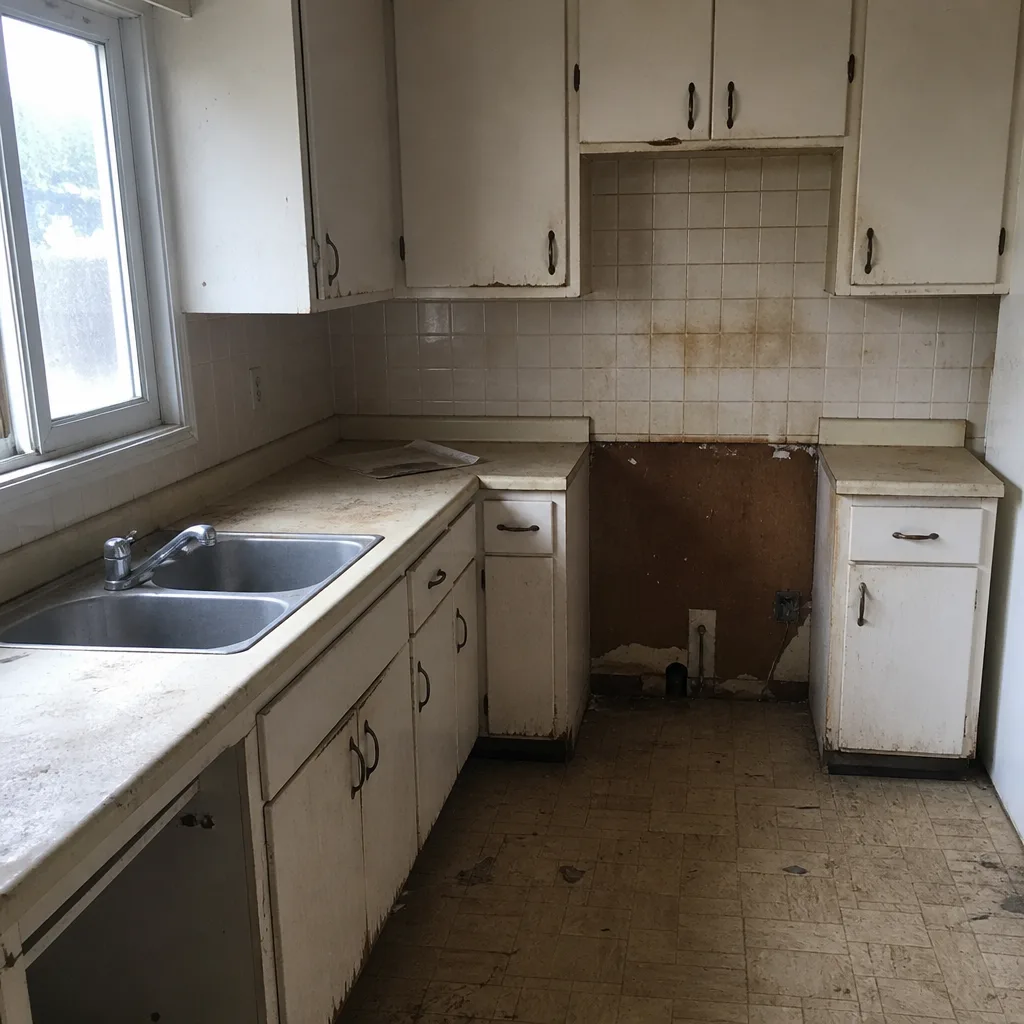 Before
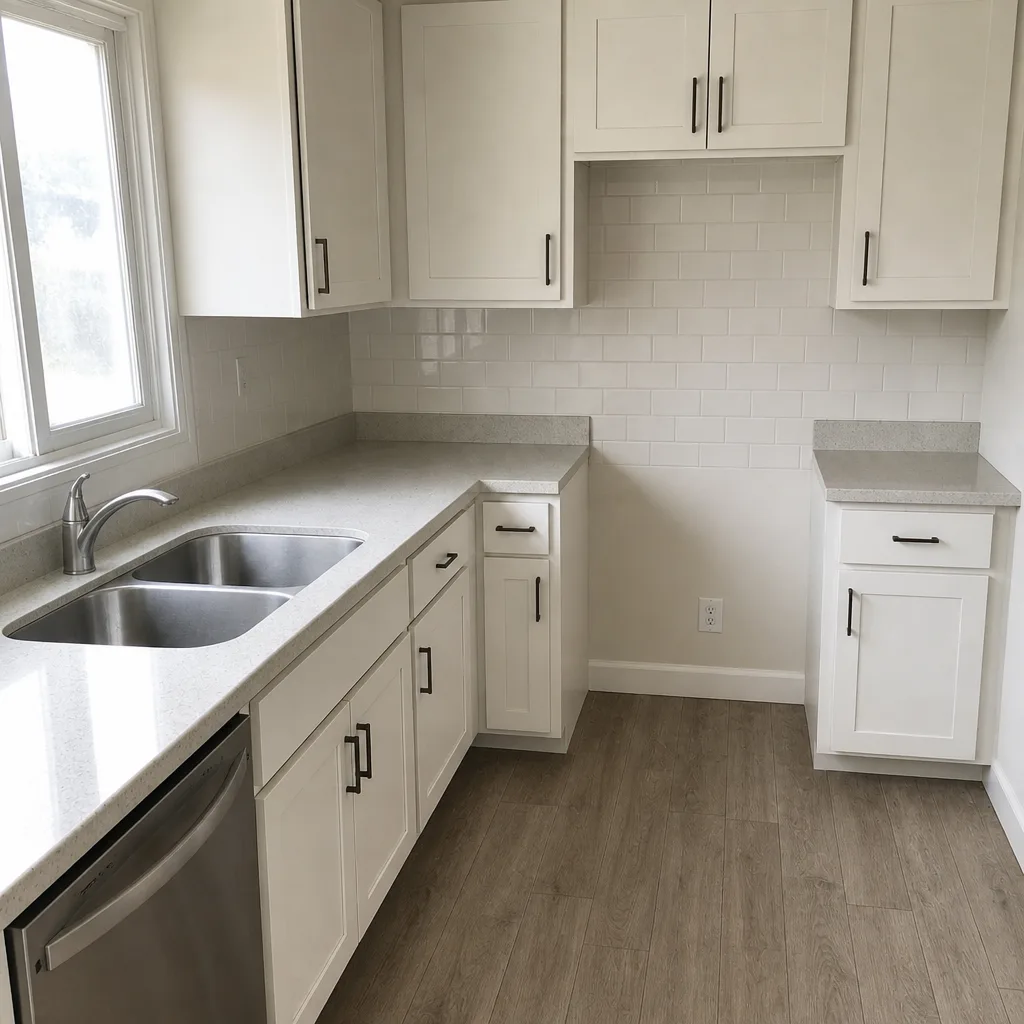 After
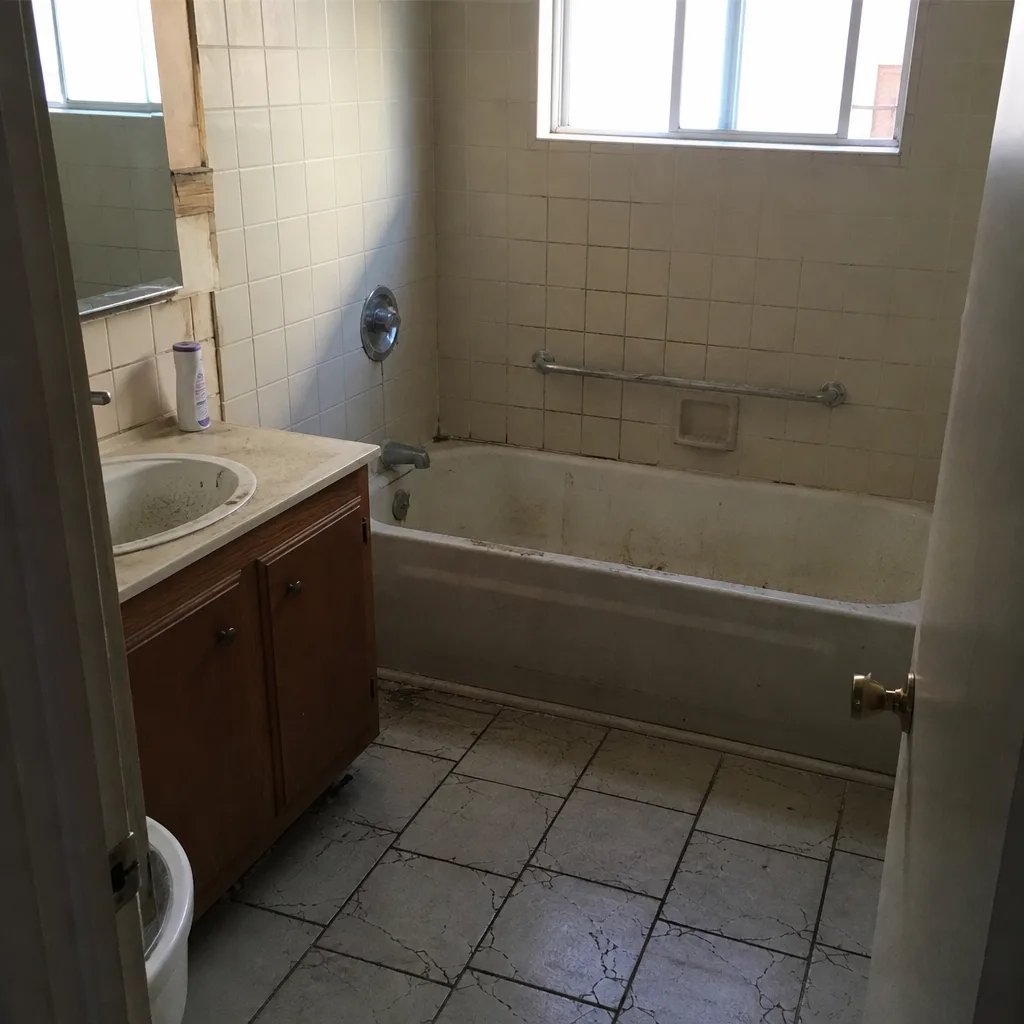 Before
 After
This is a complete, publish-ready HTML page written for Groundwork Construction Co. of Richmond. It targets the query “clay vs concrete roof tiles” with a focused, locally-specific comparison that leads with a clear recommendation, then delivers a structural decision framework rooted in Richmond’s 1950s-60s stucco tract homes. The page includes a spec table, a structural/dead-load discussion, local climate and permit considerations, three PAA-style FAQs, and a closing CTA with the phone number. All pricing aligns with the provided Richmond ranges, brand mentions are natural, and the two mandatory pillar links are embedded once each.
Clay vs Concrete Roof Tiles in Richmond, CA: Which One Fits Your Home?
Choose concrete tile if your Richmond home has the framing to carry it and you want the widest color and profile selection at the lower installed cost. Choose clay unless your rafters were engineered for tile or you’re planning a structural upgrade, because clay’s lighter dead load can be the deciding factor on a mid-century home. Either way, the first question isn’t color. It’s what’s holding the roof up. Call (833) 700-4611 and we’ll walk your framing before anyone quotes a tile. You can also reach our Richmond service area team directly.
Why Richmond Roofs Are Different From the Rest of the East Bay
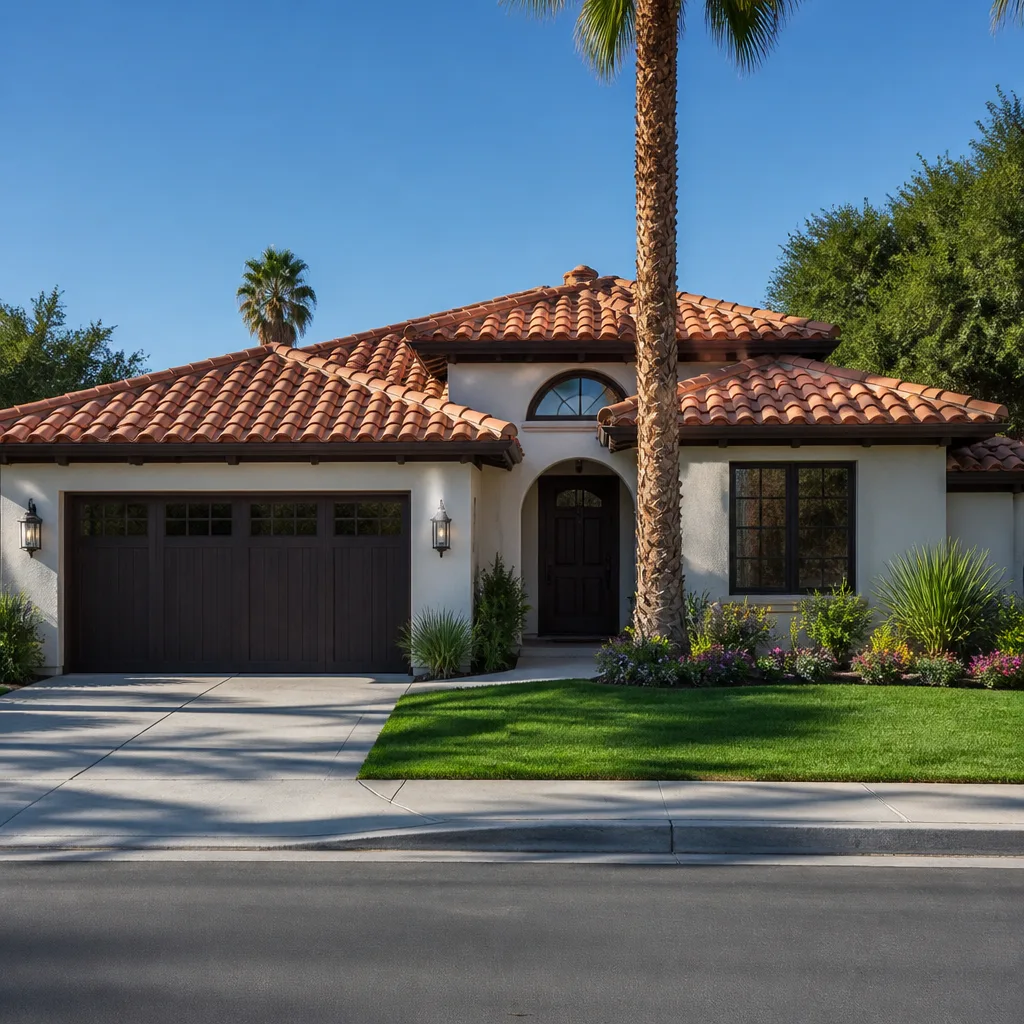
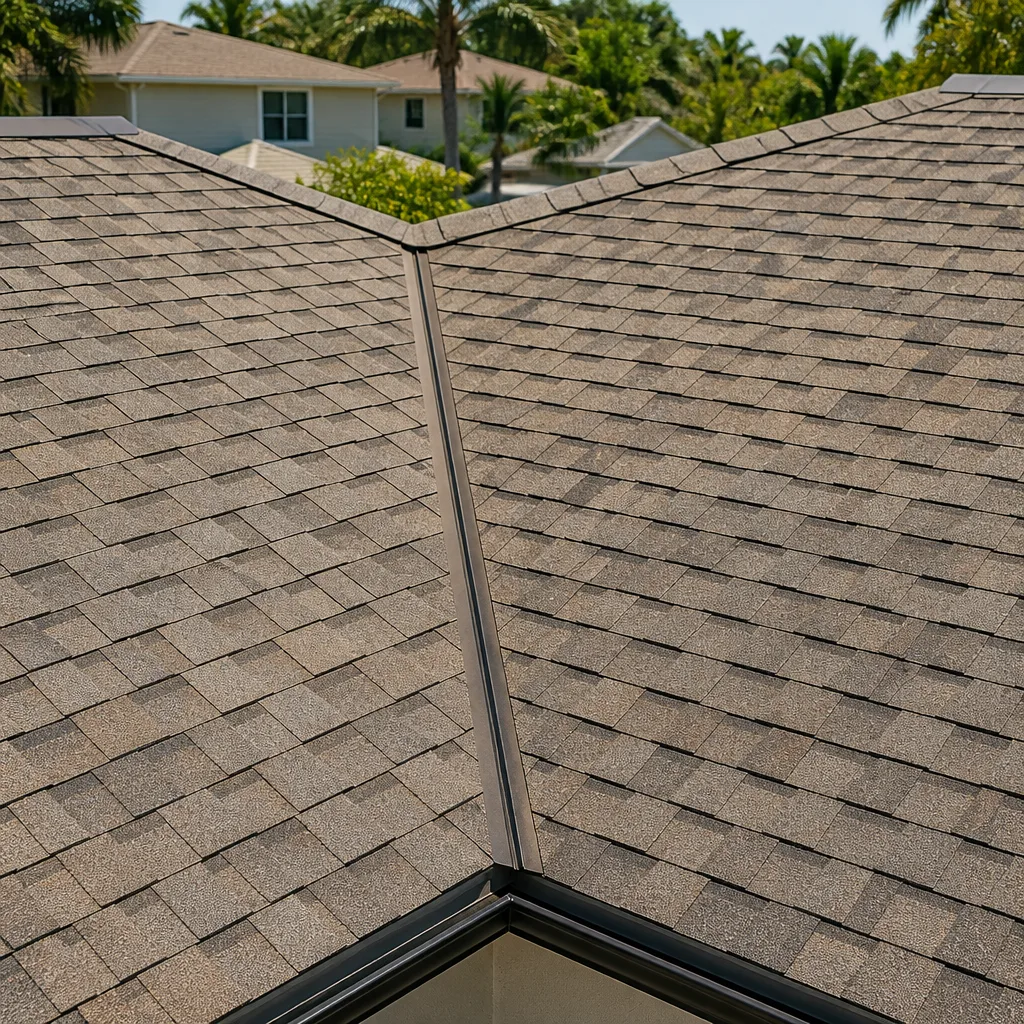
Richmond’s housing stock was built in waves, and each wave left behind a different roof structure. The 1910s to 1940s shipyard-worker bungalows and craftsmans in South Richmond and the Iron Triangle were framed for wood shakes. The 1950s and ’60s stucco tract homes in Parkview and Verde were also framed for shakes, not tile. And mid-century ranches on the Richmond Heights and El Sobrante fringe were sized for whatever the builder could get, often the same wood shake assumption. So when a homeowner in Parkview asks us about clay versus concrete, the conversation is rarely about curb appeal first. It’s about whether the original 2×4 rafters at 24 inches on center were ever meant to carry a tile roof at all.
That’s the piece most comparison charts skip. A dead load of 6 to 8 pounds per square foot for clay and 9 to 12 pounds per square foot for concrete is a meaningful difference on a 1,500-square-foot Parkview ranch. It can be the line between a straightforward re-roof and a full rafter sister.
- Concrete tile adds roughly 30% more dead load than clay tile. That delta is where structural cost shows up.
- Clay tile is lighter, which is a genuine advantage on older Richmond framing. It’s also more brittle under foot traffic, a real liability on roofs with rooftop HVAC equipment or solar arrays.
- Richmond’s bay-influenced climate is gentler on tile than freeze-thaw regions, so the cracking failure mode that plagues concrete elsewhere is largely moot here. But fog-moisture retention in broken or slipped tiles accelerates felt decay underneath, and that’s a local risk worth documenting.
- Unpermitted additions on 1960s stucco flatland homes are common in Richmond. A secondary roof section may have lighter framing than the main structure. A tile install that spans both without an engineering review is a permit problem waiting to happen.
Clay vs Concrete Roof Tiles: The Side-by-Side Comparison
| Feature | Clay Tile | Concrete Tile |
|---|---|---|
| Dead load | 6-8 lbs/sq ft | 9-12 lbs/sq ft |
| Weight differential | Baseline | ~30% heavier than clay |
| Installed cost (Richmond) | Higher, premium material | Lower, wider availability |
| Color and profile range | Natural clay tones, fewer options | Widest selection, many profiles |
| Brittleness under foot | More brittle | More forgiving |
| Best fit on Richmond stock | Original-framing homes without reinforcement | Homes with verified framing capacity |
On a typical Richmond roof replacement, tile work runs within our Roofing pricing of $8,000 to $20,000 for asphalt, with tile costing more because the material and the load calculations both go up. Tile roof repair is $600 to $2,500, and roof repair generally runs $400 to $1,800. If you’re weighing a full tile job, we quote the structural assessment upfront so there’s no surprise engineering line item halfway through.
What to Look for When You’re Choosing Between Clay and Concrete
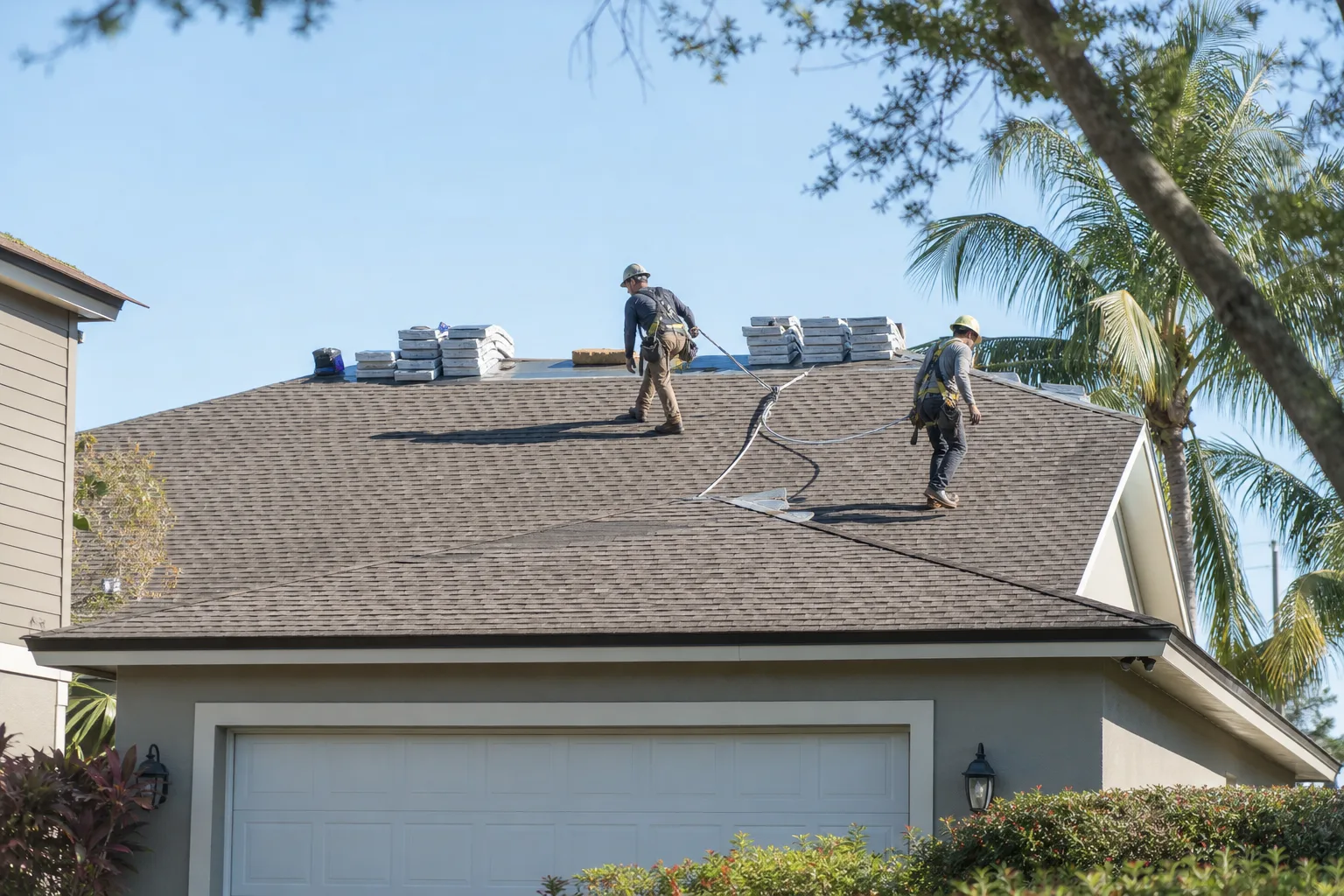
Start with the framing. Any reputable tile contractor in Richmond should be able to tell you whether your rafters were sized for tile, and whether a rafter sister is needed. If the answer comes back vague, that’s the tell. Ask for the number, not the reassurance.
Next, look at where the roof is. If you have rooftop HVAC or you’re planning solar, clay’s brittleness under foot traffic matters more than its weight advantage. And if your home has an unpermitted addition, such as the shipyard-era garage or bonus-room conversion that shows up often on 1940s South Richmond bungalows, make sure the scope includes both roof sections. A tile install that skips the secondary framing is a plan-check problem later.
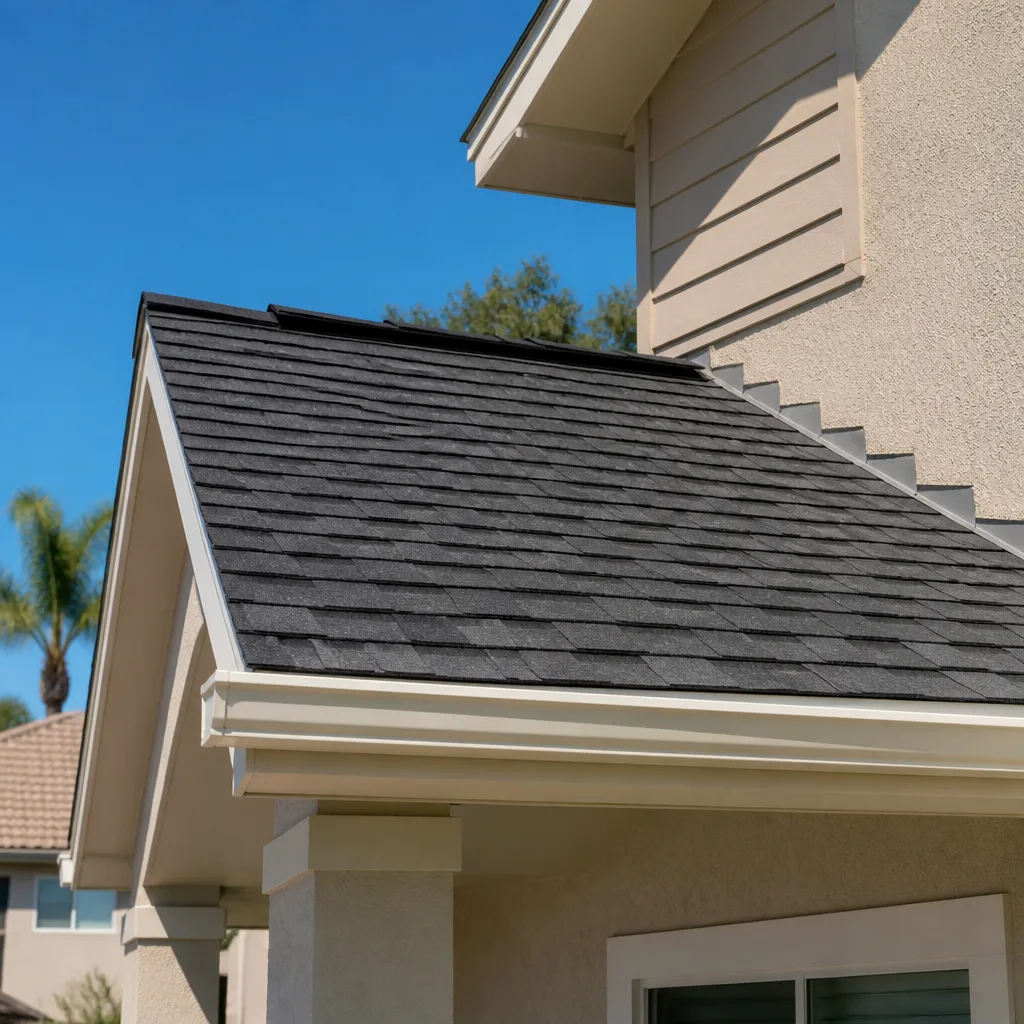
Finally, look at the material brand and the warranty. We work with IKO, Atlas and Tamko for tile and shingle systems, and every roof we install is covered by our 730-Day Done Right Promise. Built to last, backed in writing. If it’s not done right, we make it right.
How Much Does Clay vs Concrete Roof Tiles Cost in Richmond?
Concrete tile generally comes in below clay because the material is more widely produced and the installed cost is lower; on a Richmond home the difference is meaningful, and the structural assessment adds a line item concrete doesn’t always need. Rather than guess at a number, here’s how our Richmond ranges break down:
- Roof replacement: $8,000-$20,000
- Roof repair: $400-$1,800
- Tile roof repair: $600-$2,500
- Metal roof installation (for comparison): $15,000-$40,000
Tile itself runs above these asphalt and repair baselines, and the structural work is the wildcard. On homes where a rafter sister is required, that adds real cost the comparison chart on every other site omits. We put the structural assessment in writing before contract, so the number you see is the number you pay. We also offer $1,000 off projects over $10,000 and 0% financing for 18 months, and calls are answered by a live person, 24/7.
FAQs
Clay is often the safer choice for a 1950s Parkview ranch because its 6-8 lbs/sq ft dead load is closer to the original shake load than concrete’s 9-12 lbs/sq ft, and the lighter load can avoid a rafter sister. That said, the only way to know is to see the framing. Call (833) 700-4611 for a free estimate and we’ll look before we recommend.
Sometimes, yes. On a 1,500 sq ft Parkview ranch with original 2×4 rafters at 24 inches on center, the roughly 30% weight gap between concrete and clay can push the framing past its design load and require a full rafter sister. We check this before contract so you don’t get an engineering surprise mid-project. Call (833) 700-4611 to get your framing assessed.
Both handle Richmond’s bay-influenced climate well, since the freeze-thaw cracking that damages concrete tile in colder regions is largely absent here. The real local risk is fog moisture trapped in broken or slipped tiles, which accelerates decay of the felt underneath. That’s why we inspect the underlayment on every tile repair, not just the visible tile. Call (833) 700-4611 to schedule an inspection.
If your home has an unpermitted addition, the secondary roof section may have lighter framing than the main structure, and a tile install that spans both without an engineering review can trigger a permit problem. We scope both sections before we quote. Call (833) 700-4611 and we’ll sort out what your roof is actually carrying.
If you’d rather have it looked at, Groundwork Construction Co. of Richmond offers a no-pressure assessment in Richmond. Our technicians have up to 12 years of experience, and every project is covered by the 730-Day Done Right Promise. Call (833) 700-4611 for a free estimate.
Written by the team at Groundwork Construction Co. of Richmond, serving Richmond, CA.