



Free written scope consultation - allowances, timeline, and change-order rules on paper before a single trade is scheduled
Styles & brands we work with
- Kitchen remodeling
- Bathroom remodeling
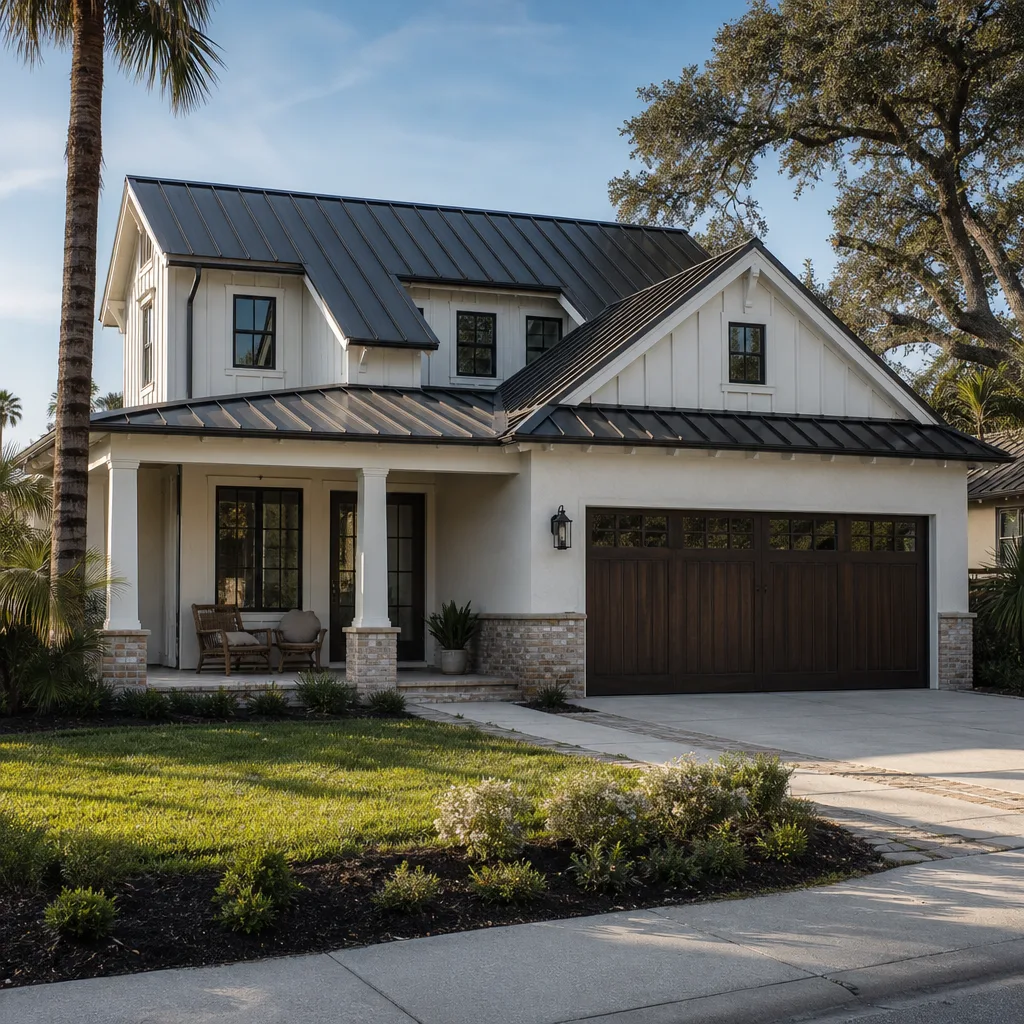
- Home additions & ADU
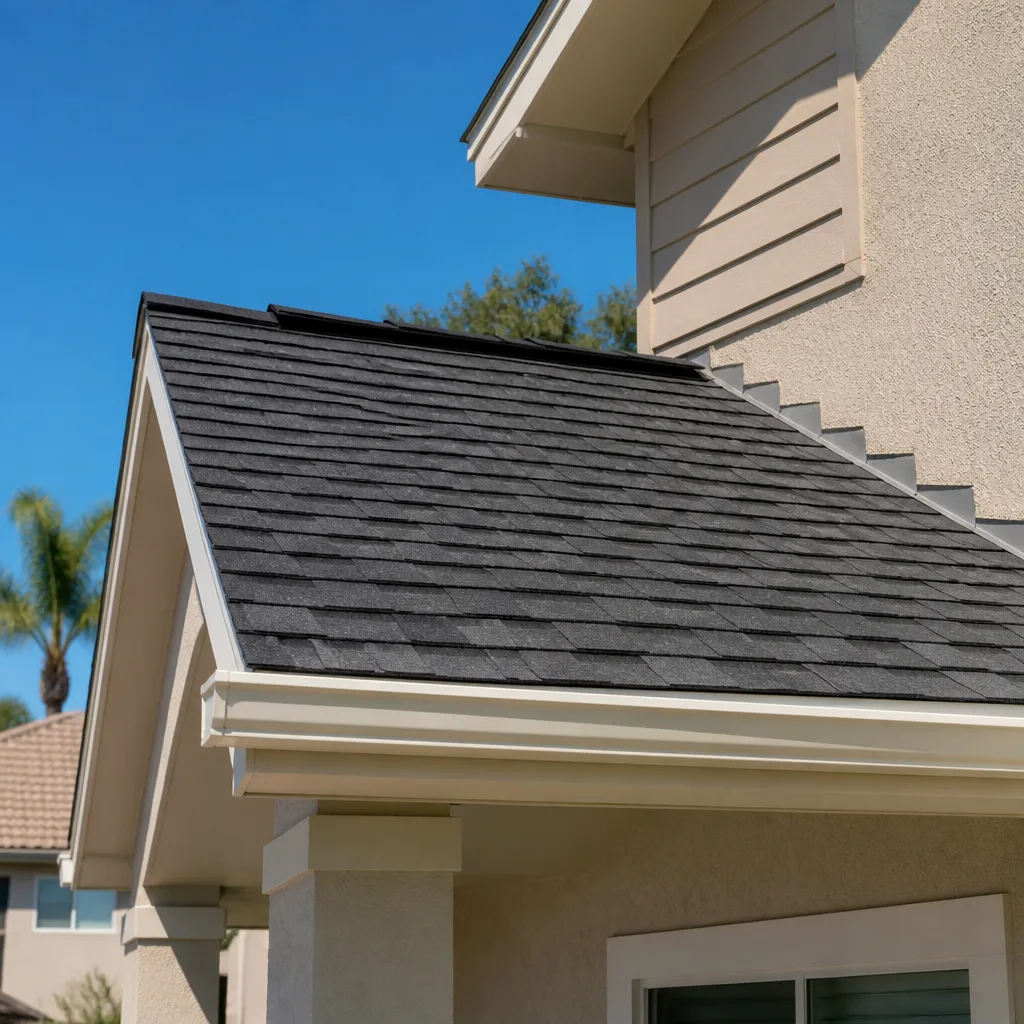
- Roofing
- Windows & doors
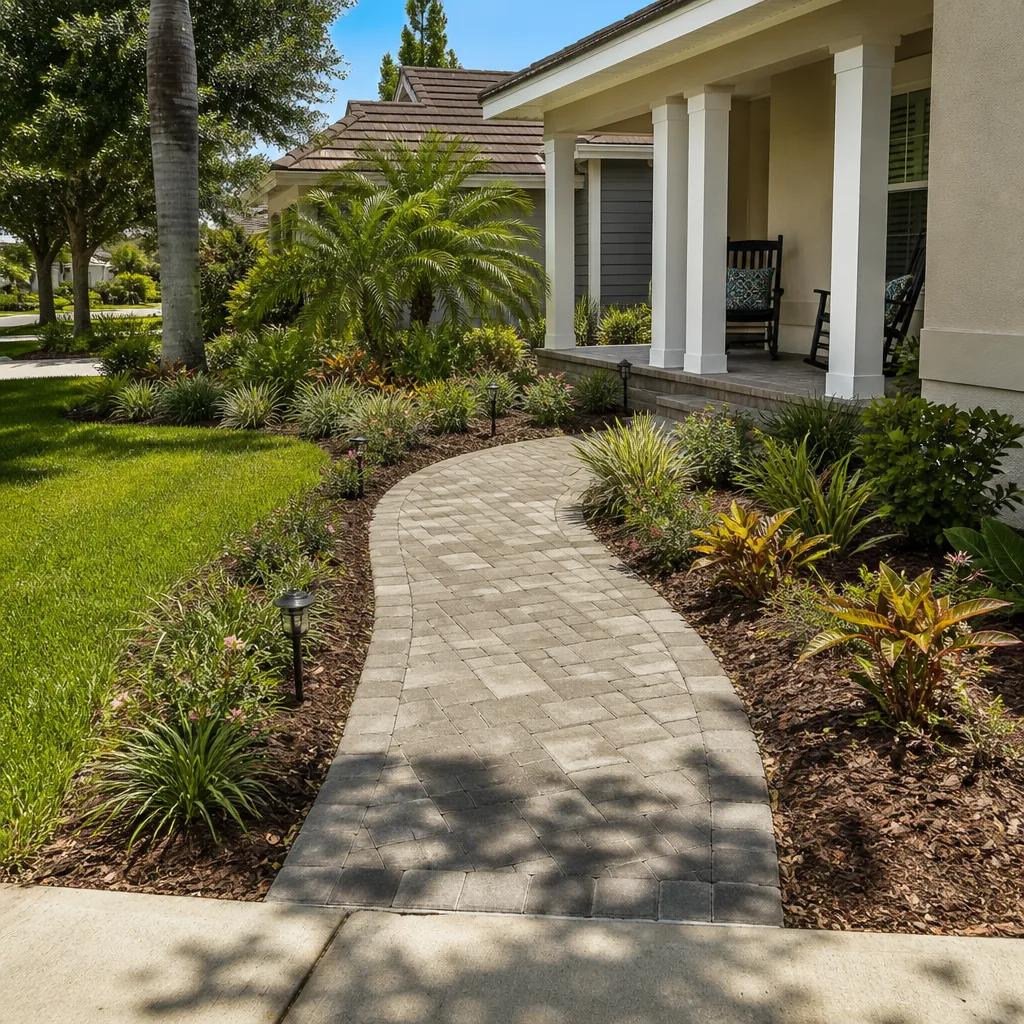
- Driveway & pavers
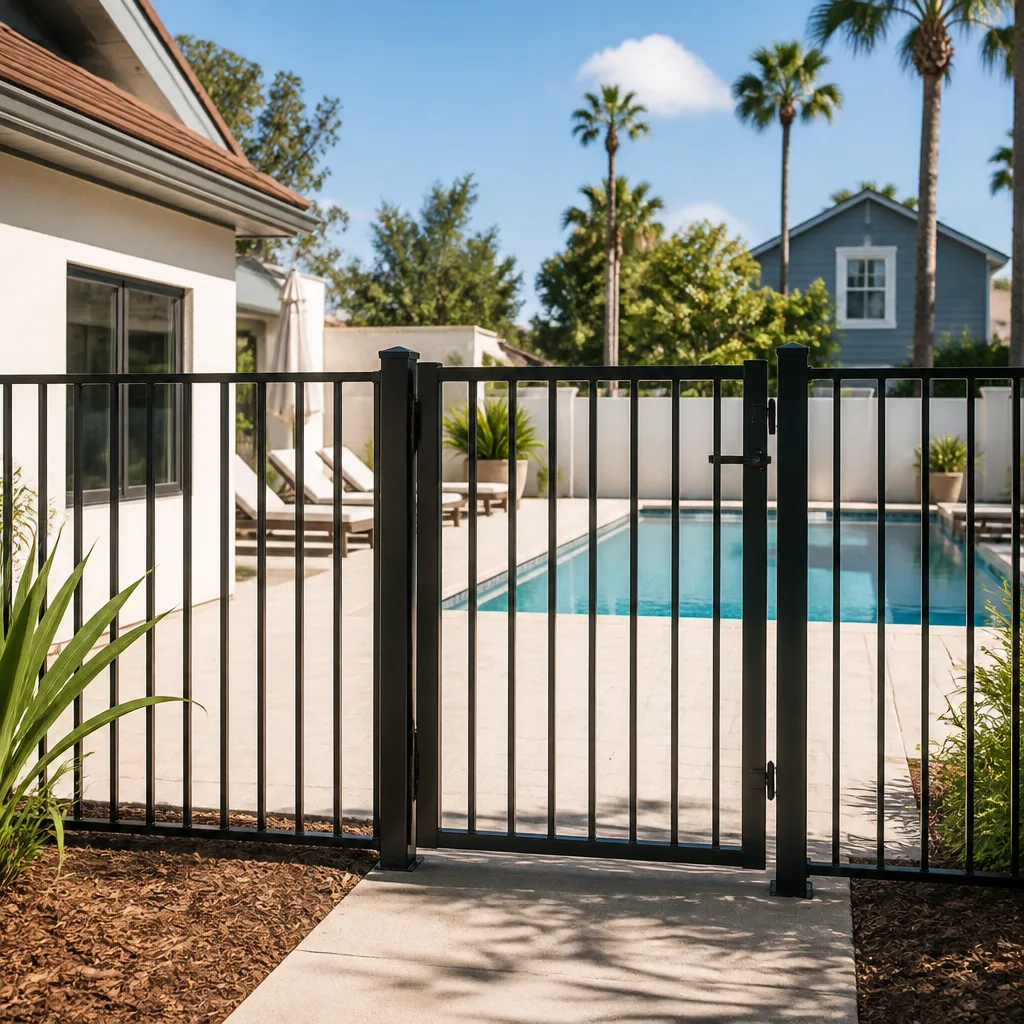
- Fence
See the difference
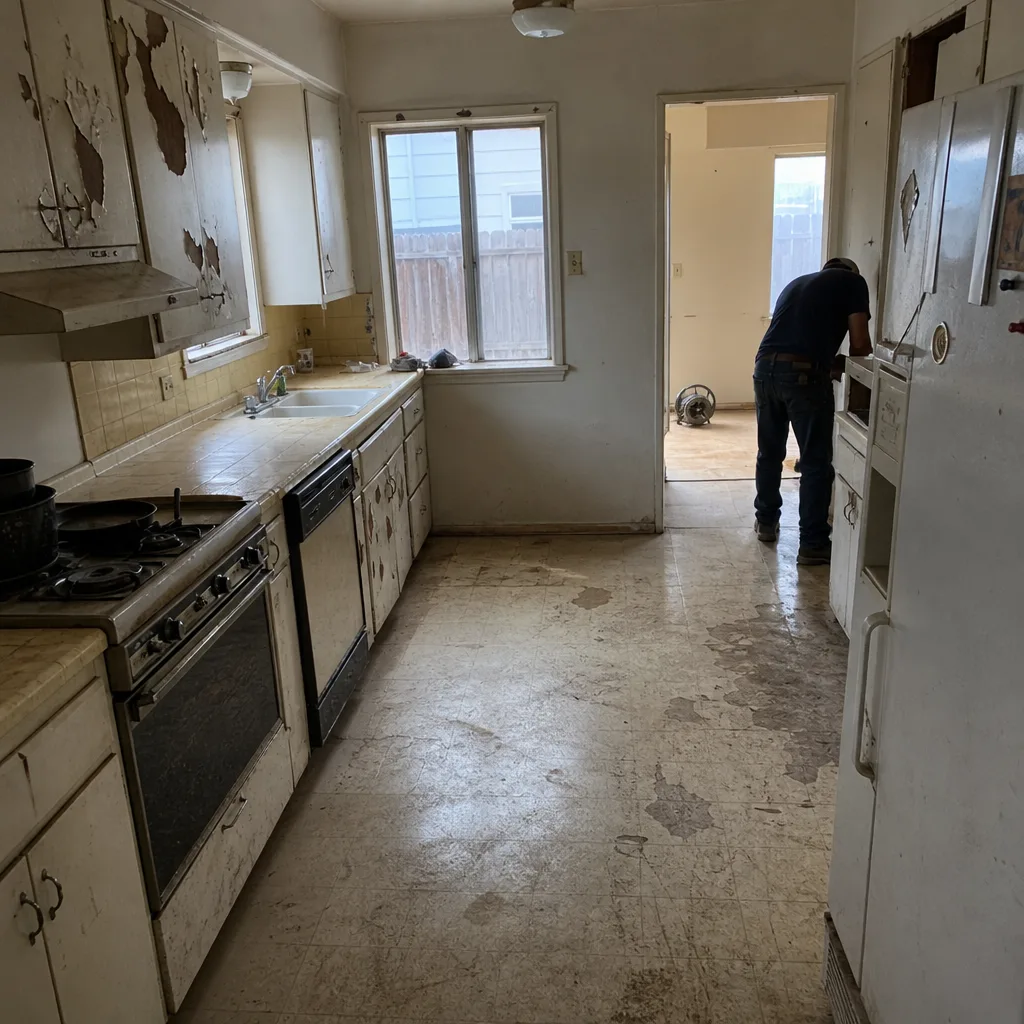 Before
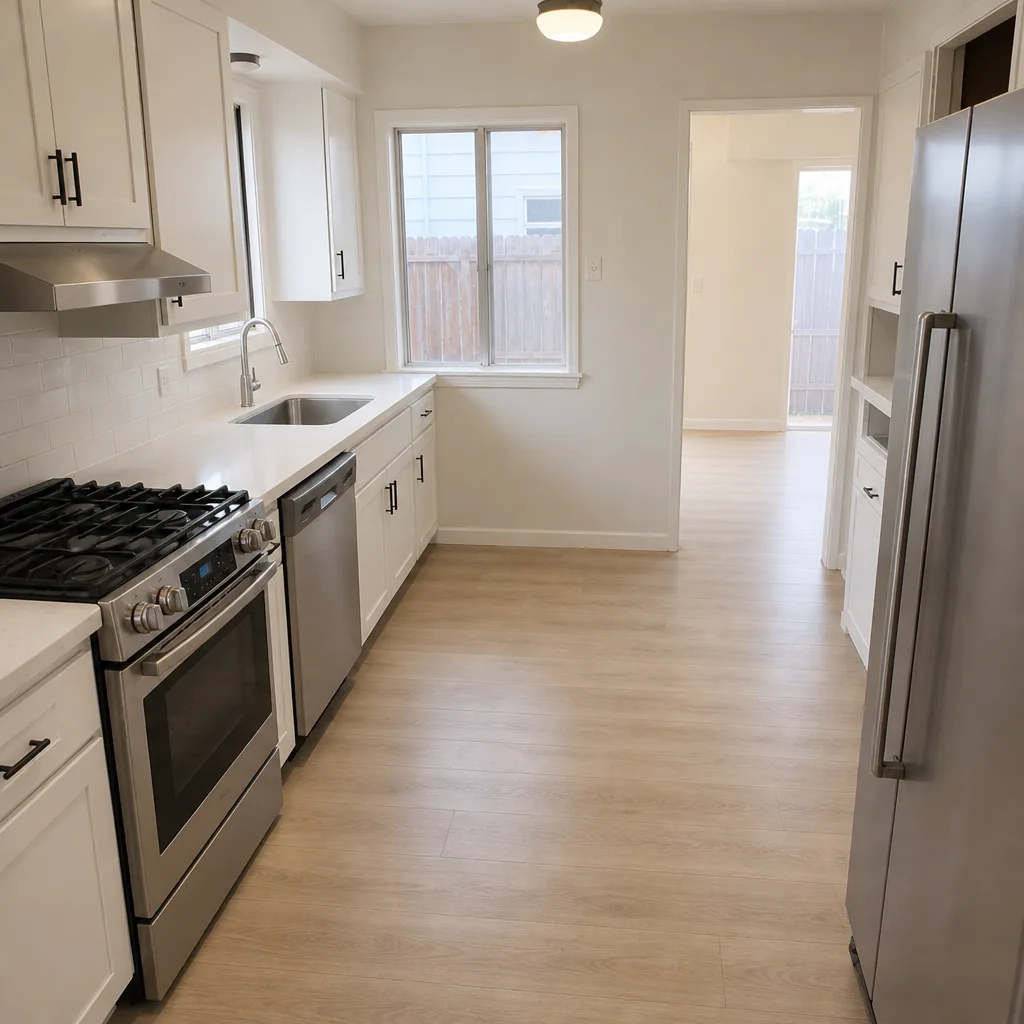 After
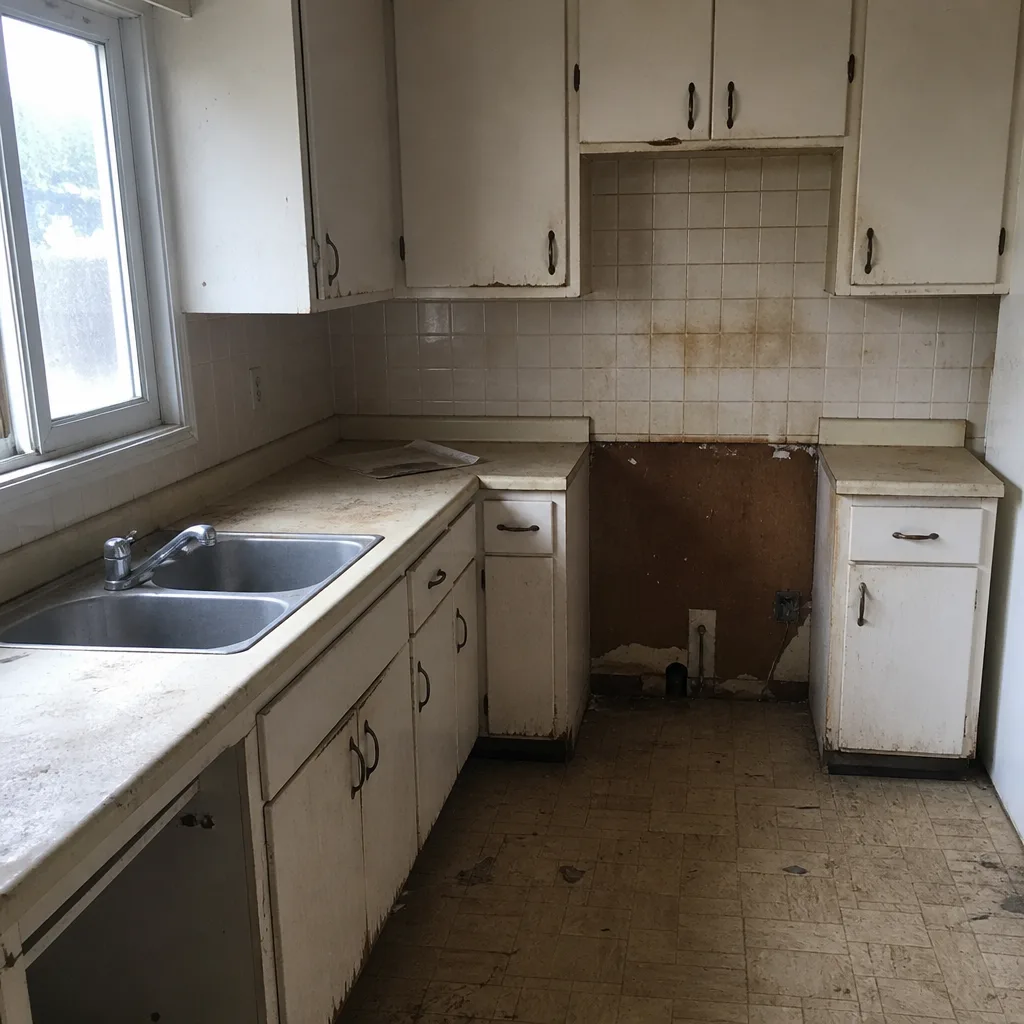 Before
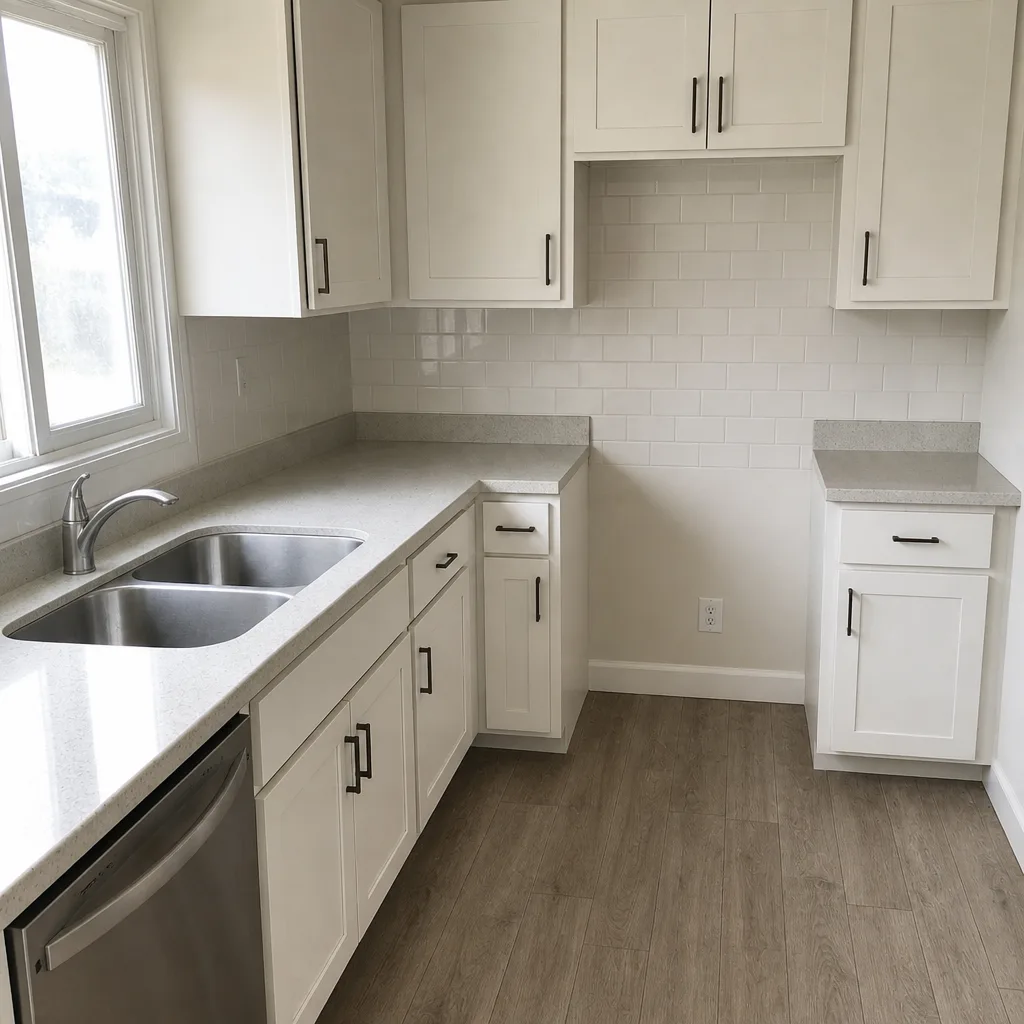 After
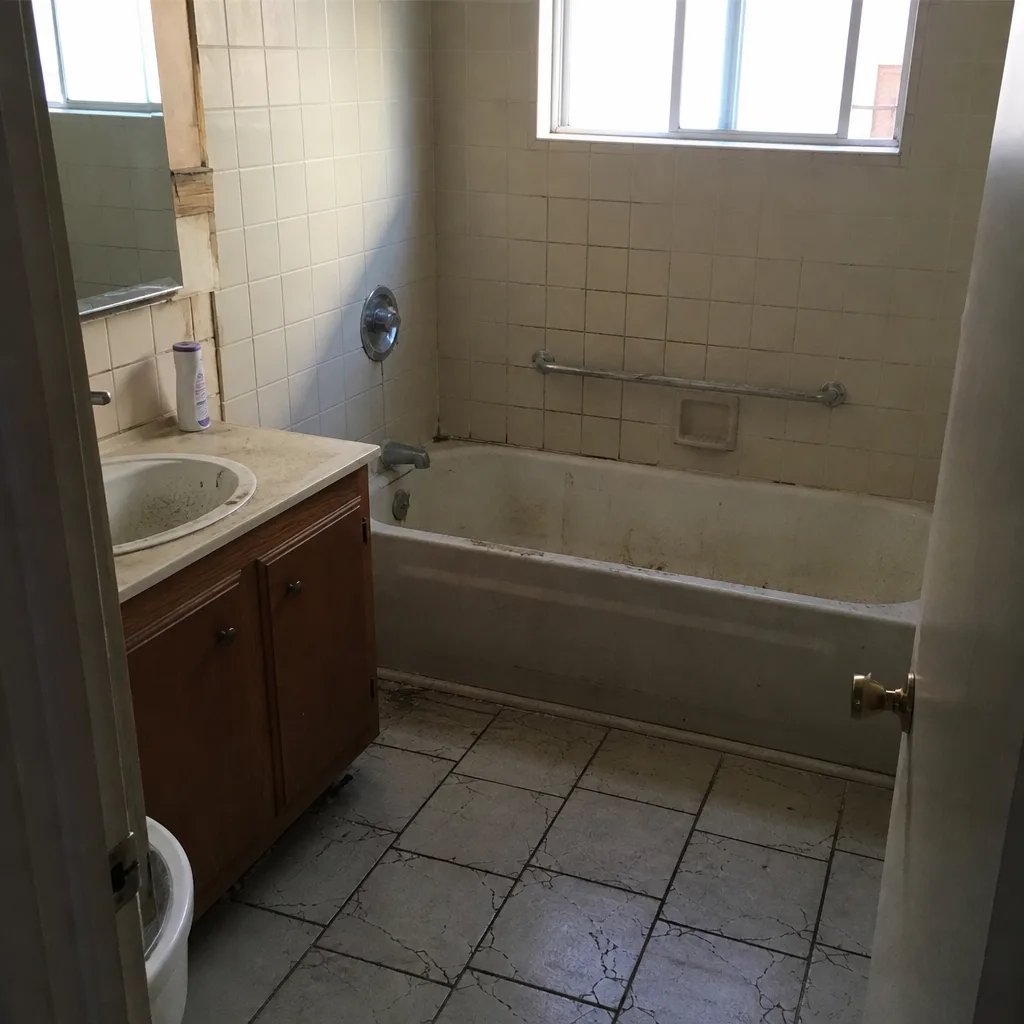 Before
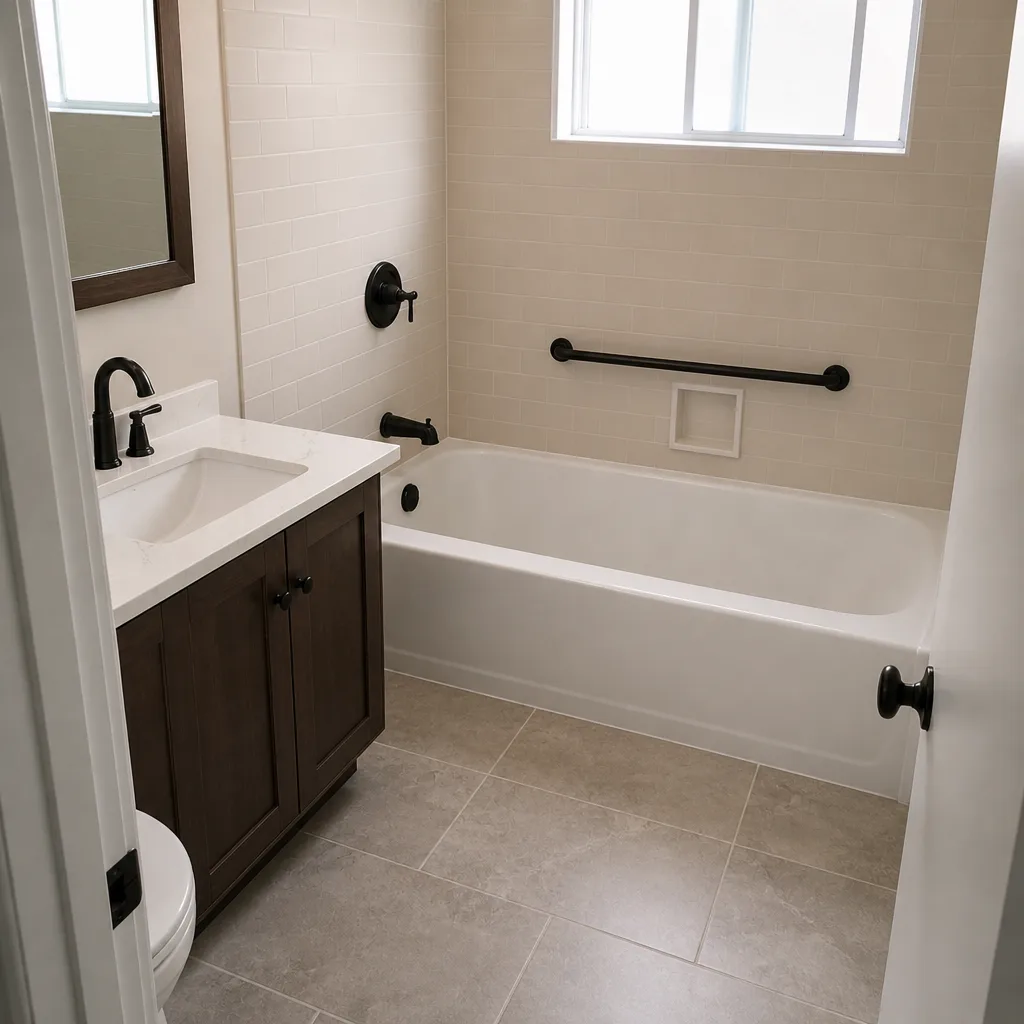 After
How Long Does a Tile Roof Last in Richmond, CA? Two Lifespans, One Decision
A clay or concrete tile roof in Richmond typically lasts 50 years or more on the tile itself, but the underlayment beneath it usually fails in 20 to 30 years. That gap is the whole story. The tiles you see from the street are the durable layer. The felt underneath them is what actually keeps Richmond’s fog and winter rain out of your house, and it’s the layer that ages out first. Confusing those two numbers is how homeowners end up paying twice for a roof. If you want a straight read on where yours stands, call Groundwork Construction Co. of Richmond at (833) 700-4611 and we’ll tell you what we find.
Key takeaways
- Tile lifespan (50+ years) and roof system lifespan (20-30 years) are two different clocks. The system fails first.
- Along the bay’s fog belt, underlayment often dries out and cracks at the lap seams before it ever sees real UV damage.
- Richmond’s mid-century ranches and 1940s bungalows sometimes have no room for a new assembly without a full tear-off.
- A slipped tile after any seismic event is a point-entry leak path, not a cosmetic problem.
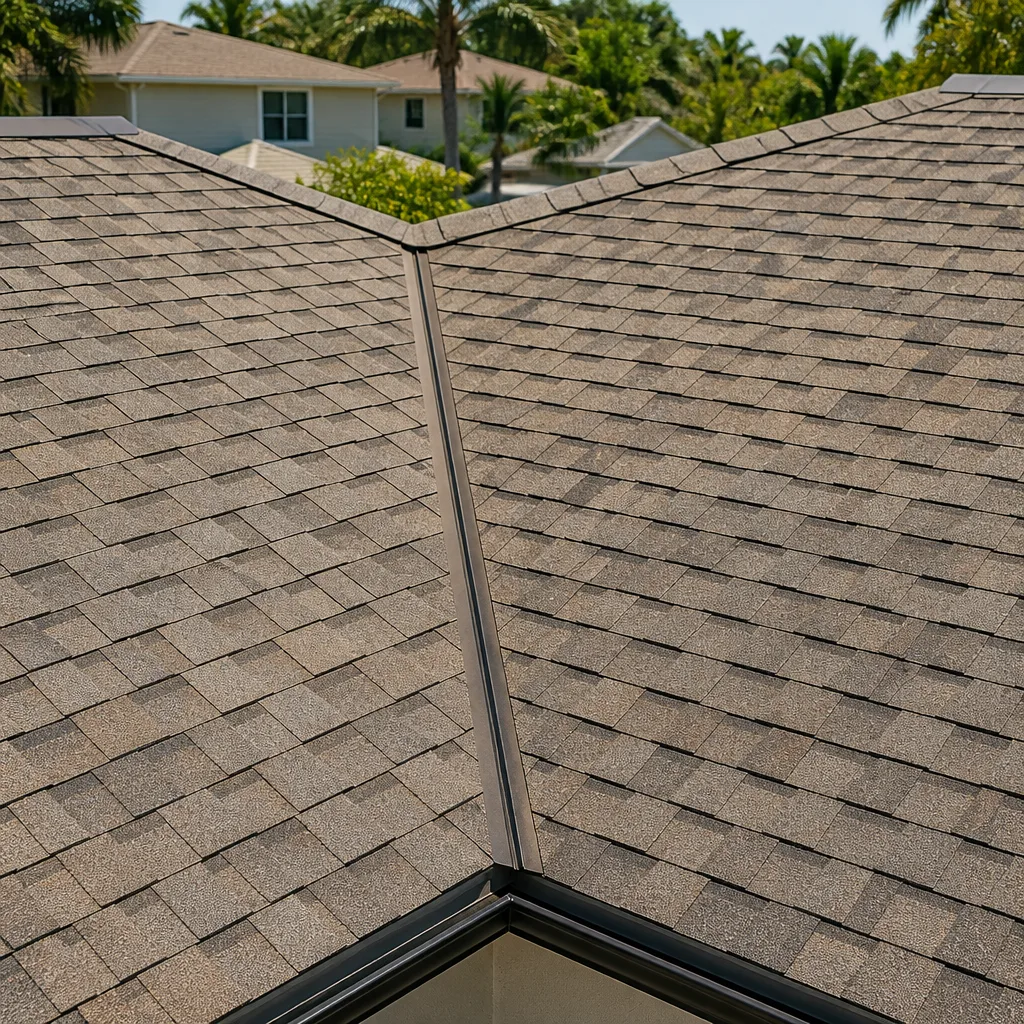
The Tiles on a 1970s Richmond Heights Ranch May Still Be Perfect. The Felt Under Them Is Not.
Take a walk through Richmond Heights and you’ll pass one 1960s or ’70s ranch after another with the original concrete tile still sitting tight on the roof. Those tiles are doing exactly what they were made to do. What’s underneath them is a good 40 years older than the tile above it was ever designed to support.
Concrete and clay tile have finished their advertised service life only when they crack, hail-ding, or get walked on wrong. Tile is one of the few exterior materials that genuinely outlives the surface underneath it. The 30-lb felt or synthetic underlayment that protects your decking from water is a different animal. On California’s coast, that layer sees a real-world service life of 20 to 30 years under fog-belt thermal cycling. It works through thousands of expansions from warm afternoons and cool bay nights, and eventually it cracks at the lap seams, the place where each layer overlaps the next.
A tile “inspection” that skips the underlayment question is an incomplete assessment, no matter how careful it looks. Someone can walk your roof and tell you the tile is in good shape and be technically correct while the real clock runs down a few inches below.
Why Richmond’s Climate Accelerates One Part of the Underlayment Failure and Slows Another
Richmond’s cool, fog-influenced summers mean your tile roof sees less UV degradation than an identical roof in Walnut Creek or Concord would. That’s genuinely good for the tile. But the same climate puts more sustained moisture at the underlayment’s lap seams, and on west-facing slopes that’s the exact condition that speeds up felt dry-out and cracking.
The practical result is a roof that looks healthier than it is. The tile stays clean and colorful while the layer underneath is quietly failing. After a wet winter, that difference shows up as ceiling stains in a bedroom, a damp smell in the garage, or a fascia board softening at the eave. Those symptoms are the underlayment telling you its age, not the tile’s.
Groundwork’s background-checked, uniformed crews perform documented deck inspections on every tear-off, with photo records handed to the homeowner. Not a verbal “looks good” from a sub you never meet. Every project is covered by the 730-Day Done Right Promise. If the work isn’t done right, we make it right.
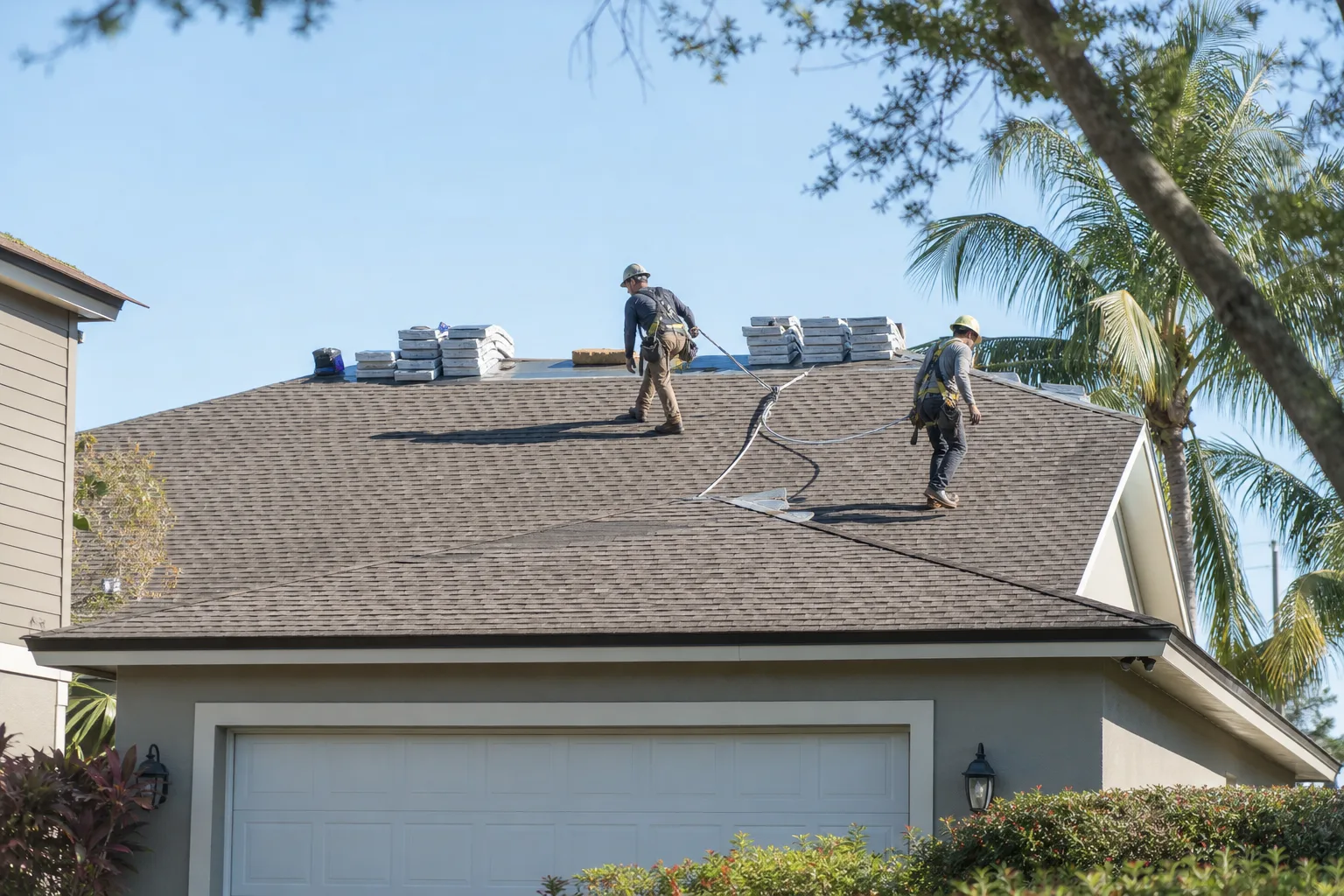
Where Richmond’s Older Homes Make a Lifespan Estimate Tricky
Age of the roof is one variable. What’s holding the roof up is another. Richmond’s housing stock runs from 1910s to 1940s shipyard-worker bungalows in South Richmond and the Iron Triangle to 1950s-60s stucco tract homes out in Parkview and Verde, and mid-century ranches along the Richmond Heights and El Sobrante fringe. A tile roof on many of those houses may have been installed as a third generation over original sheathing board decking. That means no room to lay a new code-compliant assembly without a full tear-off.
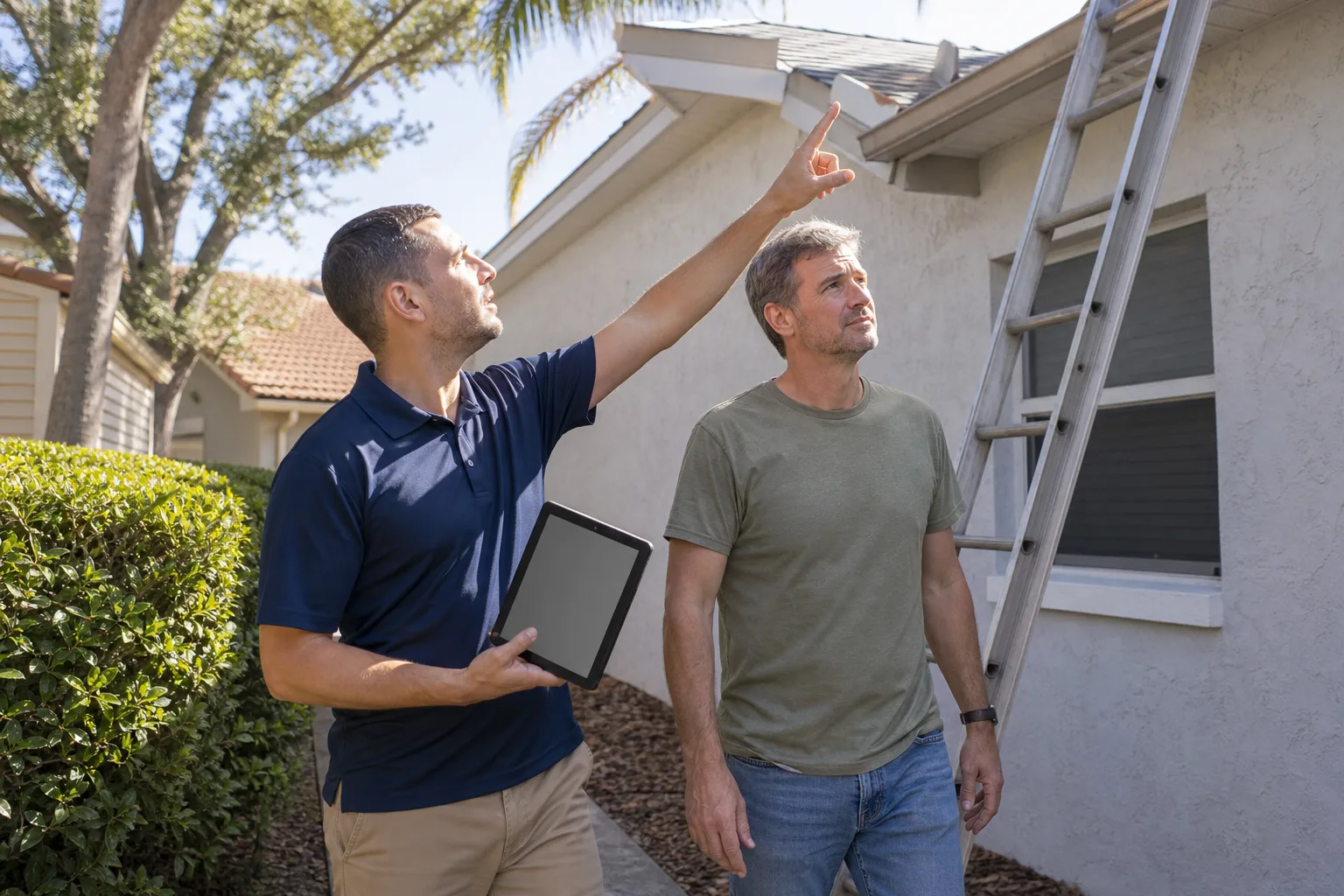
That’s a cost variable a lifespan estimate given without a site visit will never surface. It also matters more here than in neighboring cities, because the older flatlands near the bay see fog-belt moisture driving rot and fungal decay on south- and west-facing wood, and 1940s-era additions that were never permitted can complicate a plan-check. You’ll want a licensed roofer who has actually lifted tile on your block, not someone running the numbers off a satellite image. Our Roofing team handles this kind of inspection as a standard first step, and if the scope turns out to be more than a repair, we’ll show you why.
Common local scenarios we see
- A third-generation tile roof on a 1940s South Richmond bungalow. The tile is original, the underlayment is gone, and a full tear-off is the only way to build a compliant new assembly. This is where a flat quote turns into a real scope conversation.
- Slipped or cracked tile after an East Bay seismic event. Proximity to Hayward Fault activity means tile shifts after any notable shake. A slipped tile is a point-entry leak path that can rot deck sheathing years before the underlayment would have failed on its own.
- A west-facing slope on a Richmond Heights ranch. Fog-driven moisture at the lap seams ages the felt faster than a shaded north slope on the same house.
- A tile roof over what looks like a garage or bonus room. Frequently an unpermitted shipyard-era conversion in the older flatlands, which can trigger retroactive permit work before any tear-off begins.
What Tile Roof Repair and Replacement Cost in Richmond
Here’s what these jobs actually run in this market. Every number below is upfront, with no surprises at the end.
| Job | Typical range |
|---|---|
| Tile roof repair (slipped tiles, localized leak) | $600-$2,500 |
| Roof repair (general) | $400-$1,800 |
| Roof replacement | $8,000-$20,000 |
| Metal roof installation (if a full swap makes sense) | $15,000-$40,000 |
A full tile tear-off and re-cover sits inside the replacement range, but where it lands depends on deck condition and whether the current assembly needs to come up to code. That’s the reason we don’t quote tile work over the phone. It’s also why we finance 0% for 18 months and take $1,000 off any project over $10,000. That’s built to last, backed in writing.
When to Repair and When to Rethink the Whole Roof
If your tile is 15 years old and a handful of tiles cracked, a repair usually makes sense. If the tile is 30 years old and the felt has been leaking at the seams, patching the leak is throwing money at a symptom. A good rule to hold onto: the underlayment age is the deciding factor, not the tile age. If you can’t document when the underlayment went in, it’s worth having a pro check the deck and the felt condition before the next wet season.
For a closer look at how we work the Richmond area, our Richmond service area page covers the local coverage and project types we see here. If you’re also planning related exterior work in the same season, our guide to fence installation runs into the same fog-belt rot conversations.
FAQs
You should plan for the tile to last 50 years or more and the underlayment beneath it to last 20 to 30. The tile itself is durable enough to outlive most of the houses it’s installed on. The system that keeps water out of your attic is the felt layer, and along the fog belt here it ages faster than it does inland. Call (833) 700-4611 for a free inspection and a straight answer on which clock is running out on your roof.
The underlayment age is the deciding factor, not the tile condition. Intact tiles with a documented install date under 20 years old usually point to a repair. Tiles still in good shape over 25-year-old felt, with ceiling stains or damp garage smells, point to a re-cover or full tear-off. A licensed inspector should always look underneath the tile, not just at it. Call (833) 700-4611 and we’ll tell you what we actually see.
Yes, routinely. Tile and clay are designed as the rain screen, not the waterproofing. The felt underneath is the water barrier, and it cracks at the lap seams as it ages. On west-facing slopes here, fog-driven moisture accelerates that crack. That’s why you can have dozens of healthy-looking tiles and a ceiling stain in the same house. Call (833) 700-4611 for an inspection that addresses the layer under the tile.
For localized issues and single-slip tile damage, repair runs $600-$2,500 and is usually the right call. Once the underlayment is failing across the roof, though, patch repairs tend to add up to the replacement cost without solving the problem. If the deck sheathing has rotted from years of fog-moisture intrusion, a full tear-off is the only honest answer. Call (833) 700-4611 for a no-pressure look at which side of that line your roof is on.
Get Your Roof Looked At Before the Next Wet Season
If you’d rather have it looked at, Groundwork Construction Co. of Richmond offers a no-pressure assessment in Richmond: a documented deck inspection, photo records, and a straight answer on whether your tile has decades left or is quietly running on borrowed felt. Calls are answered by a live person 24/7. Reach us at (833) 700-4611 for a free estimate.
Written by the team at Groundwork Construction Co. of Richmond, serving Richmond, CA.