Free written scope consultation - allowances, timeline, and change-order rules on paper before a single trade is scheduled
Styles & brands we work with
- Kitchen remodeling
- Bathroom remodeling
- Home additions & ADU
- Roofing
- Windows & doors
- Driveway & pavers
- Fence
See the difference
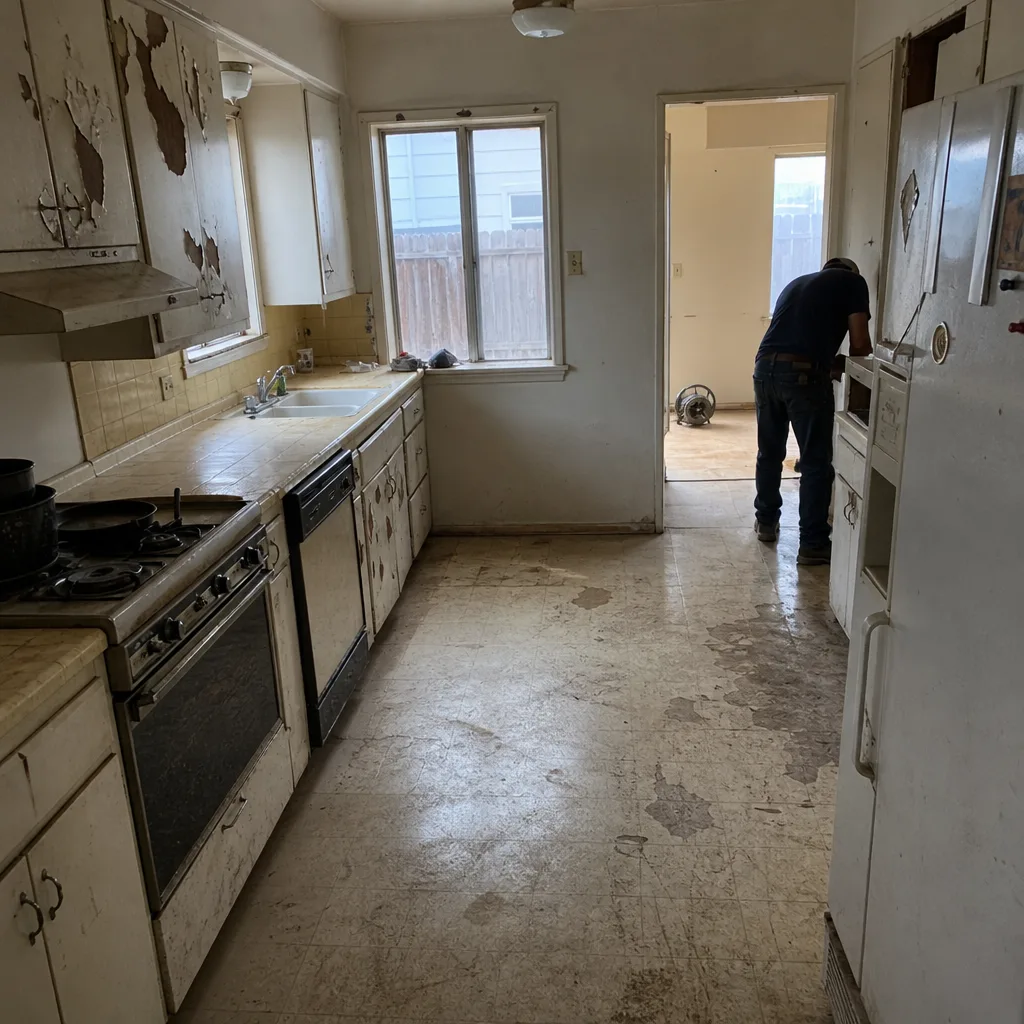 Before
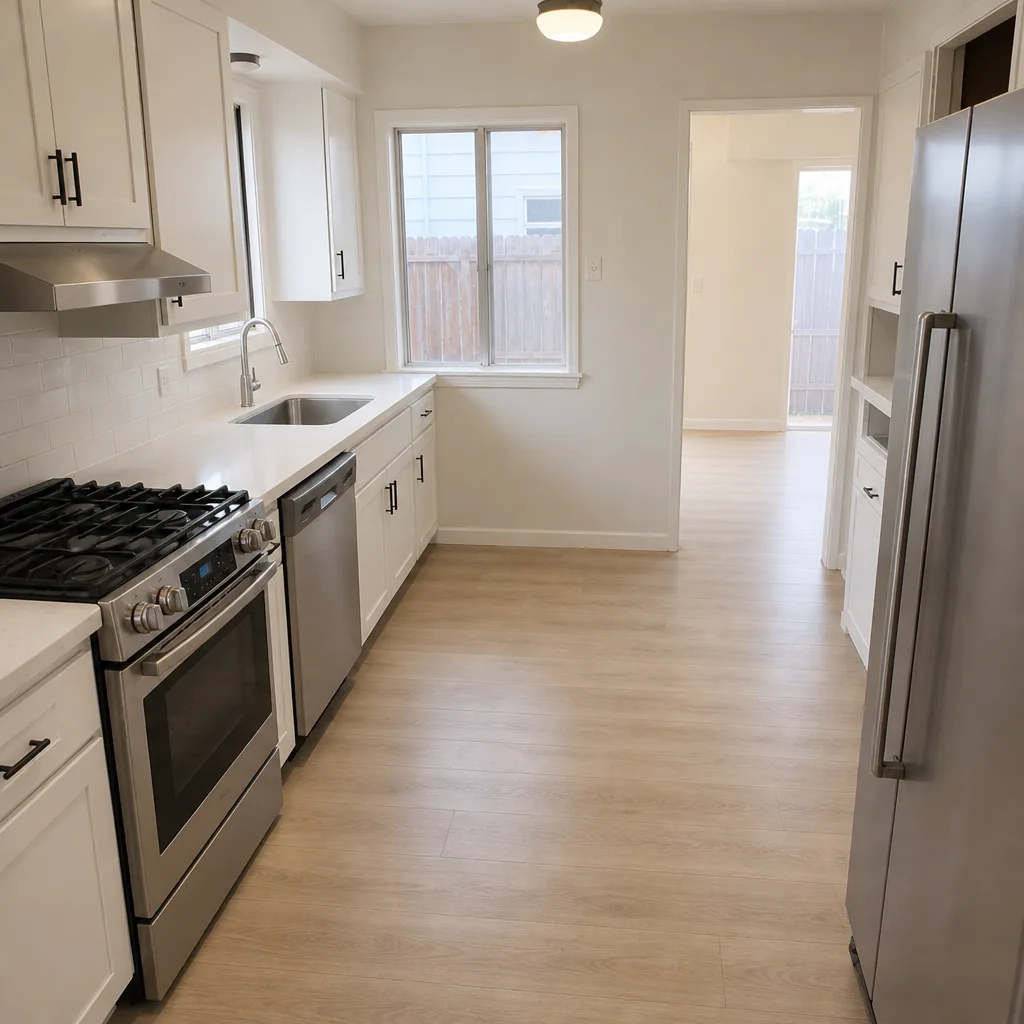 After
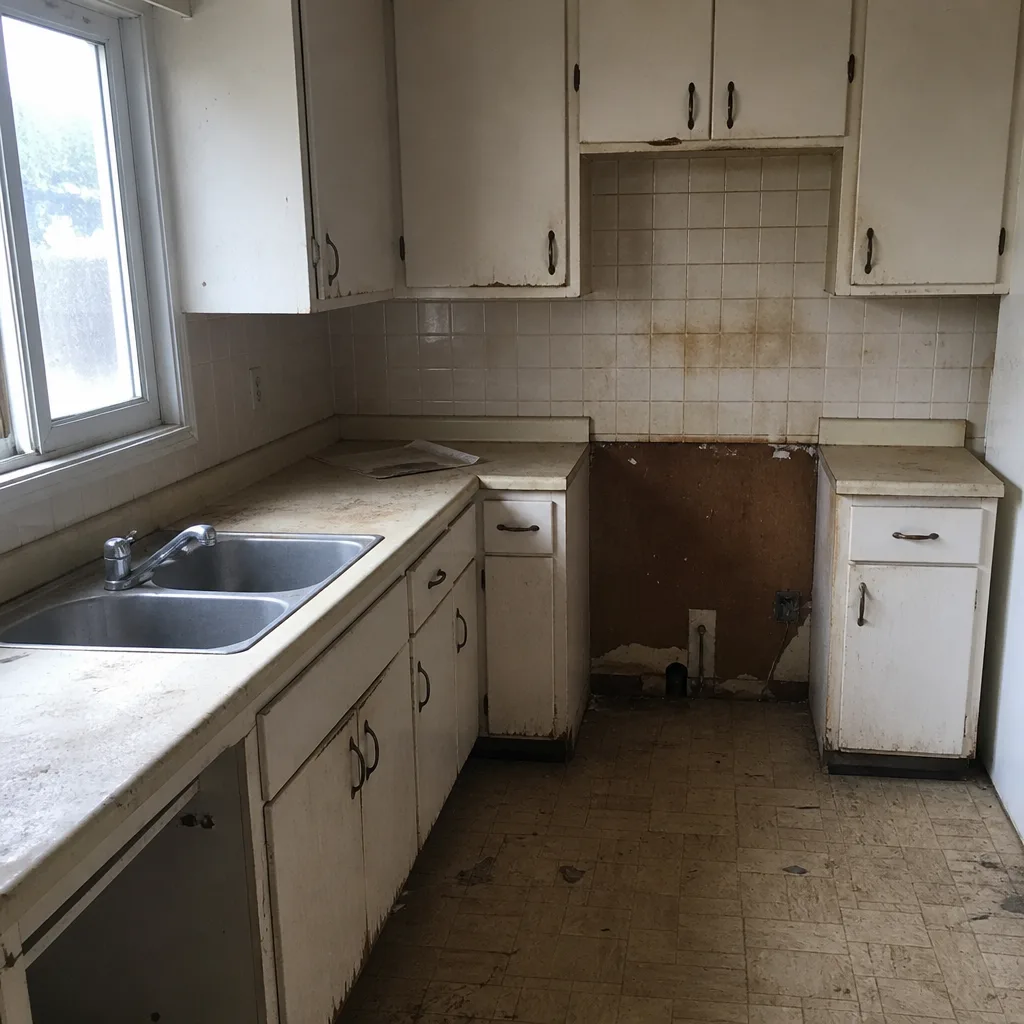 Before
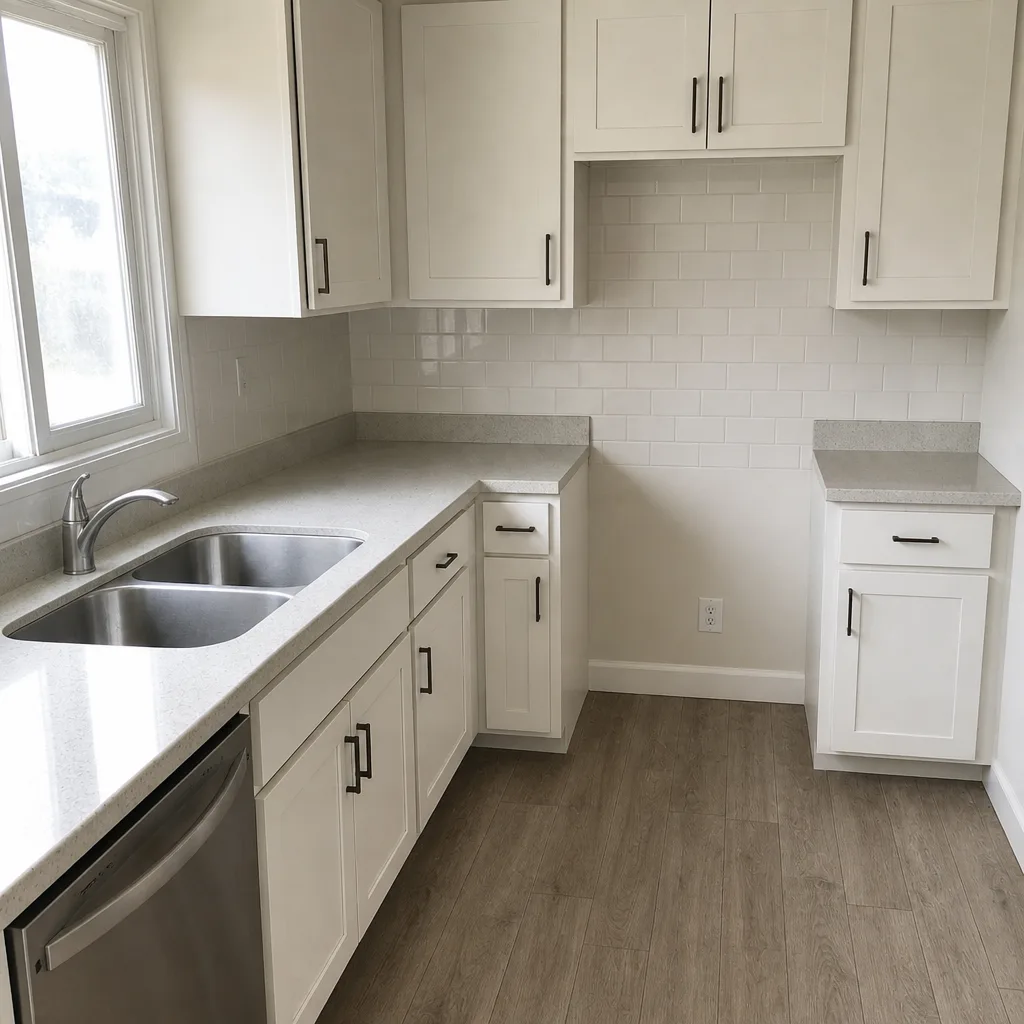 After
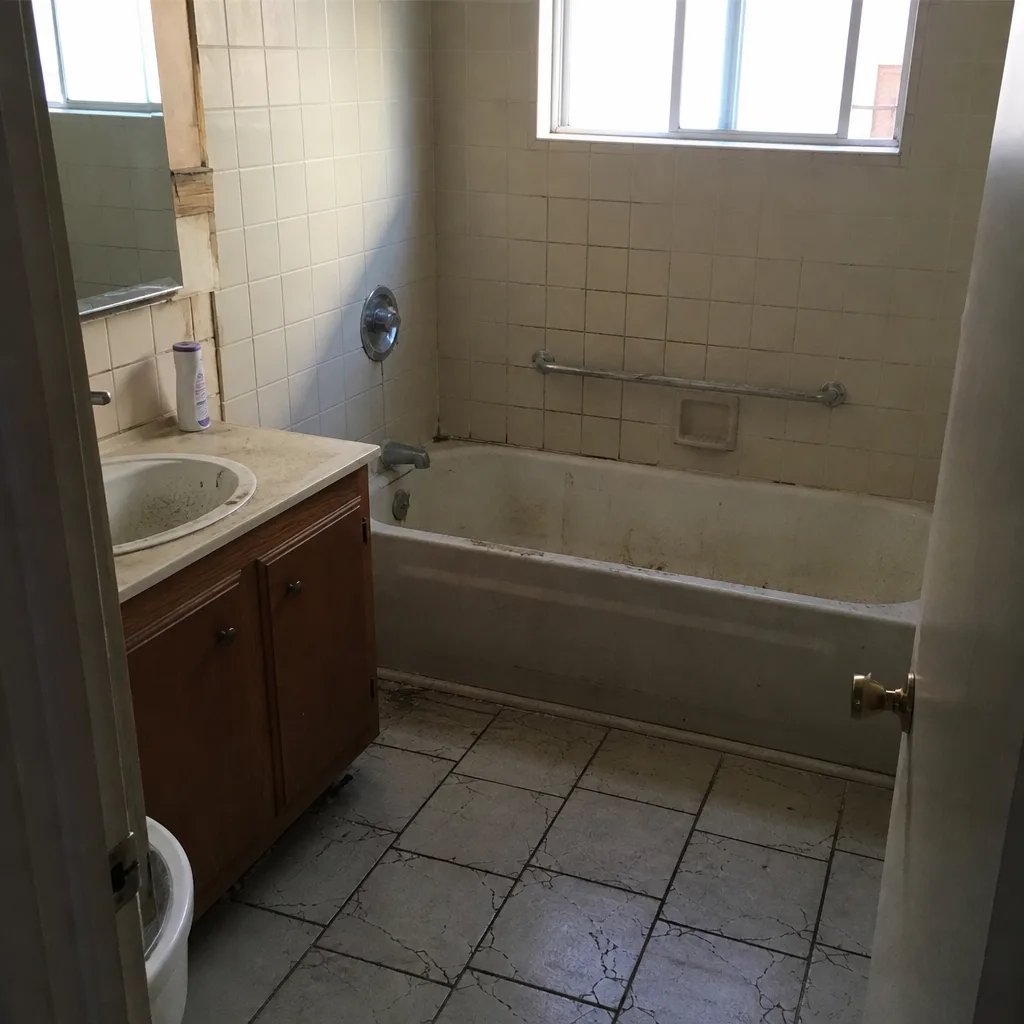 Before
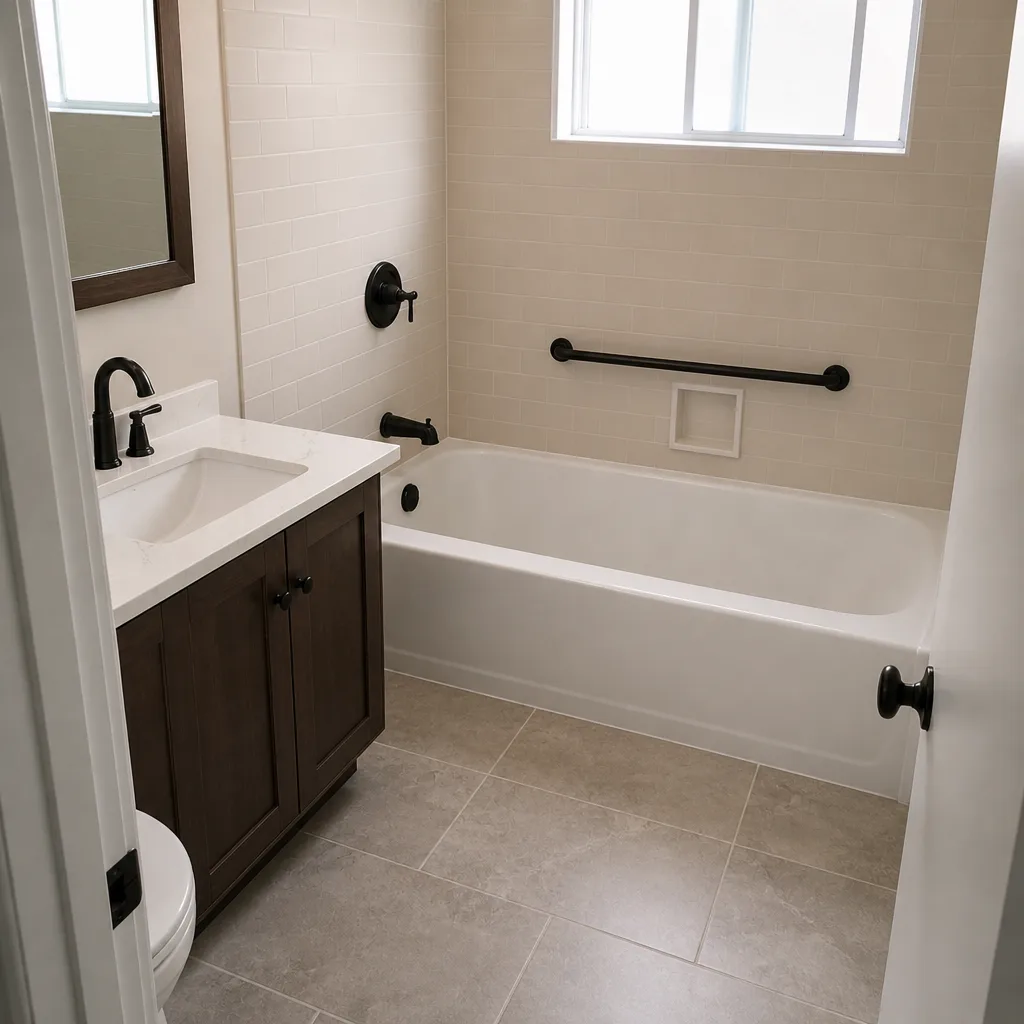 After
The Best Roofing Material in Richmond, CA Is Not the Same Answer as Inland
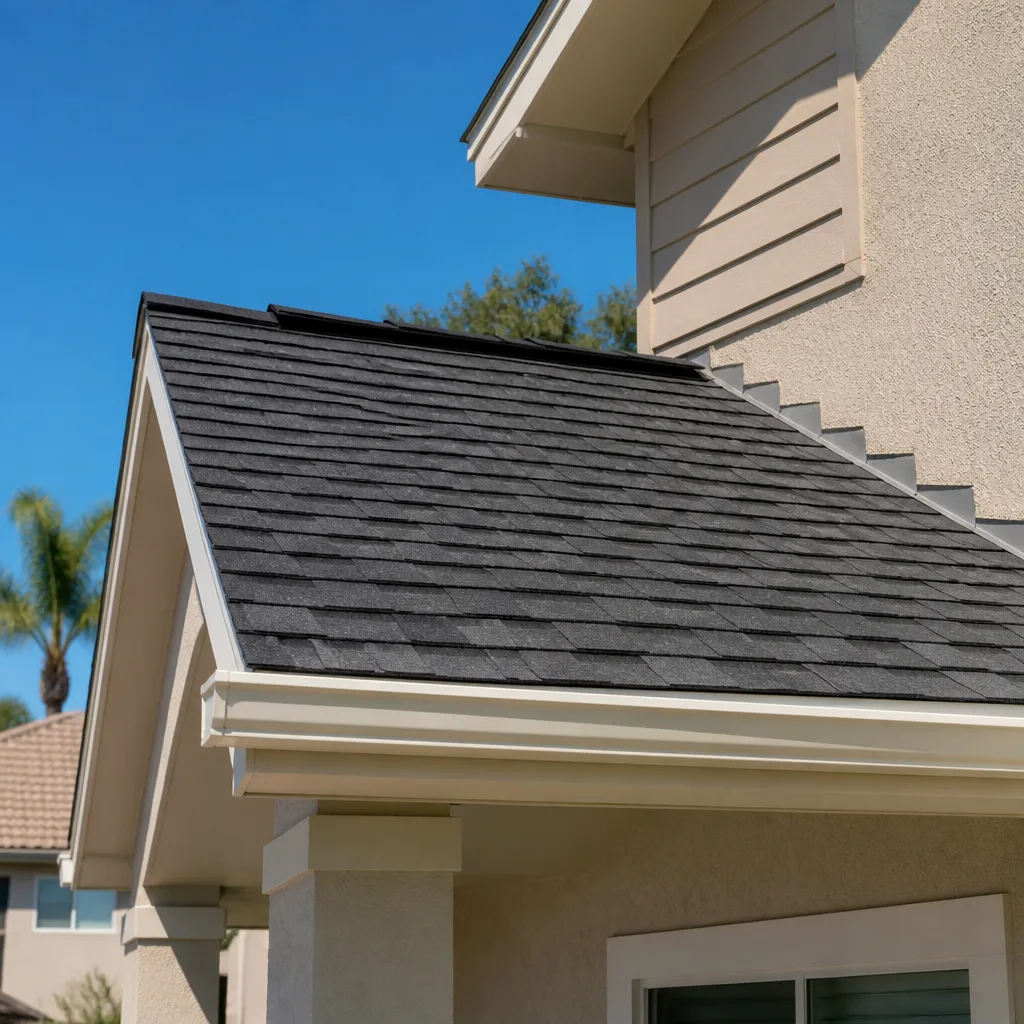
For most Richmond homes, the best roofing material is a high-quality architectural asphalt shingle with an enhanced algae-resistant granule, installed over a premium synthetic underlayment. Choose that unless you’re on a west-facing slope in the fog belt (where you want upgraded moisture detailing) or your home’s framing can’t carry the weight of tile. Ask a roofer in Walnut Creek what the best roofing material is and ask the same question in Richmond – if you get the same answer, the second roofer doesn’t know Richmond. Call Groundwork Construction Co. of Richmond at (833) 700-4611 for a no-pressure assessment of what actually belongs on your roof.
Why Richmond Weather Rewrites the Generic Charts
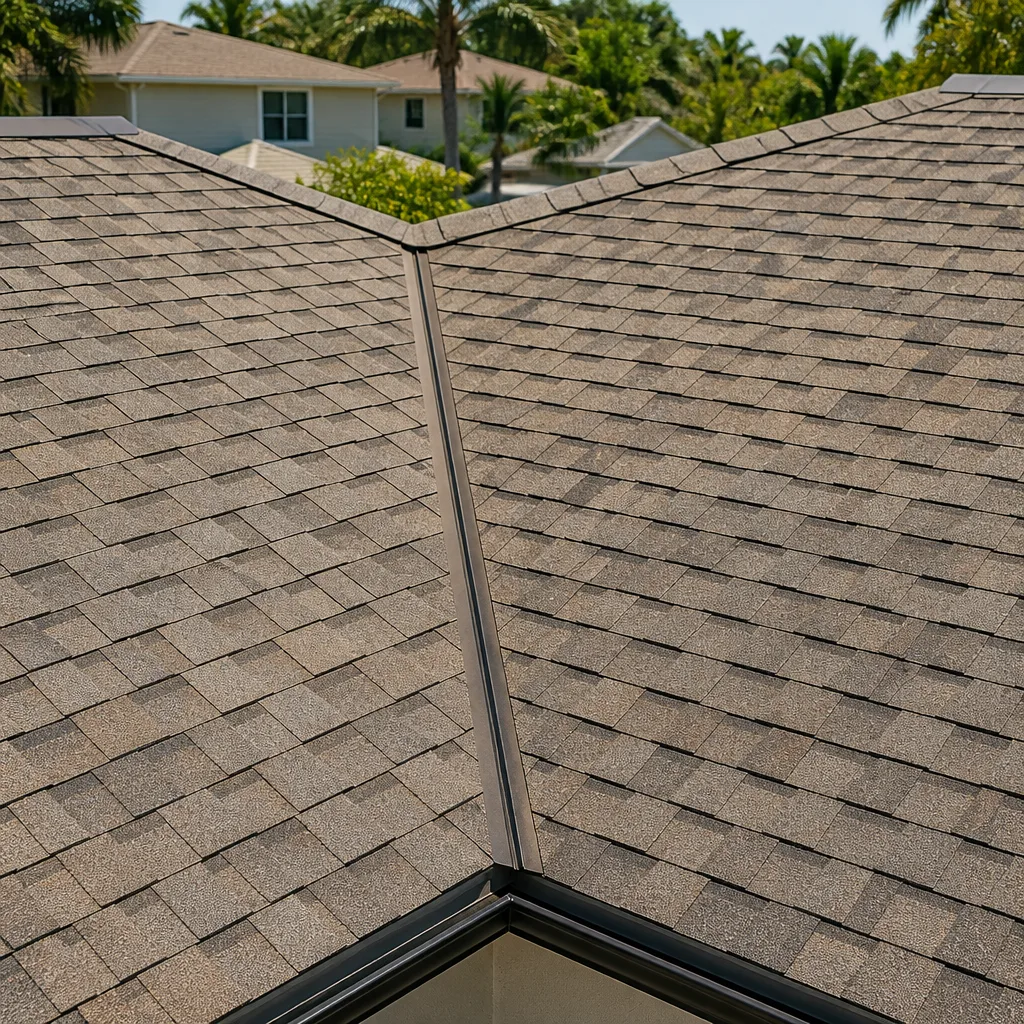
Most “best roofing material” comparisons are written for a national audience, which means they ignore the two things that matter most here: summer fog that keeps south and west exposures damp for long stretches, and winter rain that works every drainage path toward the bay.
Take standard 3-tab shingles. On a national chart they look fine. On a Richmond west-facing roof, without enhanced algae resistance, they degrade noticeably faster – the granules that protect the asphalt wear unevenly when the surface stays moist through the fog season. We spec architectural shingles from GAF and Owens Corning specifically because their algae-resistant lines hold up under that cycle. Wood shakes are another one that falls out of contention fast. With Richmond’s active industrial adjacency and Cal Fire wildland-urban interface consideration zones, a wood roof is a defensible fire risk in a way it simply isn’t 20 miles inland.
The detail no comparison chart mentions is the eave. On the low-lying flatlands near the shoreline, moisture pressure concentrates on the fascia, the soffit, and the first few courses of any roof system. What you choose at the eave edge – the starter course, the drip edge, the underlayment transition – matters as much as the field material above it. A great shingle over a weak eave still fails early.
Weight Matters More Than You’d Think on Richmond’s Older Stock
Richmond’s housing stock is a patchwork. You’ll find 1910s-1940s shipyard-worker bungalows and craftsmans in South Richmond and the Iron Triangle, 1950s-60s stucco tract homes out east, and mid-century ranches along the Richmond Heights and El Sobrante fringe. Those eras were framed differently, and some carry lighter original framing than anything built after the 1970s.
The best material for a 1920s Iron Triangle bungalow is not the same answer as for a 1990s build up the hill. A heavy tile system that performs beautifully on stout newer framing can overload an older roof structure that was never engineered for it. Metal or a quality architectural shingle often makes more sense there, and it’s why we look at the structure first and the catalog second.
Weight-to-durability is the trade-off you’re really making. Here’s how the main options stack up for Richmond homes:
| Material | Best For in Richmond | Watch-Out |
|---|---|---|
| Architectural asphalt shingle (GAF, Owens Corning) | Most homes; newer and older framing alike; best cost-to-life ratio | Needs enhanced algae resistance on west exposures; eave detailing drives longevity |
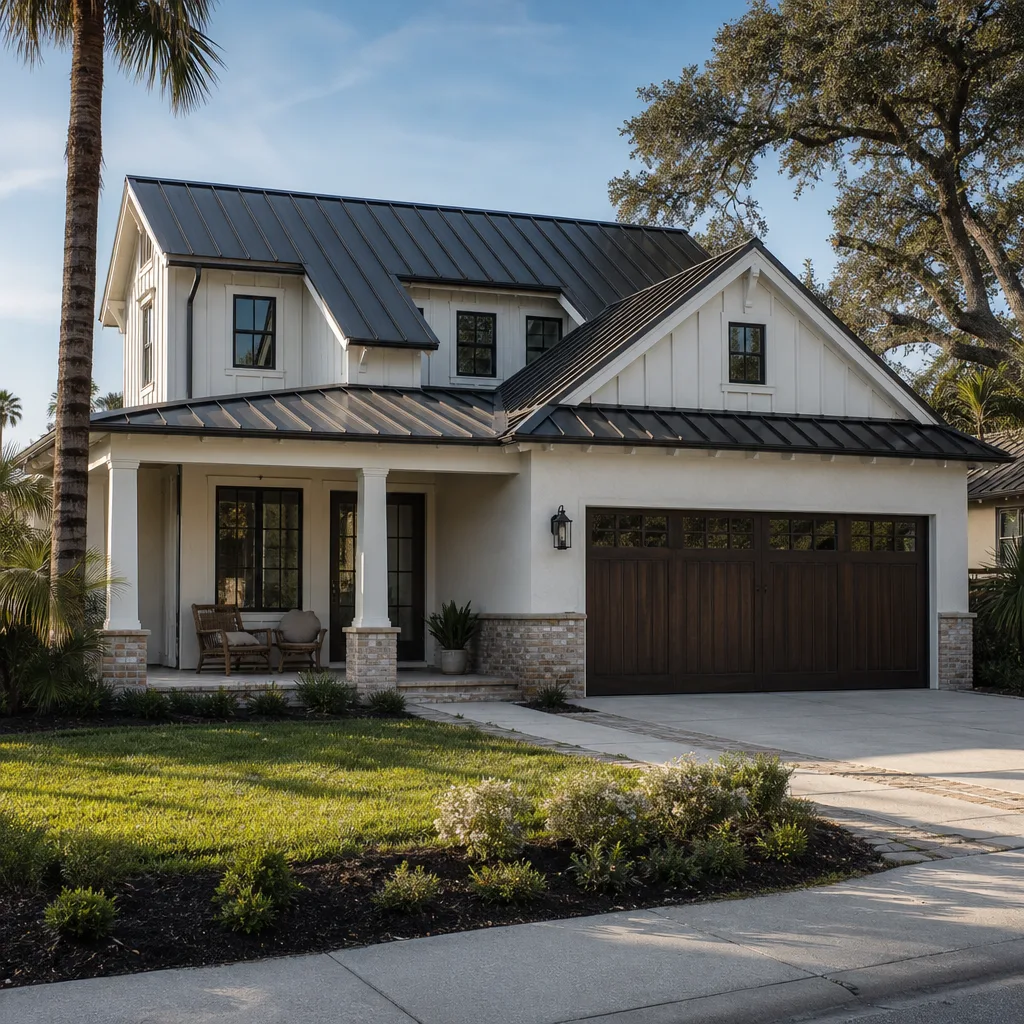
| Metal | Long-horizon durability, low maintenance, salt-air tolerance | Higher upfront cost; needs careful fastener detailing in fog-belt moisture |
| Tile | Stout newer framing; heat and longevity | Heavy – often a poor fit for older lighter framing |
| Wood shake | Rarely a fit here | Fire risk given industrial adjacency and WUI zones |
You can see full options on our Roofing page, and the same logic applies across our Richmond service area work.
What a Roof Actually Costs in Richmond
Pricing narrows the decision fast. These are the ranges we work from in Richmond, and the material you pick moves you along them:
- Roof repair: $400-$1,800
- Roof replacement (asphalt shingle): $8,000-$20,000
- Metal roof installation: $15,000-$40,000
- Tile roof repair: $600-$2,500
A quality architectural shingle replacement lands most Richmond homes in the $8,000-$20,000 band. Metal is the long game – double the upfront, but it can make sense on a home you plan to keep for decades, especially with salt-air exposure. The point of pulling real numbers early is that it turns an abstract “what’s best” debate into a budget you can actually weigh.
Common Local Scenarios We See
Theory is one thing. Here’s how the material question usually plays out on Richmond roofs:
- South Richmond bungalow, original 1940s framing: lighter structure rules out heavy tile. Architectural shingle with upgraded underlayment is the honest call. Bonus: that era of home often hides a shipyard-era garage or bonus conversion, so a re-roof sometimes triggers a plan-check conversation before we start.
- West-facing flatlands home: fog-belt moisture hammers the west slope first. We upgrade the eave detail and spec algae-resistant granules rather than standard 3-tab.
- East-side stucco tract home: 1950s-60s builds with sound framing open up the metal option for a long-horizon owner.
- Waterfront or Point Molate-area property: bay-mud fill and old infrastructure mean drainage and site work need attention alongside the roof itself.
Why the Recommendation Itself Is a Trust Question
Here’s the part the comparison charts never tell you: a contractor who eats callbacks on premature failures specs differently. Our 730-Day Done Right Promise – if it’s not done right, we make it right – means recommending the cheapest shingle for a west-facing roof isn’t a shortcut we can afford. It’s one of the longest workmanship guarantees in the residential construction space, and it puts the call-back cost on us, not you. That’s why we lean on curated material partners like GAF and Owens Corning and premium underlayment systems: we recommend what’s proven in the field, not what a distributor happens to be pushing this month.
Our technicians have up to 12 years of experience, arrive background-checked and in uniform, and every call is answered by a live person 24/7 – no voicemail black hole at 9pm when your ceiling is dripping. Upfront pricing means the number you see is the number you pay. Large projects over $10,000 get $1,000 off, and 0% financing for 18 months keeps a needed re-roof from waiting another season. If your project also touches other trades, we handle home improvements from foundation to finish line.
Frequently Asked Questions
Architectural asphalt shingle with enhanced algae resistance is the best roofing material for most Richmond homes. It balances cost, weight, and durability in a fog-belt climate. Metal is the better long-horizon choice where framing and budget allow. Call (833) 700-4611 for an exact recommendation on your roof.
Yes – the summer fog keeps south and west exposures damp for longer stretches, which accelerates granule wear and fungal decay on standard shingles without enhanced algae resistance. Roofs inland dry out faster, so the same product can last longer there. A moisture-aware eave detail and upgraded granules make the real difference here.
Metal is worth it in Richmond if you plan to stay in the home for decades and your framing can carry it. At $15,000-$40,000, it’s roughly double a shingle replacement, but it tolerates salt-air exposure and needs less upkeep.
A roof replacement in Richmond typically runs $8,000-$20,000 for architectural asphalt shingle, while metal runs $15,000-$40,000. Small repairs fall between $400 and $1,800. Call (833) 700-4611 for an exact quote – estimates are free.
Get It Looked At Before You Decide
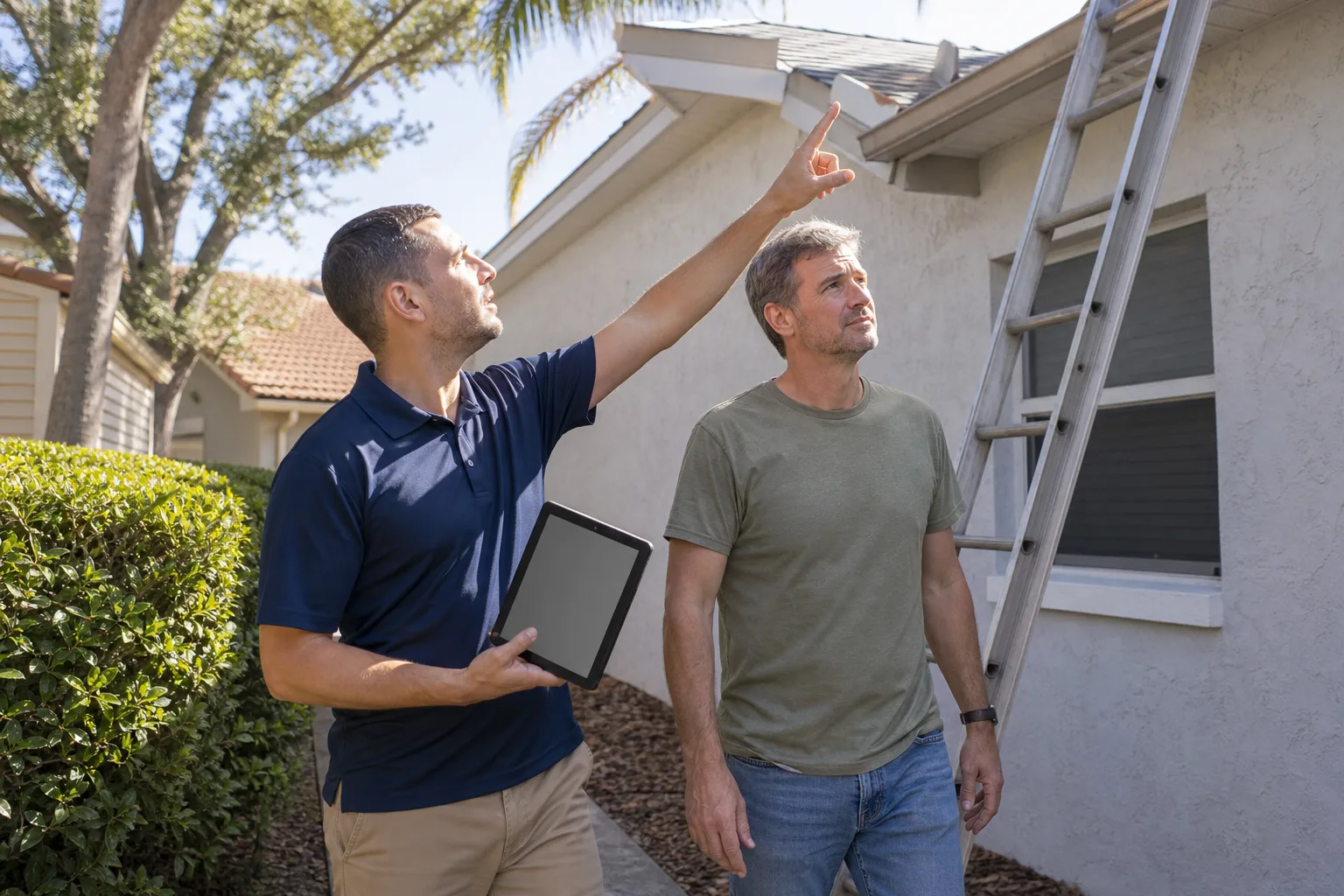
If you’d rather have it looked at, Groundwork Construction Co. of Richmond offers a no-pressure assessment in Richmond – call (833) 700-4611. We’ll look at your framing, exposures, and drainage and tell you honestly which material belongs on your roof. We guide, we don’t pressure.
Written by the team at Groundwork Construction Co. of Richmond, serving Richmond, CA.