Free written scope consultation - allowances, timeline, and change-order rules on paper before a single trade is scheduled
Styles & brands we work with
- Kitchen remodeling
- Bathroom remodeling
- Home additions & ADU
- Roofing
- Windows & doors
- Driveway & pavers
- Fence
See the difference
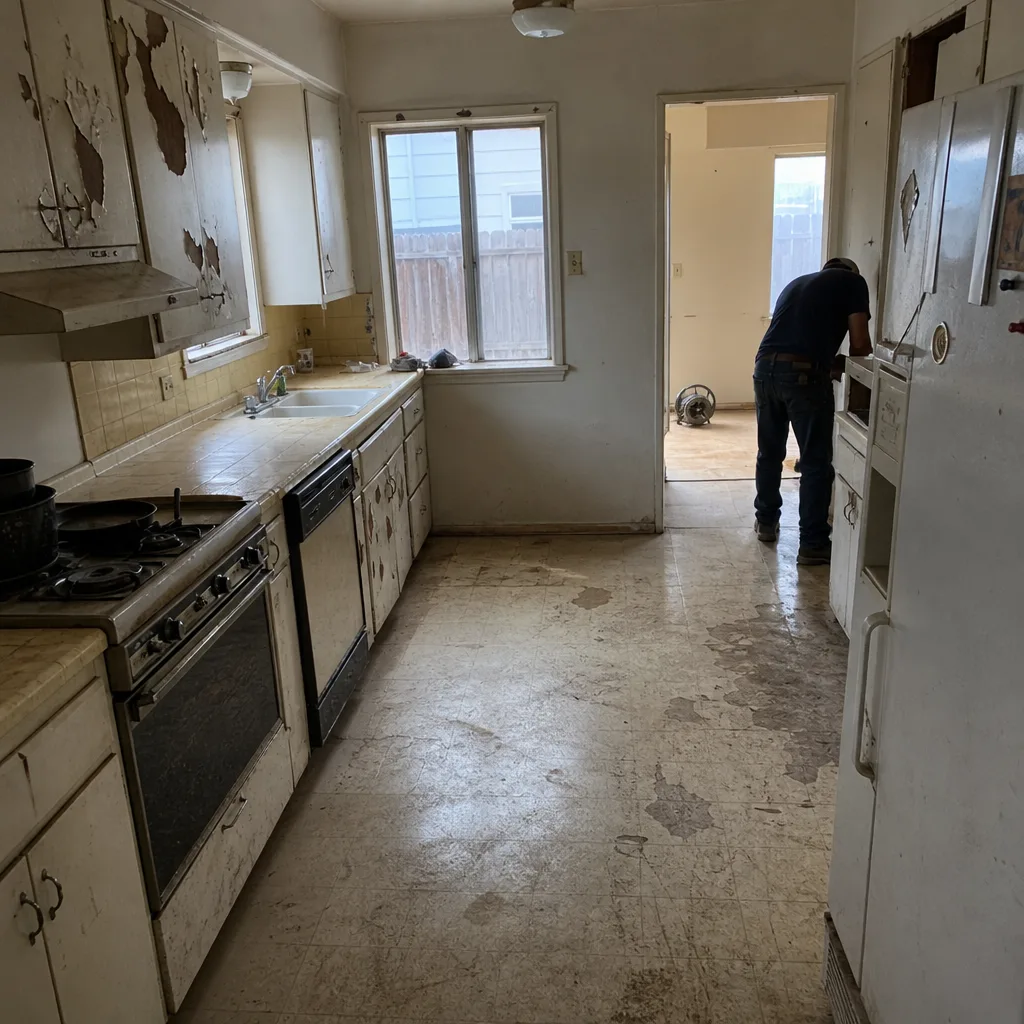 Before
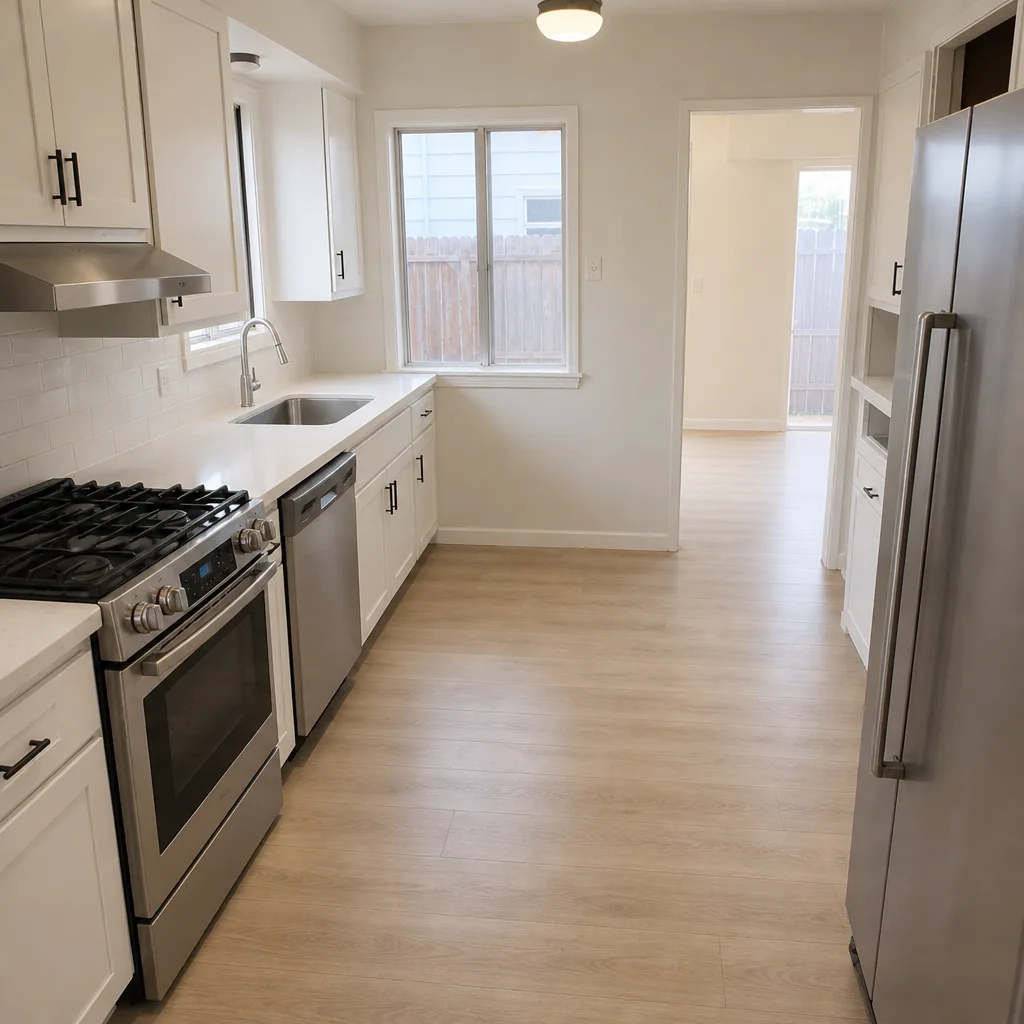 After
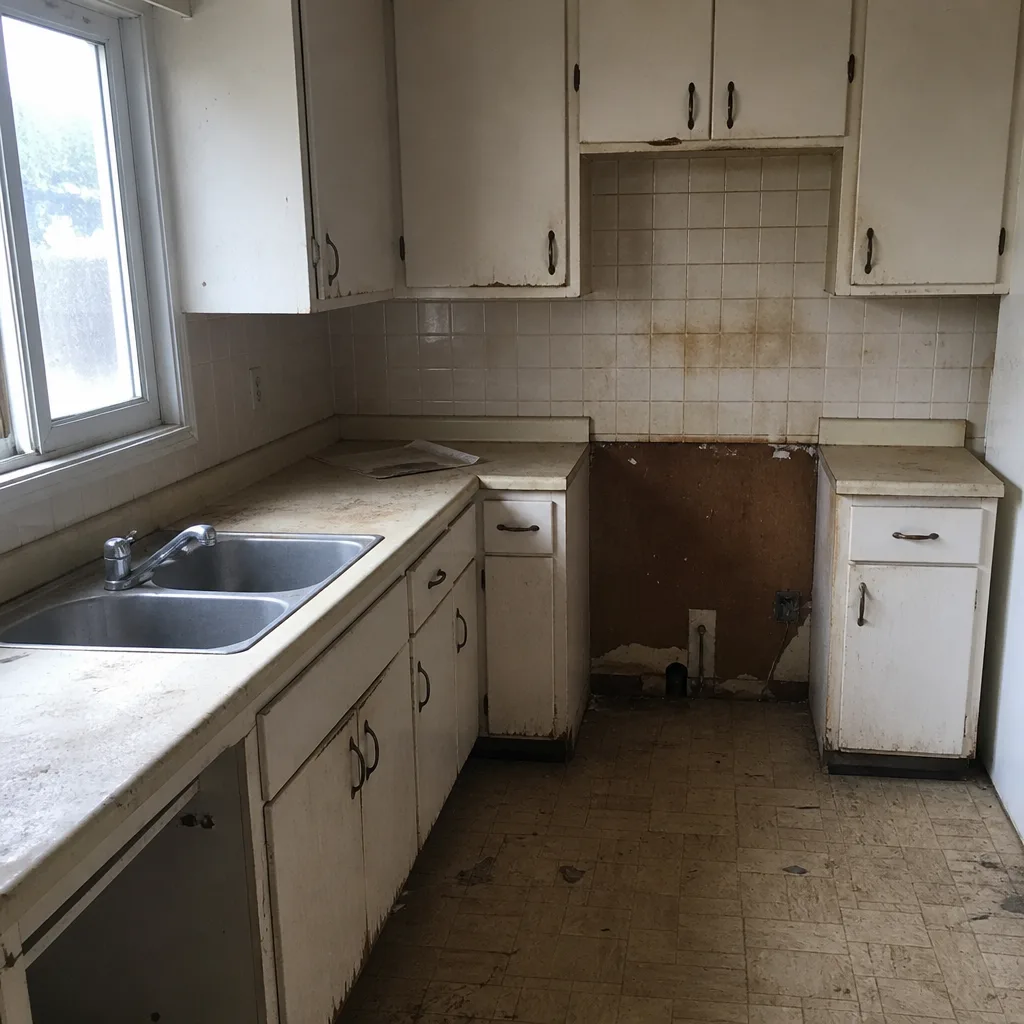 Before
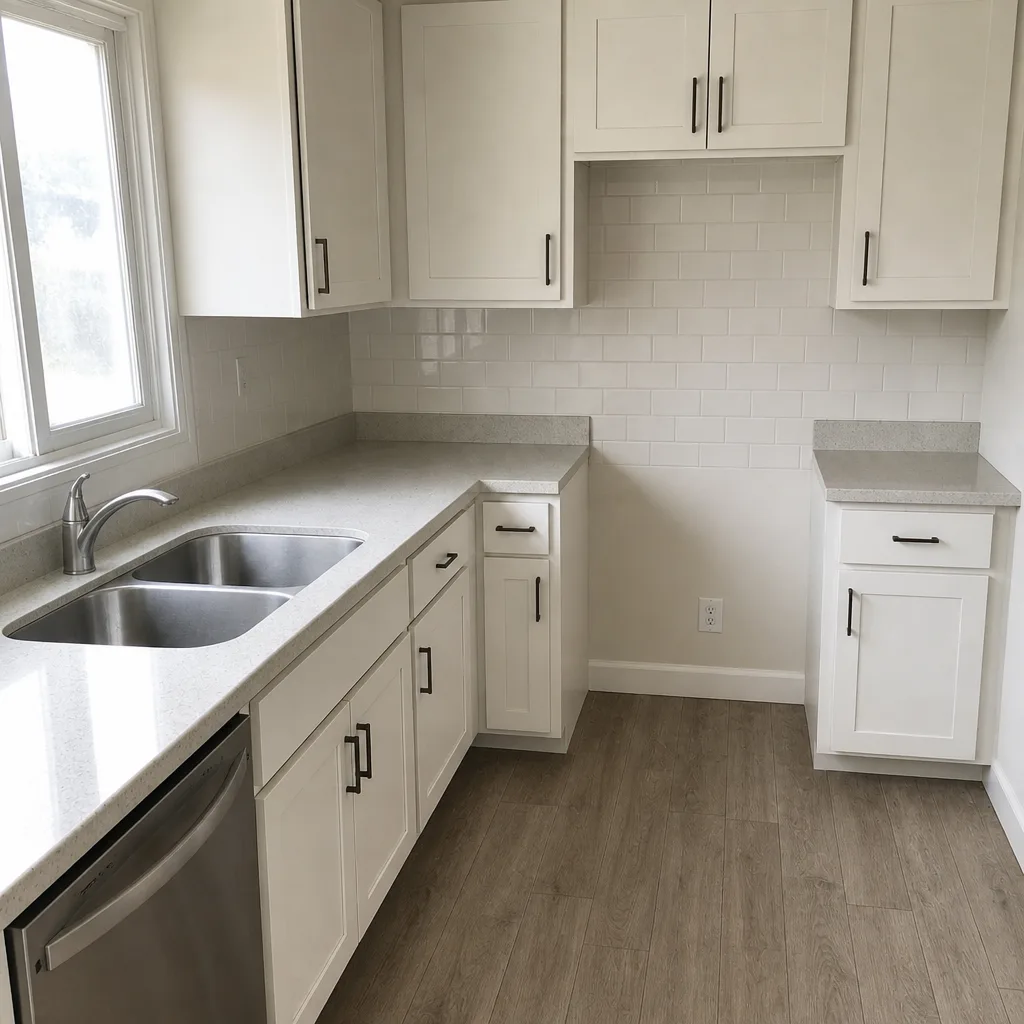 After
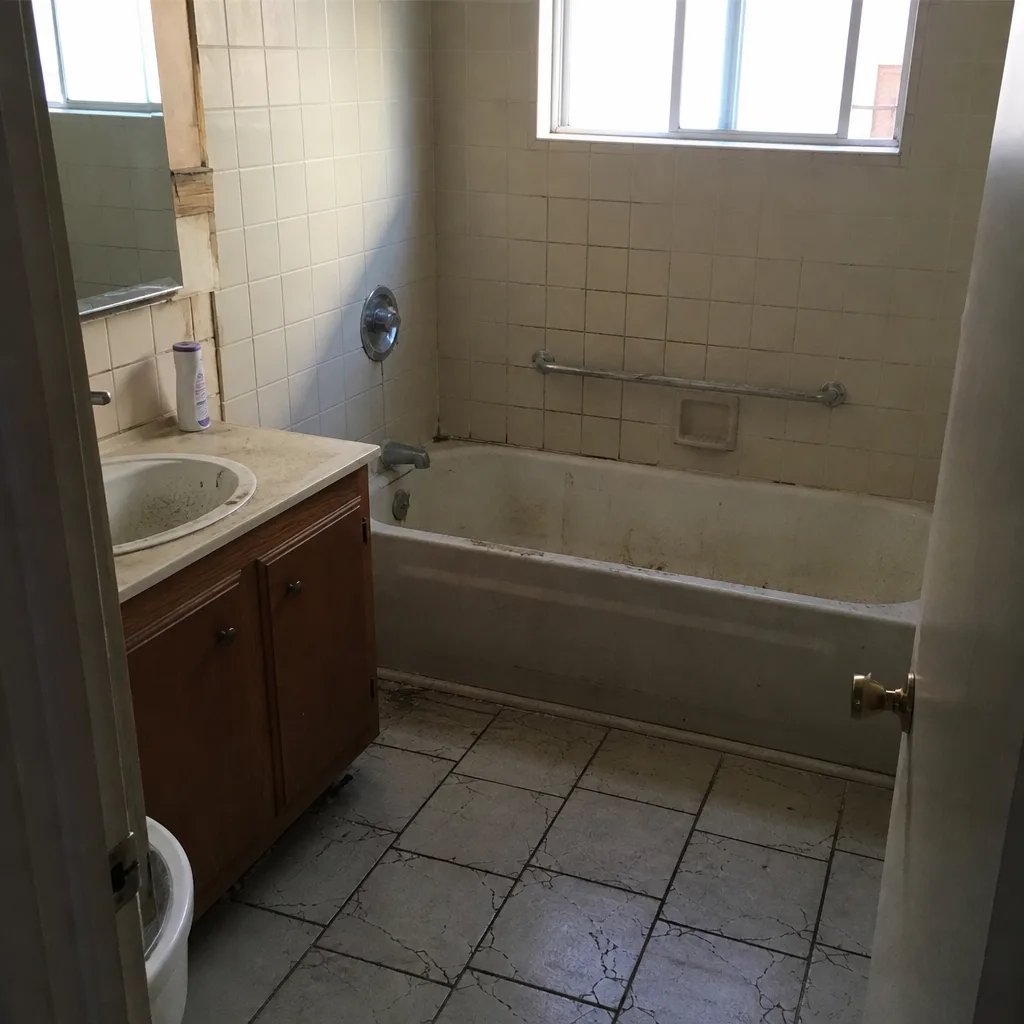 Before
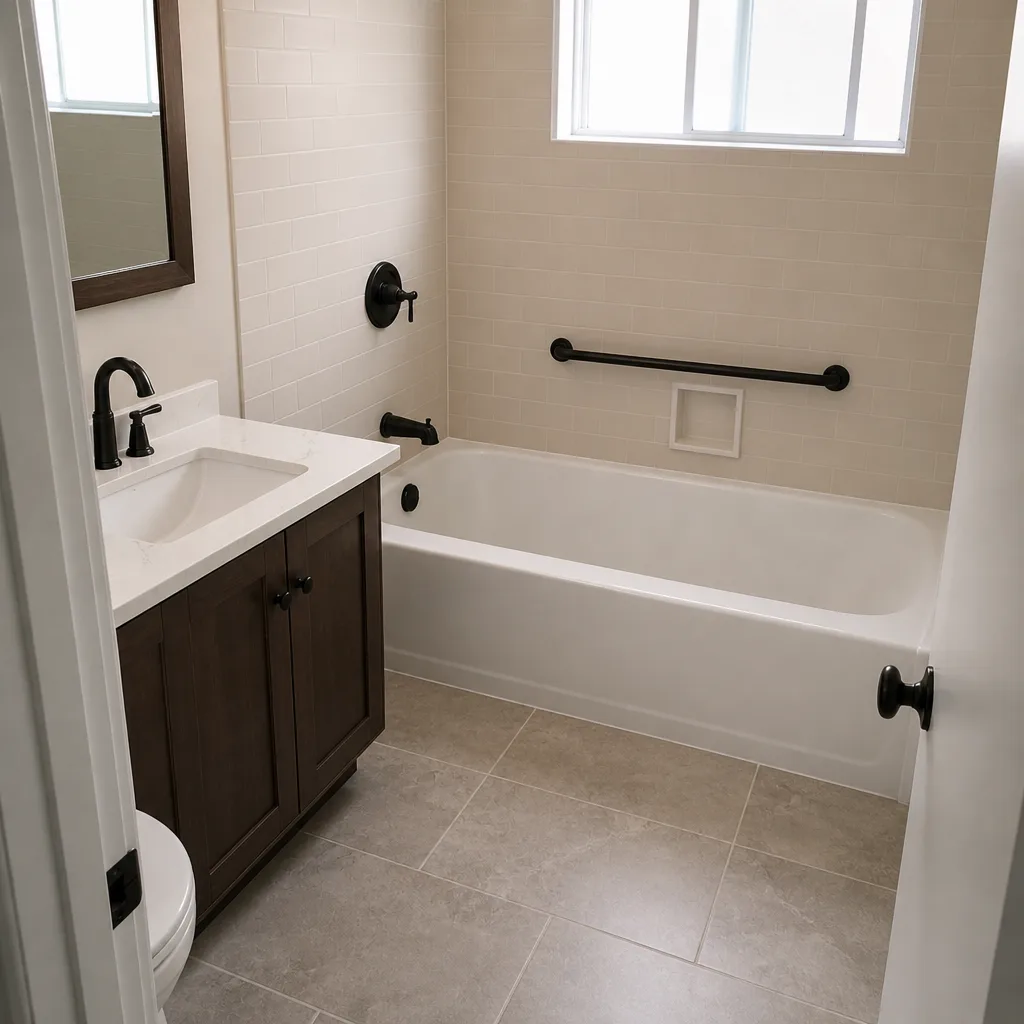 After
Double Hung vs Casement Windows in Richmond, CA: What We Recommend and Why
Choose casement windows on Richmond’s fog-belt west and south elevations where weather infiltration is the main failure mode, and choose double-hung windows on the street-facing façades of pre-1950 bungalows and craftsmans where the plan checker expects the original operation type. That’s the short version. The longer version comes down to two variables most window salespeople skip: which wall gets the weather, and which permit pathway your house falls into. Call Groundwork Construction Co. of Richmond at (833) 700-4611 to walk your specific openings.
We’ve watched this decision go sideways in ways that cost homeowners real money. A window order placed before the plan check comes back. A casement spec’d on an Iron Triangle façade because it had a better U-factor on the sticker, then a correction comment from the city’s building department citing “historically inconsistent fenestration.” Weeks added. Something like $1,800 in re-ordered units. The operation type is not just an aesthetic call. It’s a variable in your permit, and most contractors won’t flag it for you.
Why Richmond’s weather and housing stock point in different directions
Richmond sits on the bay with cool, fog-influenced summers and wet winters. That fog rolls in off the water and collects on the south and west elevations of homes, especially through the older flatlands. The failure mode there isn’t wind. It’s moisture sitting against wood and gaskets until something gives.
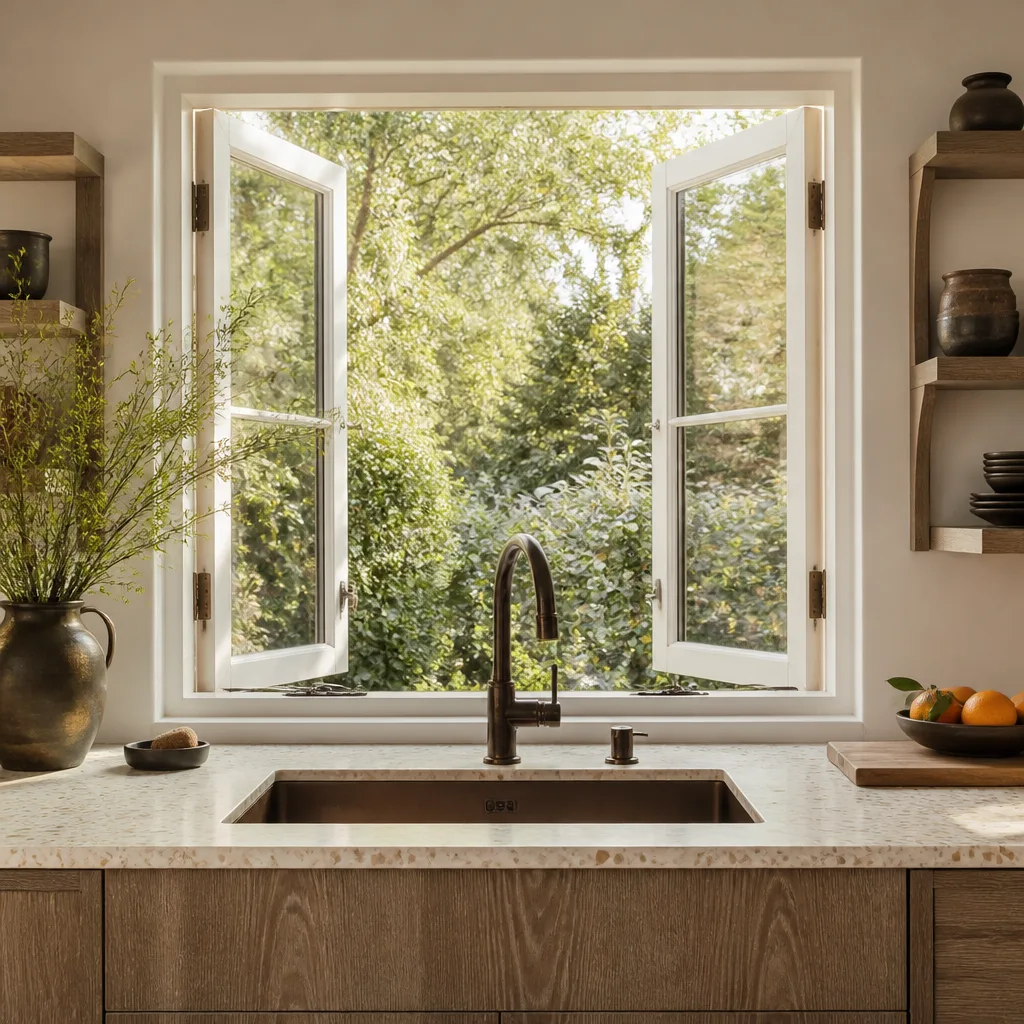
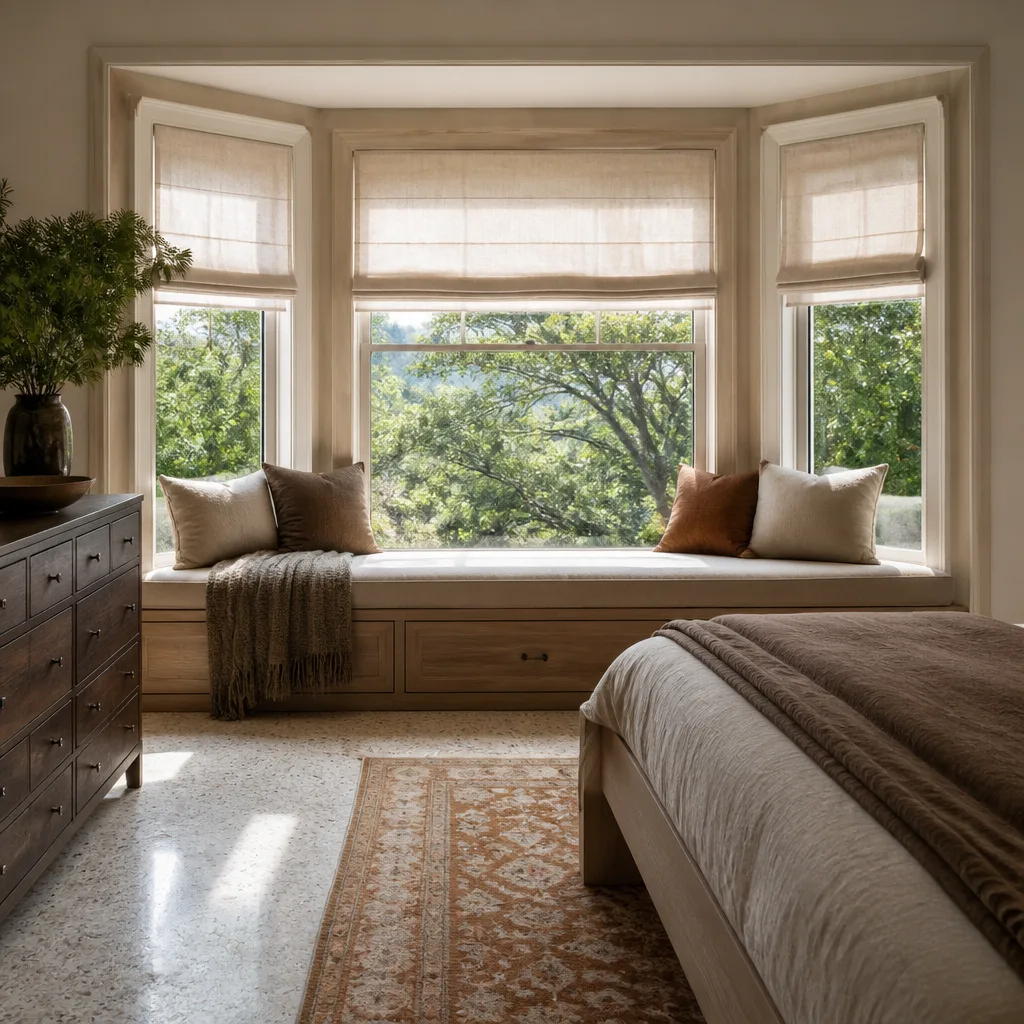
Casement windows handle that exposure better than double-hungs by design. A casement closes by cranking the sash against the jamb, which compresses the weatherstrip all the way around. That’s a continuous seal. A double-hung closes by sliding the lower sash up into the upper, and the meeting rail in the middle of the window is the weak point: it’s a sliding joint, and on a wind-driven fog fog-belt wall, the meeting rail is where you get air and moisture creeping through after a few seasons. For west-facing walls in the fog zone, casements are the tighter call, full stop.
Then you walk around the front of a 1920s or 1930s shipyard-worker bungalow and the math flips. Those houses were glazed with double-hung divided-light windows. That’s the historic character the city cares about when it reviews a window replacement permit on a South Richmond or Iron Triangle façade. Replace a uniform run of double-hungs with casements on the street elevation and you can trigger a plan-check comment under Contra Costa County’s historic review pathway. The correction itself is a nuisance. The weeks of delay and the re-order are the real cost.
So the right answer isn’t one window type. It’s a window type matched to the wall, the exposure, and the permit pathway.
Casement vs double-hung: an honest comparison for Richmond homes
| Consideration | Casement | Double-Hung |
|---|---|---|
| Air and moisture seal | Strong: sash compresses full-perimeter weatherstrip on closing | Weaker at the meeting rail: a sliding joint that loses seal over time |
| Best use in Richmond | Fog-belt south and west elevations; newer builds and additions | Street and side façades of 1910s-1940s bungalows and craftsmans |
| Historic character review | Can trigger a consistency comment on pre-1950 façades | Matches original operation type on most Iron Triangle and South Richmond homes |
| Egress and ventilation | Full opening, good airflow, side-hinged swing | Half the window opens; doesn’t swing into the room |
| Window screens and furniture | Swing arc can conflict with furniture and curtain placement | No swing arc; screens stay in place |
| Rough-opening flexibility | Often needs rough-opening modification in 1950s-60s stucco tract walls | Slides into openings originally sized for single-hung units |
Here’s what that means in practice. On a foggy west wall, casements are worth the extra swing. On a street elevation of an older bungalow, the historic consistency of double-hungs is worth more than a slightly better U-factor, because the plan check and the resale character both favor it.
If you’re replacing windows as part of a larger project, our Windows & Doors page covers the full scope. For context on how window work fits alongside the rest of a remodel, our home page lays out how we coordinate trades.
The hidden cost on Richmond’s 1950s-60s east-side stucco homes
Parkview and Verde are full of 1950s-60s stucco tract homes. Those rough openings were sized for single-hung or jalousie windows, not casements. Drop a casement into a jalousie opening and the frame often won’t seat without modifying the rough opening and, in some cases, evaluating the header. That’s real framing and finishing work, and it changes the per-window budget in a way a sticker price won’t show you. On a full window replacement, Richmond projects typically land in the $4,500-$15,000 range, and the difference between a straight swap and an opening modification is often the swing between the low and high ends of that range.
Why we measure every opening before we order anything
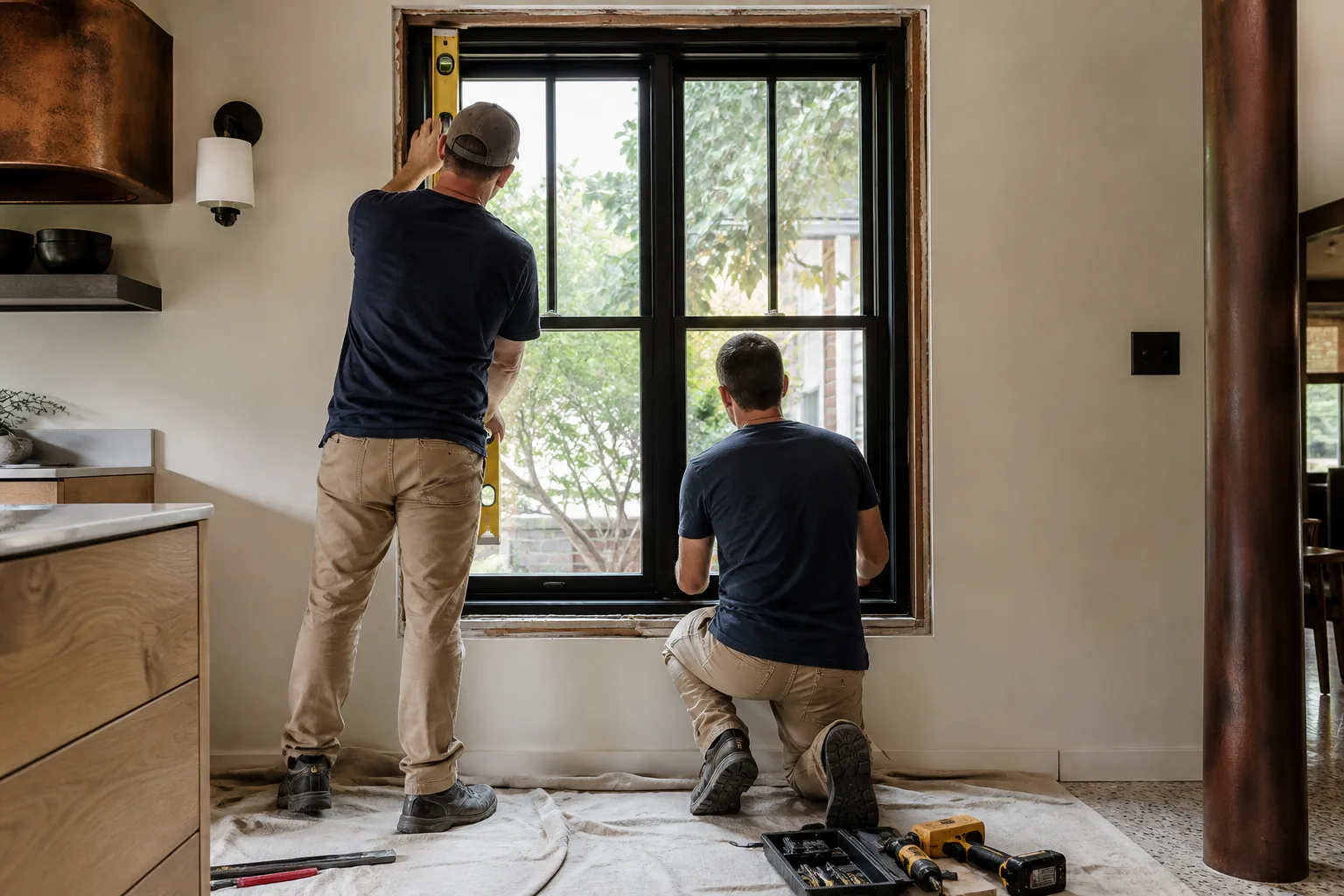
In Richmond’s older flatlands, foundation movement has racked a lot of window frames out of square, level, and plumb. A casement dropped into an out-of-plumb opening will bind within a couple of seasons. It looks fine installed and then starts sticking as the sash fights the frame. So our background-checked technicians measure every rough opening for square, level, and plumb before we place the order. That’s not a sales flourish. It’s how we avoid the most common casement call-back, and a binding defect is exactly the kind of workmanship issue our 730-Day Done Right Promise covers in writing. If it’s not done right, we make it right.
On mixed-type remodels, we often specify Andersen 400-Series for both the double-hung and casement lines because their profile depths match. That keeps your exterior sightlines consistent when you’re running double-hungs on the street elevation and casements on the foggy rear wall. Source from two manufacturers and you get mismatched frame depths you can see from the curb. We specify around that on purpose.
How Richmond’s permitting realities shape the window order
Richmond’s older housing stock carries layers that show up at plan check. Unpermitted 1940s-70s additions are common in the flatlands, and a window permit can pull that history into review. The east-side and waterfront lots can also read as fill, with legacy industrial contamination from the shipyard and refinery era, though that’s a site-work issue you handle before a foundation and not typically a window-permit gate. The window-specific gate is operation type on historic façades.
The practical move is to sequence it right: lock the operation type with the permit pathway before the order goes in, not after a correction comment comes back. That single sequence saves most of the delay we see. You can see how we run this across the city on our Richmond service area page.
Live person, 24/7 on the phones. Upfront pricing before anything is ordered. That’s the standard the whole project runs on.
FAQs
Not universally. Casements seal tighter against air and moisture because the sash compresses a full-perimeter weatherstrip when it closes, which makes them the better choice on Richmond’s foggy west and south elevations. But on the street-facing façades of pre-1950 bungalows, double-hungs win because they match the original operation type and avoid historic review pushback. Match the window to the wall, not the other way around. Call (833) 700-4611 for a free assessment of your specific openings.
It can, especially on street-facing or side elevations of older craftsmans and bungalows in South Richmond and the Iron Triangle. Replacing historically consistent double-hung windows with casements can draw a historic review comment in Contra Costa County plan check, and that can add weeks to approval. The safe path is to confirm the operation type with the permit pathway before ordering. We’ve seen homeowners eat re-ordered window costs from skipping that step. Call us and we’ll walk you through your façades first.
Window replacement in Richmond typically runs $4,500 to $15,000 for a project, and impact window installation runs $8,000 to $25,000. The low-to-high spread usually comes down to two things: how many openings you’re replacing, and whether the rough openings need modification. Casements installed into 1950s-60s stucco openings originally sized for single-hung or jalousie units often need opening work, which pushes you toward the high end. Call (833) 700-4611 for an exact quote, and estimates are free.
Yes, and it’s the right call on many Richmond homes where one wall gets the fog and the other faces the street. The trick is sourcing both operation types from a single manufacturer with matching profile depths, like the Andersen 400-Series lines, so your exterior sightlines stay consistent and you don’t end up with mismatched frame depths visible from the curb. We specify this on mixed-type remodels so the house reads as one design instead of a patchwork. Call (833) 700-4611 to talk through your elevations.
If you’d rather have it looked at, Groundwork Construction Co. of Richmond offers a no-pressure assessment in Richmond. We’ll measure your openings, sort out which façades want casements and which want double-hungs, and flag any permit pathway you need to respect before a single unit is ordered. Call (833) 700-4611 for a free estimate.
Written by the team at Groundwork Construction Co. of Richmond, serving Richmond, CA.