
Free written scope consultation - allowances, timeline, and change-order rules on paper before a single trade is scheduled
Styles & brands we work with
- Kitchen remodeling
- Bathroom remodeling
- Home additions & ADU
- Roofing
- Windows & doors
- Driveway & pavers
- Fence
See the difference
 Before
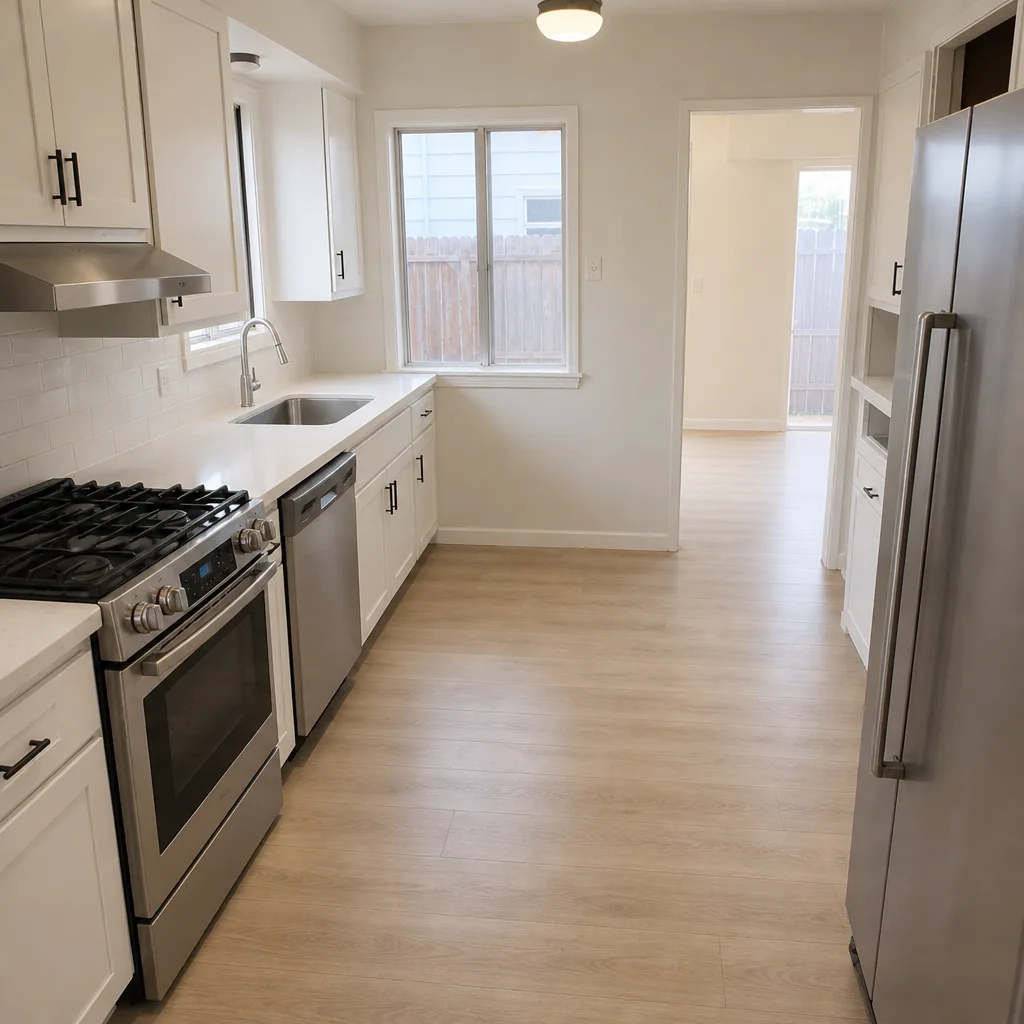 After
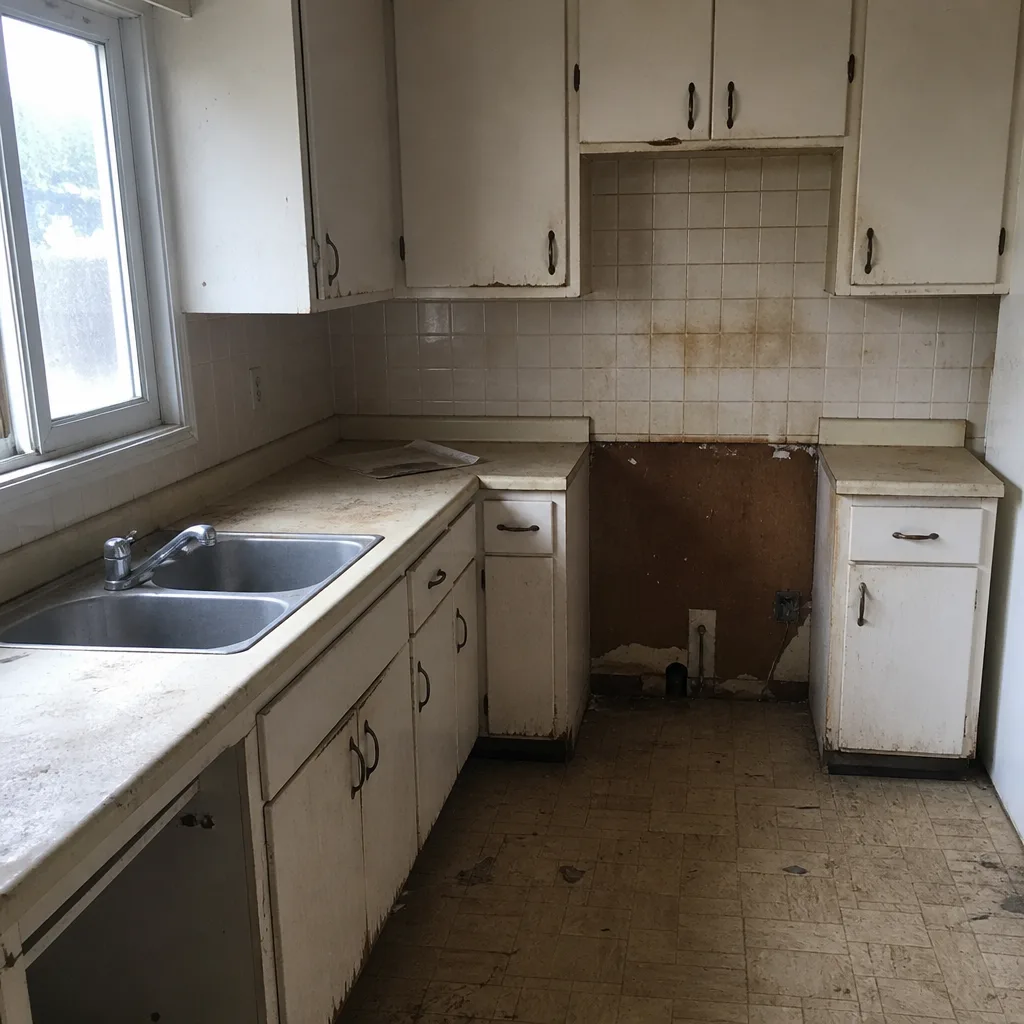 Before
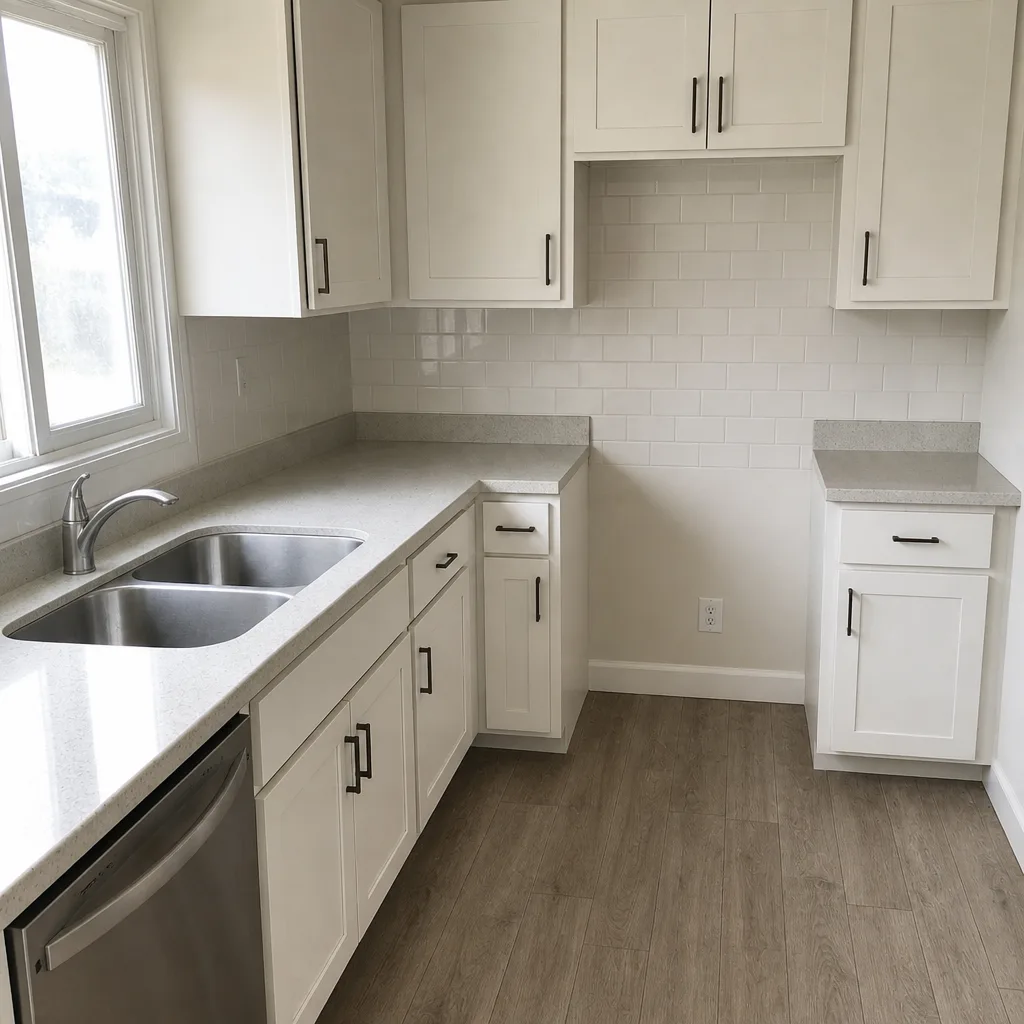 After
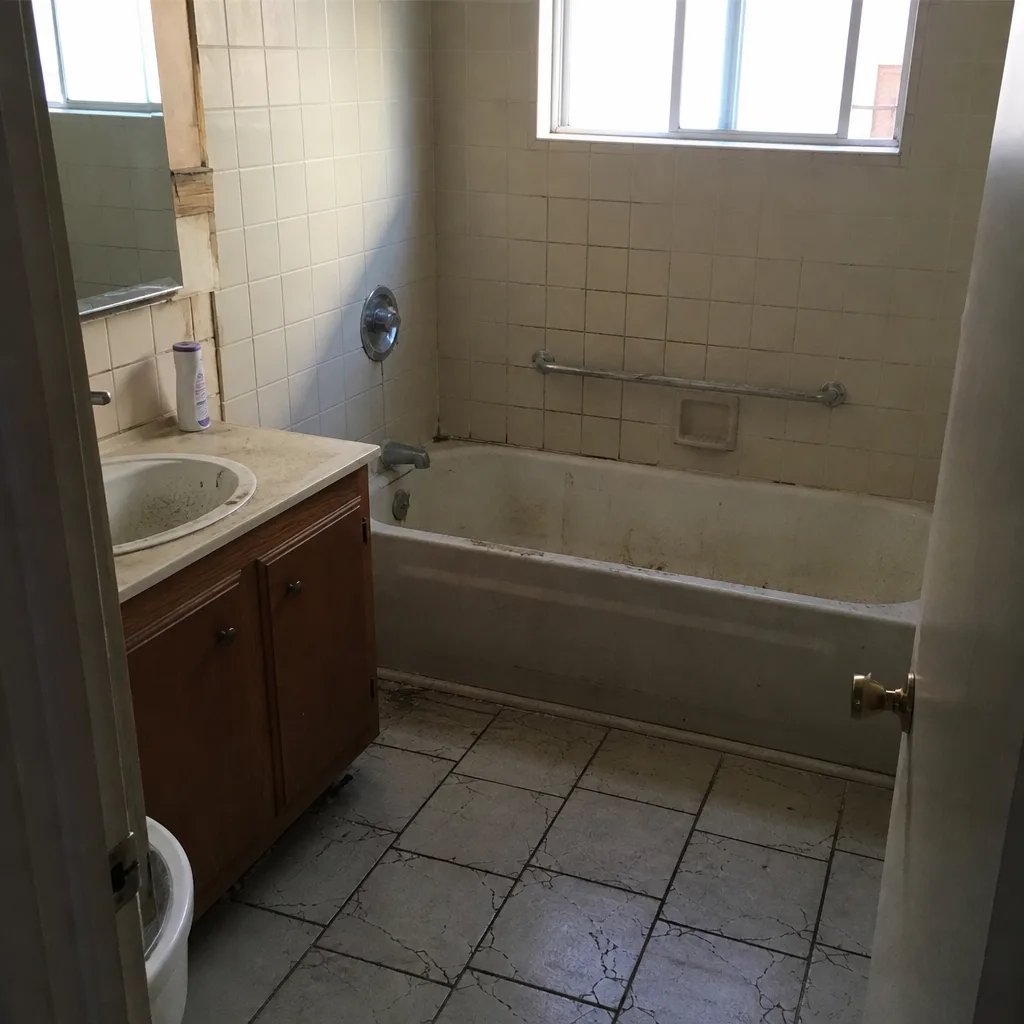 Before
 After
Chain Link vs Wood Fence in Richmond, CA: Pick Wood Unless Your Lot Sits on Bay-Adjacent Fill or Industrial-Legacy Soil
For most Richmond residential lots, choose a wood privacy fence – and choose chain link only when your ground is bay-mud fill, industrial-legacy soil, or a former shipyard parcel where steel posts outlast any wood you bury. That’s the short answer. The longer answer is that in Richmond’s flatlands this isn’t really a cost-versus-looks decision. It’s a question of which failure mode is more active under your specific fence line: galvanic corrosion chewing through steel in chloride-laden soil, or fungal rot eating wood posts in the fog belt. Call (833) 700-4611 and we’ll walk your property line with you.
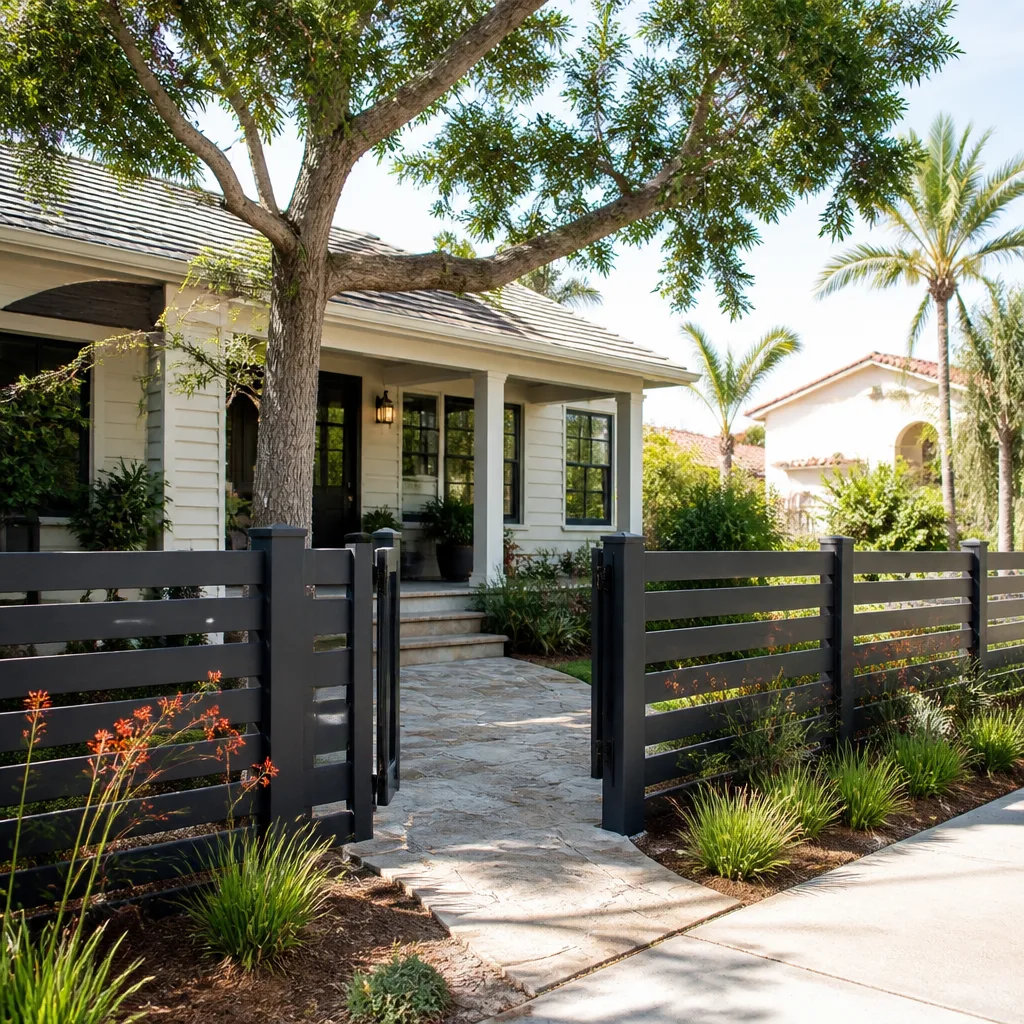
Why Richmond Makes the Standard Comparison Wrong
National fencing guides assume a neutral backyard. Most Richmond lots aren’t neutral. From the former Kaiser Shipyards shoreline through the refinery-adjacent flatlands, contractors here routinely work around contaminated soil, buried fuel tanks, and fill that reads as bay mud rather than native ground. That chemistry doesn’t stay in the ground. It wicks up into whatever you plant in it.
Steel chain link posts fail here by galvanic corrosion: chloride salts in bay-adjacent soil and fill accelerate the breakdown of zinc coatings, and once the coating is gone the steel pits fast. Wood posts fail here by rot: our cool, fog-influenced summers and wet winters keep south- and west-facing wood damp long enough for fungal decay to take hold at the soil line. Two different clocks, both running faster than a generic guide would tell you.
That’s why we frame the decision around Fence Installation as a soil-and-exposure problem before it’s ever a style problem. Same property line, two different answers depending on what’s under it.
Where Chain Link Wins in Richmond
Chain link is the safer, longer-lived choice on Richmond’s industrial-legacy and waterfront-edge lots, for reasons that have nothing to do with budget:
- No wood to absorb contaminants. On former shipyard and refinery-adjacent parcels, a wood fence line is a sponge sitting in the ground for a decade. Steel doesn’t take up what’s in the soil.
- Posts can be specified for the environment. Heavier galvanized coating weight – or a vinyl-encapsulated post – is the right call for a chloride-exposed lot. The cheapest chain link on the shelf is the wrong call, and most bids won’t tell you which one you’re getting.
- Open structure doesn’t trap moisture. A wood fence skirt holds a wet microclimate against the soil line; chain link lets air move through and the ground dry out.
- Erosion-tolerant on Point Molate-side slopes and other waterfront-edge lots where bay-mud fill and old infrastructure make footing the real problem.
Chain link also handle industrial-side exposures a wood fence would fight: wind-driven salt, equipment access, and long runs where maintenance access is tight. Where a lot has real contaminant or erosion exposure, we’ll usually steer you toward chain link and stop selling.
Where Wood Wins – Especially in Richmond Heights and Parkview
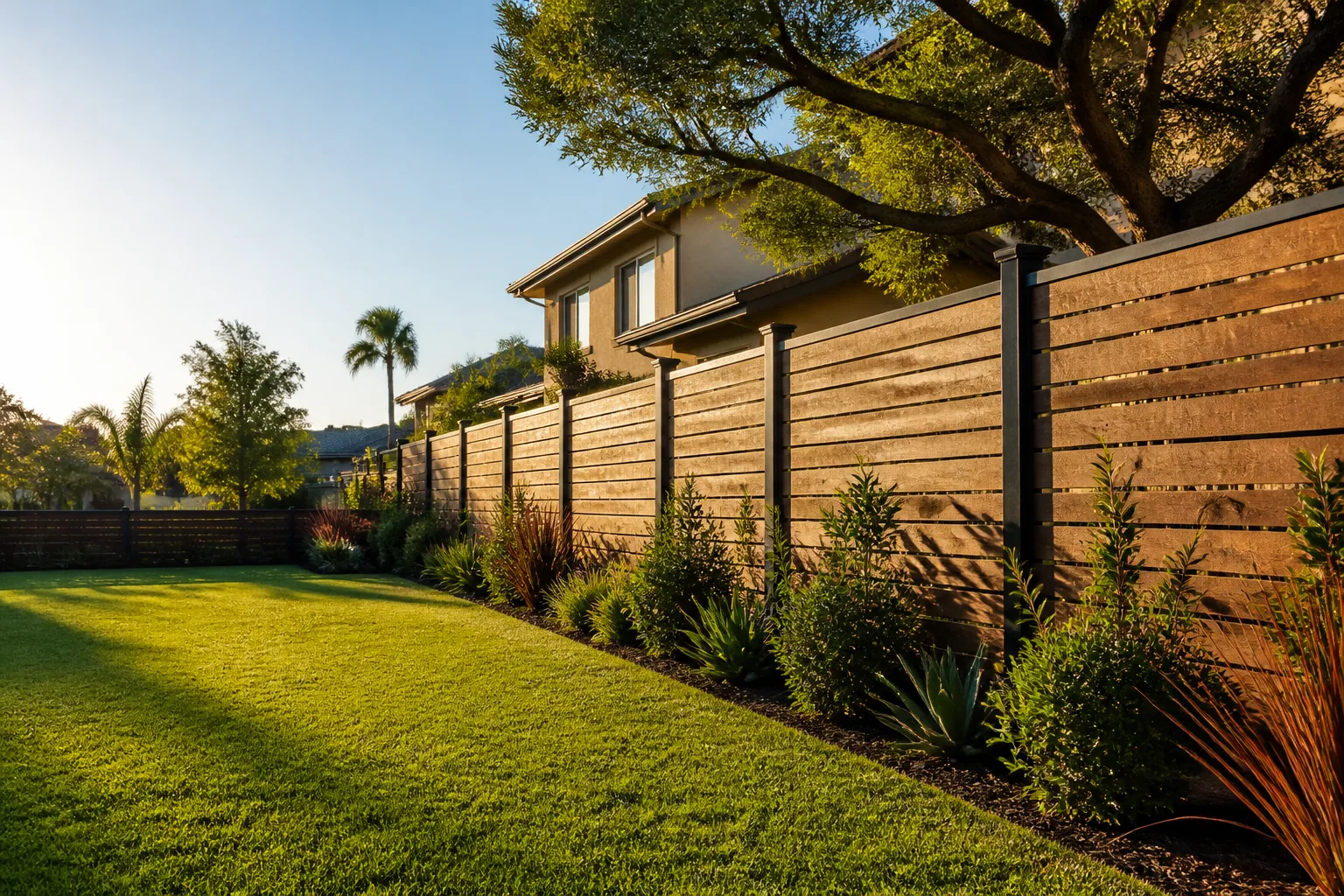
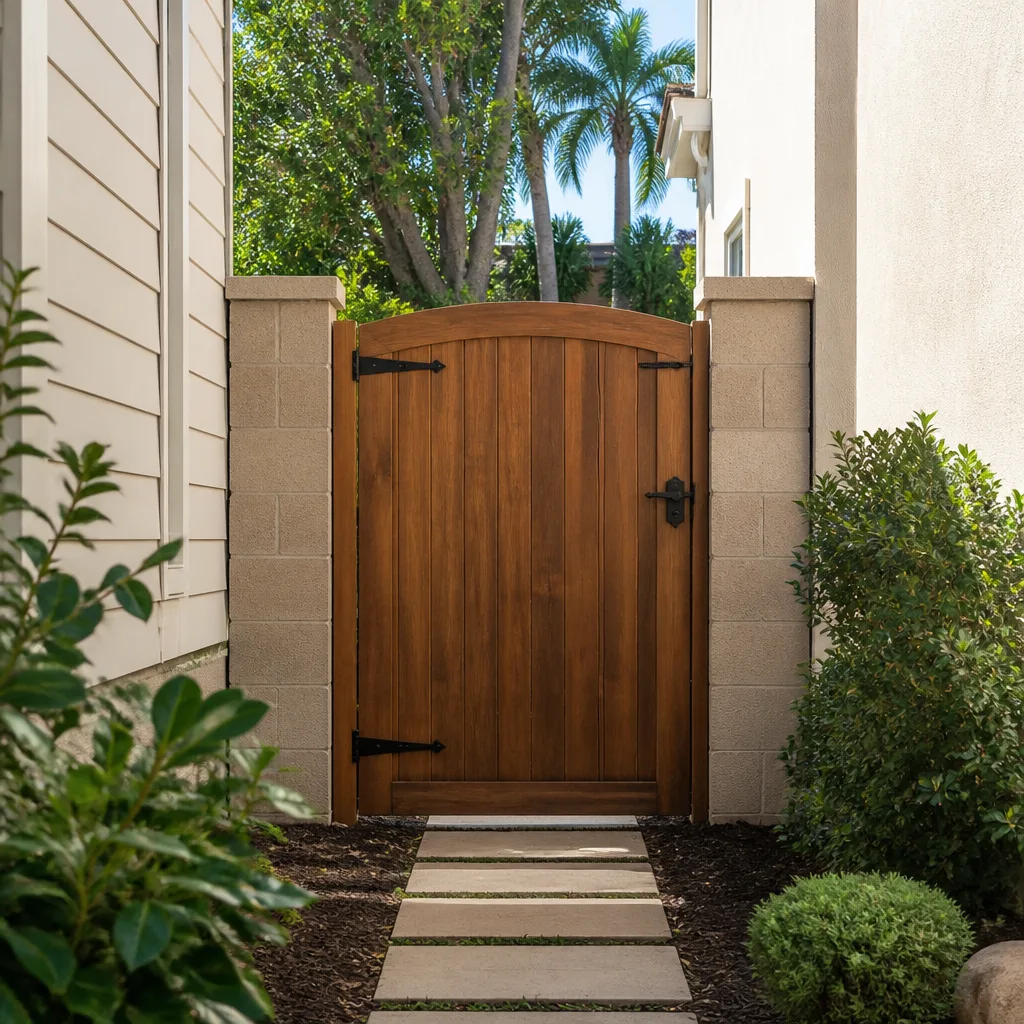
On upland residential lots with stable soil – much of Richmond Heights, the El Sobrante fringe, and the higher Parkview blocks – wood is the better fence, full stop. The fog-belt moisture risk is real but manageable when you select the right species, set posts correctly, and keep up with maintenance. The mid-century ranches and 1950s-60s stucco tract homes up there tend to have yards that want privacy, screening, and a look that holds property value. That’s a wood job.
The species matters more than the stain color. Cedar and other rot-resistant species hold up to fog-belt cycling far better than pressure-treated pine that was cut for a drier climate. Post setting matters more than the panel style: concrete-set posts, proper gravel drainage at the base, and enough clearance off the soil line to let the post breathe. A contractor who talks species and drainage before they talk style is telling you something.
Can You Have Both? Vinyl-Coated Chain Link and Privacy Slats
Yes, and it’s worth pricing out if your lot points to chain link but your neighbors care about sight lines. The Iron Triangle and South Richmond bungalow blocks are increasingly owner-occupied and design-conscious, and we get asked about this every week. Vinyl-coated chain link – in black, green, or brown – softens the industrial look considerably. Privacy slats drop into the mesh for a solid screen at a fraction of the visual cost of the fence it’s screening.
We spec these against Richmond’s salt air carefully. Coating quality varies wildly by manufacturer, and cheap extruded coating on cheap galvanized core is a five-year fence in a ten-year environment. This is where material curation pays off – the same discipline we apply to brand-name building products across every trade shows up in the coating weight and the core spec, not just the color.
What Each Option Costs in Richmond
For a typical Richmond residential fence run, plan on $3,500-$9,000. Our local pricing lands roughly like this:
| Fence Type | Typical Richmond Range | Best Fit |
|---|---|---|
| Wood privacy fence | $3,500-$9,000 | Upland residential lots (Richmond Heights, Parkview, El Sobrante fringe) |
| Vinyl fence | $3,500-$9,000 | Low-maintenance residential; stable soil |
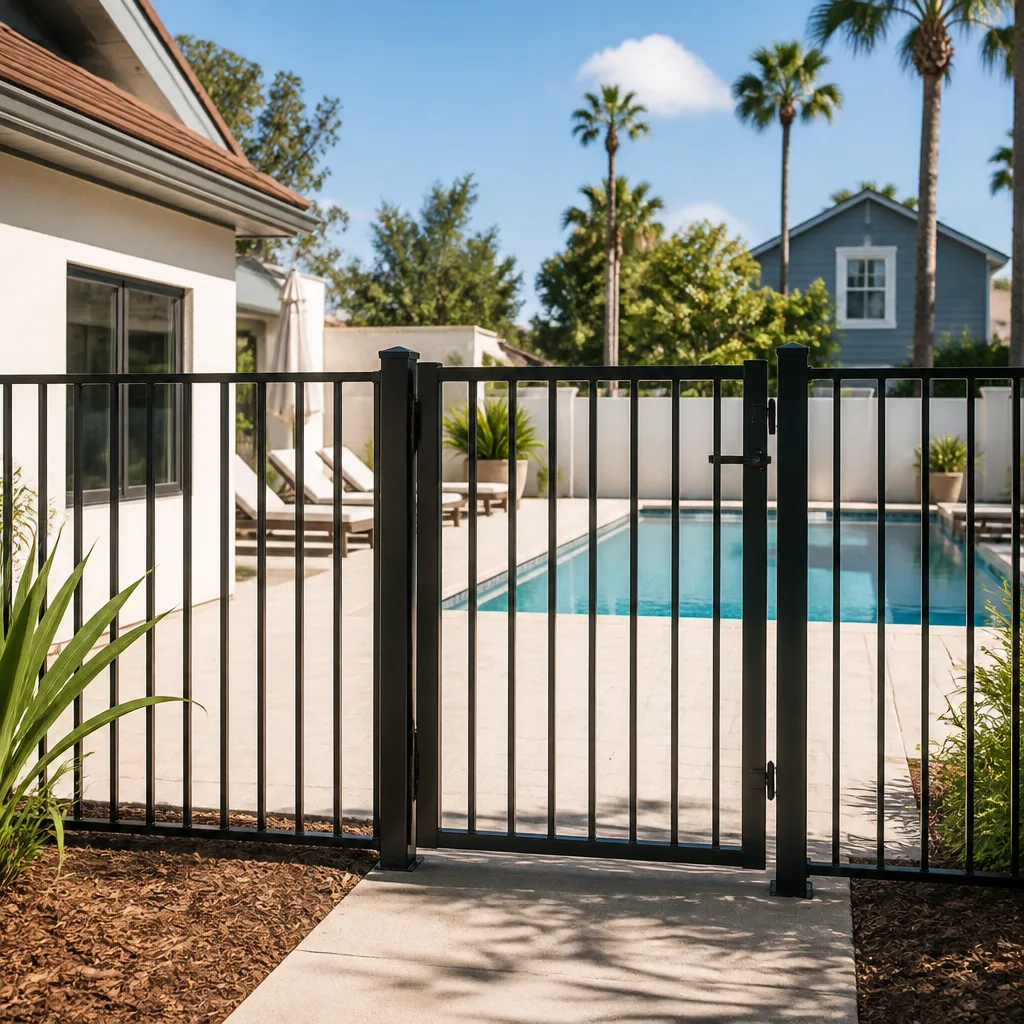
| Aluminum fence | $4,000-$10,000 | Decorative residential; corrosion-resistant upgrade |
| Galvanized chain link (spec’d for salt exposure) | Quoted per run | Industrial-legacy and waterfront-edge lots |
That range assumes a typical residential run with normal access. Point Molate-side slopes, fill soil that needs deeper post setting, or anything that touches a soil management review will push it up. If your fence line is on a former shipyard parcel, ask about contaminated-soil handling before you sign the estimate – it’s part of the number here in Richmond, and it isn’t in El Cerrito or San Pablo.
Our Recommendation
Choose wood if your lot is on stable upland soil and privacy matters – most Richmond Heights and Parkview yards land here. Choose chain link if your lot is on bay-adjacent fill, industrial-legacy soil, or a waterfront-edge parcel where corrosion resistance beats appearance, and spec the coating weight correctly for the environment. Choose vinyl-coated chain link with privacy slats if you want chain link’s durability with some of wood’s screening. If you’re not sure which side your lot falls on, that’s worth a walk-through before you spend anything.
FAQs
Wood is better for most Richmond residential yards on stable soil because privacy, appearance, and property value matter and the rot risk is manageable with the right species and drainage. Chain link wins on industrial-legacy, bay-mud fill, and waterfront-edge lots, where corrosion resistance and no wood-to-contaminant contact make it the longer-lived choice. The deciding factor is your soil and exposure, not budget.
Both land in the same $3,500-$9,000 range for a typical residential run in Richmond. Wood privacy and vinyl both start around $3,500; aluminum runs $4,000-$10,000. Chain link on a contaminated or fill lot can run lower on materials but higher on site work, so the estimate has to include soil handling. Call (833) 700-4611 for a free on-site quote.
Yes. Richmond’s fog-influenced summers and wet winters keep wood damp longer than inland East Bay climates, so fungal decay at the post base moves faster. Species selection and post drainage matter more here than in Walnut Creek or Concord. A properly spec’d cedar fence with concrete-set, gravel-drained posts holds up; pressure-treated pine set in poor drainage won’t.
Yes. We’ll walk the property line, look at the soil and any fill history on the lot, and tell you honestly whether chain link or wood is the better spec – and where the pricing lands. Estimates are free and there’s no pressure to commit. Call (833) 700-4611 and we’ll set a time.
Contact
Fence decisions in Richmond shouldn’t be guesswork. If you’d rather have it looked at, Groundwork Construction Co. of Richmond offers a no-pressure assessment in Richmond – call (833) 700-4611 to schedule. We’ll tell you which fence your lot actually needs, price it upfront, and back the work with our 730-Day Done Right Promise. Compare our Fence Installation in Richmond service, or start at our home page.
Written by the team at Groundwork Construction Co. of Richmond, serving Richmond, CA.