

Free written scope consultation - allowances, timeline, and change-order rules on paper before a single trade is scheduled
Styles & brands we work with
- Kitchen remodeling
- Bathroom remodeling
- Home additions & ADU
- Roofing
- Windows & doors
- Driveway & pavers
- Fence
See the difference
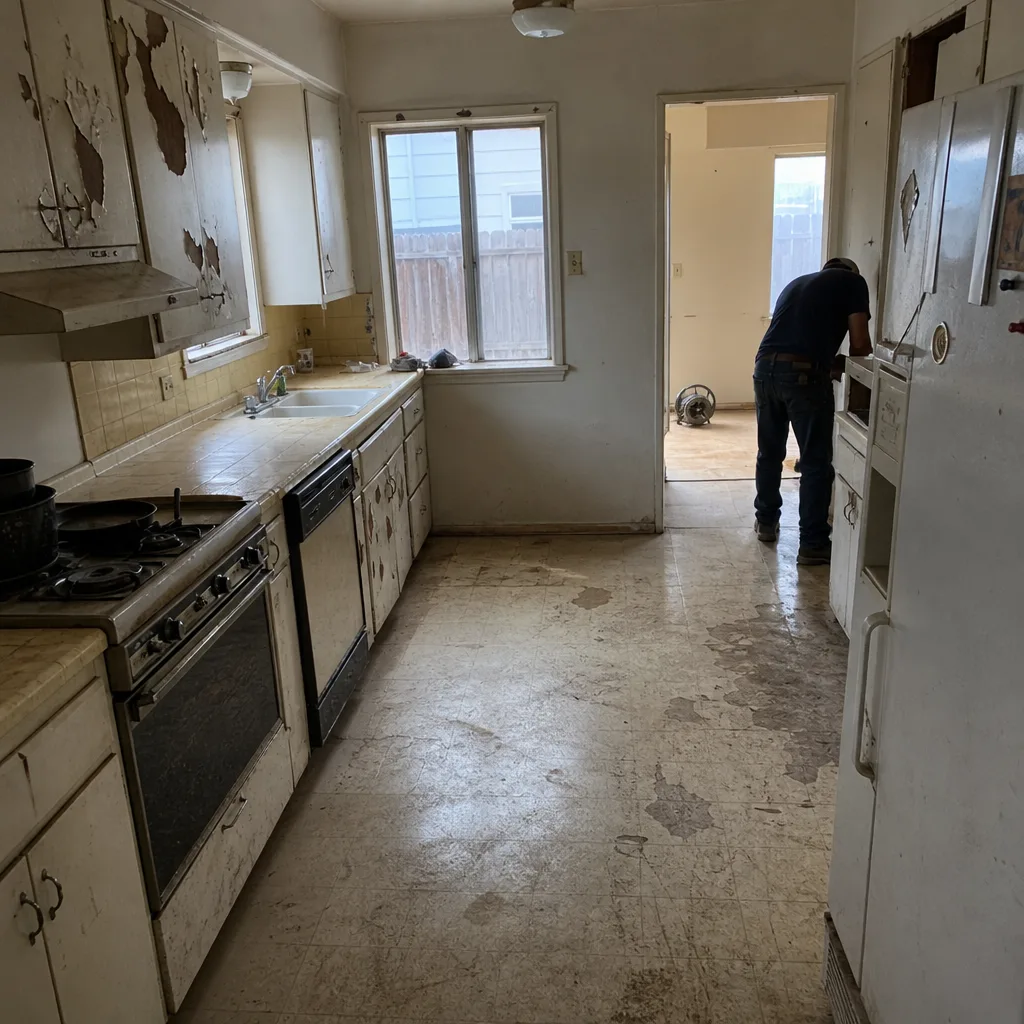 Before
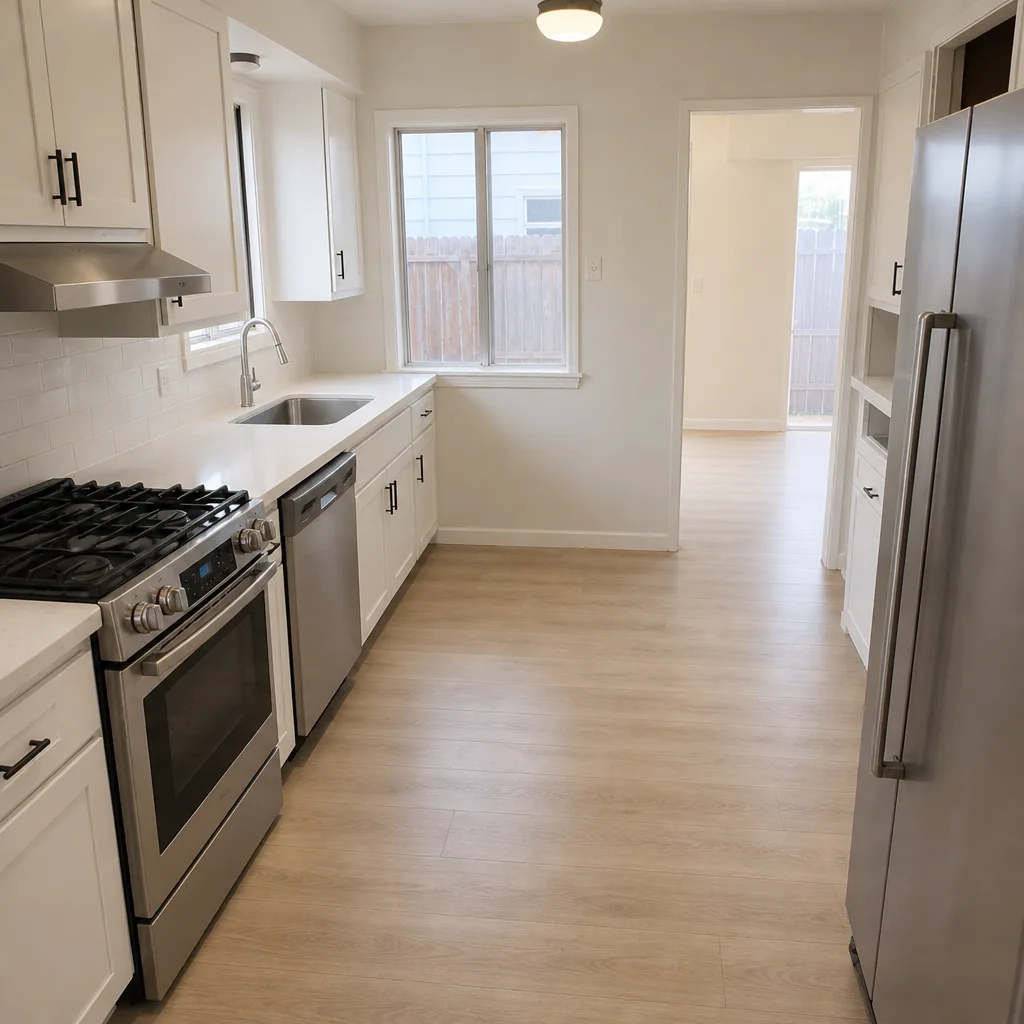 After
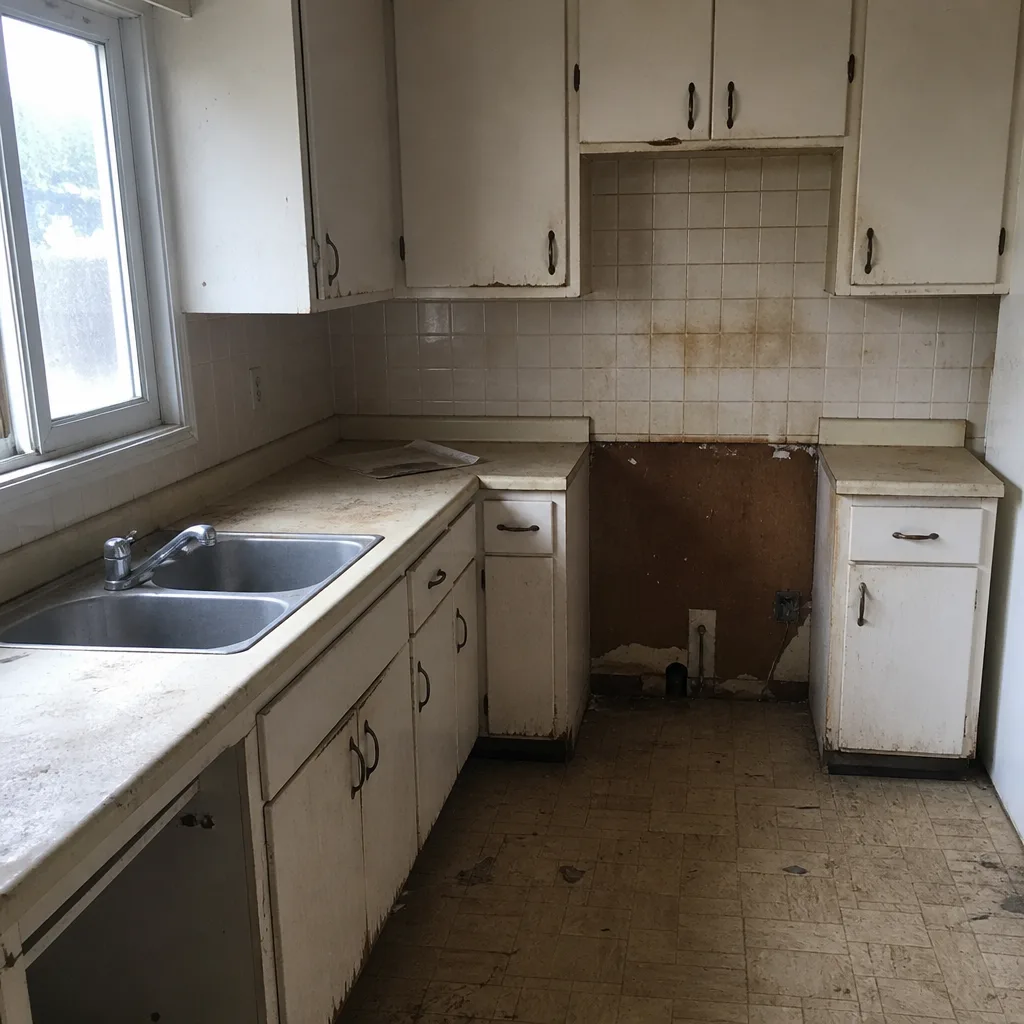 Before
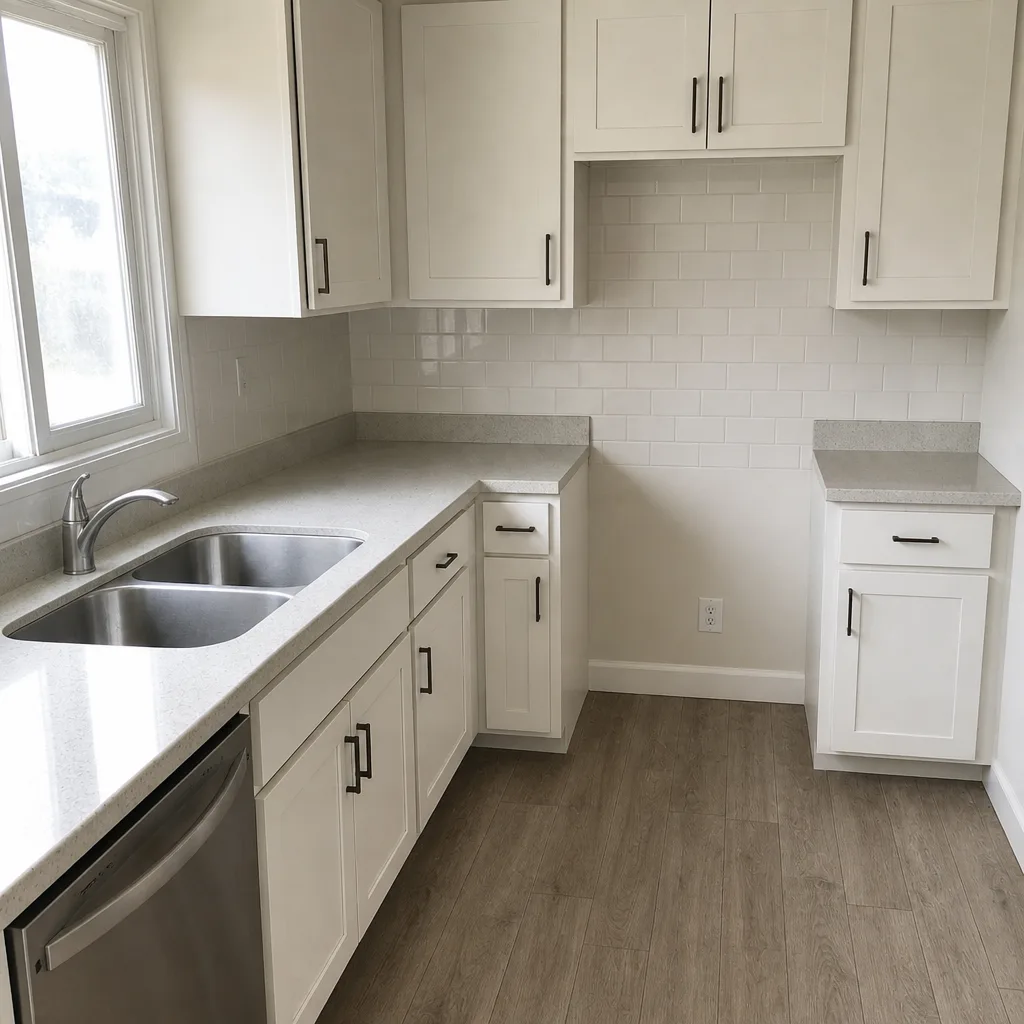 After
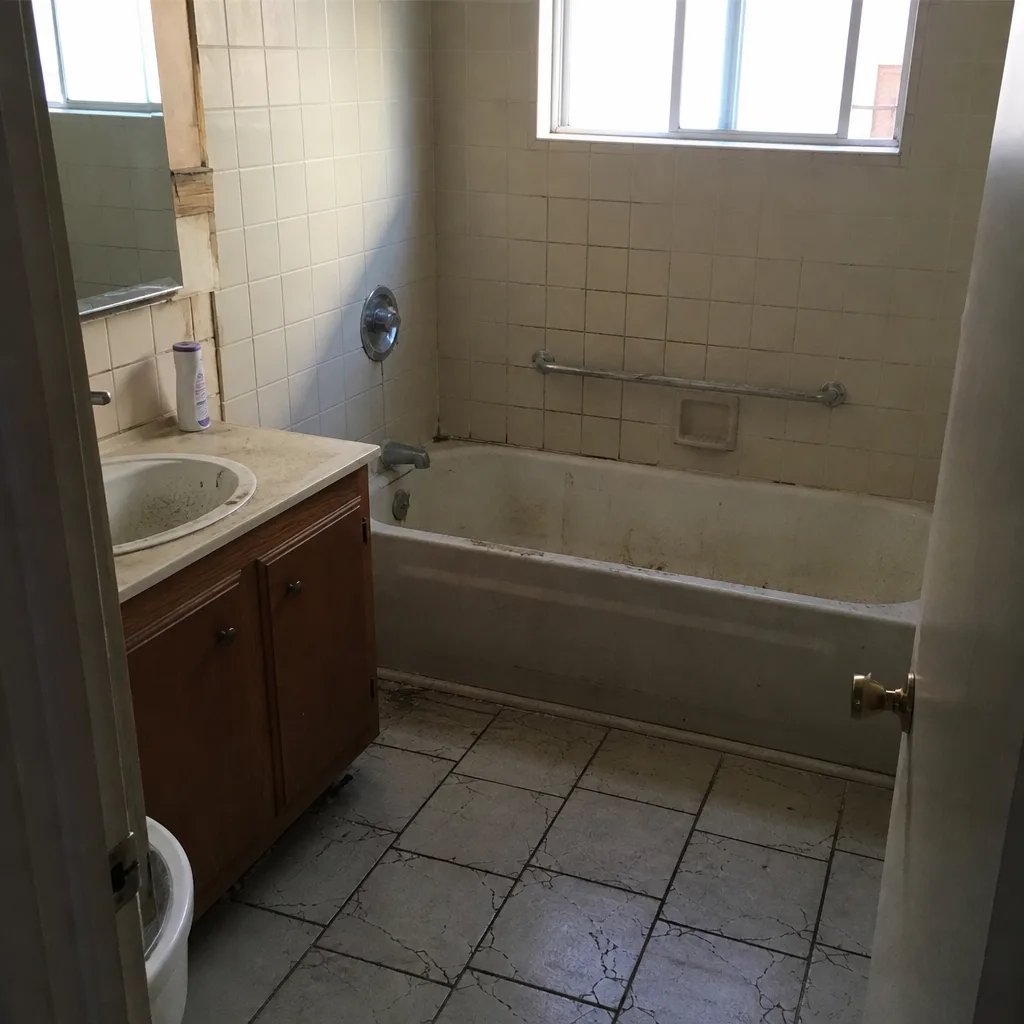 Before
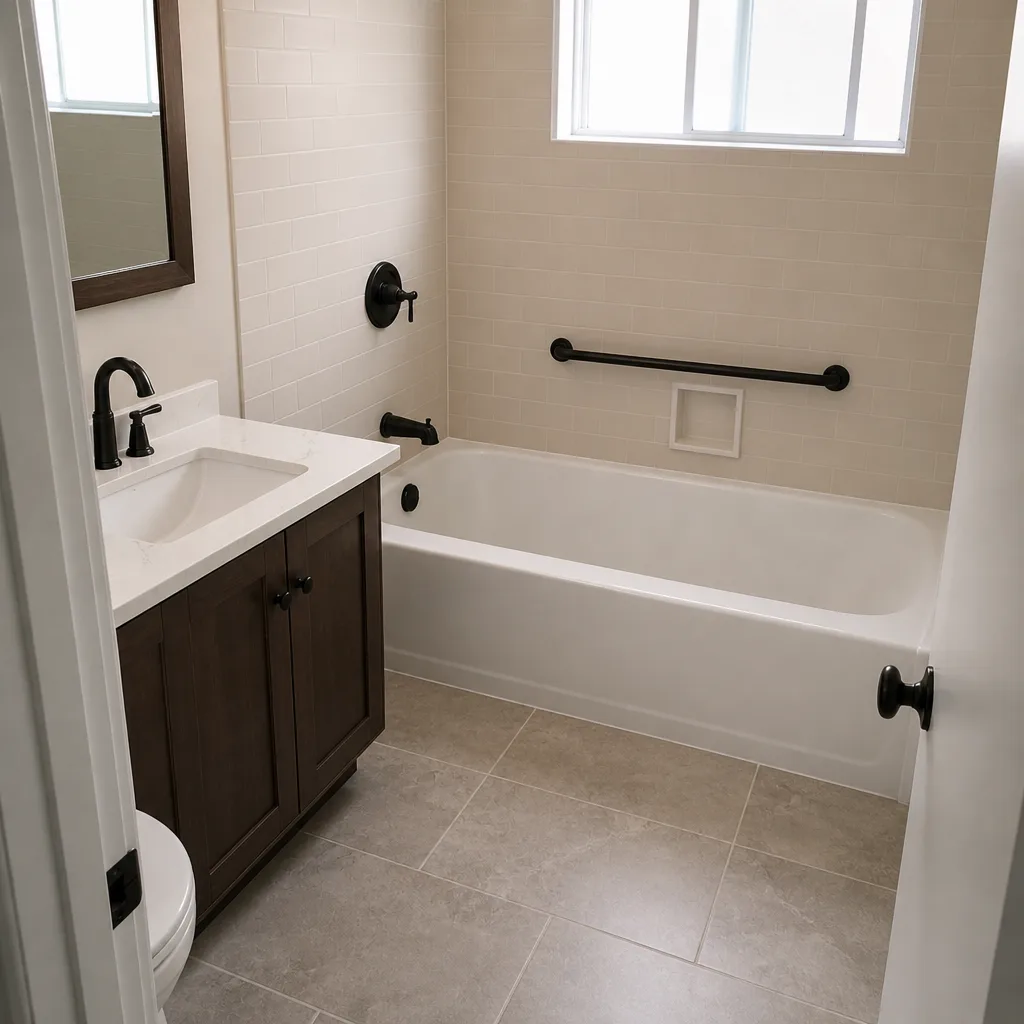 After
Aluminum vs Wrought Iron Fence in Richmond, CA: The Salt-Air Answer
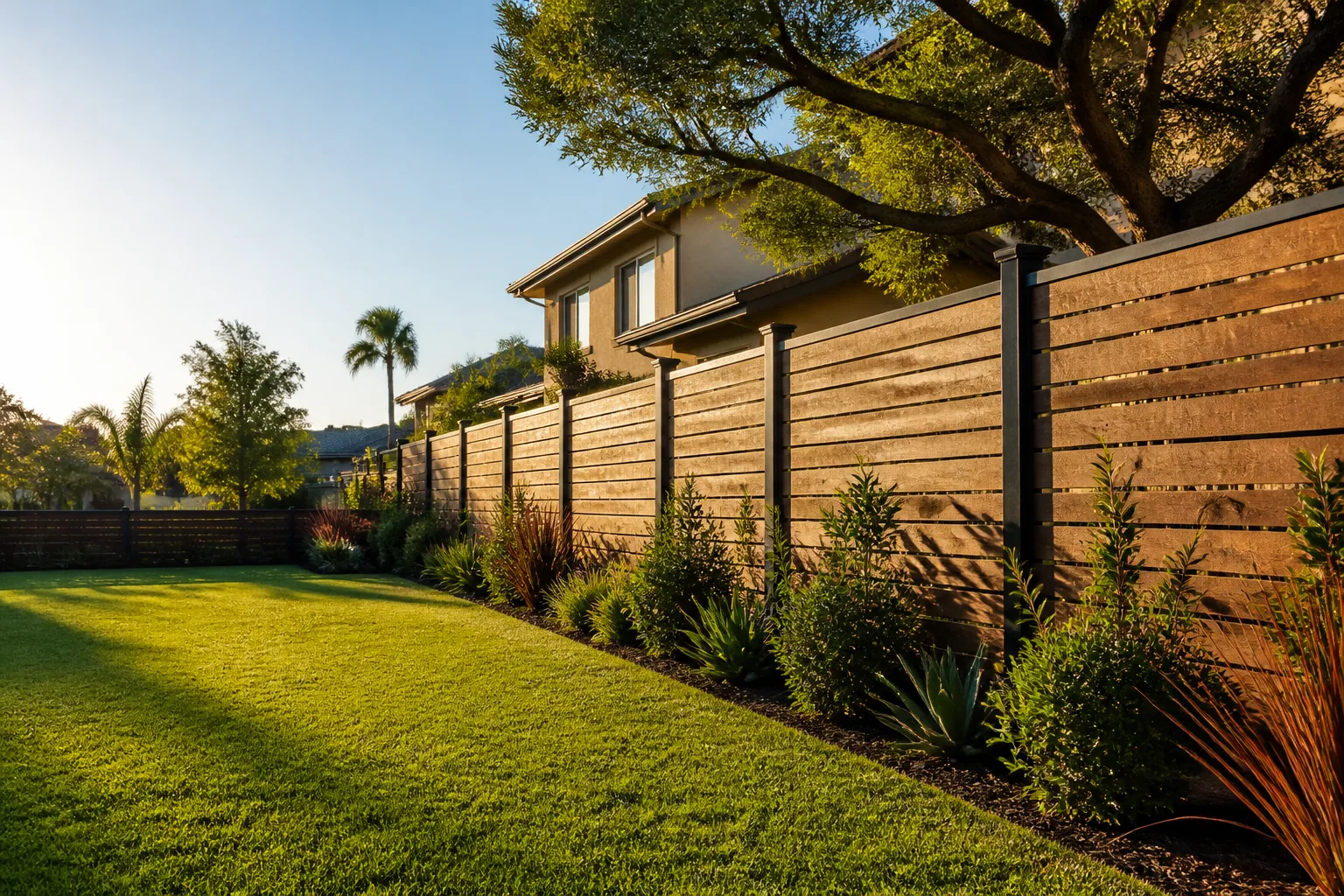
Choose powder-coated aluminum unless you’re restoring a period property that justifies the upkeep of wrought iron. In Richmond’s bay-adjacent climate, unprotected ferrous metal starts showing surface rust within a couple of seasons and looks neglected inside four years without annual attention, while a factory powder-coated aluminum fence holds its finish for 20-30 years with nothing more than a rinse. For most homeowners planning an ornamental fence here, aluminum isn’t the budget compromise. It’s the correct material. Curious what your specific lot and run would cost? Call Groundwork Construction Co. of Richmond at (833) 700-4611 for a free, no-pressure estimate.
Why Richmond’s Marine Layer Settles This Debate Faster Than Most Guides Admit
Walk the low-lying flatlands near the bay on a July morning and you’ll feel it: a wet, cool fog that soaks everything facing south and west. That fog carries chloride from the bay, and chloride is the enemy of iron. In coastal environments, airborne salt deposits onto metal surfaces continuously, and once that salt film sits on a steel or wrought iron surface, it pulls moisture out of the air and holds it there. Rust needs water and oxygen; the salt film supplies both, even on days when nothing looks wet.
Wrought iron is a ferrous alloy. Its protection is entirely top-down: paint, primer, a wax coat, something between the metal and the air. Scratch that barrier, or let it chalk and thin, and corrosion starts in that spot and creeps under the surrounding coating, which is why rust always looks worse than the visible flake suggests. Aluminum behaves differently. It forms a passive oxide layer on contact with air, a microscopically thin skin that seals the surface and re-forms itself if it’s damaged. Powder coating on top of that is a second layer of defense, not the only one.
What that means for a Richmond fence over 25 years
An iron fence here isn’t a one-time purchase. It’s an annual commitment: wash the salt film off, touch up any primer that’s failed, treat rust blooms before they spread, and budget a full repaint every five to seven years. Skip two or three of those cycles and the fence tells on you from the street. A factory-applied powder coat on aluminum, by contrast, is a 20-30-year finish in this climate if it’s specified right. That’s the whole argument in one sentence: with iron you’re buying a material and a lifetime of labor; with aluminum you’re buying a finish and a rinse.
The Honest Cost Comparison for a Richmond Installation
Aluminum fence installation in Richmond typically runs $4,000-$10,000 for a standard residential run, and most ornamental jobs land in the broader $3,500-$9,000 band depending on linear footage, height, and gate count. Wrought iron often bids in similar territory on day one, which is where the confusion starts. The gap shows up after the install.
| Factor | Powder-Coated Aluminum | Wrought Iron |
|---|---|---|
| Upfront installation (Richmond) | $4,000-$10,000 | Often comparable, sometimes higher with heavy posts |
| Finish life in salt air | 20-30 years (factory powder coat) | 5-7 years between full repaints |
| Annual maintenance | Rinse; occasional spot clean | Wash, inspect, touch up primer |
| Corrosion behavior | Passive oxide layer; self-sealing | Rust once coating fails, spreads under paint |
| Weight / post-setting demand | Lighter; easier on fill soils | Heavy; needs deeper, more robust footings |
Build the repaint cycles into your math honestly. Two full repaints over 15 years, plus annual touch-up labor if you hire it out, can add well over a thousand dollars to the true cost of an iron fence. Aluminum’s finish cost after install is close to zero. That’s why we specify aluminum at the right wall thickness and powder-coat mil depth rather than whatever stock is cheapest that week. A thin-walled panel with a skimpy coat is a 10-year fence. A properly specced one using quality stock from a manufacturer like Bufftech or ActiveYards is a 25-year fence. Groundwork puts that spec in writing so there’s no ambiguity about what’s going in the ground.
Weight and Installation: What Richmond Lots Actually Demand
Here’s a detail most comparison articles skip. Wrought iron is heavy, and heavy panels need deeper post holes, more concrete per post, and more labor to set. On Richmond’s older flatlands, where lots near the former shipyard ground often sit on fill soil, post depth is already a live question before you add a heavyweight material. Lighter aluminum panels put less load on footings and let a crew set posts to a sensible depth without fighting the material’s weight. On a straightforward lot this is a modest labor difference. On a fill-soil property, it’s a genuine advantage, and it’s the kind of thing we check before quoting rather than discovering mid-install.
Richmond’s industrial legacy adds a layer here that neighboring cities don’t share. Swaths of former Kaiser Shipyards land and refinery-adjacent parcels mean soil conditions can surprise you, and a fence line that crosses old fill may need a closer look at how posts are footed. That’s not a reason to avoid a fence. It’s a reason to have someone who knows the ground quote the job. If you want the full rundown on materials and process, our Fence Installation page covers the scope, and our Fence Installation in Richmond page speaks directly to local conditions.
When Wrought Iron Actually Earns Its Premium in Richmond
There is one scenario where we’ll recommend iron without hesitation: restoring a period property. Richmond’s older flatlands hold a real concentration of 1910s-1940s shipyard-worker bungalows and craftsmans, particularly in the Iron Triangle and South Richmond. On those homes, a period-correct wrought iron fence can be the right aesthetic call, and the property value and historic character can justify the maintenance commitment. If you own one of these homes and you’re willing to keep up with the finish, iron makes sense. If you’re not going to maintain it, don’t buy it, because in this climate an unmaintained iron fence ages badly and drags down the curb appeal it was meant to protect.
The flip side is that Richmond’s housing stock is genuinely mixed. The 1950s-60s stucco tract homes out toward Parkview and Verde, and the mid-century ranches on the Richmond Heights and El Sobrante fringe, generally pair beautifully with clean-lined aluminum. Same for most new fencing runs where the goal is a defined, secure boundary that looks sharp for decades without a weekend project every spring.
Common Local Scenarios We See
- The fog-belt corner lot: South and west-facing runs take the most marine moisture. On these, we lean hard toward aluminum, and we’re specific about powder-coat thickness because that’s the layer doing the work.
- The Iron Triangle bungalow restoration: Period iron done right, with a homeowner who plans to maintain it. We’ll say so plainly if iron is the answer.
- The fill-soil backyard: Lighter aluminum panels ease post-setting on older flatland lots where footings are already a consideration.
- The rental or long-hold property: Aluminum wins on total cost of ownership. No repaint cycles, no tenant complaints about rust.
- The “we got burned last time” homeowner: We specify materials in writing, quote upfront, and back the work with our 730-Day Done Right Promise so the finish you pay for is the finish you get.
Why Homeowners Trust Groundwork Construction Co. of Richmond on This Call
We guide rather than pressure, and we’ll tell you when the cheaper-looking option is the more expensive one over time. Our technicians have up to 12 years of experience, arrive background-checked and in uniform, and calls are answered by a live person 24/7. Pricing is upfront, with 0% financing for 18 months and $1,000 off projects over $10,000. Every installation is covered by our 730-Day Done Right Promise. And because we’re a full-scope partner from foundation to finish line, the same team that sets your fence posts can handle windows, roofing, and the rest of the property. If you’re comparing materials across your whole exterior, start from our home page and work outward.
FAQs
Aluminum fence installation in Richmond typically runs $4,000-$10,000, while wrought iron often bids comparably upfront but adds repaint and touch-up costs over the years. Build in the maintenance and aluminum usually wins on total cost of ownership. Call (833) 700-4611 for an exact quote, and estimates are free.
Yes. The marine layer carries chloride that deposits on metal surfaces and holds moisture against them, so unprotected wrought iron starts rusting quickly and corrosion spreads under the coating. Aluminum’s passive oxide layer resists this, which is why we lean toward powder-coated aluminum on bay-adjacent lots.
A full repaint every five to seven years, plus annual washing and primer touch-up, is realistic for wrought iron in Richmond’s salt air. Skip it and the fence looks neglected faster than most homeowners expect. For a quote on a low-maintenance alternative, call (833) 700-4611.
Many standard residential runs are completed in a single visit once materials and permits are set, though larger or complex installations take longer. Call (833) 700-4611 and we’ll give you a realistic timeline upfront, with no surprises.
Ready to Settle It for Your Property?
If you’d rather have it looked at in person than read one more comparison chart, Groundwork Construction Co. of Richmond offers a no-pressure assessment in Richmond. We’ll check your soil, your exposure, and your goals, then recommend the material that actually fits. Call (833) 700-4611 for a free estimate and design consult.
Written by the team at Groundwork Construction Co. of Richmond, serving Richmond, CA.