Free written scope consultation - allowances, timeline, and change-order rules on paper before a single trade is scheduled
Styles & brands we work with
- Kitchen remodeling
- Bathroom remodeling
- Home additions & ADU
- Roofing
- Windows & doors
- Driveway & pavers
- Fence
See the difference
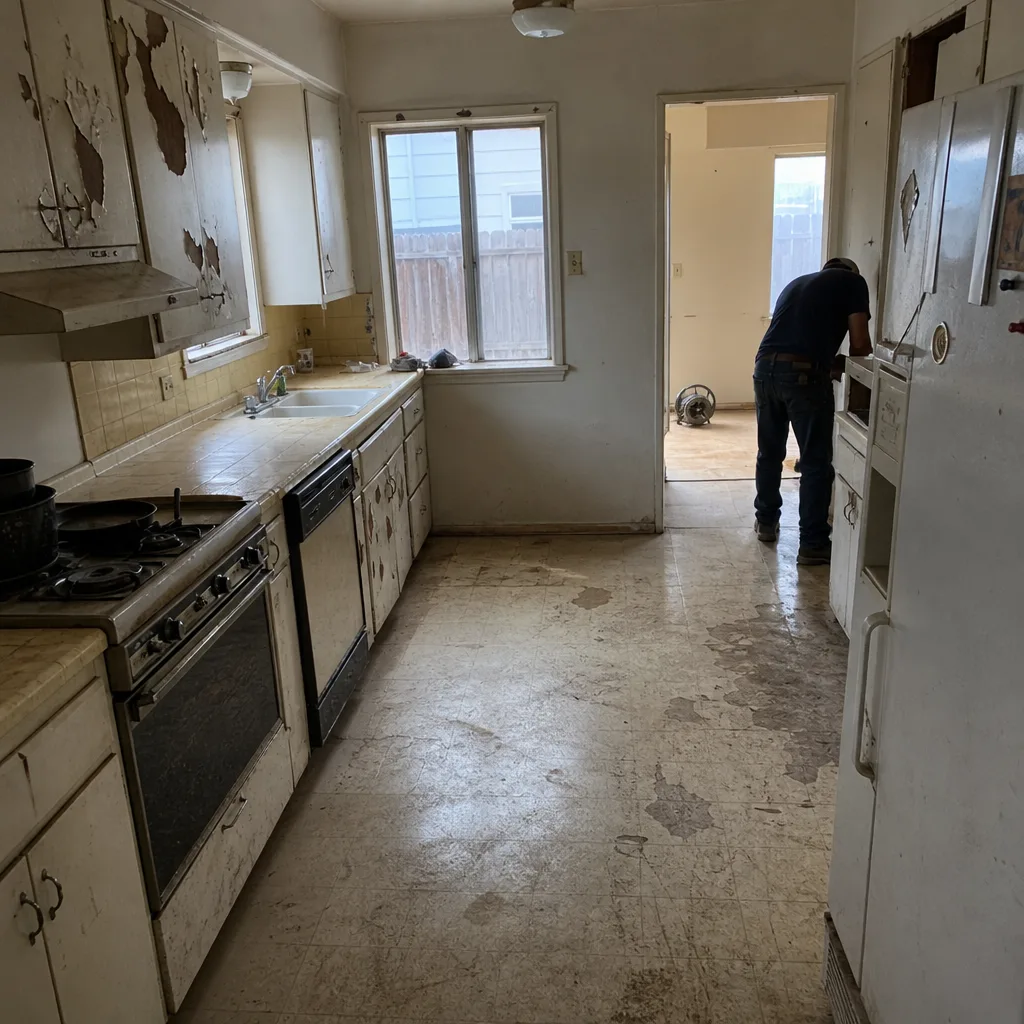 Before
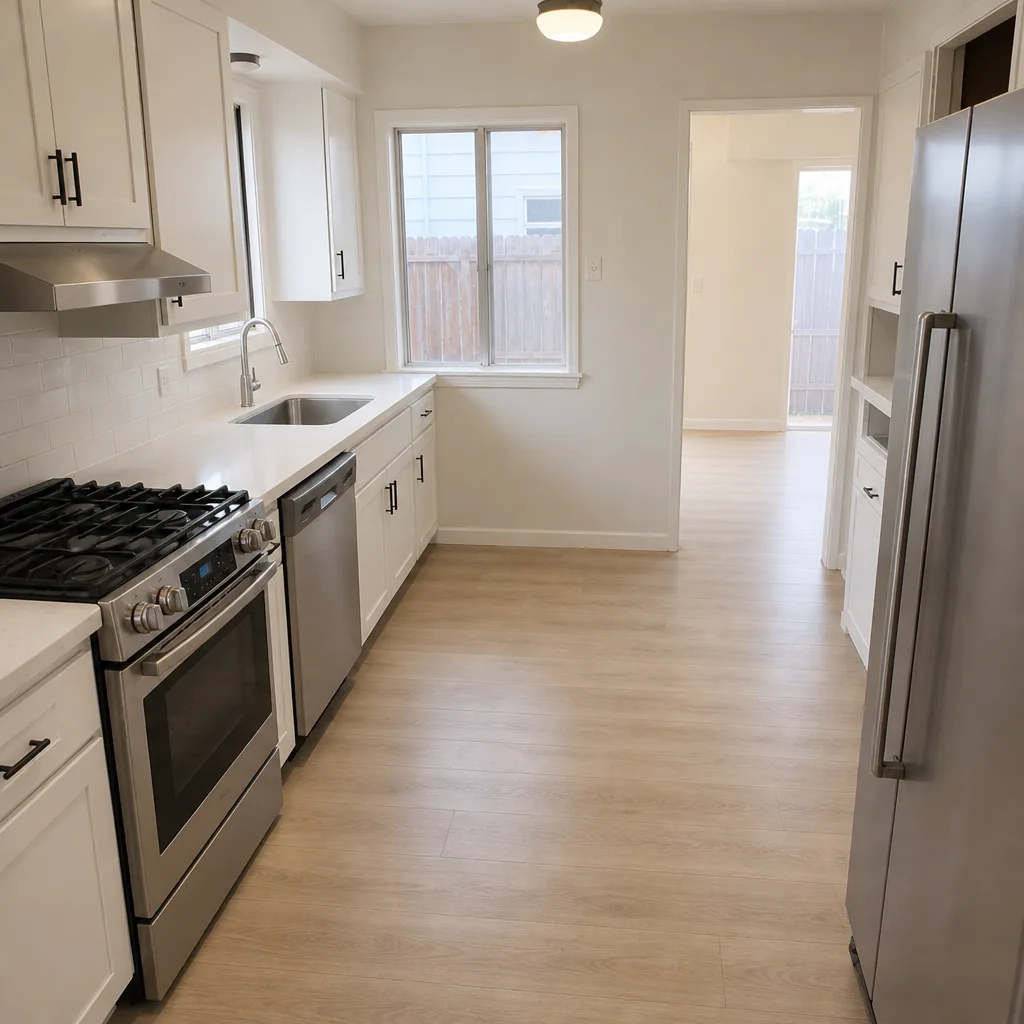 After
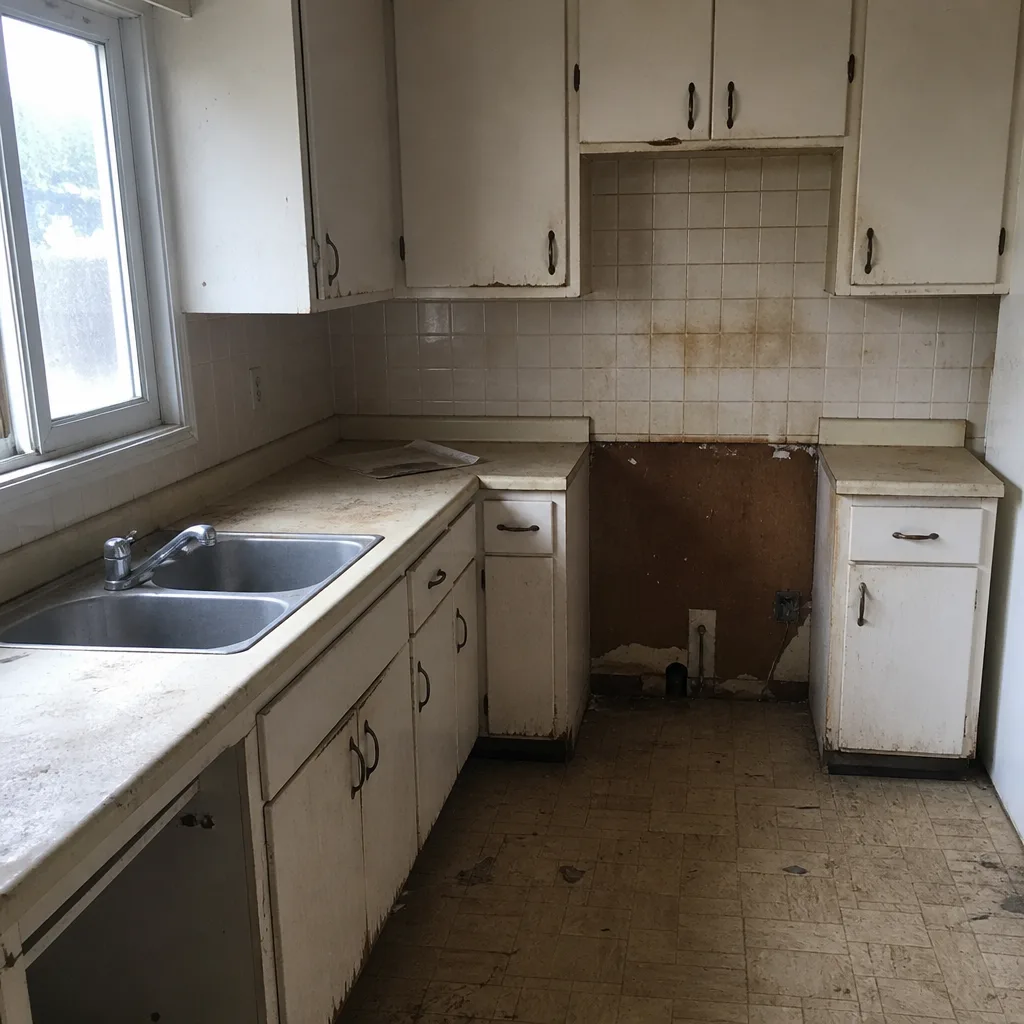 Before
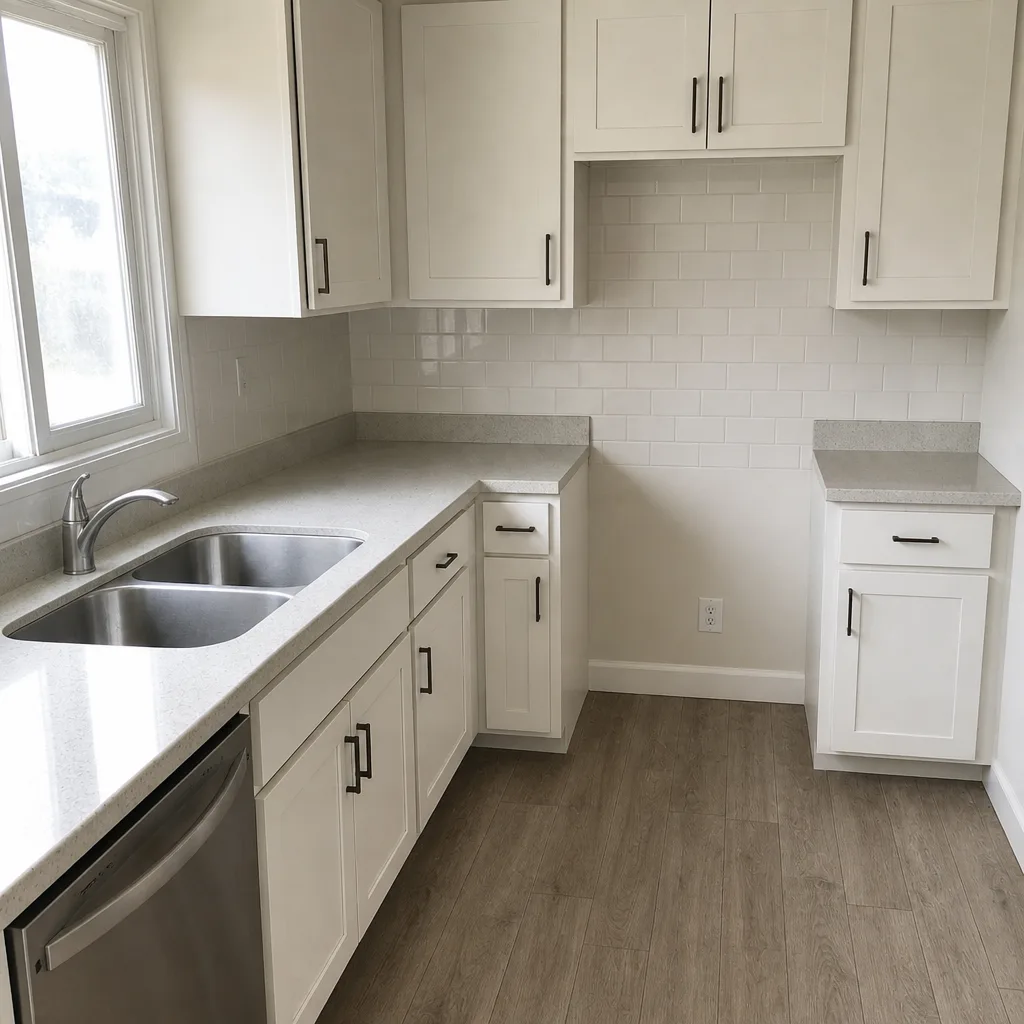 After
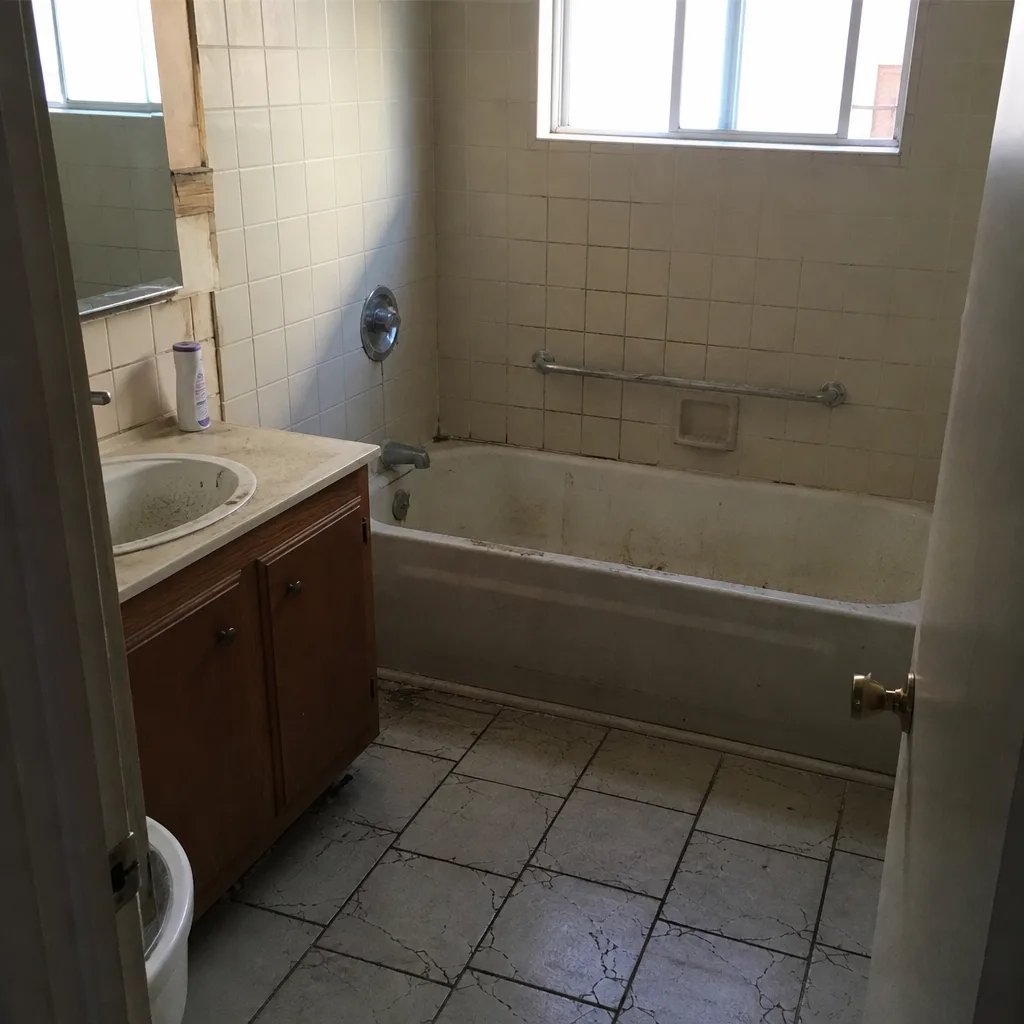 Before
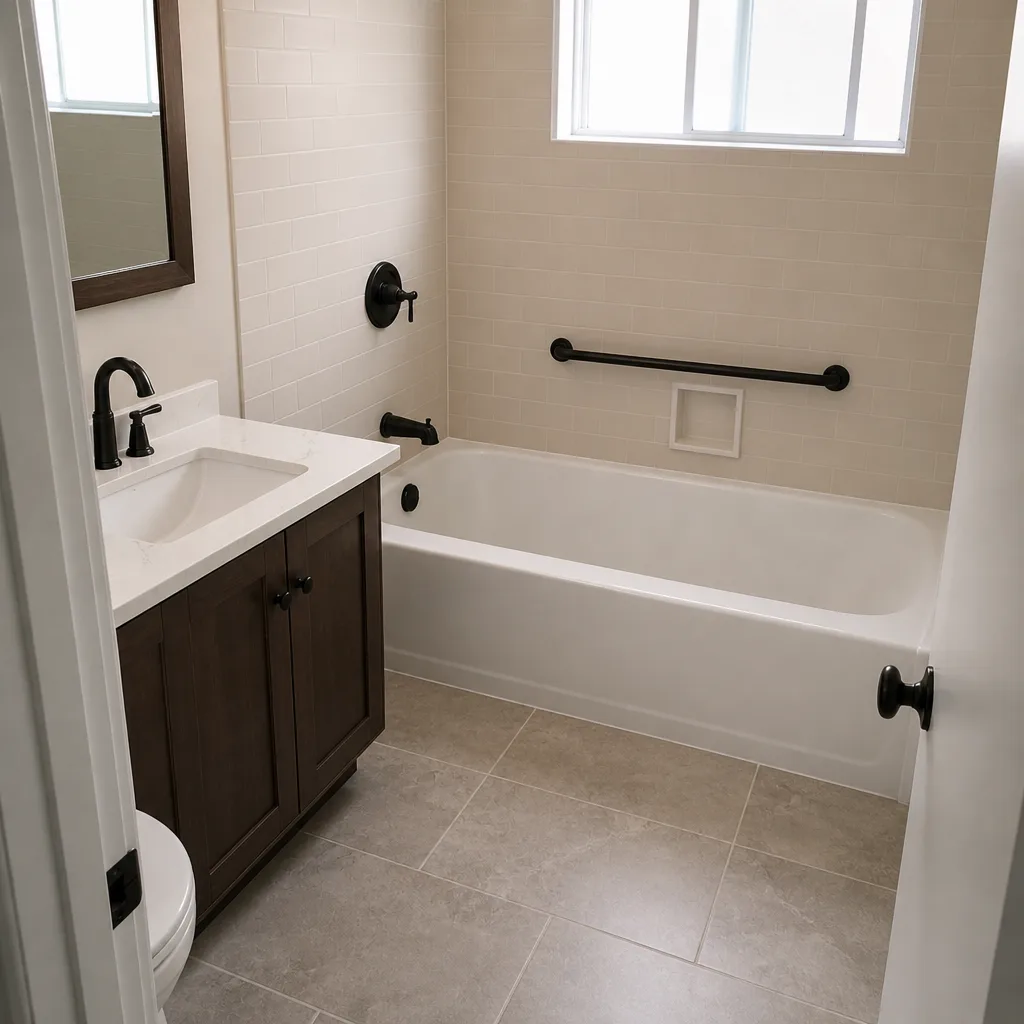 After
What Paver Patio Installation Costs in Richmond, CA (and Why the Base Matters More Than the Pavers)
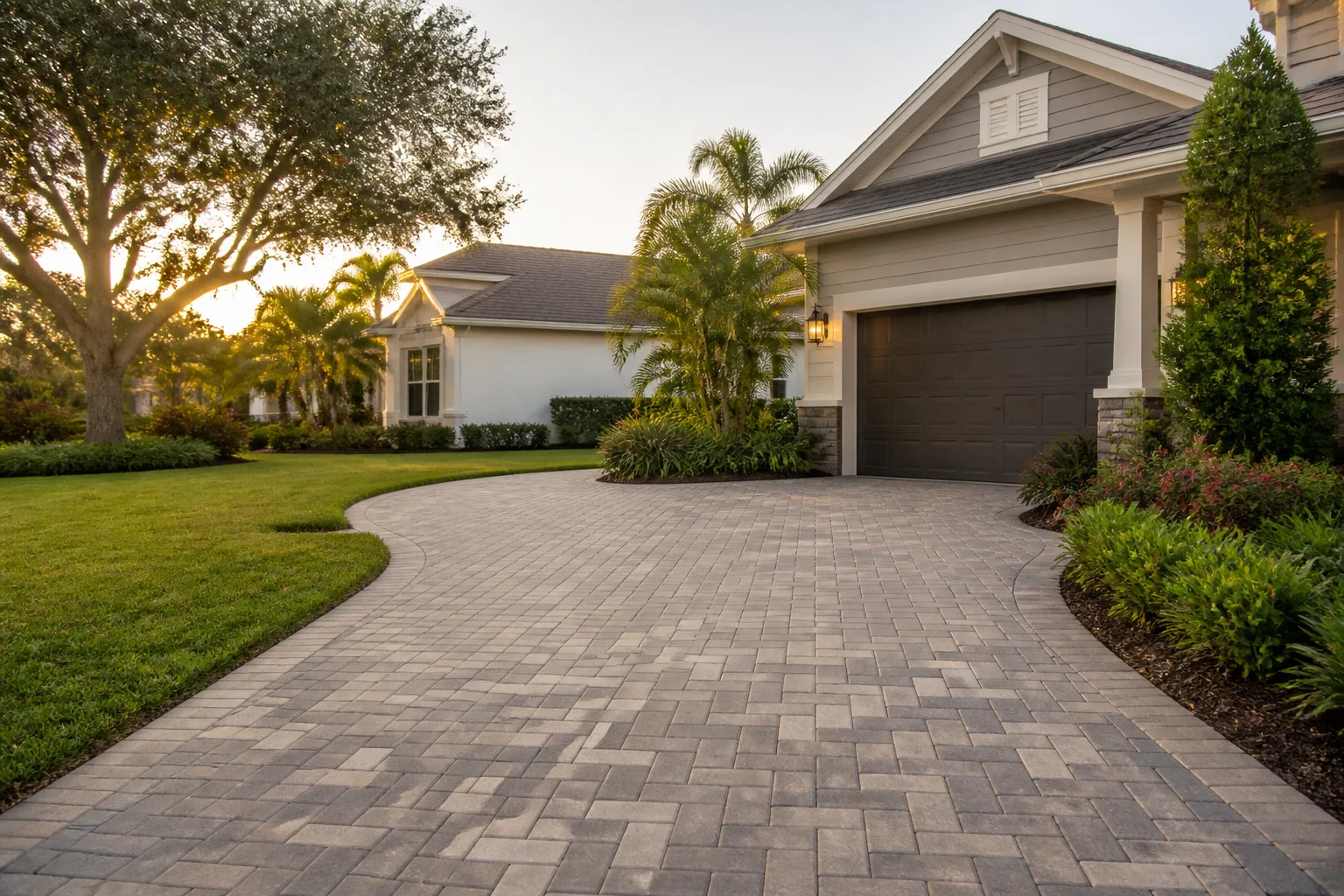
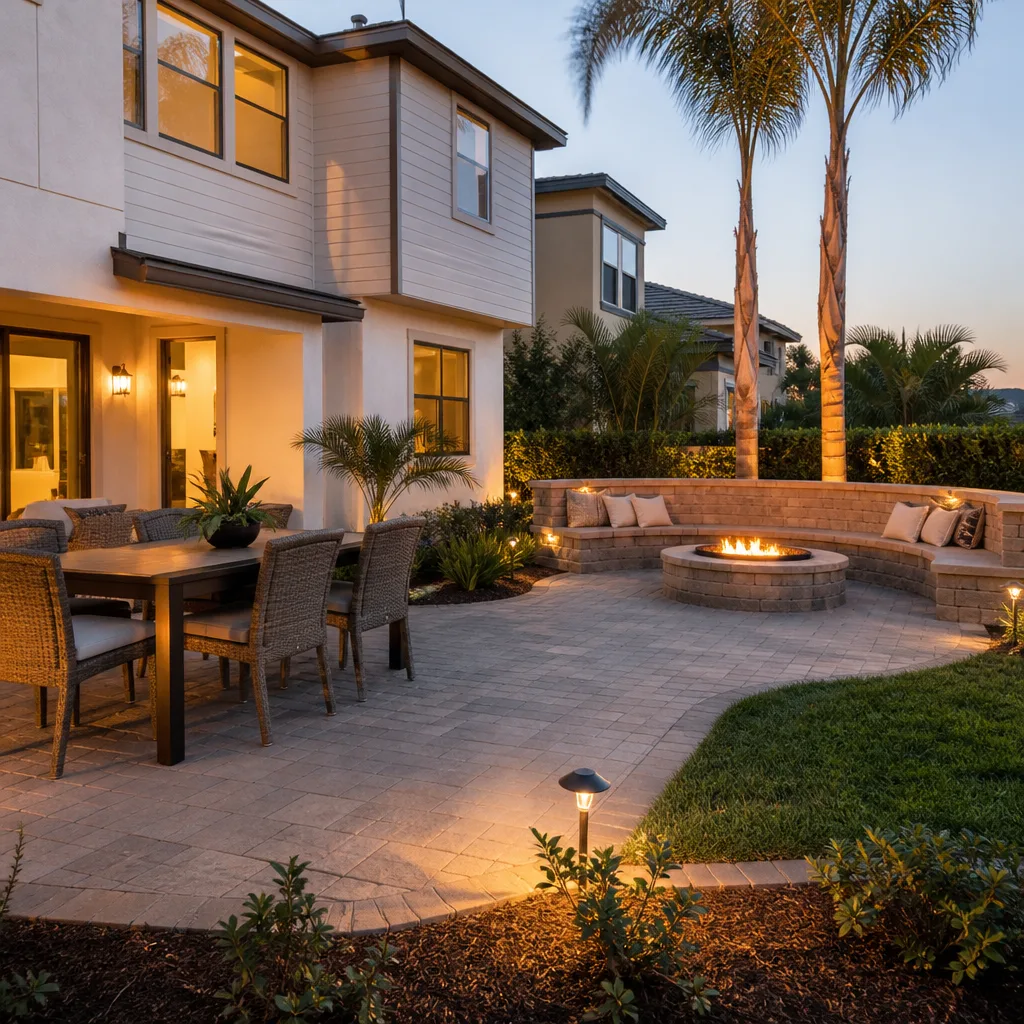
Plan on $3,500 to $11,000 for a paver patio in Richmond, and treat that number as a whole-assembly figure, not a paver bill. The pavers you pick are roughly 30% of the job. The 6 inches of compacted base rock underneath them, invisible once the patio is finished, is what decides whether the surface still looks tight in year five or has to be pulled up and rebuilt. If you want a real number for your yard rather than a range, call Groundwork Construction Co. of Richmond at (833) 700-4611 – estimates are free, pricing is upfront, and a live person answers around the clock.
Richmond sits on the bay with fog-cooled summers and wet winters, and the low-lying flatlands near the shoreline are the part of this market that punishes shortcuts in base prep. That’s the lens we build every paver estimate through.
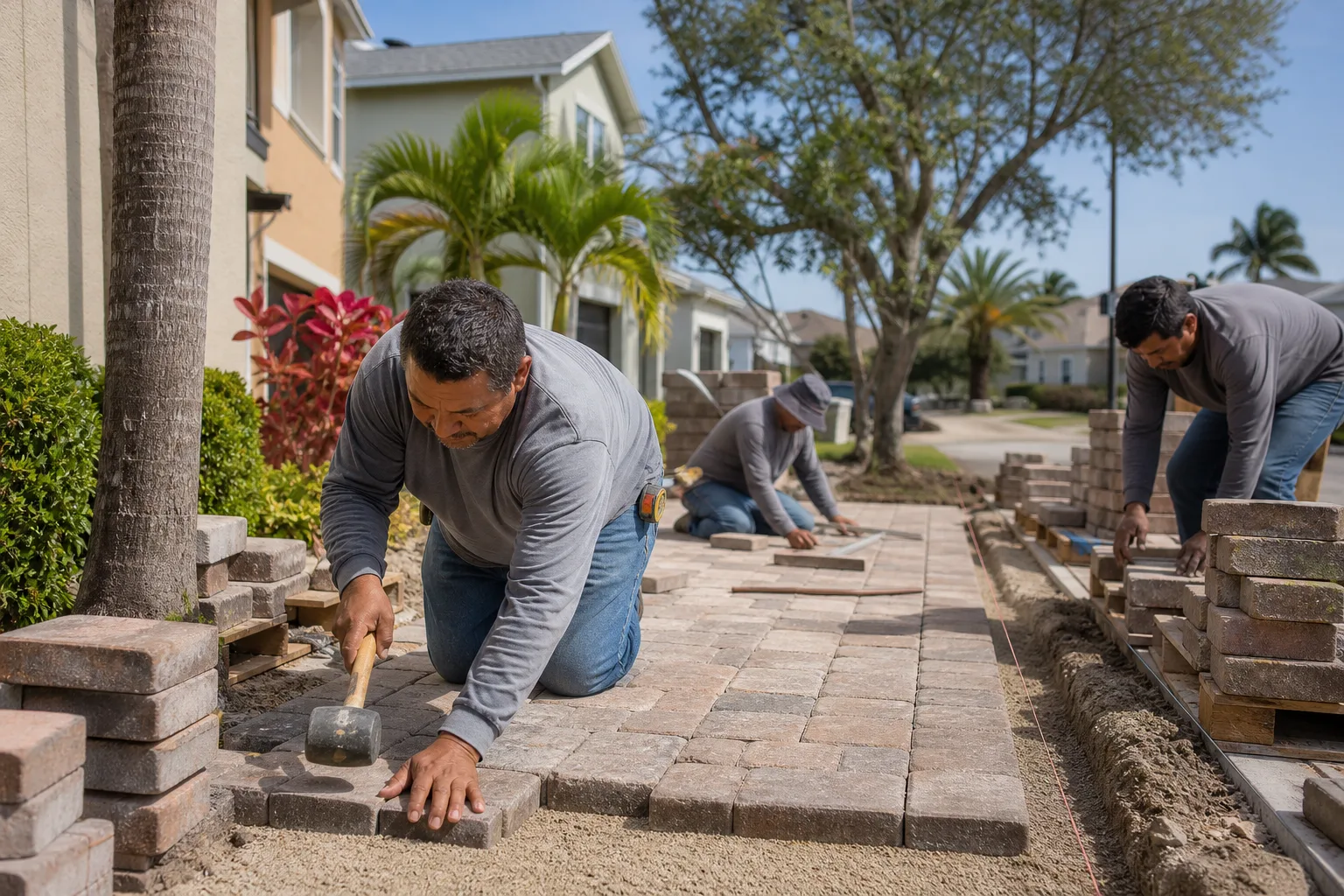
Why a Richmond Paver Patio Costs More to Build Right Than Most Bids Assume
Clay-heavy flatland soils expand when wet and contract through the dry months. In well-draining inland markets, a 4-inch compacted aggregate base is a defensible standard. Here it isn’t. We spec a minimum 6-inch compacted base on Richmond clay and fill lots, and on some sites we go deeper after probing. That extra material and compaction time shows up on the estimate – and it’s the line item the cheapest bid always leaves out.
The failure pattern is predictable. A patio on an undersized base settles unevenly through the first two wet seasons. Joint sand washes out. Weeds find the gaps. By year three the surface is undulating and the homeowner is paying twice – once for the patio that moved, and again for one built properly. You’ll see the same soil logic drive our approach to Driveway & Pavers work throughout this part of the East Bay.
One Richmond-specific wrinkle deserves its own paragraph: drainage. Many patios here sit within a few feet of a 1920s-1940s bungalow foundation that is already shallow and already prone to cracking and settlement. Any patio adjacent to an older Richmond home should be built on a positive-drainage plan that slopes surface water away from the house – never toward it. Skip that and you’ve handed the next heavy winter rain a direct path to the foundation. On the older flatlands, where the “bonus room” behind the kitchen is often an unpermitted shipyard-era conversion, water management gets even less forgiving.
What Should You Actually Compare Between Paver Bids?
Compare excavation depth first, then base spec, then material. A bid that doesn’t state how deep they’ll excavate and how many inches of compacted Class II aggregate they’ll place is a bid you can’t evaluate. Ask for the numbers in writing before anyone touches a shovel.
- Excavation depth: Deeper on clay and fill lots, because you’re removing enough native soil to fit the full base plus bedding layer plus paver thickness.
- Aggregate base spec: Class II rock, placed and compacted in lifts – not dumped and raked.
- Bedding sand: A consistent, screeded layer for proper paver seating.
- Paver choice: Material rated for California moisture and seismic movement, not whatever a sub got a volume deal on.
- Edge restraint: The piece that keeps a patio from spreading at the perimeter.
- Joint sand and sealer: Locked joints, stabilized surface, fewer weeds.
- Drainage plan: Where the water goes when it rains, stated out loud.
On materials: our portfolio is curated so you’re choosing pavers rated for California conditions rather than accepting an off-brand lot. The same discipline runs through our vendor relationships across every trade – across the full scope of home construction services, we work with brands like Belgard on hardscape, Sakrete on mix materials, and premium names in kitchens and roofs alike, so quality is the starting point instead of the upgrade.
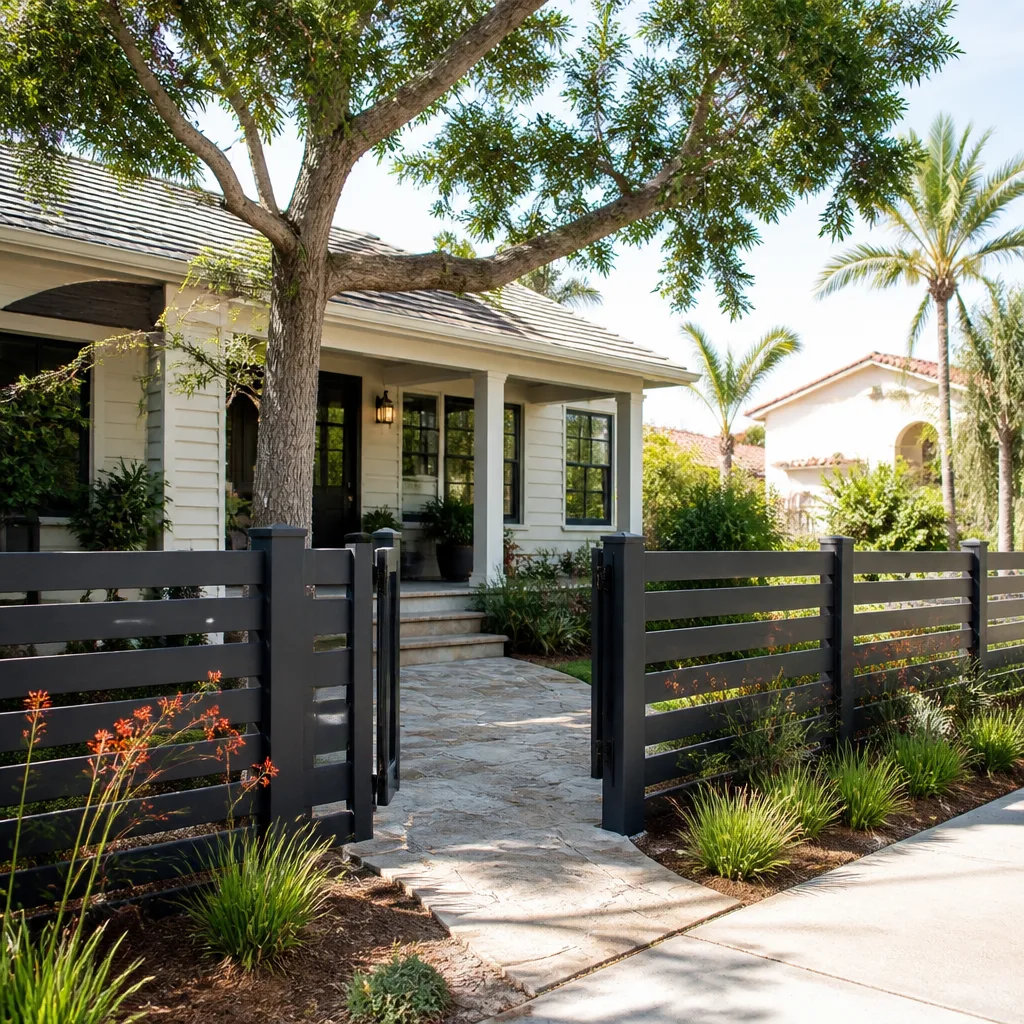
Richmond Paver Patio Cost Breakdown
Here’s how the $3,500 to $11,000 range splits across the components. A small patio runs toward the low end; a larger one with deeper excavation on a tough clay lot runs toward the top.
| Component | Typical Range (Richmond) |
|---|---|
| Excavation & soil haul-off | $1.50 – $3.50 per sq ft |
| Class II aggregate base (6 in. compacted) | $3.00 – $5.50 per sq ft |
| Bedding sand | $1.00 – $2.00 per sq ft |
| Paver material (Bay Area supply pricing) | $4.00 – $9.00 per sq ft |
| Edge restraint | $2.00 – $4.00 per linear ft |
| Joint sand | $0.75 – $1.50 per sq ft |
| Sealer | $1.50 – $3.00 per sq ft |
| Full patio, installed | $3,500 – $11,000 |
Pricing is upfront – the number you see is the number you pay. And with $1,000 off projects over $10,000 plus 0% financing for 18 months, a properly built paver patio becomes financially comparable to a poured concrete alternative, while staying repairable one section at a time and lasting considerably longer when the base is right. Every patio is backed by our 730-Day Done Right Promise: if it isn’t done right, we make it right.
Can the Same Budget Get You Concrete Instead?
Yes, and it’s a fair comparison to run. A poured concrete installation sits in a lower range for a flat slab, but concrete cracks, and repair means cutting and re-pouring a section. Pavers can be lifted, re-leveled, and reset individually. When the base is engineered correctly for Richmond’s clay, a paver patio tends to be the longer-lived choice even though the entry price is higher. If you’re weighing both, we’ll put the numbers side by side and let the site conditions decide.
FAQs
A paver patio in Richmond typically runs $3,500 to $11,000 installed, depending on size, paver choice, and how deep the base has to go on your lot. Clay or fill soils push toward the top of that range because they require a deeper, better-compacted aggregate base. Call (833) 700-4611 for an exact quote – estimates are free.
Plan on a minimum 6-inch compacted aggregate base here, versus 4 inches in well-draining inland markets. Richmond’s flatland clay expands when wet and contracts when dry, so a thinner base leads to joint separation, surface undulation, and weeds within about three years. Sometimes our crews probe further and spec deeper than 6 inches after seeing what’s actually under the yard.
Nearly always an undersized base or missing edge restraint, not a paver defect. When the aggregate under the pavers wasn’t compacted in proper lifts, the surface settles unevenly through wet winters, joint sand washes out, and weeds move in. Rebuilding the base is the fix – patchwork on the surface doesn’t hold.
Often not for a simple at-grade patio, but it depends on size, elevation, and whether the work sits near a slope or existing structure. Because parts of Richmond sit on former industrial fill, sites occasionally require soil testing before ground work starts. We walk the permit question with you during the estimate rather than discovering it mid-job.
Get a Straight Answer on Your Richmond Paver Patio
Before you spend a dollar on pavers, get the base math right. Groundwork Construction Co. of Richmond brings technicians with up to 12 years of experience, background-checked and in uniform on every job, and answers every call with a live person 24/7. Book your free estimate and design consult – call (833) 700-4611. Built to last, backed in writing.
Written by the team at Groundwork Construction Co. of Richmond, serving Richmond, CA.
What Our Customers Say
"The schedule he gave me at the start was accurate to within four days on a three month job. Anyone who has done a renovation knows how unusual that is."
- Laura Bennett"He pulled the permits himself, scheduled every sub and ran the inspections. I made one decision a week and otherwise stayed out of it, which is exactly what I was paying for."
- Robert Sullivan"Change orders were written down and priced before the work happened, every single time. No surprise at the end."
- Keisha Robinson