

Free written scope consultation - allowances, timeline, and change-order rules on paper before a single trade is scheduled
Styles & brands we work with
- Kitchen remodeling
- Bathroom remodeling
- Home additions & ADU
- Roofing
- Windows & doors
- Driveway & pavers
- Fence
See the difference
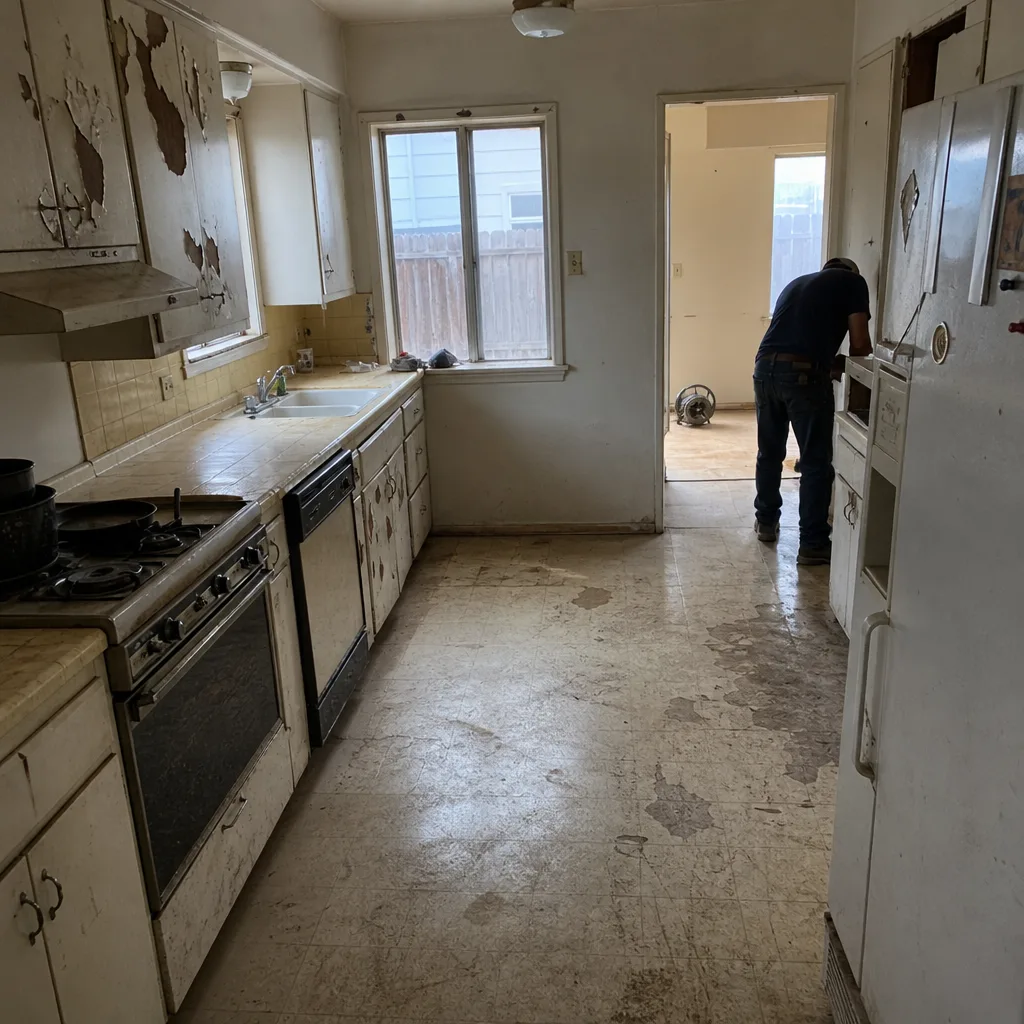 Before
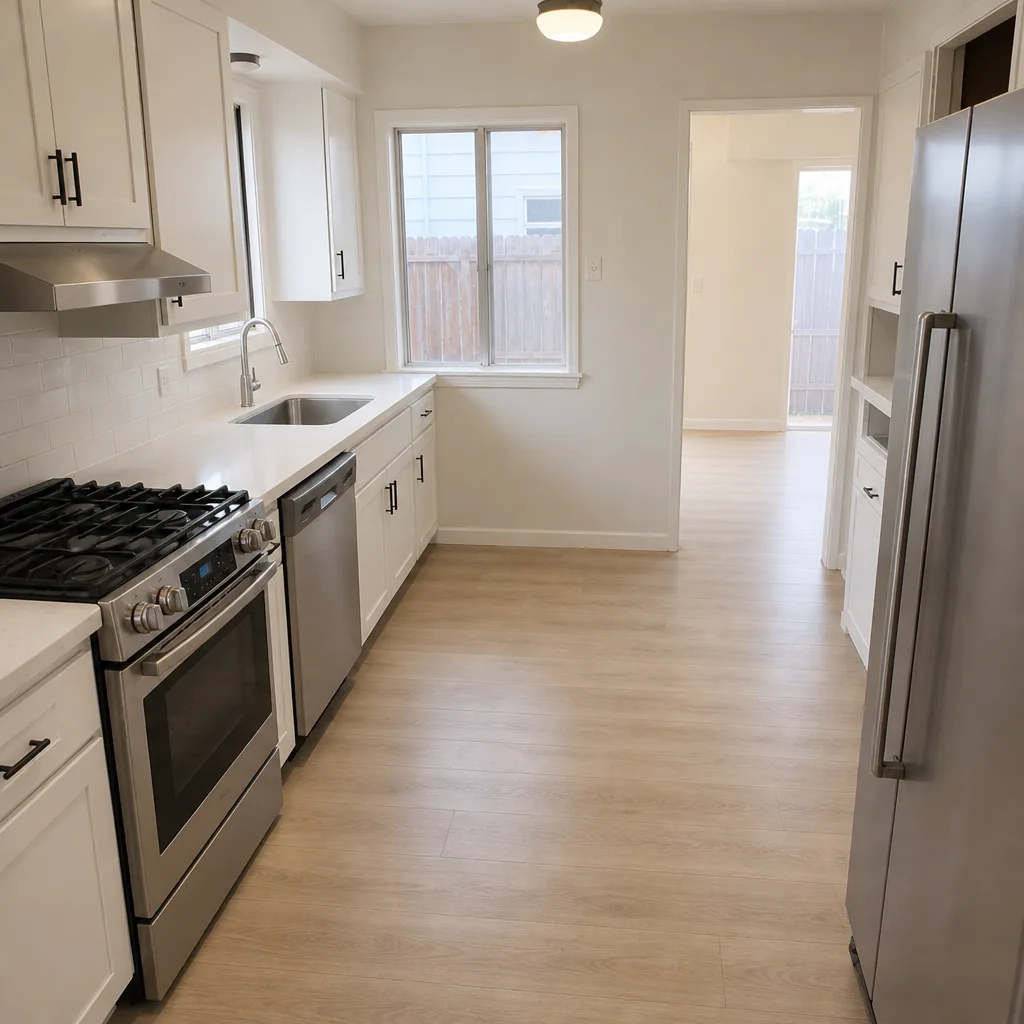 After
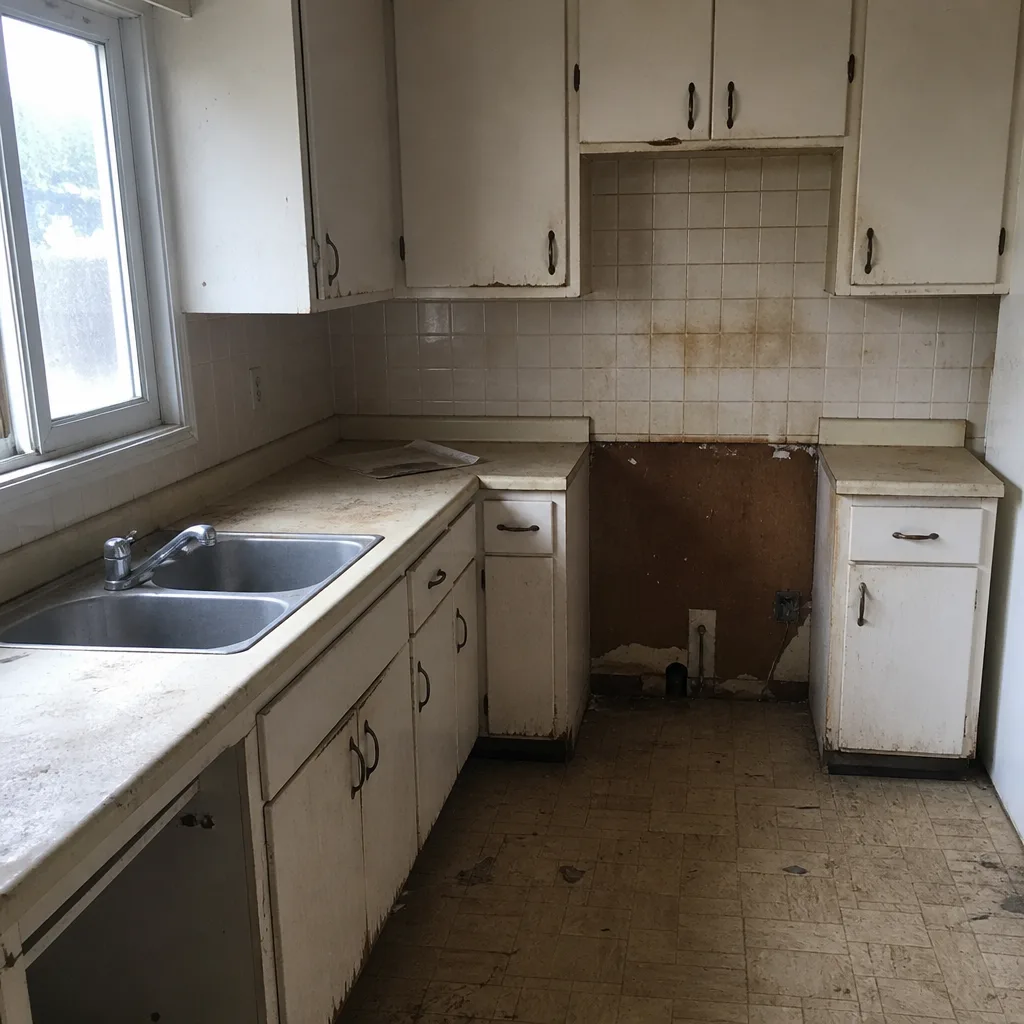 Before
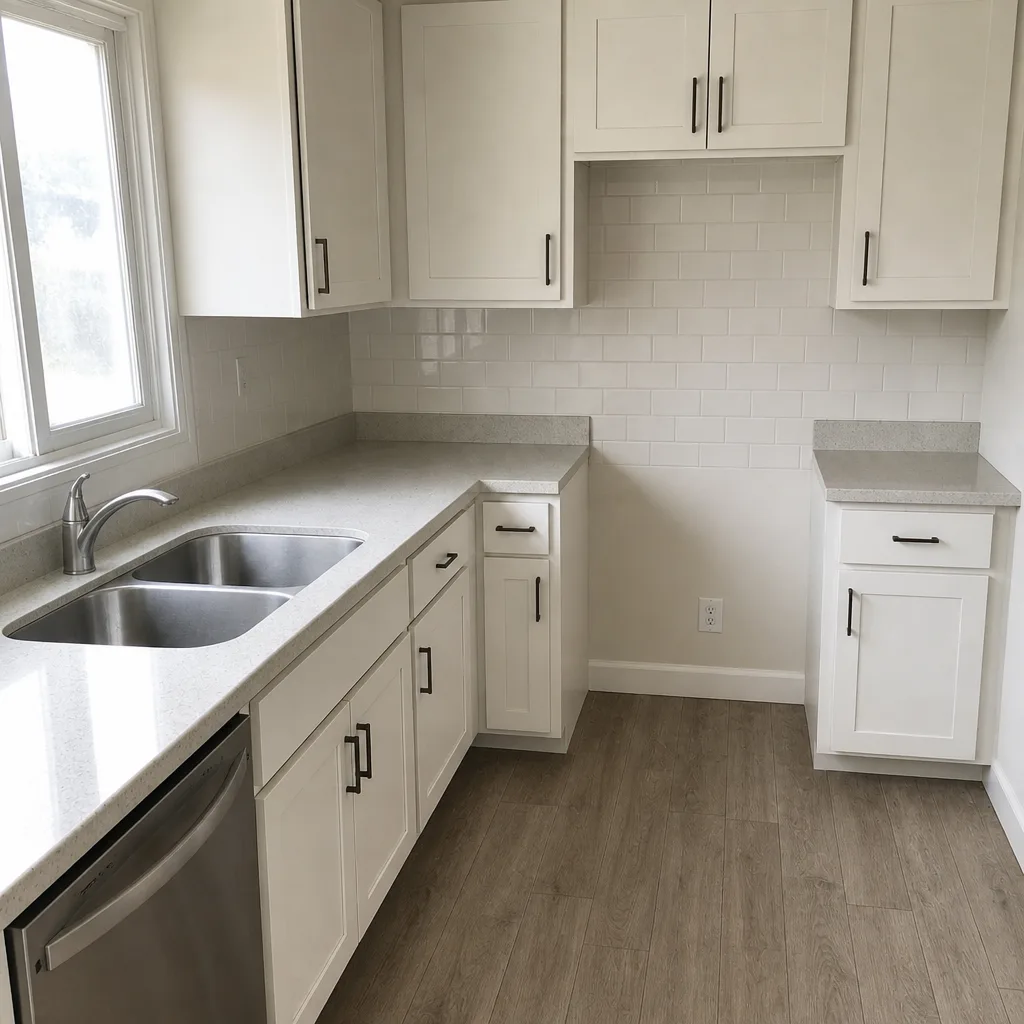 After
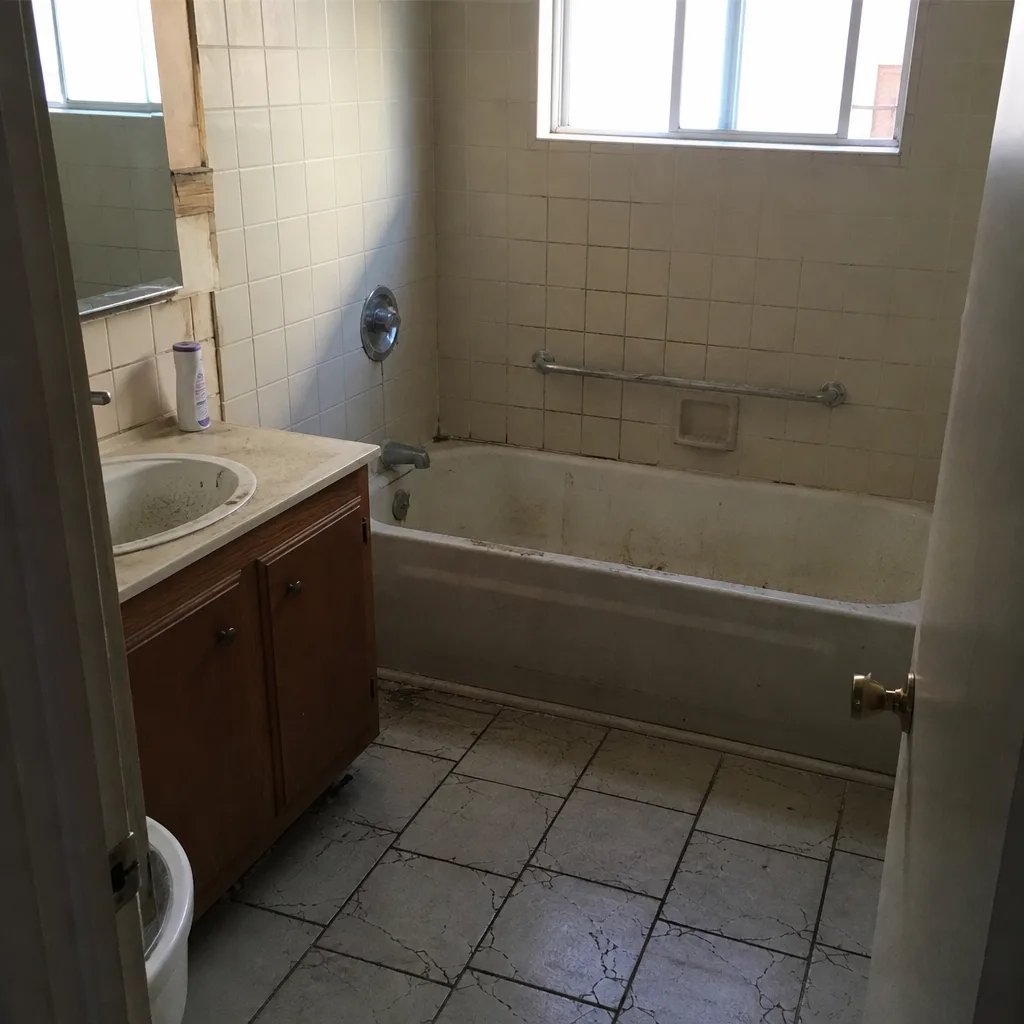 Before
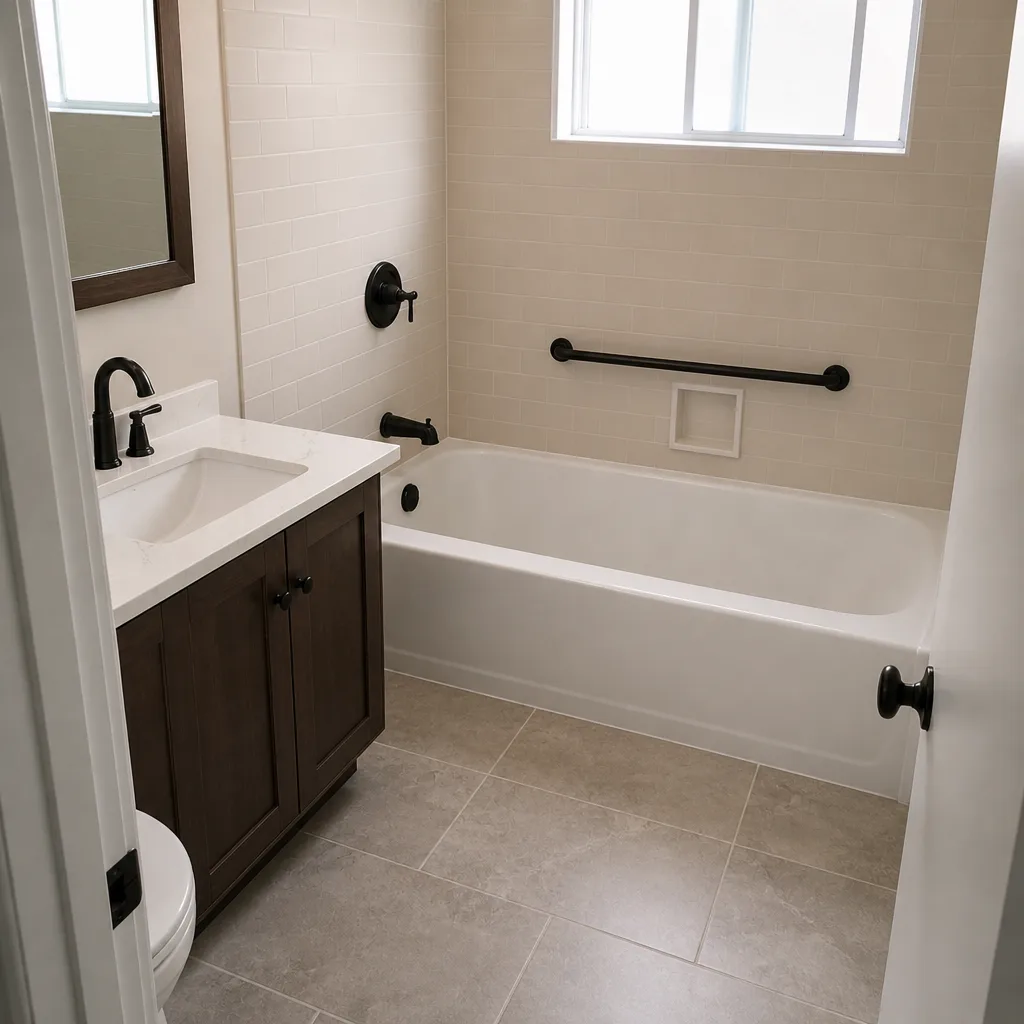 After
How to Fix a Sinking Driveway in Richmond, CA
The short answer: you fix a sinking driveway by stabilizing the ground under it, not just the slab on top. Fill the void or repave without addressing the base and the slab will drop again within a few years, especially in Richmond. In this city’s flatlands the problem usually isn’t drainage at all. It’s bay mud and industrial fill settling under your slab, and that changes which repair actually works. If your house sits in South Richmond or anywhere near the bay flats, call (833) 700-4611 and we’ll help you figure out what’s really going on before you spend a dime.
Key Takeaways
- Most sinking driveways in Richmond trace back to fill soil or bay-mud compression, not a surface defect.
- A soil probe or compaction test tells you whether you have fixable granular fill or movement that needs engineered sub-base work.
- There are three real fix paths, and picking the wrong one is how slabs sink again in two to three years.
- Upfront pricing from Groundwork Construction Co. of Richmond includes the site assessment, so the scope you’re quoted is the scope you get.
Why Richmond Driveways Sink More Than You’d Expect
If your driveway is sinking and your house is anywhere near the bay flatlands, you’re likely dealing with the same bay-mud and industrial-fill ground that’s been settling since the Kaiser Shipyard era. Richmond’s construction market carries a heavy-industrial legacy, and the soils show it. Lots that were filled and graded mid-century have been consolidating for decades. That settlement often shows up first as a crack or a dip in the driveway, but the driveway is the symptom, not the cause.
What makes this city different from El Cerrito or San Pablo is the paperwork. Lots near former industrial corridors can hold legacy contamination, and disturbing a failed sub-base there may trigger DTSC soil management requirements along with Bay Area Air Quality permits. That’s a layer of due diligence most how-to guides never mention. On the east side and near the waterfront, the soil under any lot may read as fill, which means testing before any foundation pour or deep excavation. We see the same pattern in older flatlands homes, where the “garage” on a 1940s bungalow is frequently an unpermitted shipyard-era conversion. The soil and the structure both tell a story here, and you have to read both.
Fog matters too. Wet winters and fog-belt moisture work their way under edges and into the wood framing that abuts a driveway, and low-lying flatland lots get standing water that softens the sub-grade season after season. None of that is solved by sealing the surface. For how we handle these ground conditions as part of a larger project, our Driveway & Pavers service covers the full picture.
What to Look For: Telling a Surface Problem From a Ground Problem
Before you pick a repair, figure out which kind of sinking you’re facing. Here’s how the two stack up, so you can tell what a contractor should be checking for.
| Symptom | Likely Cause | Right Fix Path |
|---|---|---|
| One isolated dip, no linear cracks | Local void under stable native soil | Polyurethane foam injection |
| Broad, even settling across the slab | Granular fill consolidating over time | Re-compaction plus new Class II base |
| Ongoing movement, cracks that reappear | Expansive clay or active bay-mud movement | Engineered slab-on-grade with deepened edge beams |
The three repair paths break down like this, and each one suits a different lot:
- Polyurethane foam injection works best for isolated voids sitting on stable native soil. It’s the least invasive option, and it lifts the slab back into place without tearing it out.
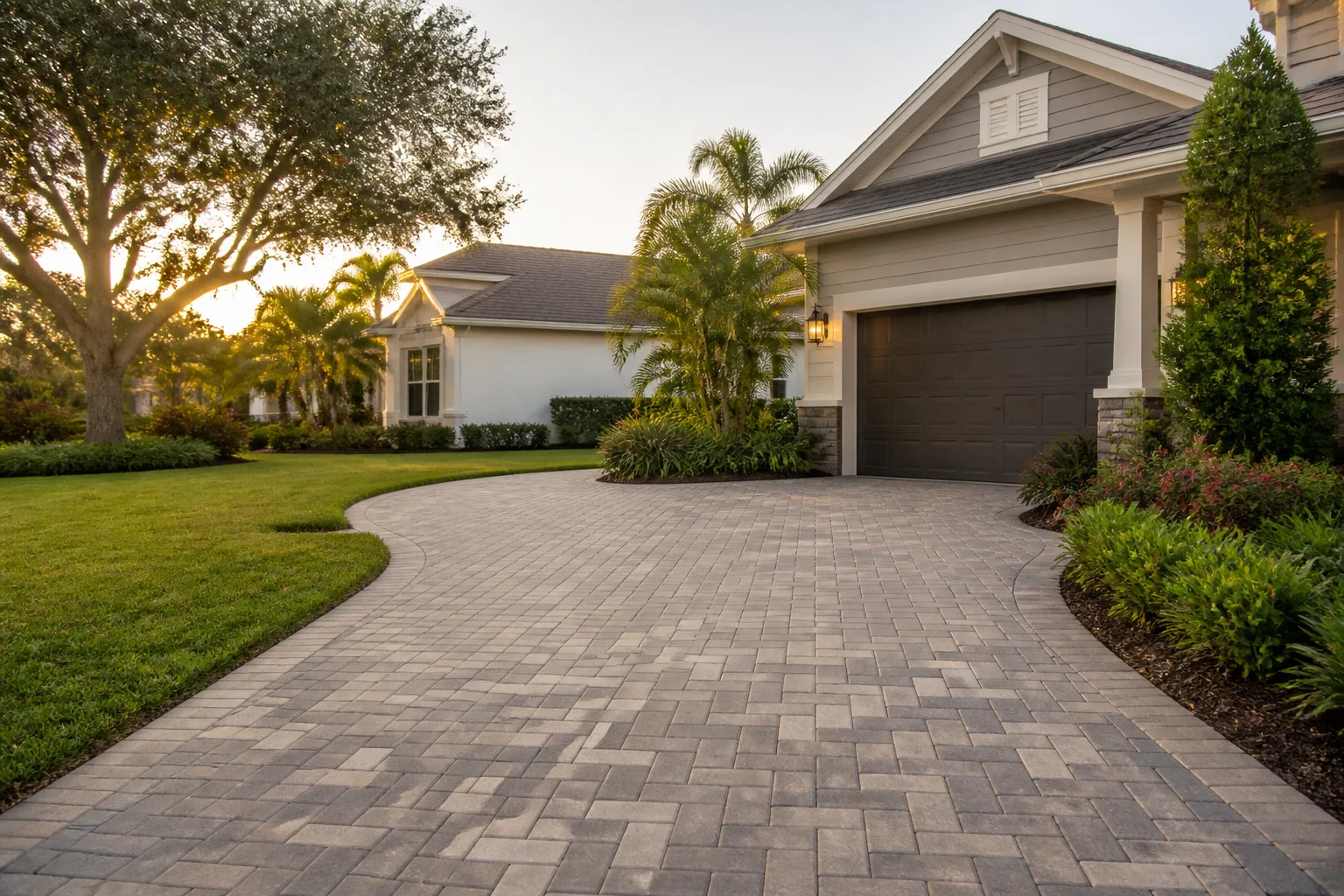
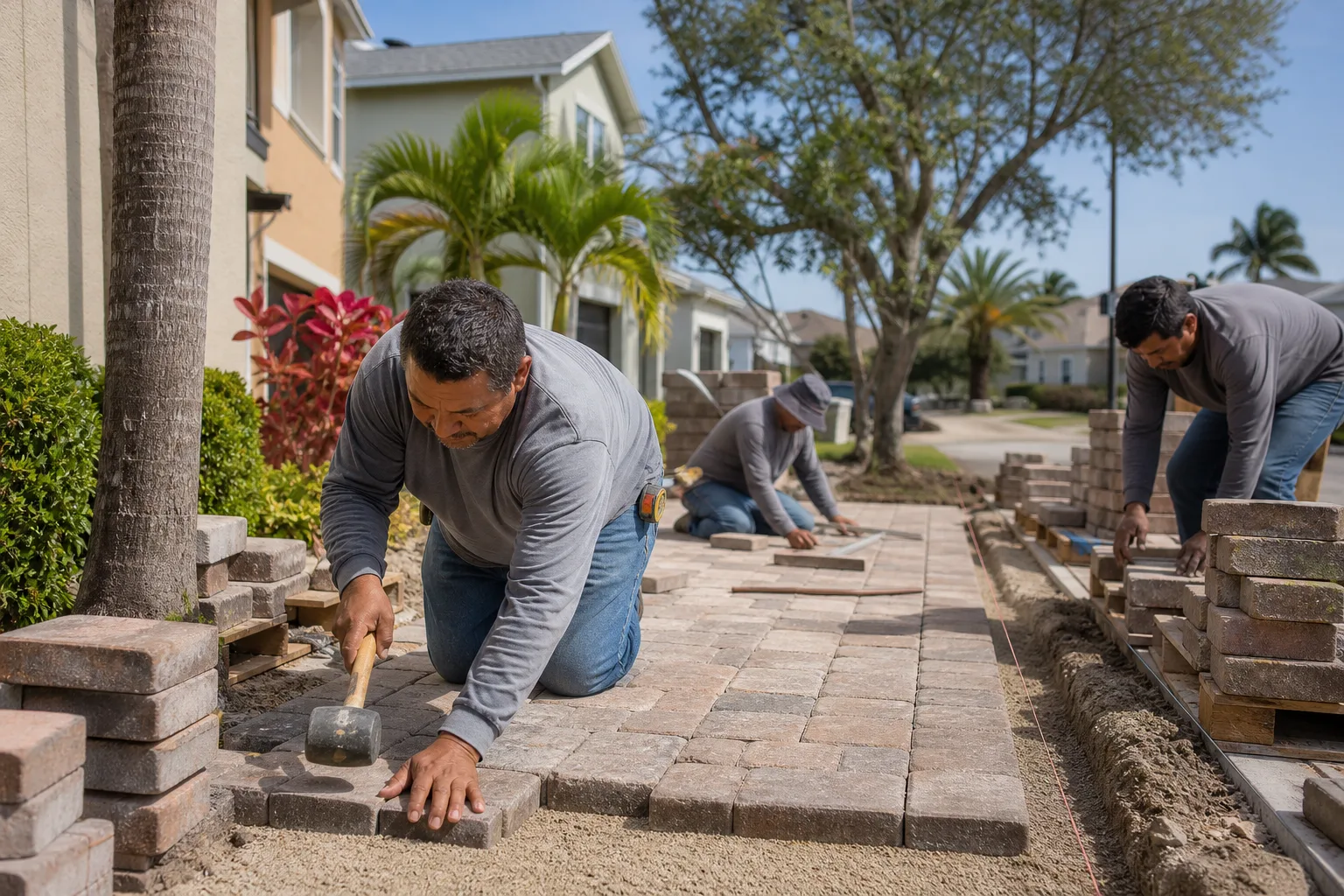
- Full sub-base re-compaction with new base rock is the correct answer for fill settlement. You pull the slab, compact what’s there, and rebuild with fresh Class II base before pouring new concrete. Paver surfaces from partners like Tremron or Techo-Bloc go back down on top of that stabilized base.
- Engineered slab-on-grade with deepened edge beams is what ongoing bay-mud movement calls for. When the ground beneath you is still shifting, the slab needs deeper footing at the edges so it can ride out the movement instead of cracking apart.
The only way to know which of these fits your lot is a soil probe or compaction test. That test tells you whether the sub-base is granular fill, which can be corrected with compaction and Class II base, or expansive clay and bay mud, which needs a geotechnical plan or deeper imported fill. Skipping that step is how a “repaired” driveway fails again in two to three years. We’d rather confirm the ground conditions first than hand you a bid that looks great until the slab drops in the second spring.
How We Handle It, and What It Costs in Richmond
Our upfront pricing includes a site assessment that identifies sub-base conditions before we quote repair versus replacement. That matters to your wallet. You won’t get a mid-project scope-change invoice because we found bay mud where somebody assumed stable fill. Every project we take on is covered by the 730-Day Done Right Promise, and if the workmanship isn’t right, we make it right. Our technicians have up to 12 years of experience, and they’re background-checked and arrive in uniform on every job.
For budgeting, here’s where the common options land across Richmond. If your assessment points toward a full rebuild with new surface material, Driveway & Pavers in Richmond walks through how we scope that work.
| Repair or Replacement | Typical Richmond Cost |
|---|---|
| Driveway Sealing | $250-$700 |
| Driveway Replacement | $5,000-$14,000 |
| Asphalt Driveway Paving | $3,500-$9,000 |
| Concrete Driveway Installation | $4,500-$12,000 |
| Paver Driveway Installation | $7,000-$18,000 |
First-time callers are often surprised that the best fix isn’t always the priciest. Sometimes foam injection handles the whole problem. Sometimes it’s a full rebuild because the fill underneath has been settling since the 1950s. What we won’t do is quote one before we’ve confirmed the other.
Frequently Asked Questions
Yes. If the sinking is isolated and the native soil underneath is stable, polyurethane foam injection lifts the slab back into place and costs far less than a full replacement. The catch is confirming the soil underneath is actually stable. On Richmond’s flatland lots, where fill and bay mud are common, an isolated dip doesn’t always mean stable ground. A compaction test is the only way to know before you commit to the cheaper path.
Because the repair treated the surface and left the ground underneath untouched. When fill settles or bay mud keeps moving, patching the slab just resets the clock. In our experience, driveways that sink again within two to three years almost always sit on sub-base that was never stabilized. Call (833) 700-4611 and we’ll take a look at the base before you pay to fix the same crack twice.
Yes, and it’s not a small one. Richmond’s industrial legacy means lots here are routinely underlain by mid-century engineered fill or bay mud, and some parcels near former industrial corridors trigger testing before any excavation disturbs them. El Cerrito and San Pablo lots usually don’t carry that same burden. That’s why we assess the sub-base before quoting rather than pricing a standard replacement and hoping it holds.
Most repairs fall between $250 and $700 for sealing work, while a full driveway replacement runs $5,000-$14,000 depending on material and how deep the ground problem goes. Concrete often lands in the $4,500-$12,000 range, and pavers from $7,000-$18,000. Your actual number depends on sub-base conditions, which is why we assess before we quote. The estimate is free – call (833) 700-4611 for a firm figure.
Ready to Stop the Sinking?
If you’d rather have it looked at than dig into it yourself, Groundwork Construction Co. of Richmond offers a no-pressure assessment. Our team evaluates the sub-base, explains your repair versus replacement options, and gives you upfront pricing with no surprises. Financing is available at 0% for 18 months, and projects over $10,000 get $1,000 off. Call (833) 700-4611 to get started, or visit our home page to see the full range of what we do.
Written by the team at Groundwork Construction Co. of Richmond, serving Richmond, CA.