Free written scope consultation - allowances, timeline, and change-order rules on paper before a single trade is scheduled
Styles & brands we work with
- Kitchen remodeling
- Bathroom remodeling
- Home additions & ADU
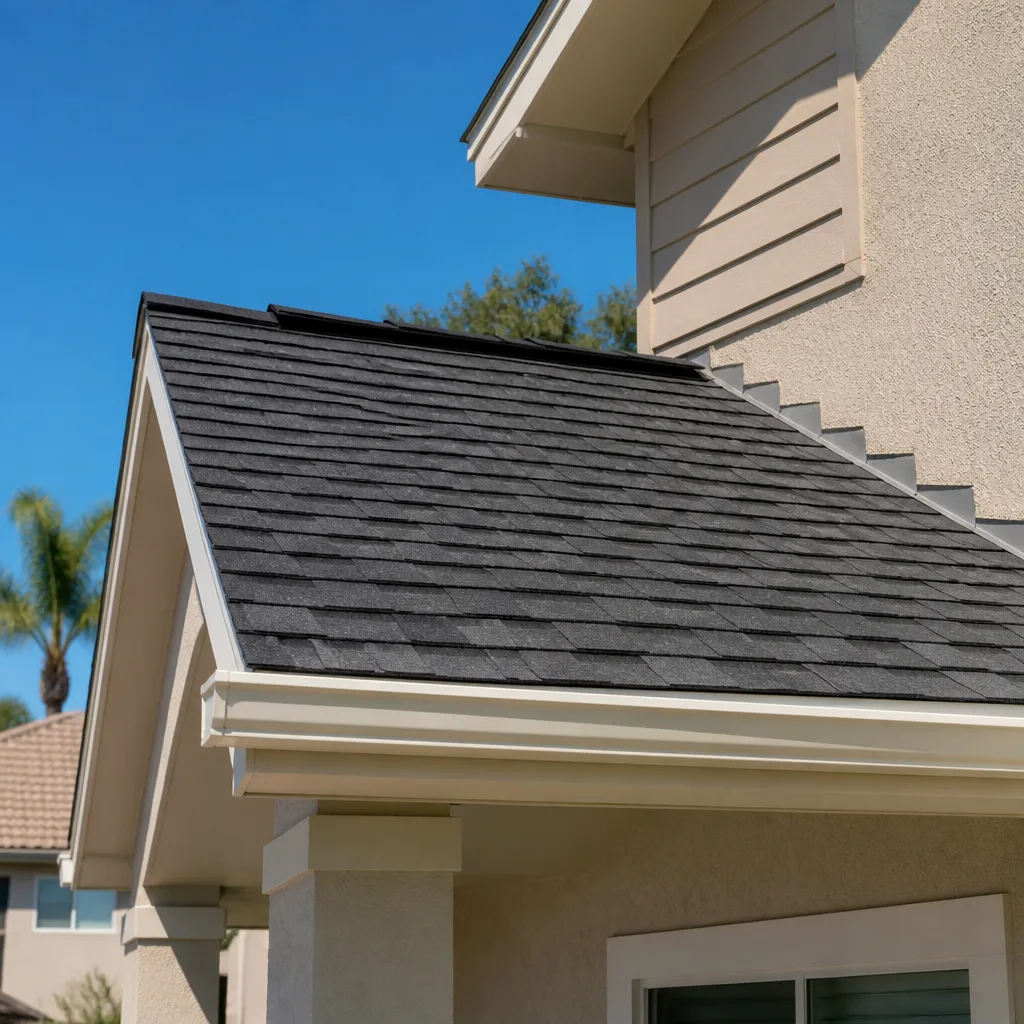
- Roofing
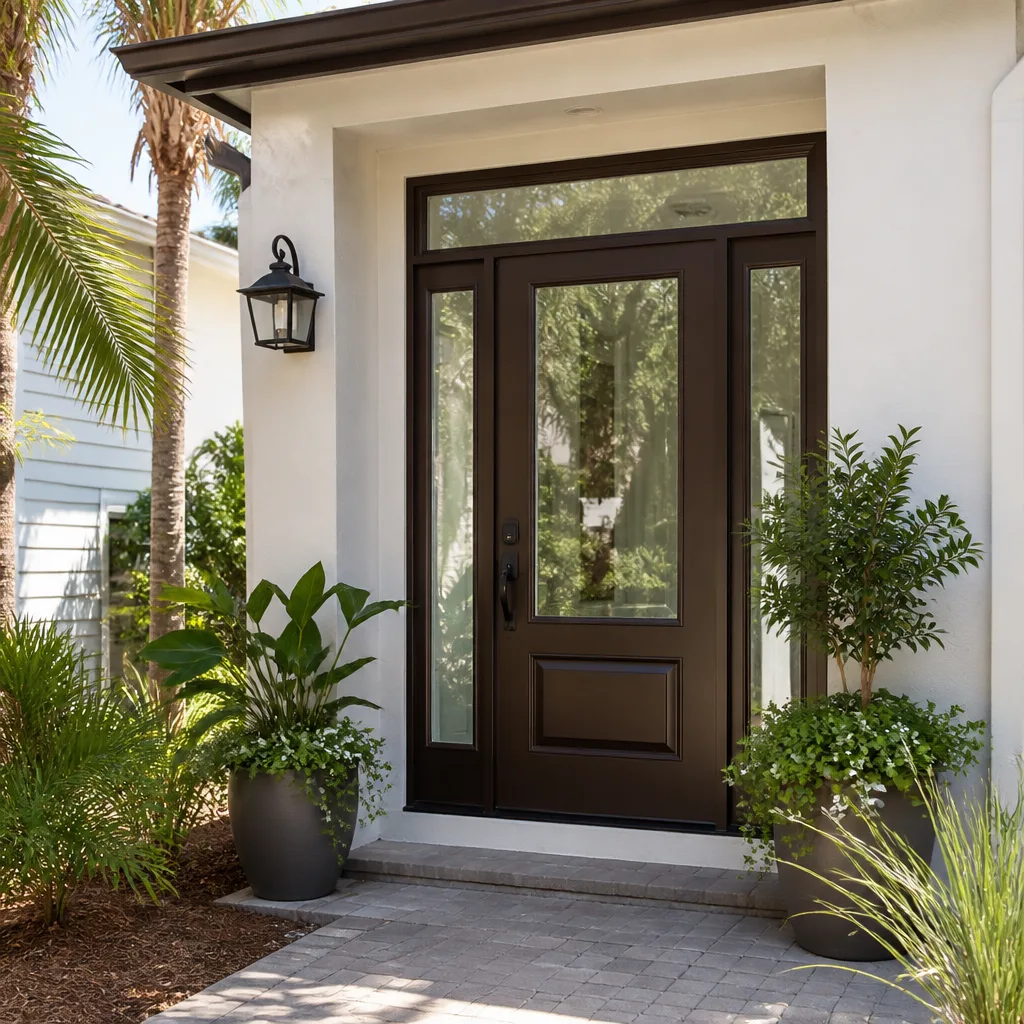
- Windows & doors
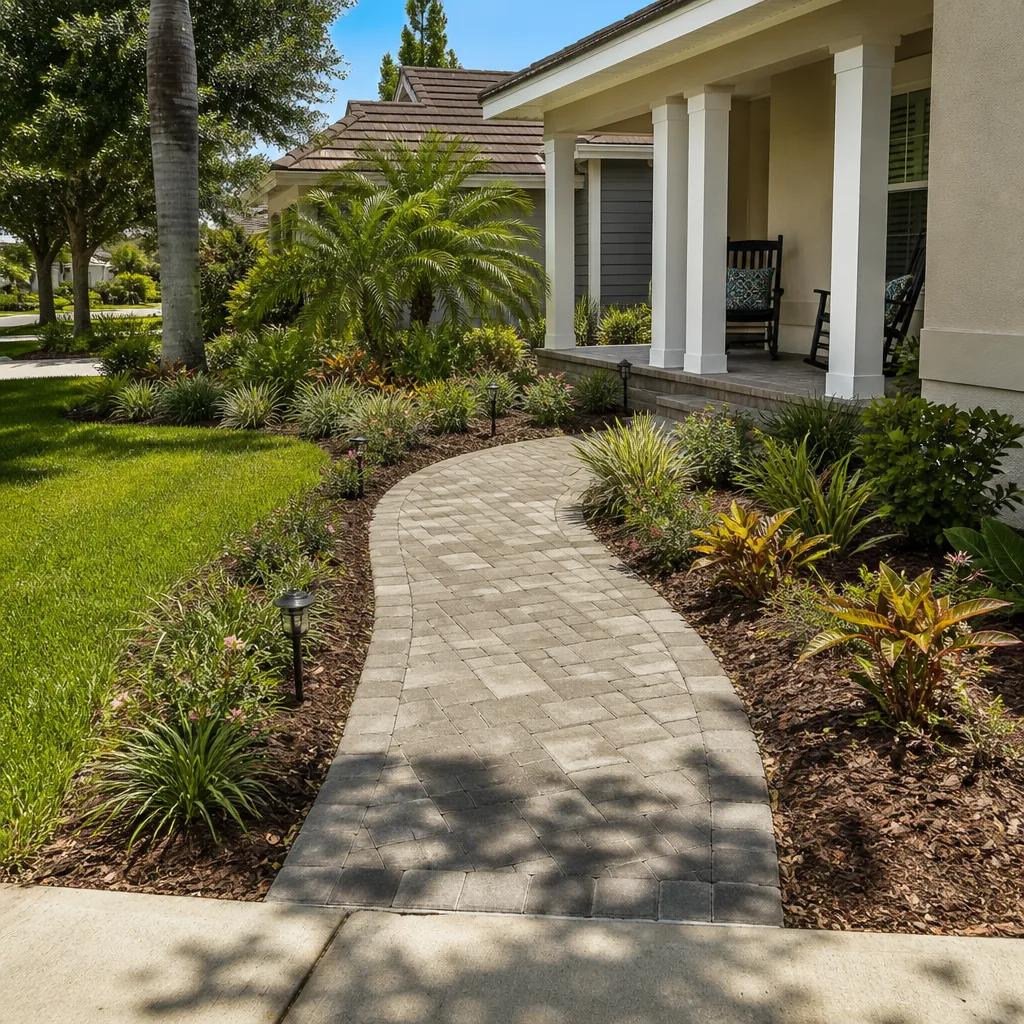
- Driveway & pavers
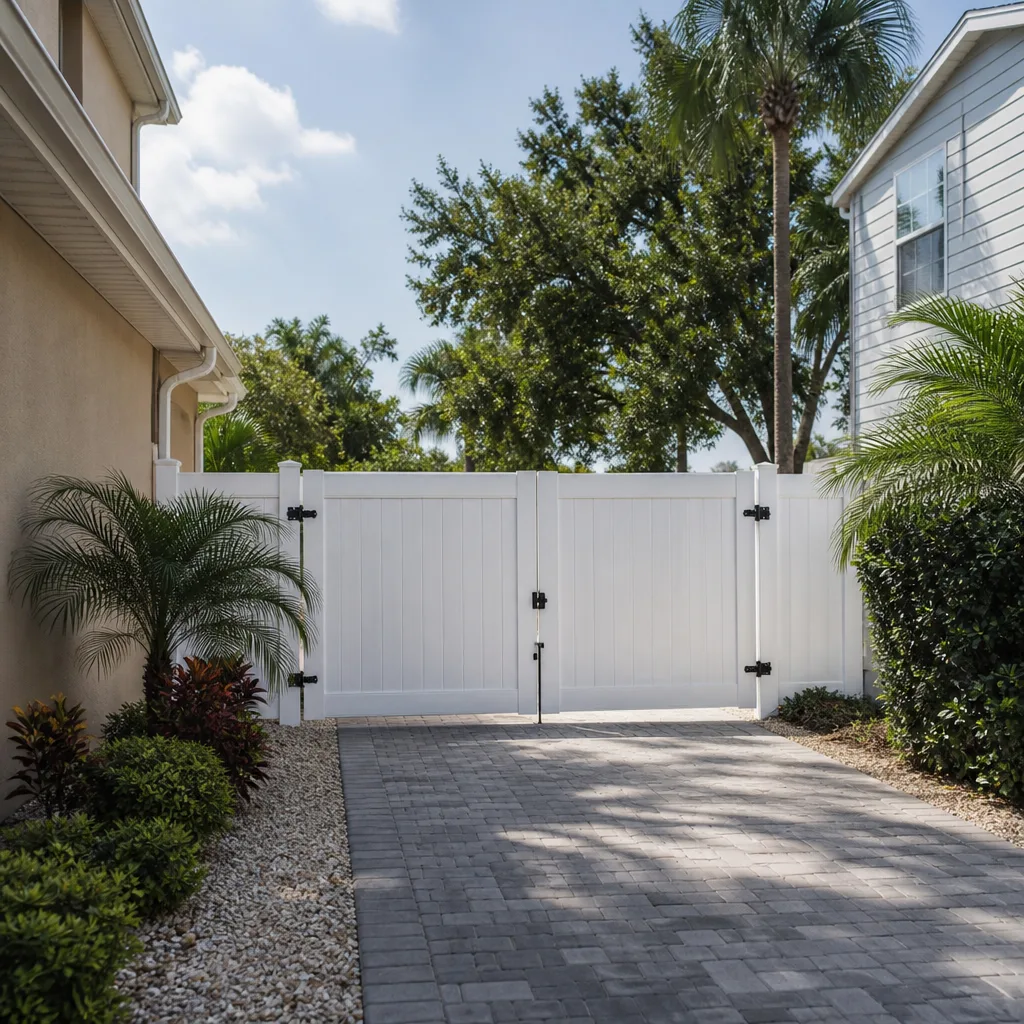
- Fence
See the difference
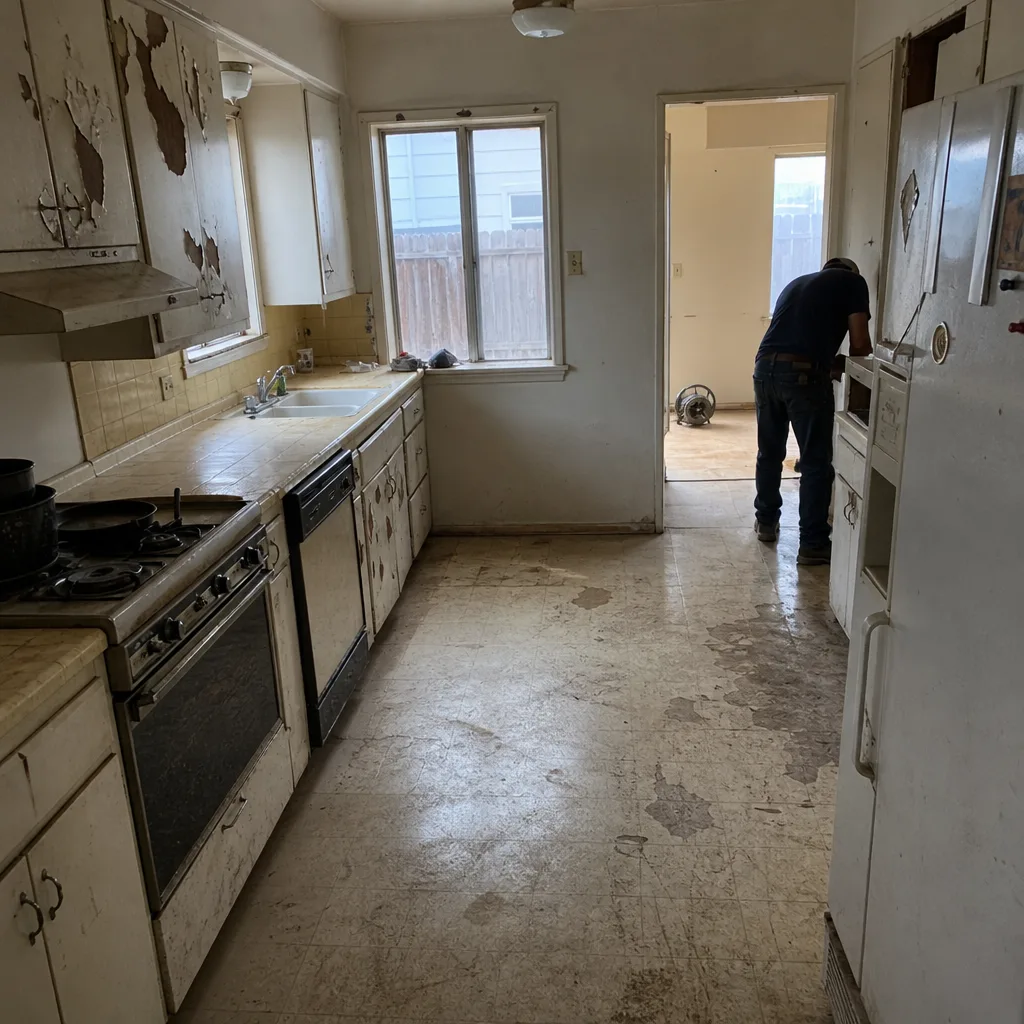 Before
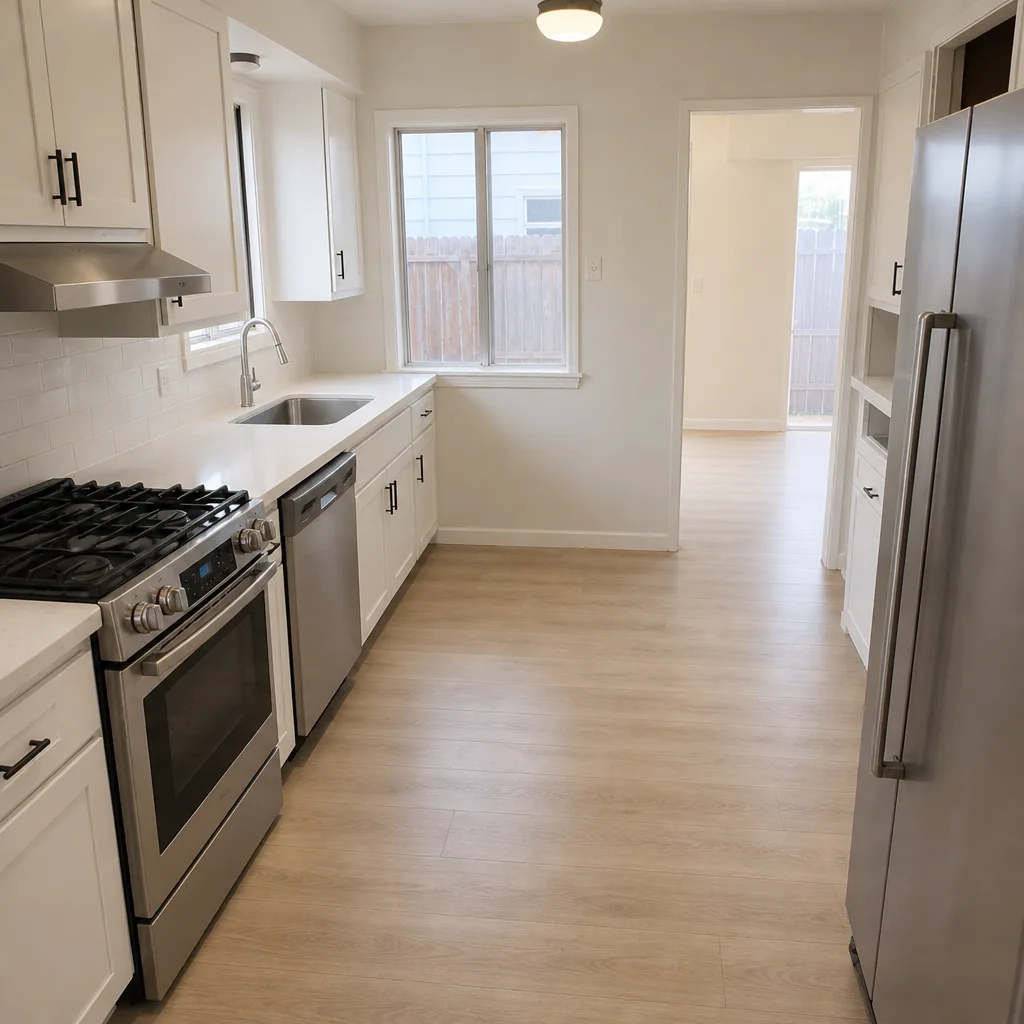 After
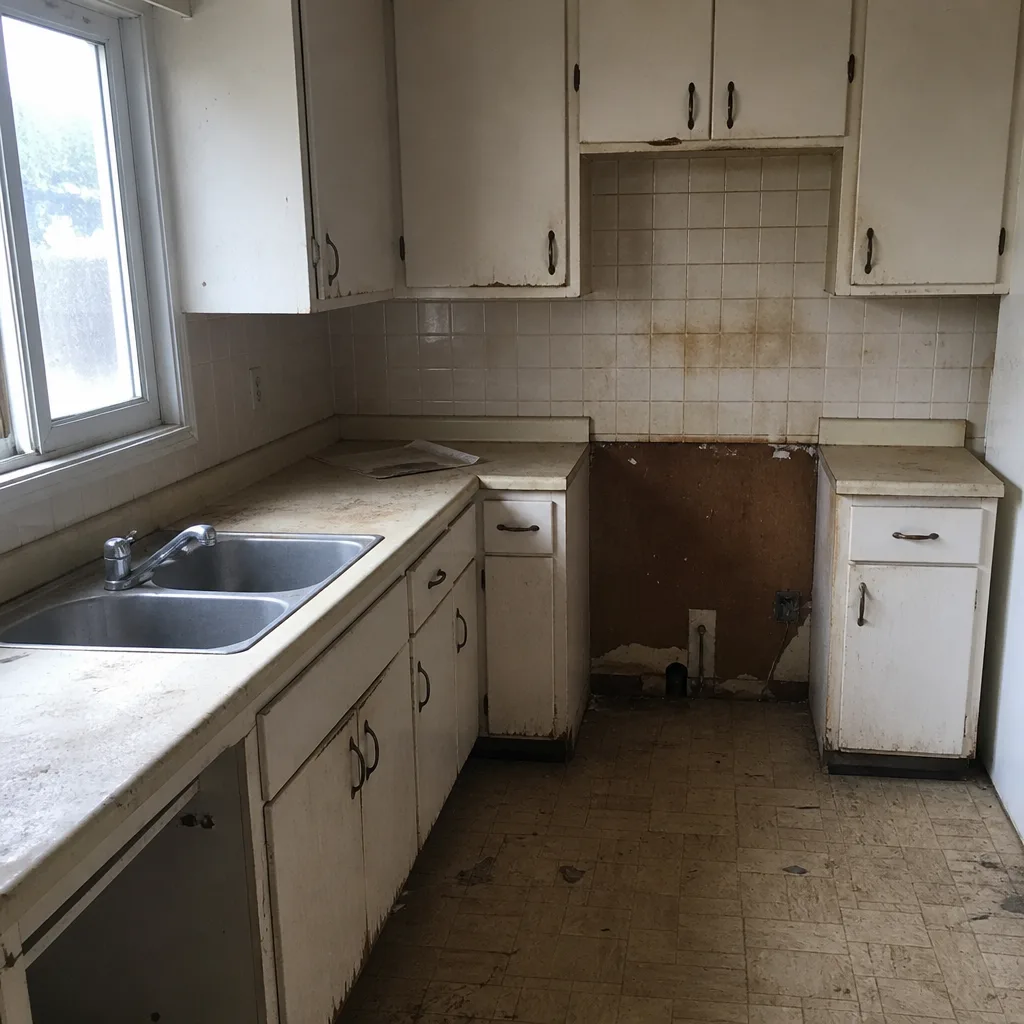 Before
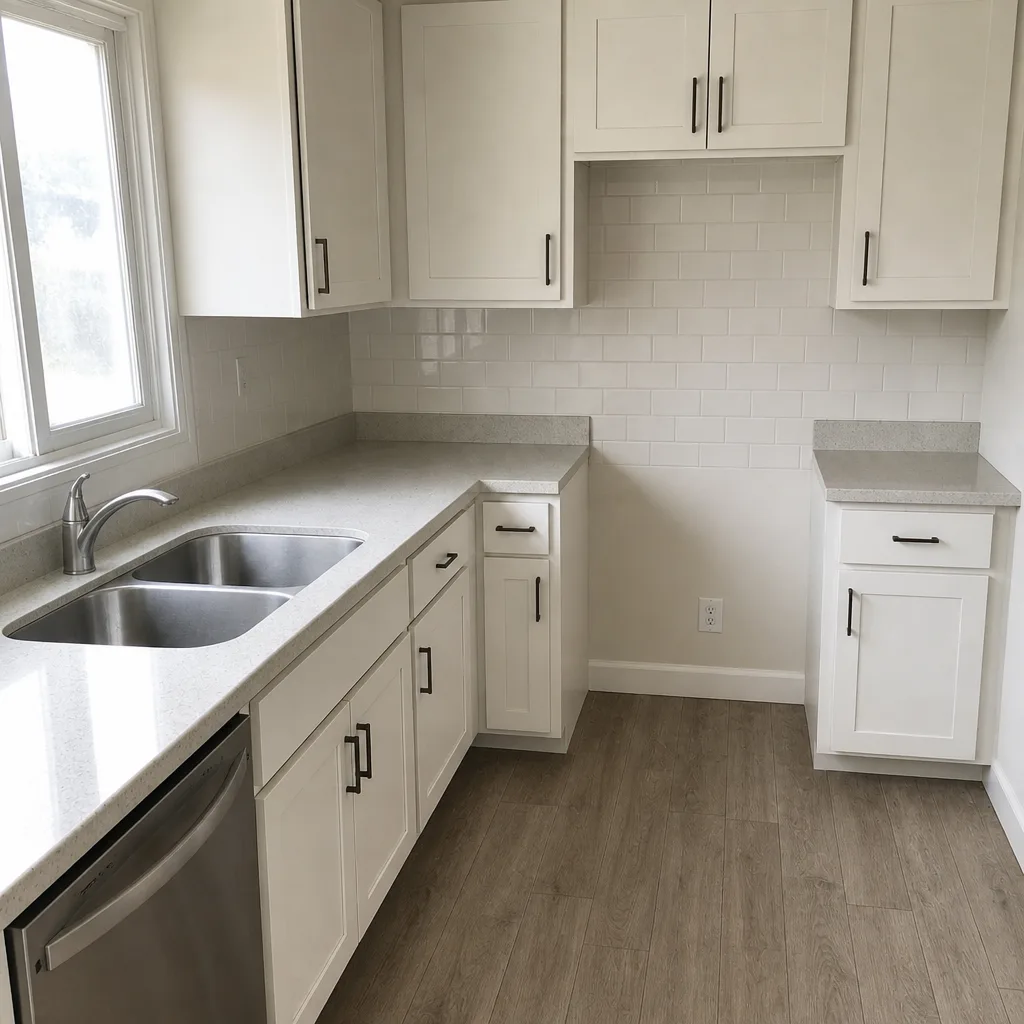 After
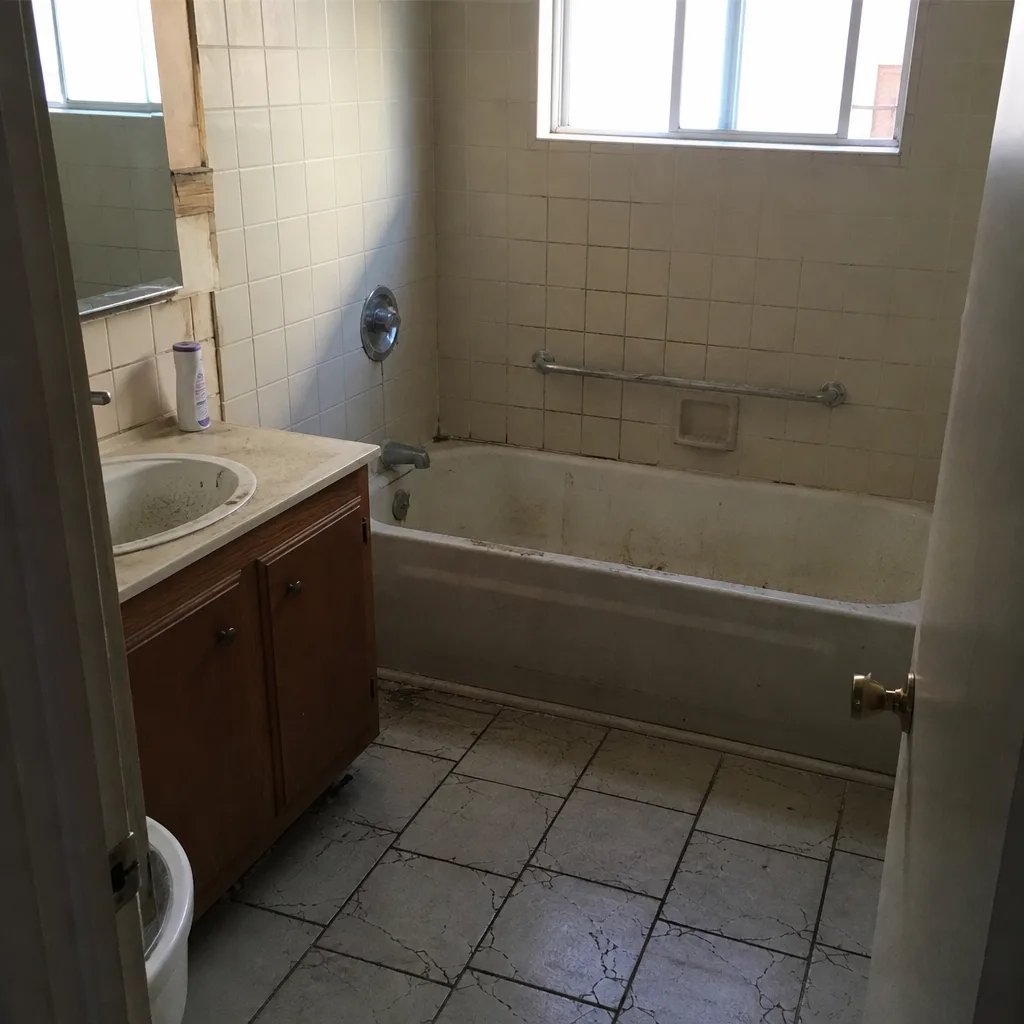 Before
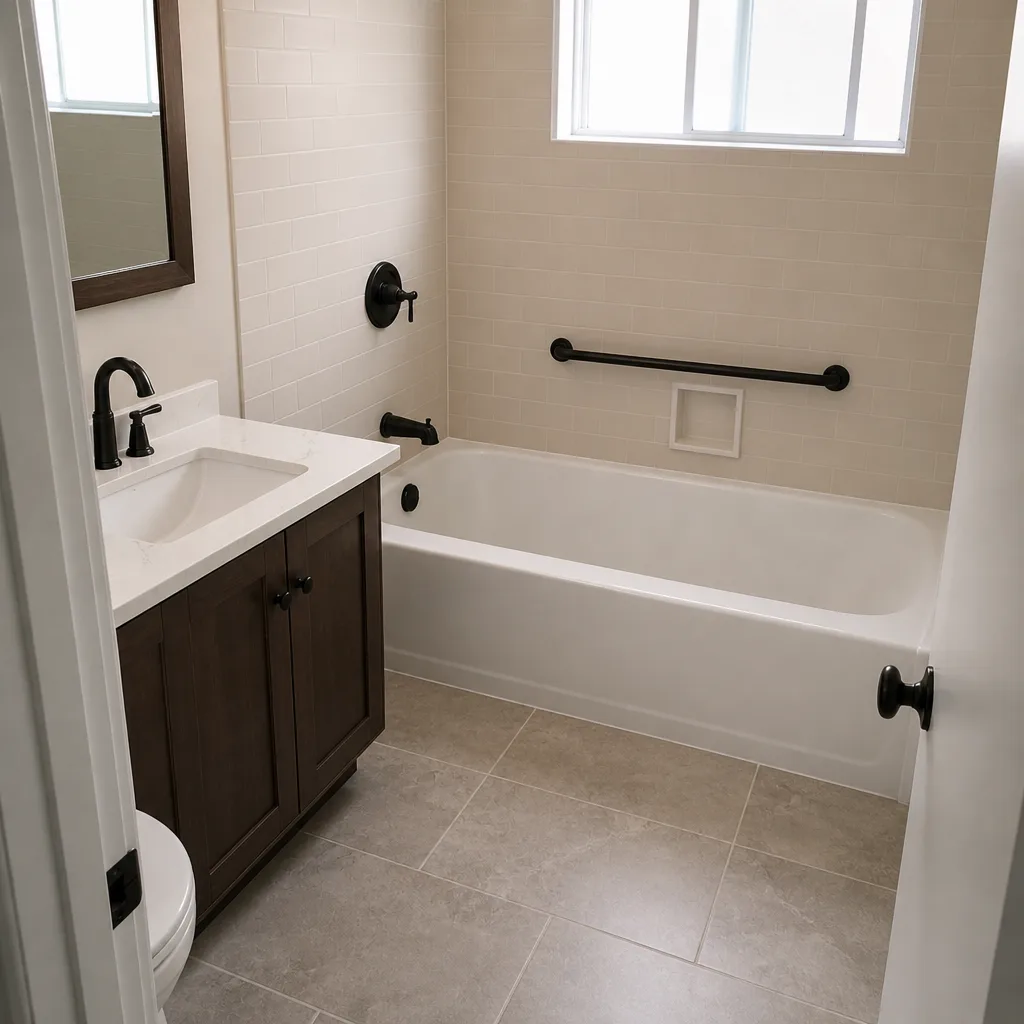 After
What ADU Permits Actually Cost in Richmond, CA (And Why Your Neighbor’s Number Won’t Match Yours)
Plan on roughly $5,000-$12,000 in city permit fees for a standard residential ADU in Richmond, CA. Add another $3,000-$9,000 if your lot sits on former fill or industrial land and the city engineer requires soil testing and a management plan before foundation approval. Total ADU budgets in Richmond typically land between $45,000 and $130,000 before finishes. That spread is real, and it’s driven by soil, not square footage. Call us at (833) 700-4611 and we’ll walk you through which of these layers apply to your address.
Here’s the part that trips people up. The City of Richmond publishes its permit fee schedule. What it doesn’t publish is the cascade of environmental reviews that kick in on certain lots. If your property sits near the old Kaiser Shipyards footprint or along a refinery corridor, disturbance of soil can trigger Department of Toxic Substances Control review and Bay Area Air Quality Management District permits. Those costs are not on the standard schedule.
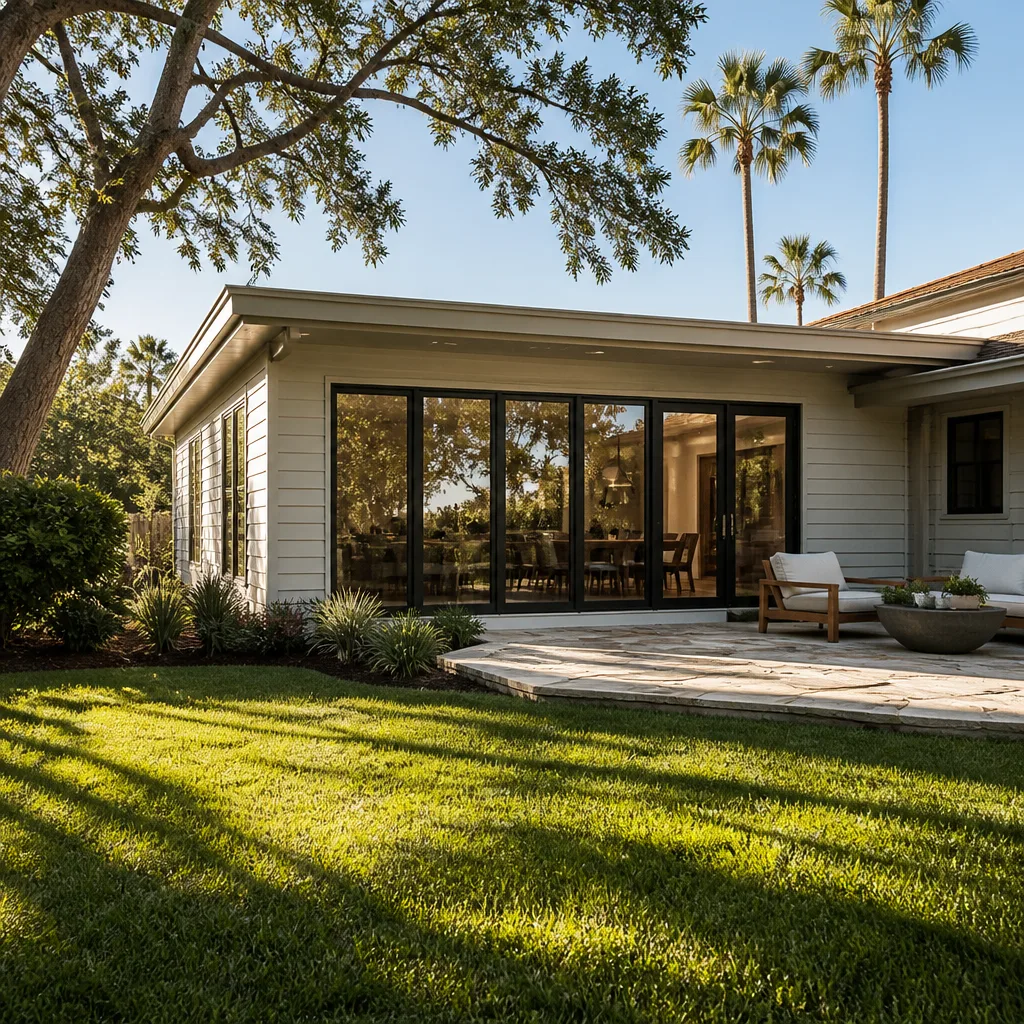
Why Richmond ADU Permits Cost More Than the Guide You Read Online
Generic California ADU permit guides are written as if every lot is clean dirt and every structure was built with a permit. Richmond breaks both assumptions.
Start with soil. Swaths of former Kaiser Shipyards property and refinery-adjacent ground carry a heavy industrial legacy. Contractors working here routinely deal with contaminated soil, buried fuel tanks, and fill soils that require a soil management plan. Neighboring cities like El Cerrito or San Pablo homeowners rarely touch this layer. In Richmond, it can double your permitting budget if your lot reads as fill.
The Point Molate and former naval waterfront adds a second wrinkle. Bay-mud fill, erosion, and decades-old infrastructure make site work a different animal than a typical East Bay residential lot. Foundation engineering for an ADU there is not a copy-paste job.
Then there’s the housing stock. Richmond’s older flatlands, especially the Iron Triangle and South Richmond, are full of 1910s-1940s shipyard-worker bungalows. Many have unpermitted 1940s-70s additions tucked onto the back of the house. If that’s your situation, you’re looking at a legalization permit on top of the ADU permit. That’s a double-fee situation most cost guides never mention.
The Full Permit-Cost Layers for a Richmond ADU
Here’s what actually shows up on a Richmond ADU permit ledger. Costs vary by scope and address, but this is the shape of it.
| Permit or fee layer | Typical Richmond range |
|---|---|
| Standard building permit (ADU) | $5,000-$12,000 |
| Planning department review | Included in standard permit or minor add-on, varies by design review |
| School impact fees | Capped under state law for ADUs under 750 sq ft; larger units assessed separately |
| Utility connection fees (sewer, water, electrical) | Quoted by East Bay Municipal Utility District and PG&E at plan stage |
| Soil testing + management plan (industrial-legacy lots) | $3,000-$9,000 |
| DTSC / BAAQMD environmental review (if triggered) | Varies with site; quoted after soil report |
| Legalization permit (unpermitted prior addition) | Additional permit, priced after inspection |
State law caps part of this. AB 2221 and SB 897 preempt certain local fees, and the legislature has pushed to limit impact fees on ADUs under 750 square feet. What’s capped: school impact fees and some utility charges tied to smaller units. What’s not capped: soil testing, environmental review, DTSC and BAAQMD permits, and legalization work on an existing structure. Those sit outside the preemption and can swing your number by thousands.
So the checklist homeowners should bring to any contractor conversation looks like this:
- Is my lot flagged as former fill, shipyard, or refinery-adjacent on city maps?
- Does my property have any unpermitted addition that predates 1980?
- Has a soil test been pulled for this parcel within the last decade?
- Which of my fees fall under the AB 2221 / SB 897 cap, and which don’t?
- What’s the realistic timeline for a planning callback from the Richmond permit office?
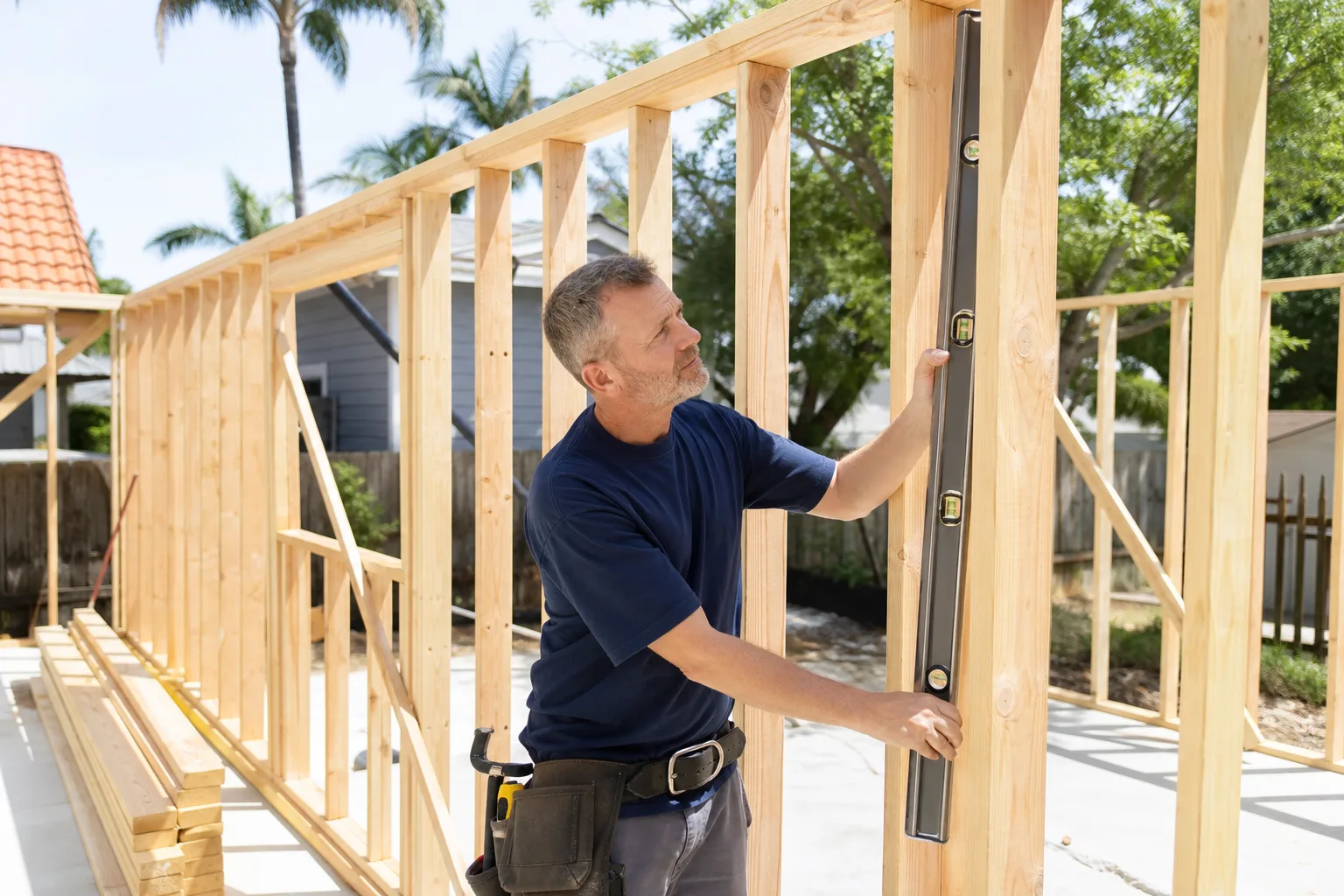
What a Richmond ADU Actually Costs Beyond Permits
Permits are one line. The build is the rest. Most Richmond ADU projects land in the $90,000-$220,000 range for full construction, and a garage conversion runs $30,000-$80,000. Full home additions sit between $45,000 and $130,000.
Groundwork Construction Co. of Richmond coordinates the full scope, from the initial site assessment through final inspection, so you’re dealing with one accountable team rather than juggling a designer, a soil engineer, a permit runner, and a builder separately. Our technicians have up to 12 years of experience, and every project is backed by our 730-Day Done Right Promise. If it’s not done right, we make it right.
We also bring in brand partners homeowners know: Cambria surfaces for the interior finishes, Kohler fixtures for the kitchenette and bath, and other verified names across the trades. You’re choosing quality, not whatever’s in stock that week. The full breakdown of our build scope lives on the Home Additions & ADU page, and the Richmond-specific version is at Home Additions & ADU in Richmond.
Why a Live Answer Matters When Permits Get Time-Sensitive
Richmond’s permit office runs on callback windows. Miss one and you lose a week. That’s why our phones are answered by a live person 24/7. No voicemail, no waiting until Monday. When a plan-check reviewer needs a clarification and you need to reach us before the window closes, we pick up.
It’s a small operational thing that becomes a big deal around permit timing. Same goes for cost questions. Upfront pricing, no surprises means the number you see is the number you pay, and the number includes the permitting layers we’ve already mapped for your lot.
Same-day responsiveness applies to other projects too. If you’re also thinking about the kitchen, a bathroom, a roof replacement, windows and doors, a fence, or driveway and pavers, we run those with the same team and the same 730-Day Done Right Promise.
Homeowners outside Richmond will find nearby pages for El Cerrito, San Pablo, and Albany, and the general Home Additions & ADU overview is a good starting point for anyone new to the ADU process. If you’re still early and want budget signals before permits, our Richmond kitchen remodeling page shows how that trade runs $14,000-$45,000 for a full remodel and $9,000-$20,000 for a smaller one.
Common Local Scenarios We See on Richmond Lots
A 1940s South Richmond bungalow with a bonus room behind the kitchen usually has a shipyard-era conversion on the record as unpermitted. The ADU permit can’t move forward until that gets legalized. Budget for two permits, not one.
A Parkview or Verde stucco tract home from the 1950s-60s typically has clean soil and clean records. That’s the simpler case, and the permit ledger looks closer to the $5,000-$12,000 base.
Richmond Heights or El Sobrante-fringe ranches often sit on the edge of fill. Fog-belt moisture from the bay pushes rot into south and west-facing wood, and drainage on the low flatlands near the water exposes foundation issues that come up during site work. That’s a soil plan trigger, not a design-choice trigger.
FAQs About ADU Permit Cost in Richmond
A standard residential ADU permit in Richmond runs $5,000-$12,000 in city fees. Add $3,000-$9,000 if soil testing and a management plan are required before foundation approval, and plan for extra if DTSC or BAAQMD environmental review kicks in on your lot. Call (833) 700-4611 for a lot-specific estimate, and the free project estimate and design consult gives you a real number before you commit.
Partially. AB 2221 and SB 897, along with the legislature’s ADU fee limits, cap certain local fees, including school impact fees and some utility charges tied to ADUs under 750 square feet. Soil testing, environmental review, DTSC and BAAQMD permits, and legalization permits are not capped. Those sit outside the preemption, so a lot that triggers them pays more.
Usually yes. Richmond’s older flatlands are full of unpermitted 1940s-70s additions, and the city generally requires a legalization permit before an ADU permit will be approved on the same property. That’s a double-fee situation most ADU cost guides don’t disclose. Call (833) 700-4611 and we’ll tell you how to check your property record.
Timelines depend on the permit type and whether a soil plan is required, so expect the environmental review path to run longer than a clean-lot standard permit. The best speed-up available is submitting a complete package the first time and answering plan-check questions same day. That’s why our phones are answered by a live person 24/7. Call (833) 700-4611 for a realistic timeline on your address.
Ready to Get a Real Number on Your Richmond ADU?
Permits are the part of ADU budgeting most contractors skip past. We don’t. Book a free estimate and design consult at (833) 700-4611 and we’ll walk your lot, map every fee layer that applies, and hand you a number with no surprises. 0% financing for 18 months and $1,000 off projects over $10,000 are available. From foundation to finish line, the work is backed in writing by our 730-Day Done Right Promise.
Written by the team at Groundwork Construction Co. of Richmond, serving Richmond, CA.
What Our Customers Say
"The schedule he gave me at the start was accurate to within four days on a three month job. Anyone who has done a renovation knows how unusual that is."
- Laura Bennett"He pulled the permits himself, scheduled every sub and ran the inspections. I made one decision a week and otherwise stayed out of it, which is exactly what I was paying for."
- Robert Sullivan"Change orders were written down and priced before the work happened, every single time. No surprise at the end."
- Keisha Robinson