Last updated November 18, 2026






Free written scope consultation - allowances, timeline, and change-order rules on paper before a single trade is scheduled
Construction Permits, Codes & Inspections in CA: What You Need to Know
An unpermitted addition in California doesn’t just risk a stop-work order – it can make your home uninsurable, unsellable, and legally your liability even if a contractor told you to skip it. That’s the part most homeowners don’t hear until it’s too late. This guide is written by a Richmond contractor, not by a permit clerk who’s never watched a homeowner discover a phantom bathroom on the county record at the eleventh hour. We’ll cover which California projects always require permits, how the Contra Costa County inspection sequence actually works, what happens when unpermitted work surfaces during a sale or refinance, and where Title 24, zoning, and structural code trip up Richmond homeowners most often.
Quick Answer
In California, any project that touches structural framing, electrical, plumbing, mechanical systems, or changes the footprint, roofline, or use of a structure requires a permit – no matter how small the job. Richmond projects fall under Contra Costa County and City of Richmond building departments, and skipped permits can block a property sale, trigger a stop-work order, and leave you carrying liability a contractor should have. A licensed contractor pulling permits with the proper inspections on record is the only version of “it’s fine” that actually holds up.
Styles & brands we work with
- Kitchen remodeling
- Bathroom remodeling
- Home additions & ADU
- Roofing
- Windows & doors
- Driveway & pavers
- Fence
Table of Contents
- Which California Projects Always Require a Permit
- The Specific Thresholds Homeowners (and Some Contractors) Get Wrong
- How the Richmond / Contra Costa County Inspection Sequence Actually Works
- What Happens When Unpermitted Work Is Discovered During a Sale, Refinance, or Insurance Claim
- Owner-Builder vs. Licensed Contractor: Who Is Legally Allowed to Pull the Permit
- Title 24, Local Zoning, and Structural Code: Which One Bites Richmond Homeowners Most
Which California Projects Always Require a Permit
There are categories of work in California that require a permit regardless of square footage, cost, or how confident someone on a crew sounds that “it’s a cosmetic fix.” We’ve watched homeowners in Richmond get talked into skipping permits on jobs that should have had a plan reviewer’s signature on them from day one. The short list of always-permit work in California:
- Any new structure – a detached ADU, a shed over 120 square feet, a carport, a gazebo attached to the ground
- Structural changes of any size – removing a wall, adding a beam, altering a load-bearing header, sistering joists
- Electrical work beyond a switch or outlet swap – new circuits, panel upgrades, EV chargers, sub-panels
- Plumbing beyond a fixture swap – rerouting drains, adding a bathroom, water heater replacement (a tank swap is permitted work)
- HVAC replacement or duct modifications – furnace and AC changeouts pull permits; so does adding a mini-split
- Roof replacement – including tear-off and re-cover of any structural roofing material
- Window and door replacement – if the rough opening changes, or if you’re replacing with different glazing that changes Title 24 compliance
- Fences over 6 feet tall in Richmond and most of Contra Costa County, or any fence in a front setback taller than 3 feet
- Pools, spas, retaining walls over 4 feet, and any deck over 30 inches above grade
That’s a longer list than most homeowners expect. It’s shorter than what a contractor sometimes tells you when they’d rather not schedule inspections. If your contractor is steering you away from permitting on any item above, ask for their CSLB license number and get a second opinion. Honest contractors price the permit in.
Related reading: our guide to Home Additions & ADU in Richmond walks through the plan-check process for the biggest permitting job most homeowners ever take on.
The Specific Thresholds Homeowners (and Some Contractors) Get Wrong
Permit thresholds in California are not written to be intuitive. They’re written to cover safety, and that means some tiny jobs need permits while some larger ones don’t. The areas where we see the most Richmond confusion:
- The 120-square-foot shed line. A shed under 120 square feet, not on a permanent foundation, without electrical or plumbing, generally doesn’t need a building permit. Put it on a slab, run a light out to it, or make it a home office with a mini-split, and it does. This is the single most common DIY misread in Richmond backyards.
- The 30-inch deck line. A deck that stands 30 inches or less above grade at its highest point is often exempt from a building permit. A single step up and one railing later, you’re over the line and exposed. Richmond’s sloped lots in areas like Point Richmond and the Richmond Heights side make this an easy miscalculation.
- Water heater replacements. Homeowners assume it’s a straight swap. California requires a permit for a water heater changeout because of the seismic strapping, expansion tank, and venting requirements – and Contra Costa County inspects all three.
- Re-roofing. If you’re overlaying shingles on top of old shingles, you still pull a re-roof permit. Full tear-off with new underlayment and flashing needs the same permit and an inspection that covers the decking condition.
- Rearranging plumbing fixtures in a bathroom. Moving a toilet six inches to the left is a permit job. Swapping a vanity or a faucet isn’t. The location change is the trigger.
- Electrical panel swaps. A like-for-like panel replacement requires a permit and inspection. It’s not a weekend job for anyone without a licensed electrician on it.
When a contractor tells you “we don’t need a permit for that,” the honest answer is often “we don’t need one if you’re okay with a future buyer finding out.” The math never works in the homeowner’s favor.
How the Richmond / Contra Costa County Inspection Sequence Actually Works
Once a permit is pulled for a Richmond job, the inspections are sequenced by the building department, and each one has to pass before the next is scheduled. Understanding this sequence is how you keep a project on schedule and how you catch problems early instead of at a final walkthrough.
The typical Contra Costa County sequence for a remodel or addition:
- Foundation / pre-slab inspection. Before concrete is poured, the inspector confirms rebar, anchor bolts, and form placement. Get a photo record here – it saves arguments later.
- Framing (rough-in) inspection. This is the big one. The inspector reviews wall framing, shear nailing, headers, and seismic tie-downs. If your project involves structural work, framing is where most corrections show up.
- Rough electrical, plumbing, and mechanical (“rough-in” trade inspections). Wiring is run through walls but not yet covered. Plumbing is in but not yet tested. Ductwork is in but not yet connected to the unit. The inspector checks routing, support, and code compliance for each trade, often as three separate sign-offs on the same day.
- Insulation and Title 24 verification. Inspectors check that wall, ceiling, and floor insulation meets the Title 24 requirements on the permit. Some items require third-party HERS verification – a separate rater confirms the install.
- Drywall and finish not covered by inspection. Drywall goes up after all rough-ins pass. That’s the point of no return: once walls close, fixing routing problems gets expensive.
- Final inspections (trade finals, then building final). Each trade signs off final; then the building final covers the whole job. A Richmond project gets a Certificate of Occupancy or Final only when every prior inspection has signed off.
“Rough-in” versus “final” matters because rough-in catches problems while they’re still fixable in an afternoon. Final catches problems after drywall, cabinets, and finishes are in – meaning corrections cost 10x more and push your timeline out. Every good Richmond contractor schedules the rough-in inspections early.
The same sequence covers roof re-decks, window replacements, and driveway/pavers work when it touches drainage or the public right-of-way. If you’re redoing the front of the house, our piece on Driveway & Pavers in Richmond covers which of those jobs trigger a grading or encroachment permit.
What Happens When Unpermitted Work Is Discovered During a Sale, Refinance, or Insurance Claim
This is the part the contractor who told you to skip the permit never mentioned. Unpermitted work in California becomes an expensive problem at exactly three moments, and every one of them is a moment you don’t control.
During a sale
California’s seller disclosure requirements (TDS) obligate you to disclose any known unpermitted work. A buyer’s inspector will catch it – mismatched framing, missing seismic tie-downs, electrical panels without permits on the record, a bathroom that doesn’t appear on the county assessor’s record. The buyer’s lender may refuse to fund until the work is retroactively permitted, which means opening walls, redoing inspections, and paying penalties and back fees to Contra Costa County. In the Richmond market, we’ve watched closings slip 60 to 120 days over this.
During a refinance
Appraisers compare the property to the assessor’s records. A converted garage or a phantom ADU doesn’t count toward your home’s value, and your appraiser will typically flag it. Some lenders refuse to fund; others discount the square footage off the appraisal. Either way, you’re paying for square footage you can’t borrow against.
During an insurance claim
If a fire, water loss, or earthquake damage happens to unpermitted work, your insurer can deny the claim on that portion. Carriers exclude damage from non-code-compliant construction in most California HO-3 policies. A contractor’s verbal reassurance that “it’s fine, nobody checks” is not an insurance policy.
The financial and legal exposure also includes stop-work orders, code enforcement fines that compound daily, and in the worst case a requirement to demolish or remediate at your cost. And the liability question is the one worth repeating: if a hired worker is injured on unpermitted work you authorized, the contractor’s insurance may deny coverage, and the exposure lands on you as the property owner. That’s a real risk, not a scare tactic.
Owner-Builder vs. Licensed Contractor: Who Is Legally Allowed to Pull the Permit
California lets a homeowner pull their own permit as an “owner-builder” for work on their primary residence, provided they don’t rent it out and they actually perform or supervise the work themselves. That’s a real legal path. It’s also a path with hard edges most homeowners underestimate.
As an owner-builder, you take on:
- All liability for the work and any injuries on the job site
- Workers’ comp obligations if you hire anyone for more than $100, which generally means you can’t legally hire helpers without a comp policy
- Responsibility for pulling the correct permit and passing every inspection
- Disclosure obligations when you sell: a California owner-builder sale requires the buyer to receive an information notice about the lack of contractor warranty
When a licensed contractor must pull the permit:
Under California Business and Professions Code, any contractor performing work that requires a permit must be the one who pulls it in their own name. You cannot legally “lend” your owner-builder permit to a contractor to work under. That’s an unlicensed-contracting violation, and the contractor’s insurance often won’t cover work done under someone else’s permit.
In Richmond, we regularly see owners try to save money by pulling the permit themselves and hiring a crew to do the work. The math is rarely worth it: if an inspection fails and the crew has to redo framing or electrical, you’re paying for the correction from your own pocket, and passing a final becomes your problem, not theirs. The clean version of construction is one where the licensed contractor’s name is on the permit, their insurance is on the job, and their warranty covers the work. If you’re already thinking of a fence or gate replacement, our Fence Installation in Richmond page walks through the fence-height permit lines that catch homeowners most often.
Title 24, Local Zoning, and Structural Code: Which One Bites Richmond Homeowners Most
California homeowners conflate three very different rules, and that confusion costs them money. Here’s the split, and where each one trips up a Richmond project.
Title 24 (energy compliance)
Title 24 of the California Code of Regulations sets the minimum energy-efficiency standards for new construction, additions, and major alterations. It covers insulation values, window U-factor and SHGC ratings, HVAC equipment efficiency, duct sealing, and lighting. When you replace windows in Richmond, the new units need to meet Title 24 glazing requirements for the climate zone – which in Richmond is Zone 3, coastal-influenced. That means the glass you pick at a big-box store may not clear the energy compliance on your permit, even if it looks identical to what was there. We specify Title 24-compliant Andersen, PGT, and Marvin glazing packages so the plan reviewer signs off without a correction cycle.
Local zoning
Richmond’s zoning code and Contra Costa County’s rules govern where you can build, how tall, how close to the property line, and how many dwelling units a lot can hold. Setback calculations and floor-area ratio are the two areas where homeowners get surprised. An ADU that fits fine on a lot in one neighborhood may be off the table on a smaller parcel in another, based purely on setbacks and lot coverage. Zoning also controls the permitting path for fences, retaining walls, and detached structures.
Structural code
California Building Code structural chapters – plus the seismic provisions – control how the building is framed, anchored, and braced. This is where the “cosmetic” walls that turn out to be load-bearing come home to roost. Richmond has a lot of pre-1950s housing stock, and the seismic retrofits, shear wall additions, and foundation bolting that come with those homes are all structural-code items that pull permits.
Which one bites Richmond homeowners most often?
Title 24 – specifically window and door replacements with non-compliant glazing that plan reviewers reject. The most expensive surprises are zoning – lot-coverage math on ADU and addition projects that look straightforward until you compute the floor-area ratio. Structural code issues are usually caught by a good contractor before the plan is submitted, but Title 24 and zoning errors often sneak through a DIY permit application and cost homeowners a second round of plan-check fees and weeks of delay.
Our home page at Groundwork Construction Co. of Richmond home is a good starting point if you want to see how we handle plan-check, permitting, and inspections inside a full-scope construction project.
Common Mistakes to Avoid
- Trusting a “don’t worry about it” contractor. A contractor who steers you away from a required permit is putting their profit and your home’s future equity in the same bucket. Ask for their CSLB license number and verify it before work starts.
- Assuming the 120-square-foot shed exemption applies to everything. The moment you run power to a shed, put it on a slab, or add plumbing, it’s a permitted structure. That exemption is much narrower than the internet makes it sound.
- Skipping the rough-in inspection photo record. Contra Costa inspectors sign off rough-in once. If you later need to prove what was behind your walls during a sale or an insurance claim, the photos from that day are the only proof that exists.
- Buying windows or roofing material before plan check clears. Richmond’s Title 24 glazing requirements and roofing U-value standards are checked at plan review. Non-compliant material ordered too early gets returned or eaten.
- Replacing a water heater without a permit. The seismic strapping, expansion tank, and vent clearances are inspected, and an unpermitted 40-gallon tank in a Richmond garage is one of the easiest things a buyer’s inspector finds.
- Pulling an owner-builder permit and hiring a crew anyway. It looks like a cost-saving move. It’s actually a liability transfer, and it often voids the crew’s insurance on the exact work they’re doing for you.
- Waiting until refinance or sale to find out what’s on the record. Pull your property’s permit history from the Contra Costa County online portal before you list, refinance, or buy. You can solve problems before closing; you can’t solve them in a buyer’s contingency window.
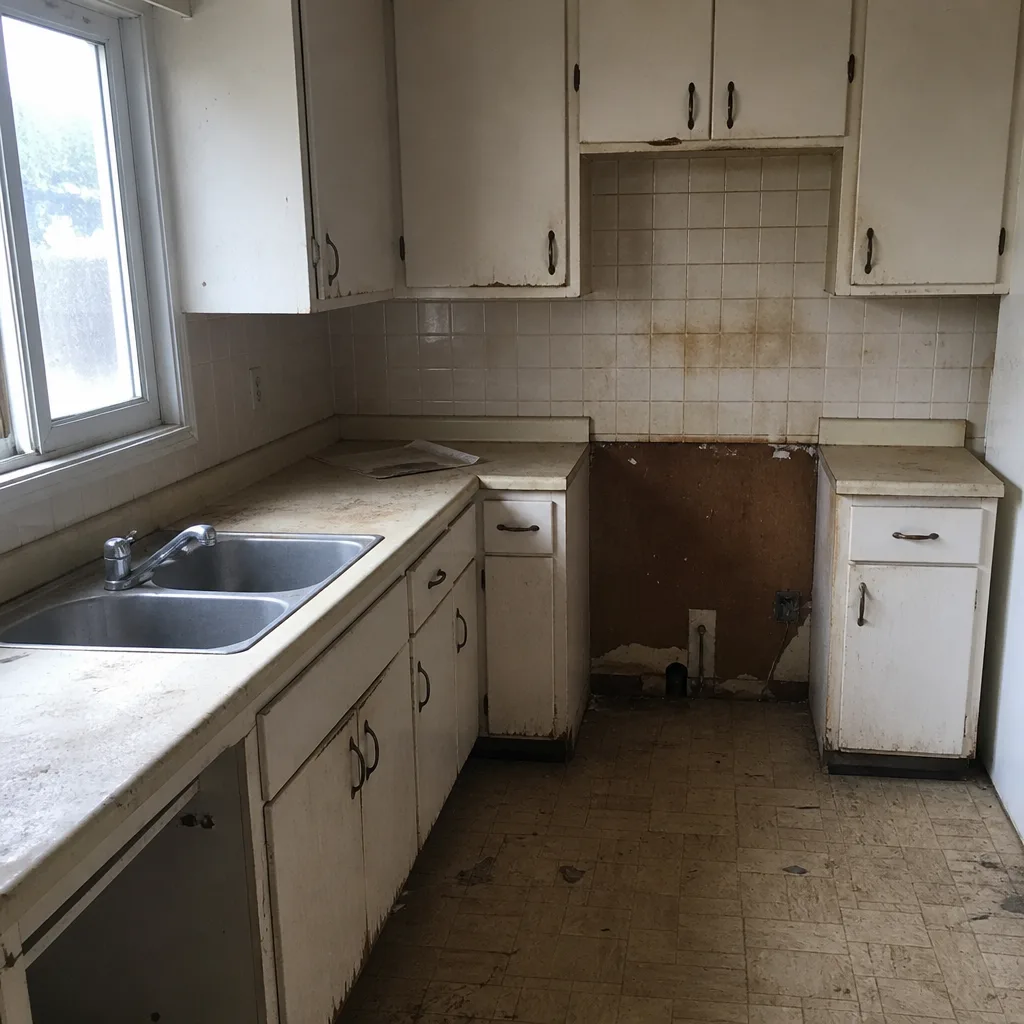
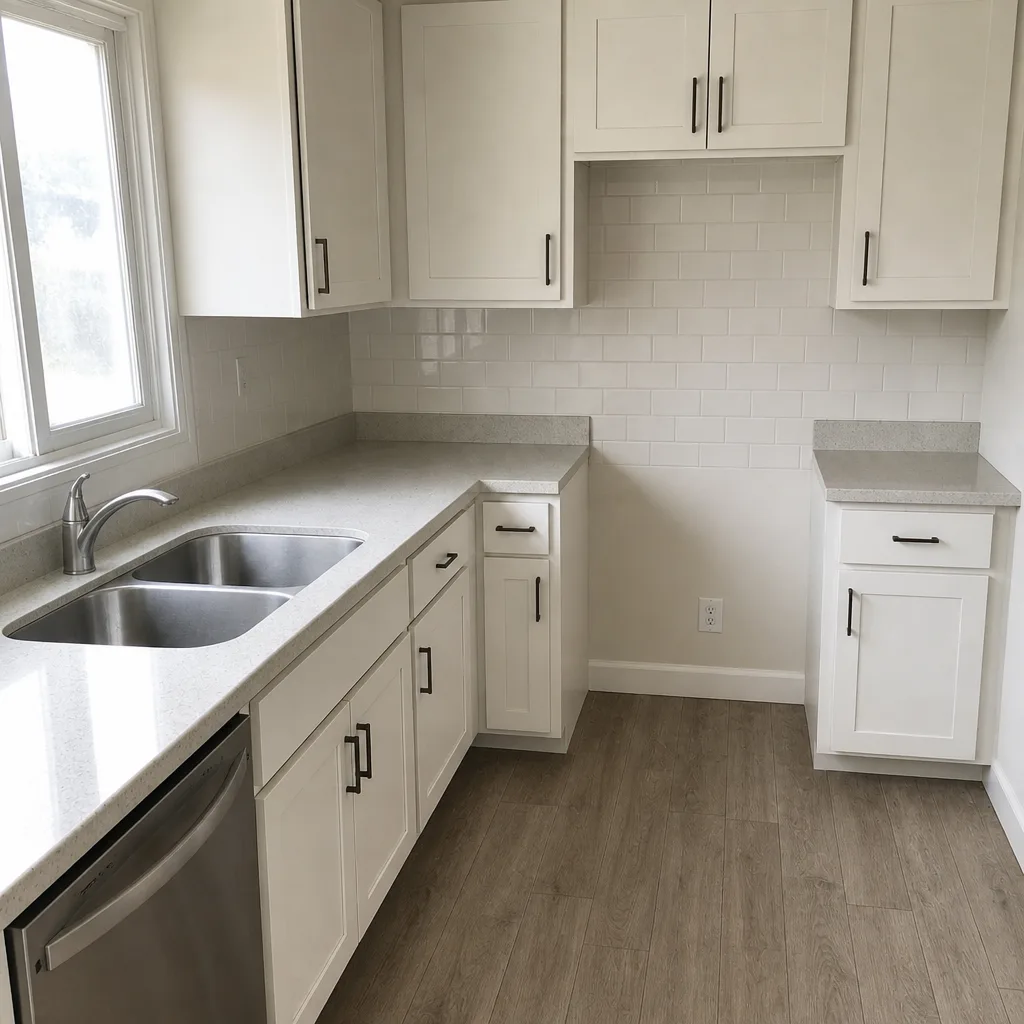
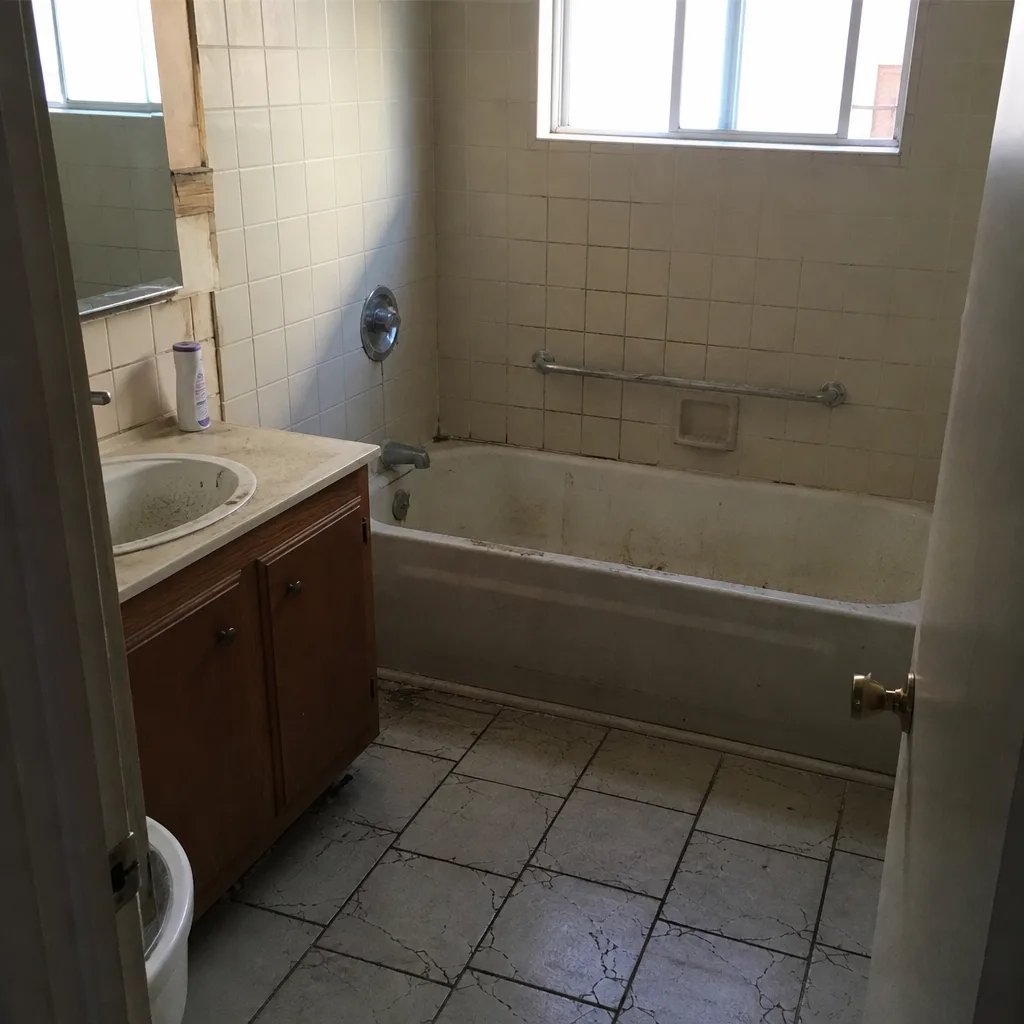
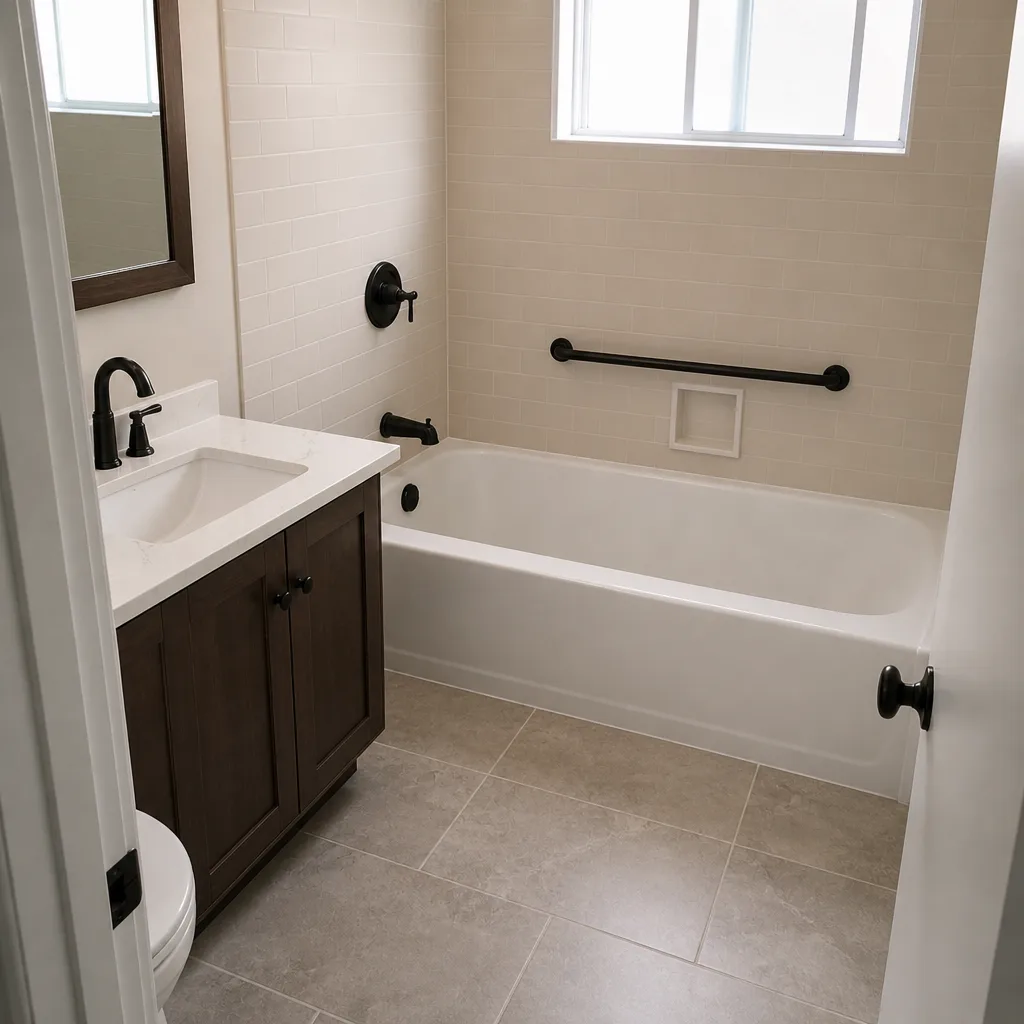
See the difference
 Before
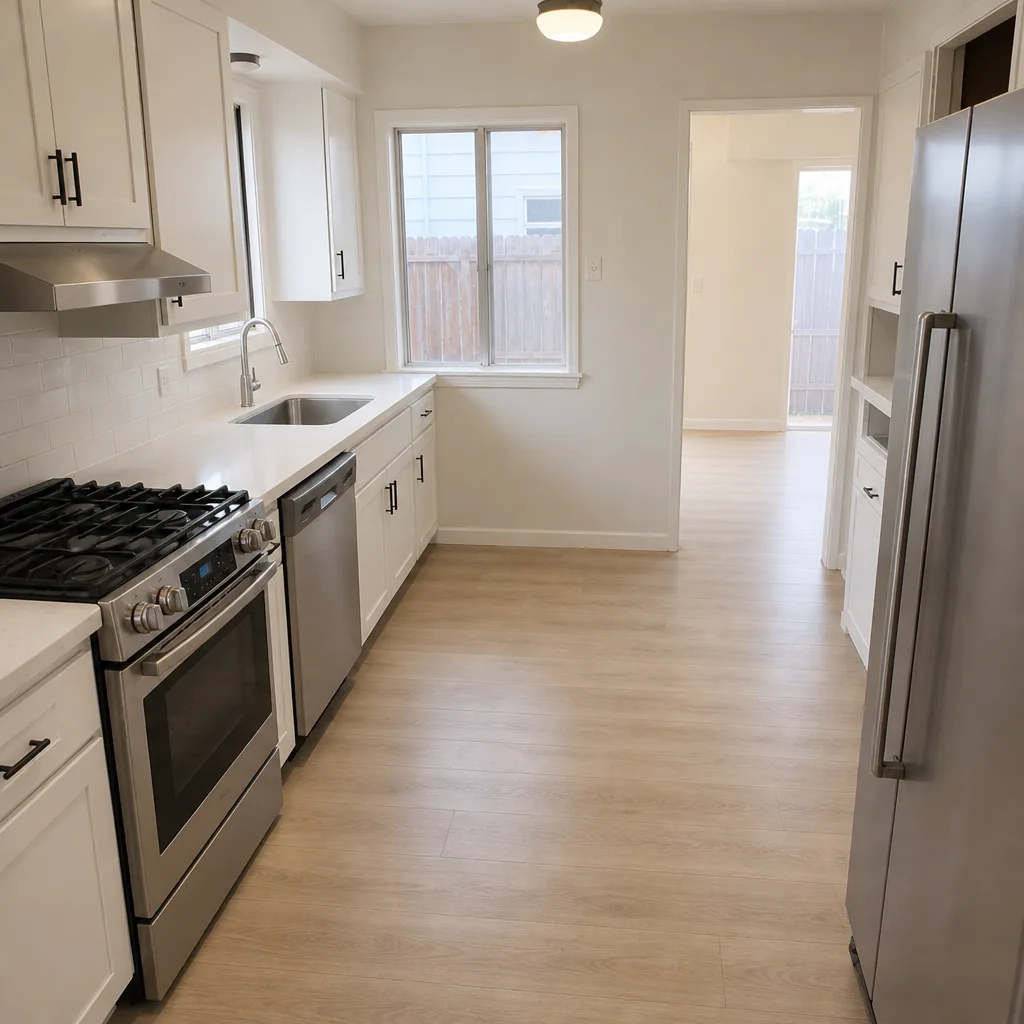 After
 Before
 After
 Before
 After
When to Call a Professional
Call a licensed contractor when the work touches structural framing, electrical, plumbing, HVAC, roofing, or the footprint of the house – which is most of what a meaningful Richmond remodel involves. Call one immediately if a permit was supposed to be pulled and wasn’t, because there’s usually a window to legalize the work before inspections get harder. Call one if you’re planning an ADU, addition, or any project that runs through a plan check, because plan-check corrections are cheaper to prevent than to answer. And call one if you’re getting ready to sell or refinance and you’re not sure what’s actually on your property’s record. Groundwork Construction Co. of Richmond offers free estimates in Richmond – call (833) 700-4611 to schedule yours.
Frequently Asked Questions
Yes, if you’re moving plumbing fixtures, changing electrical beyond a light swap, adding ventilation, or altering any wall. A pure cosmetic refresh (paint, vanity replacement, tile) usually doesn’t need a permit. The fixture-location question is the one to answer first – a toilet moved even a few inches is permitted work.
Retroactive permits typically cost 1.5 to 2.5 times the original permit fee, plus back-fee penalties and any required plan corrections, and inspection failures can add correction cycles on top. The real expense is opening walls to allow inspection, which often runs into the thousands. Call (833) 700-4611 for a walkthrough-based estimate – the number is always easier to plan around with eyes on the property.
You can pull an owner-builder permit for work on your primary residence, provided you don’t rent it out and you perform or supervise the work yourself. You can’t legally let a licensed contractor work under your owner-builder permit – the contractor must pull their own. This is the single most misunderstood rule in California permitting.
Yes, in most cases, because the new windows must meet Title 24 energy compliance for Richmond’s climate zone (Zone 3). Same-size, same-glazing swaps sometimes move through as over-the-counter permits, but the compliance check is still there. Ordering non-compliant glazing ahead of plan check is one of the most common corrections we see on window projects.
A rough-in inspection happens before walls are closed, checking framing, wiring, plumbing, and ductwork while they’re still visible. A final inspection happens after all finishes are installed and every trade has signed off, and it’s what produces your Certificate of Occupancy. Rough-in is where problems are cheap to fix; final is where they’re expensive.
It can. The seller’s TDS requires disclosure, buyers’ lenders may refuse to fund until work is legalized, and appraisers compare against assessor records. In Richmond’s market, we’ve seen closings slip two to four months over exactly this. Get the permit history pulled months before you plan to list, not weeks.
The Bottom Line
California’s permit system is genuinely complex, and every homeowner we’ve worked with has found that out in the first week. The homeowners who get burned aren’t the ones who found it confusing – they’re the ones who let a contractor talk them into skipping a permit on a job that obviously needed one. Pull the permit history on your Richmond property before you refinance, sell, or start work. Verify every contractor’s CSLB license. Get the rough-in inspection signed off before the drywall goes up. Do those three things and the complexity stops being a problem and becomes a checklist.
Ready to Start?

Groundwork Construction Co. of Richmond has been in business since 2014 and built our process around one simple rule: the permit gets pulled, the inspections get scheduled, and the work gets done to a standard that holds up decades later. Every project is backed by our 730-Day Done Right Promise – if it’s not done right, we make it right. Our technicians have up to 12 years of experience, they’re background-checked and arrive in uniform, and calls are answered by a live person 24/7. You’ll get upfront pricing with no surprises, a free project estimate and design consult, and access to 0% financing for 18 months plus $1,000 off projects over $10,000. From foundation to finish line, we handle the paperwork, the plan check, and the inspections so you don’t have to. Call (833) 700-4611 to schedule your free estimate in Richmond today.
Written by the team at Groundwork Construction Co. of Richmond.