


Free written scope consultation - allowances, timeline, and change-order rules on paper before a single trade is scheduled
Styles & brands we work with
- Kitchen remodeling
- Bathroom remodeling
- Home additions & ADU
- Roofing
- Windows & doors
- Driveway & pavers
- Fence
See the difference
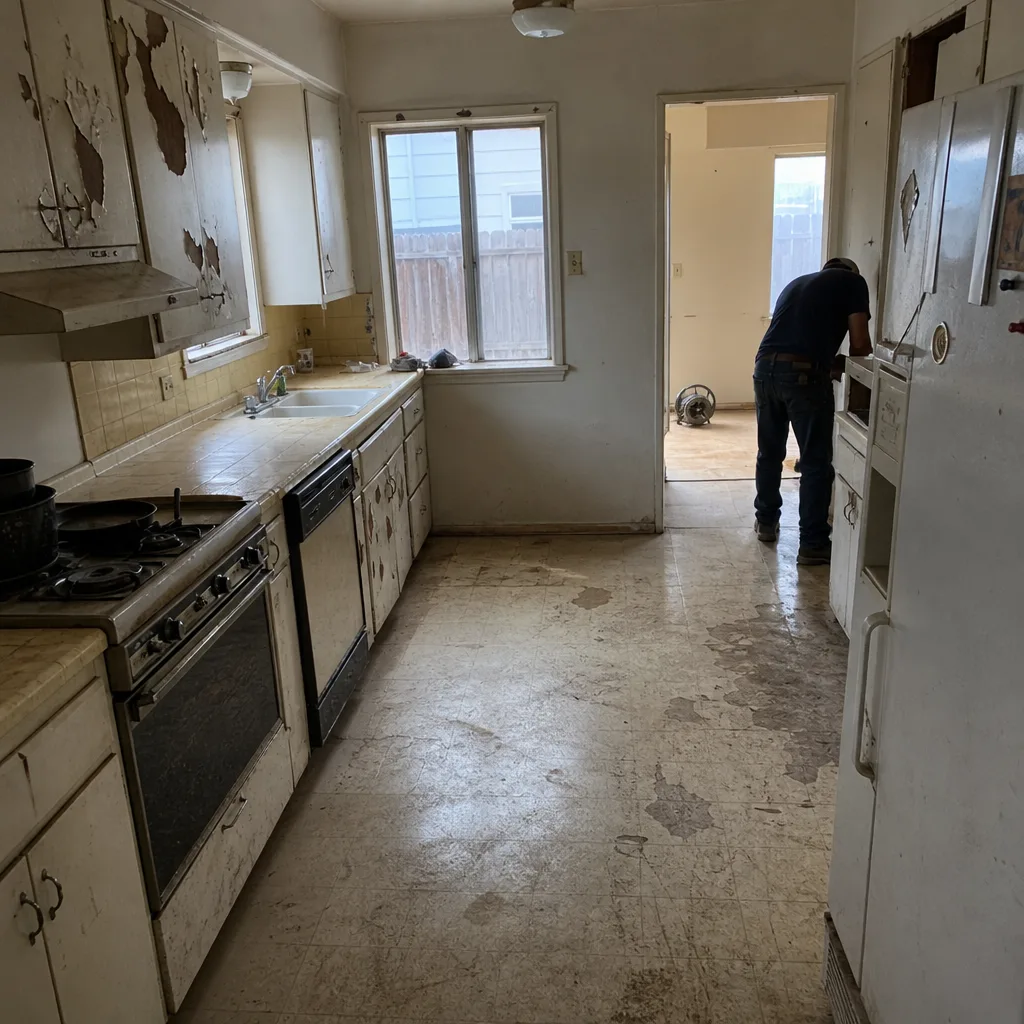 Before
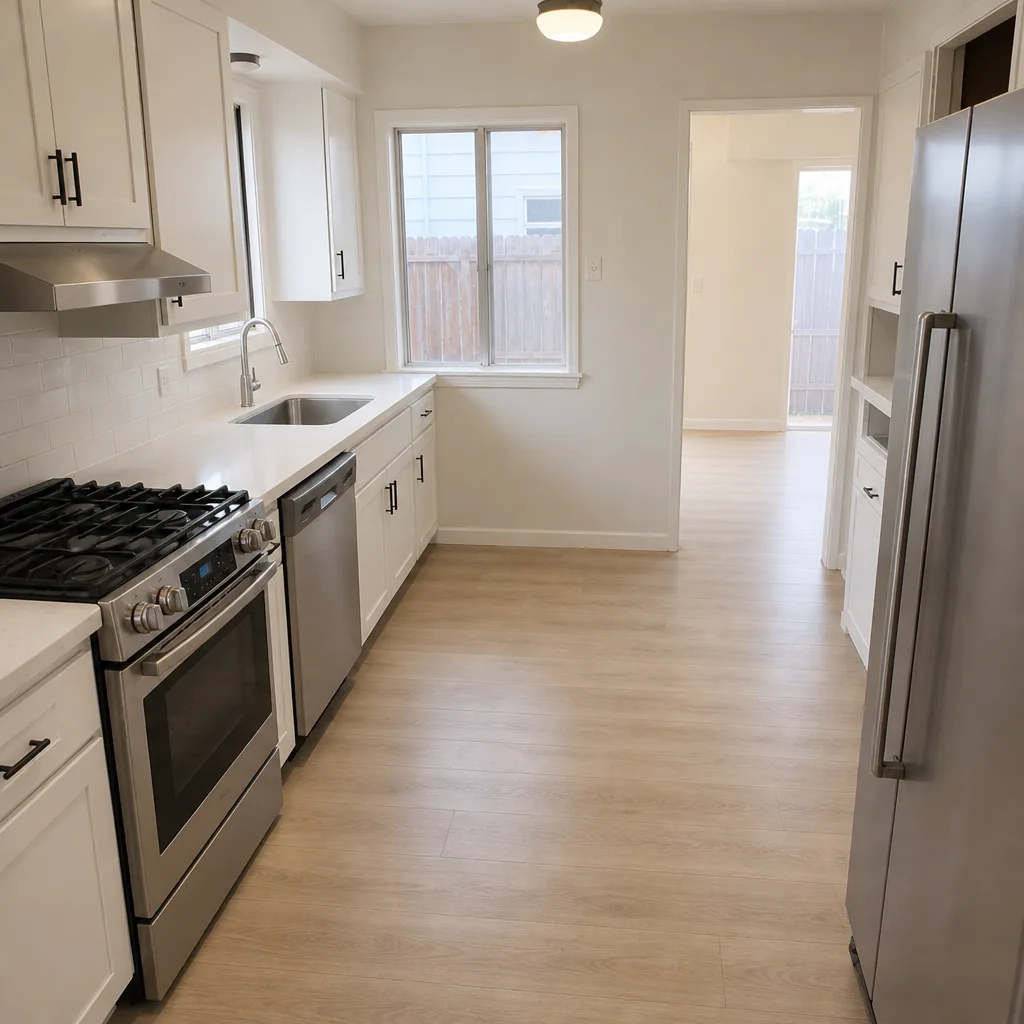 After
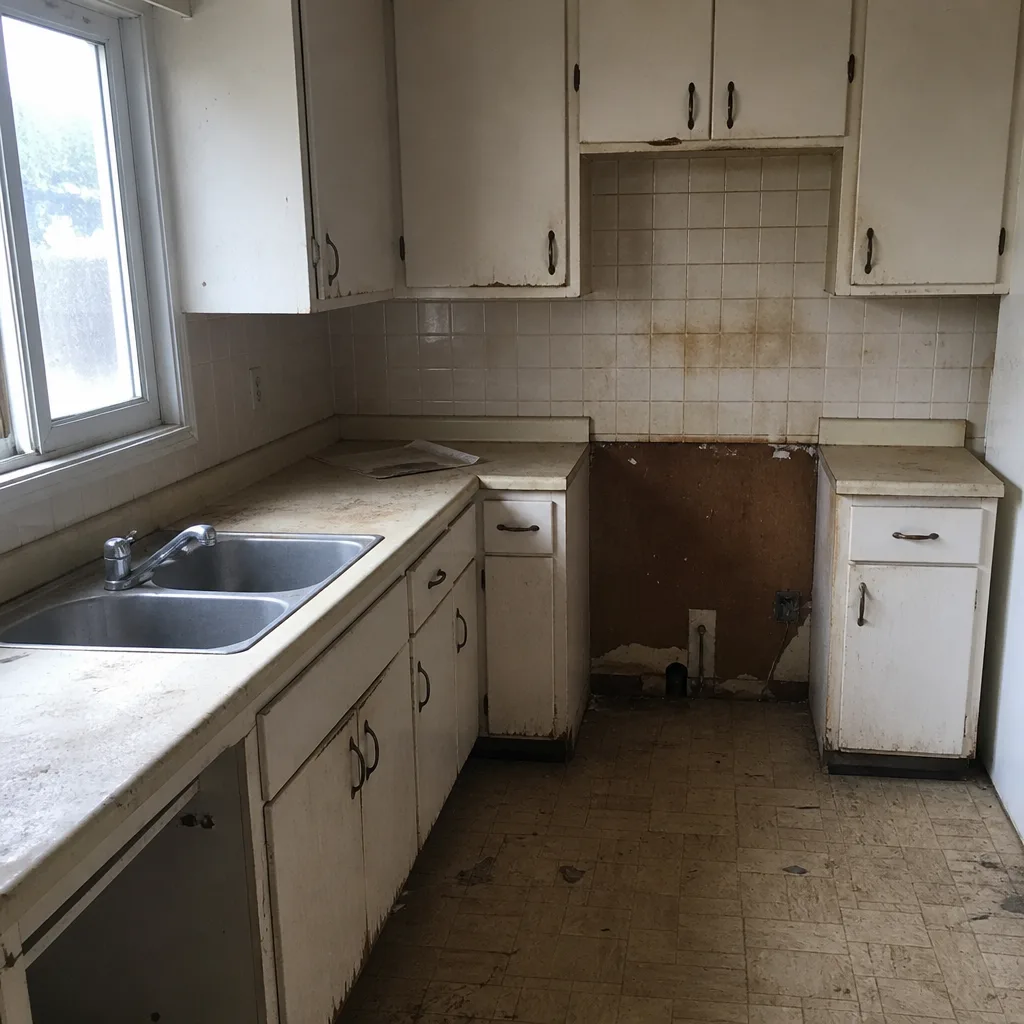 Before
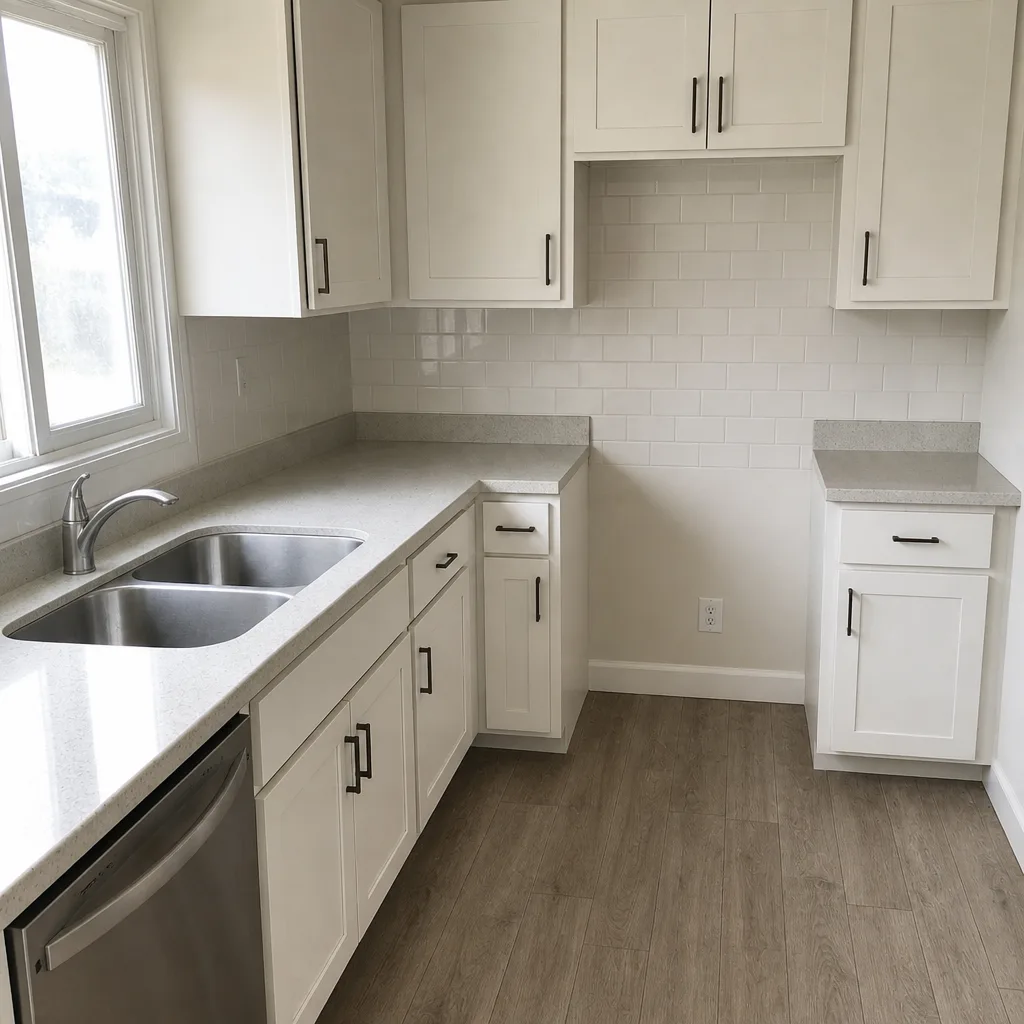 After
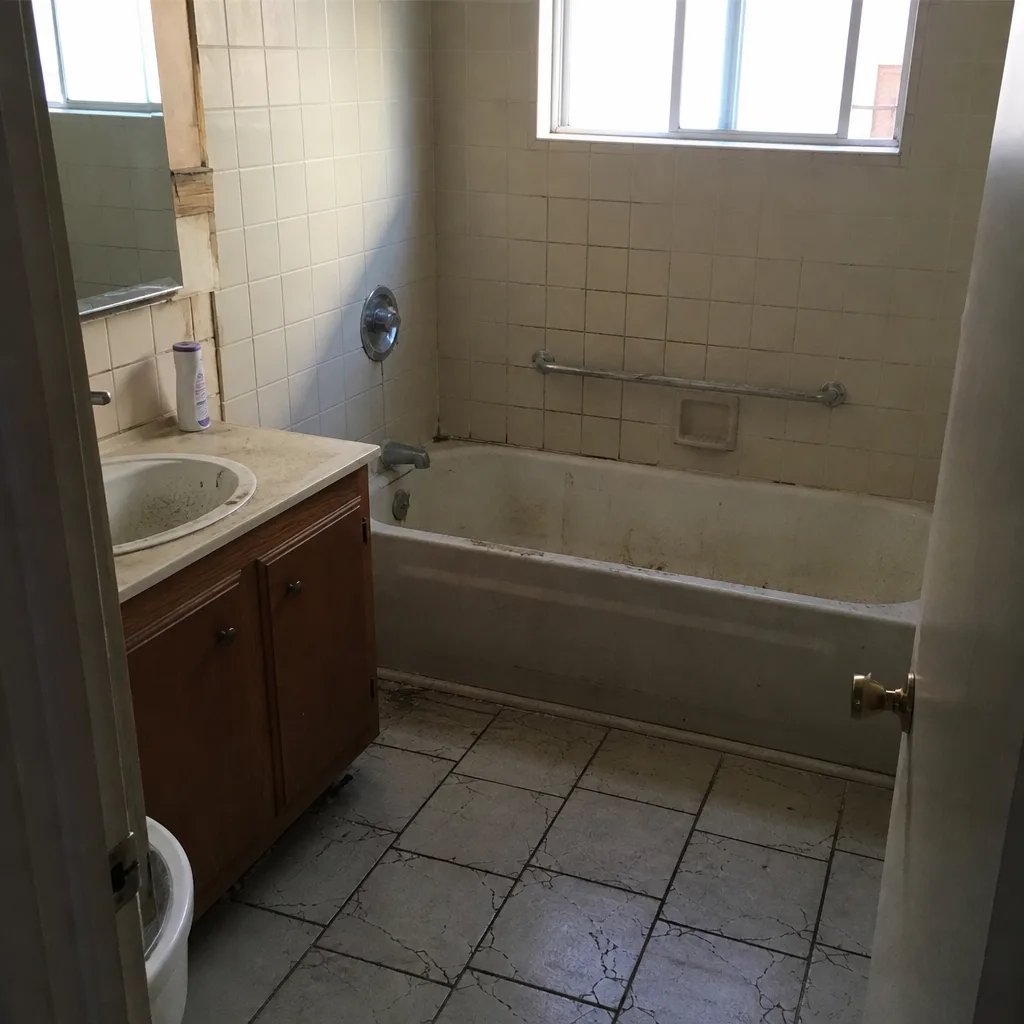 Before
 After
Do energy efficient windows save money in Richmond, CA? Yes, and the math looks different here
Yes. Energy-efficient windows save Richmond homeowners money, but not in the way the national window ads suggest. PG&E data shows Bay Area coastal homes spend 40 to 60 percent of their energy budget on heating, not cooling. In Richmond’s fog belt, replacement windows earn their keep in January fog, not August sun. That single fact reshapes the entire savings calculation, and it’s why a straight copy of a Phoenix or Fresno pitch will lead you to the wrong window. If you’d rather have someone read your specific situation, call (833) 700-4611 and a live person picks up around the clock.
Key Takeaways
- In Richmond, U-factor and air infiltration outrank solar heat gain – the opposite of inland California advice.
- Avoided moisture repair on 1940s wood sills runs $3,000 to $8,000. Skipping that in your ROI math makes windows look worse than they are.
- Unpermitted shipyard-era converted garages in South Richmond often have the leakiest original single-pane windows in the house.
- Installation quality decides whether any of the savings show up. That’s the reasoning behind our Windows & Doors workmanship standards.
Why Richmond’s fog belt flips the usual savings story
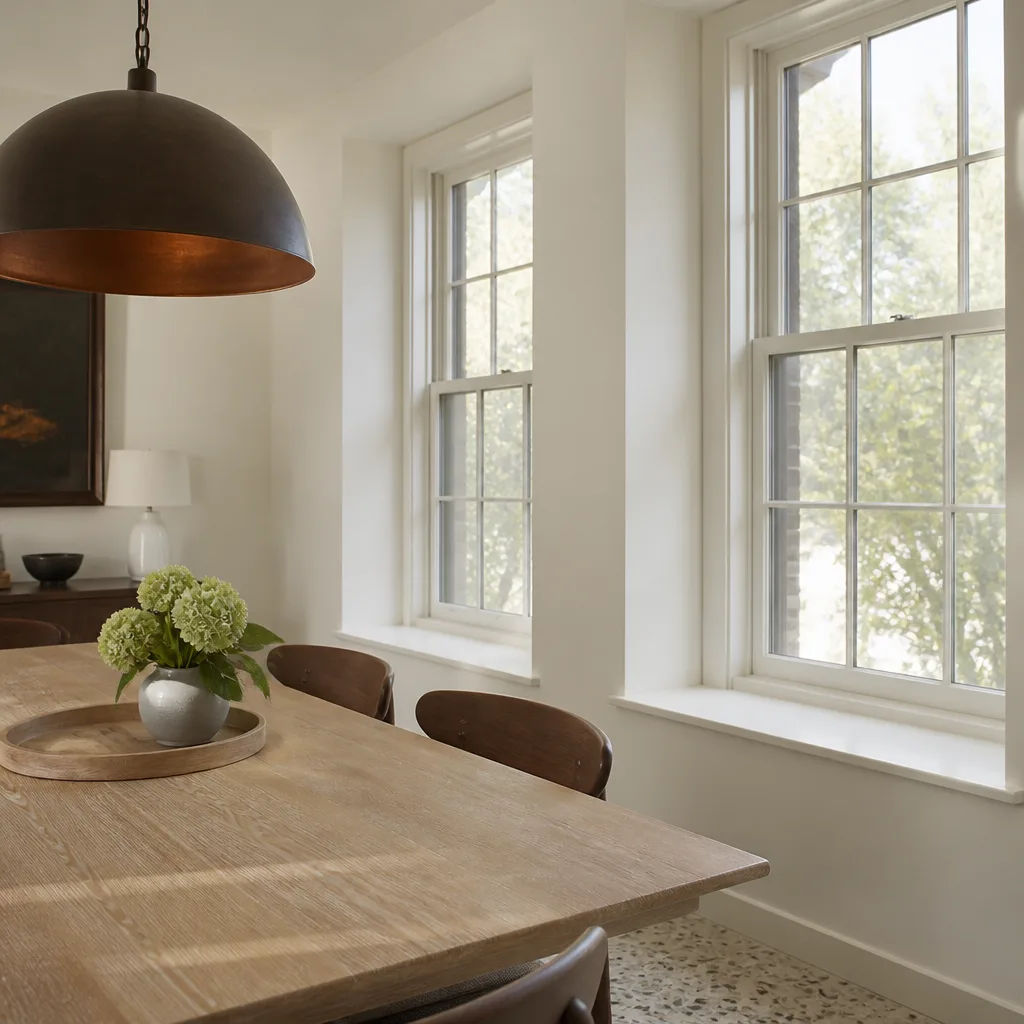
Most savings calculators were built for climate zones that punish you in summer. Richmond doesn’t work that way. We sit on the bay with fog-influenced summers that rarely push air conditioning demand into serious territory, and wet winters that push heating demand nearly year-round. When we evaluate a window for a Richmond home, we care far more about how well it resists conducted heat loss – that’s the U-factor – than about how well it blocks summer solar gain.
Solar heat gain coefficient, or SHGC, is the number every window brochure leads with. In Richmond, it’s a secondary concern. Low SHGC values matter when cooling loads run high; here they mostly don’t. What matters is air infiltration, the rating that tells you how much bay fog air slips past the frame, sash and weatherstripping on a windy January night. A window with a great SHGC and a sloppy air infiltration rating will underperform a modest window with tight seals every single winter in this city.
There’s a practical lesson in that for the older flatlands. A 1940s shipyard-worker bungalow with original aluminum-slider or wood double-hung units typically loses more conditioned heat through window gaps than through the walls. Replacing those units is often the highest-yield insulation work a Richmond homeowner can do, and it costs far less than a full envelope retrofit.
The moisture math nobody puts in a savings calculator
This is where generic pages drop the ball. In Richmond’s fog-belt flatlands, single-pane wood-frame windows on south- and west-facing exposures collect interior condensation through the wet months. That condensation doesn’t just fog the glass – it drips onto sills, wicks into the frame, and feeds fungal growth inside the wall cavity. Left alone, it turns into rotted sill plates and structural repair in the $3,000 to $8,000 range per affected opening cluster.
Double-pane insulated glass with a warm-edge spacer keeps the interior pane warmer, which cuts condensation at the source. Factor that avoided repair cost into your ROI and the payback window shortens meaningfully. A calculator that only counts kilowatt-hours dramatically understates what replacement windows actually save in a bay-adjacent city like Richmond.
We’ll add one more local wrinkle: in the older flatlands, the “garage” or “bonus room” on a 1940s South Richmond bungalow is frequently an unpermitted shipyard-era conversion. Original single-pane windows in those spaces are often the worst air-sealing culprits in the entire house. Replacing them can produce outsized savings compared to replacing windows in a permitted, properly insulated room – simply because there’s so much more to gain.
What to look for in a Richmond replacement window
When we specify windows for this climate, we build around ENERGY STAR’s Northern Climate zone criteria, which is the correct benchmark for bay-fog heating loads. Here’s what actually moves a PG&E winter bill:
- U-factor at or below 0.30. Lower is better. This is the number that tracks conducted heat loss out of a warm room on a cold night.
- Air infiltration rating of 0.3 cfm/ft² or lower. Tight seals, quality weatherstripping, and a well-built sash are what deliver it.
- Warm-edge spacers and argon fill. These keep the interior pane warmer to fight condensation and improve the assembly’s overall insulating value.
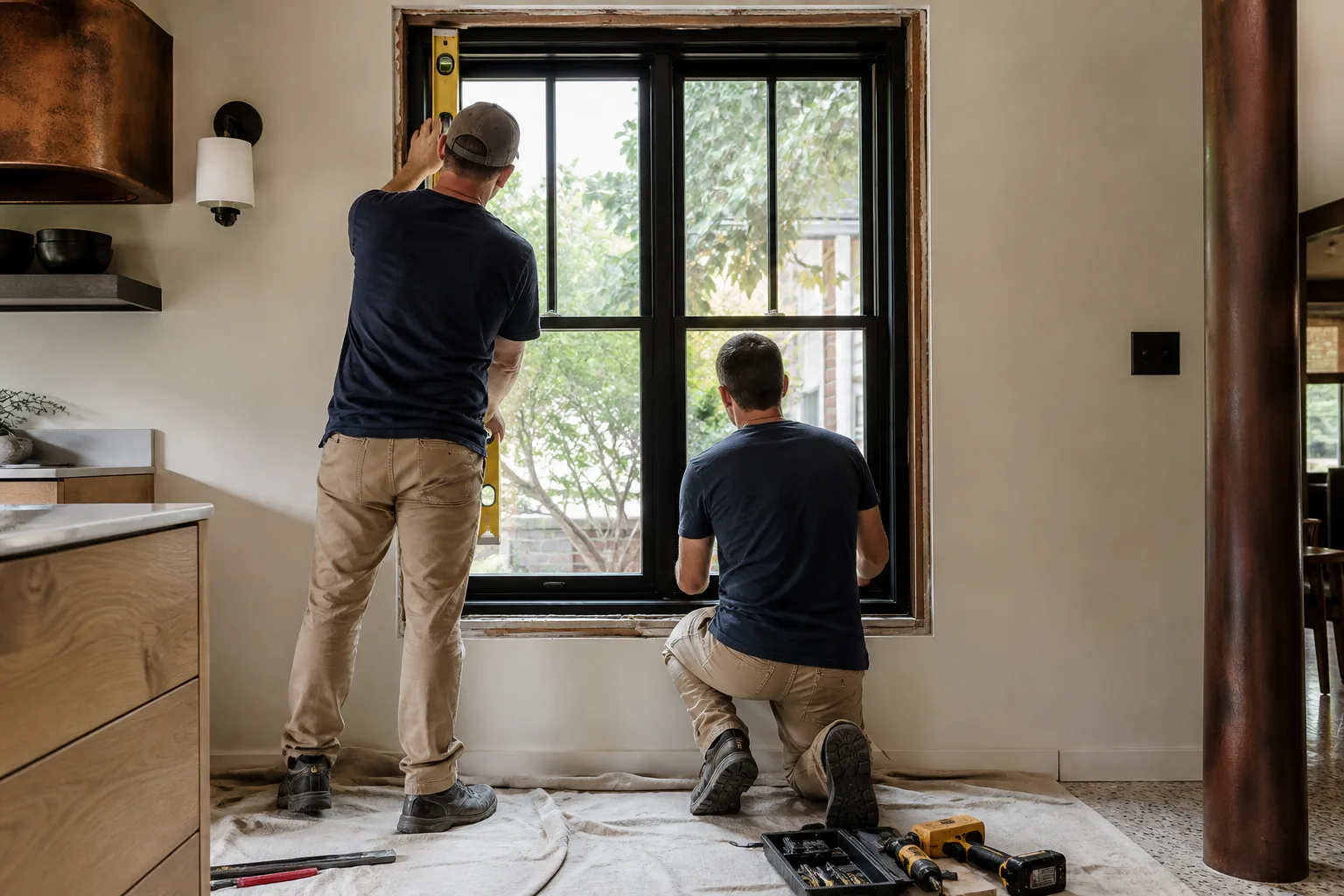
- Proper flashing and sill pan detailing at installation. A great window installed with a bad flashing detail leaks air and water from day one.
We install Andersen and Marvin units built to these specs, and we specify them because their published ratings hold up under real measurement. A manufacturer’s sticker means nothing if the frame-to-rough-opening joint isn’t sealed correctly, which is why installation quality is where the savings live or die.
What do energy efficient windows cost in Richmond?
Here are the market-calibrated ranges we work from for Richmond homes. These reflect actual bay-area labor and material costs, not national averages:
| Project | Typical Richmond Cost |
|---|---|
| Window Replacement (whole-home, standard) | $4,500 – $15,000 |
| Impact Window Installation | $8,000 – $25,000 |
Most single-window swaps come in well below the low end of the full-replacement range. Whole-home replacement on a 1940s Richmond bungalow with, say, ten to fourteen openings typically lands in the middle of the $4,500 to $15,000 band, and complicated trim work or oversized units push toward the top. Impact-rated units run higher because the glazing assembly is heavier and the anchoring requirements are stricter.
Groundwork Construction Co. of Richmond pairs upfront pricing – the number you see is the number you pay – with 0% financing for 18 months and $1,000 off projects over $10,000. That structure makes the ROI decision less painful upfront. A free estimate and design consult lets you see the specific number before you commit.
How long until the savings pay for the windows?
For a typical Richmond home in the fog belt, a well-installed replacement set recovers its cost through reduced heating load plus avoided moisture repair over roughly eight to fifteen years, depending on how leaky the originals were and how much condensation damage you’re heading off. Homes with unpermitted converted spaces and original single-pane units sit at the faster end. If you’re weighing whether to act now or wait, a free estimate will tell you exactly what your specific openings would cost and what the projected reduction looks like.
Why the 730-Day Done Right Promise is your savings backstop
A window that leaks air at the frame or flashing point from day one never delivers its projected savings. Nobody measures that on the invoice – it shows up as a slightly higher gas bill and a slightly draftier room for years. That’s why the Richmond service area work we coordinate is backed by the 730-Day Done Right Promise: if it’s not done right, we make it right. It’s one of the longest workmanship guarantees in residential construction, and it exists so the projected savings actually have a chance to show up.
We pair that with background-checked, uniformed technicians on every project and a live person answering your call 24/7. Our technicians have up to 12 years of experience across window and door work, and every job is scoped with transparent pricing before anyone touches a frame. Our home page lays out the full scope of what we coordinate across every trade.
FAQs
Yes – they save more money than in a hot climate, because your energy load is heating, not cooling. Richmond homeowners spend the bulk of their utility budget on winter heating, and air infiltration through old windows is one of the largest controllable heat losses in a bay-fog home. U-factor and air infiltration ratings are the numbers that matter here, not solar heat gain. Call (833) 700-4611 for a free estimate tied to your actual openings.
They pay for themselves over a realistic eight to fifteen year horizon for a typical Richmond home – faster if you’re avoiding moisture repair on deteriorated sills. The honest answer is that windows rarely pay back in two or three years the way some ads imply; they pay back over a decade, and they pay back faster when installation quality is high. That’s why the workmanship guarantee is part of the math. Call (833) 700-4611 to walk through your specifics.
Yes, and often more than replacing windows in permitted, insulated rooms. Unpermitted shipyard-era conversions in South Richmond frequently have the leakiest single-pane units in the house, so the savings-per-window is outsized because the starting point is so poor. We scope these carefully because a replacement can trigger a plan-check conversation. Call (833) 700-4611 to talk it through before you commit.
Repair is cheaper short-term if the issue is a failed seal, a broken sash, or worn weatherstripping. Replacement wins when the frames are original single-pane wood with rotted sills, chronic condensation, and air gaps you can feel. The only way to know which side of that line you’re on is a site visit. Call (833) 700-4611 and a live person will set up a free assessment.
If you’d rather have it looked at, Groundwork Construction Co. of Richmond offers a no-pressure assessment in Richmond – call (833) 700-4611. Free estimate, upfront pricing, and a live person on the line any time.
Written by the team at Groundwork Construction Co. of Richmond, serving Richmond, CA.