Free written scope consultation - allowances, timeline, and change-order rules on paper before a single trade is scheduled
Styles & brands we work with
- Kitchen remodeling
- Bathroom remodeling
- Home additions & ADU
- Roofing
- Windows & doors
- Driveway & pavers
- Fence
See the difference
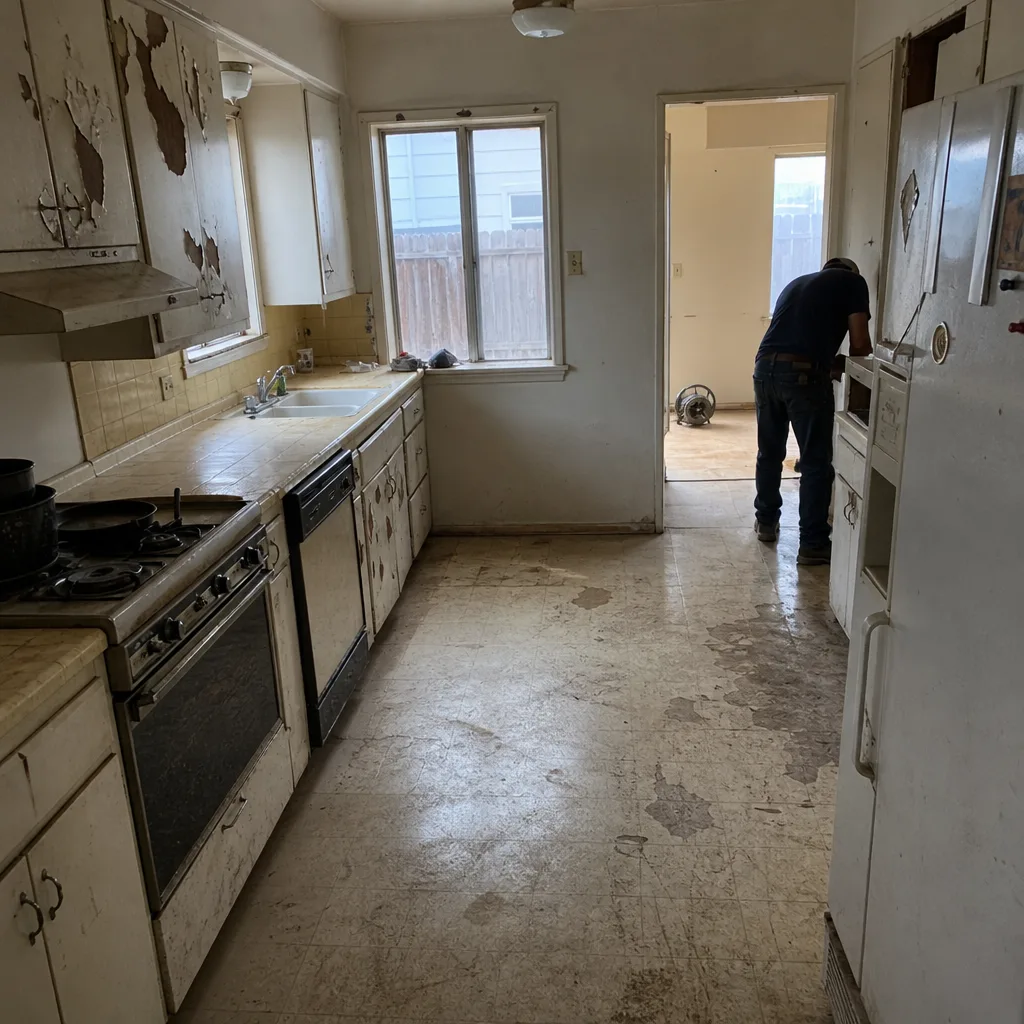 Before
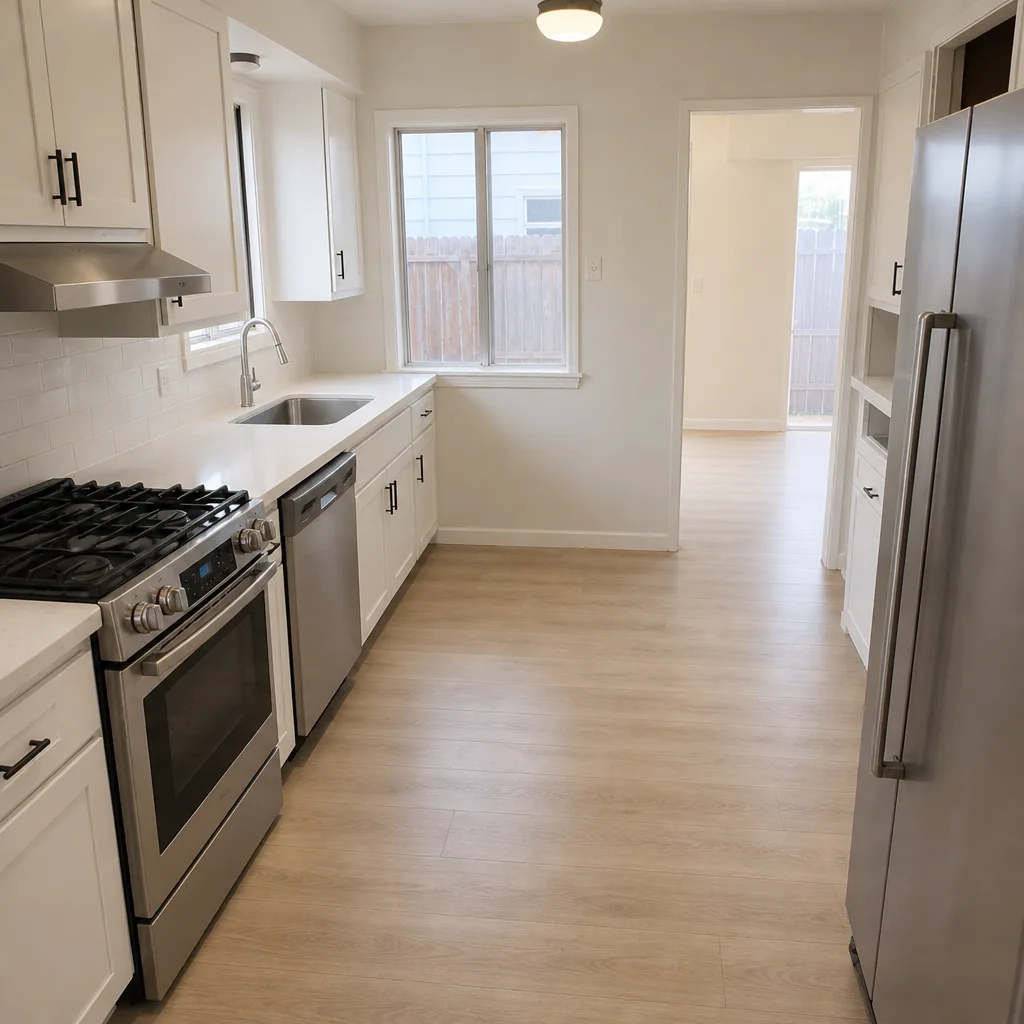 After
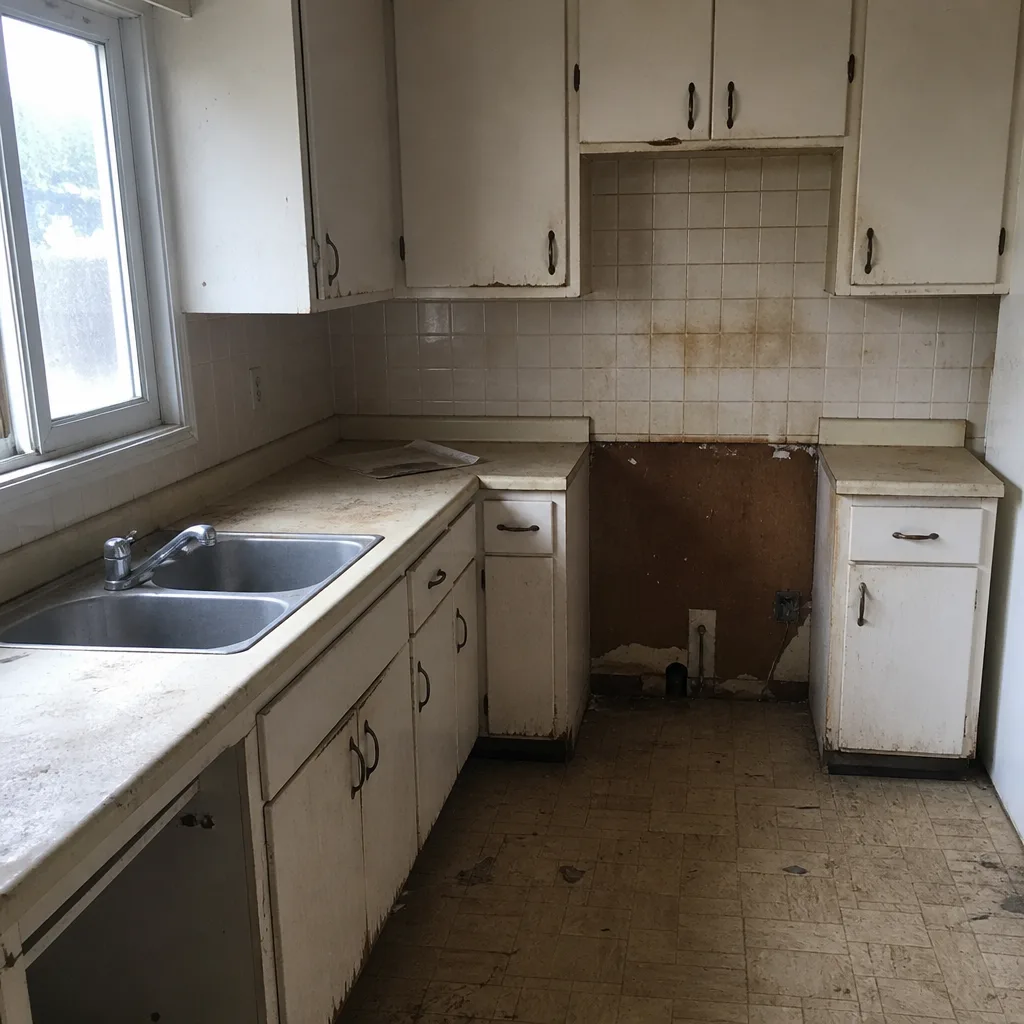 Before
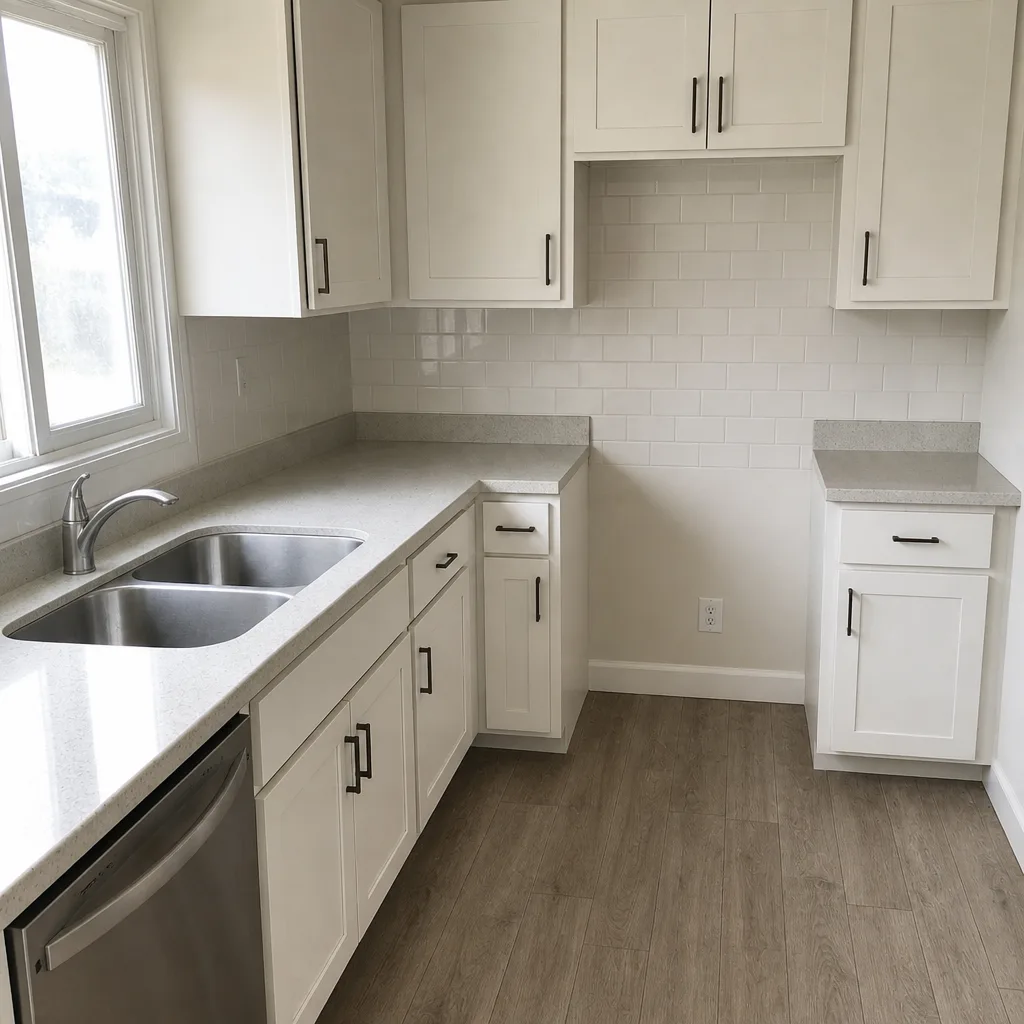 After
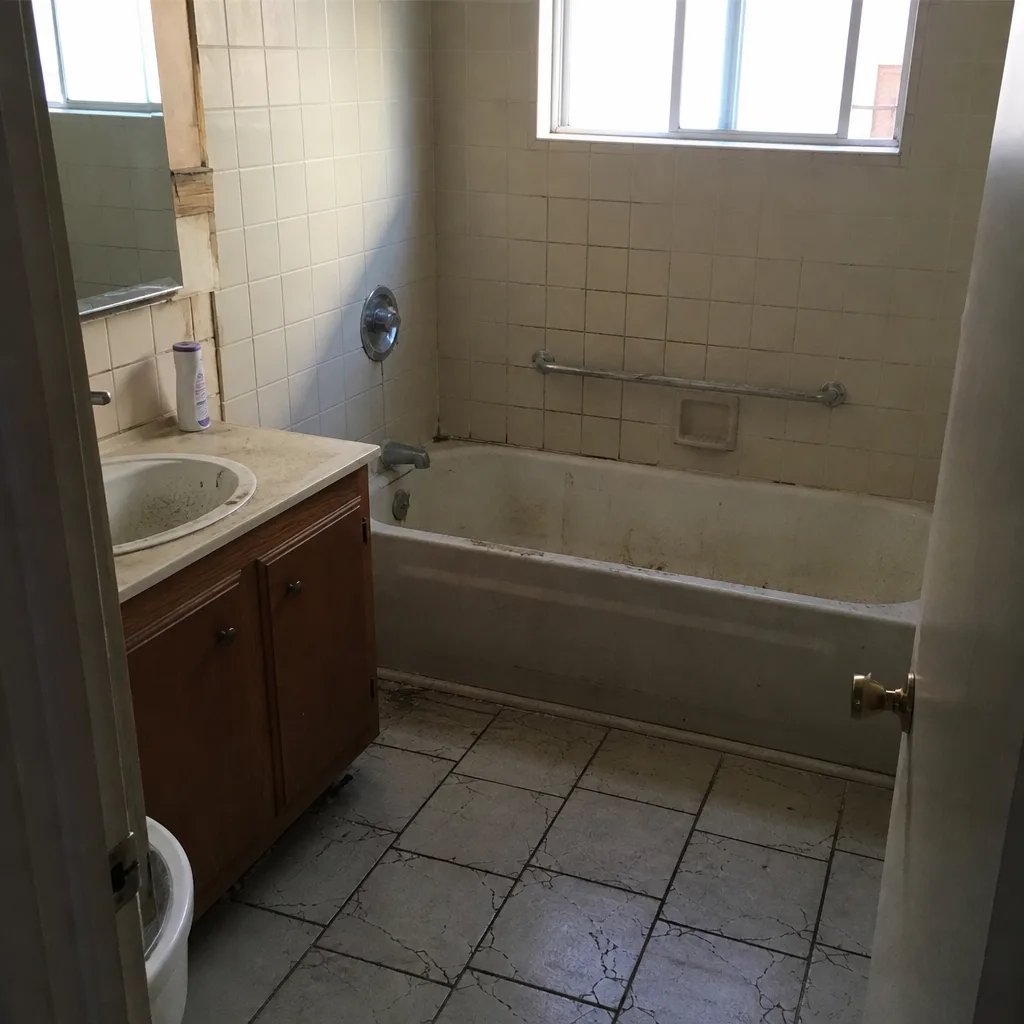 Before
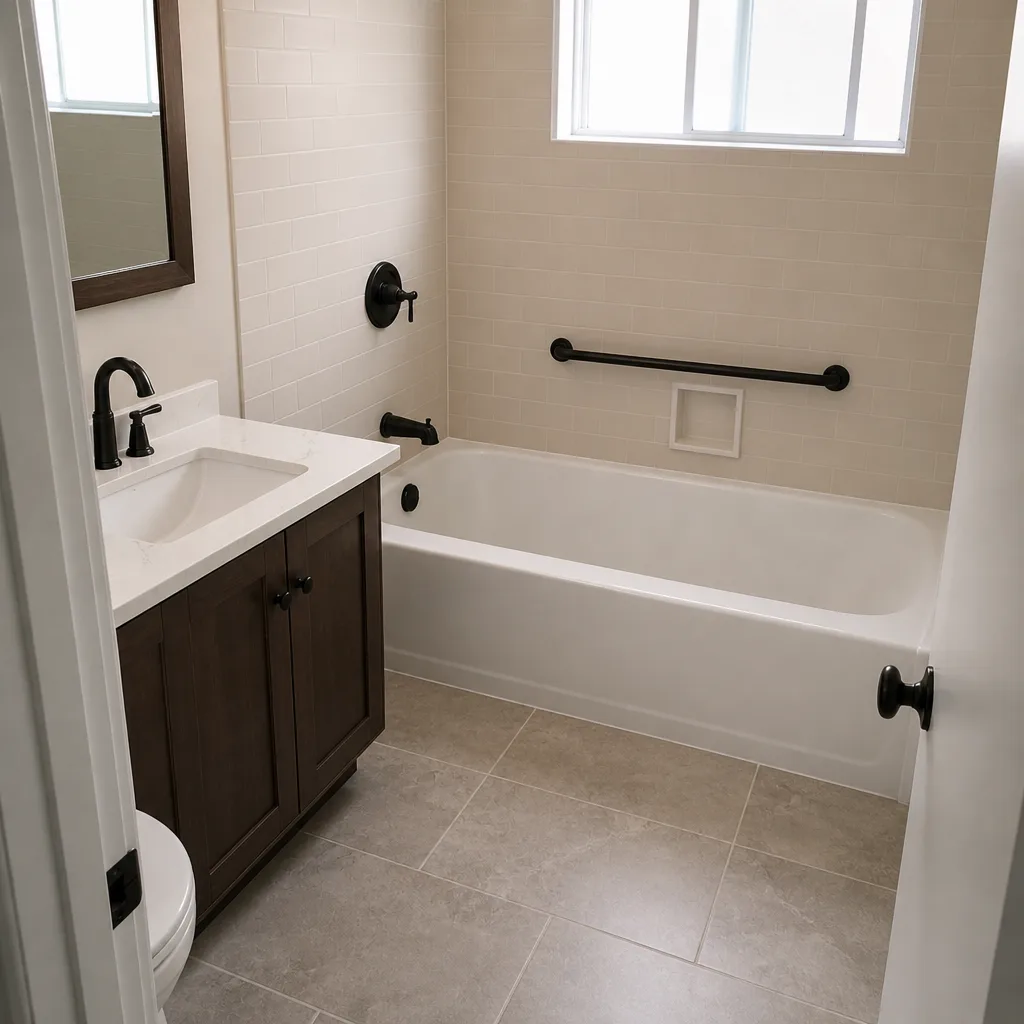 After
Glass Railing Cost in Richmond, CA: What Bay-Area Homeowners Actually Pay
Glass railing in Richmond runs $145 to $310 per linear foot installed for frameless tempered glass with marine-grade hardware. Standard aluminum fittings can shave $30 to $50 per foot off that number, but on any deck facing the bay or sitting in the fog belt, those fittings start pitting within two to three seasons. Most online quotes leave out the two line items that decide your real cost in Richmond: hardware grade and footing engineering. Call (833) 700-4611 for a free, itemized estimate.
Why a Richmond Glass Railing Costs More Than a Walnut Creek One
Salt air and fog are relentless on the Richmond shoreline. They attack the parts of a glass railing system you don’t see: the spigots, base plates, standoffs, and anchor bolts holding the glass panels. Standard mill-finish or anodized aluminum is the industry default because it’s cheap. Put it on a deck in Point Richmond or along the Marina Bay waterfront, and you’ll be replacing corroded fittings years before the glass needs anything.
That’s why we spec marine-grade 316 stainless or powder-coated hardware on every bay-facing deck in Richmond. It’s not an upsell. It’s the difference between a railing that holds up and one that fails inspection on the next sale.
Hardware Cost Breakdown: Standard vs. Marine-Grade
| Hardware & Fitting Type | Installed Cost per Linear Foot |
|---|---|
| Standard mill-finish aluminum spigots and base plates | $30-$50 |
| Powder-coated aluminum (fog-belt minimum for inland Richmond) | $45-$70 |
| Marine-grade 316 stainless (required for bay-facing / salt-exposed decks) | $75-$120 |
| Glass panels: frameless tempered 3/8″ - 1/2″ | $55-$95 |
| Glass panels: semi-frameless with top rail | $40-$75 |
| Cable-hybrid system (glass infill panels with stainless cable) | $35-$65 |
Stack those numbers realistically. A 20-foot bay-facing deck in Richmond, frameless with marine-grade 316 stainless, lands between $2,600 and $4,300 for materials alone before footing and permit work. The same footprint with standard aluminum hardware runs closer to $1,700 to $2,900. The $900 to $1,400 gap is the whole conversation.
The Structural Reality: Footings Under Richmond Decks
Richmond decks built on the low-lying flatlands near the bay often sit on fill or bay mud with weak bearing capacity. That matters for glass railing because glass panels are heavy and catch wind like sails. A glass system puts far more overturning load on the posts than a wood or metal picket rail does.
What that means for you in practical terms:
- Existing decks on fill soils around the Iron Triangle and the older flatlands sometimes need footing upgrades or engineering review before the city will issue a permit for glass. Budget $400 to $1,200 for that review, and more if new footings are engineered.
- Slopes and bluff-edge properties along the Richmond shoreline push footing depth and anchor requirements up fast.
- Unpermitted decks or 1940s-70s additions (common on older Richmond bungalows) can trigger plan-check questions unrelated to the railing when a permit pulls the record.
Every glass railing quote that doesn’t mention a possible engineering review is a quote built on hope. Get the footing checked before the panels are ordered.
Frameless, Semi-Frameless, or Cable-Hybrid: Which One Fits Your Richmond Deck?
Frameless tempered glass (no posts, no top rail, panels set into base shoes) is the cleanest look and the most expensive. It gives you full sightlines, which is why bay views call for it, but the hardware load is highest and the installation tolerance is tight. $145-$310 per linear foot installed.
Semi-frameless adds a top or bottom rail. It’s more forgiving structurally and costs less: $110-$215 per linear foot installed. Good compromise on Richmond decks with modest wind exposure.
Cable-hybrid systems use glass panels interspersed with stainless cable. They handle wind better than full frameless glass and cost the least of the three: $95-$180 per linear foot installed. On longer runs, they can save real money without giving up the open feel.
Whichever system you pick, the glass itself needs to be tempered and rated for wind, and on coastal Richmond installs we use framing and glass sourced to marine standards. Our Windows & Doors team handles the glass side of railing work the same way we handle a salt-air window replacement, with ASTM-rated hardware rather than whatever came off the shelf.
Why Online Glass Railing Prices Are Almost Always Wrong
Most search results hand you a number like “$90 per foot” and call it a day. That number has stripped out the three things that make a Richmond installation a Richmond installation: hardware grade (marine vs. aluminum), footing engineering (fill soils and bay-adjacent lots), and permit pulls (Richmond’s plan check, especially when an older deck is unpermitted).
Our pricing model puts all three line items in front of you before a single deposit changes hands. No-hassle upfront pricing means the final invoice matches the estimate, or the difference is on us. On a project this hardware-sensitive, that clarity matters more than usual. We pair it with 0% financing for 18 months and $1,000 off projects over $10,000.
What the 730-Day Done Right Promise Means for Glass Railing
Two things go wrong on glass railing installs: seal failures (fogging or water intrusion between temper lines) and post movement (footings that settle or anchors that loosen). Both usually show up in year one to two, well after the job is paid for.
The 730-Day Done Right Promise covers those two failure modes for a full two years. If a panel fogs, a spigot loosens, or a post shifts, we come back and make it right. That’s one of the longer workmanship guarantees in residential construction, and on a salt-air installation where hardware fatigue is real, it’s the guarantee that actually matters. Most competitors won’t put two years in writing on a coastal railing.
Behind that promise sits a curated set of brand partners across every trade. For railing glass specifically, we work with suppliers like Mr-Glass and ES Windows for tempering standards we can stand behind. Our technicians have up to 12 years of experience installing glass and hardware on bay-adjacent decks.
Common Local Scenarios We Walk Into
Every Richmond glass railing quote starts with a look at what’s already there. These are the scenarios we see most often.
A 1950s stucco tract home in Parkview with an original wood deck
The deck was built to 1950s code. Glass panels would overload the current posts, so the quote includes reinforcing or replacing the posts to engineered specs before any glass goes in.
A South Richmond bungalow with a “converted” bonus room
The bonus room was likely a shipyard-era garage or porch conversion, and if the deck attaches to it, permit pulls can surface that unpermitted history during plan check. We flag it upfront rather than let it surface mid-job.
A Point Richmond bay-facing deck with a spectacular view
Here, marine-grade 316 stainless hardware is non-negotiable. Standard aluminum corrodes inside three years, and the view that sells the deck also drives the salt load. This is where the $900-$1,400 hardware upgrade earns its keep.
For the full range of what we install across Richmond, see the Richmond service area page. If you’re already pricing out adjacent improvements (a new patio under the deck, a driveway refresh after winter erosion), our guide to paver patio installation in Richmond and paver driveways in Richmond cover those line items in the same honest detail.
FAQs
Glass railing in Richmond typically runs $145 to $310 per linear foot installed for frameless tempered glass with marine-grade hardware, or $95 to $180 per linear foot for a cable-hybrid system. The bay-facing and fog-belt decks that make up most of Richmond’s coastal stock require 316 stainless or powder-coated hardware, which adds $30 to $50 per foot over standard aluminum. Call (833) 700-4611 for an exact quote, itemized line by line; estimates are free.
It depends on the footings. A glass system weighs more and catches more wind than a picket rail, so posts on older decks (especially 1950s tract homes and unpermitted 1940s-70s additions common in Richmond) often need reinforcing or replacement. We inspect the footing and anchor setup before quoting glass panels. Call (833) 700-4611 to schedule a free assessment.
Salt air accelerates corrosion on standard aluminum spigots and base plates, and in Richmond’s fog belt those components can pit within two to three years. Marine-grade 316 stainless or powder-coated hardware is the difference between a railing that lasts decades and one that needs replacement inside five years. We spec it on every salt-exposed install. Call (833) 700-4611 to get a hardware-specific quote.
Most jobs are completed in a single visit once the hardware and glass arrive, though engineering reviews or footing reinforcement can add days to the schedule. Glass panels are custom-tempered and lead times vary. We confirm your timeline before any deposit. Call (833) 700-4611 for a realistic schedule on your specific deck.
Get a Real Glass Railing Number for Your Richmond Deck
Online prices give you a starting number; we give you the full one, hardware grade, footing review, permit, and install included. If you’re ready to see what a bay-rated glass railing actually costs for your Richmond property, call (833) 700-4611 for a free estimate. Live person, 24/7. Upfront pricing, no surprises. $1,000 off projects over $10,000, 0% financing for 18 months available.
Written by the team at Groundwork Construction Co. of Richmond, serving Richmond, CA.
What Our Customers Say
"The schedule he gave me at the start was accurate to within four days on a three month job. Anyone who has done a renovation knows how unusual that is."
- Laura Bennett"He pulled the permits himself, scheduled every sub and ran the inspections. I made one decision a week and otherwise stayed out of it, which is exactly what I was paying for."
- Robert Sullivan"Change orders were written down and priced before the work happened, every single time. No surprise at the end."
- Keisha Robinson