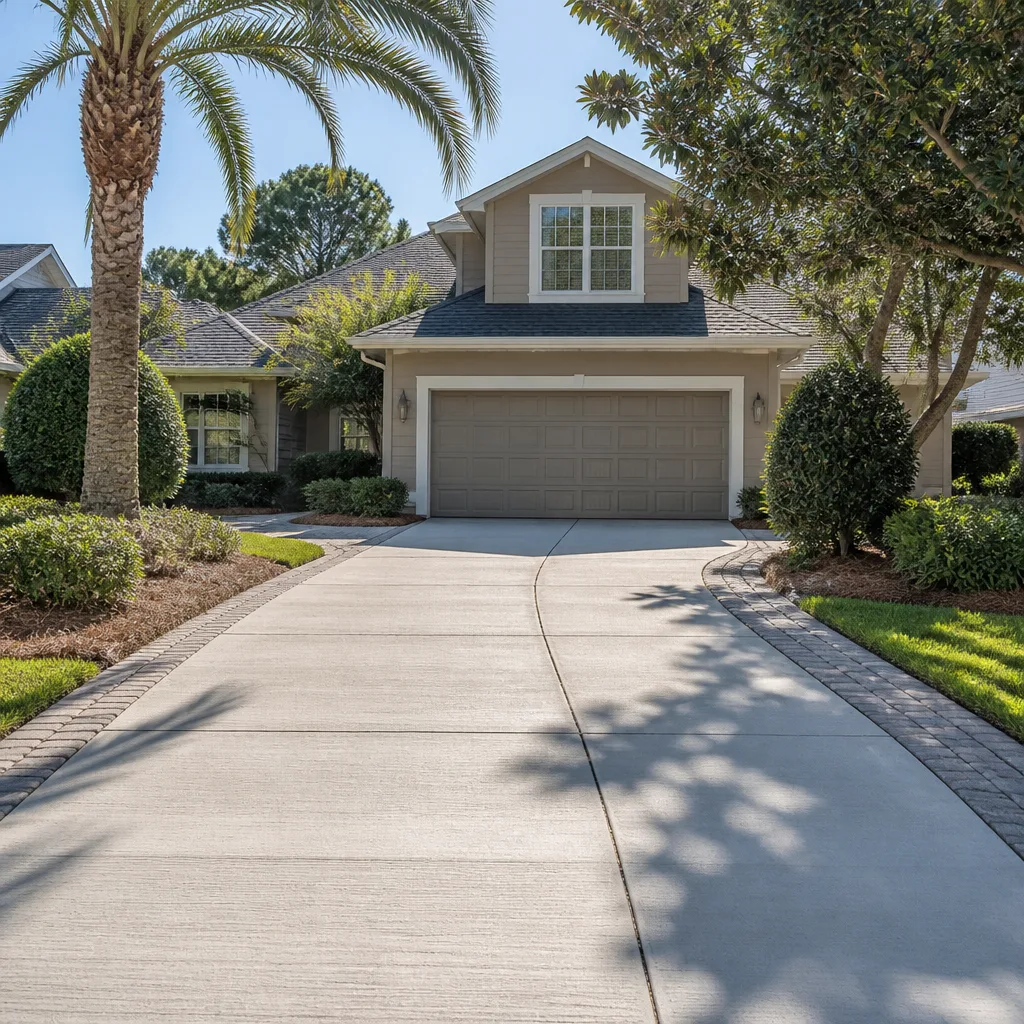
Free written scope consultation - allowances, timeline, and change-order rules on paper before a single trade is scheduled
Styles & brands we work with
- Kitchen remodeling
- Bathroom remodeling
- Home additions & ADU
- Roofing
- Windows & doors
- Driveway & pavers
- Fence
See the difference
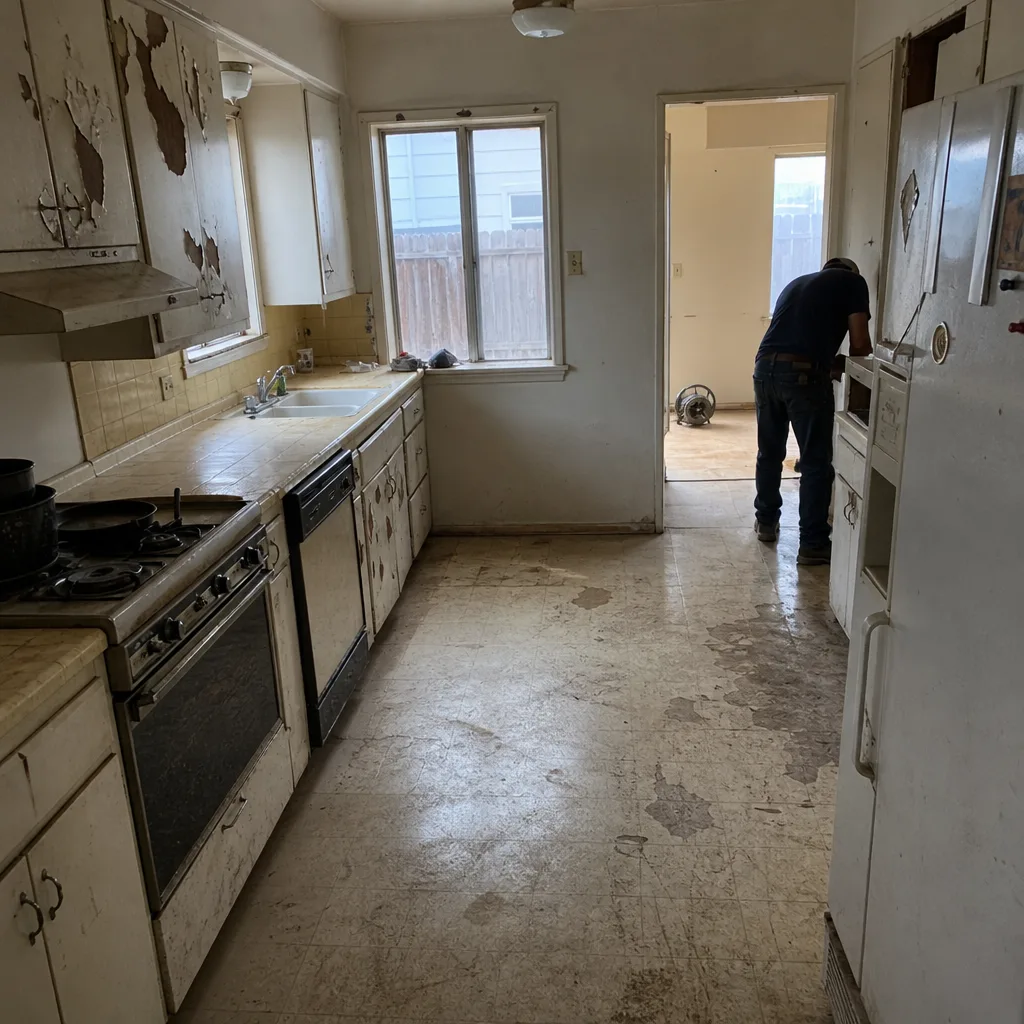 Before
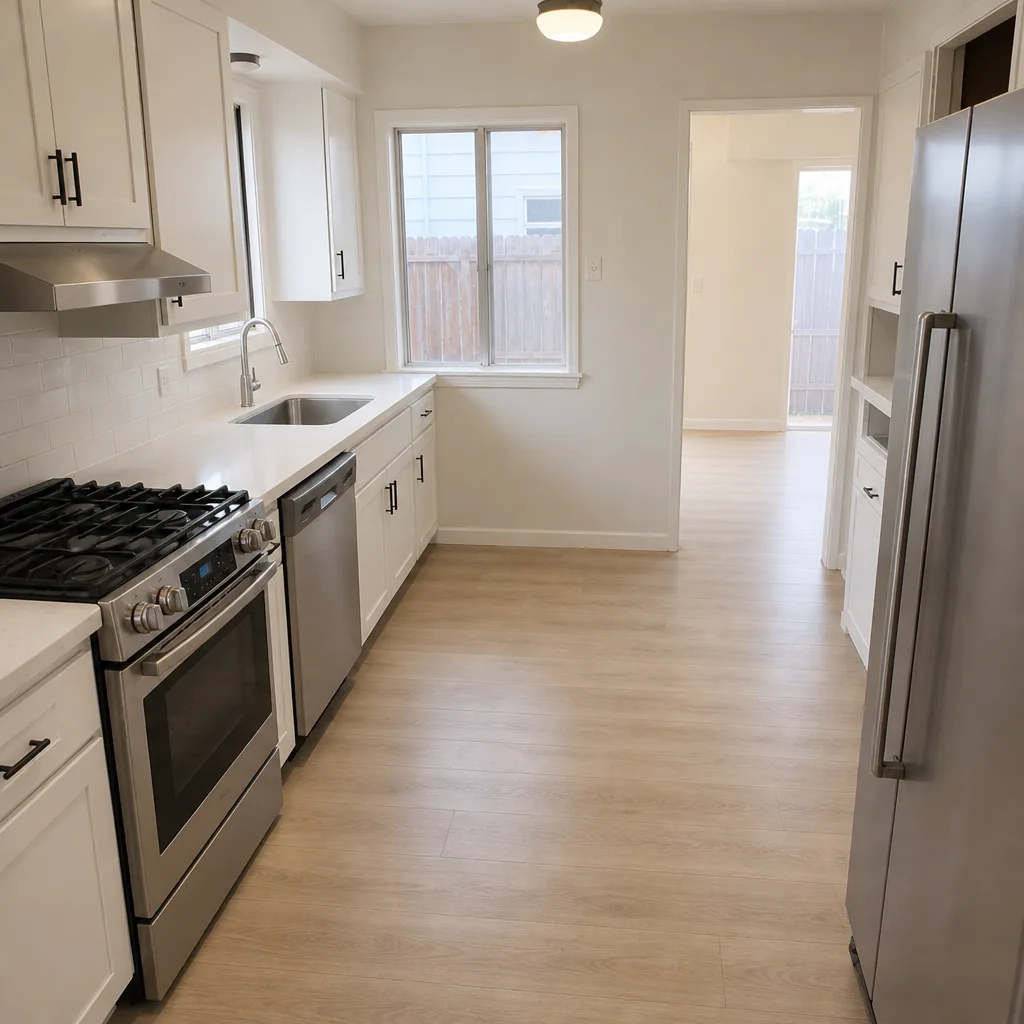 After
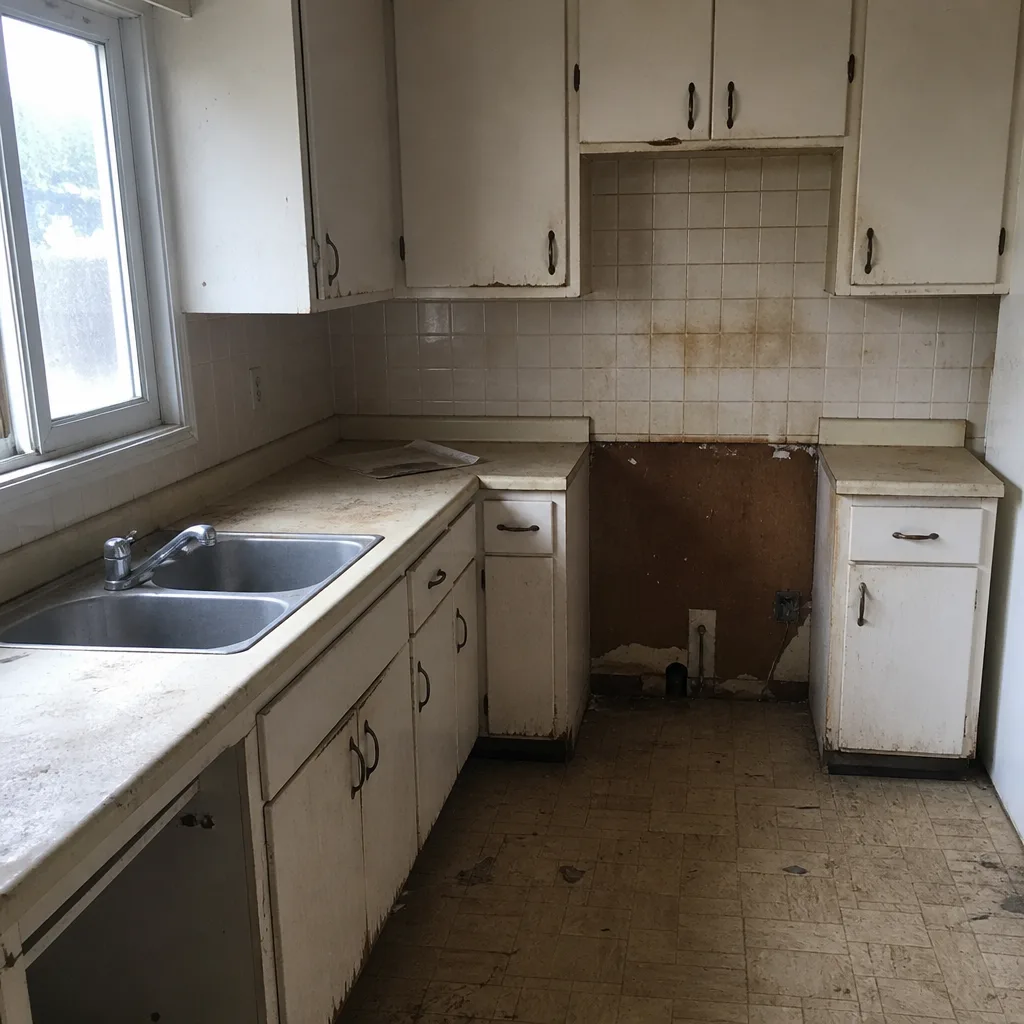 Before
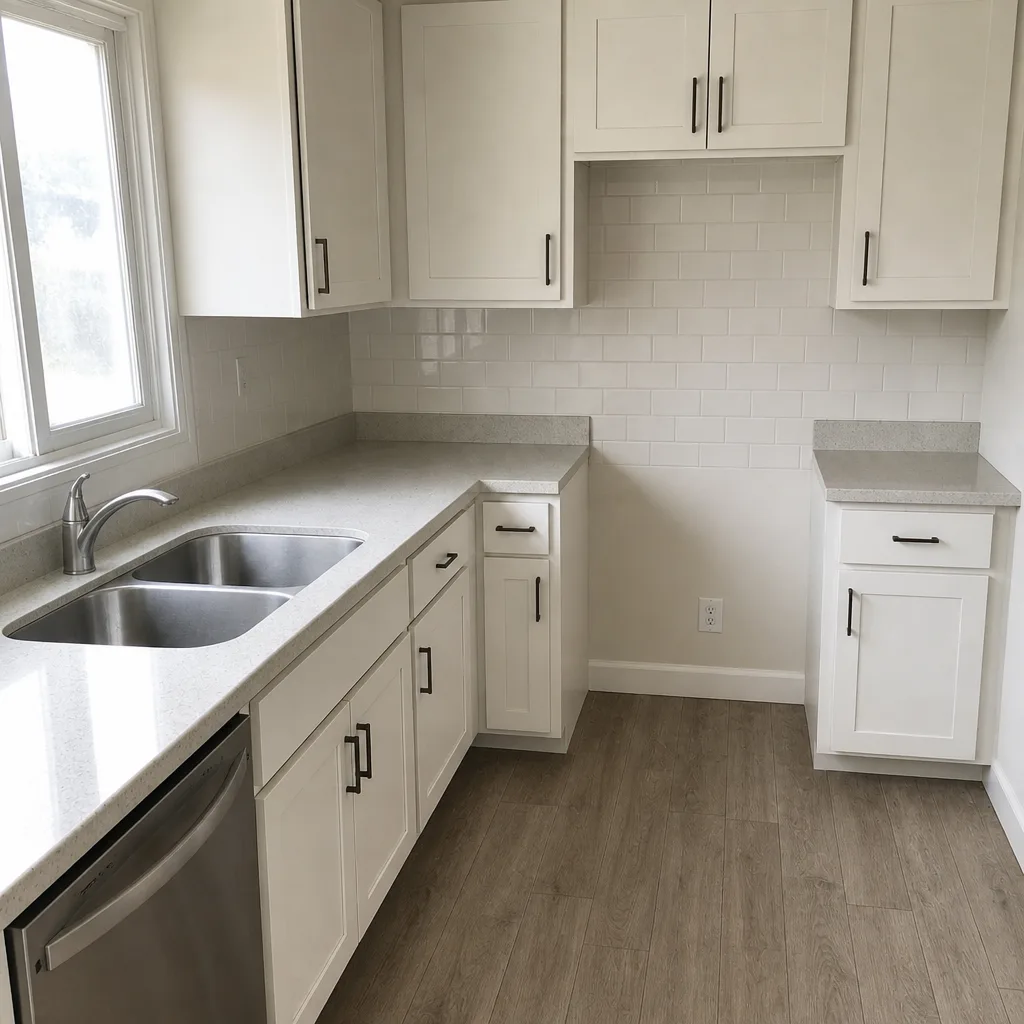 After
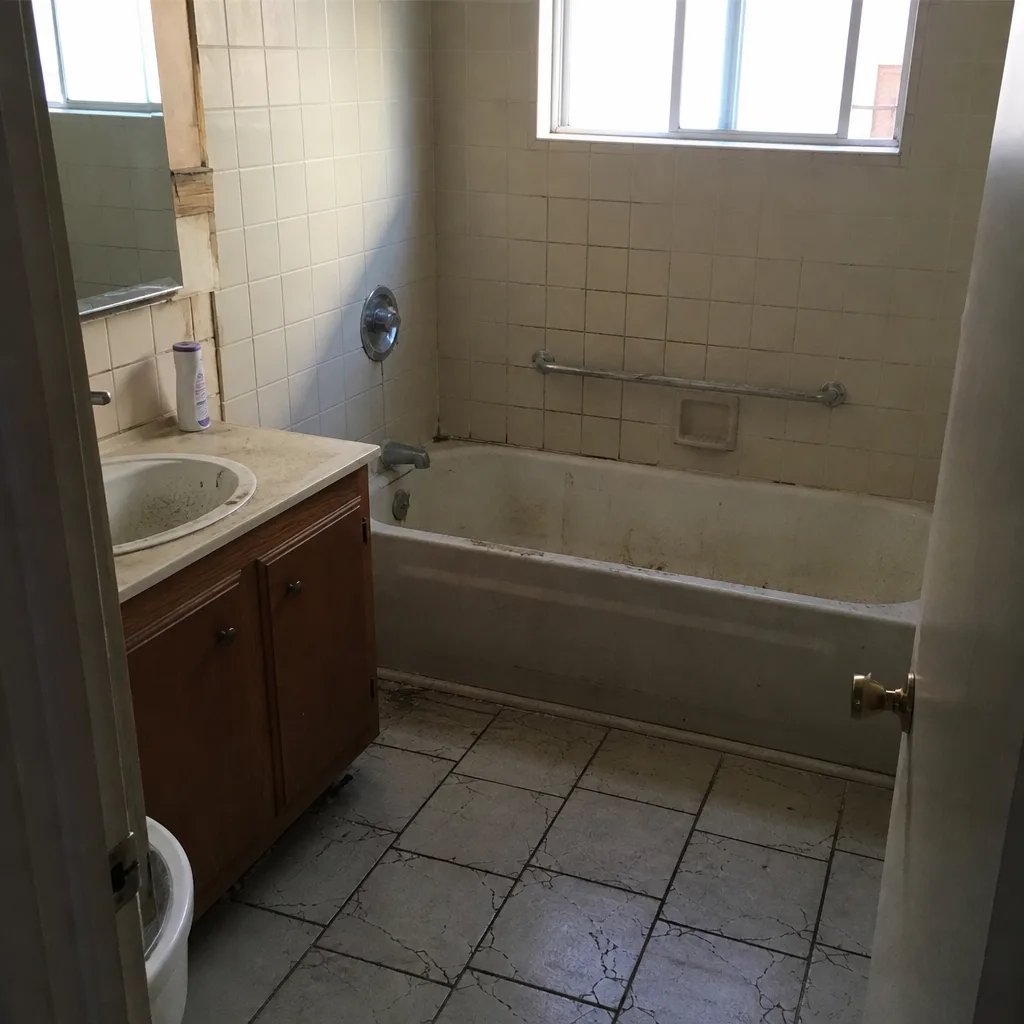 Before
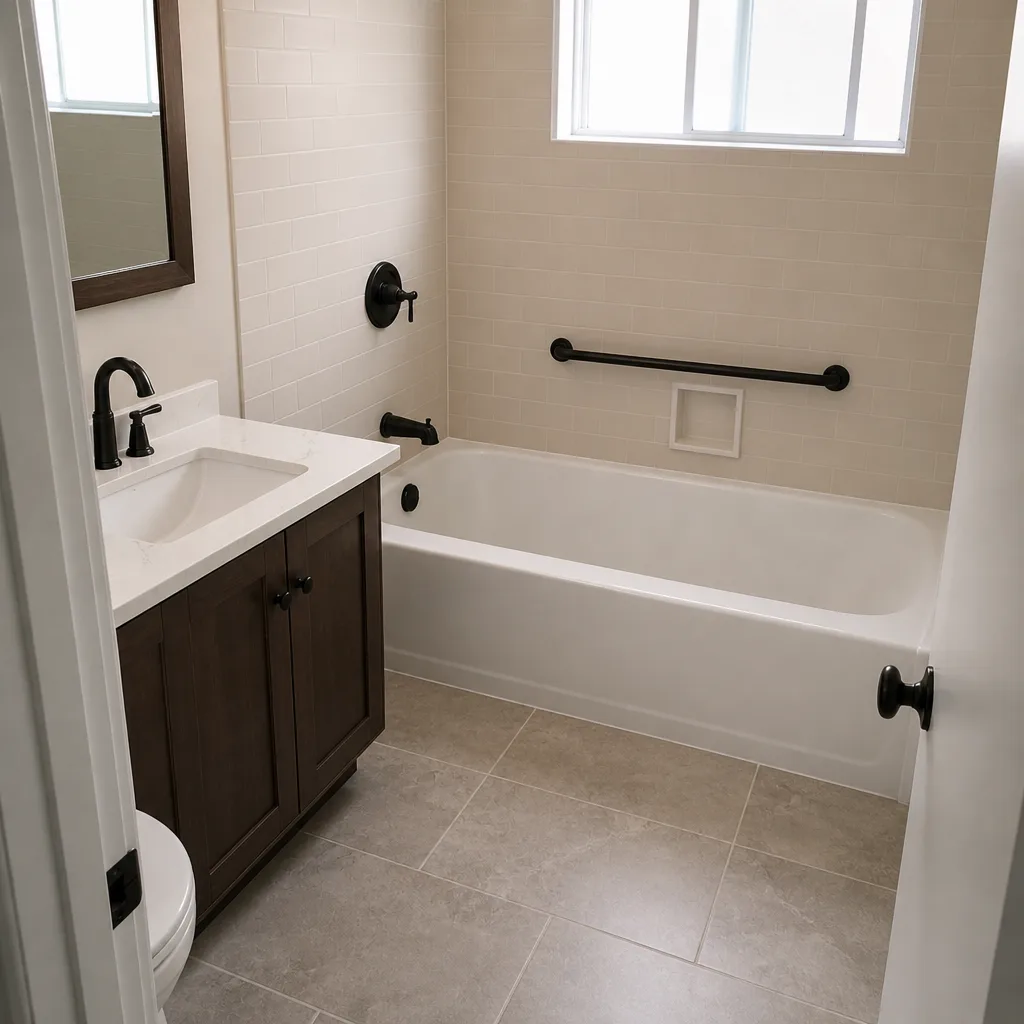 After
How Long Does a Roof Last in Richmond, CA? Shorter Than the Label Says
A 30-year architectural shingle on a south-facing Richmond slope near the bay often lasts closer to 18-22 years. The same product on a south-facing Sacramento roof reaches 28. The fog is the difference. Published lifespan charts are built on national averages from inland climates, and Richmond’s bay fog, salt air, and cool thermal cycles reduce those numbers in ways no generic chart accounts for. If you want a straight answer on your own roof, call (833) 700-4611 and we’ll walk the roof with you, no pressure.
That’s the short version most homeowners never hear. Roofers quote you the box number, not the Richmond number. Here’s what actually governs how long your roof lasts in this city.
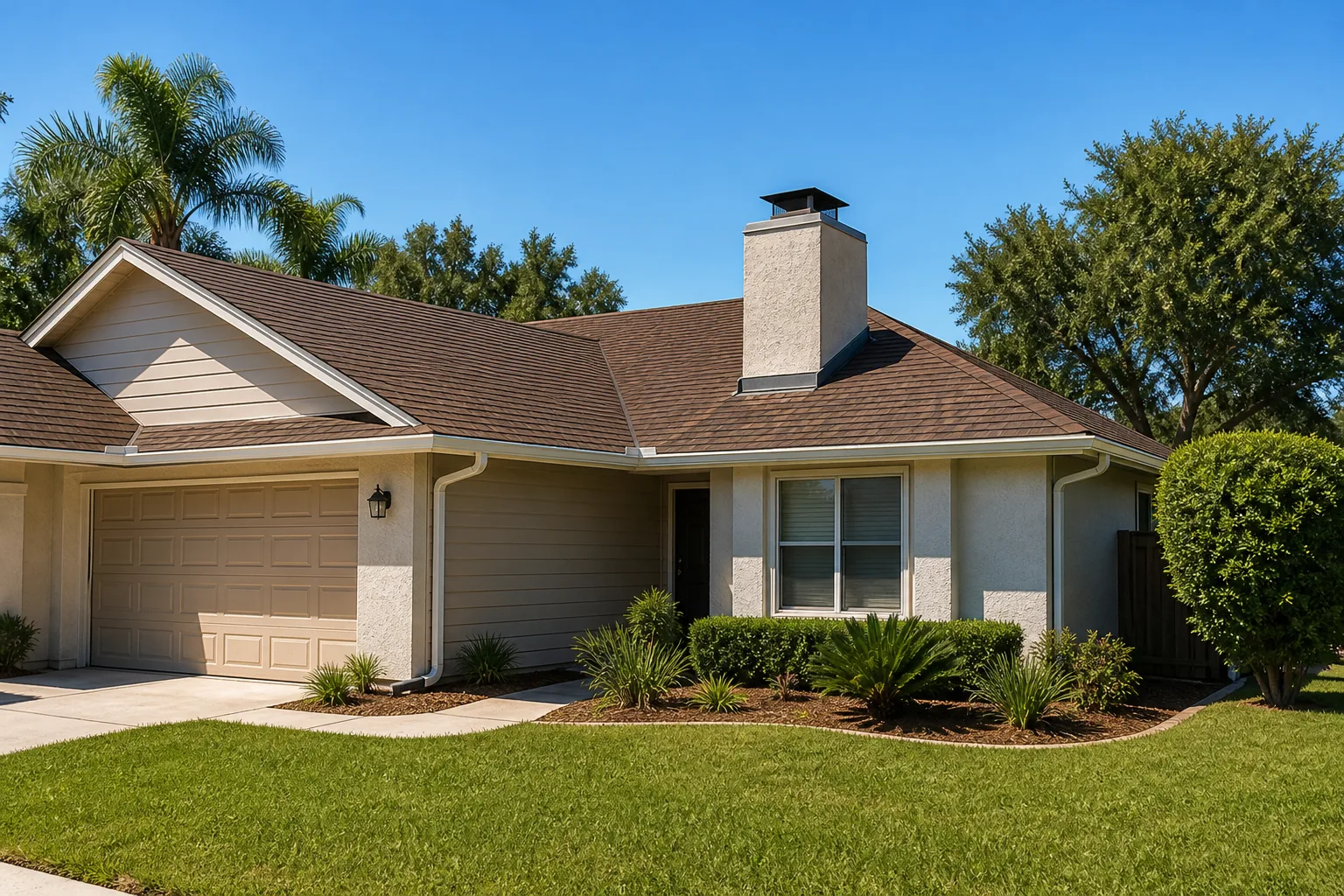
Why Fog, Not Rain, Is Richmond’s Real Roof Killer
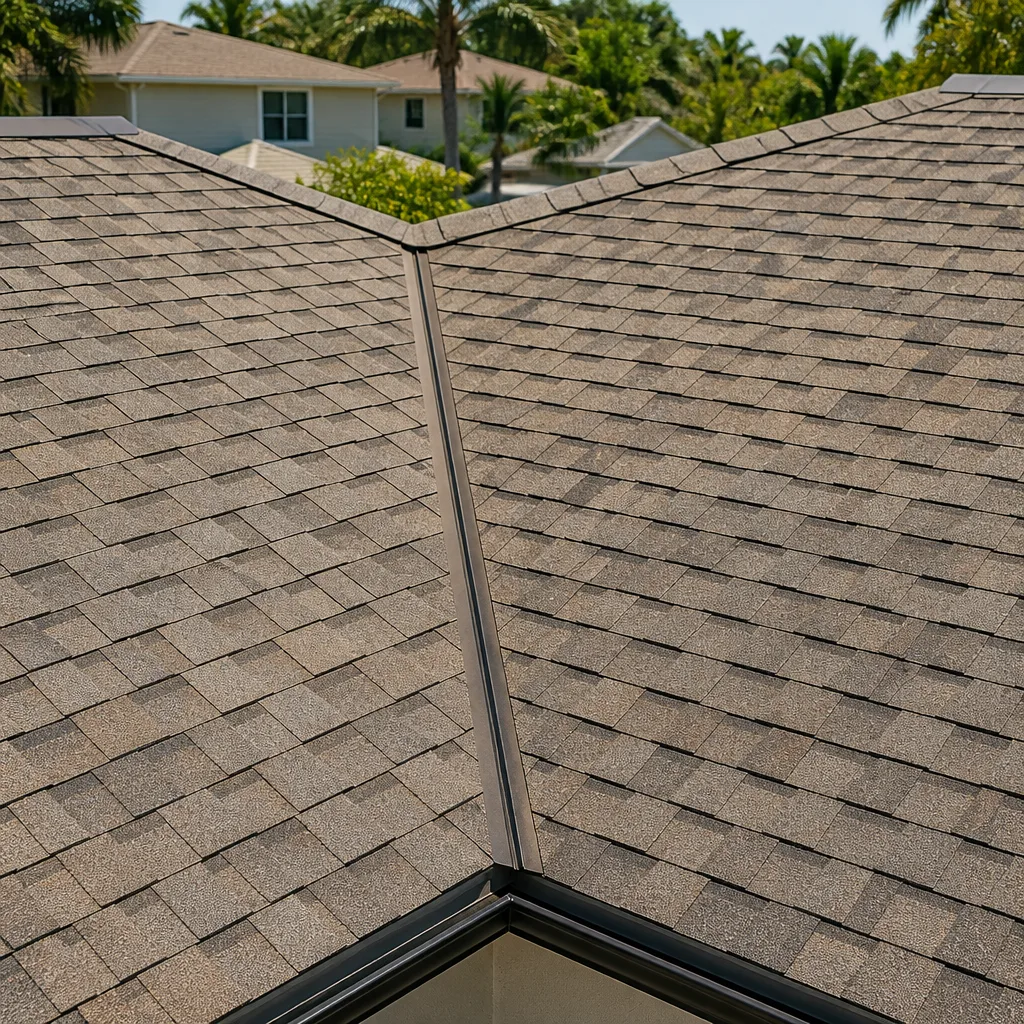
Most roof wear comes from two forces working in sequence: UV bakes the shingle, and the freeze-thaw and wet-dry cycles of the seasons flex it. Inland roofs get a lot of UV and very little persistent moisture. Richmond gets the reverse. The marine layer settles over neighborhoods like Parkview and points along the bay and never fully burns off by mid-morning. Shingles stay damp, the sun never dries them completely, and the drying cycles that a lifespan chart assumes simply don’t happen.
Orientation matters more here than most roofers account for. West- and north-facing slopes hold moisture longest. South-facing slopes that catch the bay fog off the water become the classic 18-22-year asphalt case. A slope with more sun exposure can outrun its west-facing neighbor by several years, even on the same house. When we assess a Richmond roof, we look at each slope separately, because a single average number misses this entirely.
What the numbers look like by material and slope
| Material / rated life | Richmond fog-belt reality | Why |
|---|---|---|
| 30-year architectural asphalt | 18-22 years on west/north slopes | Persistent moisture, low UV drying cycles |
| 50-year standing-seam metal | Holds up far better | Sheds moisture instead of absorbing it |
| Exposed metal flashing, drip edge, fasteners | Corrodes faster near the bay | Salt-laden air accelerates oxidation |
Metal’s advantage in fog is real, and it’s why we lean on GAF and Owens Corning for asphalt and point homeowners toward a metal system when they plan to stay long term. A Roofing system is only as good as its flashing and fasteners, and those details tell you a lot about how the whole assembly will age.
Salt Air Shortens the Life of a Roof Even When the Shingles Look Fine
Richmond sits on San Francisco Bay, and the air off the water carries salt. That salt attacks the parts of a roof nobody inspects until they fail: exposed metal flashing, drip edges, and the fasteners holding down ridge and valley work. A homeowner can look at their shingles, see nothing wrong, and still have a roof system that’s quietly aging out from underneath. When the fasteners rust through, water gets in and the failure looks sudden. It isn’t; it’s been happening for years.
In the older flatlands near the bay, we see this repeatedly. The shingle field looks intact, but the flashing around chimneys and skylights is chalky and pitted. That’s the salt. When we replace a roof, we specify corrosion-resistant flashing and fasteners, because a premium shingle over cheap metal is a lifespan chart that lies.
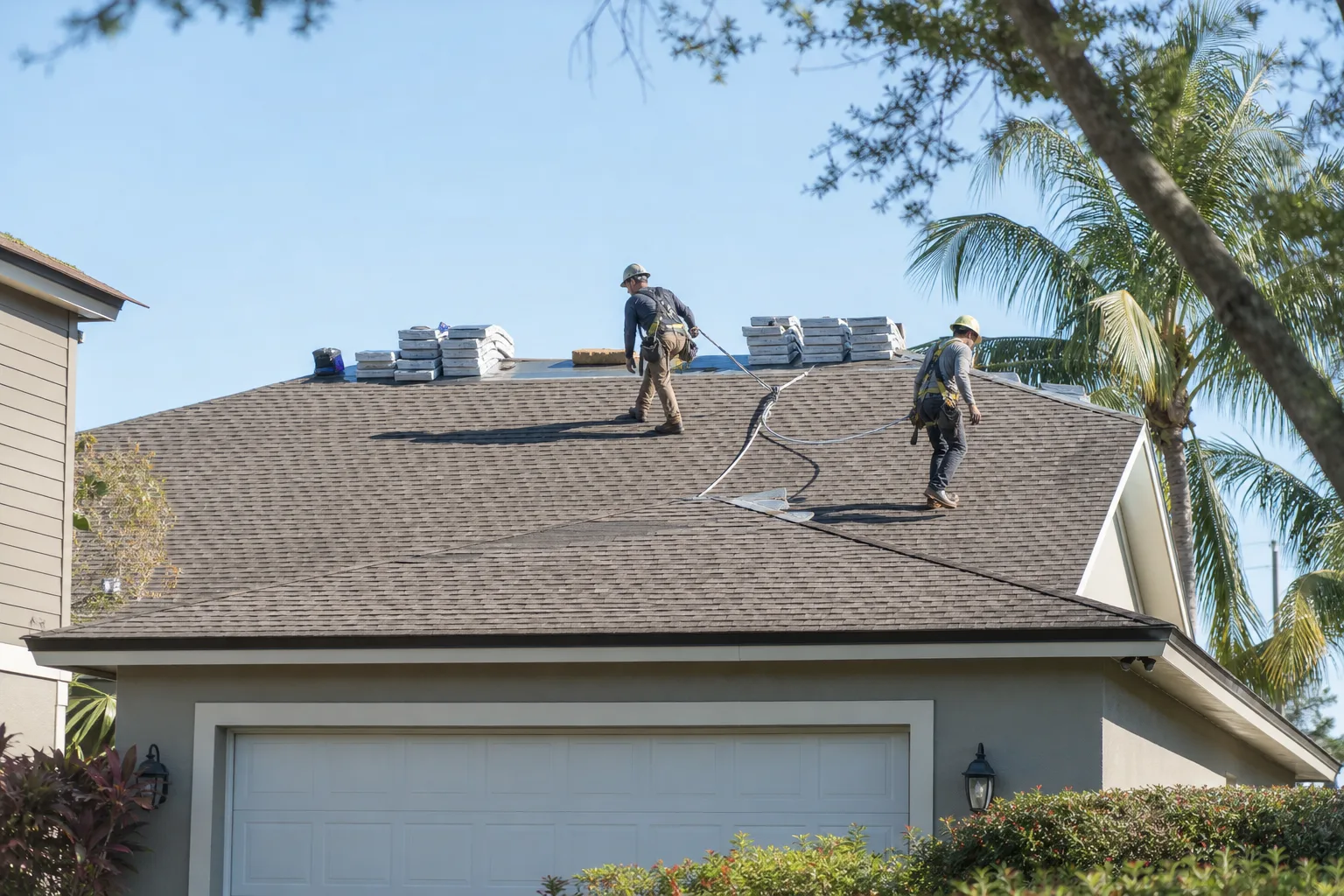
Your 1910s Bungalow’s Sheathing Is Working Against It
If you own a South Richmond craftsman or an Iron Triangle bungalow built between the 1910s and 1940s, your roof deck is probably original skip-sheathing, not modern plywood. Skip-sheathing flexes and gaps under foot traffic and thermal movement more than solid decking does. That movement stress-cracks shingle tabs from below, so the surface fails faster than the shingle’s warranty would suggest, independent of the weather.
This is a first-hand detail a lot of charts won’t tell you: on these older homes, the deck is often the shortening factor, not the shingle. At replacement, we address it. We install new decking or reinforce the framing as the roof needs, so the next system starts from a solid base. It’s part of what the 730-Day Done Right Promise backstops; if the installation itself is the reason a roof fails early, we make it right.
Ventilation Can Cut Shingle Life by 30-40%, and It’s Fixable at Replacement
Many mid-century Richmond homes were built with attic ventilation sized for a milder assumption than reality. Poor venting traps heat in summer (yes, even a mild Richmond summer) and moisture in winter. That combination can reduce shingle life by 30 to 40 percent, and it’s fully correctable at the time you replace. We treat ventilation as part of the job, not an afterthought. Ridge vents, soffit intake, and a proper intake-to-exhaust balance make a difference the next roof will feel for its whole service life.
What to check before your next roof
- Which slopes face the bay, and how much fog they hold through the day
- Age and condition of the flashing, drip edge, and fasteners, not just the shingles
- Whether the deck is original skip-sheathing that’s flexing
- Attic ventilation balance, especially on 1950s-60s builds
- Any unpermitted 1940s-70s additions that changed the roofline
How Long Should You Actually Expect in Richmond?
Based on the roofs we see across Richmond, here’s a realistic planning range, not a manufacturer’s ceiling:
- Asphalt shingle on fog-heavy west/north slopes: plan on 18-22 years
- Asphalt on sunnier slopes with good ventilation: toward the higher end
- Metal with correct flashing and fasteners: considerably longer, and the better long-horizon choice near the bay
For reference, a full roof replacement in Richmond runs $8,000-$20,000, and a repair is $400-$1,800. A metal roof installation runs $15,000-$40,000. We quote upfront with no surprises so the number you see is the number you pay, and 0% financing for 18 months is available. The best path is a straight assessment of your specific slopes and deck, not a guess from a chart.
Our technicians have up to 12 years of experience, arrive background-checked and in uniform, and calls are answered by a live person 24/7. For the neighborhoods we serve across the Richmond service area, a roof is a long-horizon decision. We treat it that way.
Common Richmond Scenarios We Walk Into
A 1940s bungalow near the bay where the shingles look 10 years old but the flashing is failing: salt did that. A 1960s stucco tract home in Verde with an attic that bakes every summer: ventilation is the fix. A hillside ranch where one slope is done and the other is already spent: orientation explains it. And every so often, a shipyard-era addition that changed the roofline and never got permitted, which we sort out before we quote.
FAQs
Usually not. On fog-heavy west- and north-facing Richmond slopes, a 30-year architectural shingle typically achieves 18-22 years because persistent moisture and low UV drying cycles wear it faster than inland-rated charts assume. If you’re planning around that number, it’s worth having the roof assessed slope by slope. Call (833) 700-4611 for a free estimate.
Often yes. Metal roofs rated for 50 years fare significantly better in fog because they shed moisture rather than absorbing it, and with corrosion-resistant flashing and fasteners they hold up to the salt air around the bay. In Richmond, metal roof installation runs $15,000-$40,000. Reach out and we’ll tell you honestly whether your situation favors it.
Yes, by an estimated 30-40 percent. Mid-century Richmond homes with inadequate ventilation trap heat in summer and moisture in winter, and that accelerates shingle wear. The good news is it’s correctable when you replace the roof. A quick call to (833) 700-4611 gets you a straight read on your attic.
Two reasons: original skip-sheathing on 1910s-1940s homes flexes and stress-cracks shingles from below, and older flashing and fasteners corrode faster in salt air. Both can be addressed at replacement. We’ll walk you through what your specific deck needs.
Get a Straight Answer on Your Roof
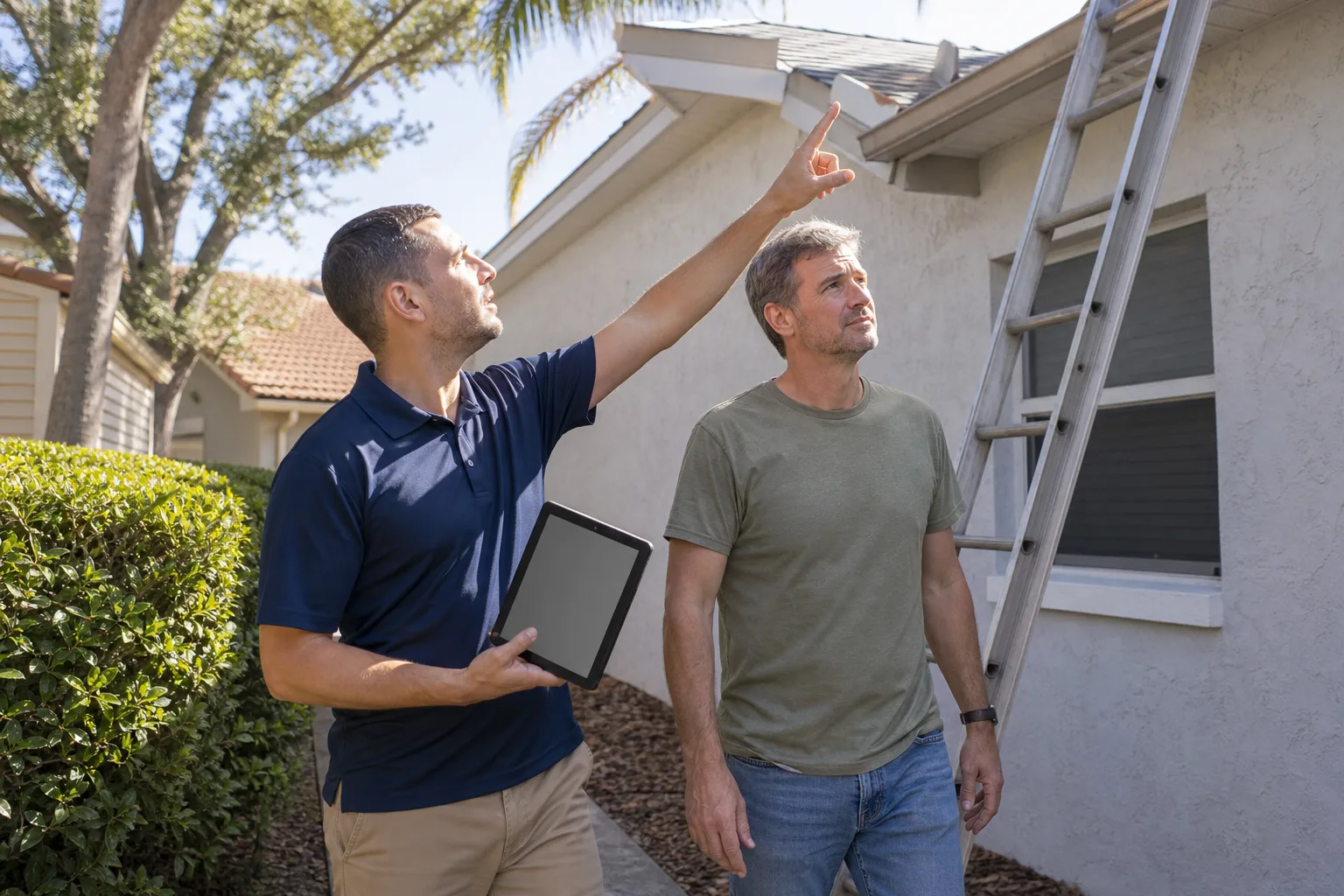
If you’d rather have it looked at instead of guessed at, Groundwork Construction Co. of Richmond offers a no-pressure assessment in Richmond. We’ll walk your slopes, check the flashing and deck, and tell you honestly how many years you’re working with. Call (833) 700-4611 for a free estimate.
Written by the team at Groundwork Construction Co. of Richmond, serving Richmond, CA.