




Free written scope consultation - allowances, timeline, and change-order rules on paper before a single trade is scheduled
Styles & brands we work with
- Kitchen remodeling
- Bathroom remodeling
- Home additions & ADU
- Roofing
- Windows & doors
- Driveway & pavers
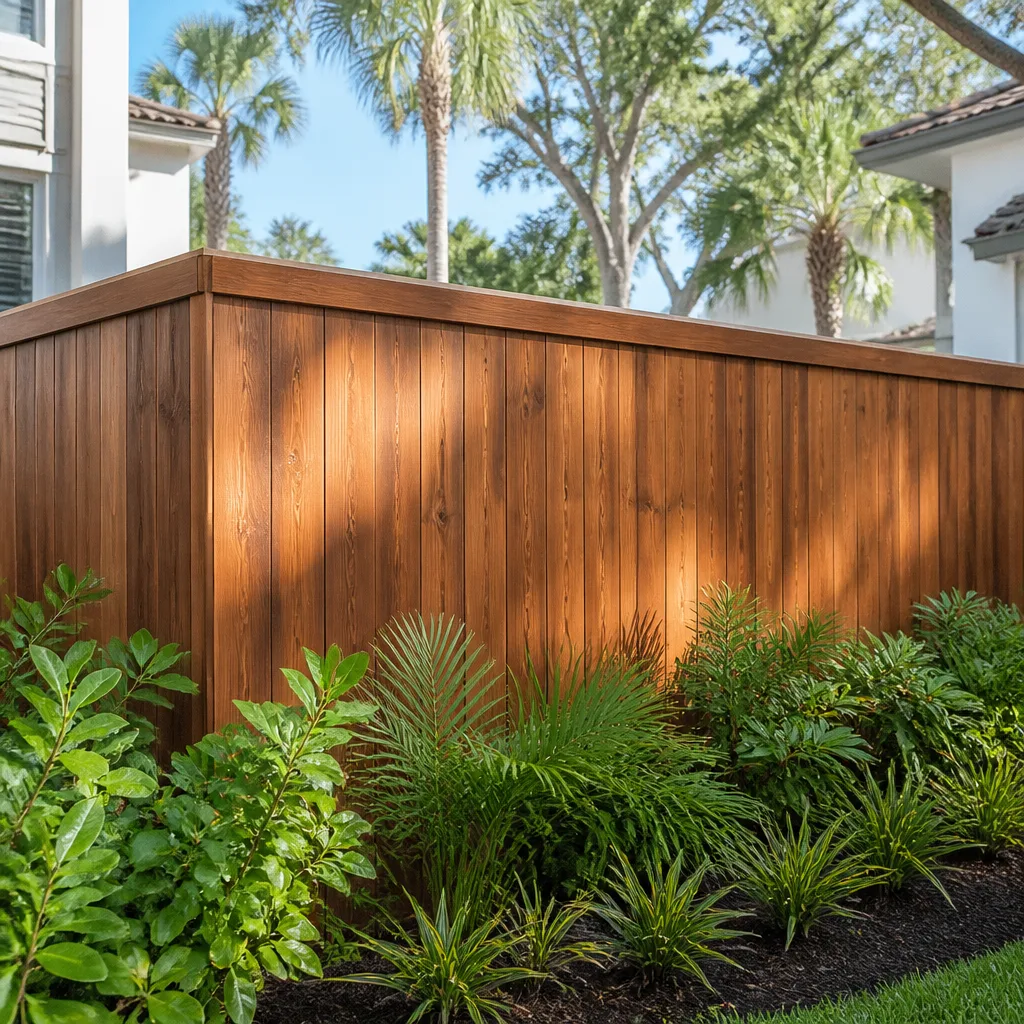
- Fence
See the difference
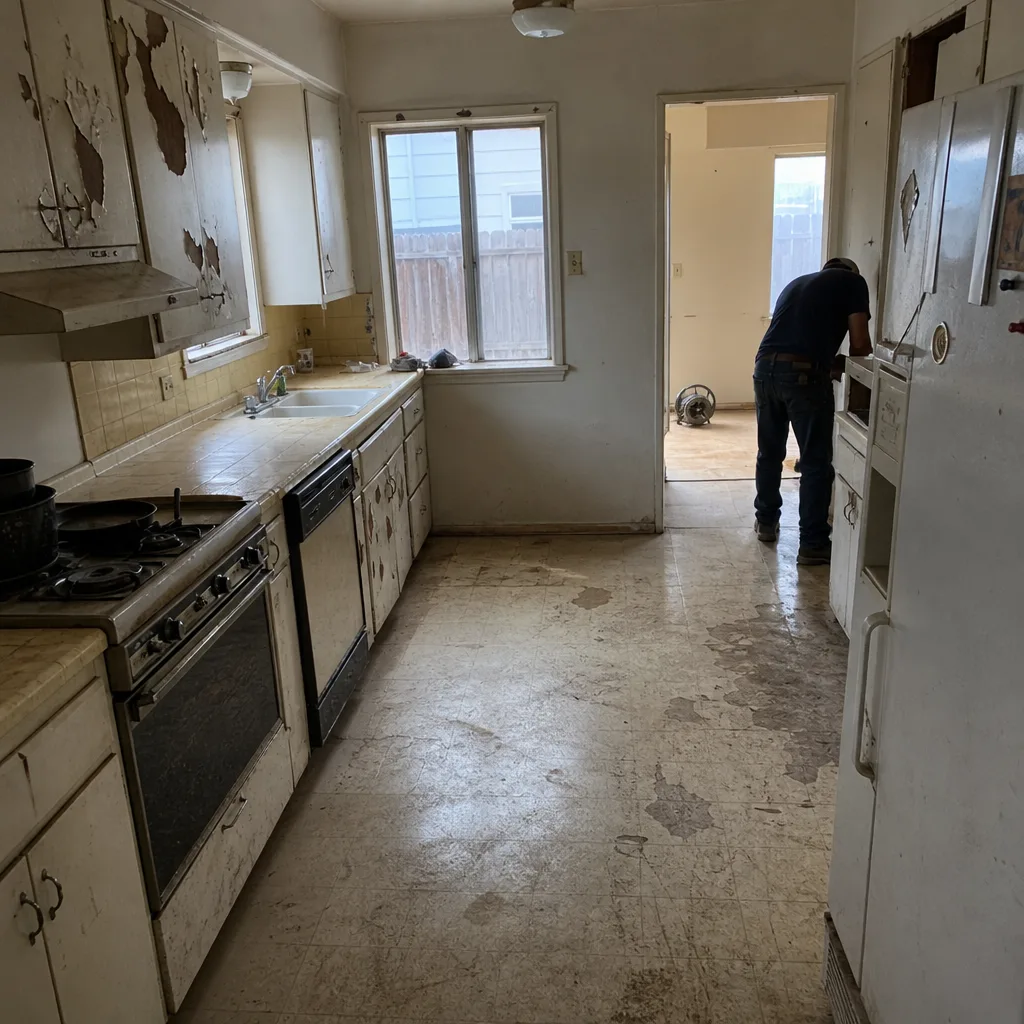 Before
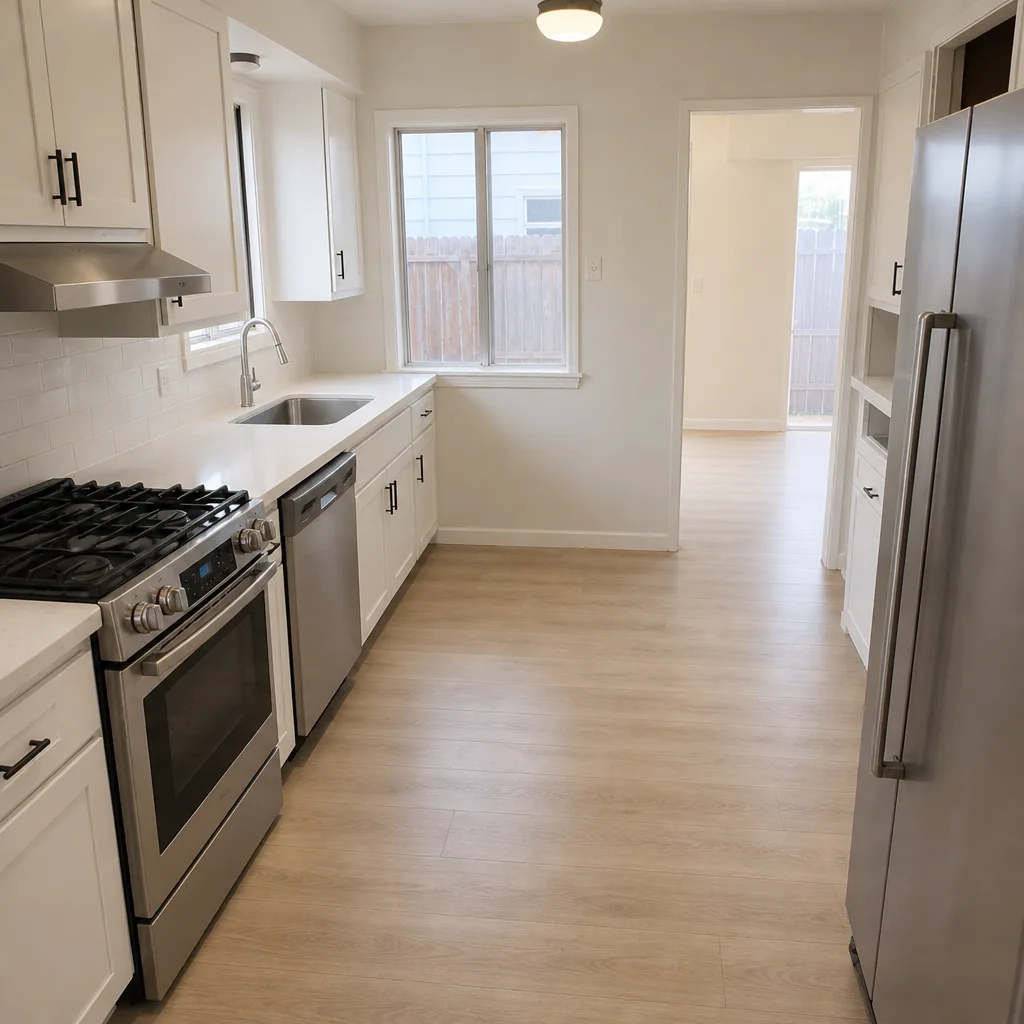 After
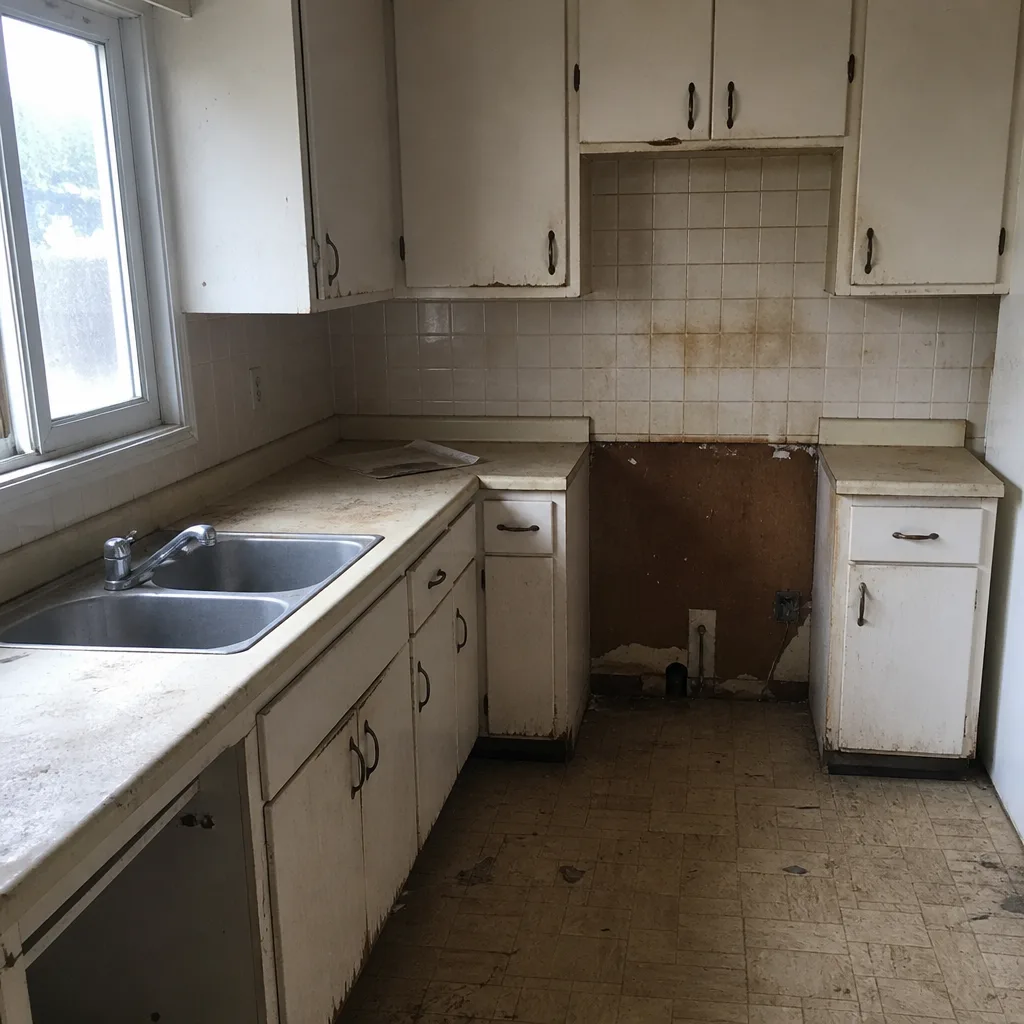 Before
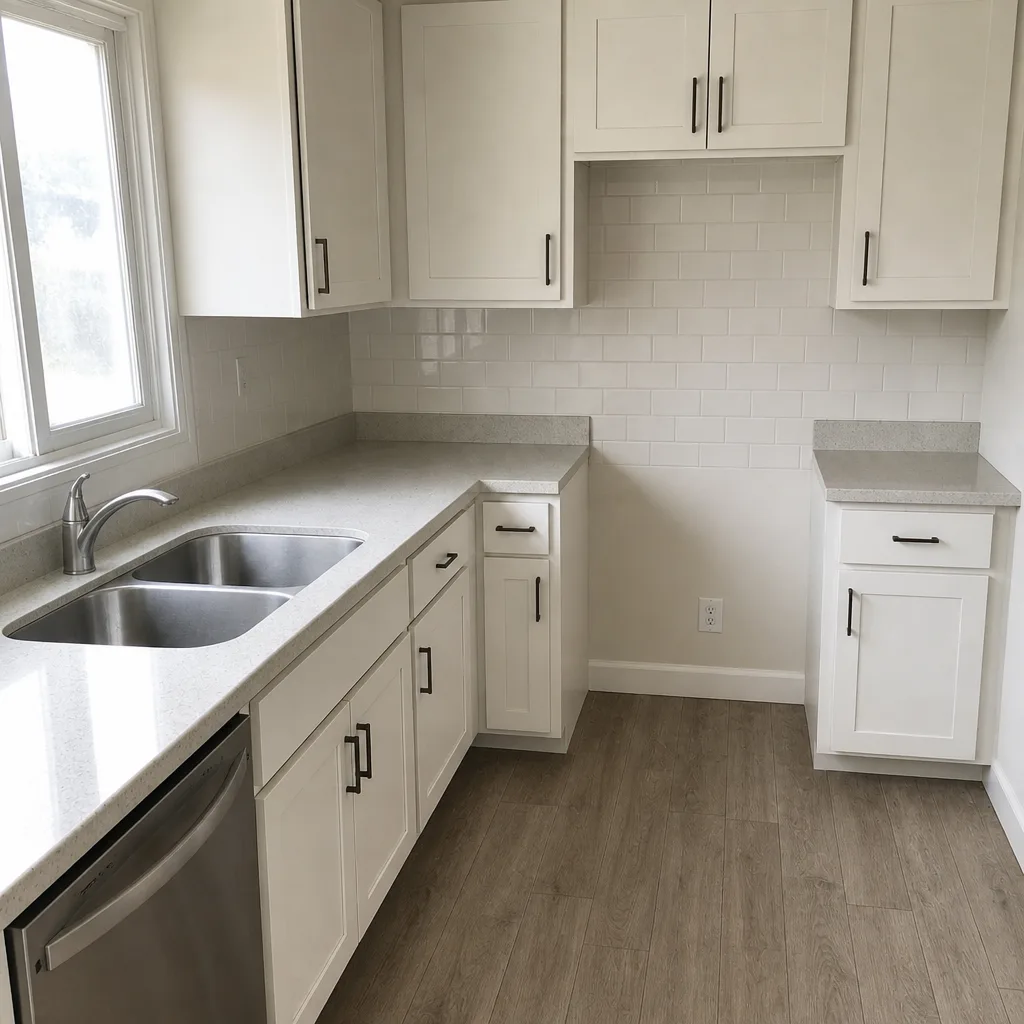 After
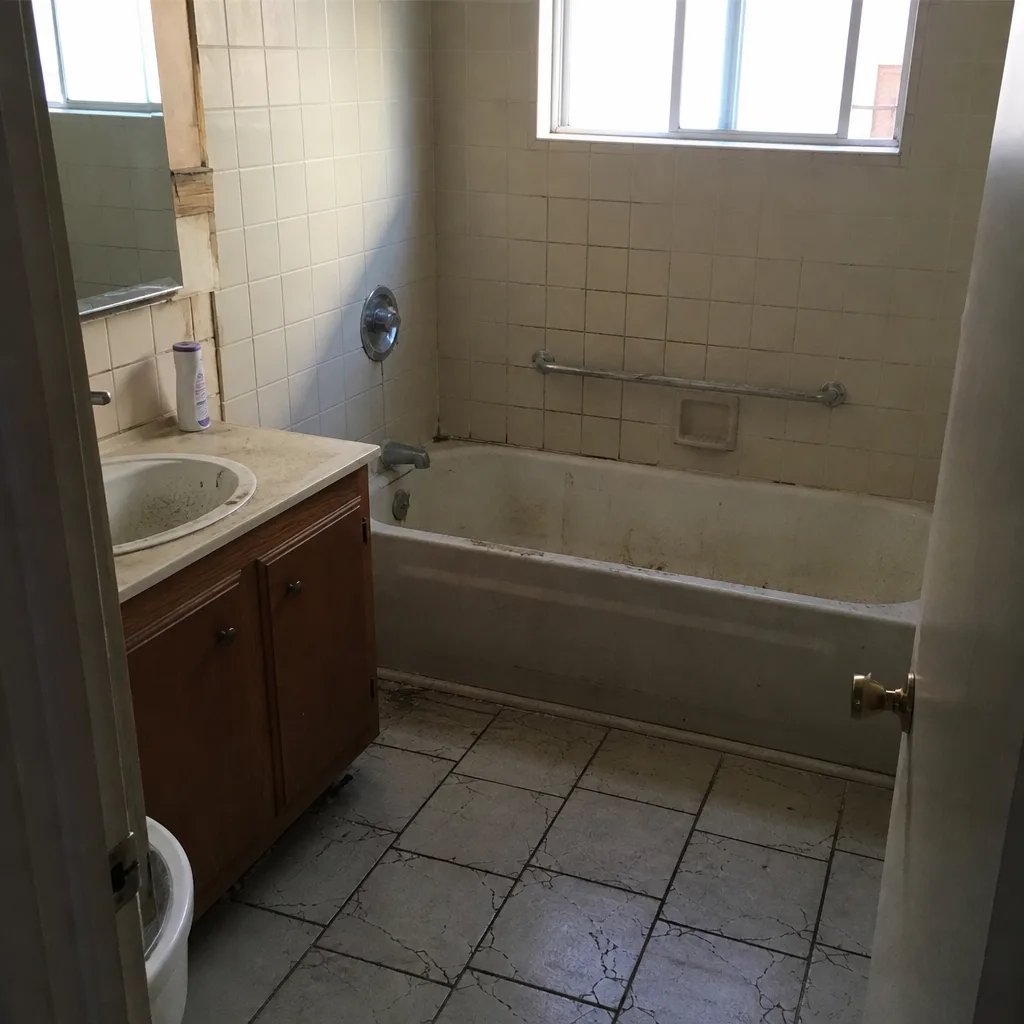 Before
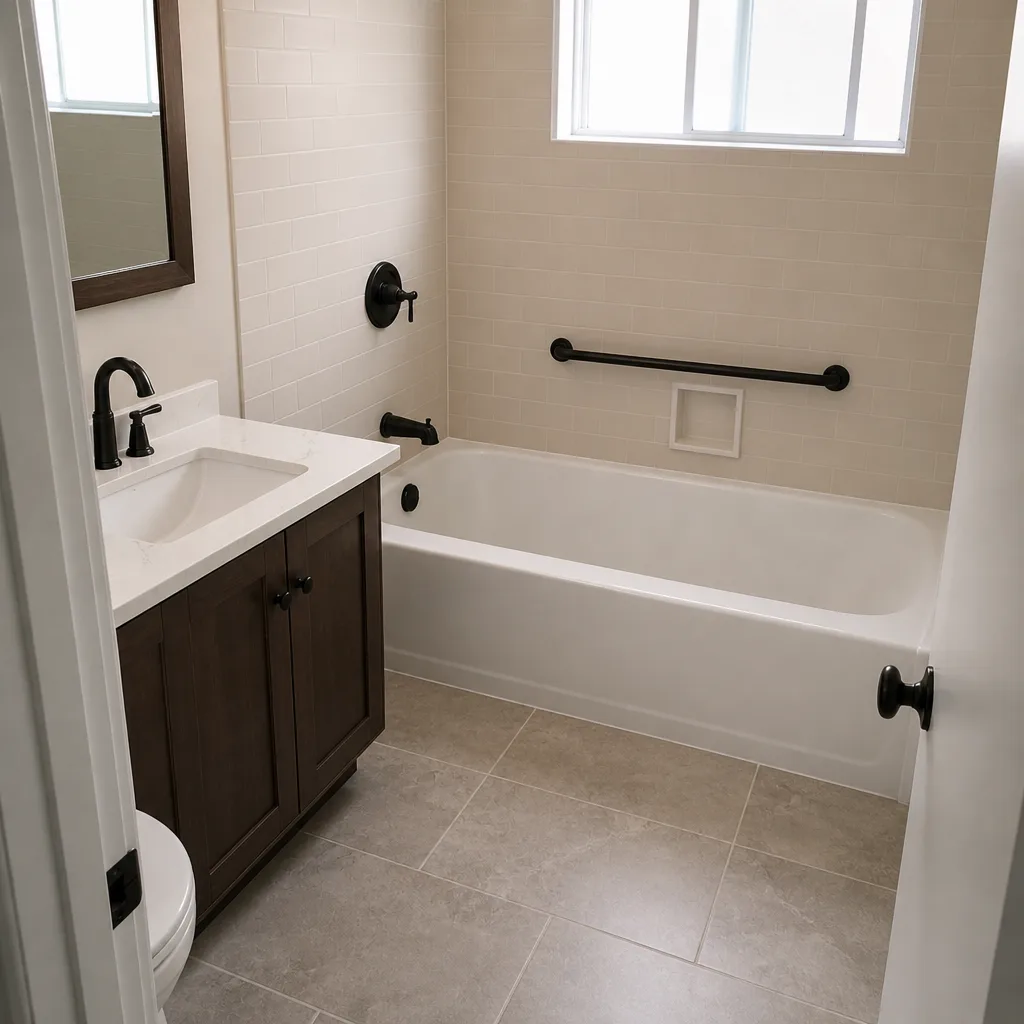 After
How to Choose a General Contractor in Richmond, CA (And the One Question That Actually Separates Them)
The short answer: check the license, insurance, and three bids the way every guide tells you, then ask a Richmond-specific question that generic advice skips. In Richmond, that question is: “What happens when you open a wall in a 1940s South Richmond bungalow and find an unpermitted addition and knob-and-tube wiring?” A contractor who has an answer, drawn from jobs in this city, is worth your deposit. One who stalls is not. When you’re ready to talk it through with a crew that lives in this market, call Groundwork Construction Co. of Richmond at (833) 700-4611 for a free estimate.

The vetting layer generic guides leave out
Most “how to choose a contractor” pages stop at CSLB license checks and proof of insurance. Those are table stakes and you should verify both. But CSLB licensing is statewide, and statewide competence does not translate into local competence. A GC who is excellent in Walnut Creek or San Ramon can walk into a Richmond flatland job and be completely unprepared for what opens up behind the drywall.
What makes Richmond different is the industrial legacy under the houses. Swaths of former Kaiser Shipyards land and refinery-adjacent parcels mean contractors here routinely hit contaminated soil, buried fuel tanks, and fill soils that trigger a soil management plan and DTSC or Bay Area Air Quality permits. The Point Molate waterfront adds its own complications: erosion, bay-mud fill, old infrastructure, and permitting that reads nothing like a routine residential job. El Cerrito and San Pablo homeowners rarely touch any of this. Richmond homeowners do.
That single difference reshapes the questions you should be asking. Add these to your list:
- Permit history with the City of Richmond. Ask how many city permit pulls they’ve managed in the last year and to walk you through a recent plan-check. A experienced contractor knows the review timeline and what the inspectors flag.
- Soil testing and DTSC protocol. Any foundation or driveway work on the east side or near the waterfront should come with a conversation about soil characterization before the pour.
- Unpermitted-addition discovery. The “garage” or “bonus room” on a 1940s South Richmond bungalow is frequently a shipyard-era conversion that was never papered. A remodel that turns one up triggers a retroactive permit scramble. Ask how they’ve handled it mid-project and who pays for the plan check.
- Housing stock fluency. Can they speak plainly about knob-and-tube and early cloth wiring, undersized galvanized plumbing, and 1950s-60s stucco tract construction in Parkview and Verde versus the mid-century ranches on the Richmond Heights and El Sobrante fringe?
- Fog-belt moisture. The bay fog and wet winters drive rot on south- and west-facing wood siding, fences, and decks, and the winter rains expose drainage issues on low-lying flatlands. A local contractor will raise this before you do.
If you want the full picture of what our team handles, the home page is the place to start.
What separates a 730-day guarantee from a one-year handshake
Ask every contractor you interview for the workmanship warranty in writing. Not the manufacturer’s product warranty, the workmanship warranty. How long does it run, what does it cover, and who is bound by it if the person who signed the estimate stops returning calls?
Most general contractors offer a one-year guarantee, and many won’t put it in writing at all. Here’s why that matters in Richmond specifically: a wet season can take 18 months to fully stress a repair. Roof flashing, deck framing, drainage corrections, and siding repairs can look fine through the first dry summer, fail in the second rainy winter, and land outside a one-year window by the time you notice. A 12-month guarantee gives you one wet season to catch a problem. That’s not enough in this climate.
Groundwork’s 730-Day Done Right Promise runs two full winters. If something we installed doesn’t hold, we come back and make it right. When you’re vetting other contractors, use that as the benchmark: if the warranty doesn’t span at least two wet seasons in writing, ask why not.
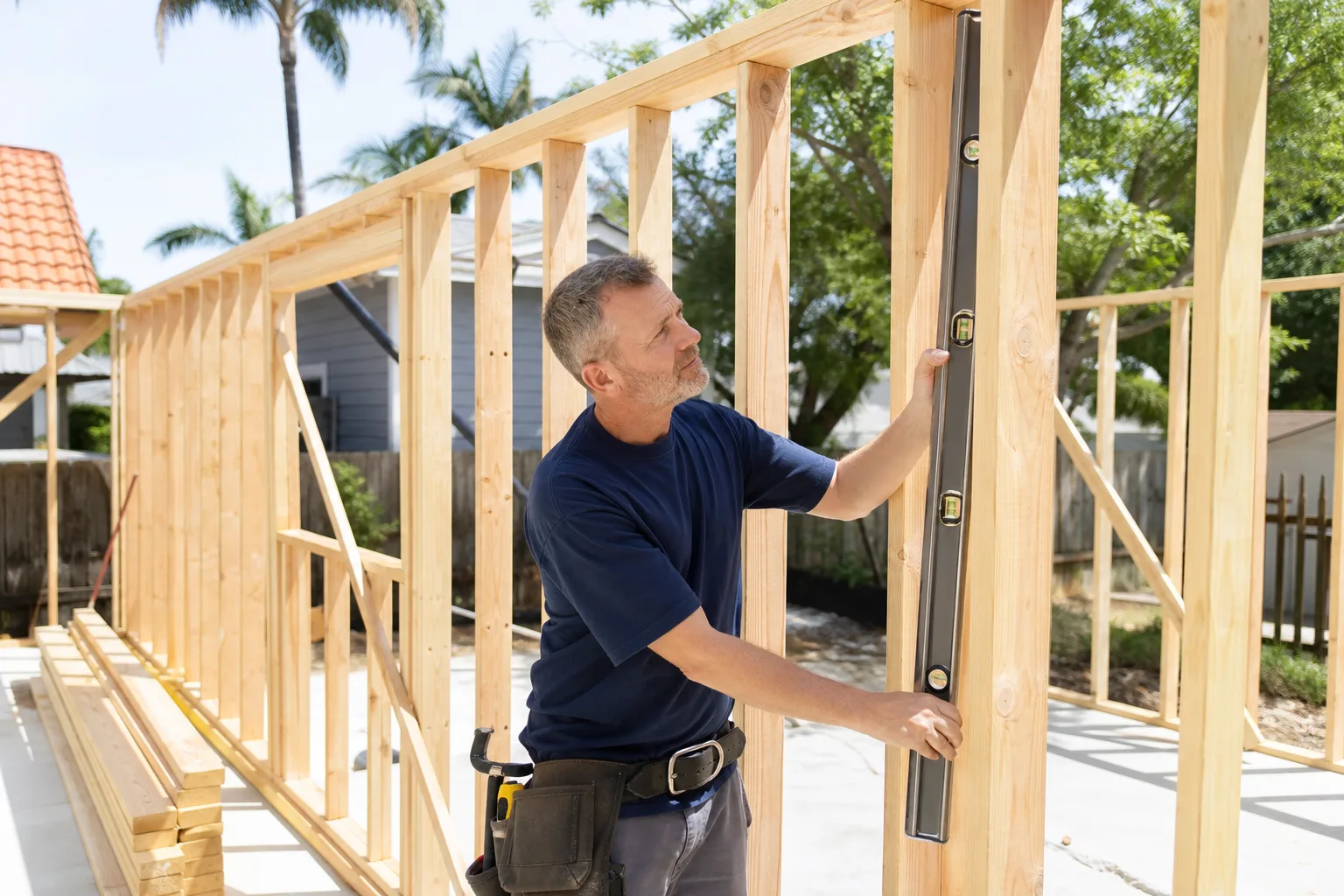
The communication test: does anyone answer after 5pm?
Ask each contractor how they handle after-hours emergencies. Construction emergencies don’t respect business hours. A pipe breaks Friday evening, a tarp blows off before a storm, a subfloor gets soaked. Most GCs go to voicemail at 5pm on Friday and call you back Monday. That’s the industry norm, and it’s a problem.
Our team answers calls live, 24 hours a day, 7 days a week. No voicemail black hole, no waiting until Monday. Test any contractor you’re considering by calling their after-hours line before you sign. If a real person picks up or calls back within a few minutes, that tells you something. Test our line at (833) 700-4611 and see the difference for yourself.
How to read a contract for hidden-cost exposure
The contract is where careless contractors transfer risk to you. Four clauses deserve a slow read:
- Change-order policy. Ask how a change is priced and approved. A written change order should arrive before work starts, with a specific number, and requires your signature before it goes forward.
- Permit responsibility. Is pulling the permit the contractor’s job, and who eats the cost of the plan-check and any retroactive permits if unpermitted work turns up? Get this in writing.
- Soil contingency. In Richmond, a general contractor who has done flatland work should already know how to address soil surprises in the contract structure, not bury a surprise line item in the estimate.
- Warranty exclusions. The exclusions carve-out is where bad warranties hide. Read every exclusion and ask what it means in plain language.
We pair every contract with upfront pricing and no surprises, which means the number you see is the number you pay. Our brand partners across the trades, from KraftMaid and Cambria in kitchens to GAF and Owens Corning on roofs and Mr-Glass windows on the exterior, are chosen so you’re buying quality, not just whatever the supply house has in stock. Two lines we offer on top of that: 0% financing for 18 months and $1,000 off projects over $10,000. That takes the sting out of a large-scale remodel without hiding costs inside the estimate.
What typical projects run in Richmond
| Project | Typical range |
|---|---|
| Kitchen remodel | $14,000-$45,000 |
| Small kitchen remodel | $9,000-$20,000 |
| Bathroom remodel | $9,000-$28,000 |
| Roof replacement | $8,000-$20,000 |
| Window replacement | $4,500-$15,000 |
| Home addition | $45,000-$130,000 |
| ADU construction | $90,000-$220,000 |
| Garage conversion | $30,000-$80,000 |
Every one of those numbers assumes you’re not paying for someone else’s unpermitted work or the soil report they should have ordered. And every one is backed by the 730-Day Done Right Promise, in writing, with background-checked, uniformed technicians showing up on the day and time we quoted.
A few real scenarios you’ll run into here
The South Richmond remodel that turns up a shipyard-era garage conversion. The contractor who pulled the original permit is long gone. Our team pulls the retroactive permit, brings the framing to current code, and finishes the job without sending you back to square one.
The east-side foundation pour that reads as fill. Before any concrete goes down near the waterfront or on a lot with a history, soil testing runs, and the plan adjusts to the DTSC or Air Quality protocol that applies. It costs a little more up front and saves a lot more later.
The Richmond Heights ranch with original galvanized plumbing and 1950s stucco. The plumbing swap has to happen before the kitchen goes in, and the stucco comes off in ways that reveal how much rot is hiding behind the fog-belt siding. A contractor who hasn’t worked in this housing stock will guess. Ours plan it.
FAQs
Ask how many City of Richmond permit pulls they’ve managed in the last year, how they handle soil testing and DTSC protocol, and what happens if an unpermitted addition turns up mid-project. Then ask for the workmanship warranty in writing and call their after-hours line to see if a real person answers. If any answer feels vague, keep interviewing. Call (833) 700-4611 for a free estimate with our team.
No. A CSLB license is a statewide floor, not a local qualification. Richmond’s permit office, contaminated-soil rules, and older housing stock require knowledge you only get from jobs in this city. Ask for proof of Richmond-specific work, not just proof of license. Call (833) 700-4611 to talk through a project.
At least two full wet seasons. One-year warranties common in the industry can expire before Richmond’s second rainy winter reveals a drainage, flashing, or framing problem. Our 730-Day Done Right Promise runs two years, in writing, and we return to make it right. Call (833) 700-4611 for the terms.
Yes, in many cases. Estimate and design consults are free, and a live person answers the line 24 hours a day, so weekend and evening calls get a real conversation, not a voicemail. Call (833) 700-4611 and we’ll find the soonest slot.
If you’d rather have it looked at, Groundwork Construction Co. of Richmond offers a no-pressure assessment in Richmond. Call (833) 700-4611 for a free estimate and design consult. Upfront pricing, live people around the clock, and a guarantee that spans two winters.
Written by the team at Groundwork Construction Co. of Richmond, serving Richmond, CA.