




Free written scope consultation - allowances, timeline, and change-order rules on paper before a single trade is scheduled
Styles & brands we work with
- Kitchen remodeling
- Bathroom remodeling
- Home additions & ADU
- Roofing
- Windows & doors
- Driveway & pavers
- Fence
See the difference
 Before
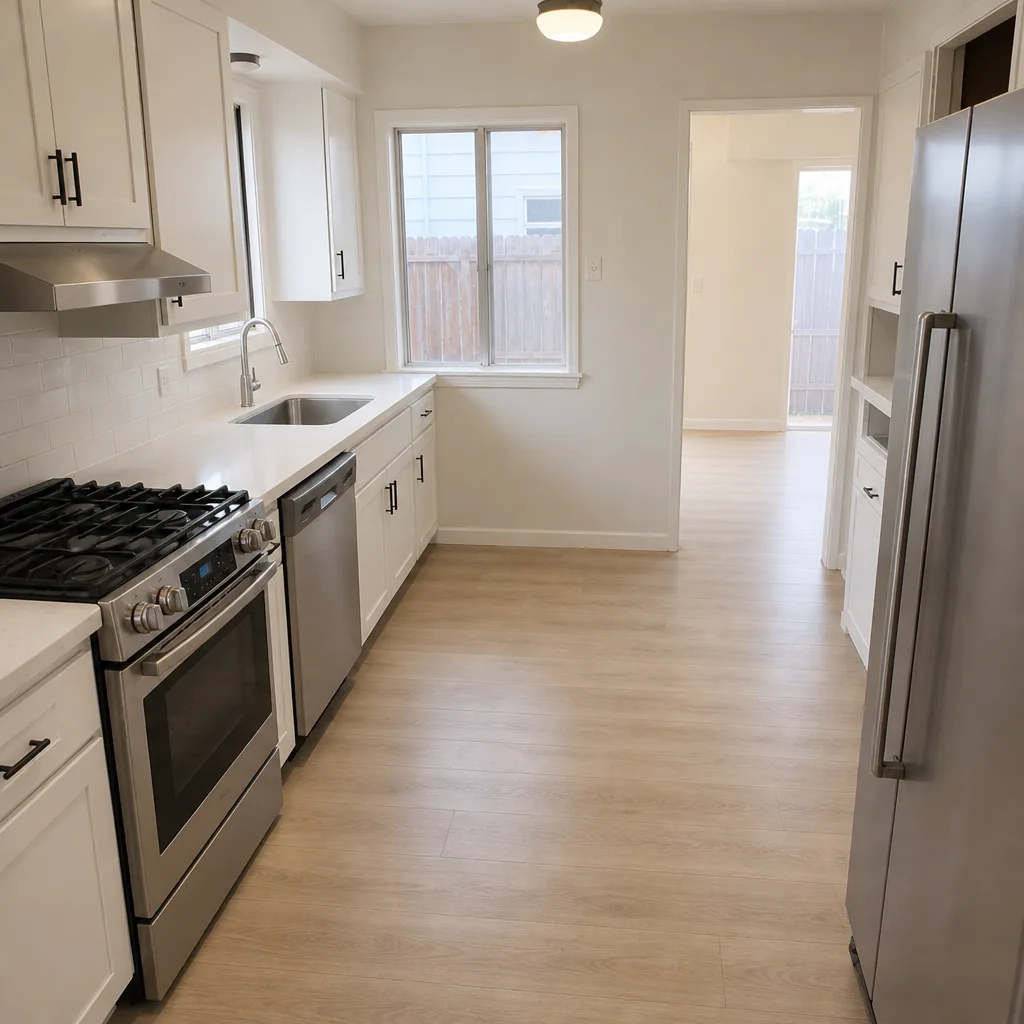 After
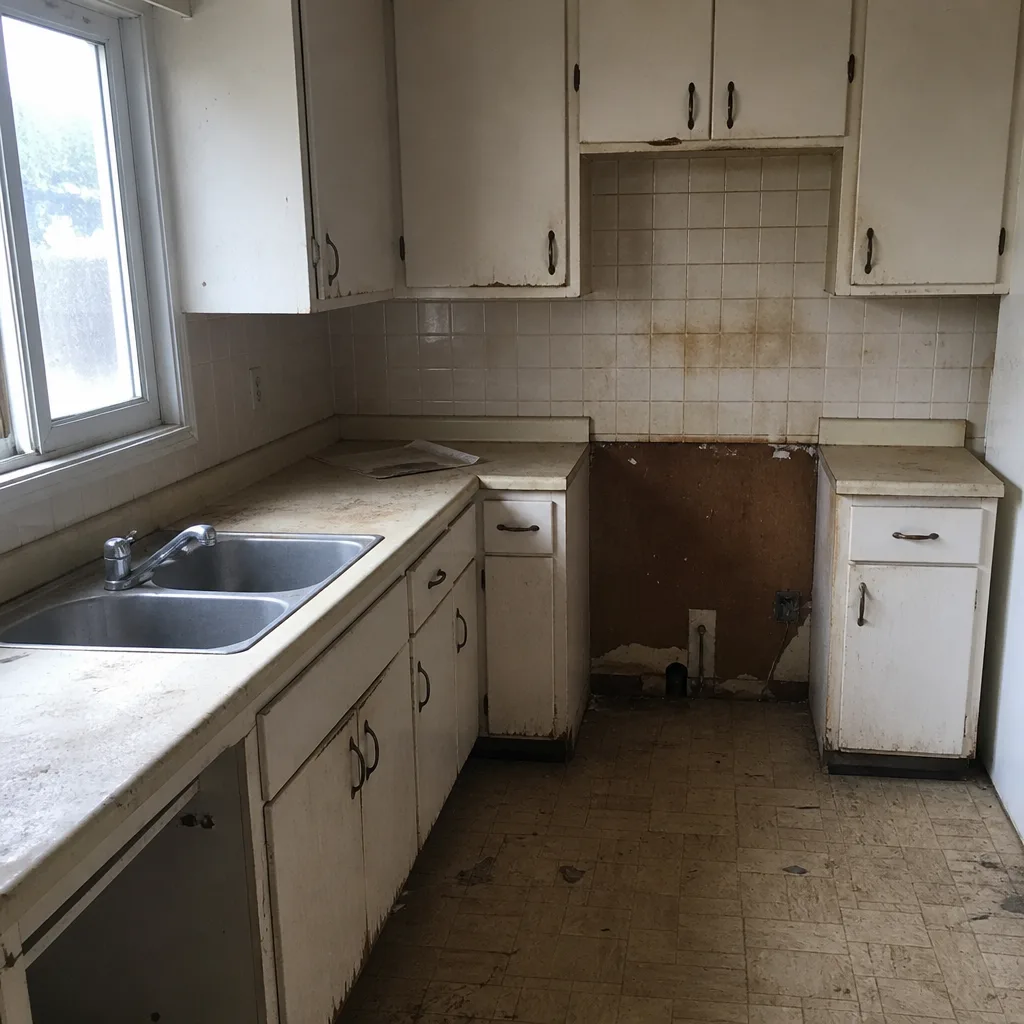 Before
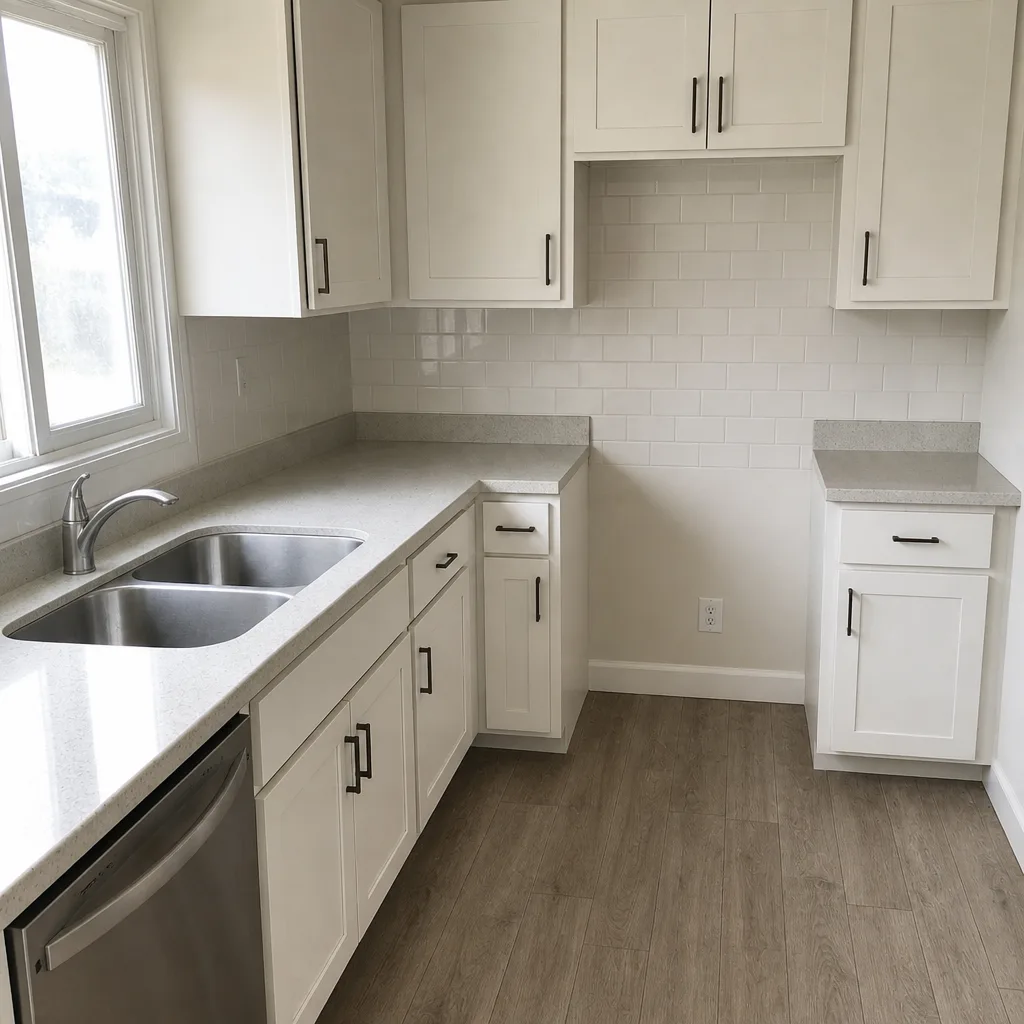 After
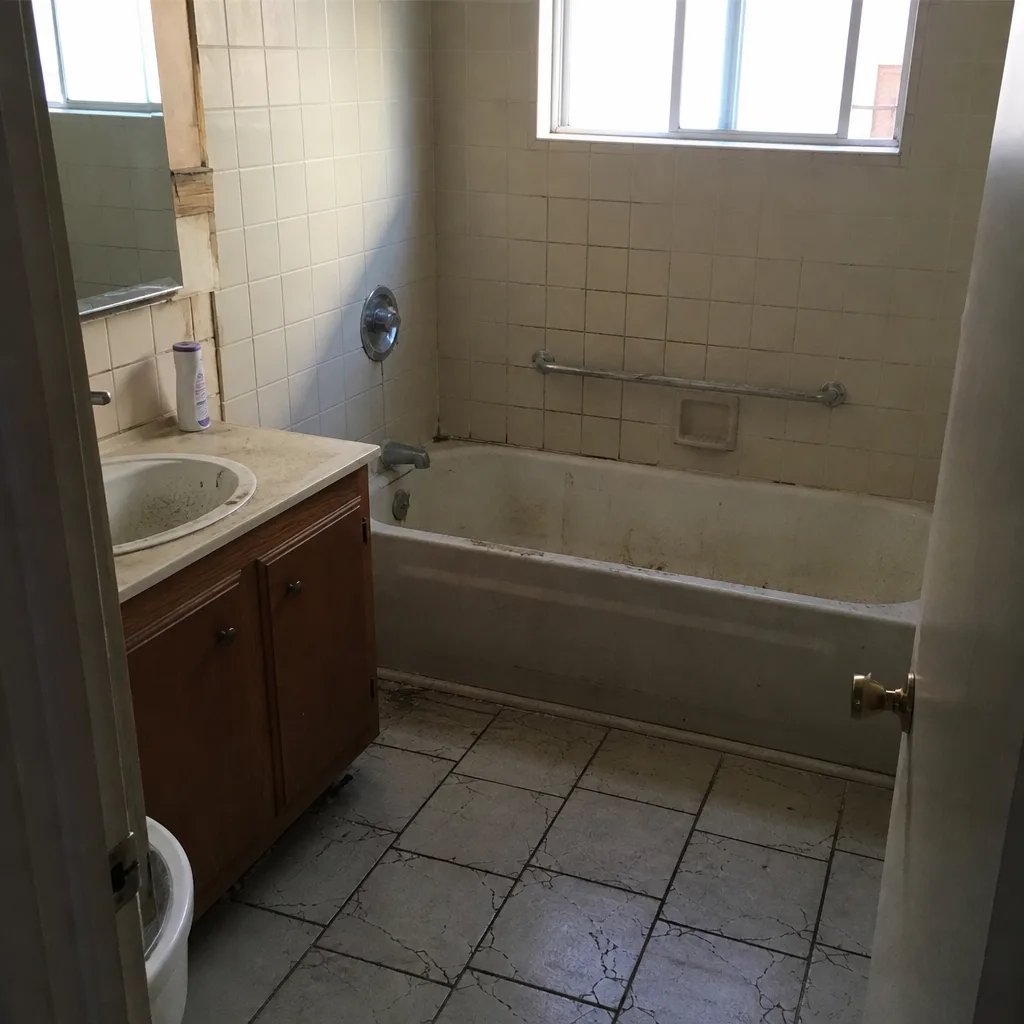 Before
 After
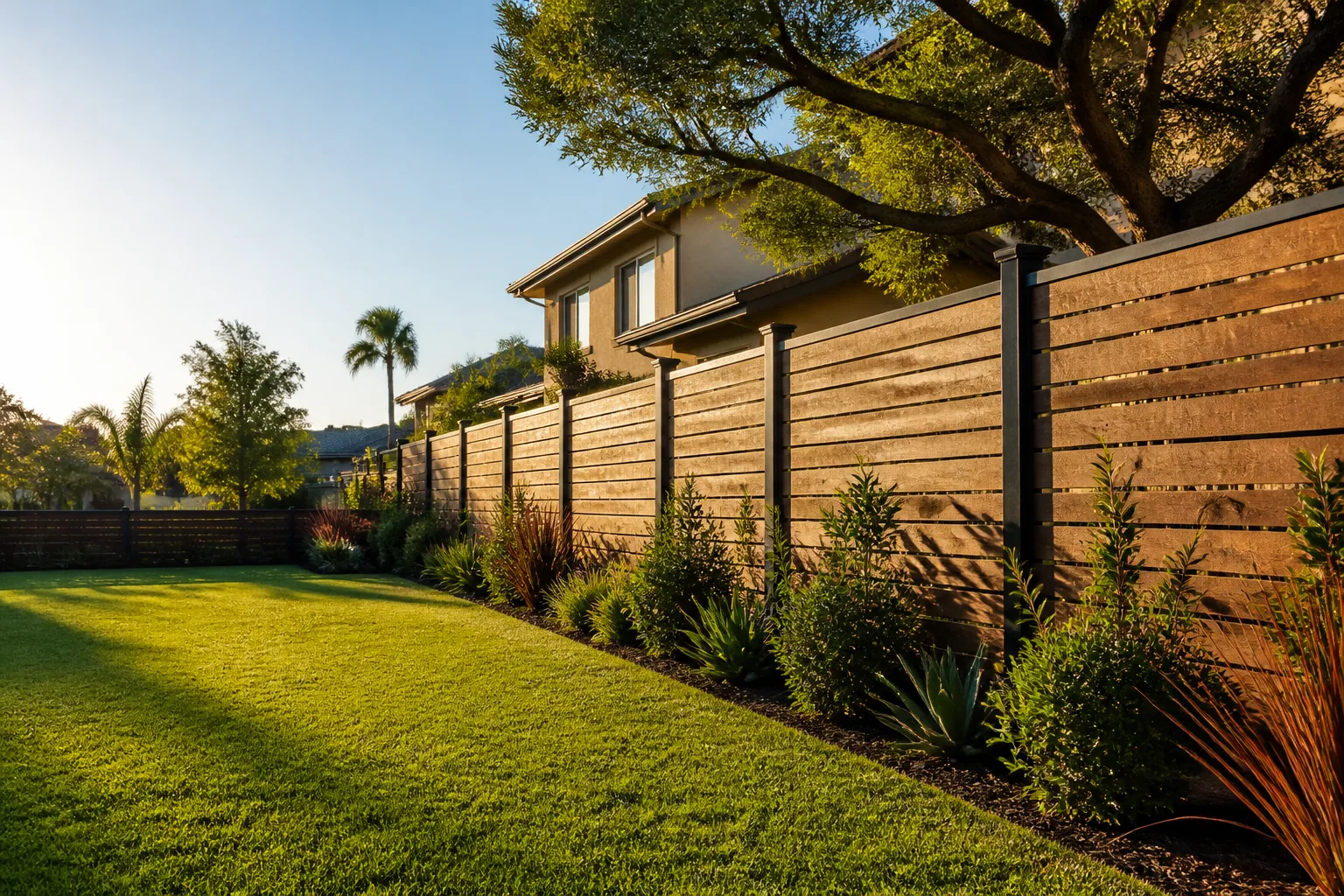
How to Stain a Wood Fence in Richmond, CA (Without Sealing Fog Moisture Under the Finish)
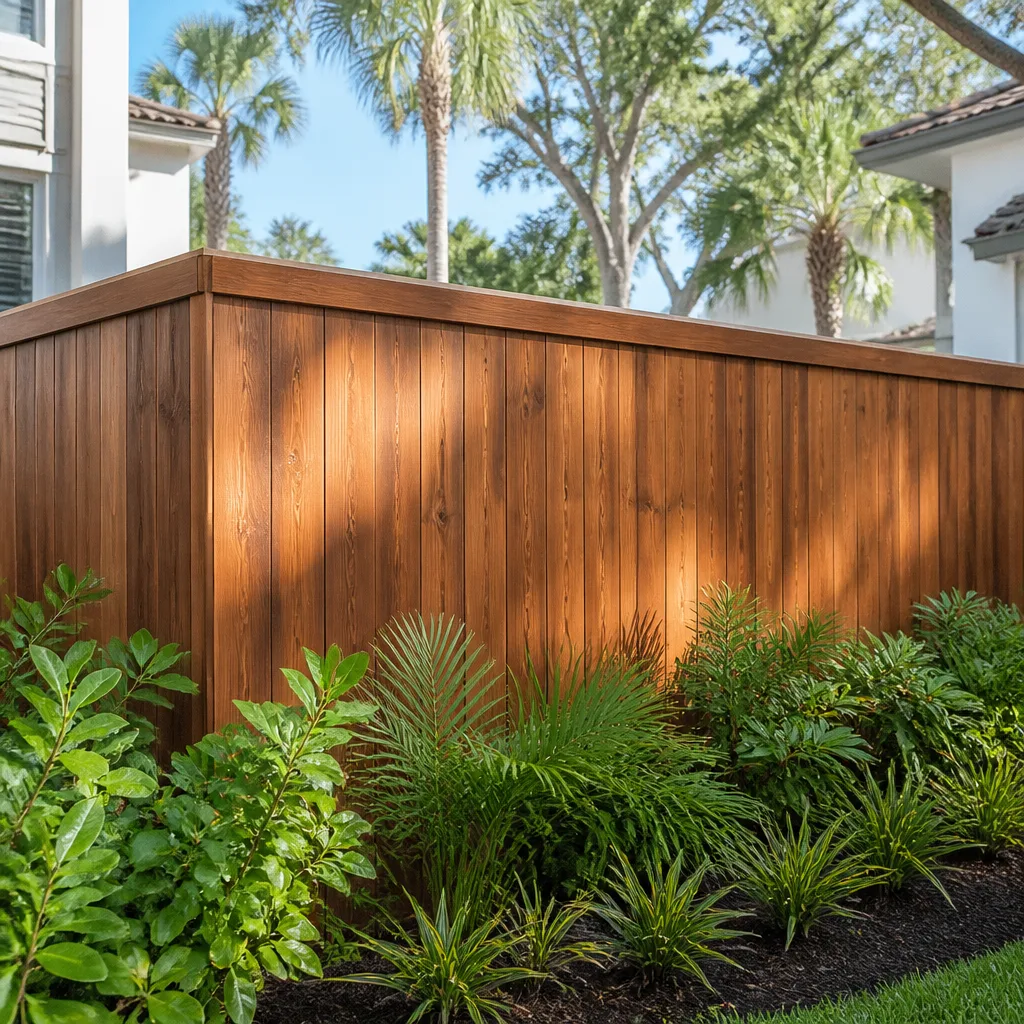
Stain a wood fence in Richmond by first confirming the boards are actually below 15% moisture content, then applying a penetrating oil-based stain rather than a film-forming solid stain, on a dry day in the narrow mid-August through early-October window when fog frequency drops enough for wood to dry. Most fence-staining failures here are not application mistakes. They’re moisture mistakes. If you want the prep and coating done to that standard, call (833) 700-4611 and we’ll walk the fence line with you.
Ten minutes after you arrive, the fog returns and beads on the boards. Here’s the protocol that accounts for that reality.
Why Richmond Fence Boards Aren’t Dry in June
Richmond sits on the bay with cool, fog-influenced summers. That means the marine layer rolls in overnight and lifts late morning, and the fence on your west side stays damp well into the early afternoon on many June and July days. The surface may feel dry to the back of your hand. Underneath, it isn’t.
Apply a standard stain on that “dry” day and you’ve sealed moisture in, not out. The vapor pushes outward as the sun heats the boards, the finish blisters, and by the next winter you’re looking at peeling and gray streaks. So the first step in a fog-belt climate isn’t cleaning or coating. It’s measurement.
The Non-Negotiable First Step: A Moisture Meter Reading
Stain only when your fence wood reads below 15% moisture content, and never apply over boards above 15-19%. Those numbers are the threshold every generic guide assumes and Richmond’s climate rarely delivers before August. A pin-type moisture meter costs less than a gallon of good stain. Take three readings per board on a few sample sections, and test both the sunny side and the shaded side. If the readings are stuck in the low 20s, you’re not ready. Wait.
In our work across Richmond, that means the narrow late-summer dry spell, typically mid-August through early October, is your real window. Check the forecast. Staining after October 1 in the flatlands near the bay is a gamble against the first rain.

Penetrating Stain vs. Solid Stain in a Fog Belt
Use penetrating oil-based stain in Richmond. Film-forming solid stains sit on the surface like paint, and on our west-facing runs they trap vapor underneath. The finish fails within a season or two.
- Penetrating oil-based stain: soaks into the wood and allows vapor transfer. It fades gracefully instead of peeling and outlasts film-forming products dramatically on Richmond’s high-humidity exposures.
- Film-forming solid stain: looks uniform but traps moisture. Skip it on a fence that faces the bay or sits in the fog belt.
- Clear sealer: minimal protection. Fine for a new, well-dried cedar fence in a sunny spot, weak everywhere else here.
This is the same principle we apply on every Fence Installation project: coatings on the coast have to breathe. If your fence is nearing the end of its life and the boards are soft or splitting, staining won’t save it. Read our guide to Fence Installation in Richmond for what replacement looks like in this market, and see home for our full range of services.
Cleaning and Prep for Fences With Fungal Growth
Shaded Richmond fences, especially on the south and west exposures, grow mold and mildew. Clean before you think about stain, and clean in the right order.
Start with a bleach-based cleaner to kill the growth, then rinse with a neutralizer. That neutralizer is the step generic guides skip, and it’s the one that matters. Bleach leaves the wood’s surface at the wrong pH, and stain won’t bond reliably to it. Skip the neutralizer and you’ve set up an adhesion failure. After the rinse, give the fence full dry time, then measure again with the meter before you coat. For a heavily weathered redwood or cedar fence on an older Richmond bungalow, add a wood brightener first to restore the pH balance. That single step can be the difference between a stain that lasts 2 years and one that lasts 6.
What Fence Staining Costs in Richmond
Professional fence staining and prep in Richmond typically runs $3,500-$9,000 depending on linear feet, board condition, and how much fungal prep is required. Here’s how the line items break down:
| Service | Typical Range |
|---|---|
| Cleaning and prep (including fungal treatment) | $400-$1,200 |
| Wood brightener / pH restore | $150-$500 |
| Penetrating oil-based stain application | $1,800-$5,500 |
| Full prep-and-stain package | $3,500-$9,000 |
| New vinyl or aluminum fence (for comparison) | $3,500-$10,000 |
Pricing assumes an average residential run. Long perimeter fences and heavily shaded lots run higher. For reference on other exterior projects, our team also handles Window Replacement in Richmond and Paver Driveway Installation in Richmond using materials from partners like James Hardie, Andersen, and Belgard.
Common Richmond Fence Scenarios
South Richmond bungalow with a shaded back fence. These older properties often have fences in constant shade and heavy fungal growth. The prep work is the whole job. Cutting corners on the neutralizer rinse here guarantees an adhesion failure within a year.
West-facing fence near the bay in Point Richmond. Wind and fog hammer these boards. On a west-facing run near the bay, penetrating stain is your only real option. Solid stain peels hard in that exposure, and the moisture never fully evacuates from a film-coated board.
Mid-century ranch fence in El Sobrante or Richmond Heights. These fences get more sun and dry faster, which means a slightly wider staining window, but the temperature swings mean you still want a meter reading before you commit. One more thing we see in the older flatlands: the “garage” on a 1940s bungalow is often a shipyard-era unpermitted conversion, and remodel work close to it can trigger a retroactive permit scramble. Fence work doesn’t require that, but it’s worth knowing if your project grows. You can read more about Bathroom Remodel in Richmond, Roofing in Richmond, Kitchen Remodel in Richmond, Home Additions in Richmond, and ADU Construction in Richmond on those pages.
When to Call a Pro Instead of DIY
If your meter readings sit above 19% past Labor Day, your fence has structural rot, or you’re looking at 150+ linear feet, a professional assessment saves you a failed finish and a second coat of labor. Our technicians have up to 12 years of experience, every project is backed by our 730-Day Done Right Promise, and we use upfront pricing so the number you see is the number you pay, with 0% financing for 18 months available. We’ll tell you honestly whether to stain, prep more, or replace.
FAQs
Mid-August through early October is the reliable window in Richmond because that’s when fog frequency drops and wood can finally dry below 15% moisture content. Outside those weeks, the marine layer keeps boards too damp for a penetrating stain to bond properly.
No. Kill the growth with a bleach-based cleaner, rinse with a neutralizer, let it dry fully, and re-measure moisture before staining. Staining over live mold or the residue bleach leaves behind causes adhesion failure within months, especially on shaded south- and west-facing runs.
Penetrating oil-based stain is better in Richmond’s fog belt. It allows vapor transfer so trapped moisture can escape, while film-forming solid stain traps vapor and peels or blisters, often within one season on a west-facing fence near the bay.
Use a meter. In a fog-belt climate, the surface feels dry while the core reads 20% or higher, and a meter is the only reliable way to confirm you’re below 15% before you coat. It’s a cheap tool that prevents an expensive redo.
If you’d rather have it looked at, Groundwork Construction Co. of Richmond offers a no-pressure assessment in Richmond. Call (833) 700-4611 for a free estimate and we’ll tell you honestly whether to stain now, wait for the dry window, or replace the fence.
Written by the team at Groundwork Construction Co. of Richmond, serving Richmond, CA.