Free written scope consultation - allowances, timeline, and change-order rules on paper before a single trade is scheduled
Styles & brands we work with
- Kitchen remodeling
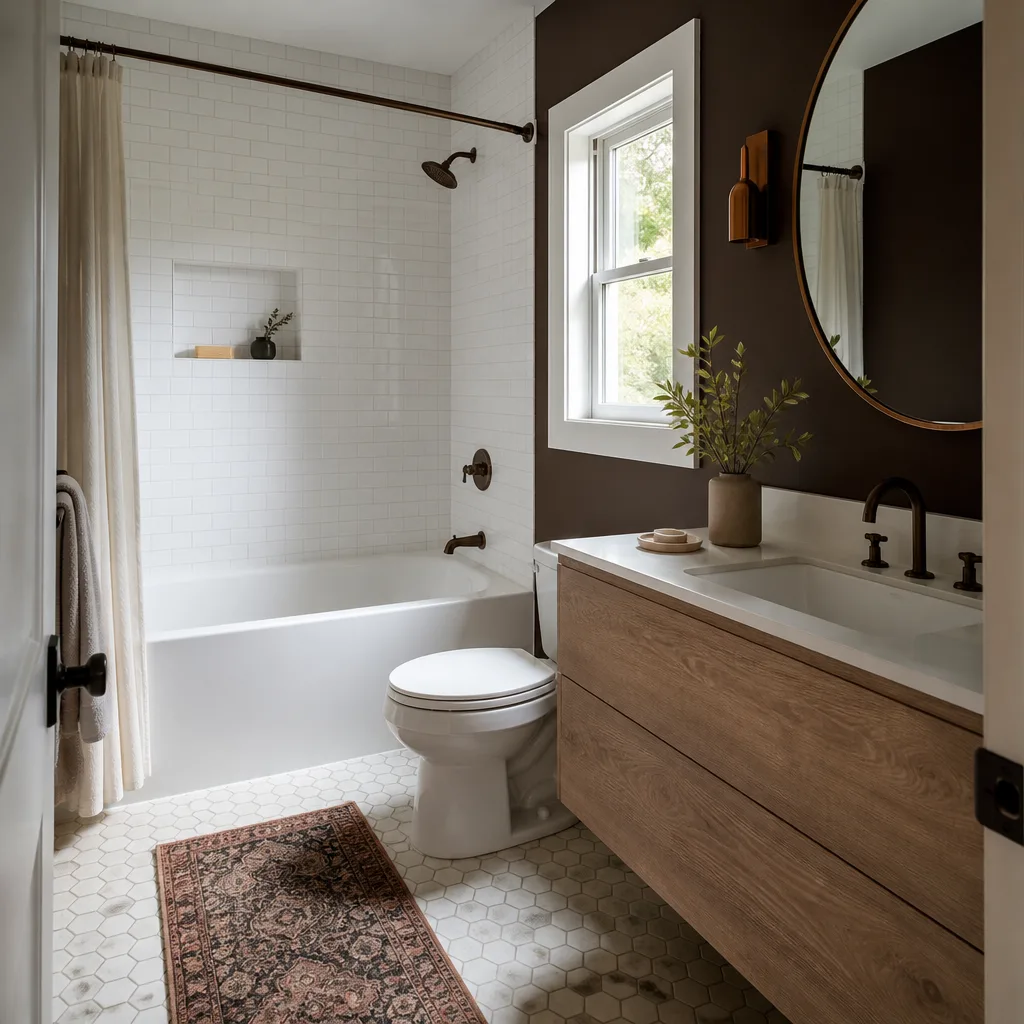
- Bathroom remodeling
- Home additions & ADU
- Roofing
- Windows & doors
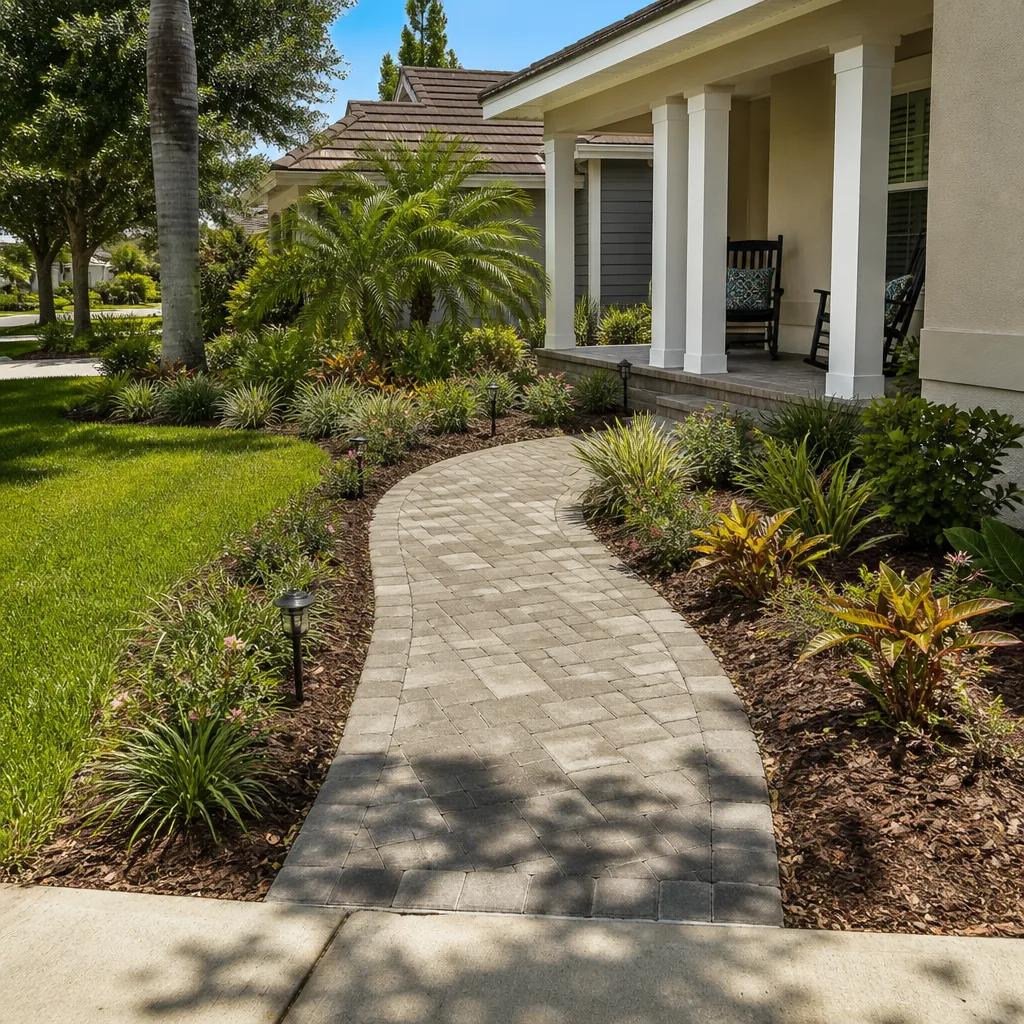
- Driveway & pavers
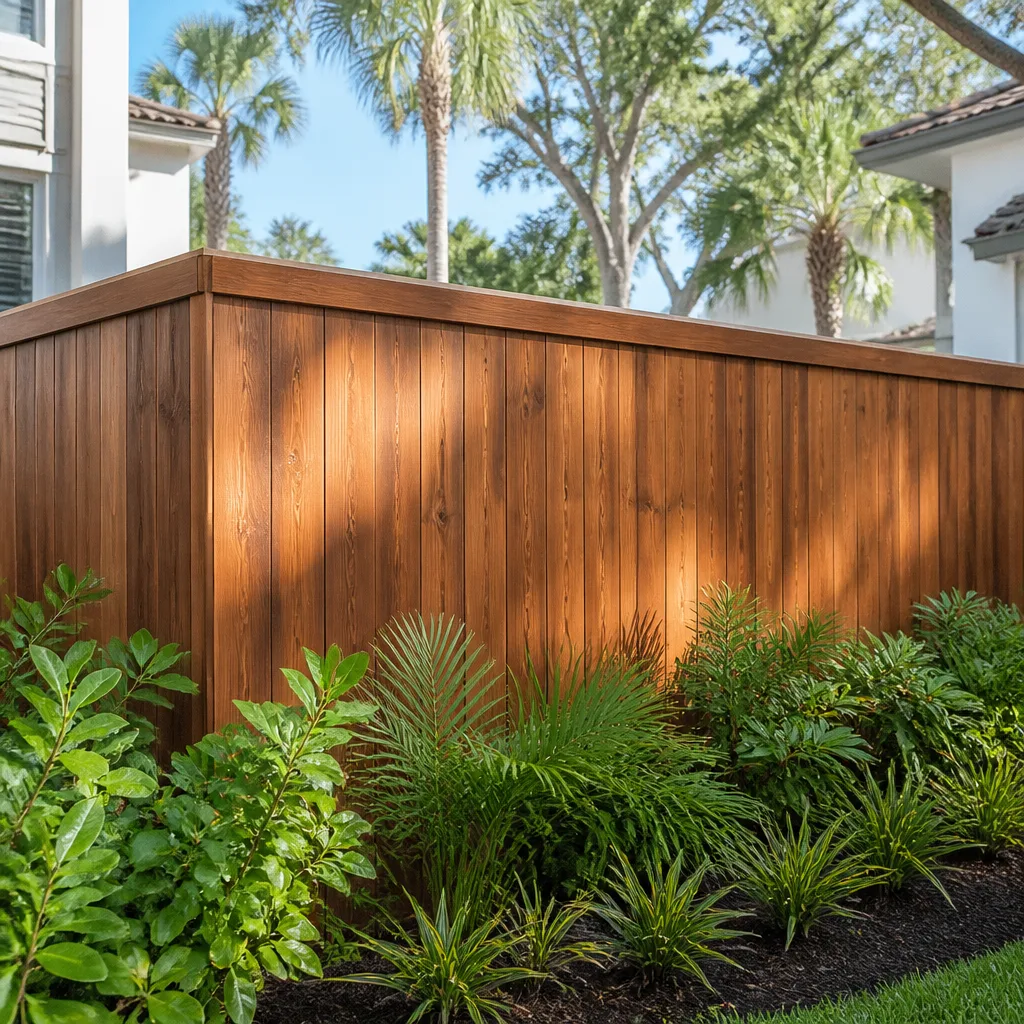
- Fence
See the difference
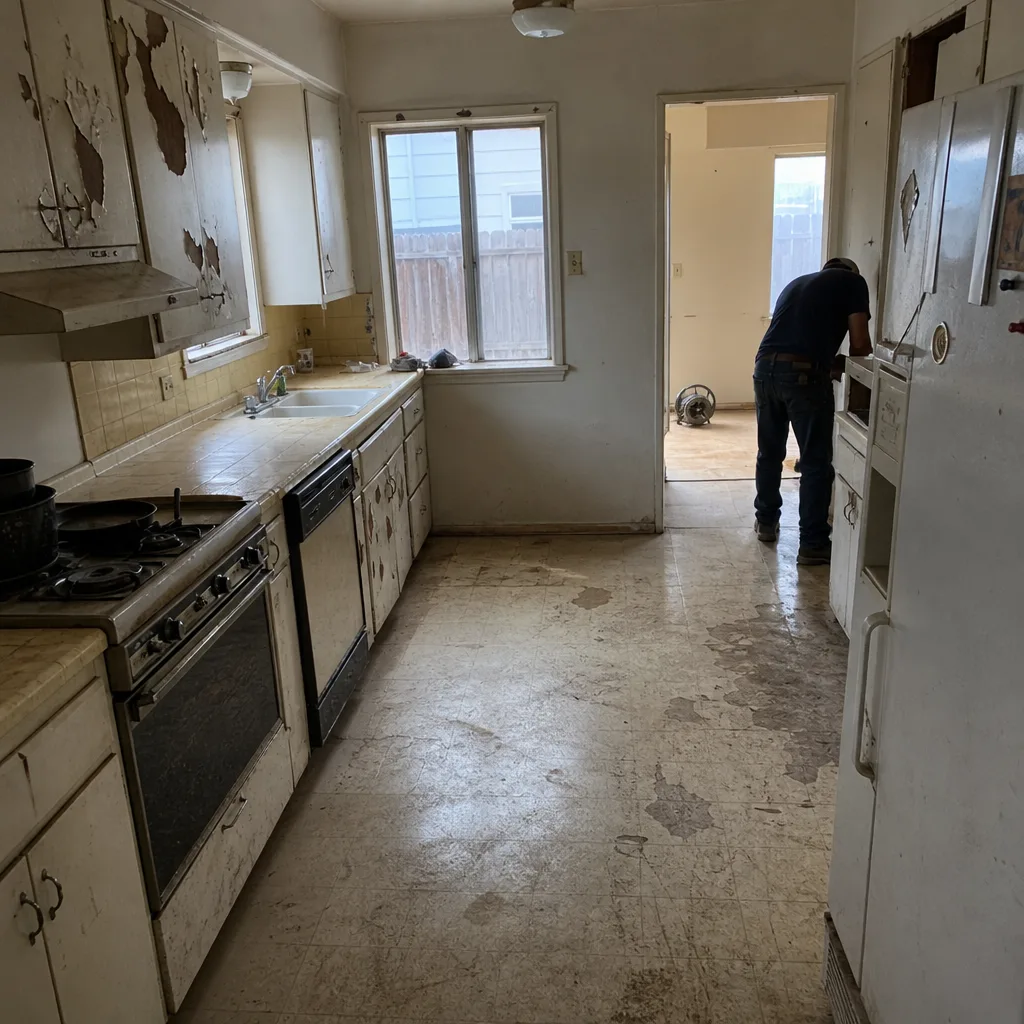 Before
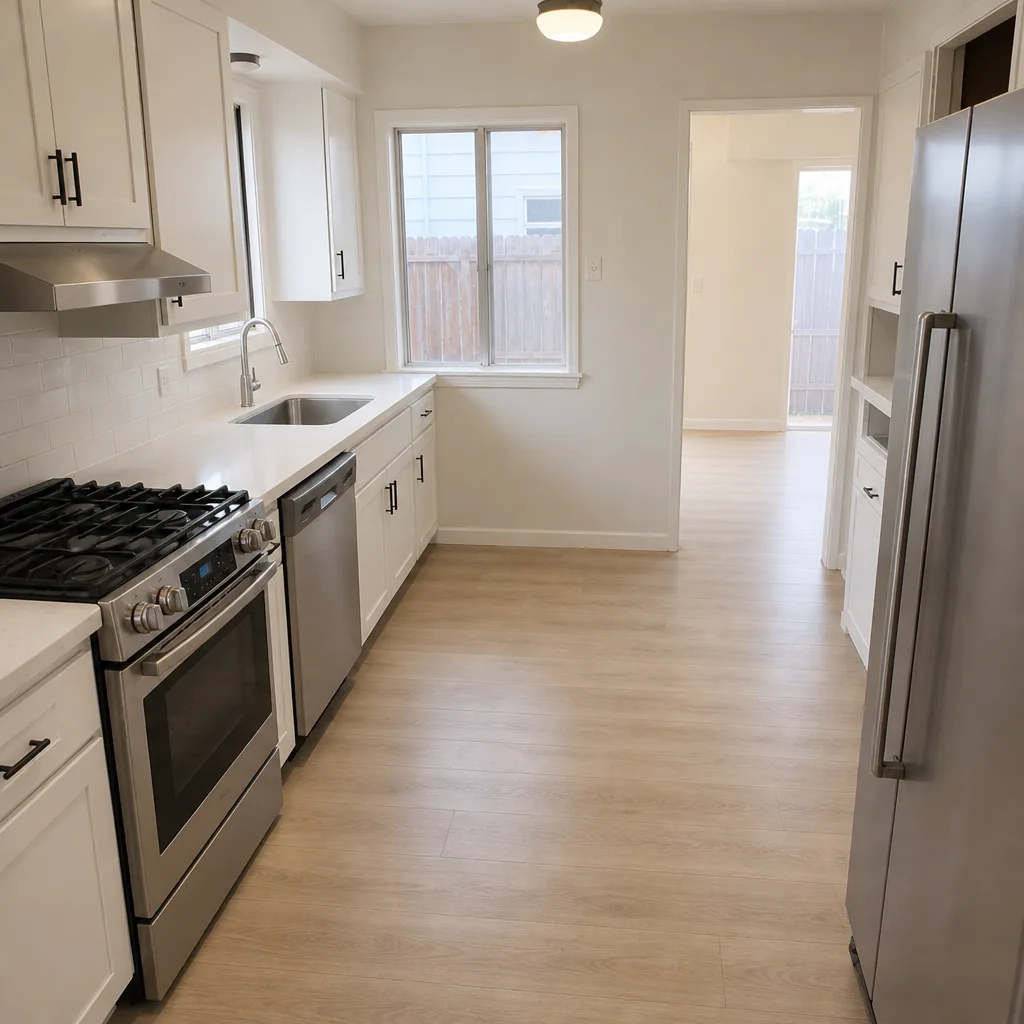 After
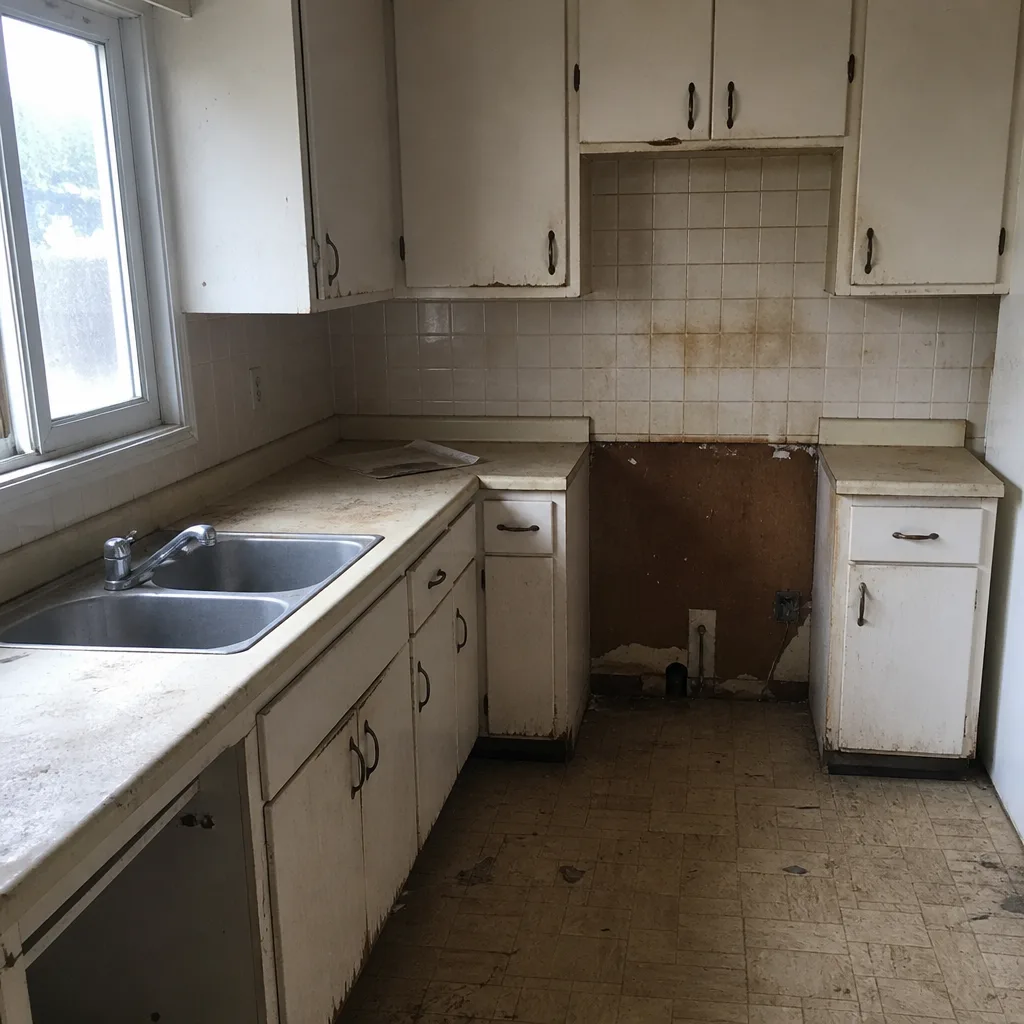 Before
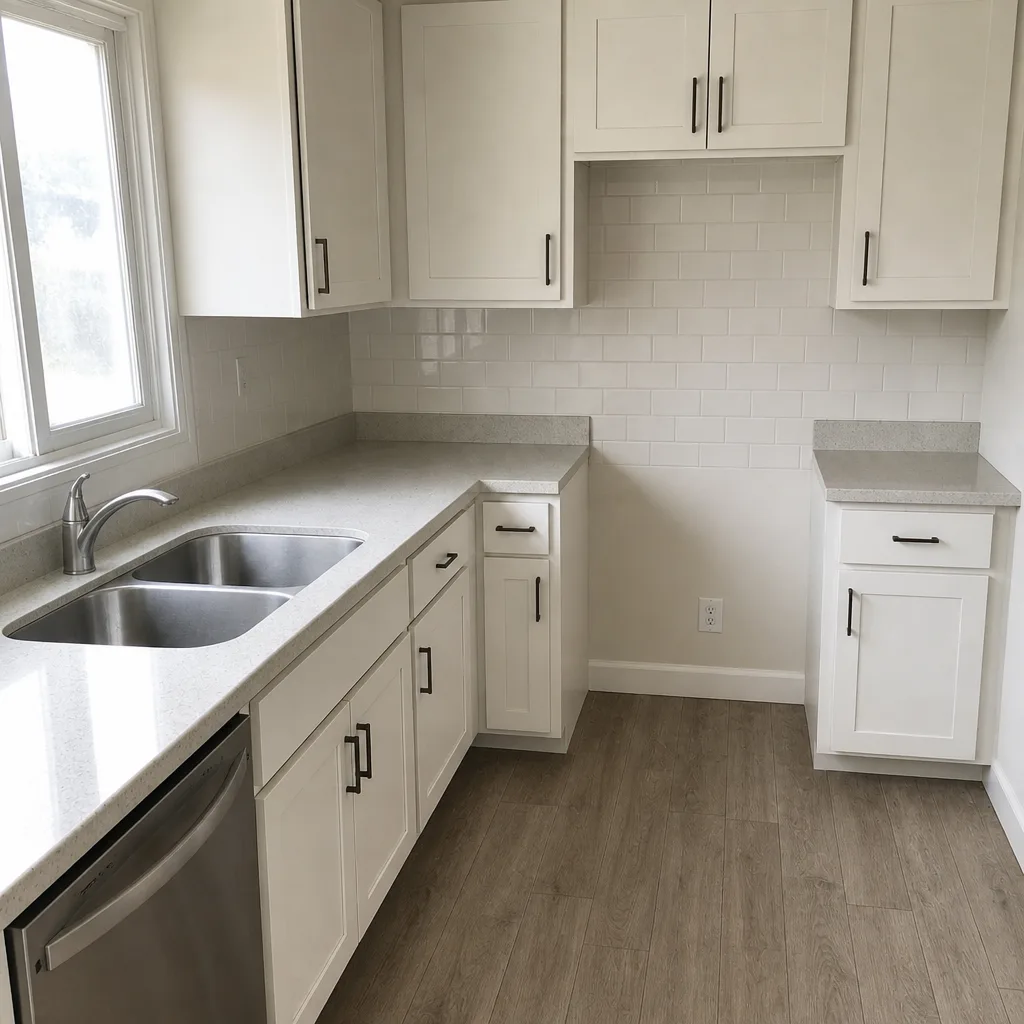 After
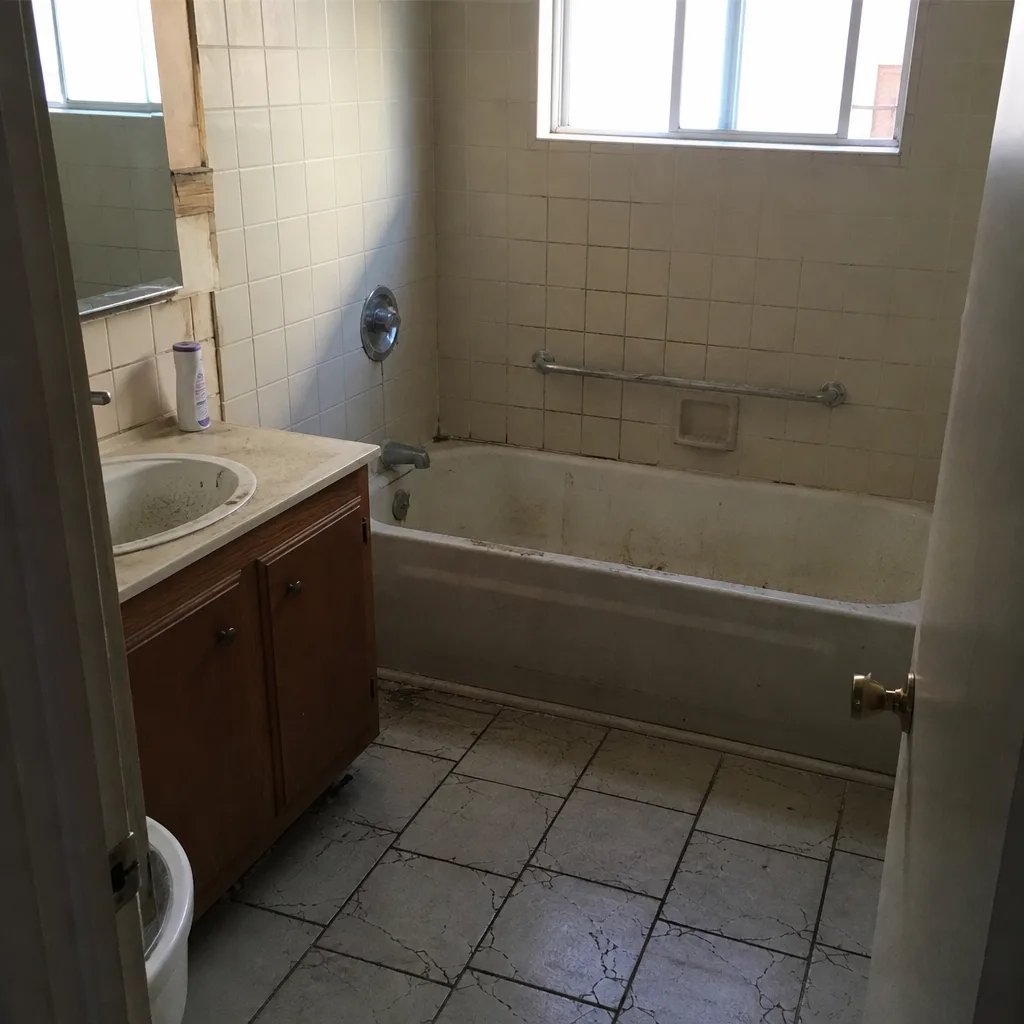 Before
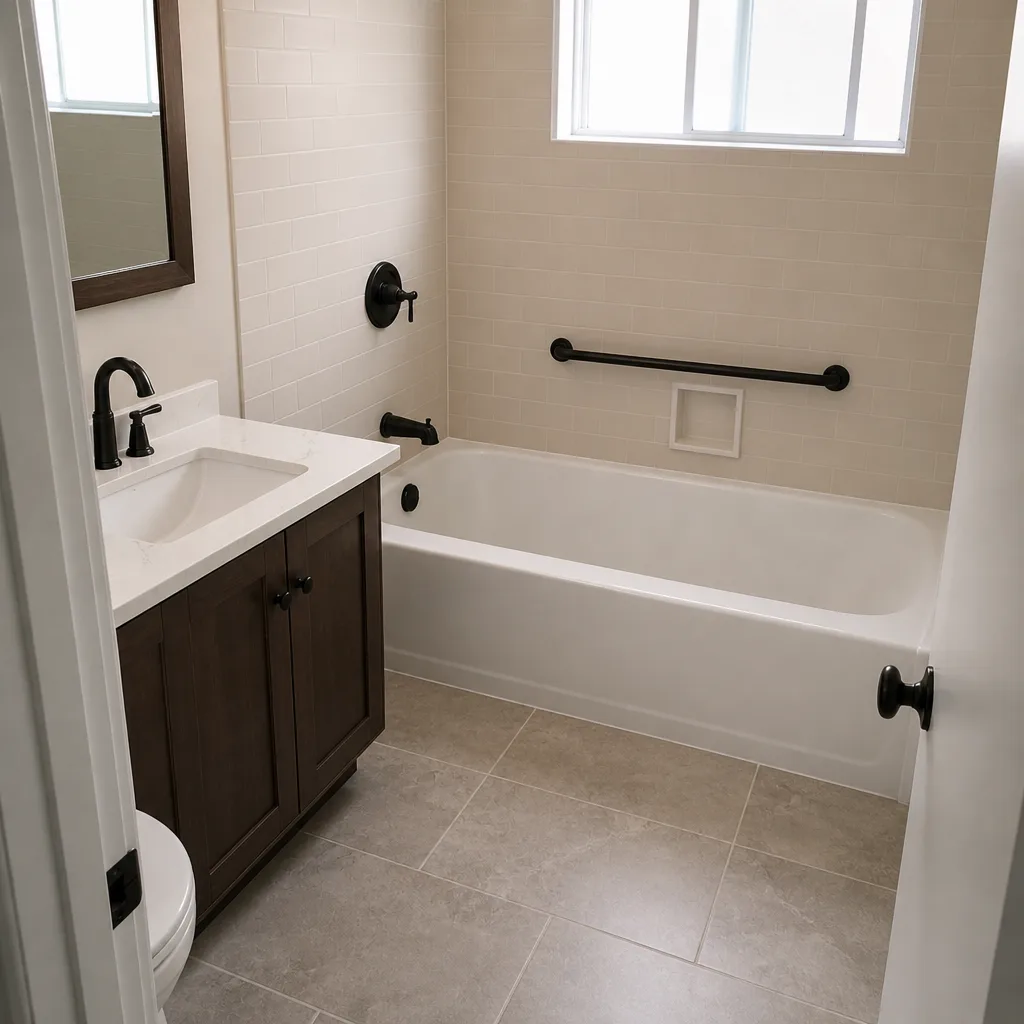 After
Impact Windows Cost in Richmond, CA: Real Numbers for 1940s Openings
Impact window installation in Richmond typically runs $8,000-$25,000 for a whole-house package, and standard window replacement lands at $4,500-$15,000. The spread isn’t about glass quality – it’s about what’s behind the wall. Homes with original wood-sash openings from the shipyard era cost more per unit because almost nothing measures to a stock size. If you’re pricing a project now, call (833) 700-4611 and we’ll walk your rooms over the phone before anyone shows up with a tape measure.
Most of what you read about impact windows was written for Florida. Richmond doesn’t buy them for hurricanes. You buy them because a bay-wind night at 11pm against a 1940s single-pane wood sash is loud, damp, and expensive to heat – and because fog-belt moisture works its way into wood frames year after year until the sill softens. That’s the real calculation here, and it changes what “good price” means.
Key Takeaways
- Stock-size installs (1950s-60s aluminum sliders) cost the least per opening.
- Pre-1950 craftsman and bungalow openings usually need custom fabrication – budget 20-35% more per unit.
- Permits come into play whenever the rough opening changes or a bedroom window falls short of egress minimums.
- Andersen and Marvin lines handle marine air better than builder-grade vinyl over a 20-year horizon.
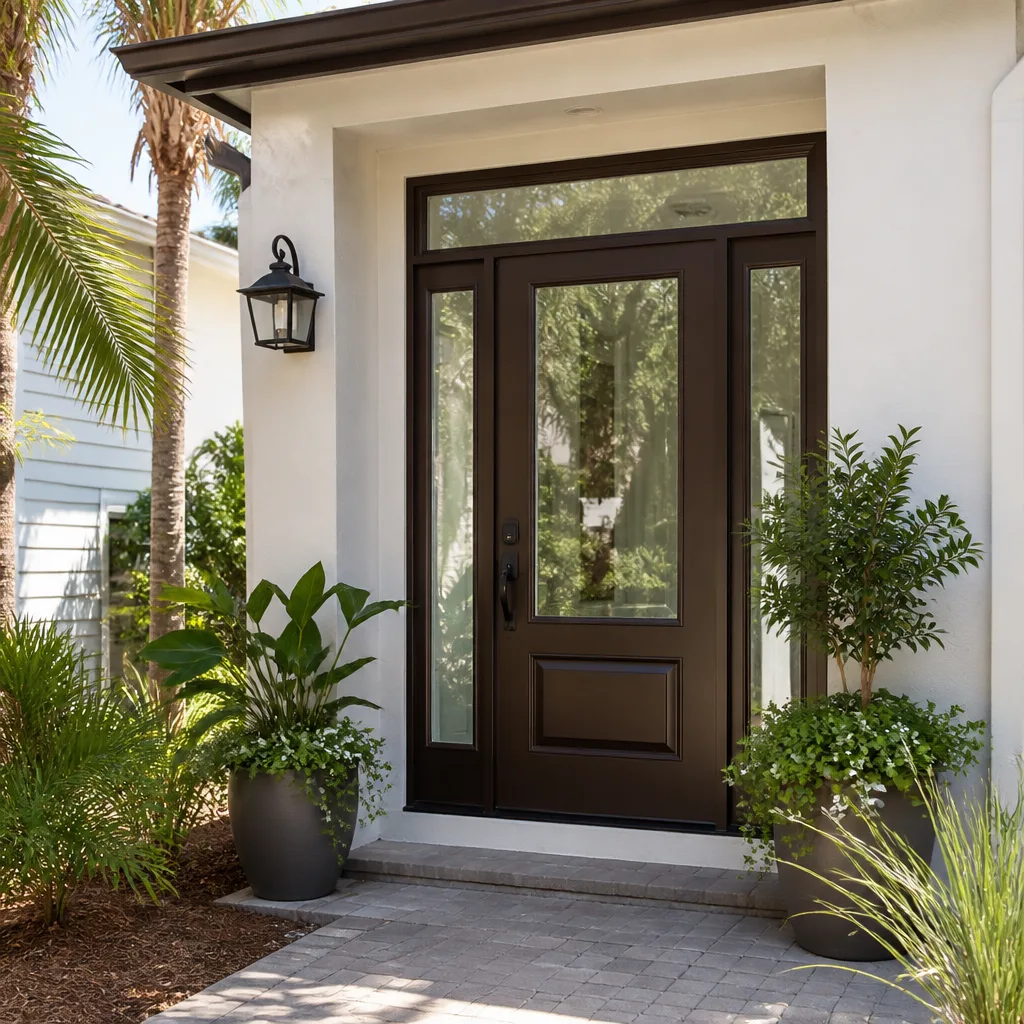
Why Richmond’s Window Stock Makes Standard Pricing Useless
Drive the Iron Triangle and South Richmond and you’ll see blocks of 1910s-1940s shipyard-worker bungalows and craftsmans. Those houses were framed fast, for workers, and the rough openings reflect it: header heights wander, jamb depths vary wall to wall, and a “32-inch” opening from 1941 is rarely 32 inches today. Order a stock unit and you’ll spend the install day shimming and trimming, or you’ll find out the frame won’t sit flush without rework.
Custom fabrication closes that gap, and it carries a premium – roughly 20-35% added to the per-unit cost compared with an off-the-shelf size. On a six-window front of a South Richmond bungalow, that premium is the difference between a routine swap and a measured, milled, and fitted job.
East-side homes in Parkview and Verde are a different story. The 1950s-60s stucco tract houses there mostly kept standard aluminum slider dimensions, so replacements drop in with far less fuss and the per-window number comes down. Mid-century ranches toward Richmond Heights and the El Sobrante fringe sit in between – casements with more glass and wider frames, standard enough to avoid full custom but rarely a straight catalog match.
What to Look For in a Richmond Impact Window, and What It Costs
Three things separate a window that survives Richmond’s fog belt from one that fails in eight years: the frame material, the finish, and the warranty language. Wood-composite frames handle the constant wet-dry cycling better than plain wood because they don’t swell and check the same way. Marine-grade finishes hold up against salt-laden bay air that eats through cheap anodized aluminum. And the warranty has to actually cover coastal exposure – read it before you sign.
That’s why we specify Andersen and Marvin on Richmond jobs. Both build lines rated for coastal environments, and both back their finishes in writing. Combined with our Windows & Doors installation work and the 730-Day Done Right Promise, you get a window that’s built to last and backed in writing – if a seal or a frame fails inside two years, we make it right.
Here’s how the numbers break down by window type in this market:
| Window Type / Scope | Typical Cost Range |
|---|---|
| Impact window package, whole house (standard sizing) | $8,000-$18,000 |
| Impact window package, pre-1950 custom openings | $15,000-$25,000 |
| Standard window replacement (aluminum sliders, 1950s-60s) | $4,500-$12,000 |
| Craftsman / bungalow custom-sized replacement | $10,000-$15,000 |
| Single impact unit, stock size (materials + labor) | $900-$1,600 |
| Single impact unit, custom fabrication | $1,400-$2,400 |
Every quote we write is upfront pricing, no surprises – the number you see is the number you pay, and it includes the permit work when sizing or egress triggers one.
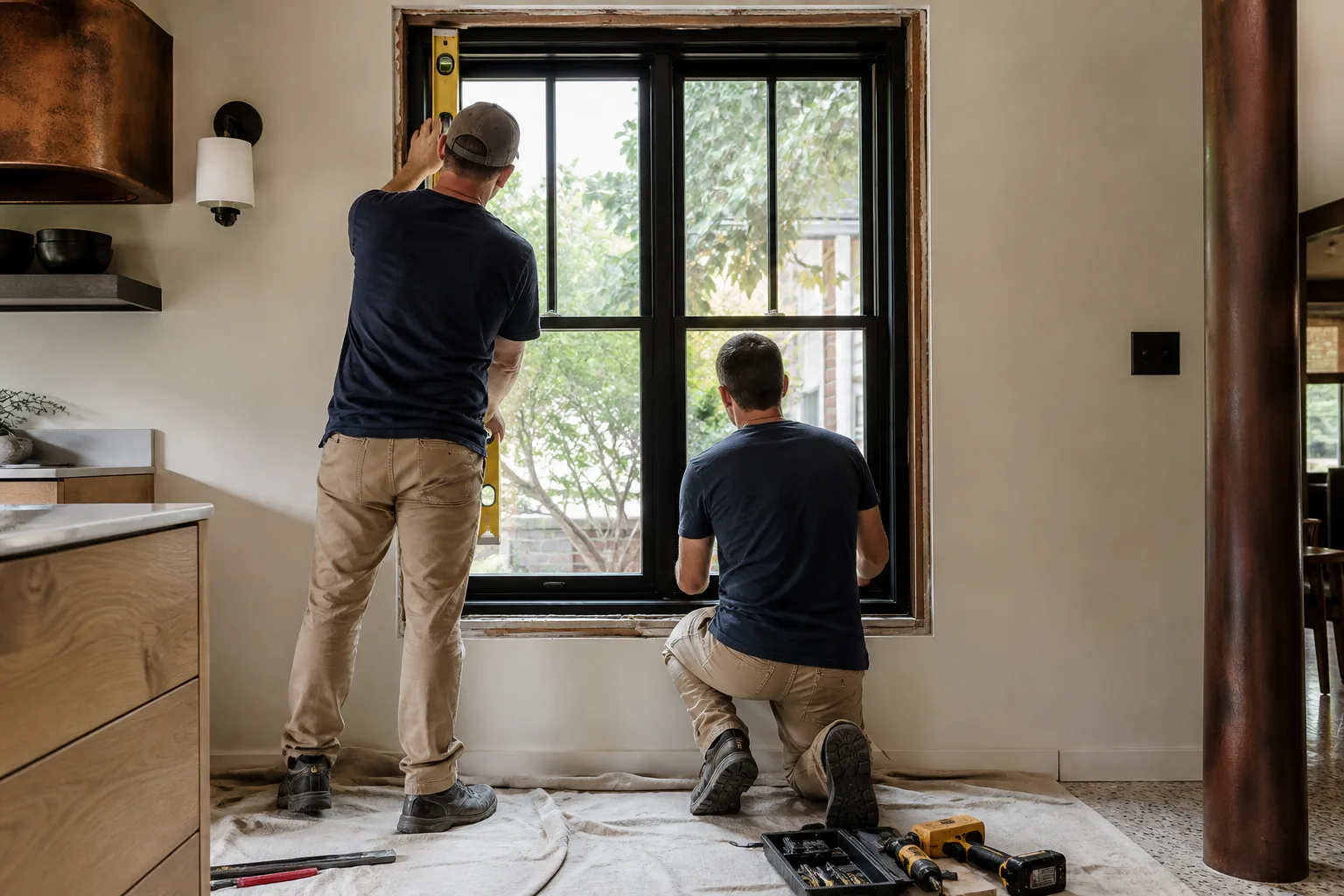
Does Replacing Windows in Richmond Require a Permit?
Yes, when the rough opening size changes or when the new window affects egress compliance. A like-for-like swap that keeps the same opening usually qualifies for a simple over-the-counter permit, but enlarging an opening, changing the configuration, or bringing a below-minimum bedroom window up to code pulls in plan review with the City of Richmond.
This trips up older craftsman bedrooms more than anything else. Bedroom windows from the 1920s and ’30s were often built smaller than current egress minimums allow, so a full replacement in that room means either matching the existing shortfall or doing the framing work to meet code. We flag which windows will trigger plan review before the contract is signed, so there’s no surprise mid-job.
Do Impact Windows Pay for Themselves in Richmond?
Over time, yes – but the payback math is Richmond-specific. Two forces drive it: PG&E rates and bay-wind infiltration. A single-pane sash leaks air around the frame and through the glass, and on a windy night you’re heating the bay, not the house. Impact units seal the opening with laminated glass and a tighter frame, cutting that infiltration. Add fog-belt moisture protection – no more rotting sills to repair every few winters – and the premium over standard double-pane starts earning back sooner than most homeowners expect.
On a full-house package, the typical Richmond payback lands in the 10-15 year range depending on how leaky the original units are. A standard double-pane would cost less up front but wouldn’t deliver the same sealing or the same wind-noise reduction. If you want to compare the two side by side on your specific home, the Richmond service area page walks through the neighborhoods we work most, or you can call us and we’ll talk through your rooms directly.
FAQs
Impact windows in Richmond cost $8,000-$25,000 for a whole-house package, with pre-1950 craftsman and bungalow homes landing at the higher end because of custom fabrication. Standard-sized homes in Parkview and Verde often come in near $8,000-$18,000. Call (833) 700-4611 for an exact quote – estimates are free.
Because rough openings in 1910s-1940s shipyard-era homes were built to non-standard dimensions, so stock units don’t fit without rework. Custom fabrication adds roughly 20-35% per unit, but it’s what makes a clean, weather-tight install possible. Call (833) 700-4611 and we’ll tell you which of your windows need custom sizing.
Most installations are completed in a single visit once the custom units arrive, though full-house jobs with custom fabrication run longer. Calls are answered by a live person 24/7, and our technicians have up to 12 years of experience. Call (833) 700-4611 to schedule your free estimate.
Yes, if your goal is bay-wind noise reduction and fog-belt moisture protection, not just insulation. The premium buys a tighter seal, marine-rated finishes, and less sill rot over the life of the window. Call (833) 700-4611 for a free design consult and we’ll price both options on your home.
Get Your Richmond Impact Window Quote
Impact window pricing in Richmond depends on the openings you actually have, not a catalog number. We measure first, explain the custom versus stock trade-off in plain terms, and put it in writing. Call (833) 700-4611 for a free estimate and design consult – live person, 24/7 – and we’ll also fold in $1,000 off projects over $10,000 plus 0% financing for 18 months so the numbers work.
Written by the team at Groundwork Construction Co. of Richmond, serving Richmond, CA.
What Our Customers Say
"The schedule he gave me at the start was accurate to within four days on a three month job. Anyone who has done a renovation knows how unusual that is."
- Laura Bennett"He pulled the permits himself, scheduled every sub and ran the inspections. I made one decision a week and otherwise stayed out of it, which is exactly what I was paying for."
- Robert Sullivan"Change orders were written down and priced before the work happened, every single time. No surprise at the end."
- Keisha Robinson