

Free written scope consultation - allowances, timeline, and change-order rules on paper before a single trade is scheduled
Styles & brands we work with
- Kitchen remodeling
- Bathroom remodeling
- Home additions & ADU
- Roofing
- Windows & doors
- Driveway & pavers
- Fence
See the difference
 Before
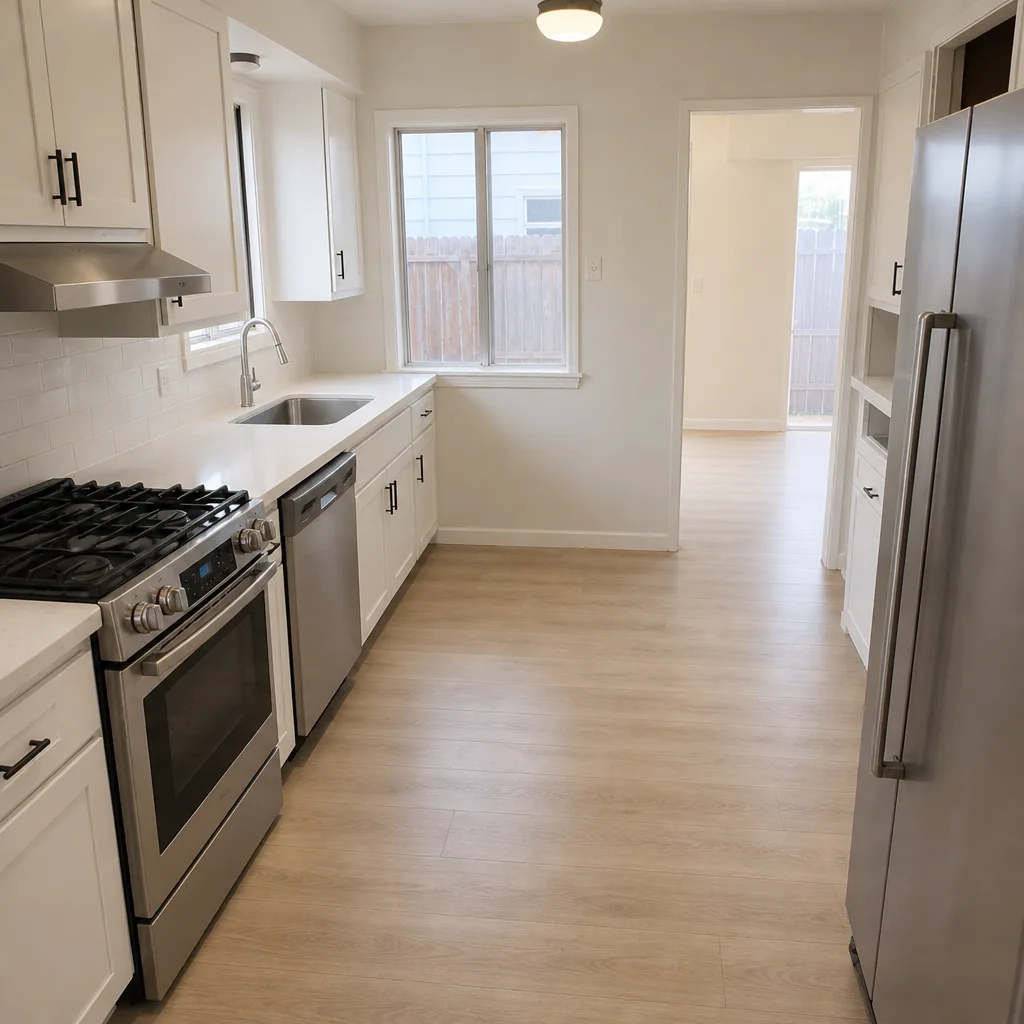 After
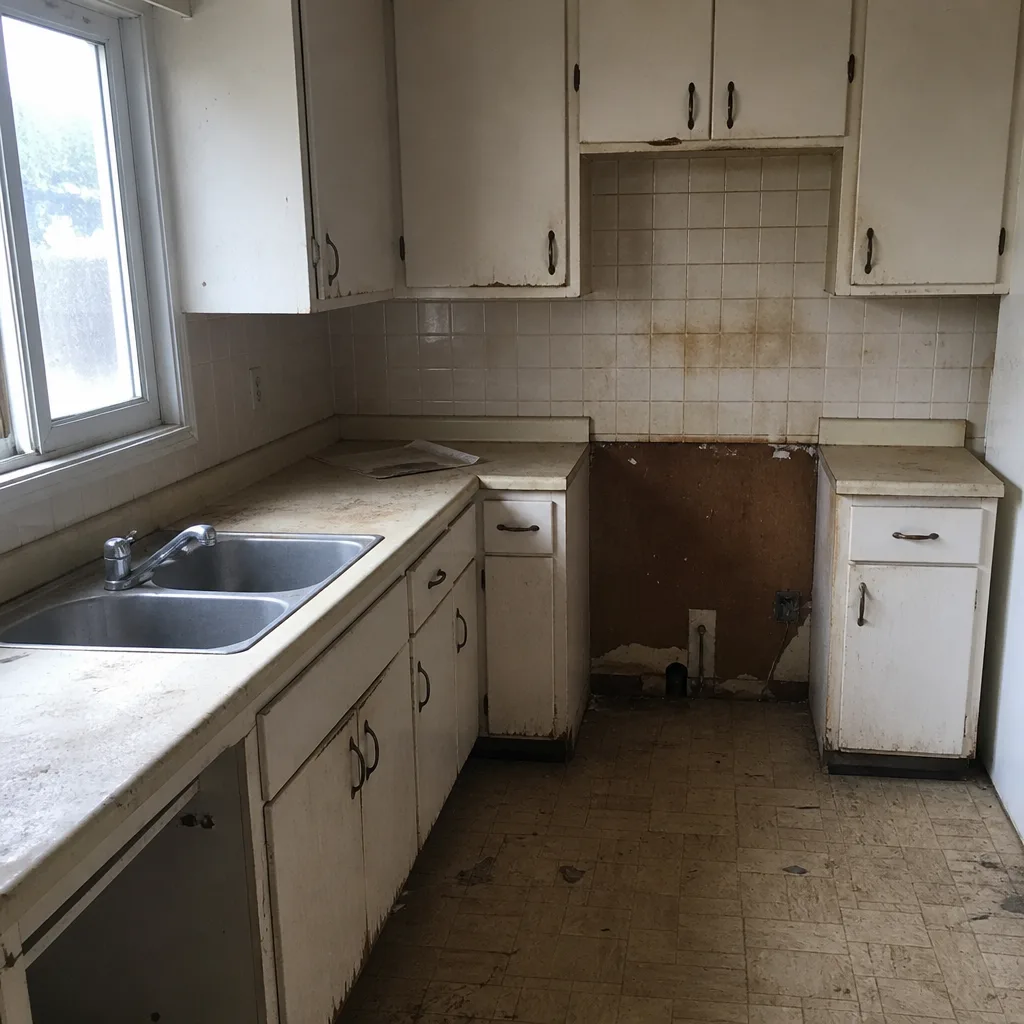 Before
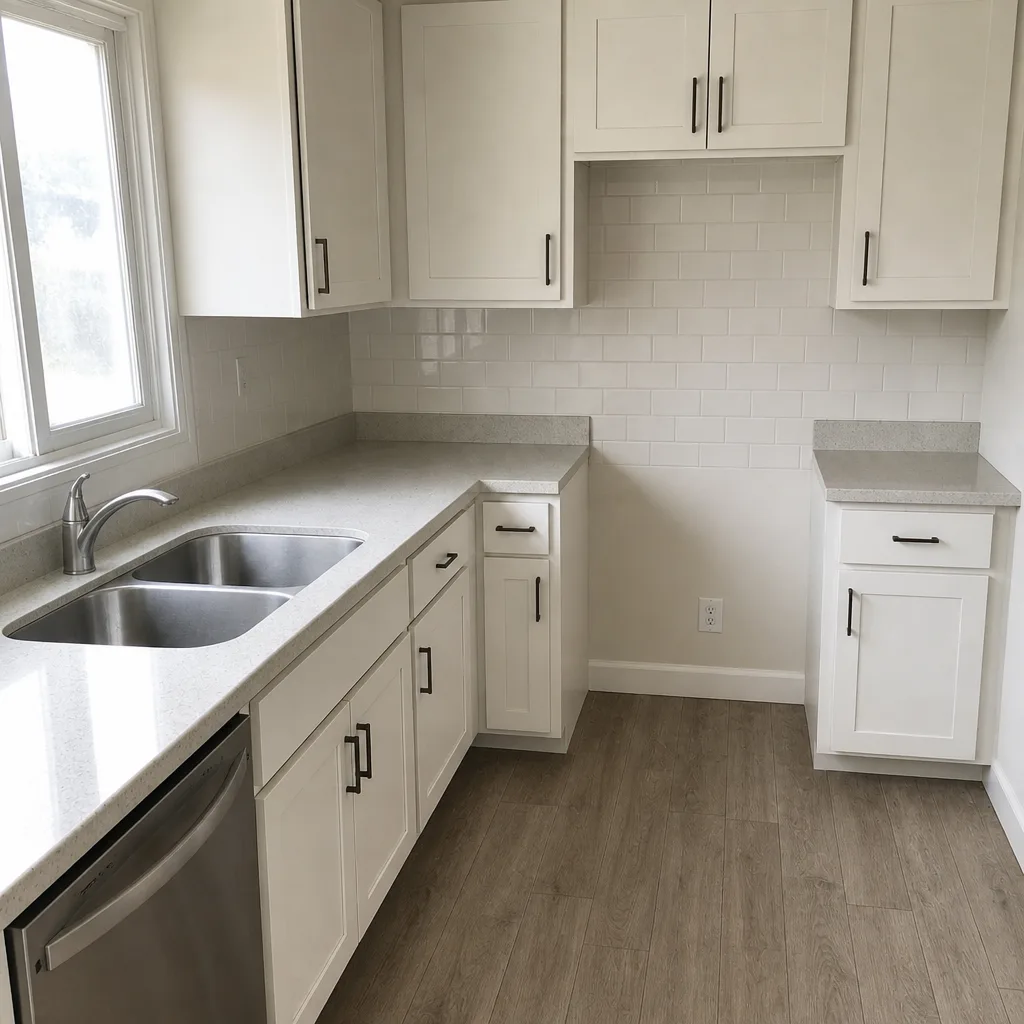 After
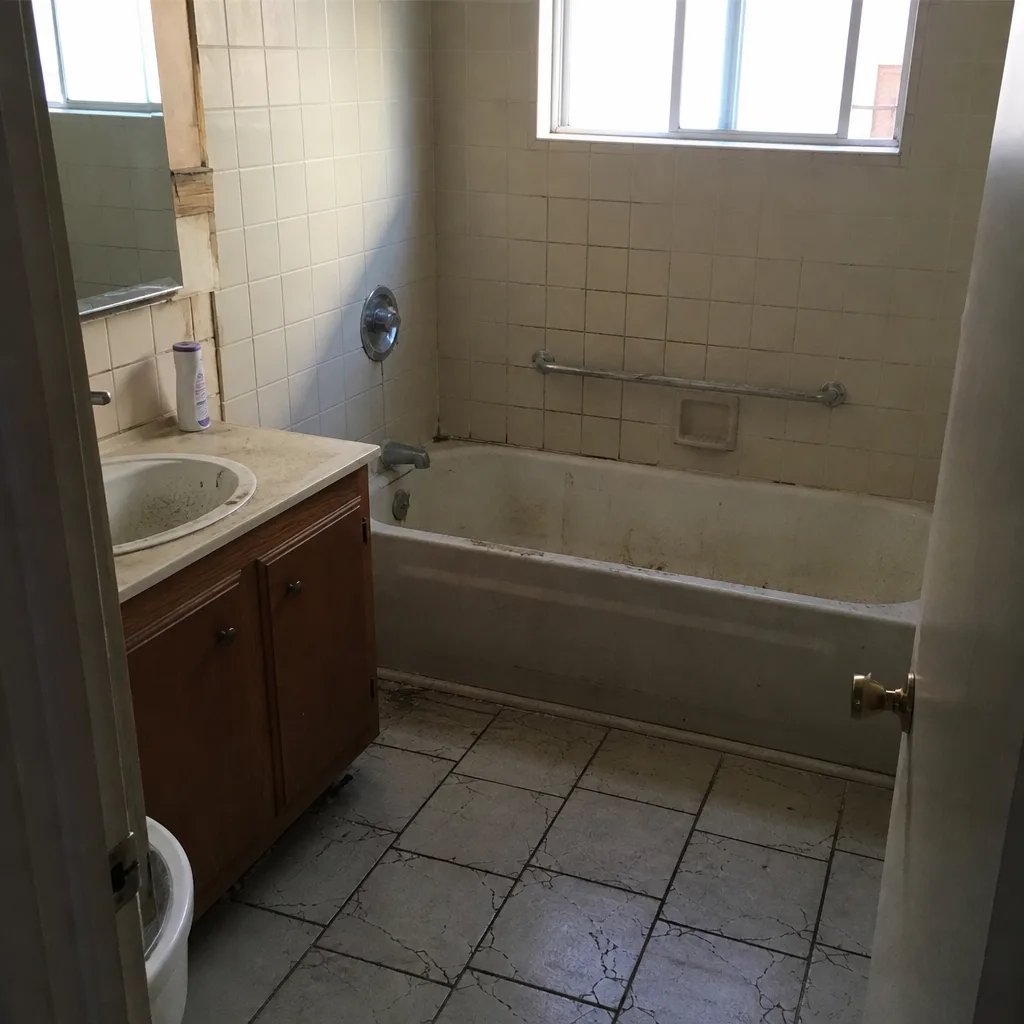 Before
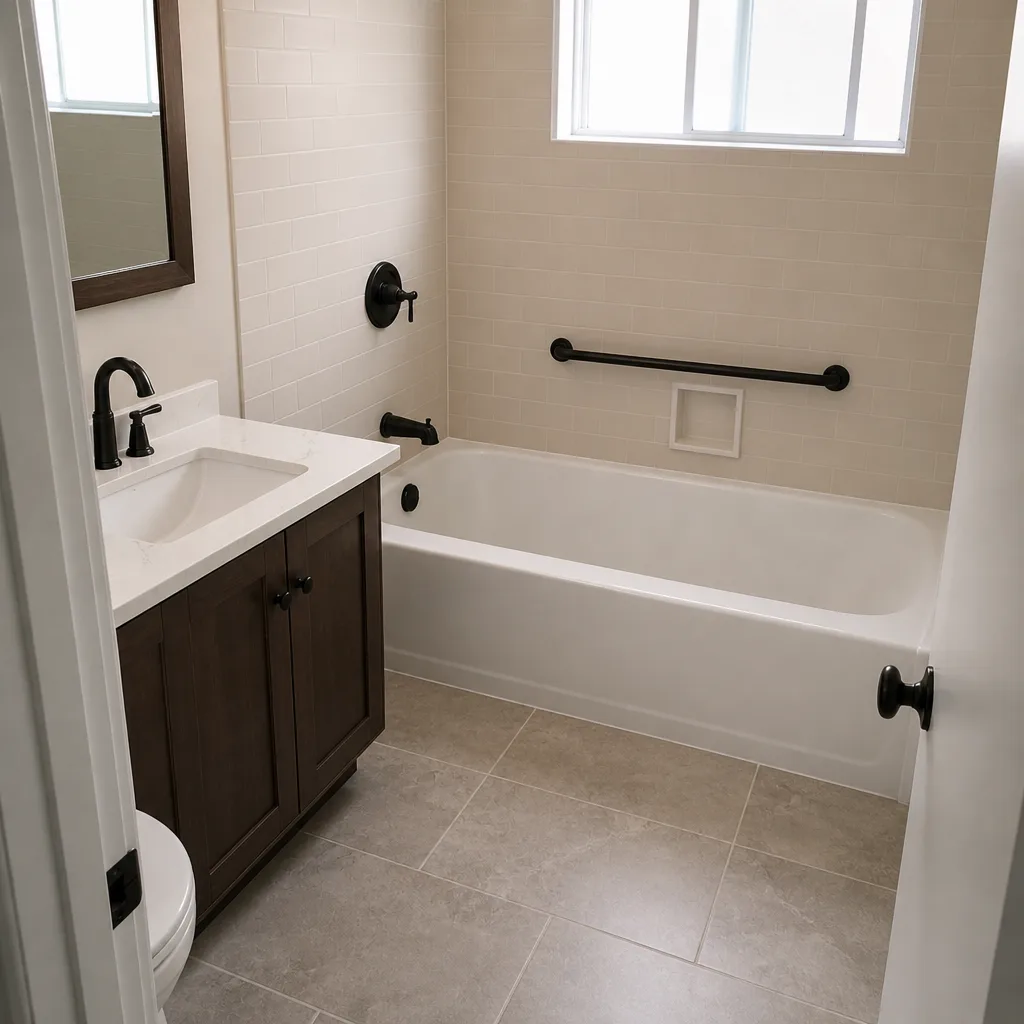 After
New Construction vs. Replacement Windows in Richmond, CA: Choose New-Construction Unless the Frame Is Verified Sound
Choose a new-construction window unless you can confirm the existing frame and rough opening are square, dry, and structurally sound. In Richmond, that confirmation is harder than it sounds – fog-belt moisture has been working on original wood framing behind siding for decades, and an insert window only performs as well as the frame it pockets into. Replacement inserts cost less and skip the permit, but on older flatlands homes they can seal rot in place. Groundwork Construction Co. of Richmond starts every window project with a wall-condition assessment, then specifies the type the house actually needs. Call (833) 700-4611 and we’ll tell you straight which one fits yours.
Key Takeaways
- New-construction windows have a nailing flange that ties into the weather barrier and sheathing; replacement inserts pocket into the existing frame.
- A replacement insert is only right if the existing frame is square and free of rot – not a safe assumption on pre-1950 Richmond homes.
- Richmond’s cool, wet, fog-driven climate pushes more projects toward new-construction units than the national average suggests.
- Altering the rough opening triggers a building permit in Richmond; a verified insert replacement typically does not.
- Every project is backed by the 730-Day Done Right Promise – if it’s not done right, we make it right.
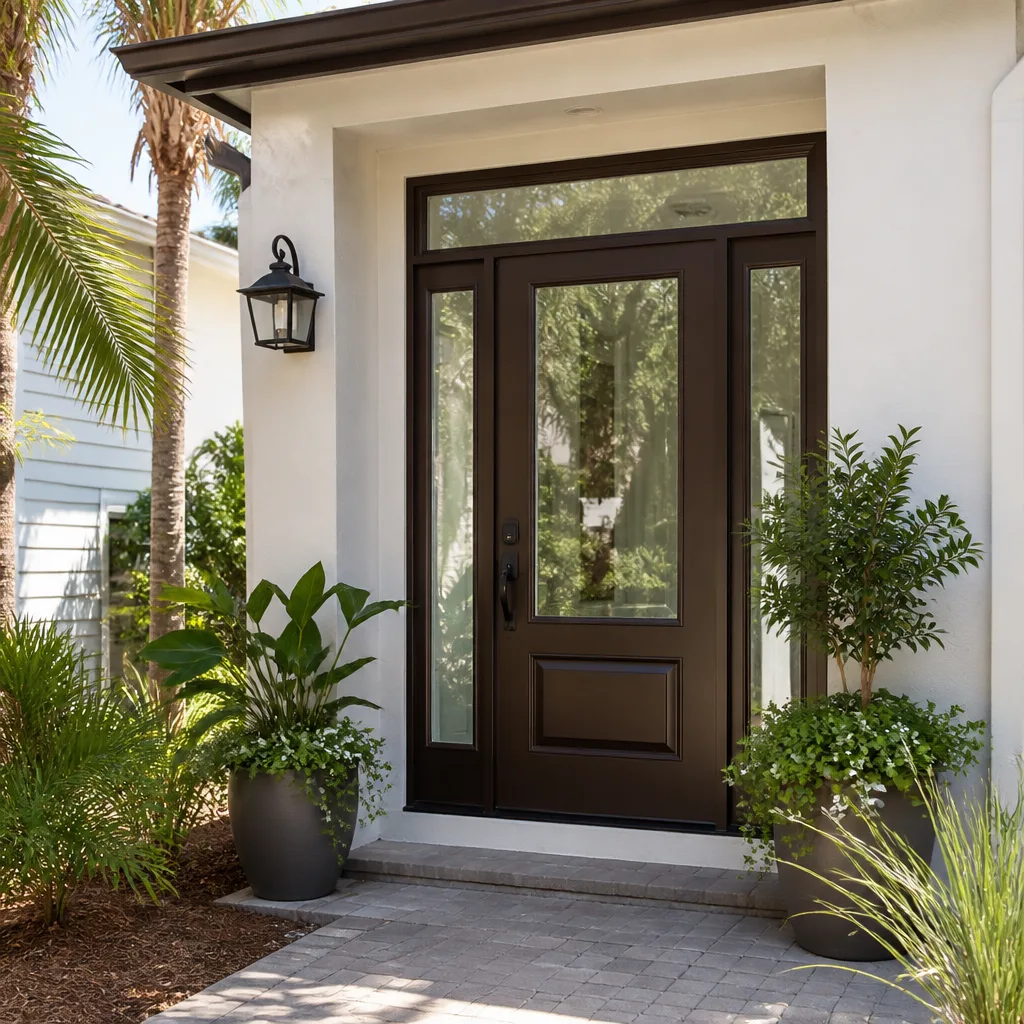
What’s the real difference between new-construction and replacement windows?
New-construction windows come with a nailing flange around the perimeter. That flange fastens through the sheathing and laps into the weather-resistant barrier, so the wall’s drainage plane and the window form one continuous system. Replacement windows – also called insert or pocket windows – slide into the opening left by the old sash and frame, then get sealed to that frame. No flange, no sheathing connection, no reworking of the wall.
That difference matters because an insert is only as good as the box it sits in. If the existing jambs are plumb and square and the sill plate is solid, an insert is a fast, tidy, cost-effective solution. If the frame has swelled, twisted, or softened, an insert traps that condition behind a shiny new sash. The wall keeps taking on water. The decay keeps spreading.
On the technical side, here’s how the two stack up:
| Factor | New-construction window | Replacement (insert) window |
|---|---|---|
| Attachment | Nailing flange into sheathing and weather barrier | Pocketed into existing frame, sealed to it |
| Wall opened to framing? | Yes – trim and siding come off, framing exposed | No – frame stays in place |
| Rot discovered mid-job | Can be addressed during install | Hidden behind the new unit |
| Richmond building permit | Required when the rough opening is altered | Typically not required |
| Trim and finish | Full interior/exterior trim | Minimal, often none |
| Typical Richmond range | $8,000-$25,000 whole-home | $4,500-$15,000 whole-home |
We install Windows & Doors using Andersen and Marvin – two manufacturers that publish distinct product lines for new-construction and replacement applications. That distinction is not marketing language. It reflects exactly what separates the two install methods, and it lets us specify the right unit for your wall instead of forcing one type onto every house.
Why Richmond’s climate tips the decision toward new construction
Richmond sits on the bay with cool fog-influenced summers and wet winters, and south- and west-facing elevations take the brunt. Moisture accumulates behind paint and trim on those walls. Wood siding swells and checks. Water finds the sill plate and the framing around the rough opening and stays there.
You cannot see any of this from inside the room. The only reliable way to know whether the framing is sound is to open the wall – which is exactly what a new-construction installation does. That’s the honest argument for going new-construction on a moisture-exposed wall: the installation itself exposes what’s there, so rot and failed flashing get found and fixed instead of buried. We’ve pulled trim off west-facing walls in Richmond that looked fine from the street and were soft to the touch at the sill.
This is also where the local housing stock splits cleanly:
- 1910s-1940s shipyard-era bungalows in South Richmond and the Iron Triangle, many with original wood double-hung windows: highest probability of hidden frame rot, and the strongest case for new-construction units.
- 1950s-60s stucco tract homes in Parkview and Verde, often with original aluminum sliders: the aluminum frames frequently left sound rough openings behind, which makes inserts a reasonable fit once we verify it.
- Mid-century ranches on the Richmond Heights and El Sobrante fringe: mixed conditions, so the assessment decides it house by house.
The permitting layer is real, too. In Richmond, a new-construction window installation that alters the rough opening triggers a building permit. A straight insert replacement typically does not. Skipping the permit is only the right call when the frame has been verified sound – it’s a shortcut, not a savings, if the wall underneath is failing.

How do we decide which window type your Richmond house needs?
Every window project starts with a wall-condition assessment, not an assumption. We look at the framing, the sill, the flashing, and the weather barrier before anyone orders a unit. If the frame is sound, we’ll tell you an insert is the smart spend. If it isn’t, we’ll show you why.
For a moisture-exposed old bungalow, the assessment usually covers:
- Pulling trim on the south and west elevations to check for soft wood and staining.
- Probing the sill plate and jack studs around each rough opening.
- Checking flashing and the weather barrier where the old window met the wall.
- Confirming the opening is square and plumb enough to accept an insert without shimming the frame out of true.
If you’re also weighing broader work on an older Richmond home, our home page walks through the full scope of what we handle. For neighborhoods across the city, the Richmond service area page covers where we work.
What about cost and financing?
Whole-home window replacement in Richmond runs $4,500-$15,000 for replacement inserts and $8,000-$25,000 for new-construction or impact-rated units, depending on count, size, and how much wall framing needs repair. Upfront pricing means the number you see is the number you pay – no surprises after the wall comes open. We also offer 0% financing for 18 months and $1,000 off projects over $10,000. Every project is backed by the 730-Day Done Right Promise. Our technicians have up to 12 years of experience and arrive background-checked and in uniform, and calls are answered by a live person 24/7.
Ready to stop guessing? Call (833) 700-4611 for a free estimate and design consult – we’ll assess the wall and recommend the window type your house actually needs.
FAQs
New-construction windows are better when the existing frame is rotted or out of square, because they let us address the wall framing and flashing during installation. Replacement inserts are the better value when the frame is verified sound. The unit type matters less than whether the wall behind it is healthy.
You need a building permit when the installation alters the rough opening, which is typical for new-construction windows. A straight insert replacement that keeps the existing frame usually does not require one. The permit-free path is only appropriate after the frame has been checked and confirmed sound. Call (833) 700-4611 and we’ll help you sort out what your project needs – estimates are free.
Fog-belt moisture on south- and west-facing walls has been working on original wood framing for decades, so the framing behind the siding is often compromised. On 1910s-1940s shipyard-era bungalows in South Richmond and the Iron Triangle, an insert would trap that damage rather than fix it. We only know for certain by opening the wall.
Replacement inserts in Richmond typically run $4,500-$15,000 for a whole-home project, while new-construction or impact-rated installations run $8,000-$25,000. The gap reflects the extra framing, flashing, and trim work new-construction units require. Call (833) 700-4611 for an exact quote – estimates are free.
If you’d rather have it looked at, Groundwork Construction Co. of Richmond offers a no-pressure assessment in Richmond – call (833) 700-4611 and we’ll tell you honestly which window type your house needs.
Written by the team at Groundwork Construction Co. of Richmond, serving Richmond, CA.