Free written scope consultation - allowances, timeline, and change-order rules on paper before a single trade is scheduled
Styles & brands we work with
- Kitchen remodeling
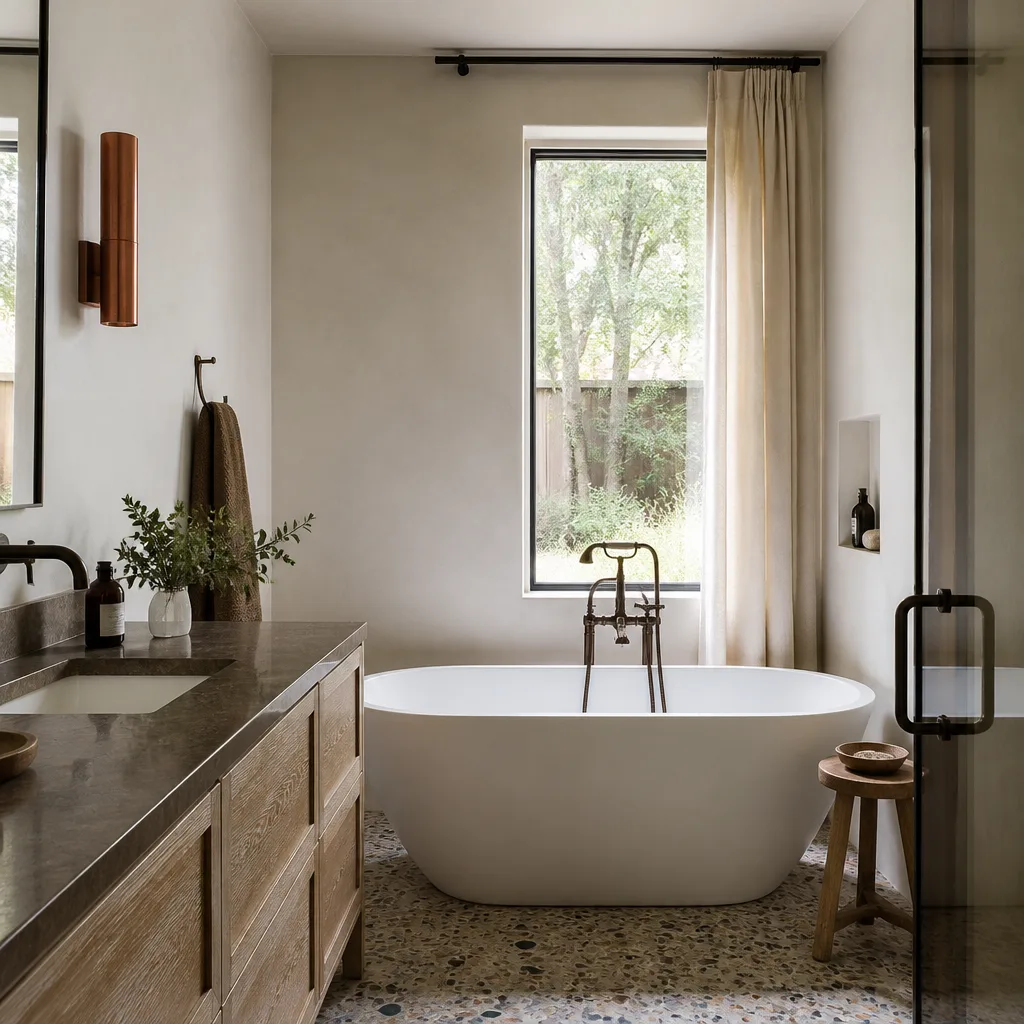
- Bathroom remodeling
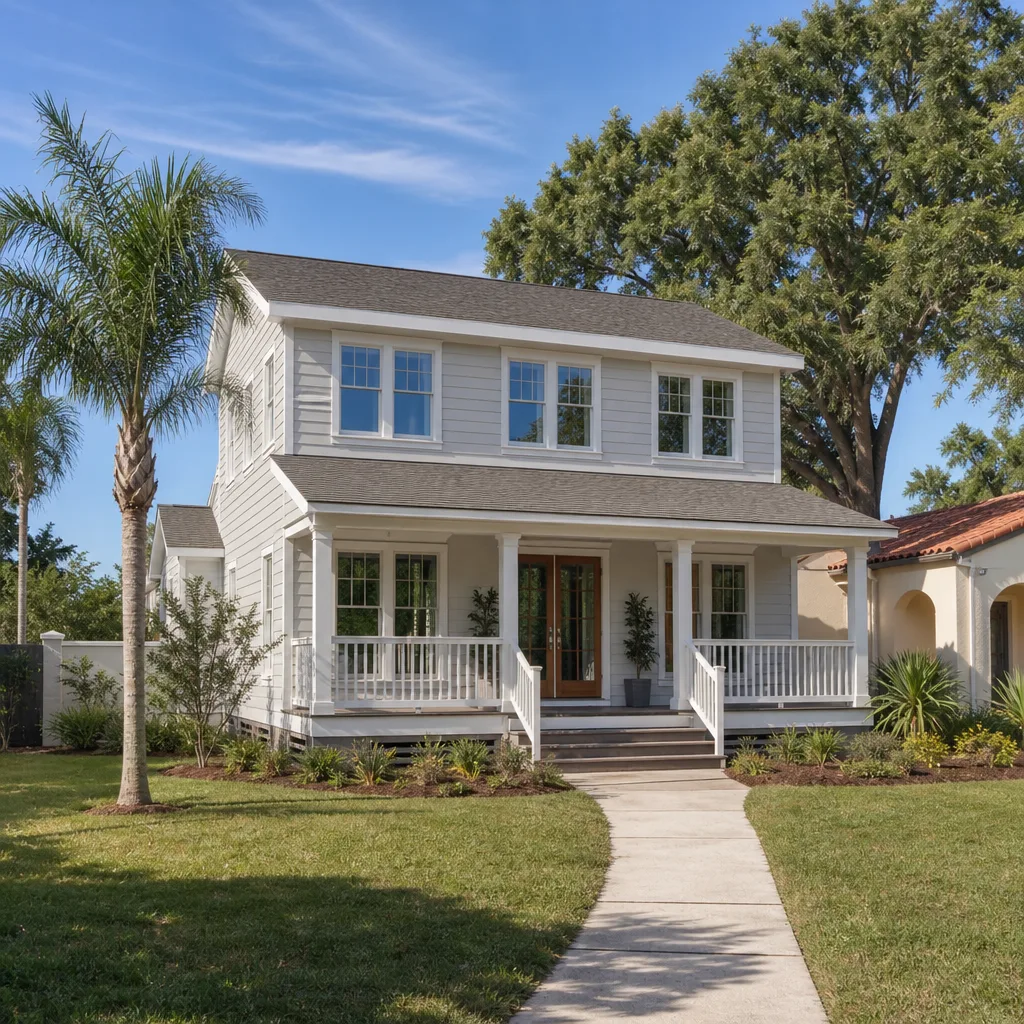
- Home additions & ADU
- Roofing
- Windows & doors
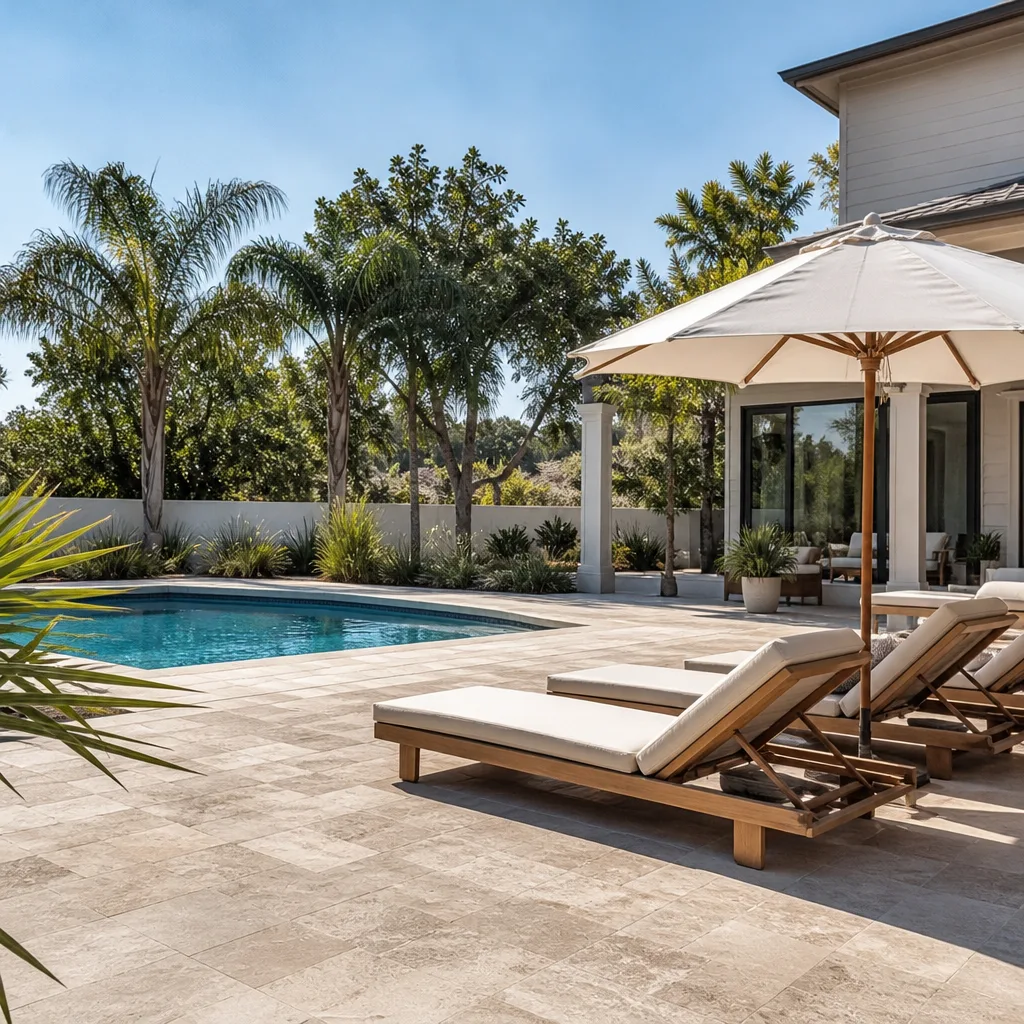
- Driveway & pavers
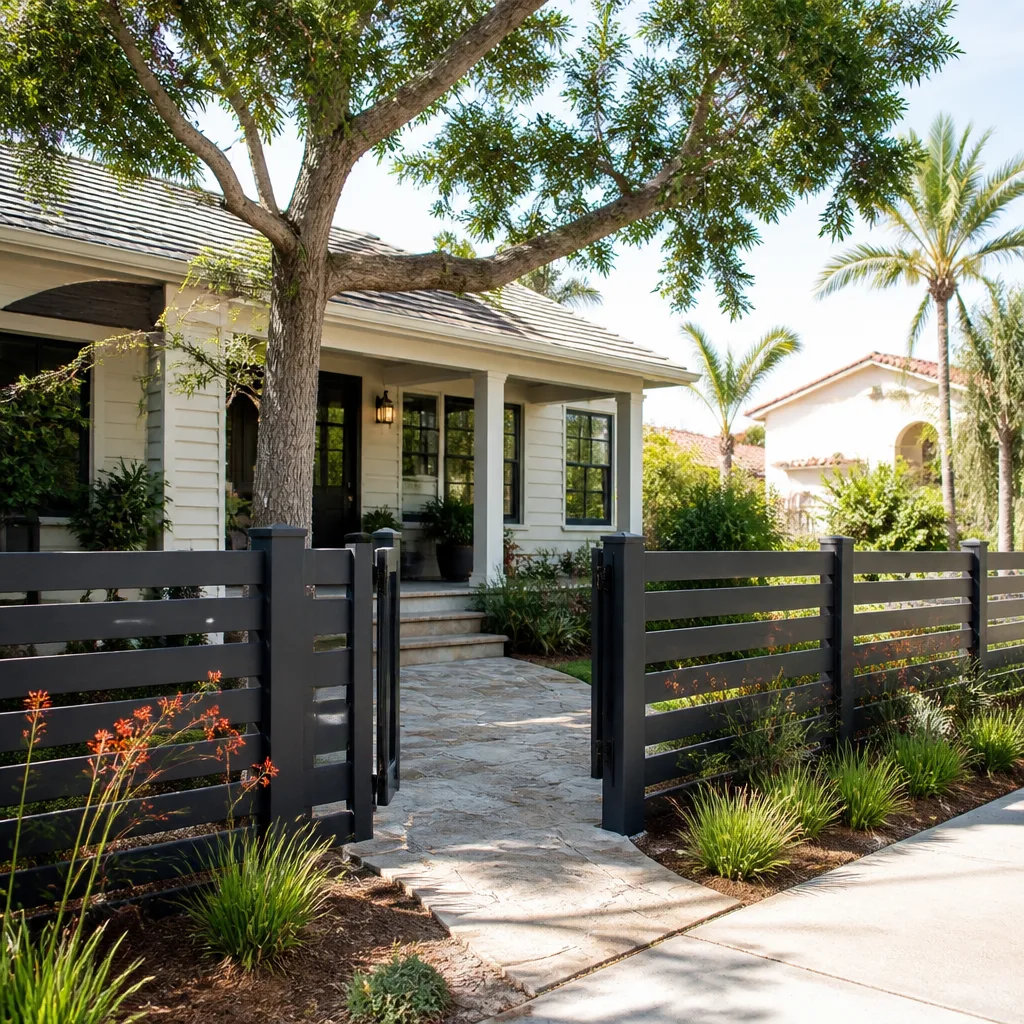
- Fence
See the difference
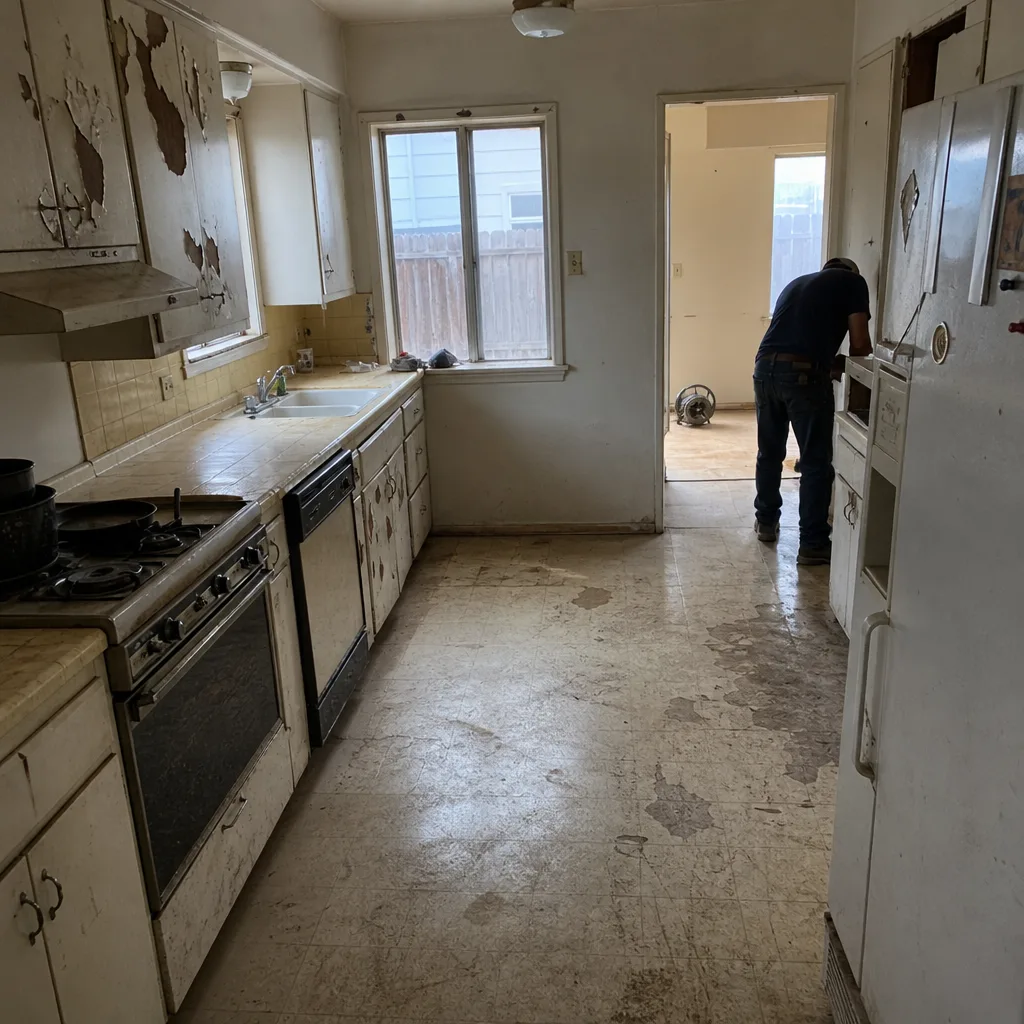 Before
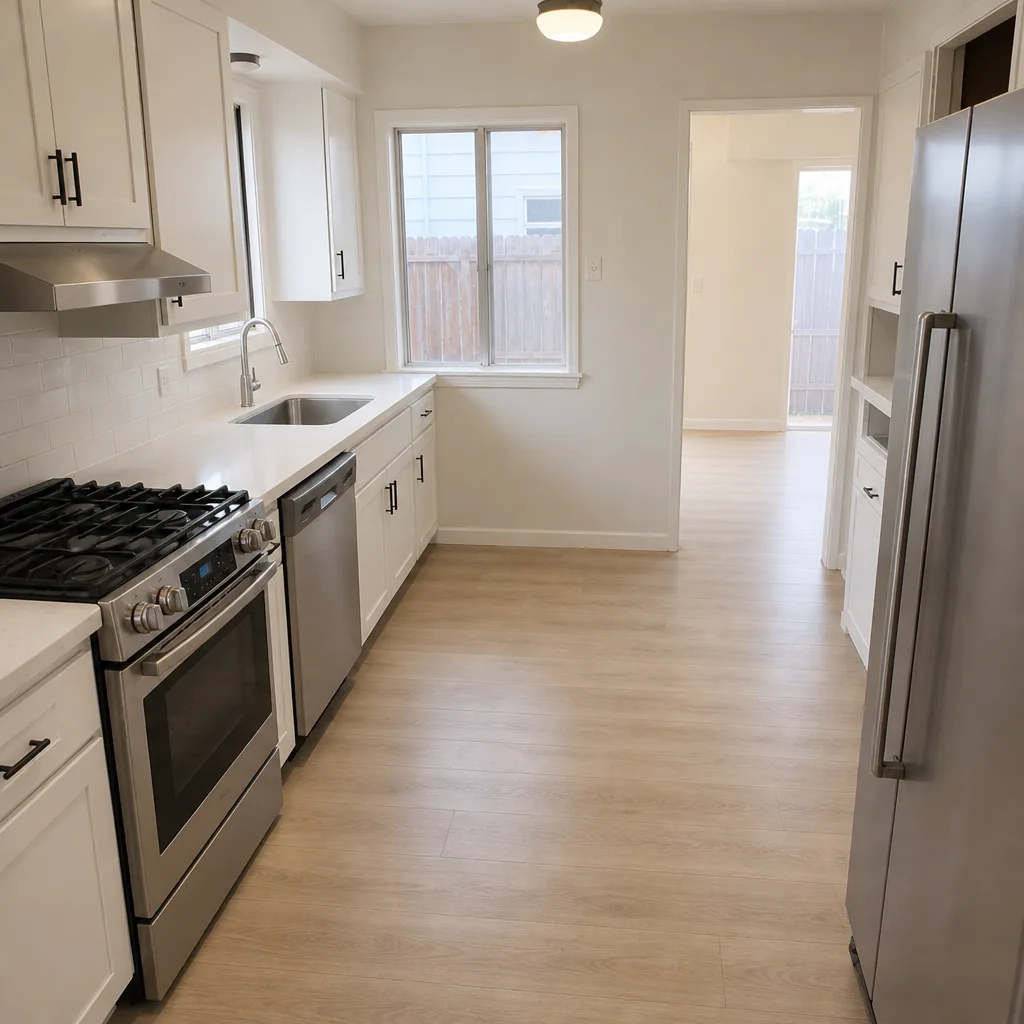 After
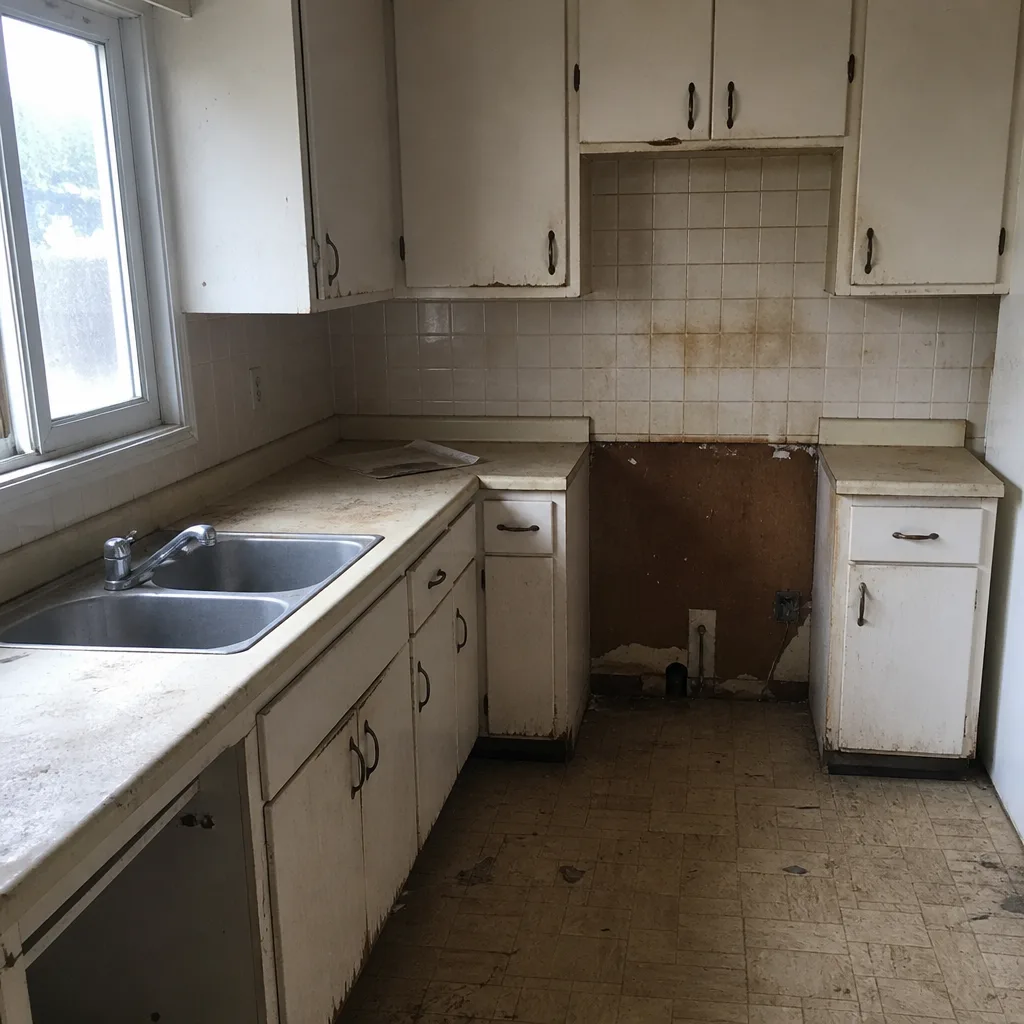 Before
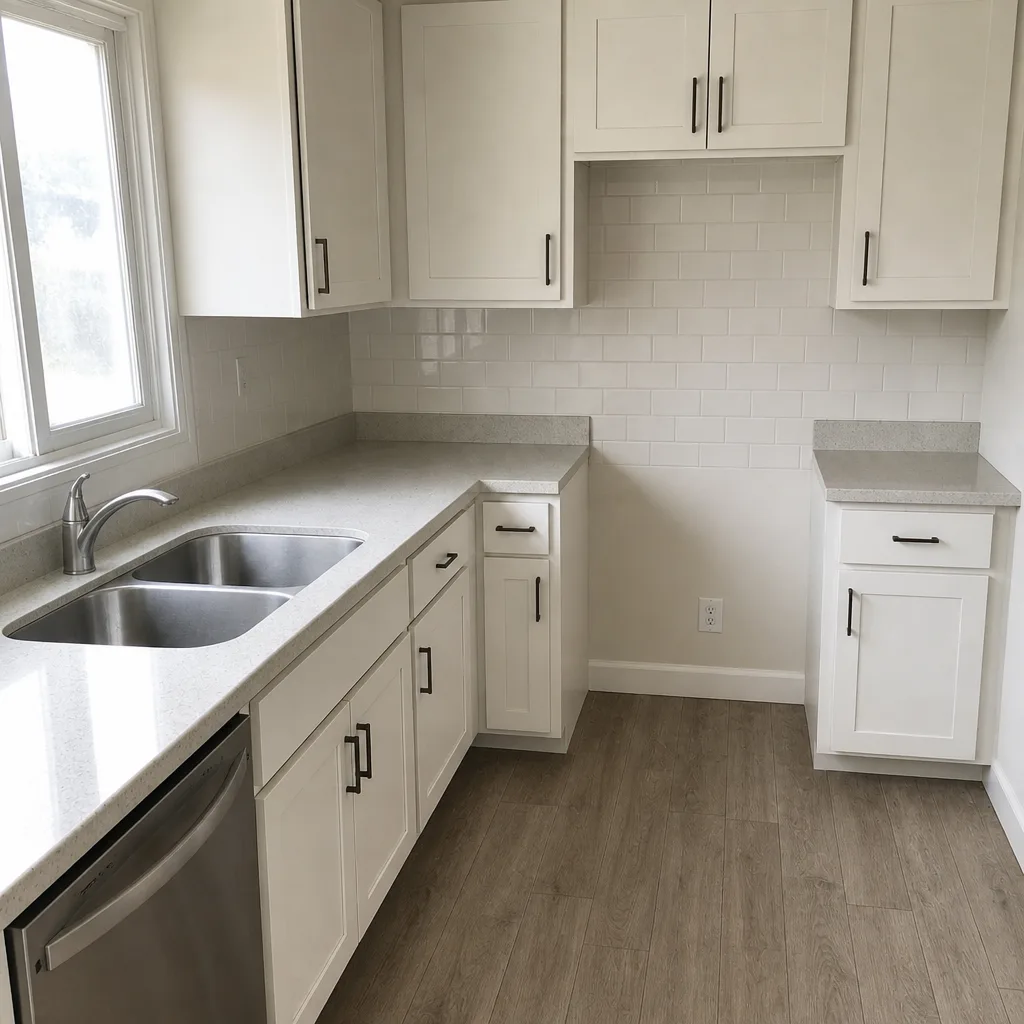 After
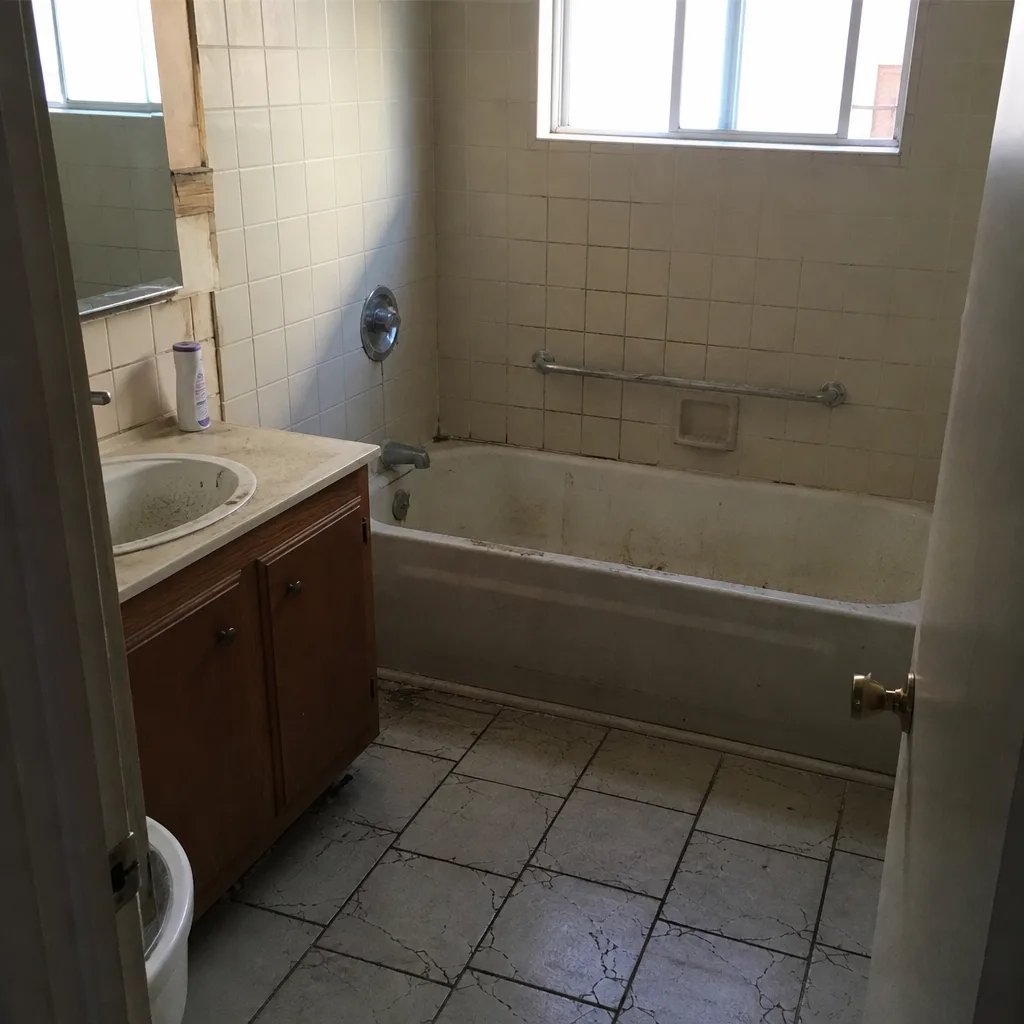 Before
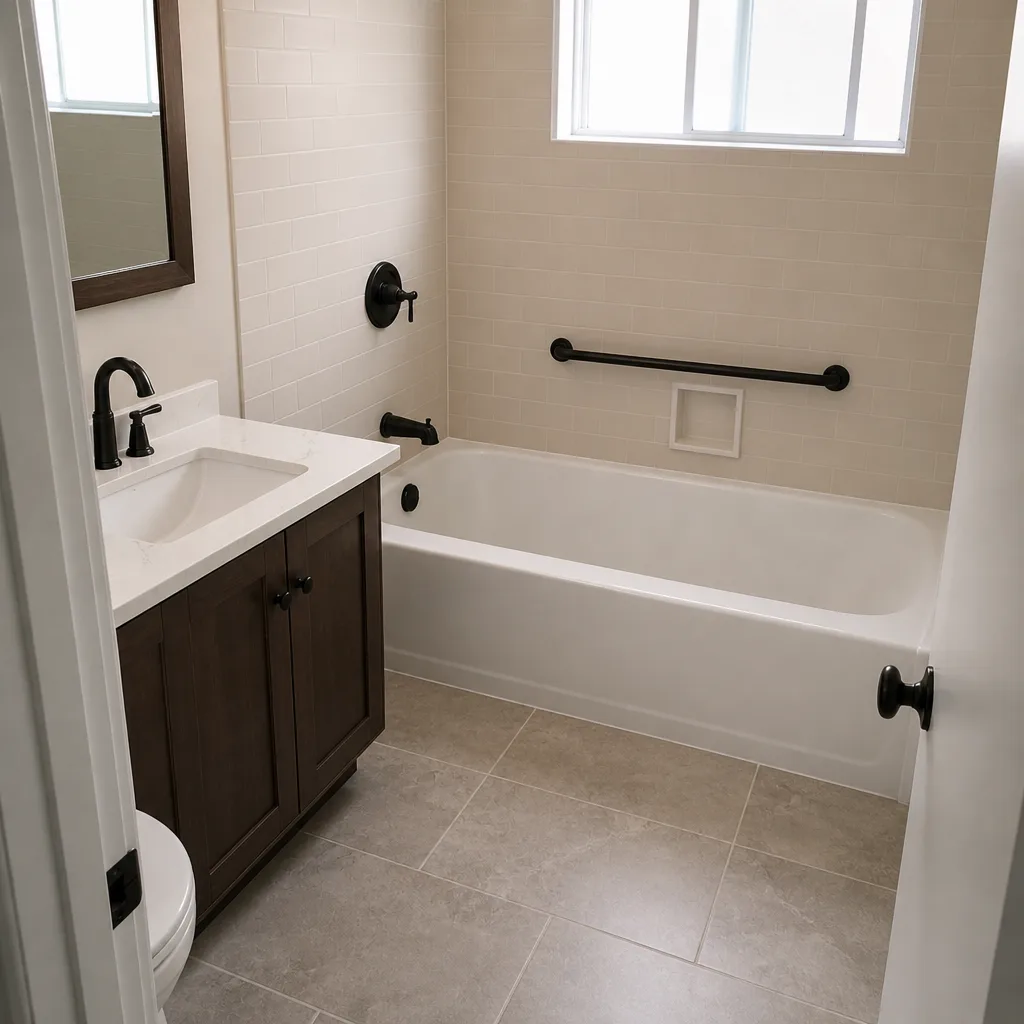 After
Quartz vs Granite Countertops in Richmond, CA: Which Surface Actually Belongs in a Fog-Belt Kitchen?
Choose quartz unless you specifically want a natural stone slab and accept annual sealing as part of ownership. That’s the bottom line for most Richmond, CA kitchens, and it comes down to climate rather than taste. If your kitchen faces west or sits within two miles of the Bay, you’re not choosing between two equal surfaces – you’re choosing between a surface that needs yearly maintenance in your fog-belt home and one that doesn’t. Here’s the honest breakdown, and when you’re ready to price it, call (833) 700-4611 for a free estimate.
Why Richmond’s Fog Belt Changes the Quartz vs Granite Decision
Richmond sits right on the bay with cool, fog-influenced summers and wet winters. Humidity regularly climbs above 70% from May through October. That’s a beautiful thing for a west-facing kitchen window and a harder thing for a porous countertop.
Granite is a natural stone with an absorption rate between 0.1% and 0.4%. It’s porous. Those pores absorb moisture, oil, wine, and whatever else lands on the surface, which is exactly why granite requires an annual sealant application to keep it protected. In a dry climate, that annual reseal is a minor chore. In Richmond’s constant condensation cycles, an under-sealed granite countertop becomes a mold-risk surface as much as a cosmetic stain waiting to happen. The sealant film wears at the edges, near the sink, and along the backsplash seam first – the same spots that see the most moisture.
Quartz is engineered stone. The resin binder makes it non-porous, so it doesn’t absorb water, doesn’t need sealing, and doesn’t give mold a foothold. The material simply doesn’t care that the fog rolled in. That’s the whole performance case, and it’s one most comparison guides skip past in favor of color swatches.
A quick note on the soil and the site
Richmond’s construction market carries a heavy-industrial legacy. Former Kaiser Shipyards and refinery-adjacent land mean contractors here routinely deal with contaminated soil, buried fuel tanks, and fill soils requiring soil management plans and DTSC or Bay Area Air Quality permits that neighboring cities like El Cerrito or San Pablo never touch. When a kitchen remodel touches a slab or opens a wall, that context matters. It’s one reason a real assessment beats a phone quote in this city.
What to Look For: A Countertop Comparison That Actually Matters Here
Set aside the aesthetic debate for a minute and compare the two surfaces on the factors that affect a Richmond homeowner five years in.
| Factor | Granite | Quartz |
|---|---|---|
| Porosity | 0.1% – 0.4% absorption; needs annual sealing | Non-porous; no sealing required |
| In high fog-belt humidity | Under-sealed stone is a mold and stain risk | Holds up without intervention |
| Heat resistance | Handles direct heat well | Resin can discolor above about 150°F |
| Resale read in the East Bay | Often reads as a 2005-2015 choice | Reads as current-spec in a remodeled kitchen |
| Maintenance | Annual reseal, extra care at seams | Wipe and go |
The heat argument isn’t the win people think it is
Granite does handle direct heat better than quartz. Quartz resins can discolor above 150°F, so you shouldn’t set a hot pan directly on it. But in a residential kitchen, a trivet costs about $8 and eliminates that risk entirely. The heat argument is real, but it’s not a valid reason to choose a higher-maintenance surface in a damp climate. You’re trading a permanent maintenance obligation for a trip to the kitchen drawer.
What Richmond buyers actually want
East Bay buyers increasingly know what quartz is and expect it in a remodeled kitchen. Granite reads as a dated choice in this market. Cambria or a comparable quartz reads as a current-spec upgrade to anyone touring your home. If you’re remodeling with resale in mind, that buyer-pool read matters as much as the slab itself.
What Does Countertop Installation Cost in Richmond?
Installed countertop costs in Richmond’s market land close enough that the maintenance differential almost always tips the return toward quartz. Here are the installed per-square-foot ranges, alongside our full installation pricing:
- Granite: $55 – $90 per square foot installed
- Entry-level quartz: $65 – $95 per square foot installed
- Cambria premium quartz: $95 – $130 per square foot installed
- Countertop installation (project total): $2,000 – $6,500
- Backsplash installation: $800 – $2,500
- Kitchen island installation: $3,000 – $10,000
Look at that spread. Entry-level quartz starts about $10 per square foot above granite. Over the life of the counter, one annual reseal and the mold remediation risk of an under-sealed surface in a fog-belt kitchen more than accounts for that difference. If you’re planning a fuller kitchen overhaul, our Kitchen Remodeling page walks through the whole scope.
On the brand side, we work with Cambria quartz and KraftMaid cabinetry because they hold up to real use and come with real backing. Every project runs through our 730-Day Done Right Promise – if it’s not done right, we make it right. That’s one of the longest workmanship guarantees in the residential construction space, and it applies whether you choose quartz or granite.
When Granite Is the Right Call
Granite has earners. If you want a one-of-a-kind natural slab with movement and depth you can’t engineer, granite delivers something quartz can’t. If your kitchen stays dry and you’ll actually keep up with the annual seal, it works. And if you’ve found a slab you love at a price that makes sense, a beautiful granite countertop in a well-ventilated Richmond kitchen is not a mistake. It just works harder for you in drier climates than this one. We guide, we don’t pressure – if you know what you want, we’ll install it right.
FAQs
Quartz is the better choice for a kitchen near the Bay in Richmond because it’s non-porous and won’t absorb moisture in the fog-belt’s high humidity. Granite needs annual sealing to resist stains and mold, and an under-sealed surface is a real risk where humidity sits above 70% for months. Call (833) 700-4611 for an exact quote – estimates are free.
Countertop installation in Richmond runs $2,000 to $6,500 for a typical project, with granite at $55-$90 per square foot installed and quartz at $65-$130 depending on the line. The gap is smaller than most homeowners expect. Call (833) 700-4611 to price your exact layout.
No – quartz never needs sealing because its resin binder makes it non-porous. That’s the core advantage over granite in a coastal climate, and it’s why we lean quartz for fog-belt kitchens. Call (833) 700-4611 to talk through options.
Countertop fabrication and install is usually a scheduled job rather than a same-day one, since the slab has to be templated and cut to fit. We’ll give you an upfront timeline and a firm number – upfront pricing, no surprises. Call (833) 700-4611 to get on the schedule.
A Countertop Decision You Won’t Regret
If you’d rather have it looked at, Groundwork Construction Co. of Richmond offers a no-pressure assessment in Richmond – call (833) 700-4611. Our technicians have up to 12 years of experience, and we answer with a live person day or night. Want the full scope? Start with our Kitchen Remodeling in Richmond page, then check home for everything we handle from foundation to finish line.
Written by the team at Groundwork Construction Co. of Richmond, serving Richmond, CA.