Free written scope consultation - allowances, timeline, and change-order rules on paper before a single trade is scheduled
Styles & brands we work with
- Kitchen remodeling
- Bathroom remodeling
- Home additions & ADU
- Roofing
- Windows & doors
- Driveway & pavers
- Fence
See the difference
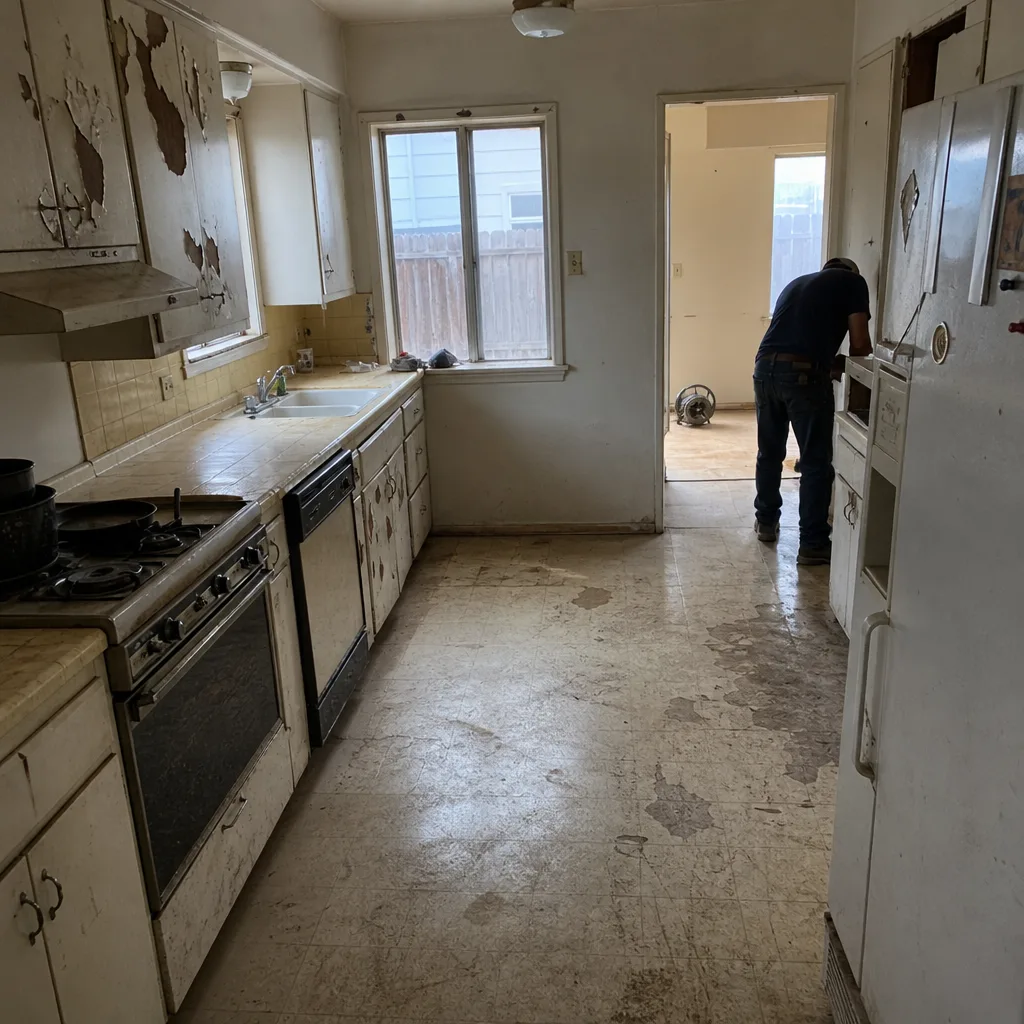 Before
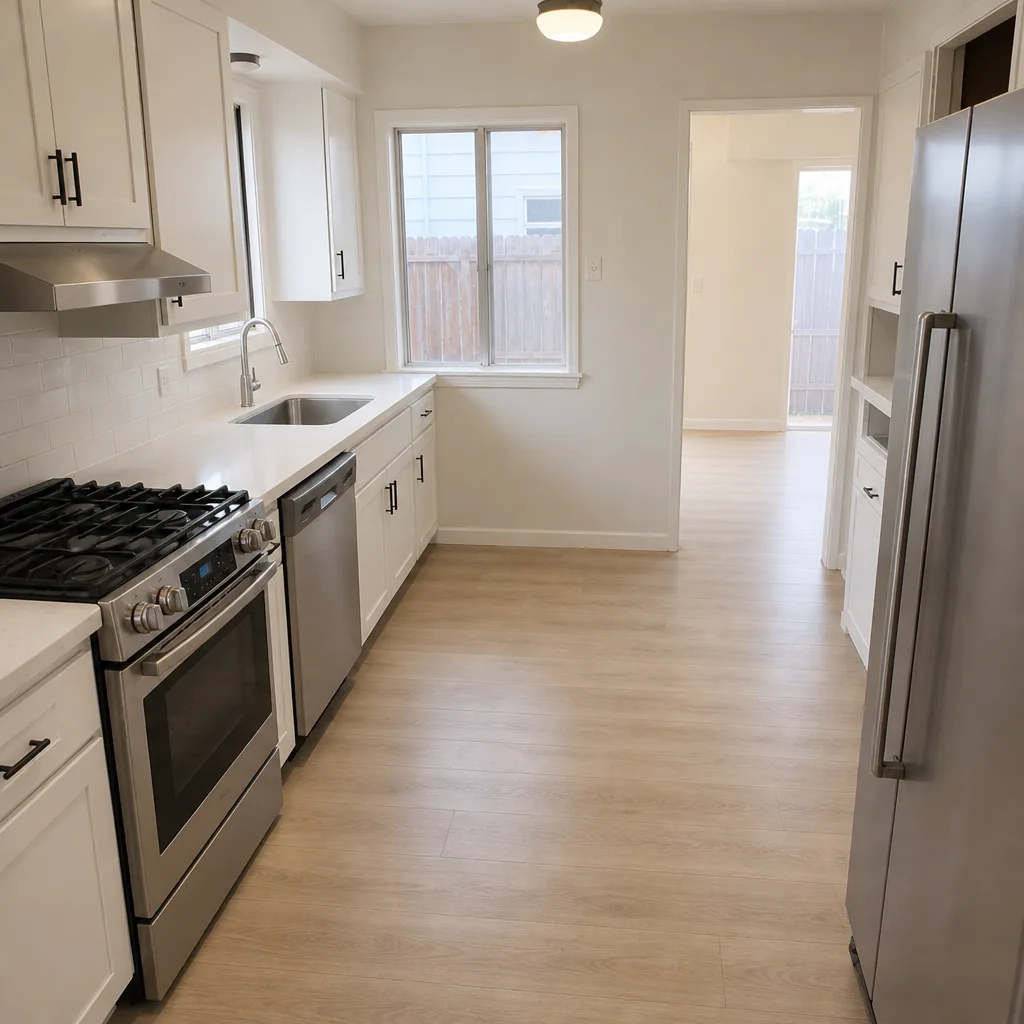 After
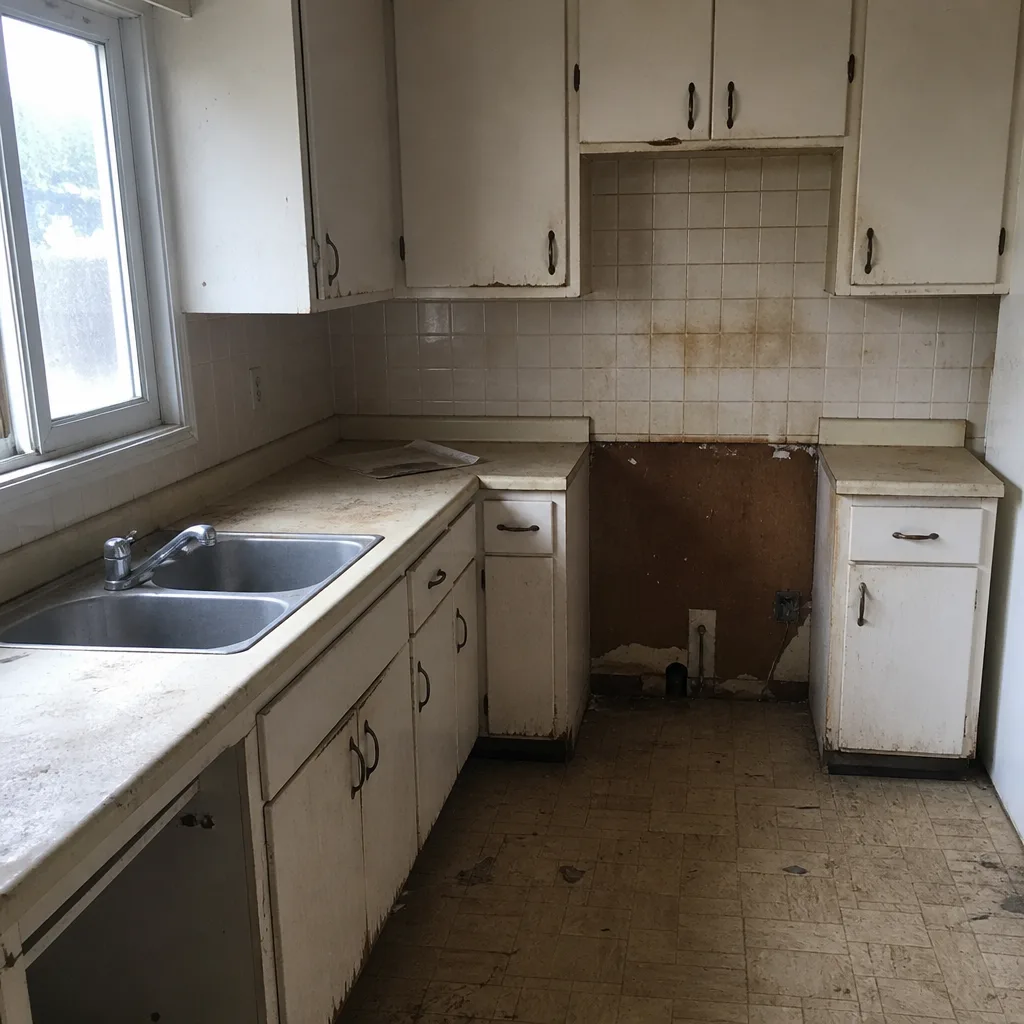 Before
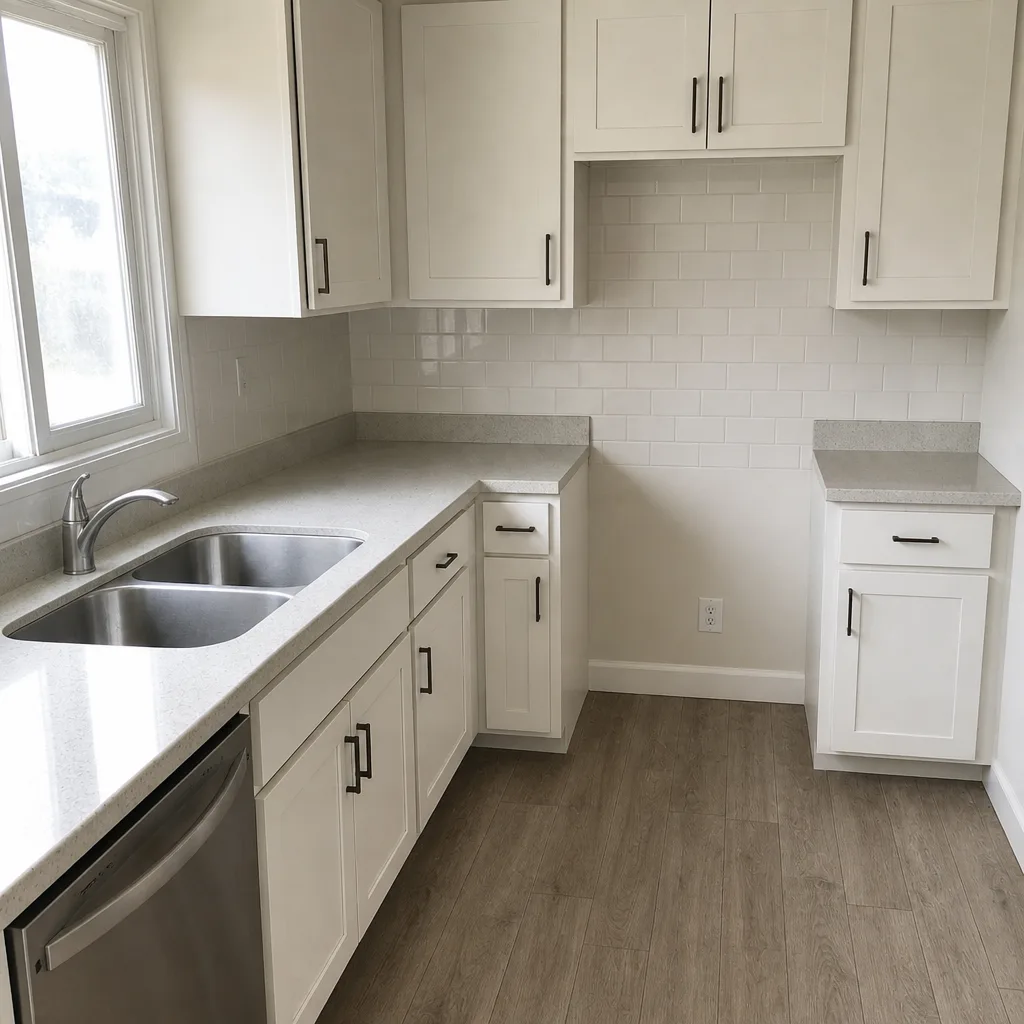 After
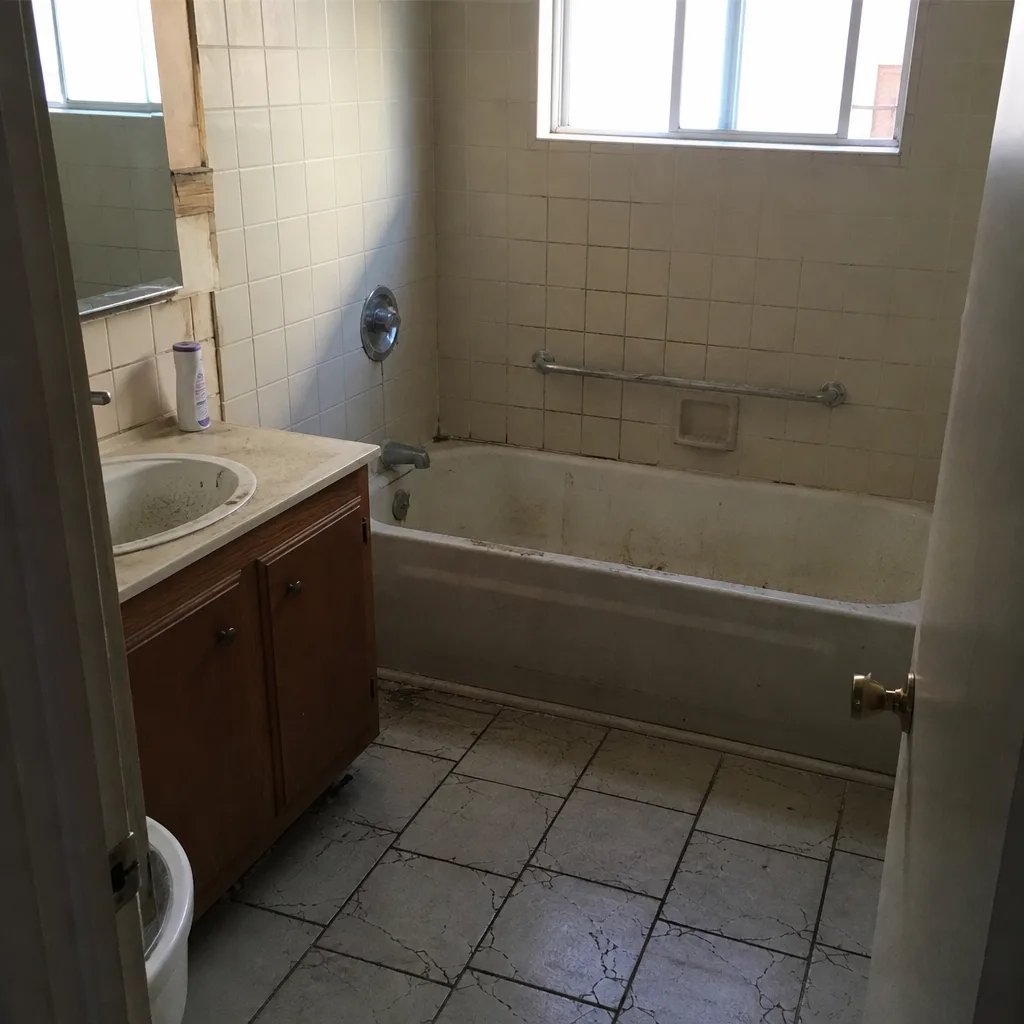 Before
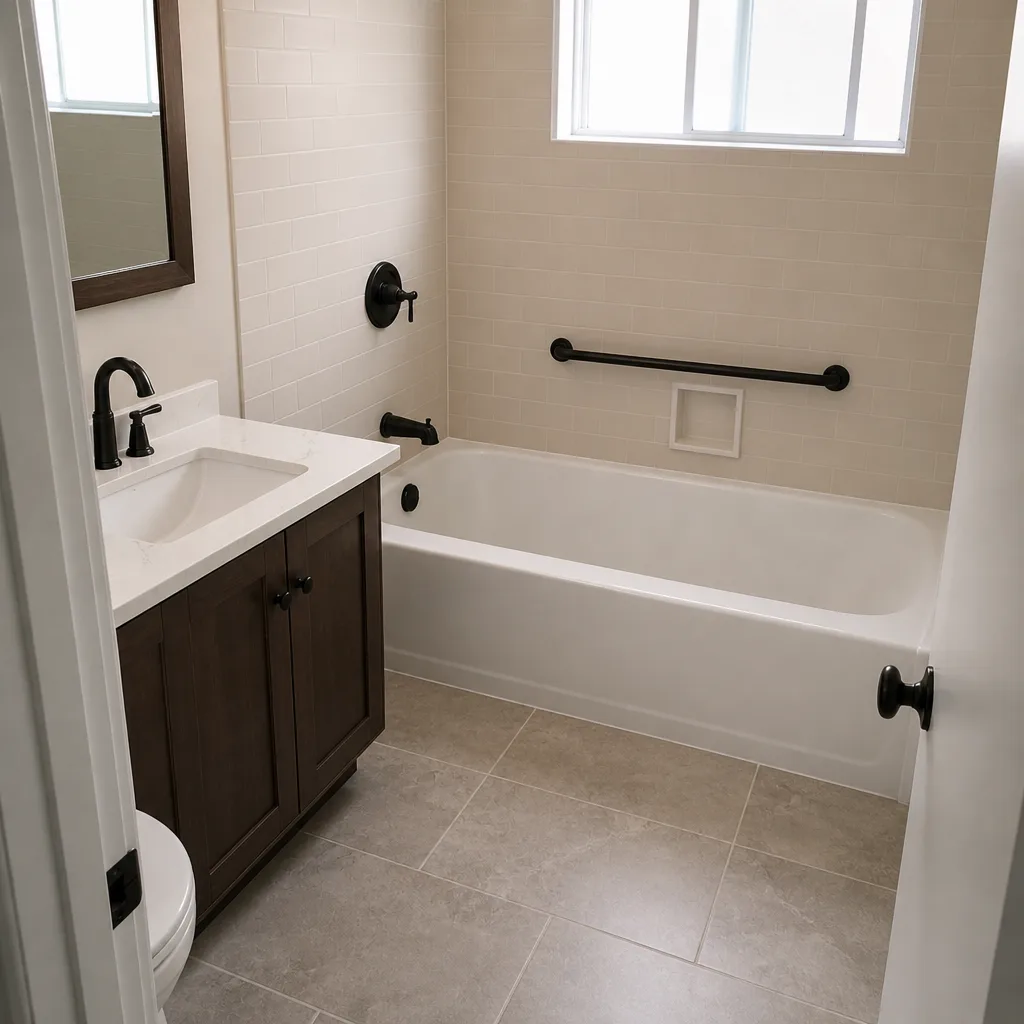 After
When to Seal a New Asphalt Driveway in Richmond, CA
In Richmond, wait 6 to 12 months before sealing new asphalt, not the 90 days most national guides tell you. That 90-day rule works fine in Fresno. Here, where July highs rarely crack 65°F and fog sits on the asphalt through mid-morning, it’s a shortcut that can void the longevity you just paid for. The short answer: seal late summer through early fall, once the surface has cured long enough that sealer bonds instead of trapping moisture. When in doubt, have it checked. You can reach Groundwork Construction Co. of Richmond at (833) 700-4611 for an honest read on your specific driveway.
Richmond’s construction market carries a heavy-industrial legacy. Swaths of former Kaiser Shipyards land and refinery-adjacent parcels mean contractors here routinely deal with contaminated soil, buried fuel tanks, and fill soils that require soil management plans. That matters more than you’d think for a driveway: the ground under a new pour often isn’t garden-variety dirt, and it drives how quickly your asphalt settles, cures, and takes a sealer without complaint.
Why the Standard 90-Day Rule Fails in the Richmond Fog Belt
Asphalt cures by off-gassing. The lighter petrochemicals in the binder evaporate over time, and the surface hardens as they leave. That process is temperature-driven. In cool, marine-layer conditions, those volatiles leave much more slowly than they would in the Central Valley, which means a driveway that looks and feels set at 90 days is often still curing underneath.
Seal over it too early and you trap those volatiles. The sealer bonds to a surface that’s still moving and sweating, and within one to two seasons you get peeling, blistering, and patchy wear. That’s the failure mode we see most in Richmond: a homeowner who followed good national advice from a source that never stood on a foggy bay-area driveway.
The product labels back this up. Most coal-tar and acrylic sealers need a surface temperature above 50°F with no rain for 24 to 48 hours after application. Richmond clears that bar reliably from July through September and only fitfully the rest of the year. We average fewer than 60 consecutive dry, warm days annually outside that window, so the sealing season is genuinely short.
- Cure time: plan on 6 to 12 months before sealing, longer on shaded or north-facing driveways.
- Surface temperature: above 50°F, with a dry 24 to 48 hours ahead.
- Best window in Richmond: late July through September, before the October rains.
- Driveway orientation: north- and west-facing runs in heavy fog hold moisture and cure slowest.
What to Look For Before You Seal
Don’t seal on a calendar. Seal on what the driveway is telling you. Here’s the checklist we walk through on a Richmond assessment:
- The color test: fresh asphalt is dark. When it fades to a lighter gray, more binder has left the surface; if it’s still deep black, there’s curing left to do.
- The water test: pour a cup of water on a clean patch. If it beads and sits, the surface is still tight. If it soaks in quickly, it’s ready for sealer.
- The edges: check for cracking or settling along the border. Fresh cracking usually means the sub-base is still moving, and sealing over a moving base is a cosmetic band-aid over a structural warning sign.
- The shade: a driveway under a tree canopy or on the fog-heavy north side of the house cures slower and earns a longer wait.
If you’re deciding between sealing an asphalt driveway and replacing it, the price gap is worth understanding. Asphalt paving in Richmond runs $3,500 to $9,000, driveway sealing runs $250 to $700, and a full driveway replacement runs $5,000 to $14,000. Sealing is cheap enough that it’s tempting to do early, which is exactly why so many driveways get botched. The right Driveway & Pavers work depends on getting the timing right.
Richmond’s Wet Winters and Narrow Sealing Window
Richmond’s rains arrive around October and stick through March. That leaves you a narrow dry stretch in late summer. If your driveway is poured in, say, October, the rainy season hits it while it’s still curing, and the low-lying flatlands near the bay are where that hurts. Those lots often sit on fill or clay soils with poor drainage, so a driveway that hasn’t fully cured before the wet season can develop edge cracking as the sub-base shifts. Seal too early over that and you’re hiding the warning.
Timing your pour matters as much as timing your seal. A driveway poured in spring has the full dry season to cure and can be sealed by late summer. A driveway poured in fall should be left alone through winter and sealed the following summer. Our technicians, who bring up to 12 years of experience, plan the cure schedule with you at handoff so you’re not guessing.
| Driveway service in Richmond | Price range | Timing note |
|---|---|---|
| Asphalt driveway paving | $3,500-$9,000 | Pour early enough to cure before fall sealing |
| Driveway sealing | $250-$700 | 6-12 months after paving in fog belt |
| Concrete driveway installation | $4,500-$12,000 | Cures differently than asphalt; separate schedule |
| Paver driveway installation | $7,000-$18,000 | No sealant cure wait |
| Driveway replacement | $5,000-$14,000 | Better than sealing a failing, uncured surface |
How Groundwork Backs the Cure Schedule
When we hand off a driveway project, we document the cure schedule in writing. That’s part of how the 730-Day Done Right Promise works. If a premature seal causes a bonding failure within two years, we make it right, no debate. That guarantee is one of the longest workmanship guarantees in residential construction, and it exists precisely because timing calls are where builders and homeowners get into arguments.
We also know the older flatlands around South Richmond and the Iron Triangle. The “garage” or “bonus room” on a 1940s shipyard-worker bungalow is often an unpermitted conversion, and a driveway or site-work project there can trigger a plan-check scramble for retroactive permits. The soil under east-side or waterfront lots may read as fill or carry legacy industrial contaminants, which forces testing before a foundation pour. None of that changes the sealing rule, but it changes what we have to confirm before we touch the ground. If you want a full look at our driveway scope, see our Driveway & Pavers in Richmond page.
We show up with background-checked, uniformed technicians and give upfront pricing, no surprises. When you call, a live person answers 24/7. No voicemail black holes. Every project over $10,000 comes with $1,000 off, and financing at 0% for 18 months makes the larger paving decisions easier. From foundation to finish line, it’s all in writing.
FAQs
No, 3 months is too early in Richmond. The cool fog-belt temperatures slow off-gassing, so a surface that looks set is usually still curing; sealing at 90 days traps volatiles and typically causes peeling within one to two seasons. Wait 6 to 12 months and confirm the surface is ready before you seal. Call (833) 700-4611 for an assessment if you’re unsure.
Late July through September is the reliable window. Most sealers need surface temperatures above 50°F with no rain for 24 to 48 hours, and Richmond clears that bar consistently only in late summer. Sealing in October risks rain within days. Call (833) 700-4611 to schedule before the rains arrive.
Driveway sealing in Richmond runs $250 to $700, and asphalt paving runs $3,500 to $9,000 if you’re repaving first. For a full replacement, expect $5,000 to $14,000. The upfront pricing means the number you see is the number you pay. Call (833) 700-4611 for an exact quote, free of charge.
It depends on whether the failure is surface-level or structural. Peeling from a premature seal is a repair, and resealing runs $250 to $700. If the sub-base is shifting and edge cracking appears, a replacement at $5,000 to $14,000 is the honest call, because sealing over a moving base just hides the problem. Call (833) 700-4611 and we’ll tell you which one you’re facing, free of charge.
If you’d rather have it looked at, Groundwork Construction Co. of Richmond offers a no-pressure assessment in Richmond. We’ll check the cure, the edges, and the drainage, and tell you straight whether it’s ready to seal or needs more time. Call (833) 700-4611 to book your free estimate.
Written by the team at Groundwork Construction Co. of Richmond, serving Richmond, CA.