Free written scope consultation - allowances, timeline, and change-order rules on paper before a single trade is scheduled
Styles & brands we work with
- Kitchen remodeling
- Bathroom remodeling
- Home additions & ADU
- Roofing
- Windows & doors
- Driveway & pavers
- Fence
See the difference
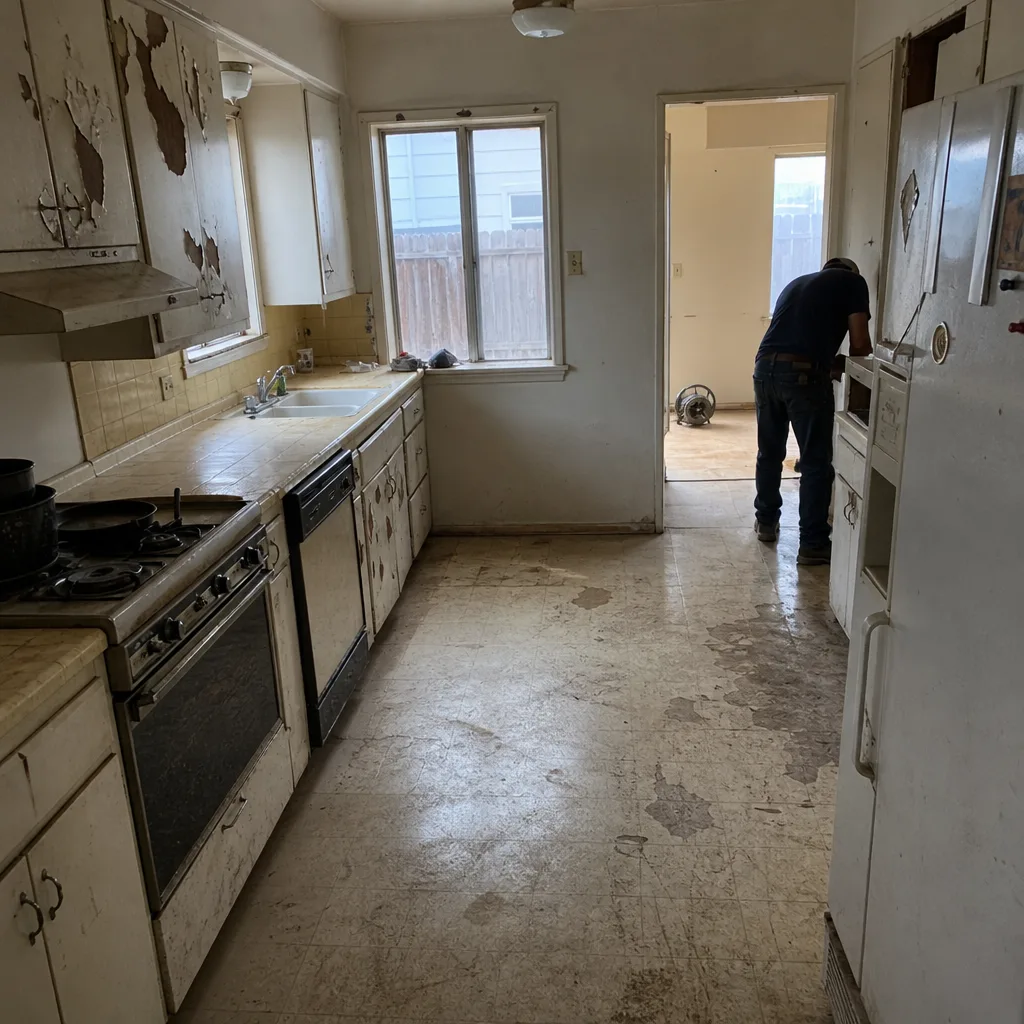 Before
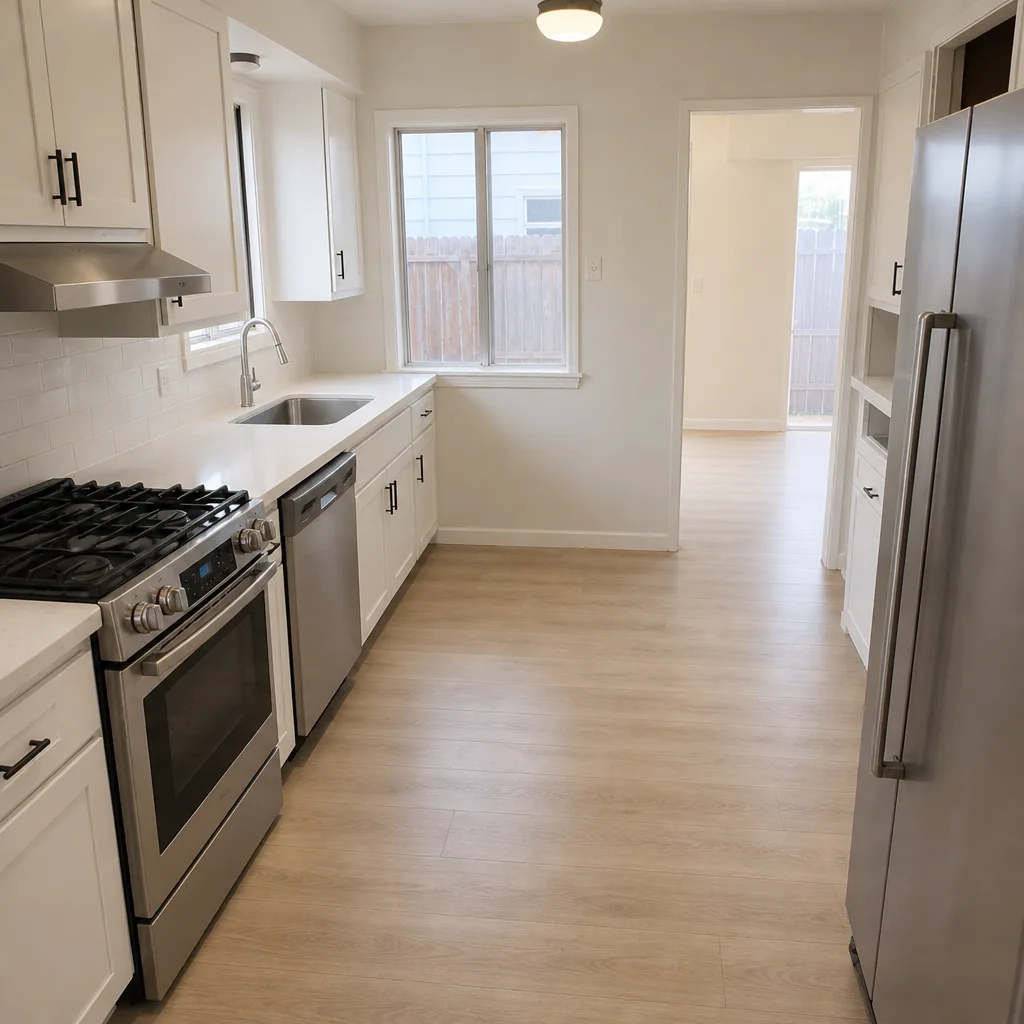 After
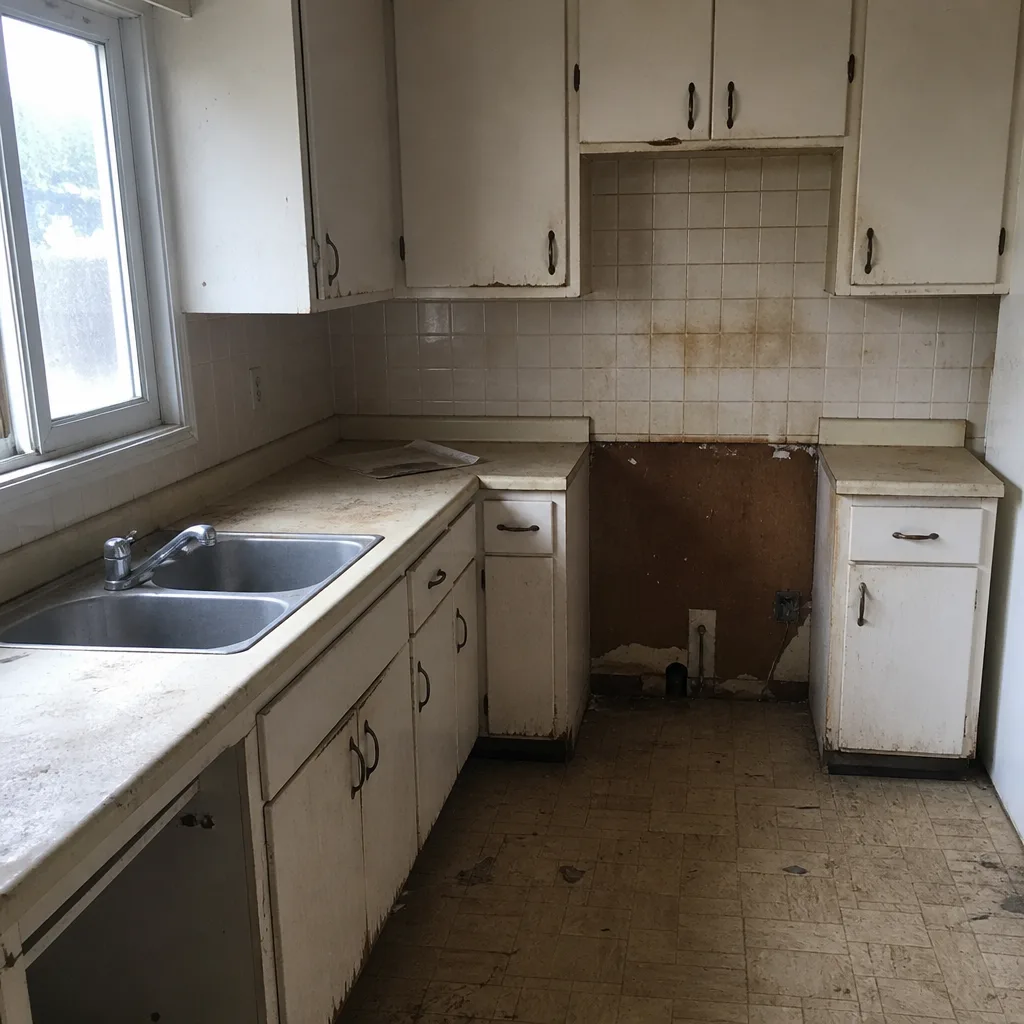 Before
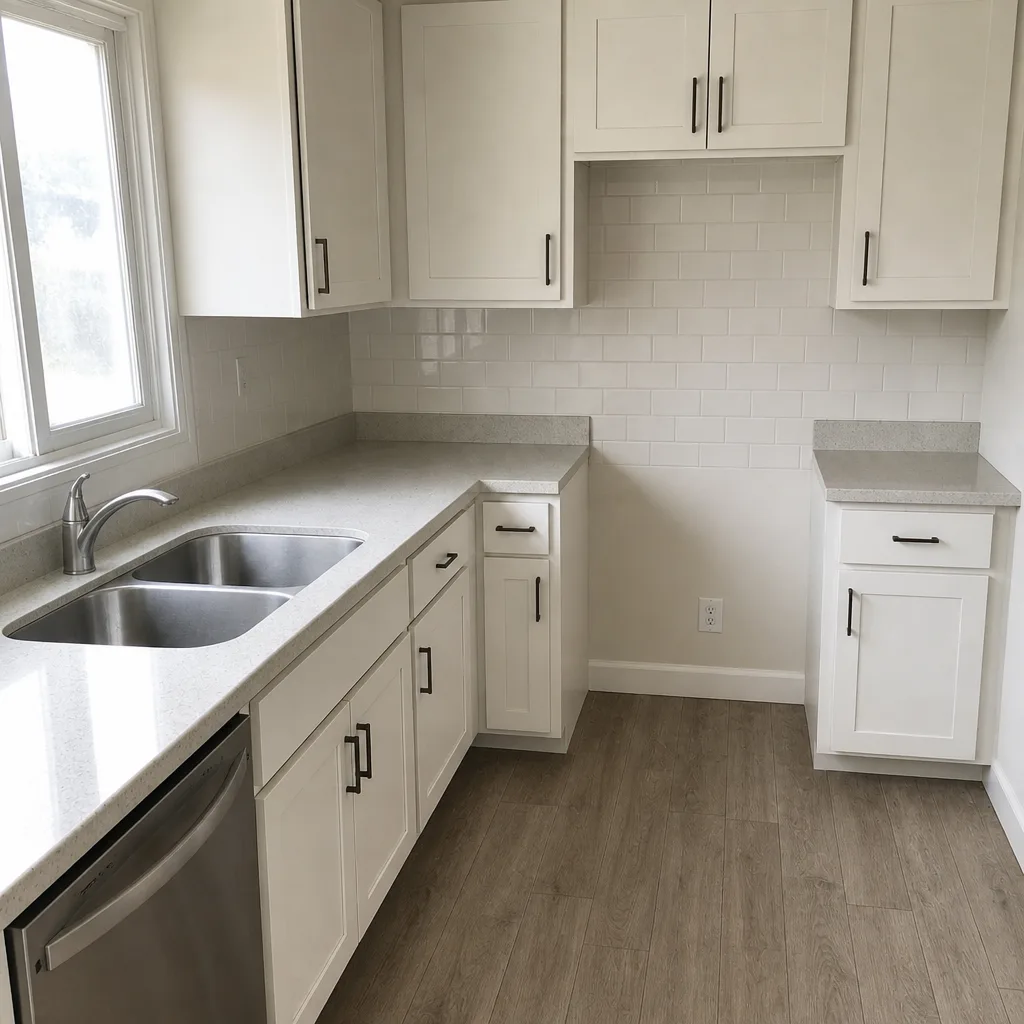 After
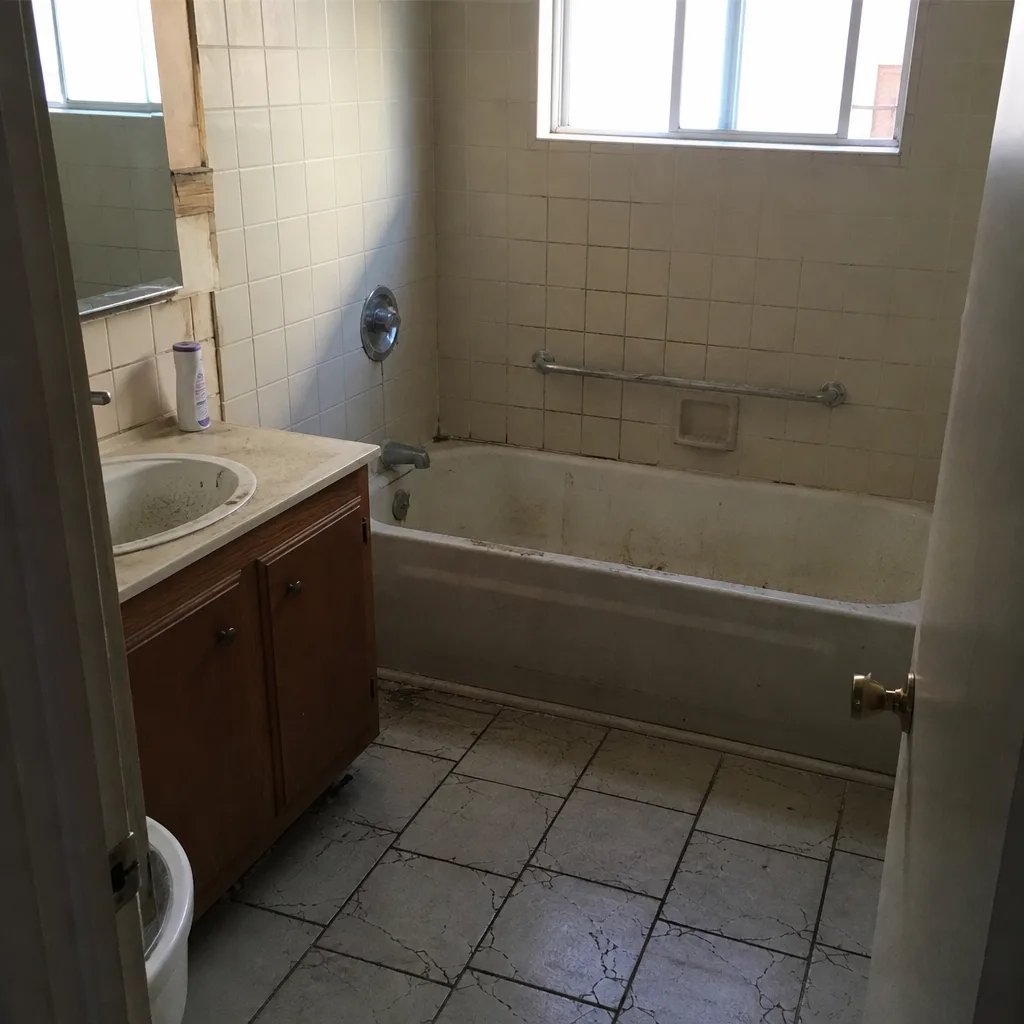 Before
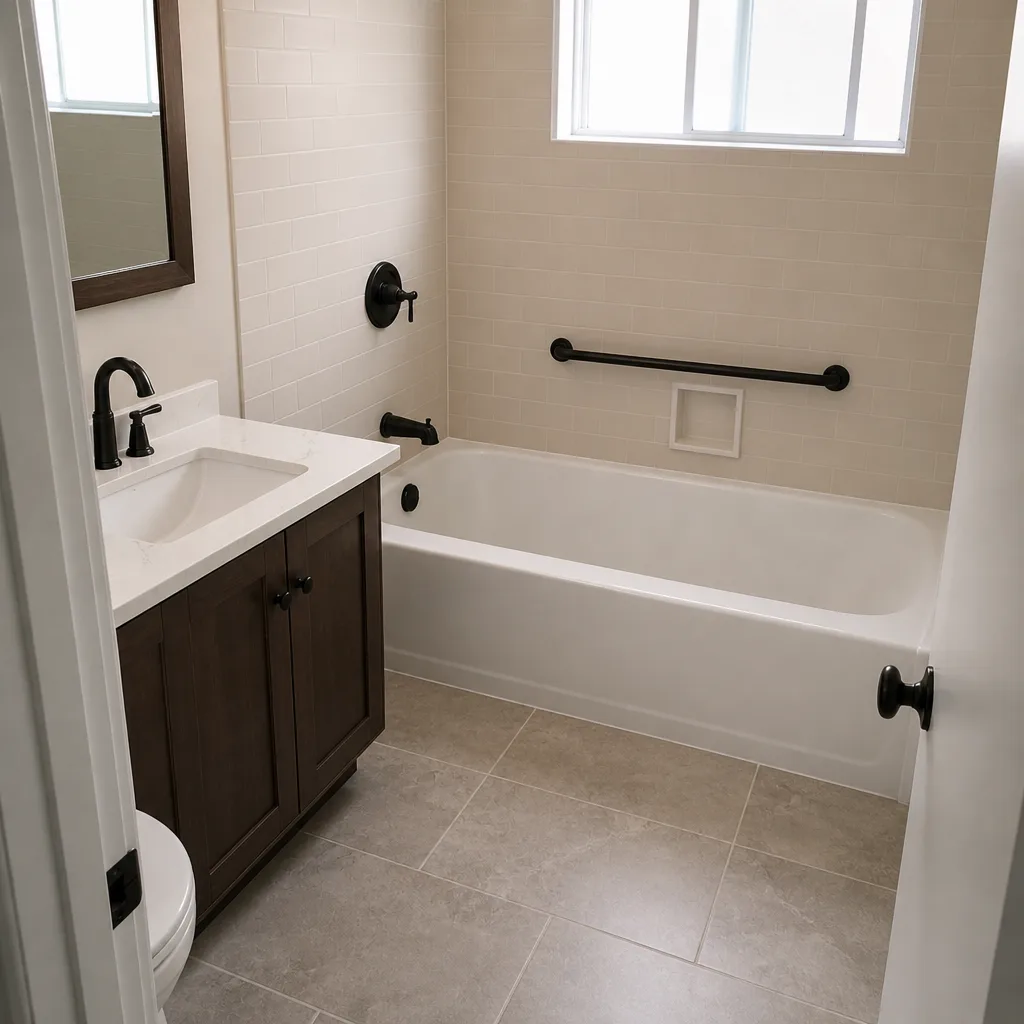 After
Window Design Pressure Ratings in Richmond, CA: What DP Numbers Actually Mean for Bay-Facing Homes
A design pressure (DP) rating tells you how much wind load a window assembly is tested to survive, and it bundles three separate test results into one number: structural load in pounds per square foot, water resistance pressure, and air infiltration. The headline number matters, but the water and air components matter just as much in Richmond, where bay wind and fog-belt humidity work on window seals year-round. A DP-30 and a DP-50 window can look identical on a showroom floor, yet on a west-facing bungalow taking wind off San Pablo Bay, only one of them keeps water out of your wall cavity for 20 years. If you’re weighing a spec now, call (833) 700-4611 and we’ll walk you through it.
Why a DP Rating Is Three Tests, Not One Number
The window industry tests to AAMA/WDMA/CSA 101/I.S.2/A440, and the DP number you see on a label is the lowest of three performance results, rounded down. That’s the part most explainers skip. A window rated DP-50 passed all three tests at that pressure, but the three aren’t equally hard to pass, and they fail for different reasons.
- Structural load (positive and negative design pressure, in psf): This is the gust and sustained wind pushing and pulling on the frame and glazing. A west-facing wall takes the brunt.
- Water resistance: The pressure at which the assembly keeps driven rain out of the interior and wall cavity. This is where fog-belt humidity and wind-driven winter rain separate good specs from marginal ones.
- Air infiltration: How much air leaks through the assembly at a set pressure differential. Loose seals mean higher energy loss and condensation on cold glass.
The three interact. A frame that flexes under lateral load opens gaps at the weatherstripping, which raises air infiltration and lets water past the sill. That’s why we treat DP as a system spec, not a marketing badge. When a manufacturer publishes a higher headline number without tested water and air data behind it, the number is decoration.
Does Richmond Really Need Hurricane-Grade Windows? No. Here’s the Real Load Case.
Richmond isn’t a hurricane coast, but the prevailing westerlies come straight off San Pablo Bay and hit the flatlands and bay-facing blocks with sustained lateral pressure rather than one-off gusts. Sustained load is harder on glazing seals than a short gust because the frame stays deflected and the seal stays compressed in one direction. Over a decade or two, that’s how you get fogged double-pane units, water staining at the sill, and rot starting behind trim on south and west walls.
The fog belt adds a second, quieter pressure. Persistent humidity against a window seal is moisture working at the assembly even on days it doesn’t rain. Richmond’s cool, fog-influenced summers mean exterior seals stay damp for long stretches, and that’s exactly the failure mode the water-resistance portion of a DP rating addresses. In South Richmond and the low-lying flatlands, we regularly see spring and winter moisture problems at window perimeters that trace back to an undersized water rating, not to the glass itself. For a deeper look at how we handle the whole envelope, see our Windows & Doors work.
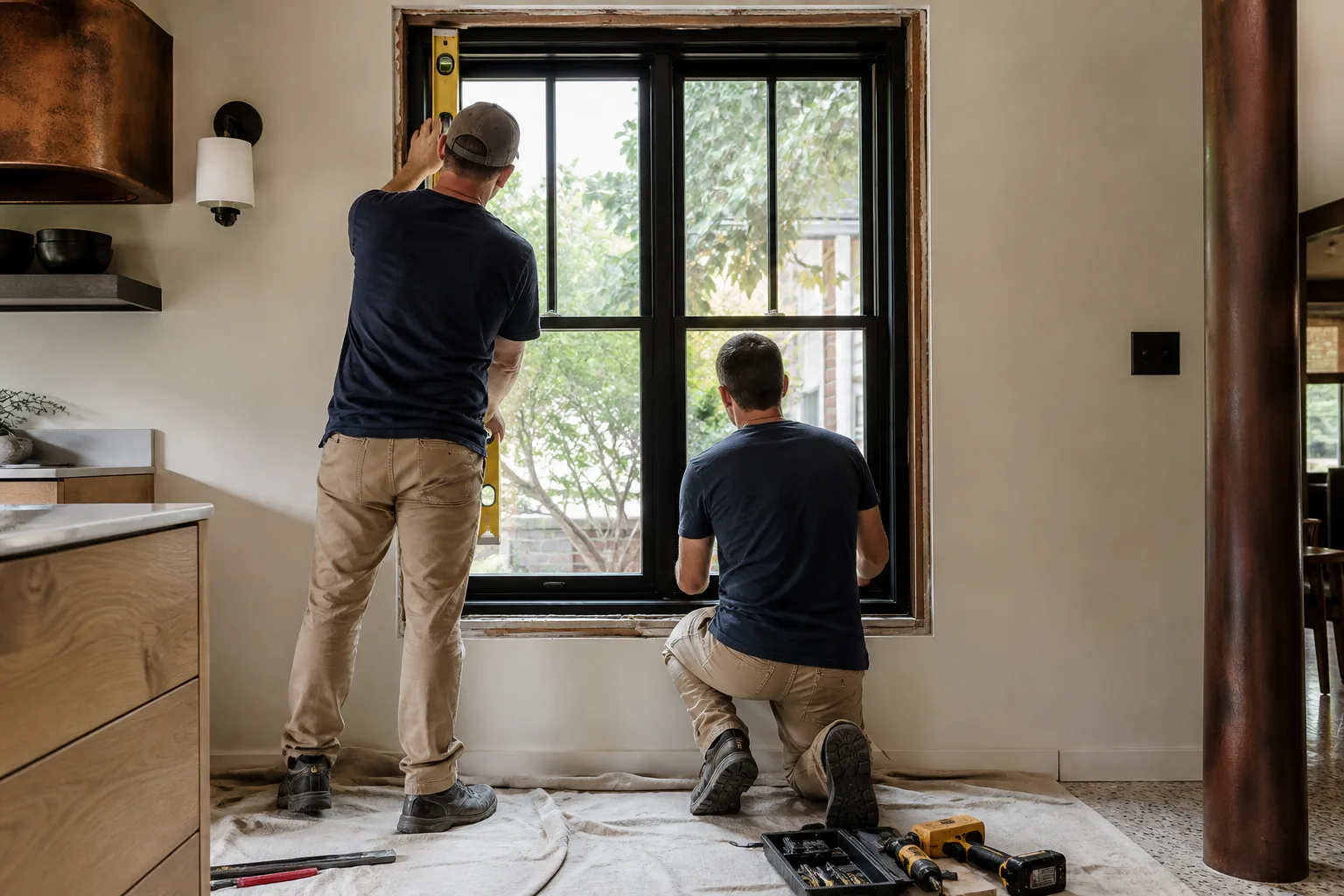
One Richmond-specific wrinkle: the older flatlands housing stock. The 1910s-1940s shipyard-worker bungalows and craftsmans in South Richmond and the Iron Triangle often have original rough openings that are out of square, undersized, or built to framing dimensions nobody uses now. An insert replacement slides into the existing frame and inherits whatever that frame gives you. To actually hit a rated DP spec on one of these homes, you usually need a new-construction window with a nailing flange, properly flashed and integrated with the weather barrier. That installation detail is the difference between a window that meets its rating and one that only claims to. When a 1940s bonus room or converted garage turns out to be an unpermitted shipyard-era addition, the rough opening can be even less predictable, and we plan for that before any unit gets ordered.
What to Look For When You Compare Window Specs
Picking a spec comes down to matching the rating to the exposure, then confirming the manufacturer publishes tested data you can actually read. A few things we check on every Richmond job:
- Exposure first. A sheltered east-facing wall and a west wall taking bay wind are not the same spec. We match DP to orientation, not to one blanket number.
- Tested, published data. Andersen and Marvin publish verified DP test results for their assemblies, so you can compare real numbers instead of marketing language. That transparency is why we specify them rather than commodity brands.
- Water and air components, not just the headline. Ask for the water-resistance and air-infiltration results that sit under the DP number.
- Installation method. Flanged new-construction versus insert replacement changes what the rating actually delivers in your wall.
- Guarantee behind the workmanship. The best-rated window installed with bad flashing still leaks. Our work is covered by the 730-Day Done Right Promise, so if something isn’t right, we make it right.
Typical window pricing in Richmond, so you can budget against the spec you’re considering:
| Project | Typical Richmond range |
|---|---|
| Window replacement (whole-home or multi-unit) | $4,500-$15,000 |
| Impact window installation | $8,000-$25,000 |
We quote these ranges upfront so the number you see is the number you pay, and 0% financing for 18 months plus $1,000 off projects over $10,000 helps when you’re replacing a full elevation at once. You can see how this fits our broader Richmond service area work.
Why Groundwork Specs Windows This Way
Our technicians have up to 12 years of experience, and they’ve seen what a marginal spec does after a few wet winters in the flatlands. We start every window project by reading the exposure on your actual walls, then match DP to what the house will face. For homeowners weighing a bigger remodel alongside window work, the same spec-first thinking carries into our kitchen and bath scopes, and you can read about kitchen remodeling and bathroom remodeling if those are on your list. If you’re also reworking the exterior approach, our roofing and fence installation teams handle the same wind-and-moisture logic on the rest of the envelope.
Neighboring homeowners often ask how the exposure differs block to block, so we’ve written about El Cerrito and San Pablo as well. If your project runs into an older addition or a converted space, our home additions and ADU team handles the permitting side. And when the wind load is on your windows, our driveway and pavers crew will keep the exterior approach consistent.
FAQs
A DP (design pressure) rating is the pressure, in pounds per square foot, that a window assembly is tested to withstand, and it bundles structural load, water resistance, and air infiltration into one certified number. The label reflects the lowest of those three test results, which is why two windows with the same DP can still behave differently in a wet, windy spot. If you want help reading a specific spec sheet, call (833) 700-4611 for a free estimate.
Often yes, because Richmond’s prevailing westerlies off San Pablo Bay create sustained lateral load on west-facing walls that stresses frames and glazing seals over time, even on homes set back from the water. Sustained load is harder on seals than a single gust, so matching DP to orientation matters more here than the flood-zone map suggests. We can assess your exposure and recommend a spec; call (833) 700-4611 for a no-pressure walkthrough.
Usually yes, but it typically requires a new-construction window with a nailing flange and proper flashing rather than an insert replacement, because 1910s-1940s rough openings in South Richmond and the Iron Triangle are often out of square or undersized. The installation method is what lets the assembly deliver its rated performance. Call (833) 700-4611 for a free estimate and we’ll tell you which method your walls need.
Window replacement in Richmond typically runs $4,500-$15,000, and impact window installation runs $8,000-$25,000, depending on unit count and spec. Those ranges are real market numbers, and we quote them upfront with no hidden extras. Call (833) 700-4611 for an exact quote, and estimates are free.
If you’d rather have it looked at, Groundwork Construction Co. of Richmond offers a no-pressure assessment in Richmond - call (833) 700-4611. We’ll read your exposure, match the DP spec to your walls, and put the numbers in writing before anything gets ordered.
Written by the team at Groundwork Construction Co. of Richmond, serving Richmond, CA.