Last updated November 18, 2026




Free written scope consultation - allowances, timeline, and change-order rules on paper before a single trade is scheduled
How Long Does Fence Installation Take? Timelines and What to Expect
Most homeowners think the clock starts when the crew pulls up with the posts. It doesn’t. The average fence installation takes 1 – 3 days of physical labor, but the full project clock in Richmond often runs 3 – 6 weeks from the moment you sign a contract to the day the gate swings true. That gap isn’t a scam; it’s permitting, utility locating, material lead times, and HOA approvals stacking up before a single hole gets dug. This guide breaks the whole thing down phase by phase, with honest numbers, so you can plan a fence around your actual life instead of the fantasy schedule a smooth-talking bidder pitches you. Once you understand where the days go, you can ask the right questions and spot a contractor who’s bluffing.
Quick Answer
A typical residential fence installation takes 1 to 3 days of on-site labor for a standard lot, but the full project usually runs 3 to 6 weeks from contract to completion in Richmond once you account for permits, the 811 utility mark, HOA approval, and material delivery. Simple like-for-like replacements can finish faster; new fences that trigger a permit or fall inside HOA jurisdiction sit on the longer end.
Styles & brands we work with
- Kitchen remodeling
- Bathroom remodeling
- Home additions & ADU
- Roofing
- Windows & doors
- Driveway & pavers
- Fence
Table of Contents
- The Real Fence Timeline: A Phase-by-Phase Breakdown
- Pre-Installation: The 2 – 4 Weeks Nobody Quotes You
- How Material Type Changes Your Lead Time
- What Richmond Weather Actually Delays (and What’s an Excuse)
- Installation Day vs. Project Completion: The Difference
- Red Flags in a Contractor’s Timeline Estimate
- Common Mistakes to Avoid
- When to Call a Professional
The Real Fence Timeline: A Phase-by-Phase Breakdown
Here’s the honest version of how a fence project unfolds in Richmond, from the first phone call to the final walk-through. We’ve mapped this out because the industry norm is to quote you the installation days and stay quiet about the rest, which is exactly why homeowners feel blindsided when week three arrives and there’s still no fence.
- Estimate and contract (2 – 7 days). A proper estimate means someone walks the property, checks property lines, looks at soil and slope, and confirms what you actually want. Rushed phone bids are how you end up with a gate that drags on the ground.
- Utility marking (2 – 10 days). The 811 call brings out water, gas, electric, and communications locators to flag buried lines. These are free but not instant; locators typically need a few business days, and the flags stay valid only for a limited window.
- Permit application (1 – 3 weeks). Whether you need a permit depends on fence height, location relative to the property line, and whether it’s in a special overlay or near a slope. More on this below.
- HOA approval (1 – 6 weeks, if applicable). This is the wildcard. Some Richmond-area HOAs move fast; others sit on architectural-review requests for a month.
- Material order and delivery (3 days – 6 weeks). This varies enormously by material, and it’s the phase most likely to move your date.
- Installation (1 – 4 days). The actual build for a standard residential lot. Larger lots, steep grades, or complex gates add days.
- Cleanup and final walk (same day or next). Hauling off debris, hanging gates and hardware, checking every latch, and inspecting the finished line.
Stack those phases realistically and you’re looking at 3 to 6 weeks. For a flat, like-for-like replacement in an area with no HOA, no permit, and material on hand, we’ve seen the whole thing wrap in under two weeks. For a brand-new fence in a permitting-and-HOA situation with a back-ordered specialty material, plan on six weeks and be pleasantly surprised if it’s shorter.
Pre-Installation: The 2 – 4 Weeks Nobody Quotes You
This is where most fence timelines quietly fall apart. Homeowners sign a contract with a date in mind, and the contractor is silently calculating permits and locator waits that were never mentioned in the pitch. Ask about these three things before you sign, and you’ll be ahead of 90% of the buyers we talk to.
Utility marking: the 811 call
Before anyone digs, the site should be marked through the national 811 system. In California, that means locators flagging buried water, gas, electric, and telecommunications lines. It’s free to the homeowner and non-negotiable; skipping it risks a ruptured gas line or an afternoon spent explaining yourself to a utility crew. The wait is usually a few business days, sometimes longer during peak season. The flags also expire, so a long permitting delay can mean a re-mark.
Permitting in Richmond and Contra Costa County
Permit requirements for fences are height- and location-driven. In general terms, a low fence that’s clearly inside your property may not require a permit, while a taller privacy fence, a fence on or near the property line, or one near a slope or a corner with sight-distance concerns often does. Rules also shift if your property sits in a special district or design overlay. The permit itself takes time to process, and a missed detail sends the application back to the queue. What matters for your timeline is that the contractor knows whether your specific fence triggers a permit before they quote you a completion date. If they don’t ask, that’s your first red flag.
HOA approval windows
Many Richmond-area neighborhoods sit under HOA architectural-review rules. These often specify approved fence heights, materials, colors, and even which side the finished face points. Approval can take anywhere from a week to six weeks depending on how often the board meets. The right move is to submit the request while the contractor is finalizing materials, so those timelines run in parallel instead of back-to-back.
How Material Type Changes Your Lead Time
Material choice affects your timeline far more than your neighbors realize, and in the current supply environment the swing is dramatic. Here’s how the main categories tend to behave for Richmond projects:
- Wood (pressure-treated pine, cedar): Generally the fastest to source because it moves through high-volume channels. Standard lumberyard grades are usually available quickly; premium or specialty profiles can add a week or more. Wood is the go-to for a reason, and it’s what most buyers land on when they want a fence in the ground soon.
- Vinyl: Stock colors and profiles often ship in a week or two, but specialty panel assemblies, custom rail designs, or unusual colors can extend lead times considerably. The vinyl that’s “in stock” is rarely the exact spec in the brochure you picked.
- Chain-link: Typically the shortest lead time of any material because the components are standardized and widely stocked. If speed is the priority and the aesthetic fits a side yard or a pet containment need, this is your answer.
- Composite: Premium composite systems often have longer lead times, sometimes 4 – 8 weeks depending on the brand and finish. The trade-off is a low-maintenance fence that holds color and resists rot in the Bay Area’s wet winters. Budget the extra time up front rather than being surprised by it.
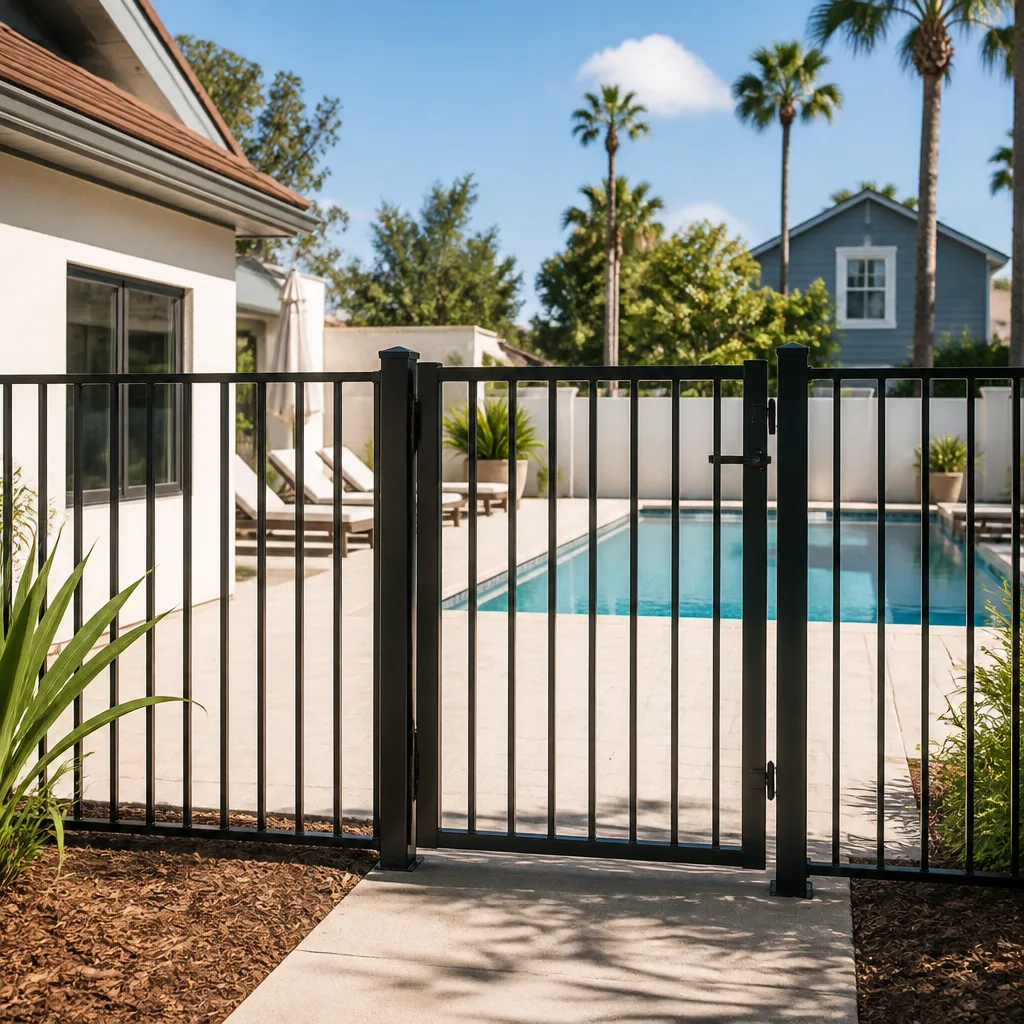
- Ornamental aluminum and steel: Beautiful and durable, but often built to order. Count on several weeks, more for custom gates.
The practical takeaway: the contract should name the specific material, profile, color, and manufacturer, and it should tell you whether that spec is in stock or on order. A vague “material lead times may vary” line in the bid is where the surprise hides. Ask for the lead-time estimate in writing before you sign. For a broader look at what’s involved in the build itself, our Fence Installation in Richmond page walks through materials and site prep in more detail.
What Richmond Weather Actually Delays (and What’s an Excuse)
Richmond sits on the Bay, and that shapes what actually stops a fence install. We’ve had crews pull up on a morning that looks ominous and finish on schedule, and we’ve seen a job slip days because of real conditions. Here’s how to tell the difference.
Genuine weather delays
- Saturated soil. If the ground is waterlogged from winter storms, post holes can fill with water and concrete can’t cure properly. Crews sometimes have to pump holes or wait.
- Sustained high wind. Setting large panels or running a long privacy fence line in a stiff Bay breeze is a genuine safety issue and can pause the work.
- Rain on the cure day. Fresh concrete footings need a reasonable window to set. A well-timed rainstorm can push gate-hanging and final hardware a day or more.
Excuses you should question
- “It rained at 6 a.m. so we’re off all week.” A smart crew works around a wet morning; a week-long washout on a clear forecast doesn’t add up.
- “Our crew got tied up.” Crew scheduling is the contractor’s problem, not a weather event. It’s legitimate sometimes, but not as often as it’s used.
- “The supplier lost our order.” Possible, but the contractor should be tracking their own orders. If they’re not, that’s an information-flow problem you’ll keep paying for.
Richmond’s foggy mornings and winter rain are real, and the right contractor plans around them – scheduling concrete work for a dry window, staging materials under cover, and building weather contingency into the estimate instead of blaming it after the fact.
Installation Day vs. Project Completion: The Difference
This is the single most misunderstood part of fence timelines. When a contractor says “installation day,” they mean the day the crew sets posts and runs panels. When you hear “installation day,” you hear “the fence will be done.” Those are not the same thing, and knowing the difference prevents the “why isn’t my gate working” call on day one.
Here’s what typically happens after the “installation day” quote:
- Footings cure. Depending on the mix and conditions, post concrete needs time before you hang a heavy gate or swing on a latch. Hanging hardware is often the very last step for this reason.
- Gates and hardware go on. A gate that opens smoothly and latches flush takes real adjustment. This is frequently a separate half-day task that gets short-changed in a hasty timeline.
- Cleanup and haul-away. Old fence debris, packaging, and off-cuts should be gone when the crew leaves. Confirm disposal is in the contract.
- Final walk-through and inspection. The crew walks the line with you, checks plumb and level, confirms the gate, and, where a permit was pulled, coordinates final inspection with the city.
So a realistic completion date in Richmond is “installation days plus one to three buffer days” for curing, hardware, cleanup, and inspection. Anyone who promises a finished, walked-through fence at the end of a single installation day is either doing a very simple job or glossing over the finish work.
Red Flags in a Contractor’s Timeline Estimate
You can learn a lot from how a contractor talks about time. When we review bids homeowners bring us, the ones that blow up later usually have predictable warning signs baked into the original estimate. Watch for these:
- No mention of permits at all. If the contractor never asks about your lot, property lines, or HOA, they haven’t thought about whether your fence needs approval. That silence becomes your delay later.
- A date but no phases. A good estimate breaks the timeline into estimate, locator, permit, materials, install, and cleanup. One flat “about two weeks” with no detail is a guess dressed up as a commitment.
- No utility-locating plan. If nobody mentions 811, ask directly. A crew that digs blind is a risk you don’t want to carry.
- Material not specified by name and stock status. “Premium vinyl” is not a spec. Ask for the manufacturer, profile, color, and whether it’s currently in stock or on order.
- No buffer for weather or cure time. A realistic schedule says “install days plus a few for hardening and gate adjustment.” Nobody’s got a cure-time problem solved by skipping it.
- Price and timeline that change once you start asking questions. A contractor who gets squirrelly when you mention permits or HOA is telling you their estimate was optimistic theater.
- No written workmanship warranty. A timeline only matters if the person promising it will still stand behind the work when a post leans two seasons later.
That last point is worth dwelling on. Groundwork Construction Co. backs every project with our 730-Day Done Right Promise: if it’s not done right, we make it right. A fence is meant to stand for a decade or more, so the timeline conversation should end with someone accountable for the work long after the crew has gone. If you want to see how that promise plays out across a whole property, from Driveway & Pavers in Richmond to the fence line, it’s the same standard from the front curb to the back gate.
Common Mistakes to Avoid
- Signing before permits are sorted. A contract signed while the permit is still up in the air leaves you exposed to a start date that slips without consequence. Confirm the permit path first, then sign.
- Skipping the 811 call to save time. It feels like a shortcut until a crew hits an irrigation line, a gas service, or a fiber run. The few days you “save” turn into a week of repairs and liability.
- Assuming HOA approval is automatic. Boards reject fence requests for height, material, color, and even which direction the finished face points. If you live in an HOA community, submit early and get the approval in writing.
- Choosing material purely on the fastest lead time. Speed is great, but composite that arrives in four weeks and needs no maintenance for a decade may beat vinyl that arrives next week and fades in three years. Match the material to your long-term plan, not just the calendar.
- Forgetting the gate in the timeline. A gate is the part of the fence that gets used most and refinished least often. Budget the time for proper hardware adjustment, and don’t let it be the item squeezed at the end.
- Not scheduling a final walk-through. Skipping it is how a bent picket or a latch that doesn’t catch slips past you. Walk the line with the crew before they leave.
- Judging a bid by price alone. A low number paired with an impossible timeline usually means shortcuts on permits, materials, or finish work. Upfront pricing with real phases costs more on paper and less in headaches.
One more: if you’re also planning a larger outdoor project alongside the fence, like a paver patio or a detached structure, line up the sequencing early. Our Home Additions & ADU in Richmond team often coordinates fence installs with site work so materials and utility locates only happen once. And if the back of your mind is on the whole exterior, from the house to the fence line, you can see the full picture on our Groundwork Construction Co. of Richmond home page.
When to Call a Professional
Some fence decisions are bigger than they look, and a few situations genuinely call for a skilled eye rather than a weekend project. Call us if you’re facing any of these: a fence on or near a property line where a survey question could turn into a neighbor dispute; a lot with significant slope, which changes how posts get set and how gates line up; a fence that needs a permit or an HOA sign-off; a privacy or security fence around a pool or a home office shed, where code and safety come into play; a gate that needs to swing reliably for years; or an existing fence that’s leaning because the original footings failed, which is worth diagnosing before you rebuild the same way.
Groundwork Construction Co. of Richmond offers free estimates in Richmond. Our technicians have up to 12 years of experience, stand behind every project with our 730-Day Done Right Promise, and back it with upfront pricing, no surprises. Call (833) 700-4611 for a free estimate and a realistic timeline built for your property.
See the difference
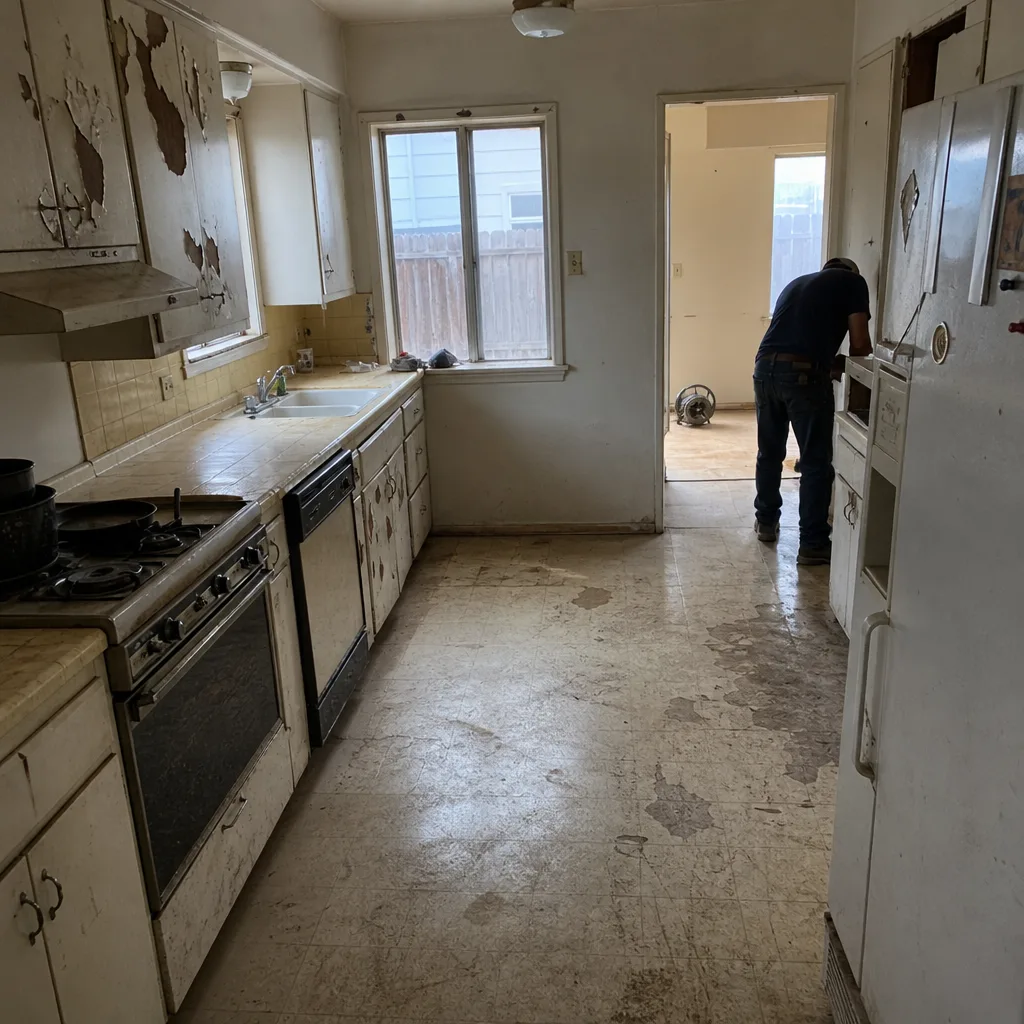 Before
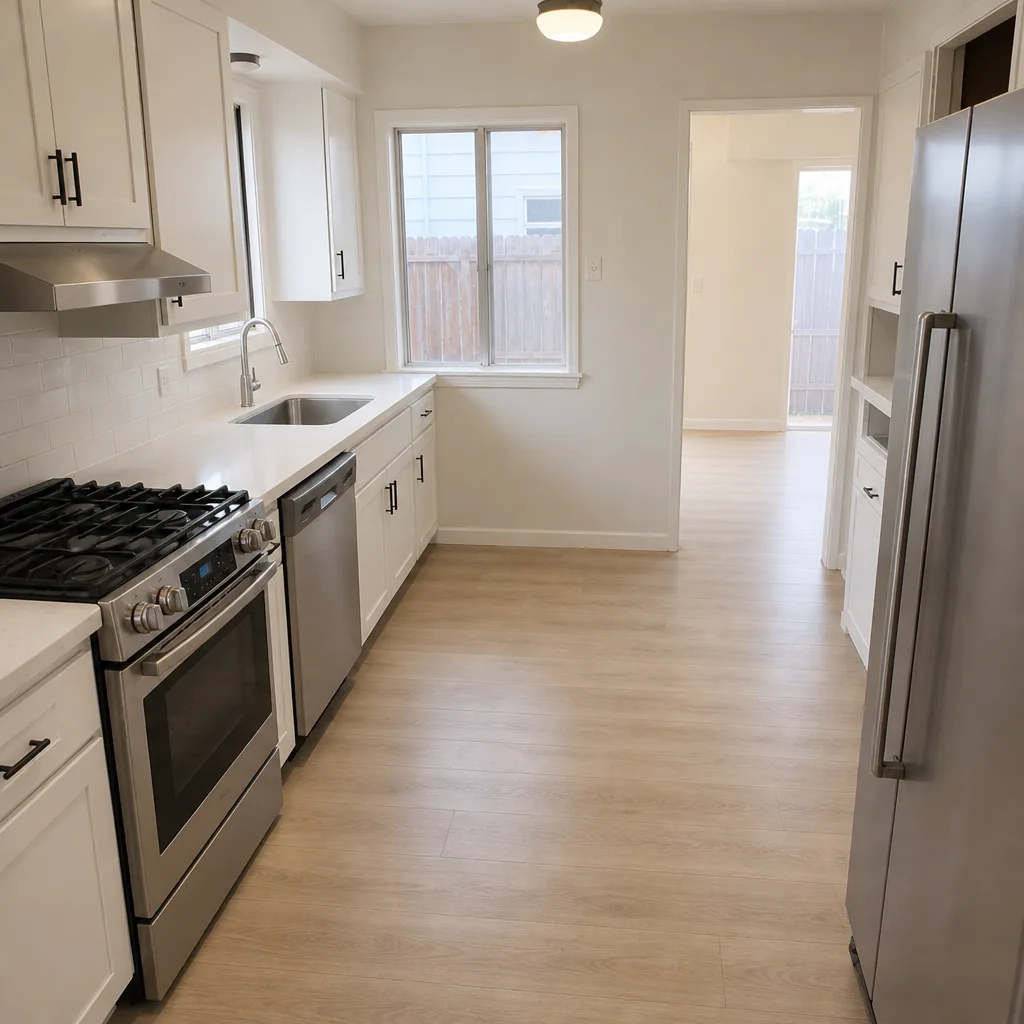 After
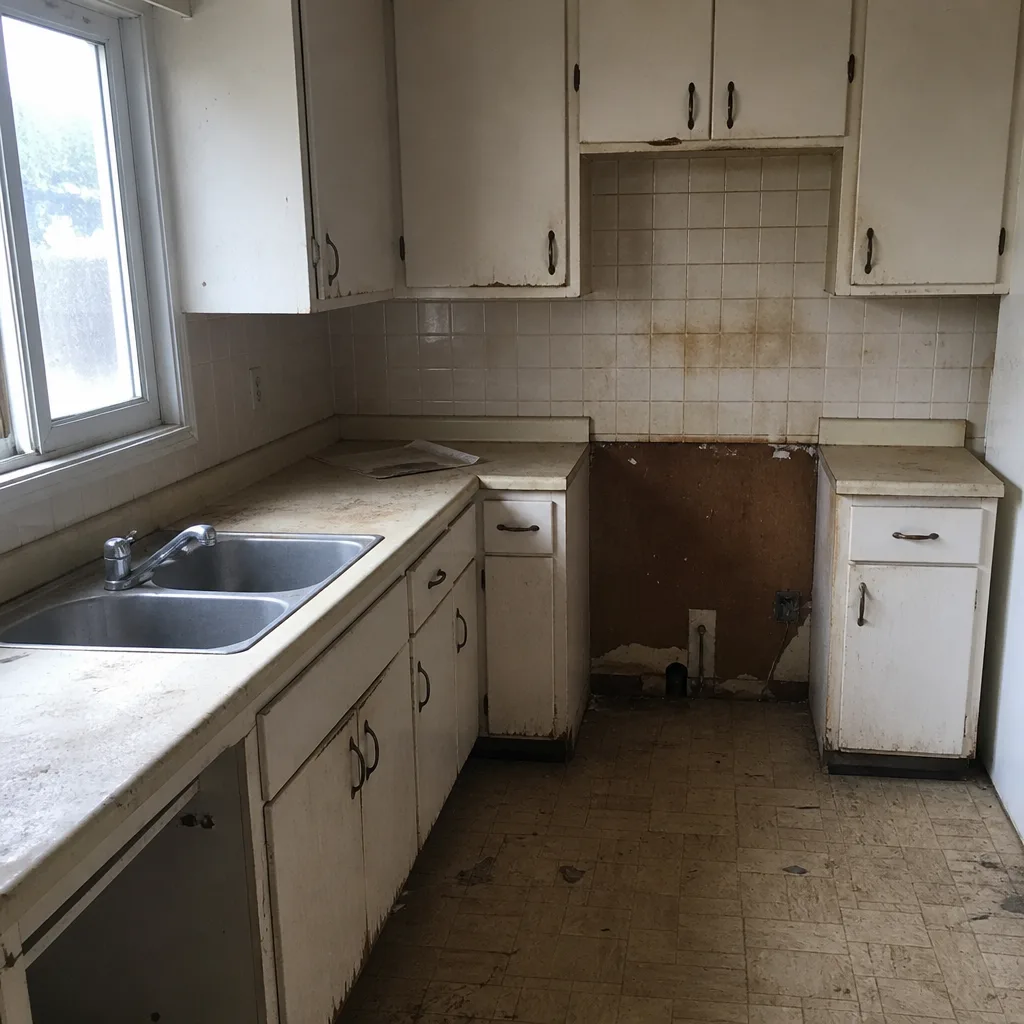 Before
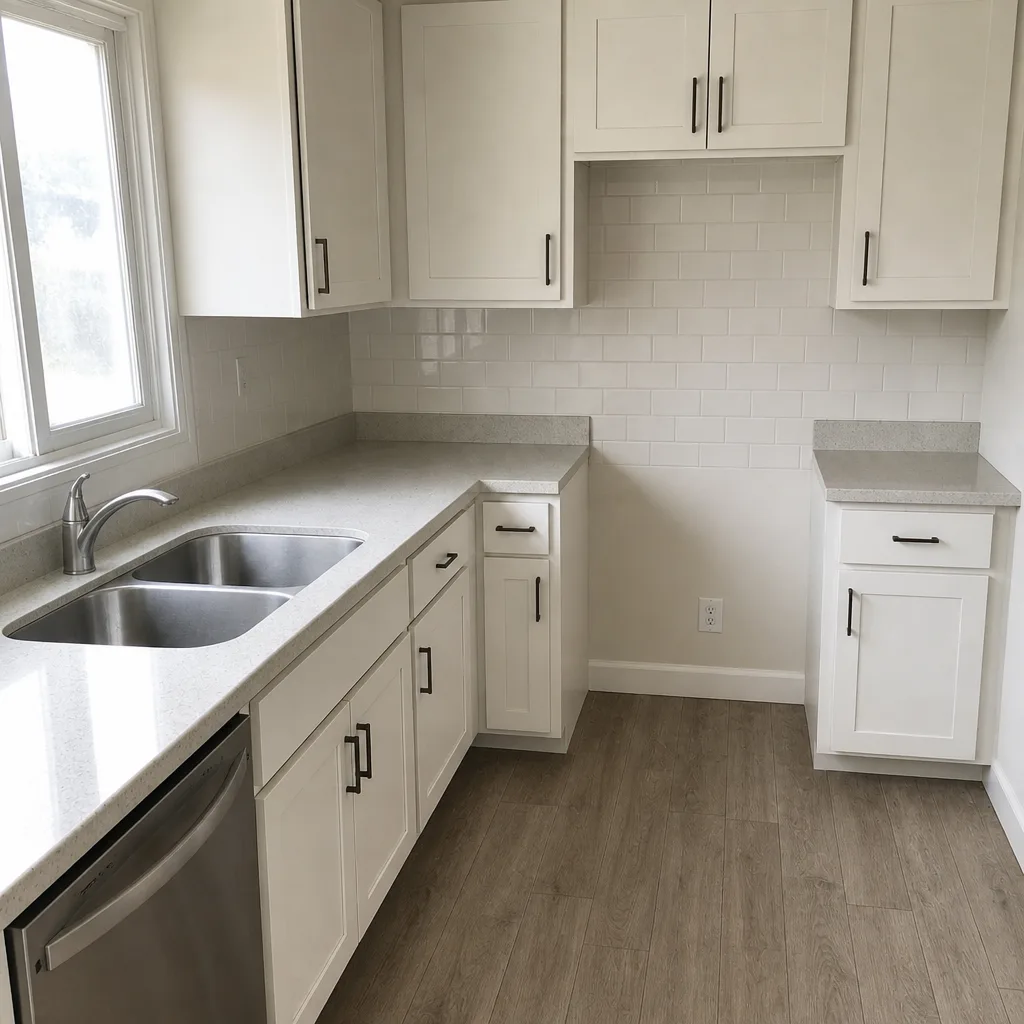 After
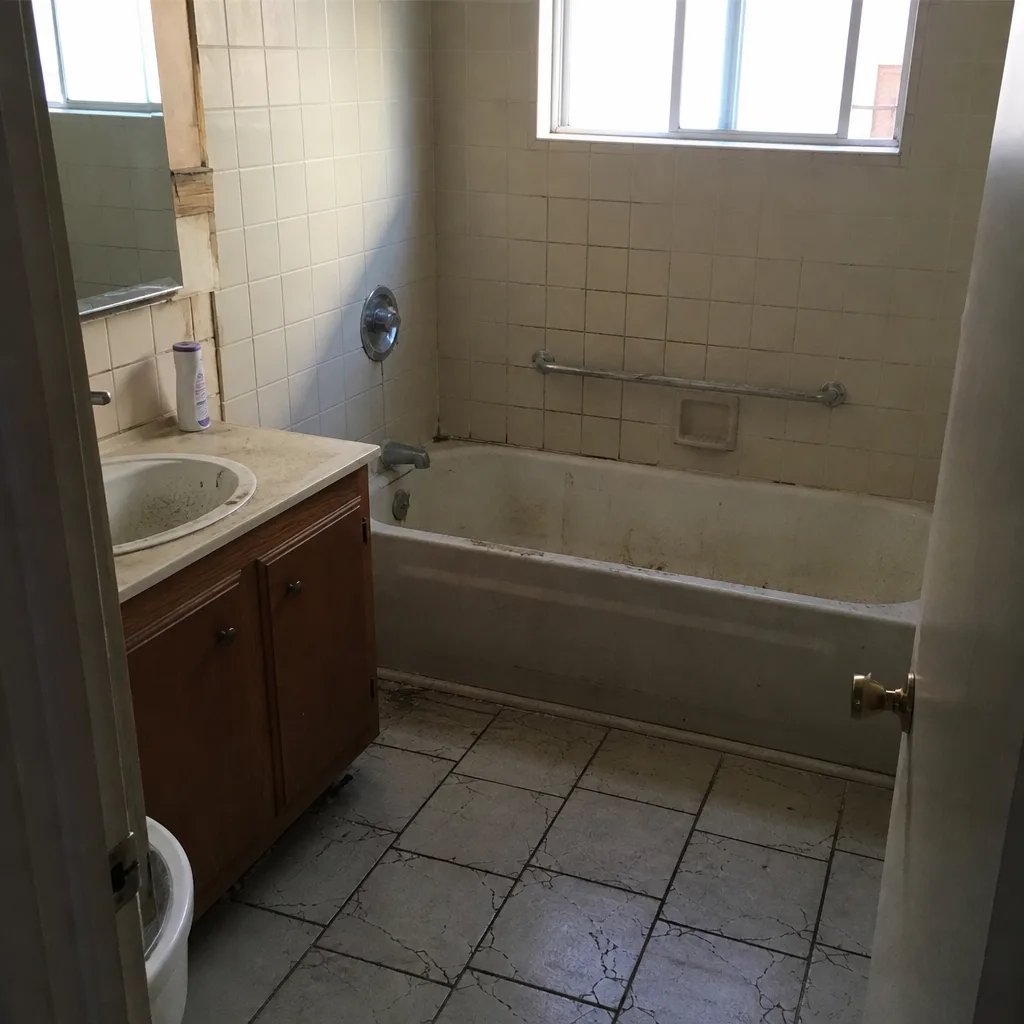 Before
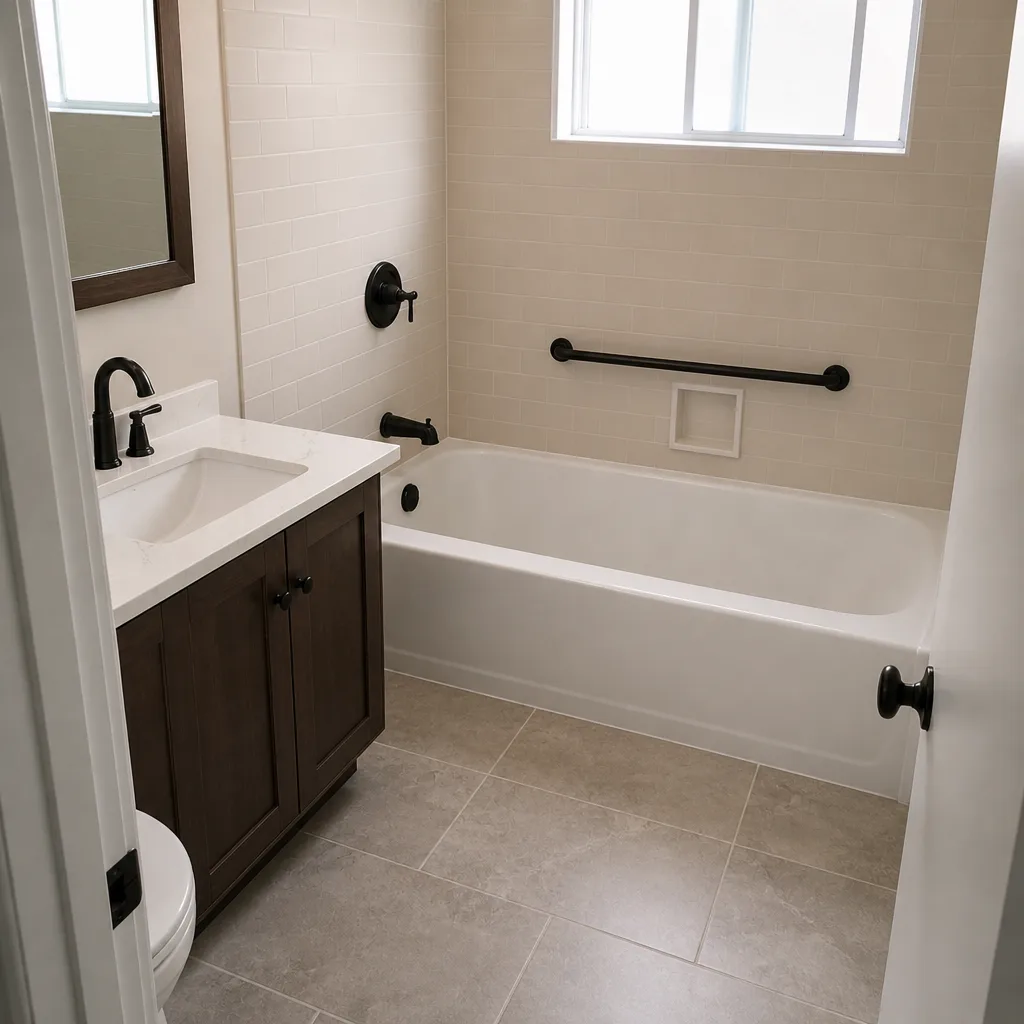 After
Frequently Asked Questions
Plan on 1 to 3 days of installation labor for a standard residential lot, but 3 to 6 weeks for the full project once permits, the 811 utility mark, HOA approval, and material delivery are included. Simple replacements can wrap in under two weeks; new fences with permits and HOA review sit on the longer end. Call (833) 700-4611 for a free estimate and an exact timeline for your property.
Sometimes. Permit requirements hinge on fence height, location relative to the property line, and whether your property sits in a special district or overlay. A fence clearly inside the lot and within height limits often doesn’t need one; taller privacy fences or fences near lines and slopes often do. The right contractor checks this before quoting a date, not after. Call (833) 700-4611 and we’ll walk your specific lot through it.
Chain-link is typically the fastest, because components are standardized and widely stocked. Pressure-treated wood is close behind for common profiles. Vinyl and composite can run longer on lead times even though installation speed is similar. If speed is the top priority, say so up front and we’ll match the material to your timeline. Call (833) 700-4611 for a free estimate.
Light rain usually isn’t a problem, but saturated soil, sustained high wind, and rain during concrete cure are genuine delays. Crews can pump waterlogged holes or wait out the storm, but the smart move is scheduling dry windows for footing work. Call (833) 700-4611 and we’ll build weather contingency into your estimate instead of blaming it later.
Cost varies by material, fence length, terrain, and gate count, so there’s no single number. What matters is getting a written line-item quote that names the material, the footage, the gate work, permit handling, and disposal, so you can compare bids on equal footing. Groundwork’s upfront pricing means the number you see is the number you pay. Call (833) 700-4611 for a free, no-hassle estimate.
Locators typically need a few business days to mark the site, and the flags are valid for a limited window; if permitting drags, the mark may need to be refreshed before the crew digs. Never let a crew break ground without a current mark in place. Call (833) 700-4611 and we’ll make sure the locate is done before the first post goes in.
The Bottom Line
The number that matters isn’t the installation days; it’s the realistic project window. In Richmond, plan on a few days of building and 3 to 6 weeks end to end, and know exactly which phases are eating the weeks: the 811 utility locate, permits and HOA approval, and material lead times. Ask any contractor to break their timeline into those phases in writing, name the material and its stock status, and commit to a walk-through after the gate is hung and the site is clean. Do that, and the surprises shrink to weather and the occasional supplier hiccup. Call Groundwork Construction Co. of Richmond at (833) 700-4611 to schedule your free estimate – we’ll give you the honest version of the calendar before you sign anything.
Written by the team at Groundwork Construction Co. of Richmond.