
Last updated November 18, 2026








Free written scope consultation - allowances, timeline, and change-order rules on paper before a single trade is scheduled
How to Hire a Construction Contractor in Richmond: A Step-by-Step Guide
The California Contractors State License Board logs more than 20,000 complaints against contractors in a typical year, and a meaningful share of them come from Bay Area homeowners who did exactly one thing right: they checked the license number. That check is the front door, not the whole house. Hiring well in Richmond means running five verifications before any contract gets signed, and the four after the license are where most people skip ahead. This guide walks through each step in order, shows you what a real insurance certificate looks like, explains how to build a payment schedule that keeps your leverage intact, and flags the pressure tactics that show up specifically in Richmond’s contractor market.
Quick Answer
To hire a construction contractor in Richmond, verify five things before signing: an active CSLB license, a current insurance certificate you’ve confirmed with the carrier, a written contract with a lien waiver clause and a change-order threshold, a payment schedule with a deposit no larger than 10% or $1,000 (whichever is less), and a workmanship warranty stated in writing. Skip any one of these and you’re gambling on a project that could cost five figures to fix.
Styles & brands we work with
- Kitchen remodeling
- Bathroom remodeling
- Home additions & ADU
- Roofing
- Windows & doors
- Driveway & pavers
- Fence
Table of Contents
- Why Hiring in Richmond Is Different From Anywhere Else in the Bay Area
- Step 1: Verify the CSLB License (and Then Keep Going)
- Step 2: Read the Insurance Certificate and Call the Carrier
- Step 3: Structure a Payment Schedule That Protects You
- Step 4: Add the Contract Clauses That Matter in California
- Step 5: Read the Warranty Before You Read the Price
- Richmond Red Flags: Pressure Tactics and Vague Scope Language
- Common Mistakes to Avoid
- When to Call a Professional
- Frequently Asked Questions
Why Hiring in Richmond Is Different From Anywhere Else in the Bay Area
Richmond sits on a peninsula of older housing stock, marine air, and a building department that has seen every permit trick in the book. The city’s pre-1960 homes in neighborhoods like Point Richmond and the Iron Triangle were built before modern seismic standards, which means any structural work, addition, or significant remodel triggers plan review that a contractor has to actually understand. That’s a filter all by itself. Contractors who work regularly in Richmond know the difference between a cosmetic remodel and a project that needs engineering.
The climate matters too. Richmond gets fog and salt air off the bay most of the year, and wind exposure on the ridgelines near Wildcat Canyon is real. Roofing, siding, windows, and fencing all take a harder beating here than they do ten miles inland. A contractor who quotes you a fence or a roof without talking about wind ratings and coastal-rated fasteners either doesn’t know Richmond or is quoting you a job that won’t last. When we look at bids for fence installation in Richmond, the proposals that hold up are the ones that name the materials and the wind load.
Then there’s the market itself. Richmond has a mix of long-tenured local contractors, regional firms working the whole East Bay, and a rotating cast of operators who follow storm seasons and insurance claims. The last group is the one to watch. They’re the reason the CSLB complaint count stays high.
Step 1: Verify the CSLB License (and Then Keep Going)
Every contractor doing work over $500 in California needs a CSLB license. Verifying it takes two minutes at cslb.ca.gov, and you should do it yourself, not accept a screenshot. Here’s what the lookup actually tells you, and what it doesn’t:
- License status. Active means active. “Expired,” “suspended,” or “canceled” means walk away. There’s no version of this you should negotiate around.
- Classification. A general building contractor (B) can take a whole project. A specialty license (C-39 for roofing, C-36 for plumbing) limits the scope. If someone with a C-39 is quoting you a whole-house addition, that’s out of their lane.
- Bond and workers’ comp status. The board shows whether the contractor’s bond is current and whether they carry workers’ compensation. If they claim an exemption from workers’ comp, they can’t legally have employees on your job.
- Complaint history. The lookup shows complaints and disciplinary actions. A single old complaint isn’t disqualifying. A pattern of them, especially arbitration awards or license suspensions, is.
What the lookup doesn’t tell you: whether the person quoting your job is the person who’ll be on site, whether their insurance is current (the board’s record lags), or whether they actually pull permits. That’s why the license check is step one and not the finish line. Richmond homeowners who stop here are the ones who end up calling us to fix someone else’s work.
Step 2: Read the Insurance Certificate and Call the Carrier
General liability insurance protects your house if a crew damages it. Workers’ compensation protects you if someone gets hurt on your property. If either is missing, the loss lands on you, and the CSLB record won’t necessarily show a lapse in real time. Get a certificate of insurance (COI) and then do this:
- Match the named insured to the company on the contract. A certificate for “ABC Construction LLC” doesn’t cover a contract signed by “ABC Builders Inc.” If the names don’t match, ask why in writing.
- Check the policy dates. A certificate is a snapshot. You want coverage that runs through the end of your project, not just today. For a long job, ask for an updated certificate at the midpoint.
- Confirm general liability limits. A typical residential remodel needs at least $1 million per occurrence. Anything below that is a warning sign for a project of real scope.
- Confirm workers’ compensation is active. The certificate should show a policy number and carrier. “Exempt” is only legitimate for a sole proprietor with no employees.
- Call the carrier. The phone number is printed on the certificate. This is the step almost nobody takes and the one that catches the most forgeries. Ask: “Is this policy active today, and does it cover residential construction in Richmond?” If the carrier says the policy doesn’t exist, you’ve saved yourself a five-figure headache.
Request that your name and address be listed as certificate holder or additional insured on the policy for the duration of the project. A legitimate contractor will do this without blinking.
Step 3: Structure a Payment Schedule That Protects You
California law caps the upfront deposit on a home improvement contract at 10% of the total price or $1,000, whichever is less. That’s a floor of protection, not a ceiling on your leverage. The payment schedule is where you keep the contractor motivated to finish, not just start.
- Deposit. 10% or $1,000, whichever is less. Never more, no matter how convincing the story about material deposits.
- Rough-in or demolition. A second payment when framing, rough plumbing, or rough electrical passes inspection. Tie every payment to a milestone you can verify, not a calendar date.
- Mid-project. Payments at drywall, cabinet install, or rough-in completion. Each one should be no more than 15-20% of the total contract.
- Substantial completion. At least 10% of the total should be held until the final walkthrough and punch list are done. This is your leverage.
- Final payment. Held until you have passed final inspection, received lien waivers from the general and every subcontractor, and signed off on the punch list.
Never pay in cash, never pay for a job “starting next week” with no written scope, and never let the schedule get ahead of the work. If a Richmond contractor pressures you for more than 10% upfront, that’s not a negotiation, it’s a signal. The CSLB publishes these limits for a reason, and contractors who ignore them are telling you how the rest of the project will go.
Step 4: Add the Contract Clauses That Matter in California
California’s Business and Professions Code requires a written contract for any home improvement job over $500. The state-mandated boilerplate covers the basics: scope, price, payment schedule, a three-day right to cancel, and notice of the CSLB. What it doesn’t cover are the clauses that actually protect you when a job goes sideways. Add these to every Richmond contract:
- Lien waiver requirement. Every payment should come with a conditional lien waiver from the general contractor and every subcontractor and supplier on the job. Without it, a supplier who didn’t get paid can record a mechanic’s lien against your house even if you paid the general in full.
- Change-order authorization threshold. Spell out in the contract that no change order is valid without your written signature, and set a dollar threshold above which a change order needs a separate signed document. A common threshold is $500. Verbal changes get expensive fast.
- Named subcontractors. If the contractor plans to use subs, the contract should say who they are and what they’re doing. “Usual subs” is not a disclosure.
- Permit responsibility. State clearly who pulls the permit and who pays for it. In Richmond, the answer should be the contractor. If they ask you to pull an owner-builder permit on a project they’re running, that’s a liability shift onto you.
- Completion date and delay clause. A realistic completion date, plus what happens if it slips. Weather delays in Richmond during the fog season are legitimate; a vague “when we get to it” is not.
- Warranty terms in the contract, not just the brochure. The written warranty has to be attached and part of the signed agreement.
Ask for the contract to be sent to you at least 24 hours before signing. You need time to read it without someone watching you.
Step 5: Read the Warranty Before You Read the Price
Workmanship warranties vary wildly across the industry. A one-year warranty is the standard many contractors offer. A longer written warranty is a real signal that the contractor expects the work to hold up, but only if you read the fine print. Here’s what to check:
- Length and start date. Does the clock start at substantial completion or at contract signing? It should be completion.
- What’s covered. Workmanship and labor should be covered. Materials are usually covered by the manufacturer’s warranty, not the contractor’s. Make sure you have both documents.
- Exclusions. Watch for language that voids the warranty if you hire someone else for repairs, or that excludes specific components (doors, hardware, sealants).
- Response commitment. Does the warranty say how quickly the contractor will respond to a claim? “We’ll get to it” isn’t a commitment.
Our work is covered by the 730-Day Done Right Promise. If it’s not done right, we make it right. It’s one of the longest workmanship guarantees in the residential construction space, and it exists because a two-year window catches more than a one-year window does. When you compare Richmond contractors, compare the warranties as carefully as you compare the prices.
Richmond Red Flags: Pressure Tactics and Vague Scope Language
Certain tactics show up repeatedly in Richmond’s contractor market, especially after storm seasons and in neighborhoods where homes change hands. Knowing them is half the defense.
- Permit pressure. A contractor who tells you “we don’t need a permit for that” or “pulling a permit will just slow things down” is asking you to carry the liability. Permits exist for structural, electrical, and plumbing work in Richmond, and unpermitted work can complicate a future sale and void insurance claims. If a contractor resists pulling a permit, ask why in writing.
- Subcontractor avoidance. Vague answers to “who’s doing the electrical?” or “are you using subs?” are a red flag. In California, subcontractors need their own licenses and their own insurance. If the general can’t name them, you can’t verify them, and their mistakes become your problem.
- Vague scope language. “Install as needed” and “standard materials” are placeholders. A real scope names brands, dimensions, and fixtures. If the contract says “KraftMaid or equivalent” without a model line or price adjustment clause, you’ll get the equivalent, and it won’t be the one you picked.
- Cash-and-carry pressure. A discount for paying cash, or for skipping the written contract, is illegal and leaves you with no recourse. Walk.
- “Today only” pricing. Materials pricing doesn’t collapse in 24 hours. High-pressure deadlines are a sales tactic, not a market signal.
For larger work, the risks compound. Richmond has seen real fallout from unpermitted additions in the hills and in older flatland neighborhoods, and correcting an unpermitted structure costs more than doing the home additions and ADU work right the first time. If you’re planning an addition, the permit question is the first one to ask.
Common Mistakes to Avoid
- Stopping at the license check. Verifying the CSLB license is the start of the process, not the end. If you don’t also verify insurance, contract clauses, and the payment schedule, you’ve checked one of five things.
- Paying more than 10% upfront. California caps the deposit at 10% or $1,000, whichever is less. Any contractor asking for 30-50% to “secure materials” is asking for protection you legally don’t have to give.
- Skipping the carrier call. A certificate of insurance is a piece of paper. Confirm it with the carrier directly, and confirm the named insured matches the entity on the contract.
- Not requiring lien waivers. Without a conditional lien waiver at each payment, you can pay the general contractor in full and still get a lien from a supplier who never got paid. Richmond suppliers are not shy about filing.
- Accepting vague scope language. “Standard fixtures” and “as needed” aren’t scope descriptions. If the contract doesn’t list brands, sizes, and price adjustment rules, you’re signing an open-ended job.
- Comparing price but not warranty. A quote that’s 8% cheaper with a one-year workmanship warranty and no written response commitment isn’t cheaper. Run the math on a repair two years in.
- Letting a contractor pull an owner-builder permit in your name. When a contractor asks you to pull an owner-builder permit on a project they’re running, they’re shifting permit liability and insurance risk onto you. Don’t sign it.
When to Call a Professional
Some jobs are better hired than attempted, and some are dangerous enough that doing them yourself is a real risk. Roof work on a two-story Richmond home, anything involving the main electrical panel, gas line work, and structural changes almost always cross that line. If you’re seeing water damage after a storm, if a contractor you hired has stalled out, if you’re planning a kitchen or bathroom remodel, a roof replacement, or an addition and want to compare written bids from a licensed crew, that’s the moment to call. Groundwork Construction Co. of Richmond offers free estimates, and our technicians have up to 12 years of experience in each trade. Call (833) 700-4611 to schedule your free estimate. We answer the phone with a live person, 24/7, no voicemail and no waiting until Monday.
Frequently Asked Questions
Go to cslb.ca.gov and look up the contractor by license number or business name. Confirm the status is “active,” check the classification matches the scope of your job, review the bond and workers’ comp status, and read the complaint history. If the entity on the license doesn’t match the entity on the contract, stop. Call (833) 700-4611 for a free estimate from a licensed team.
California caps the deposit at 10% of the total contract price or $1,000, whichever is less. Any request above that is a red flag. Structure the rest of the payments around verifiable milestones, and withhold at least 10% until the final walkthrough and punch list are done. Call (833) 700-4611 for an exact written quote with upfront pricing.
A current general liability policy of at least $1 million per occurrence, an active workers’ compensation policy (unless the contractor is a legitimate sole proprietor with no employees), the policy effective and expiration dates, and the carrier’s phone number. The named insured must match the entity on your contract. Call the carrier to confirm the policy is active before work starts. Our team is licensed and insured, and we’ll send the full certificate on request.
It shouldn’t unless you sign a written change order. Add a clause to your contract stating that no change order is valid without your signature, and set a dollar threshold (we suggest $500) above which a separate signed document is required. Contractors who won’t agree to that threshold are telling you how the project will go. Our written line-item quotes come with upfront pricing and no surprises, so the number you see is the number you pay. Call (833) 700-4611 to get yours.
Yes for anything structural, electrical, plumbing, or mechanical, and for most additions and significant remodels. Cosmetic work (paint, flooring, cabinets in place) usually doesn’t need one. The permit should be pulled by the licensed contractor doing the work, not by you as an owner-builder. Our team pulls permits and passes inspections on every project that requires them. Call (833) 700-4611 to talk through your specific job.
A bathroom remodel runs three to five weeks. A kitchen remodel runs six to ten weeks. A roof replacement is typically one to three days depending on size. A home addition runs four to eight months depending on scope and Richmond’s plan review timeline. Get a written completion date and a delay clause in the contract, and expect weather delays in the fog season. For an exact timeline on your project, call (833) 700-4611 for a free estimate and design consult.
The Bottom Line

Hiring a contractor in Richmond isn’t about finding the lowest bid. It’s about running the five verifications: an active CSLB license, a confirmed insurance certificate, a contract with lien waivers and a change-order threshold, a payment schedule that keeps your leverage intact through final inspection, and a workmanship warranty longer than a year. The first check catches the obvious problems. The other four catch the ones that cost five figures. If you’re planning a project in Richmond and want a written estimate from a team that passes all five, call Groundwork Construction Co. of Richmond at (833) 700-4611. Live person, 24/7. Upfront pricing, no surprises. Every project backed by the 730-Day Done Right Promise.
Written by the team at Groundwork Construction Co. of Richmond.
See the difference
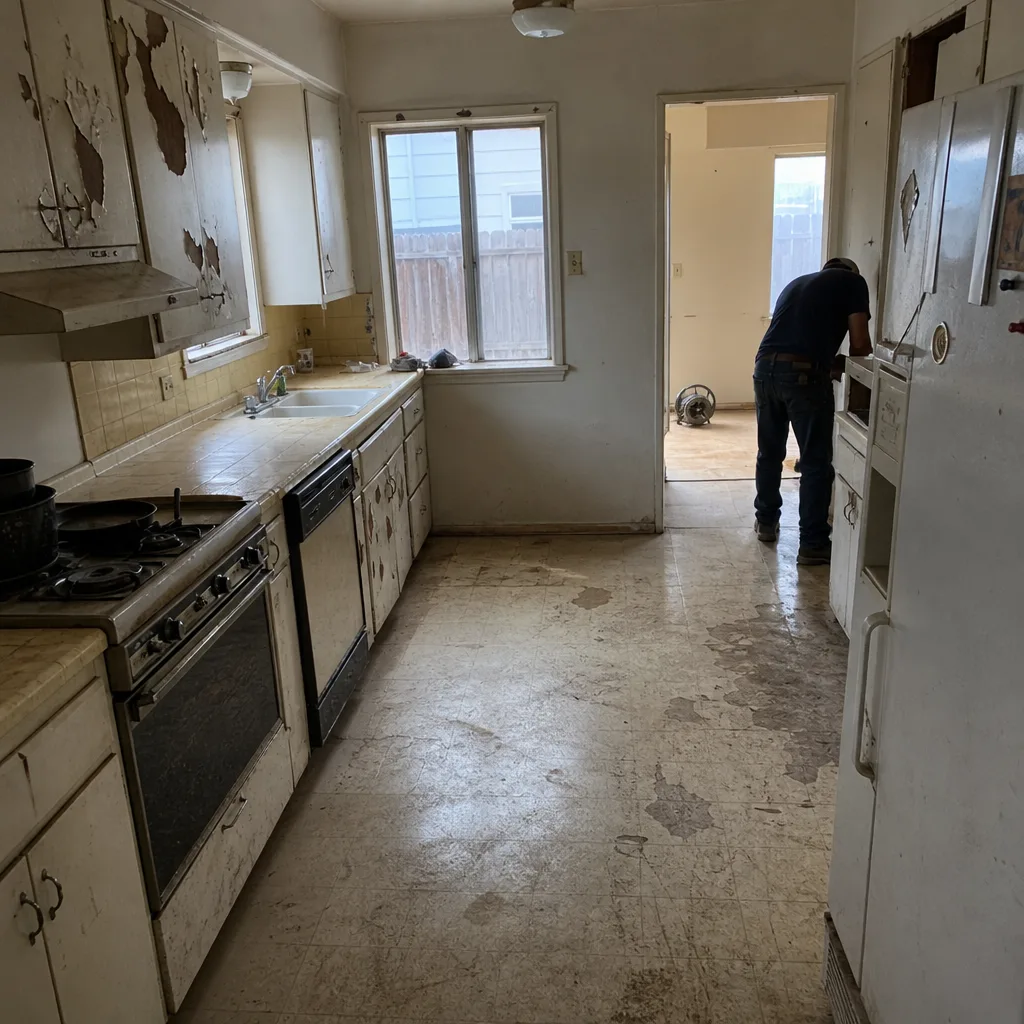 Before
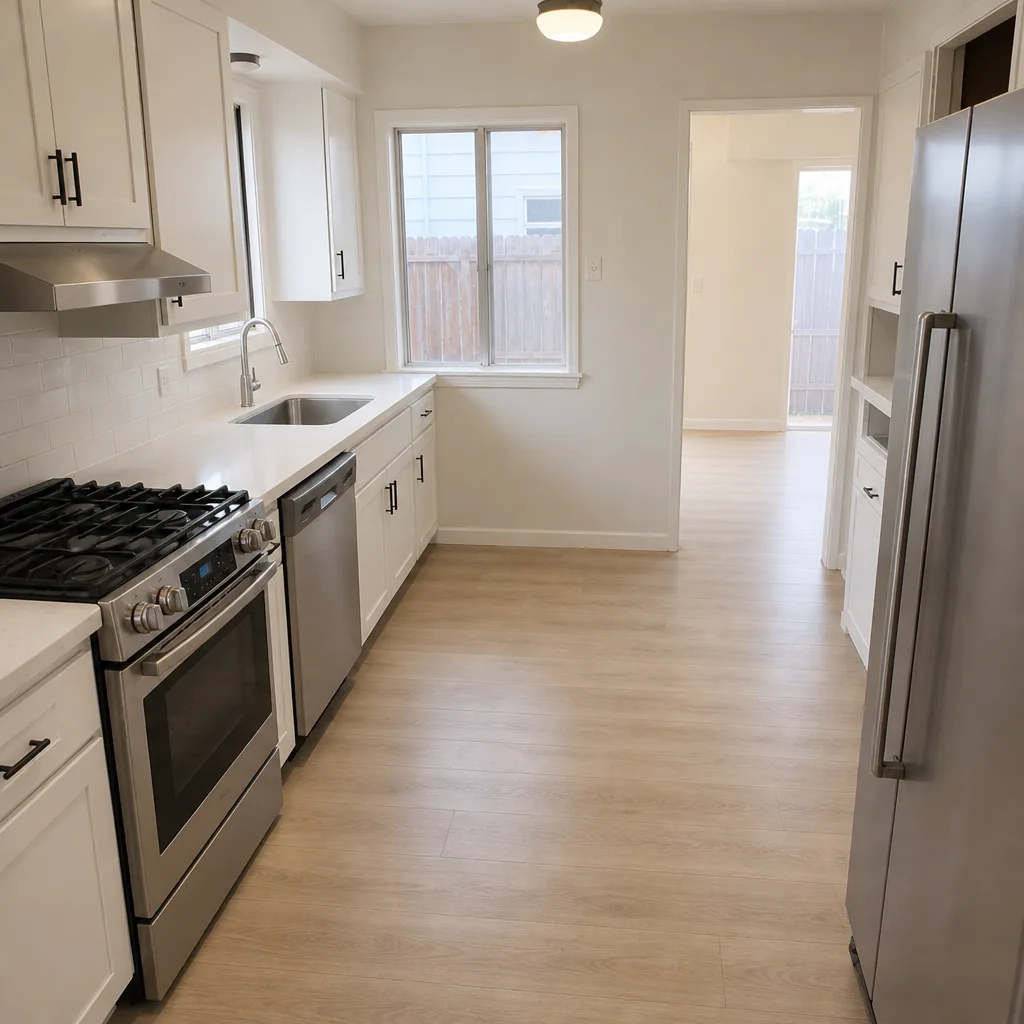 After
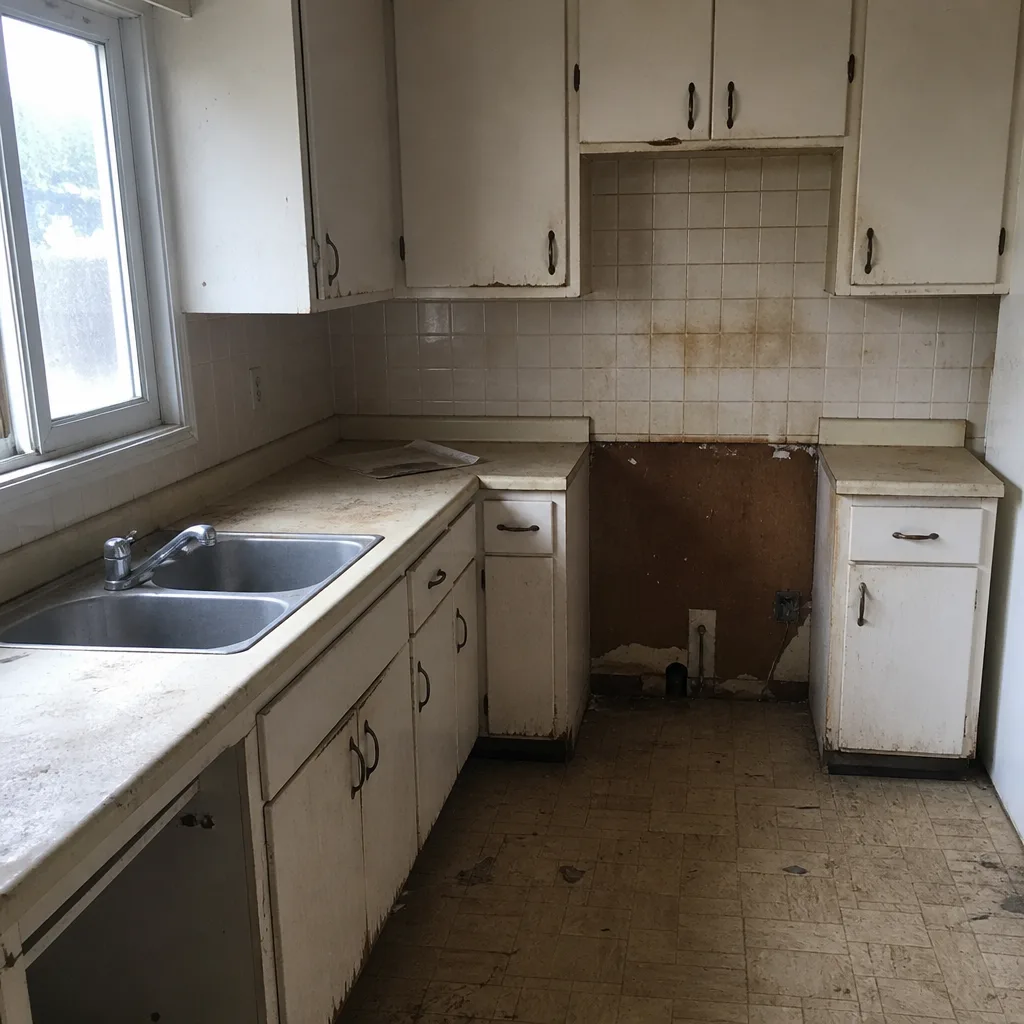 Before
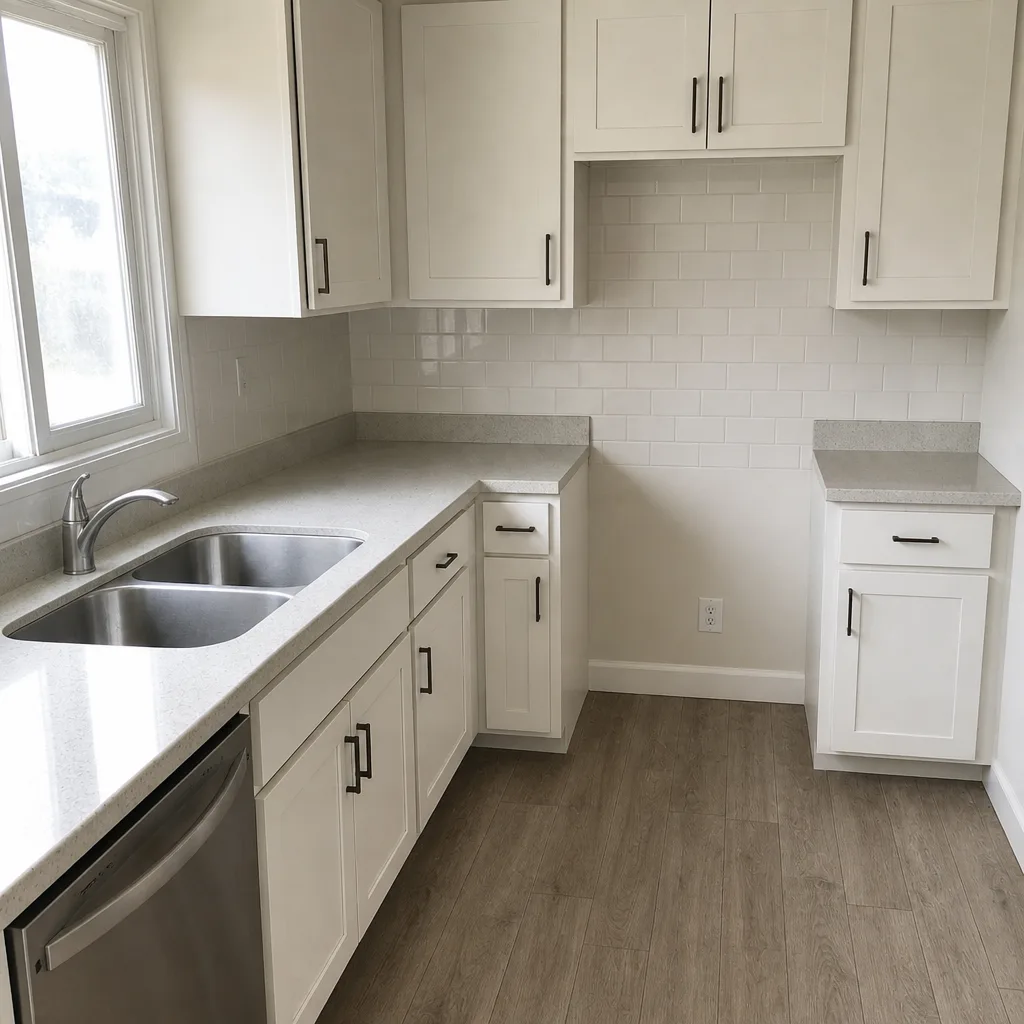 After
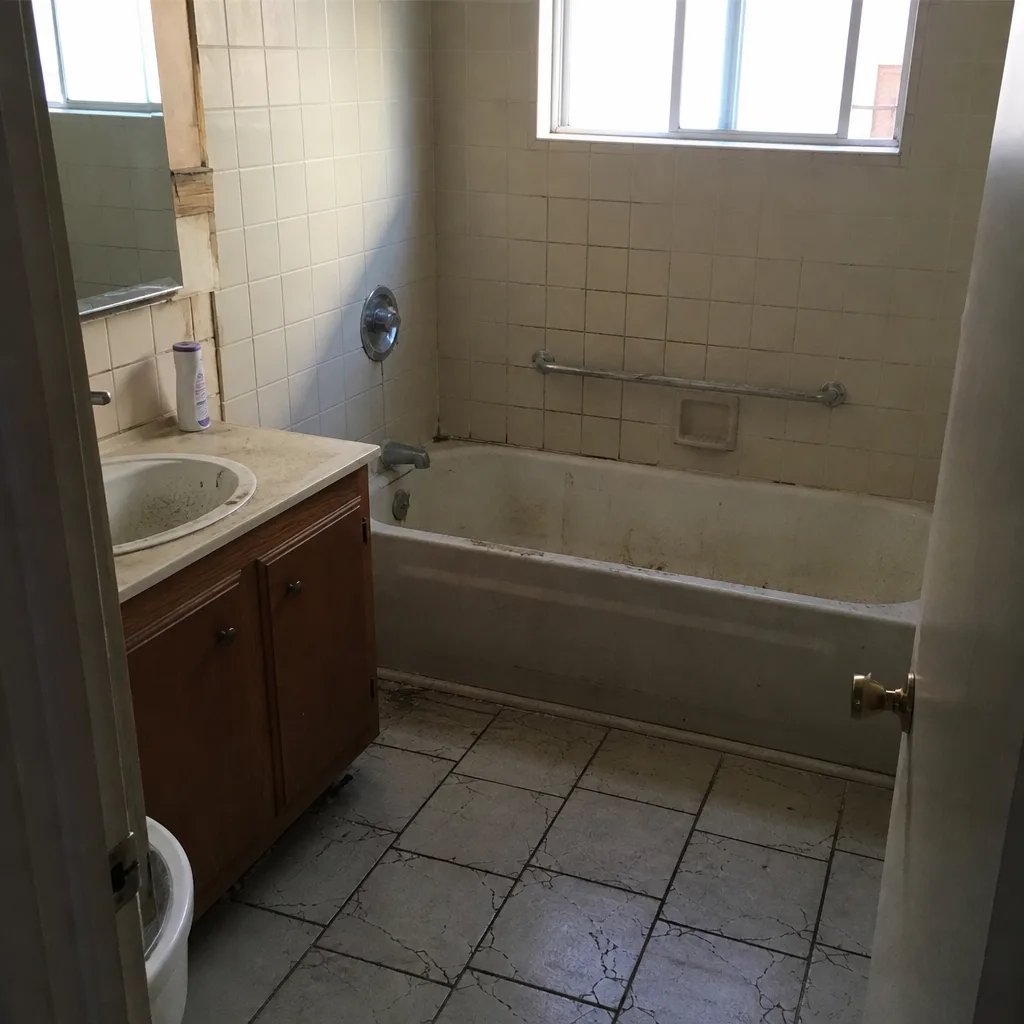 Before
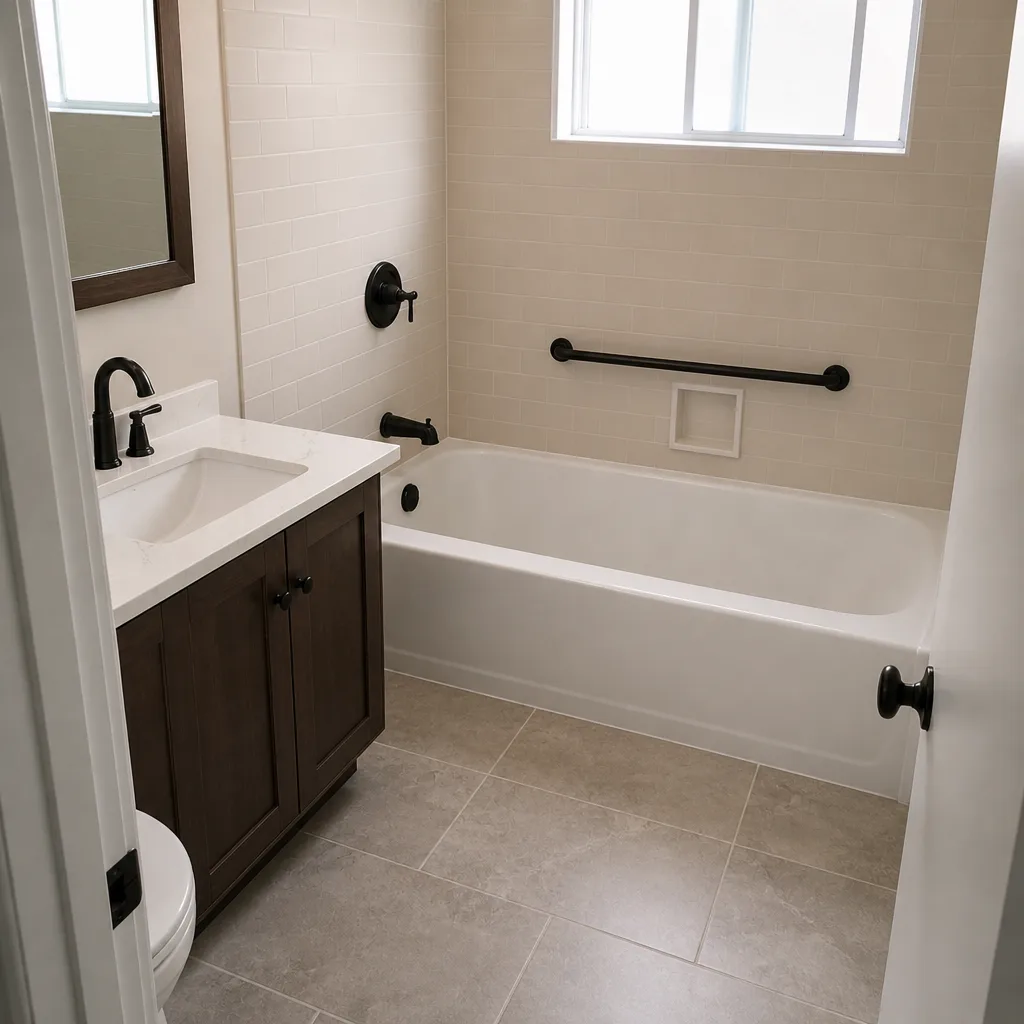 After