Free written scope consultation - allowances, timeline, and change-order rules on paper before a single trade is scheduled
Styles & brands we work with
- Kitchen remodeling
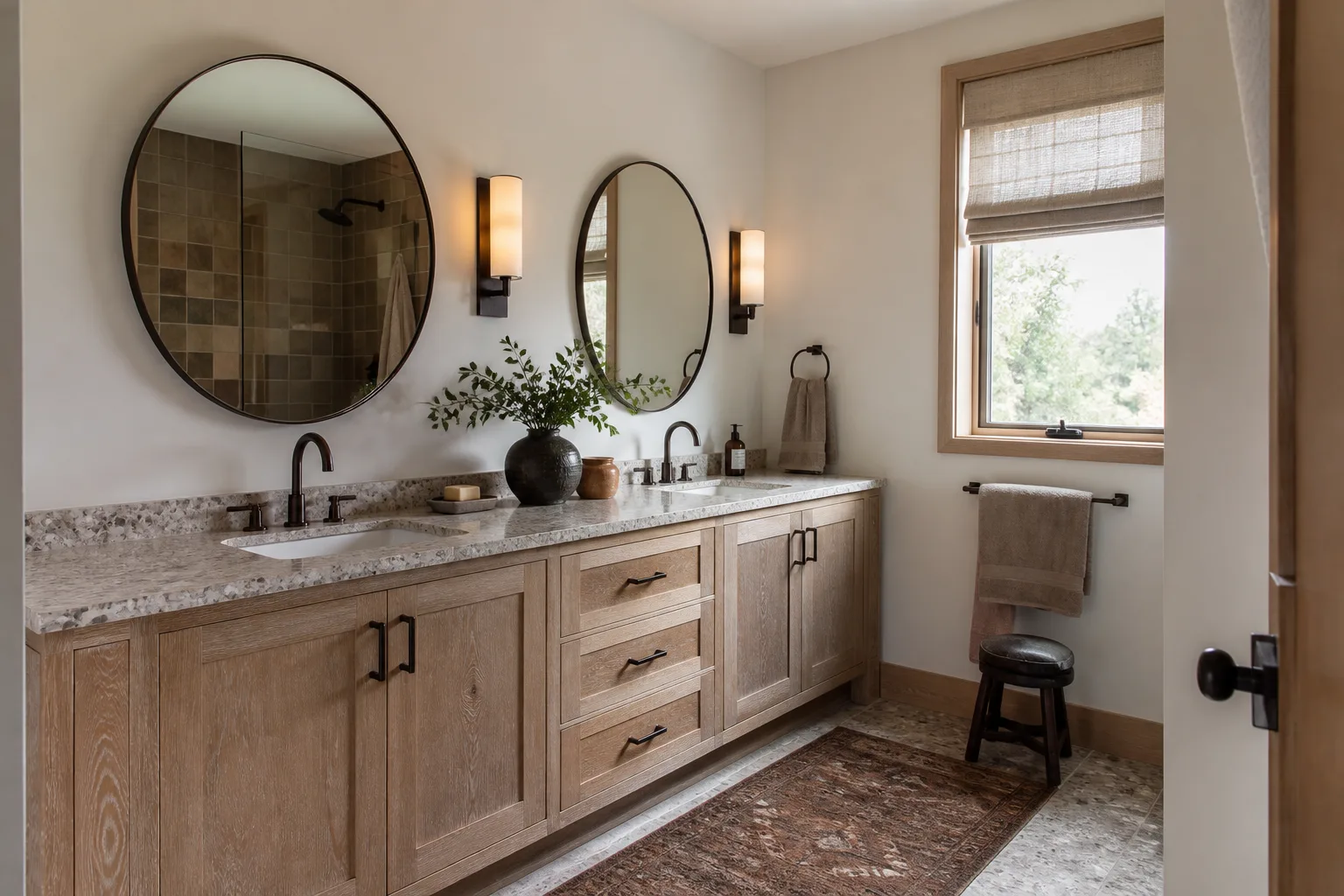
- Bathroom remodeling
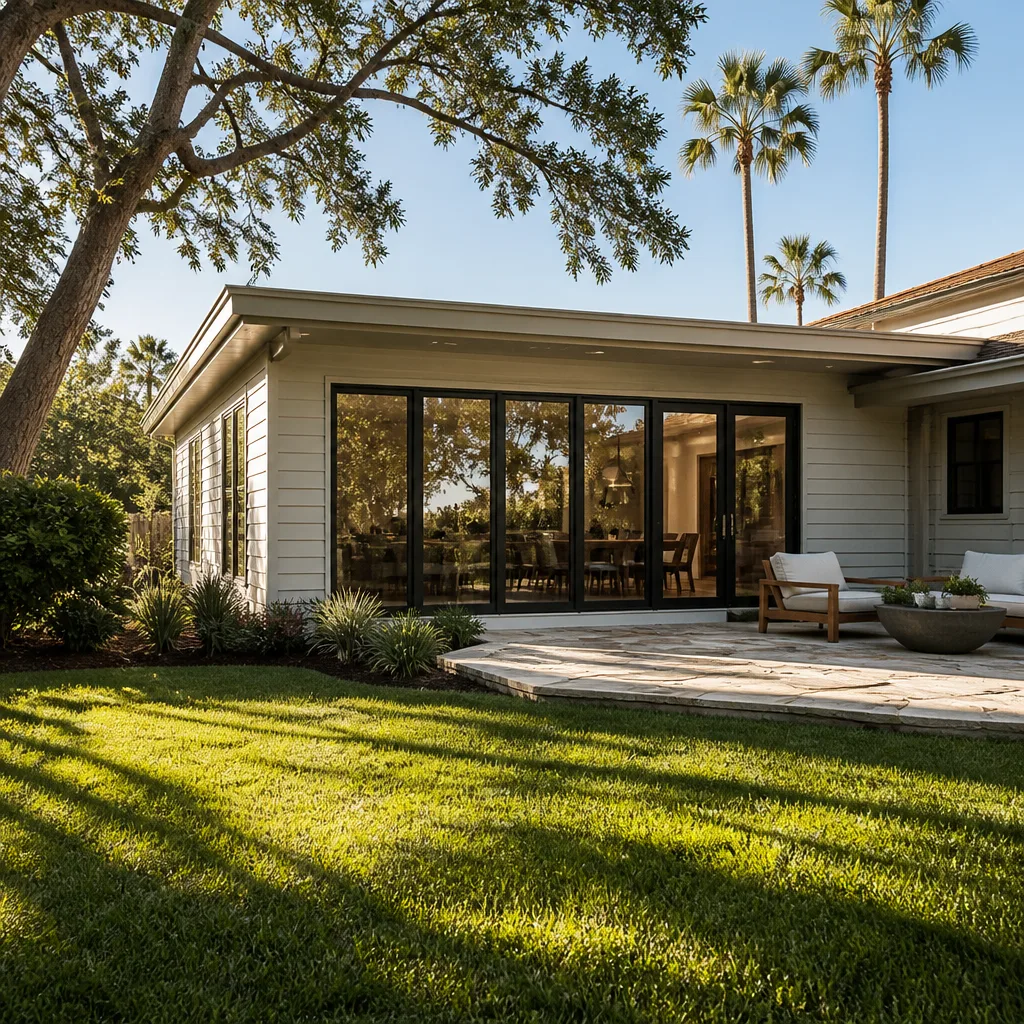
- Home additions & ADU
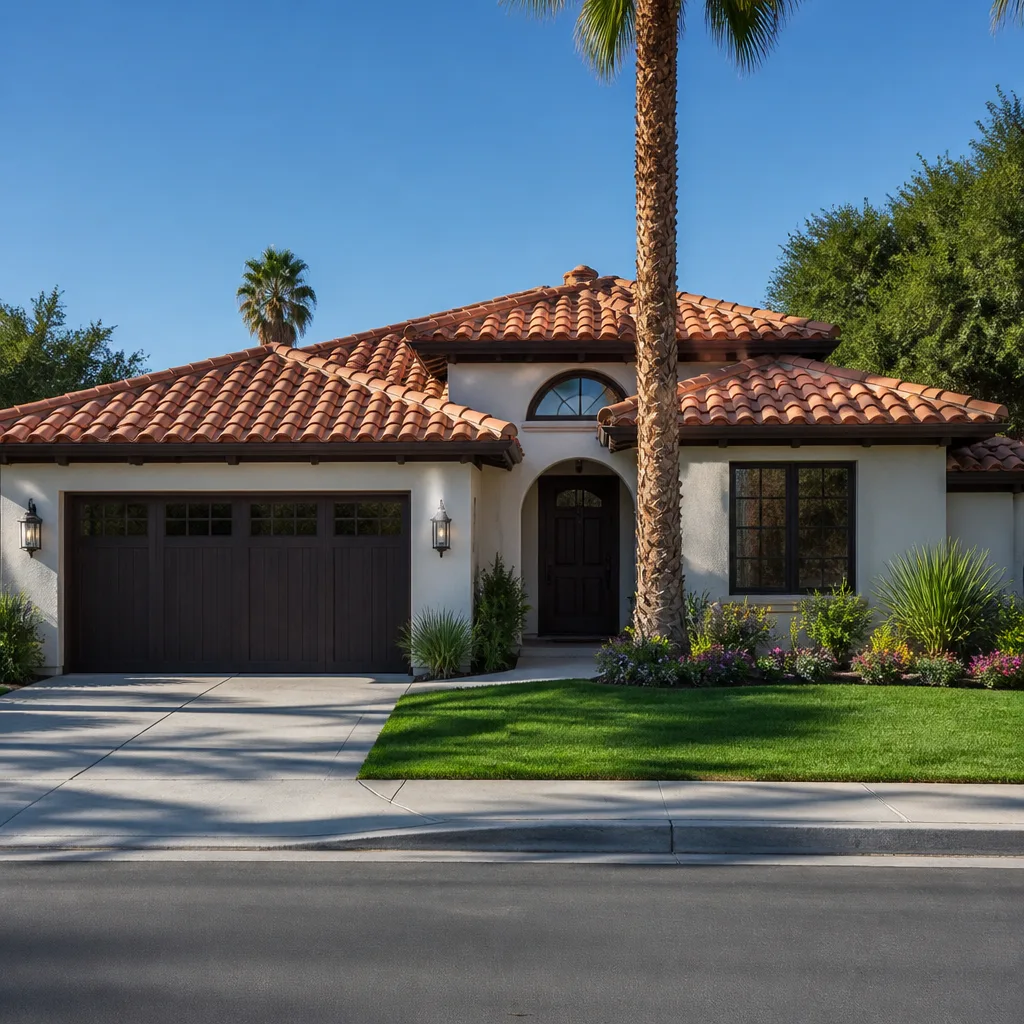
- Roofing
- Windows & doors
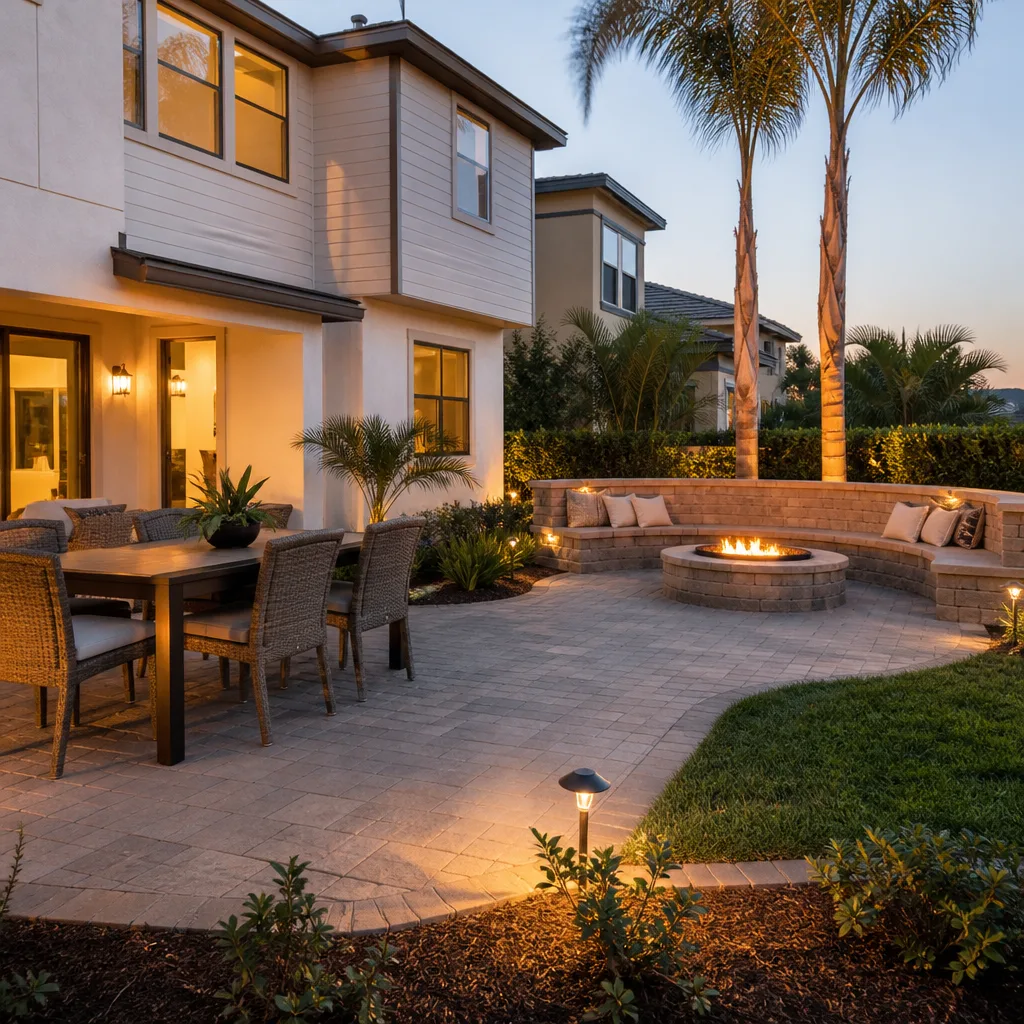
- Driveway & pavers
- Fence
See the difference
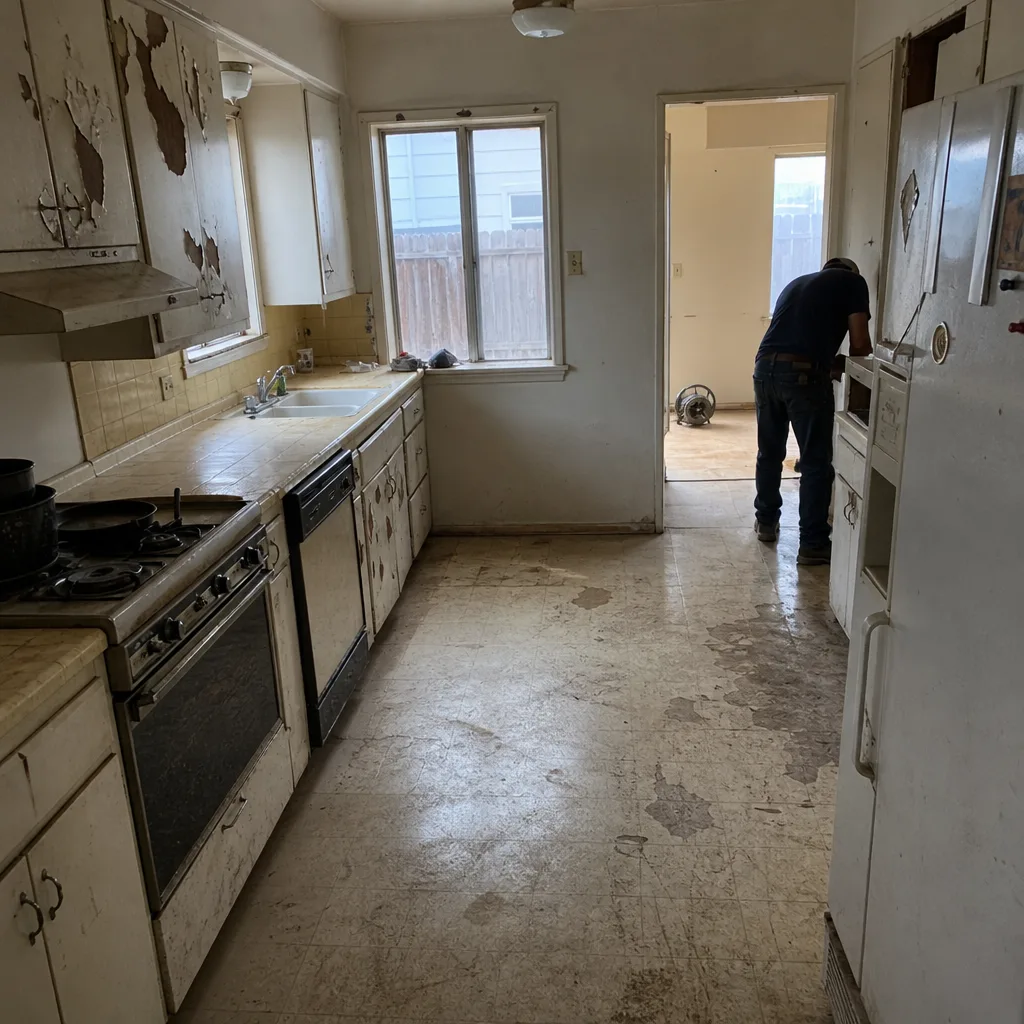 Before
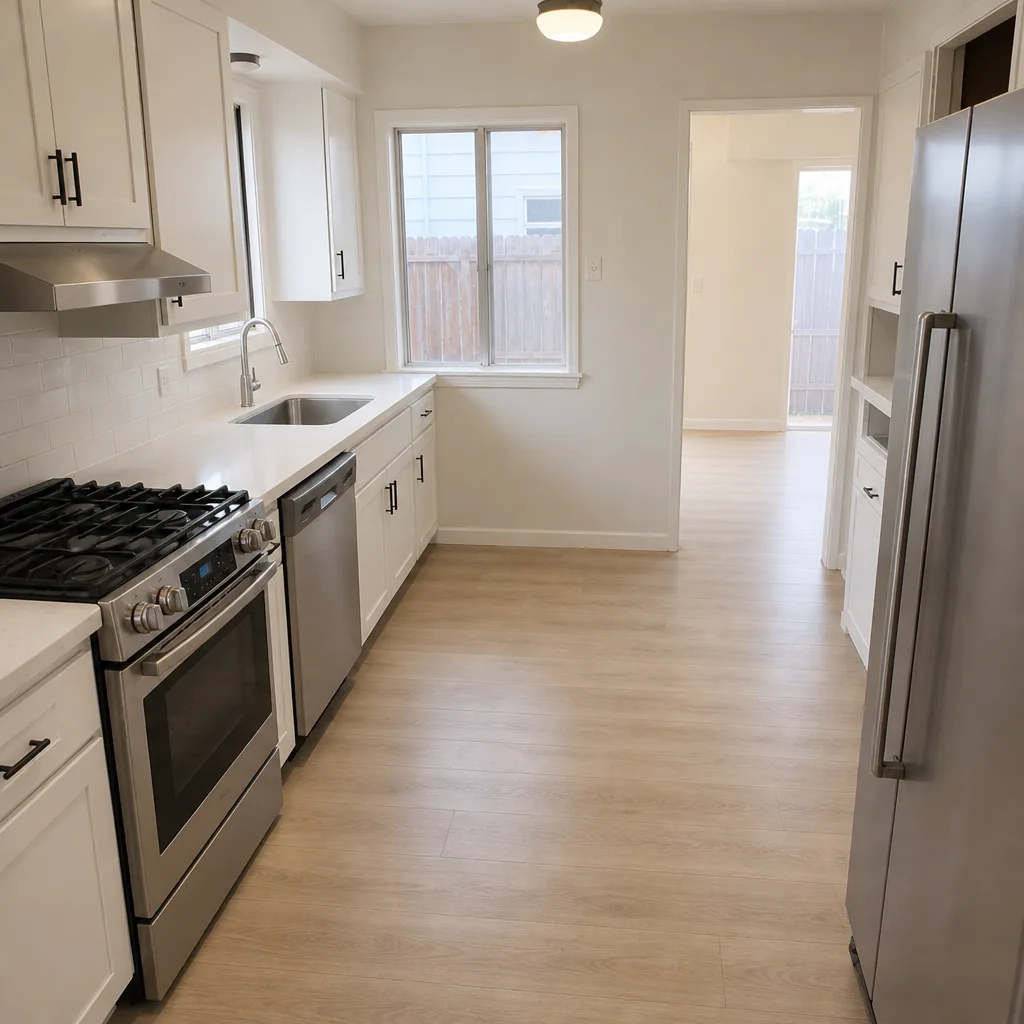 After
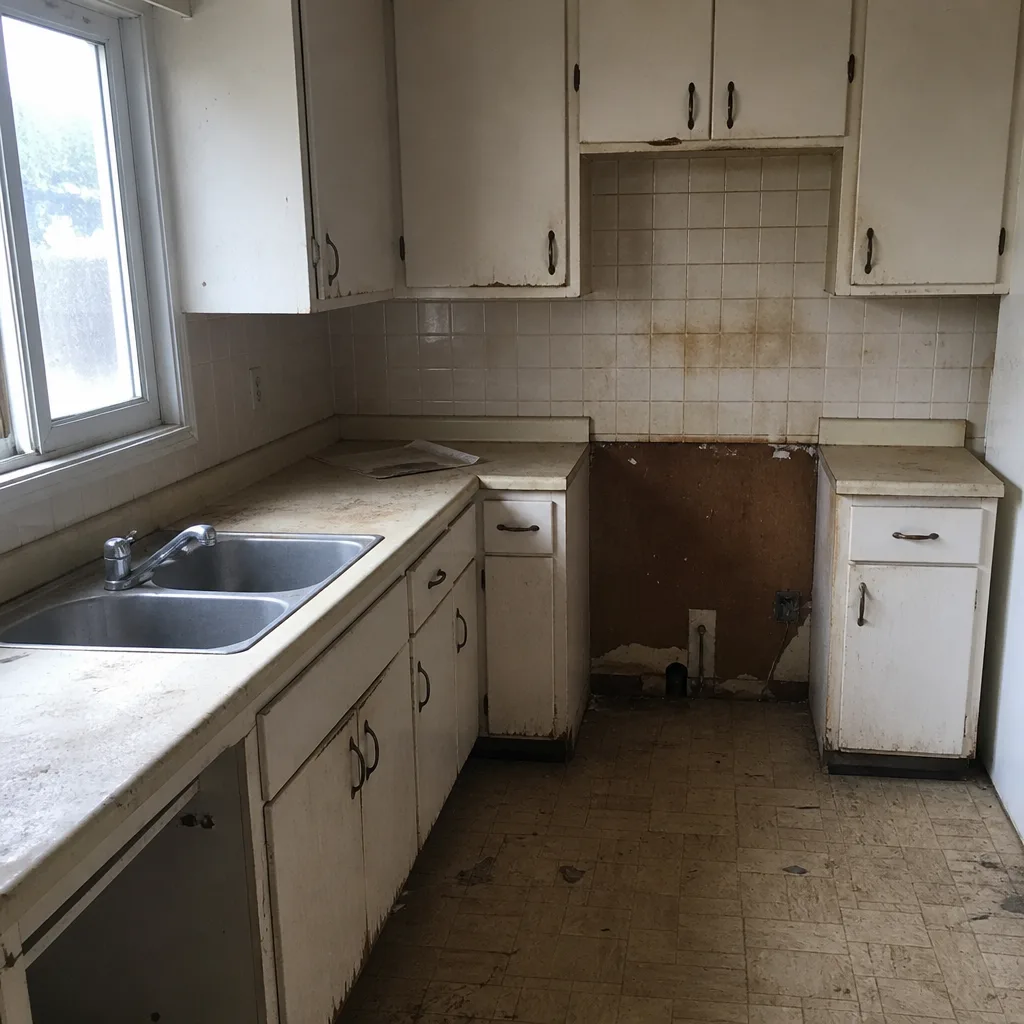 Before
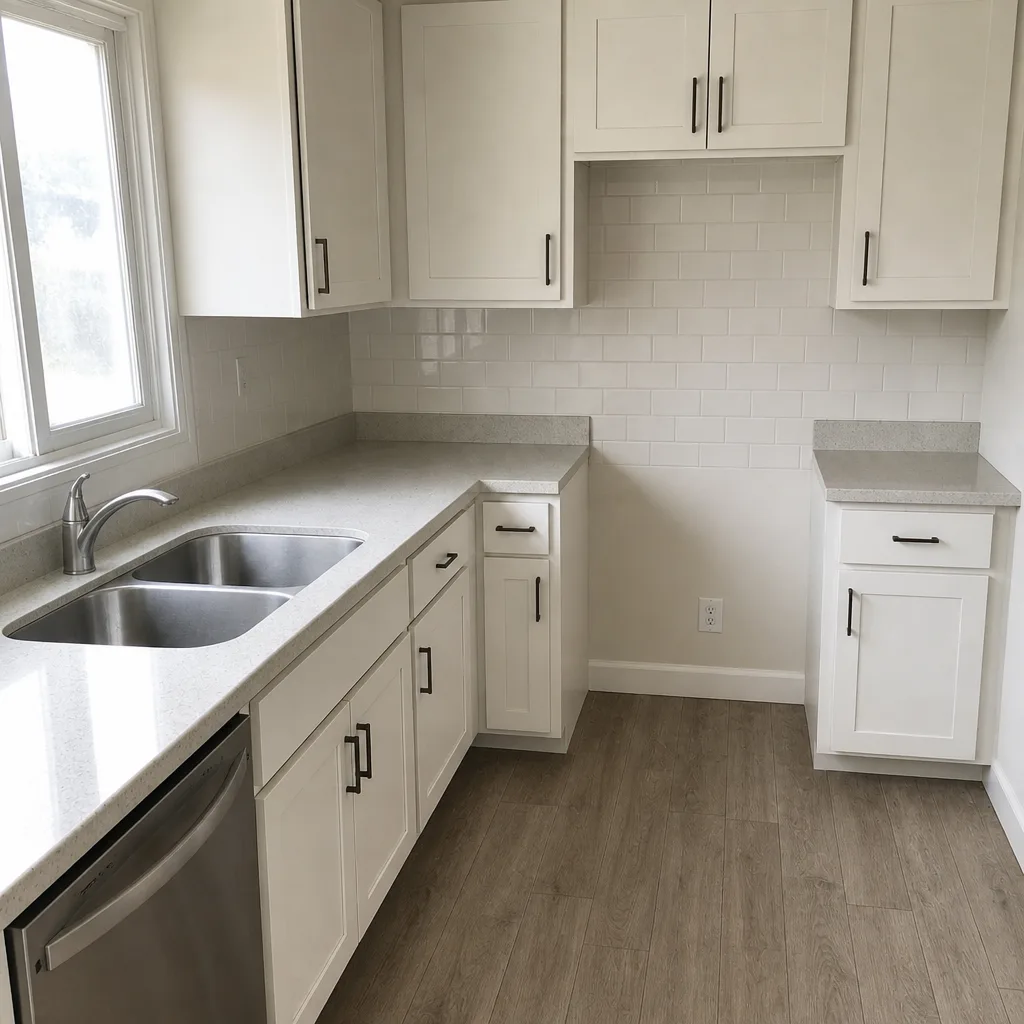 After
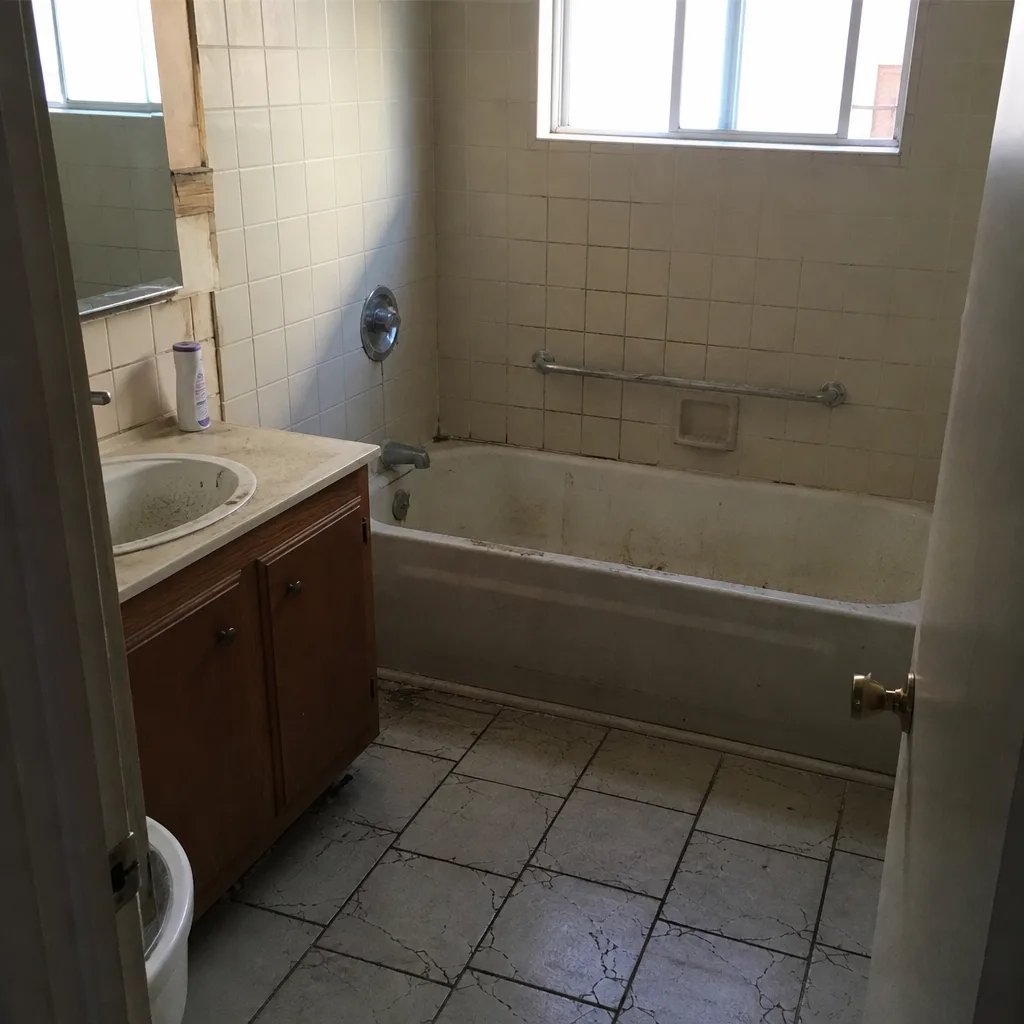 Before
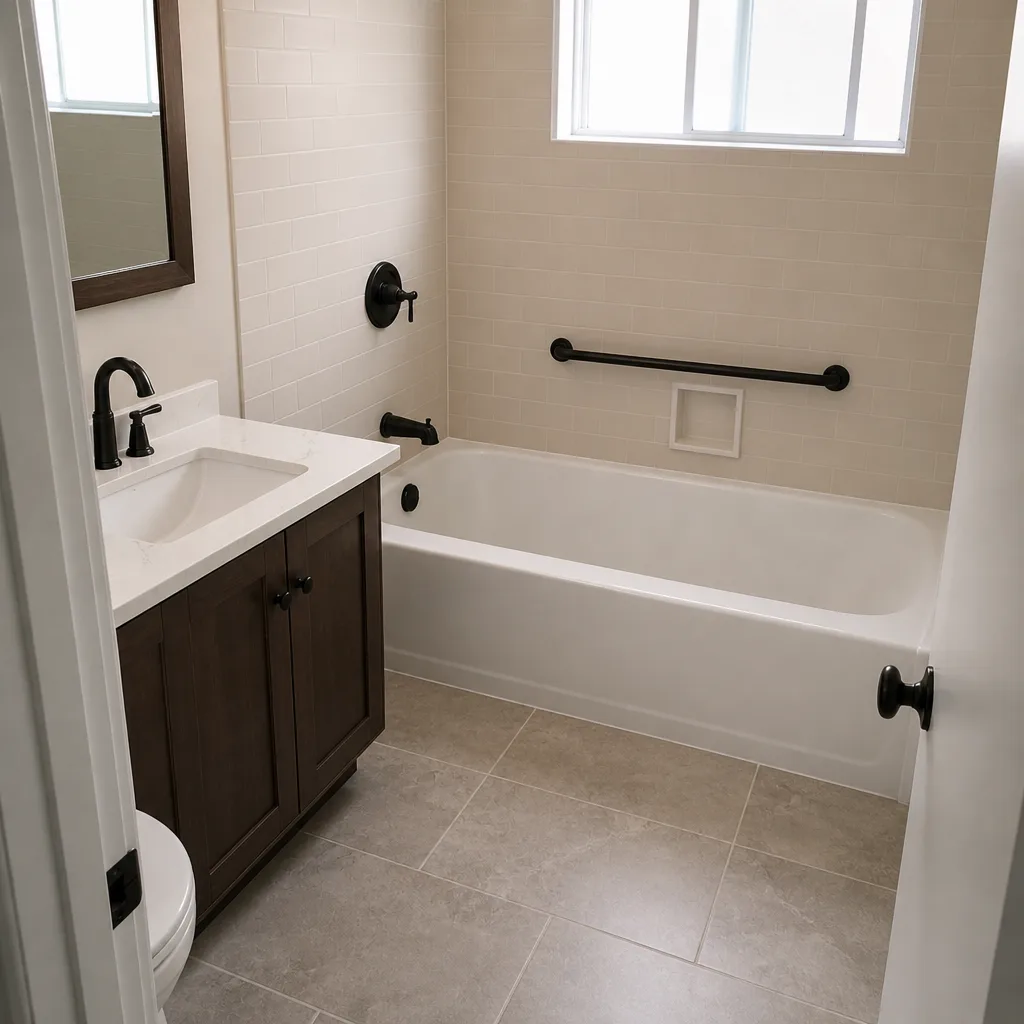 After
Tub vs Walk-In Shower in Richmond, CA: Keep the Tub Unless You Have a Second Bathroom
Keep your tub if it’s the only one in a three-bedroom Richmond home, and convert to a walk-in shower if you have a second bathroom or a primary suite with room to spare. That’s the short answer. Real estate agents across Contra Costa County will tell you the same thing: swap the only tub in a three-bedroom house for a walk-in shower and you’ve just narrowed your buyer pool to people who never plan to have kids or guests who need to bathe. If you want the numbers before you decide, our team at Groundwork Construction Co. of Richmond can walk you through a side-by-side of both options on a free estimate. Call (833) 700-4611.
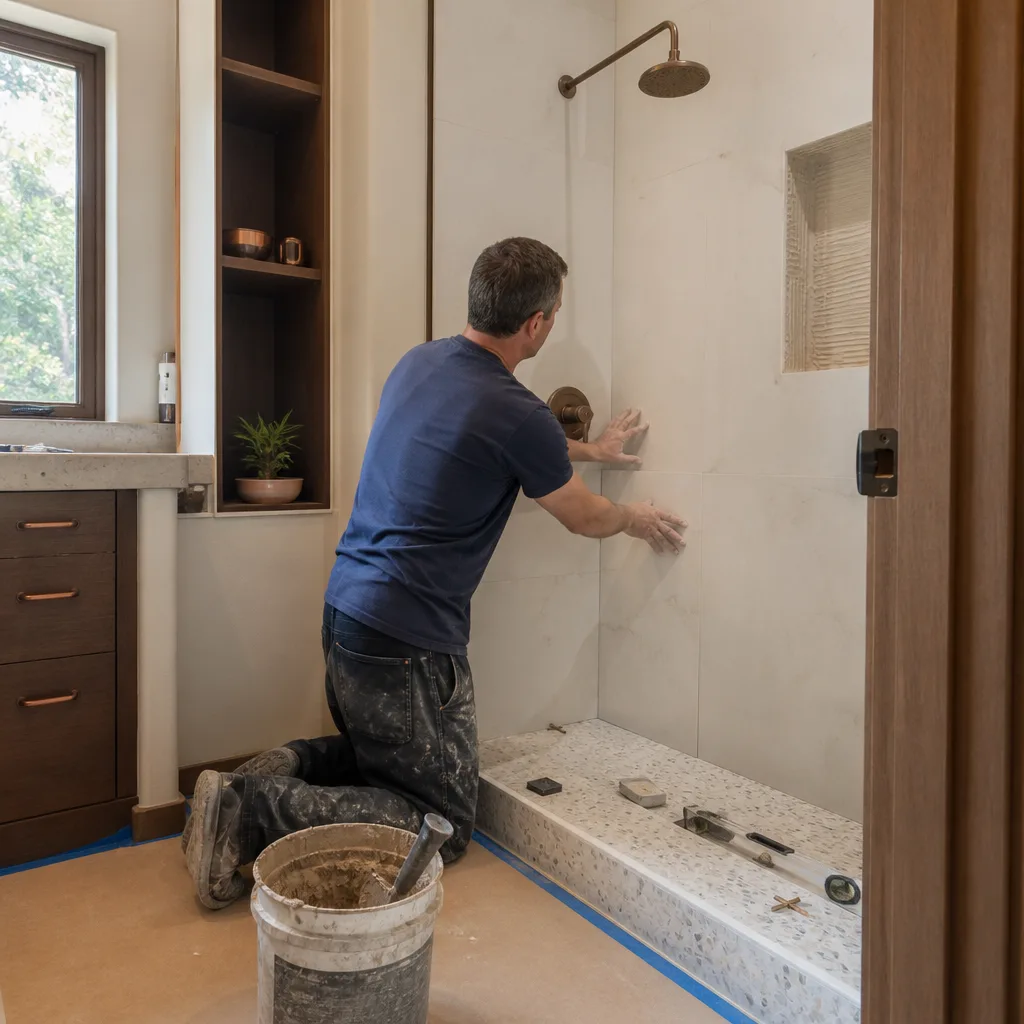
What Richmond’s Housing Stock Tells You About This Decision
Richmond isn’t a single market. The answer depends heavily on which neighborhood you’re standing in.
In the 1950s-60s stucco tract homes of Parkview and Verde, most houses are three-bed, one-and-a-half or one-bath layouts built for shipyard-era families. Those single full bathrooms almost always have a tub-shower combo. Pulling the tub out of one of these homes is a resale gamble – appraisers in this market comp against similar single-bath properties, and a walk-in shower-only layout reads narrower to the family buyers who dominate the pool. It’s not a deal-killer, but it’s a discount waiting to happen.
Head up the hill to the mid-century ranches in Richmond Heights, or out toward the El Sobrante fringe, and the calculus flips. Those homes typically have two bathrooms or a primary suite with real square footage to work with. A walk-in shower in that second bath or primary suite is an upgrade, not a subtraction. You keep the hall tub for resale, and you get the shower you actually want.
And if you’re in one of the 1910s-40s shipyard-worker bungalows and craftsmans down in South Richmond or the Iron Triangle, you probably have an original cast-iron tub worth keeping. Those claws are heavy, character-rich, and costly to remove. More on that middle path below.
Why Richmond’s Fog Belt Changes the Material Call
Here’s where most online tub-vs-shower guides get it wrong for this city. Richmond sits on the bay with cool, fog-influenced summers and wet winters. That damp air isn’t just an outdoor problem – it’s an indoor one, and it drives what you should put in your shower.
Fiberglass and acrylic surrounds are cheap and quick, but the seams where panels meet trap moisture. In a fog-belt house with limited ventilation, that moisture has nowhere to go, and mold and mildew take hold faster than they would in, say, San Ramon. If you’re installing a walk-in shower in Richmond, you want grout-free surfaces or properly sealed tile with a vapor-tight backer. Large-format porcelain with epoxy grout, solid-surface panels with minimal seams, or a fully tiled shower with a sealed waterproofing membrane all hold up better to bay air than a boxed fiberglass insert will.
This matters for the tub-vs-shower decision because the material cost gap is real. A fiberglass conversion looks cheaper on paper. A sealed, grout-free shower costs more up front but won’t need re-caulking every 18 months. We walk Richmond homeowners through that trade-off with real numbers, not a vague “it depends.”
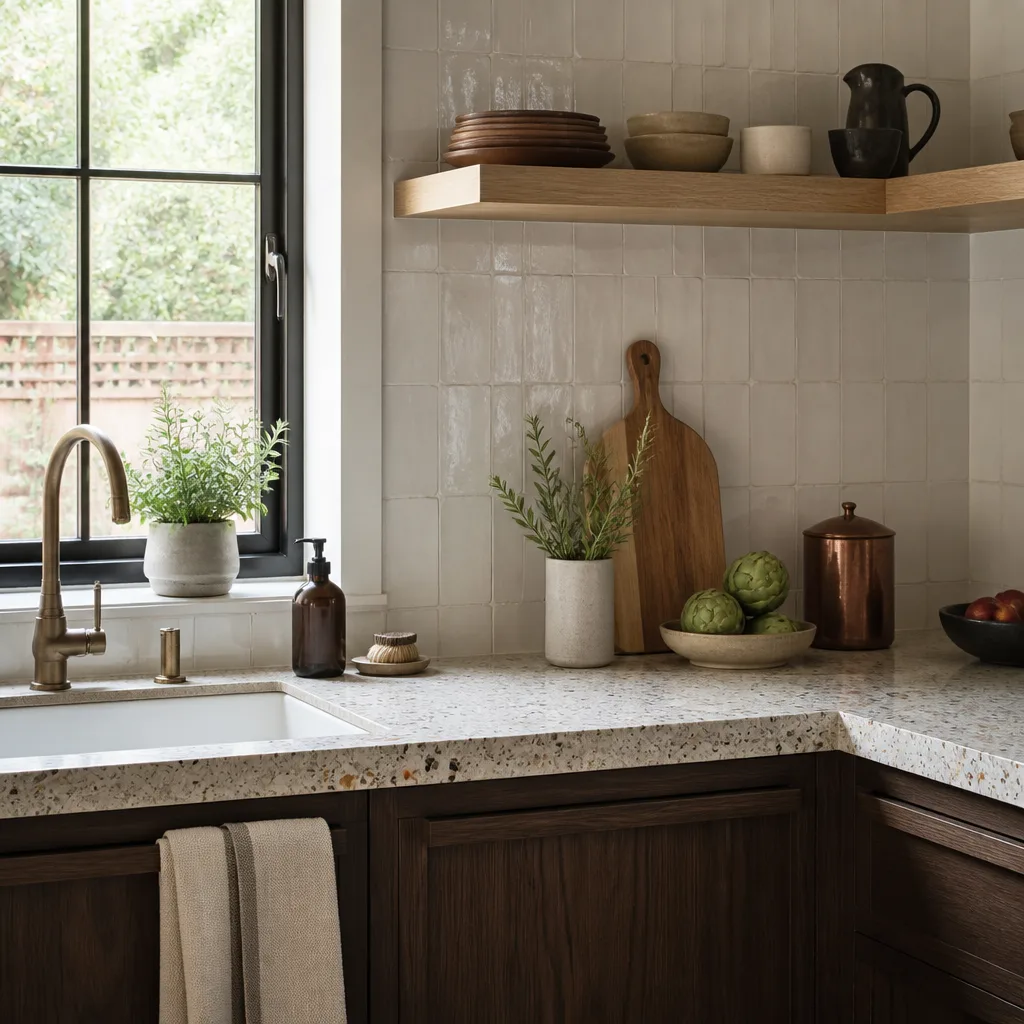
The Middle Path: Refinish the Tub Instead of Removing It
Not every Richmond homeowner needs to choose. If you’re in a South Richmond or Iron Triangle bungalow with an original cast-iron tub, you can often refinish it instead of tearing it out. Re-lining or resurfacing preserves the tub, keeps your resale value intact, and costs a fraction of a full demo and rebuild. It’s a strong option when the tub is solid but ugly – chipped enamel, dated color, stained surface.
The catch is that refinishing only makes sense if the tub itself is sound. A cast-iron tub from the 1920s will outlive all of us. A rusted-through steel tub won’t. We check that before recommending it.
What Does Tub vs Walk-In Shower Cost in Richmond?
Cost is where the comparison gets concrete. Our upfront pricing shows you the full number – materials, permits, labor – before demo starts, so you’re not comparing a $4,000 bid to a $9,000 bid and discovering six weeks later that the cheap one ballooned. Here’s what Richmond homeowners actually see:
| Option | Typical Richmond Cost | Best Fit |
|---|---|---|
| Tub-to-shower conversion | $3,500-$10,000 | Second bath or primary suite |
| Walk-in shower installation | $4,500-$12,000 | Full remodel with new tile and fixtures |
| Shower replacement (shower to shower) | $3,000-$8,500 | Updating an existing shower |
| Full bathroom remodel (tub or shower) | $9,000-$28,000 | Whole-room rework with new layout |
| Small bathroom remodel | $5,000-$12,000 | Half-bath or tight footprint |
| Tub refinishing or re-lining | Quoted per tub | Preserving an original cast-iron tub |
Two things drive the spread. First, whether the plumbing has to move – relocating a drain in a slab or reworking supply lines in an old flatlands bungalow adds cost. Second, the finish level. A boxed acrylic surround sits at the bottom of the range; a fully tiled shower with a sealed membrane and a niche sits at the top. We put both numbers in front of you side-by-side so you can decide with real figures. On top of that, we offer $1,000 off projects over $10,000 and 0% financing for 18 months, which moves the math on a full bathroom remodel considerably.
You’ll find more on layouts and finishes on our Bathroom Remodeling page, and a fuller look at how we handle Richmond jobs in our Bathroom Remodeling in Richmond guide.
One Richmond Wrinkle: The Unpermitted Conversion
Old flatlands homes carry a surprise that shapes bathroom jobs here. That “bonus room” or extra bath on a 1940s South Richmond bungalow is often an unpermitted shipyard-era conversion. When you pull a bathroom permit, plan check can flag the unpermitted work, and suddenly you’re in a retroactive-permit scramble before the tile goes up. We check for that early so it doesn’t stall your project mid-demo. Not every contractor does.
Our technicians have up to 12 years of experience and they’re background-checked and uniformed, and every job carries our 730-Day Done Right Promise – if it’s not done right, we make it right. Calls are answered by a live person, 24/7, so a question at 9 PM on a Sunday doesn’t wait until Monday. Learn more about how we work.
Our Verdict, Neighborhood by Neighborhood
- Single full bath in a Parkview or Verde three-bedroom: keep the tub. Add a walk-in shower only if you’re building a second bath.
- Primary suite or second bath in Richmond Heights or El Sobrante: convert. The upgrade value is real and the buyer pool stays intact.
- Original cast-iron tub in a South Richmond or Iron Triangle bungalow: refinish first. Preserve the character and the appraisal.
- Small half-bath remodel anywhere in Richmond: walk-in shower or shower conversion almost always wins on space.
If you’re weighing a full kitchen-and-bath refresh at the same time, brands like KraftMaid and Cambria can anchor both rooms for a consistent finish, and we’ll price them in the same upfront quote.
FAQs
Often yes. In three-bedroom Richmond homes with a single full bathroom, appraisers comp against similar properties, and family buyers dominate the market. Eliminating the only tub narrows your buyer pool and can trigger appraiser pushback. If it’s your only tub, keep it or add a second bath before you convert.
A tub-to-shower conversion in Richmond typically runs $3,500-$10,000, with the spread driven by plumbing relocation and finish level. A walk-in shower installation with new tile and fixtures lands at $4,500-$12,000. Call (833) 700-4611 for an exact quote – estimates are free and we show the full number upfront.
Grout-free or fully sealed surfaces hold up best. Fiberglass surrounds trap moisture at seams and grow mold faster in Richmond’s fog-belt air. Large-format porcelain with epoxy grout, solid-surface panels with minimal seams, or tiled showers with a sealed waterproofing membrane all resist bay damp better.
Yes, if the tub is structurally sound. Re-lining or resurfacing preserves a 1920s cast-iron tub, keeps your resale value, and costs far less than a full demo. A rusted-through steel tub isn’t worth refinishing, so we check first. Call (833) 700-4611 to schedule an assessment.
If you’d rather have it looked at, Groundwork Construction Co. of Richmond offers a no-pressure assessment in Richmond – call (833) 700-4611. We’ll show you the side-by-side numbers on tub vs walk-in shower for your specific home, and you decide from there. Upfront pricing, no surprises, backed by the 730-Day Done Right Promise.
Written by the team at Groundwork Construction Co. of Richmond, serving Richmond, CA.