





Free written scope consultation - allowances, timeline, and change-order rules on paper before a single trade is scheduled
Styles & brands we work with
- Kitchen remodeling
- Bathroom remodeling
- Home additions & ADU
- Roofing
- Windows & doors
- Driveway & pavers
- Fence
See the difference
 Before
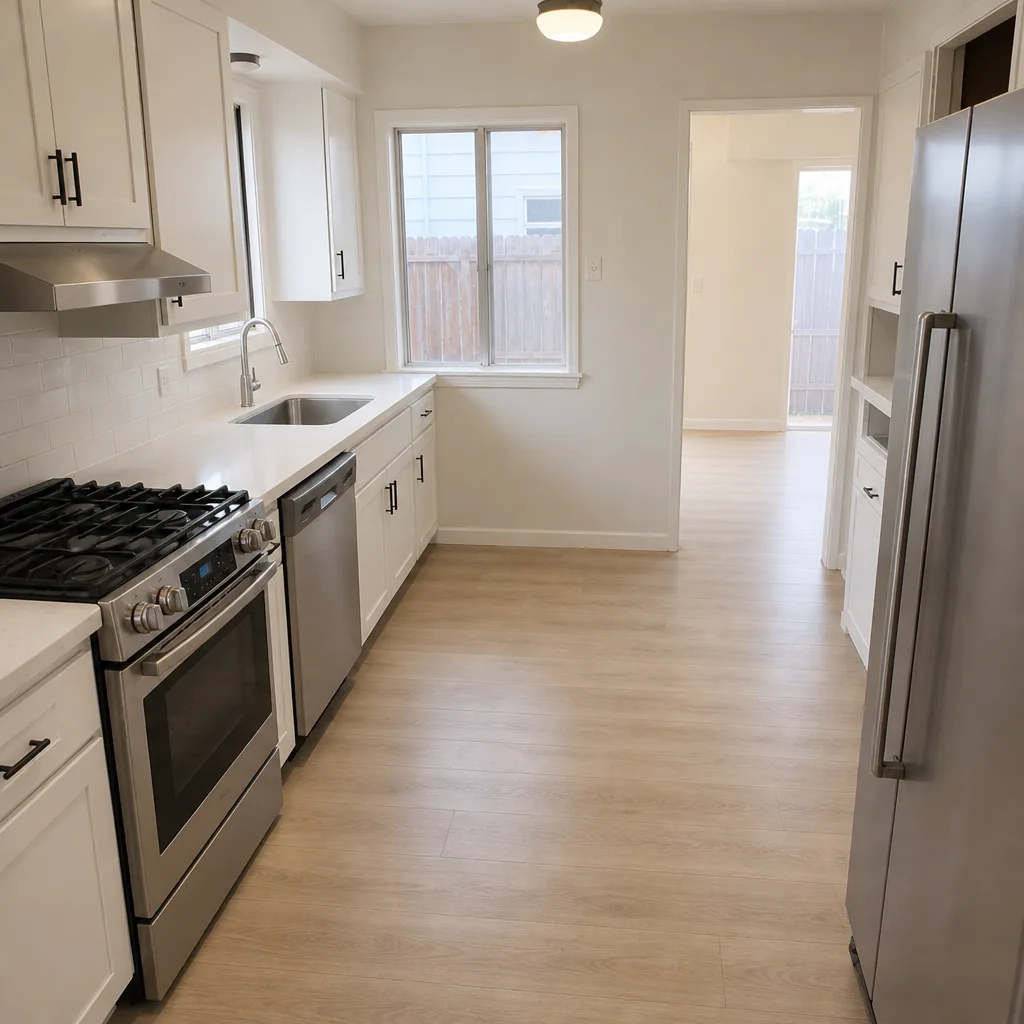 After
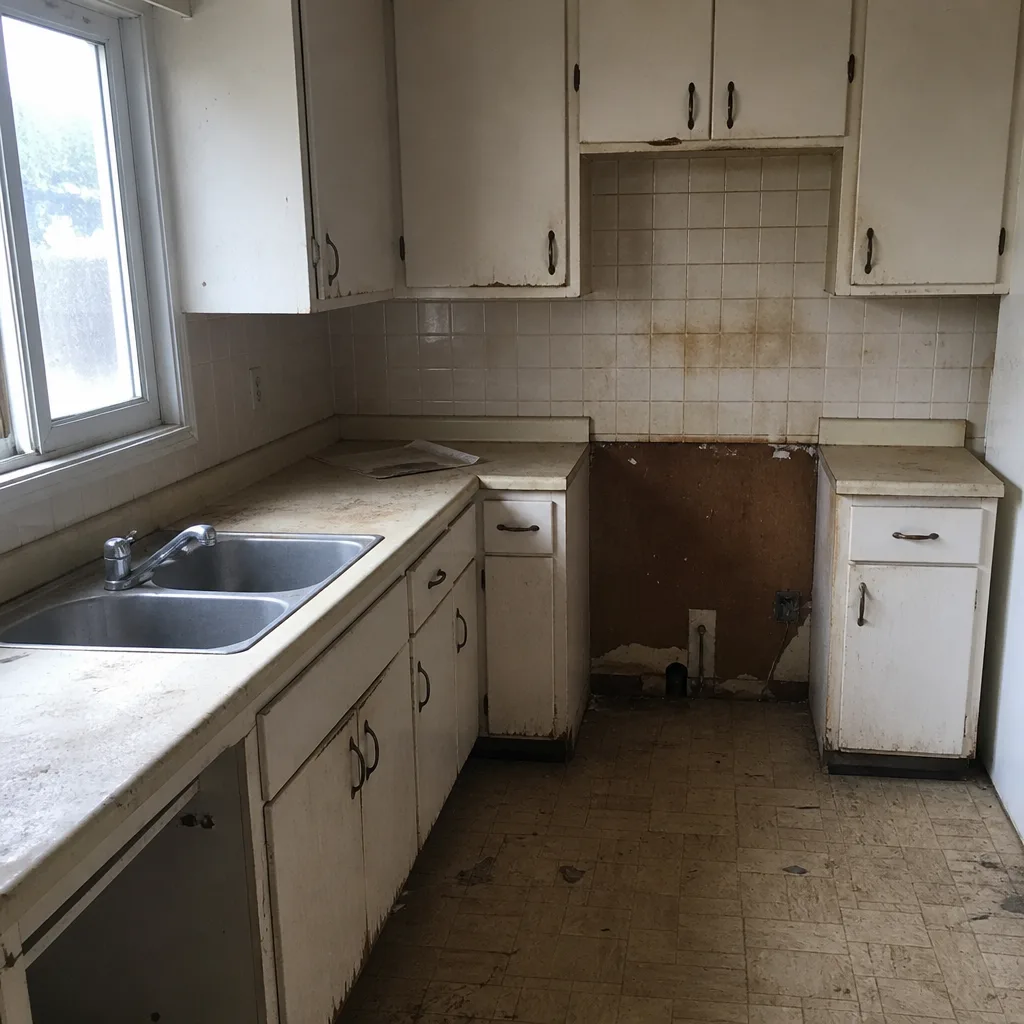 Before
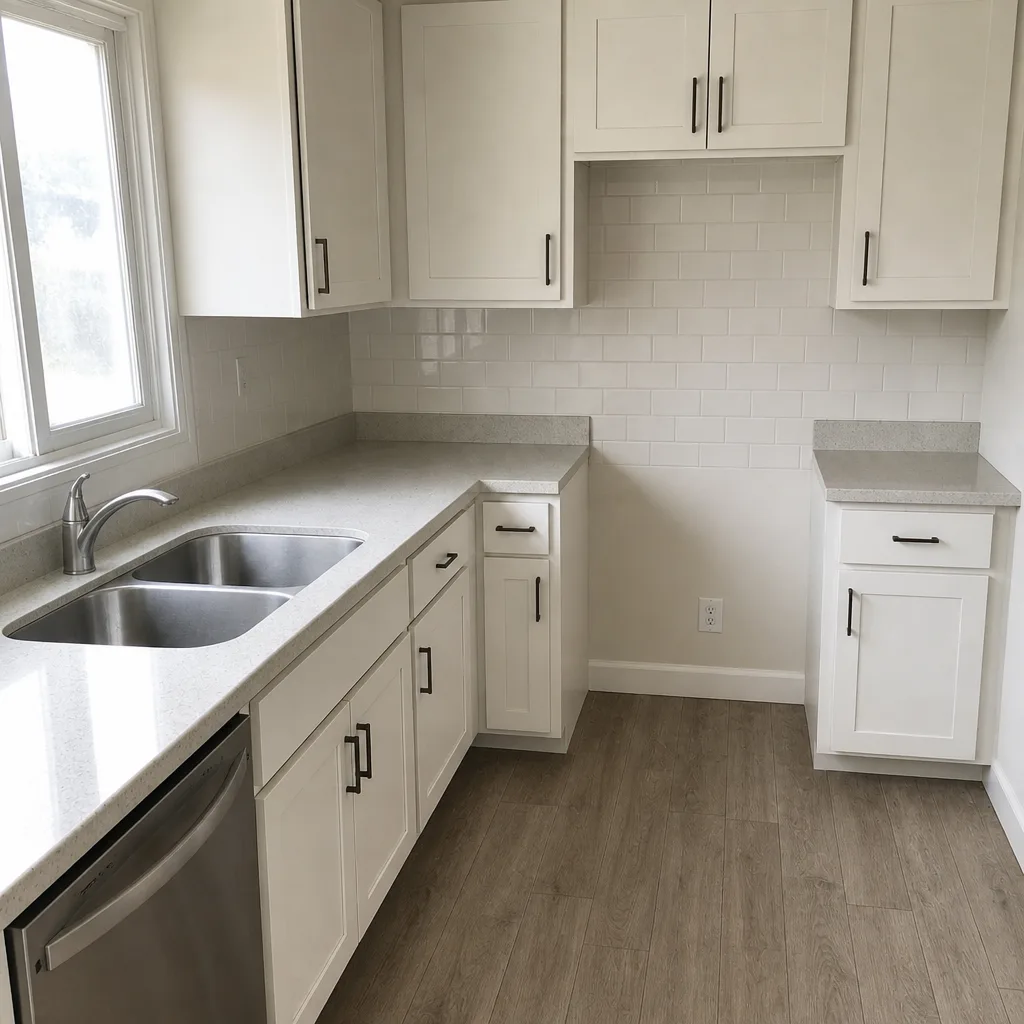 After
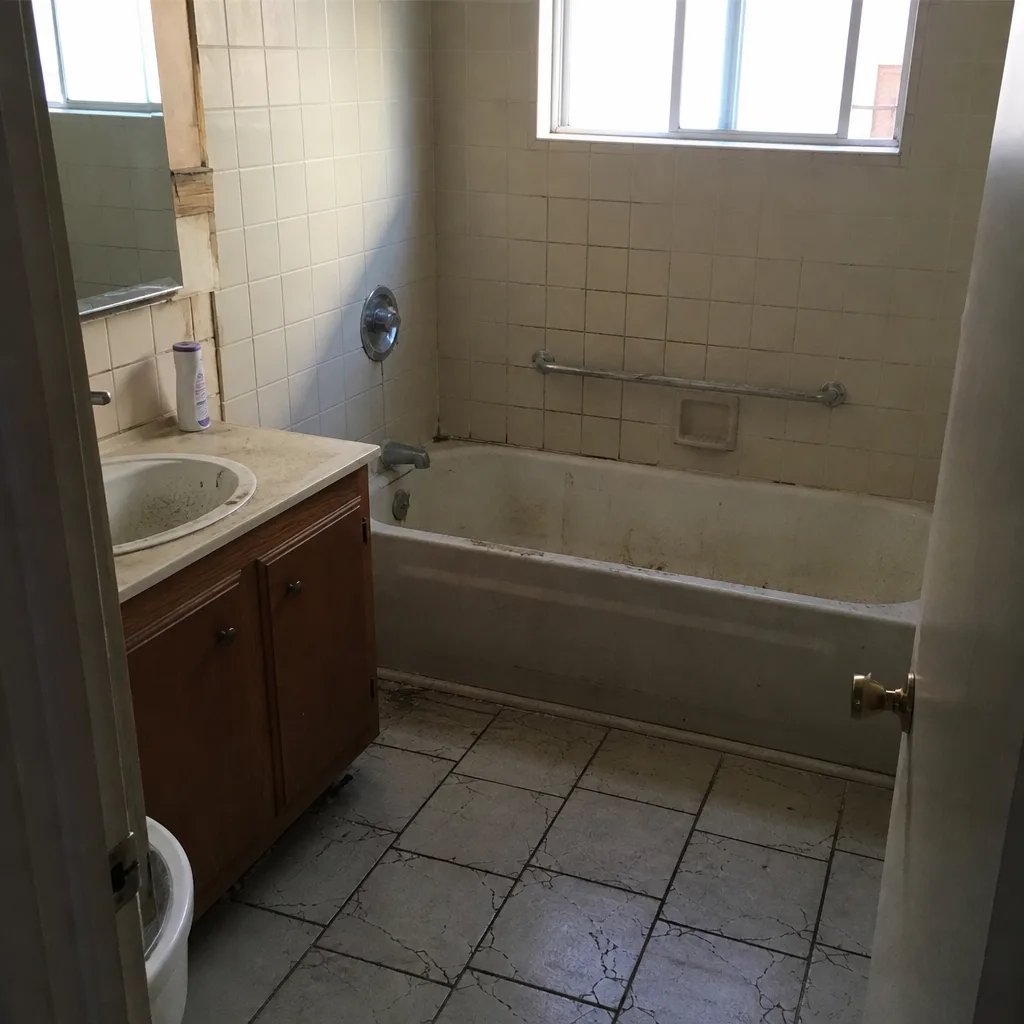 Before
 After
What Causes Roof Leaks in Richmond, CA? The Short Answer
Roof leaks most often start at the places where the roof gets penetrated or where two different roof surfaces meet, not in the middle of a shingle field. In Richmond, that means failed flashing around chimneys, abandoned plumbing vents from old additions, and the seam where a flat rear section meets a pitched shingle roof. Water almost never enters where the stain shows up; it travels along framing and drips somewhere else. If you’re seeing a ceiling stain and can’t trace it, call (833) 700-4611 and we’ll find the actual source instead of guessing.
Most of the “roof leak cause” lists you’ll read online stop at worn shingles and bad flashing. That advice isn’t wrong, it’s just incomplete for Richmond. The older flatlands here have a specific set of failure patterns that come from the housing stock itself, and those patterns are what we actually find when we open up a ceiling.

Why Richmond Roofs Leak Differently Than the Generic Lists Suggest
Richmond’s 1910s-1940s shipyard-worker bungalows and craftsmans in South Richmond and the Iron Triangle were built fast, then modified slowly over decades by owners who added bathrooms, enclosed porches, and tacked on rear rooms. A lot of that work happened without permits. When a bathroom got moved or a vent stack got rerouted, the old penetration was sometimes just roofed over. No proper cap, no flashing collar, nothing but a shingle laid across a hole. That hole sits quietly for years until the sealant dries out, and then it leaks after every winter storm.
Here’s the thing about that kind of penetration: it doesn’t show up as a neat ceiling stain under the pipe. Water enters at the abandoned hole and runs along a rafter or the top plate before it drips, so the wet spot ends up in a hallway or a bedroom that’s eight feet away from anything you’d suspect. Homeowners spend a season or two chasing the wrong wall before anyone gets on the roof.
Common local scenarios we run into
- The abandoned vent stack. A 1950s bathroom addition left behind a soil vent pipe that later got roofed over without proper flashing. Water enters at the pipe, exits through the ceiling in a different room.
- The flat-to-pitched transition. Original low-slope rear sections (kitchen additions, sleeping porches) meet pitched shingle roofs. The original tar-and-gravel membrane dries and cracks under years of fog-driven thermal cycling, and the transition is where it fails first.
- Counter-flashing on a 1930s brick chimney. The original lead counter-flashing is set into mortar joints. Bay moisture erodes that mortar faster than in dry climates, the flashing lifts, and water channels straight into wall framing without ever showing on the ceiling until rot has spread.
- Gutter overflow into the soffit. Winter rain backs up behind a clogged gutter and pushes into the soffit. It shows up as a wall stain near the ceiling line, which sends people looking at their siding when the roof edge is the real culprit.
Down at the west end, the fog belt drives rot into south- and west-facing wood, including the fascia and sheathing right at the drip edge. Newer stucco tract homes out in Parkview and Verde leak too, but usually for plainer reasons: aged pipe boots and dried caulk at the vents. We handle the full spectrum through our Roofing service, from poking around a 1930s chimney to replacing a failed boot on a 1960s ranch.
How to Tell Which Cause You’re Dealing With
You can narrow it down before anyone climbs up, and doing so saves you money because it tells a contractor where to look first. A few things to check from the ground or from inside the attic:
- Timing. Leaks that appear only during wind-driven rain point to flashing or a roof-to-wall junction. Leaks that show up hours after rain stops usually mean water is traveling along framing before it finds a drip point.
- Location of the stain. Wall stains near the ceiling line suggest soffit or gutter overflow. Ceiling stains generally trace back to a penetration or a transition higher and to one side.
- Roof history. If your bungalow has an addition, pull the permit records. A plan-check of the original permit history flags unpermitted penetrations before anyone tears into a ceiling, and it’s far cheaper than demoing drywall to find a capped-over vent.
- Chimney condition. Look at the mortar joints where flashing meets brick. If the mortar is crumbling or the flashing looks lifted, that’s a strong candidate.
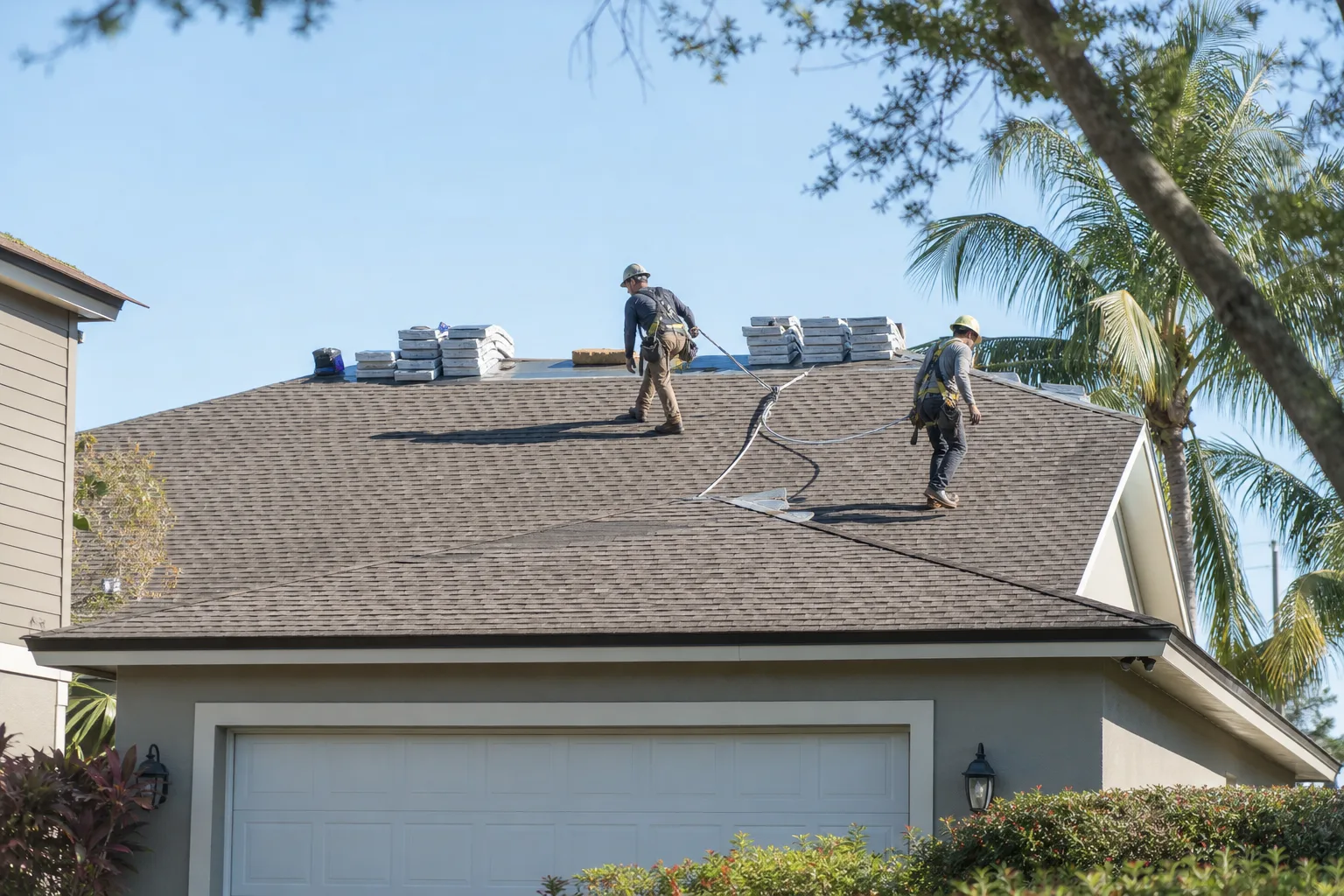
What we don’t recommend is walking a wet pitched roof to inspect it yourself. A damp shingle surface is slippery, and falls from height are the serious risk in this trade. That’s a job for a trained, insured professional who knows how to get on a roof safely. When we come out, every leak investigation ends with a written finding and photo evidence, so you understand exactly what failed and why. No mystery invoice that just says “found the problem, fixed it.”
What Roof Leak Repair Costs in Richmond
Repair costs track the cause, not the square footage. A failed pipe boot or a small flashing fix sits at the low end. A chimney counter-flashing rebuild or a flat-to-pitched transition repair runs higher because it involves cutting back membrane, re-laying flashing, and sometimes sheathing. If the leak has been running long enough to spread rot into framing or fascia, add the carpentry.
| What’s happening | Typical Richmond range |
|---|---|
| Minor leak repair (boots, small flashing) | $400 – $1,800 |
| Tile roof section repair | $600 – $2,500 |
| Full roof replacement (if repair isn’t the answer) | $8,000 – $20,000 |
| Metal roof installation | $15,000 – $40,000 |
We quote upfront, no surprises: the number you see is the number you pay. Every roofing project is covered by our 730-Day Done Right Promise, and if it’s not done right, we make it right. New roofs go up with GAF and Owens Corning systems, and where replacement makes more sense than repair, that 730-Day coverage applies to the whole install, not just the shingles. With the $1,000 off projects over $10,000 and 0% financing for 18 months, a needed replacement doesn’t have to wait for a better month.
One more Richmond-specific note: soil and site conditions here are their own animal. Swaths of former Kaiser Shipyards and refinery-adjacent land mean fill soils and legacy industrial history that neighbors like El Cerrito or San Pablo simply don’t deal with. That rarely drives a leak, but it does change what’s underground when a repair turns into a larger project. Our technicians have up to 12 years of experience reading both the roof and what’s under it.
Frequently Asked Questions
Failed flashing around penetrations and transitions is the most common cause, not worn shingles. Shingles shed water well for a long time; flashing is where roof surfaces meet walls, chimneys, pipes, and different roof sections, and those seams fail first. In Richmond, the extra culprits are abandoned plumbing vents from old additions and the flat-to-pitched transition on rear sections.
Many leaks can be located and temporarily stopped in one visit, and most repair jobs are completed in a single trip. Our calls are answered by a live person 24/7, so you’re not waiting until Monday to reach someone. Call (833) 700-4611 and we’ll get a trained tech out to trace it.
Repair is almost always cheaper when the leak is isolated to one penetration or one transition and the surrounding roof has life left in it. Replacement starts making sense when you’re facing multiple failures across the same roof, or the original tar-and-gravel membrane has dried out across an entire section. We’ll show you the photos and give you both numbers before you decide.
Water travels along framing, sheathing, and top plates before it drips, so the stain shows up away from the actual entry point. That’s why guessing at a spot from a ceiling stain wastes time and money. A proper investigation traces the water path back to the source, and our written findings with photos document exactly where it entered.
Get It Diagnosed Before the Next Storm
If you’d rather have it looked at, Groundwork Construction Co. of Richmond offers a no-pressure assessment in Richmond, with upfront pricing and a written finding of what actually failed. We’re available at (833) 700-4611 for a free estimate, and you’ll always reach a live person.
Our full range of work in the Richmond service area covers the roof, the framing under it, and everything else a Richmond home needs, from foundation to finish line.
Written by the team at Groundwork Construction Co. of Richmond, serving Richmond, CA.