

Free written scope consultation - allowances, timeline, and change-order rules on paper before a single trade is scheduled
Styles & brands we work with
- Kitchen remodeling
- Bathroom remodeling
- Home additions & ADU
- Roofing
- Windows & doors
- Driveway & pavers
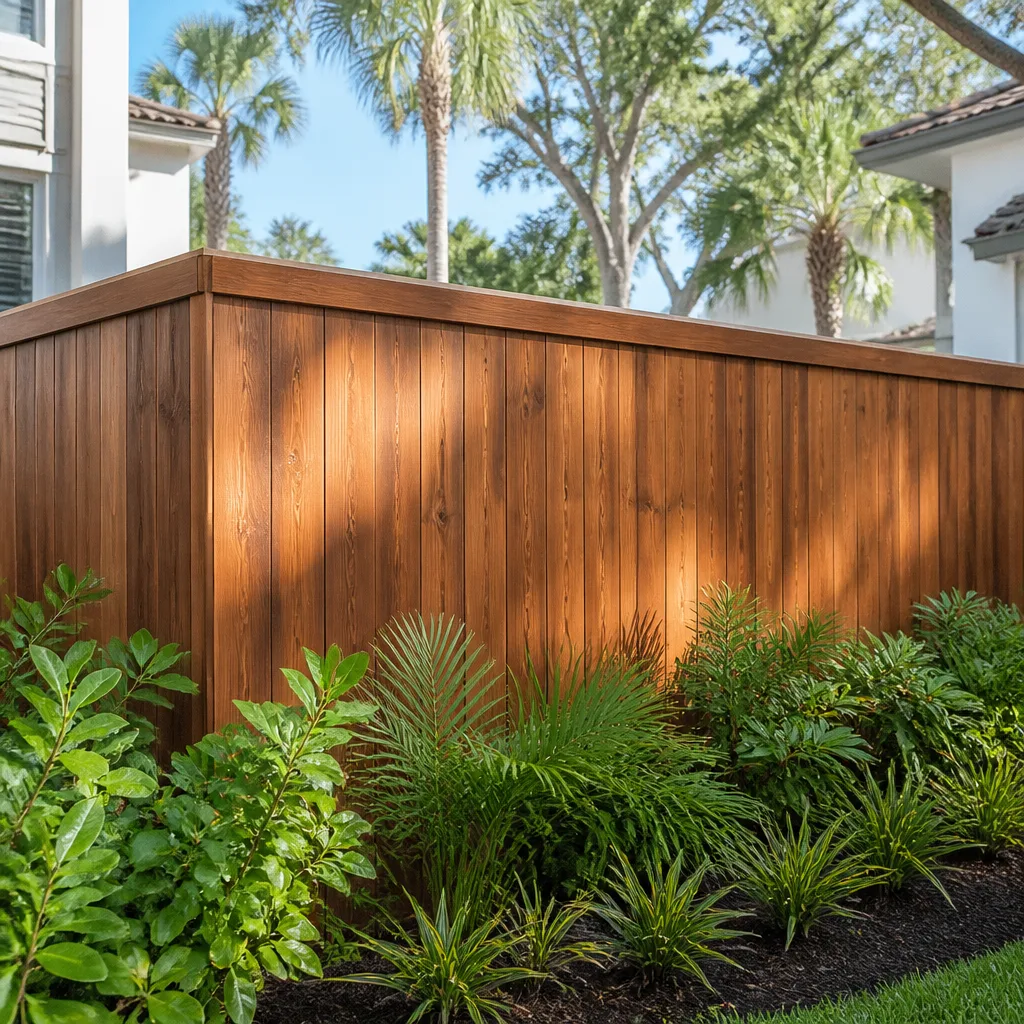
- Fence
See the difference
 Before
 After
 Before
 After
 Before
 After
How Deep Should Fence Posts Be in Richmond, CA?
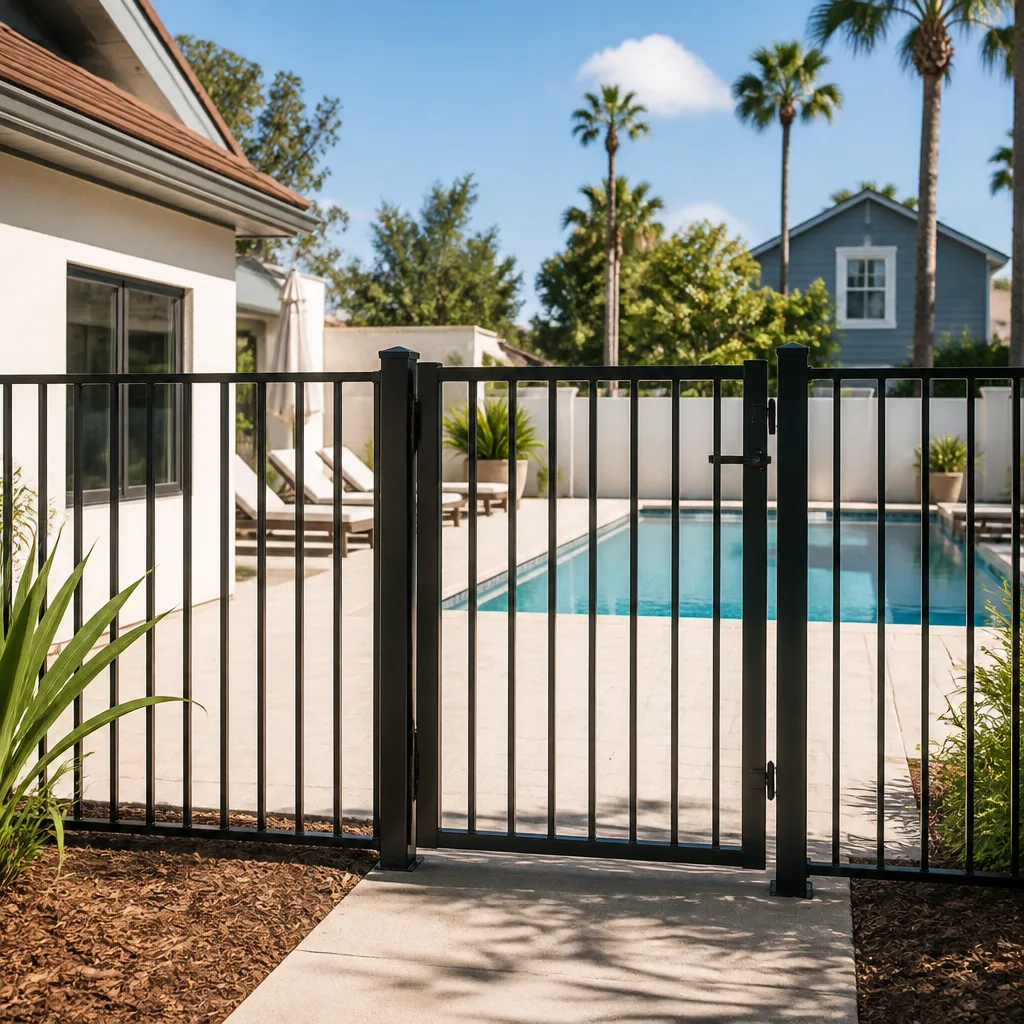
Fence posts should go down at least one-third of their above-ground height in stable soil – about 24 to 30 inches for a 6-foot fence and 30 to 36 inches for an 8-foot fence. In Richmond’s clay-heavy flatlands and bay-adjacent fill lots, add 6 to 10 inches to those minimums, so most posts here land between 30 and 40 inches deep. Below, we break down what depth each Richmond soil type actually needs, and why the standard rule fails on the low-lying ground near the bay. Call (833) 700-4611 for a free on-site assessment.
One-third of post length. That’s the rule everywhere else. In Richmond’s flatlands, that rule puts your post in fill soil – and fill soil has its own agenda when the winter rains come. Contractors here learn fast that the ground under the Iron Triangle, South Richmond, and the older lots near the waterfront isn’t the stable upland soil those rules were written for. Fog-belt moisture and wet winters push clay around, and a post set to a generic depth pays for it.
What depth does Richmond soil actually need? A soil-by-soil breakdown
The one-third rule assumes stable, well-drained ground. Richmond has very little of that on the flats. Here’s how depth shifts across the city, and it’s worth checking your lot before you dig a single hole.
- Stable upland soil (Richmond Heights, El Sobrante fringe): The standard one-third rule largely holds. A 6-foot fence post goes 24 to 30 inches deep; an 8-foot post goes 30 to 36 inches. Ground here is firmer and drains better, so lateral soil pressure is manageable.
- Clay-heavy flatlands (Iron Triangle, South Richmond): Add 6 to 8 inches. A 6-foot post should bottom out at roughly 30 to 36 inches. This clay expands when it’s wet and shrinks when it dries, and that seasonal movement pushes posts sideways and lifts them over a few winters.
- Bay-adjacent fill lots (former industrial waterfront, Point Molate edges): Add 8 to 10 inches and consider going deeper still. Fill soil has no cohesive bearing capacity – it behaves like loose sand around a post, so a post set to standard depth won’t stay plumb. Expect 34 to 40 inches for a 6-foot fence here.
The variance across Richmond isn’t a rounding error. It’s a range of 6 to 10 inches of extra depth depending on which soil you’re standing on, and getting it wrong means a fence that leans within two seasons. For a full breakdown of the installation process, see our Fence Installation in Richmond page.
Why “fill soil” changes the math in Richmond
Fill soil is ground that was moved, dumped, and leveled rather than left in its natural state. Richmond has a lot of it, much of it tied to the city’s heavy-industrial legacy – former shipyard land, refinery-adjacent parcels, and waterfront lots where bay mud and debris were used to build up grade.
What that means for a fence post is three concrete problems most guides skip:
- Compaction variability. One section of a Richmond lot might be well-compacted and the next section might be loose. A post that holds beautifully in one spot shifts in another, so depth has to be checked hole by hole, not assumed across the whole run.
- Buried debris creating voids. Old footings, brick, and construction rubble sit under plenty of flatland lots. A post can hit a void and lose bearing capacity entirely, so it needs to go deeper to find solid material below the debris layer.
- No cohesive bearing capacity. Fill doesn’t grip the way undisturbed soil does. A post set to standard depth in fill acts like it’s stuck in loose sand – it stays fine until the first good rain, then the lateral pressure wins.
Some of this ground also reads as fill with legacy industrial contaminants, which is why testing often comes up on east-side and waterfront lots before a foundation pour. That’s the same soil profile a fence post is going into, and it’s why we assess conditions on-site before setting a single post. Our home page lays out the full scope of what we handle across the trades.

The drainage piece most guides leave out
Depth is only half the job in Richmond’s clay. The other half is drainage at the bottom of the hole, and it’s independent of how deep you dig.
In clay-heavy soil, water pools at the base of the post because it can’t drain away. That standing water rots the post base from below long before the wood above grade shows a problem. The fix is a bed of 4 to 6 inches of crushed gravel at the bottom of the hole, which gives water a place to go instead of sitting against the wood. Add that gravel bed and the post stays dry at its weakest point. Skip it and even a properly deep post can fail early.
For a taller fence, the numbers get more serious still – see the next section.
6-foot vs. 8-foot fence: why height changes the depth requirement
A taller fence catches more wind, and more wind means more leverage on the soil around the post. Richmond’s bay-corridor gusts push hard against an 8-foot privacy fence, and the taller the fence, the bigger the lever arm that wind has on whatever soil holds the post.
In soft Richmond soil, that extra leverage means an 8-foot fence needs greater depth than the one-third rule alone suggests – not just to hold the weight, but to resist being rocked loose over a few windy seasons. Where a 6-foot fence in the uplands might do fine at 24 inches, an 8-foot run on the flatlands often wants 36 inches or more. Depth, gravel, and the wind load all have to be considered together.
Here’s how the depth ranges break down by soil type and fence height, using our standard install pricing for Richmond:
| Soil type | 6-foot fence post depth | 8-foot fence post depth | Typical install range |
|---|---|---|---|
| Stable upland (Richmond Heights) | 24-30 in | 30-36 in | $3,500-$9,000 |
| Clay flatlands (Iron Triangle) | 30-36 in | 34-40 in | $3,500-$9,000 |
| Bay-adjacent fill | 34-40 in | 36-44 in | $3,500-$9,000 |
Vinyl fence installation in Richmond typically lands in the $3,500-$9,000 range, and aluminum runs $4,000-$10,000. Material, height, and depth requirements all move the final number, and we quote upfront pricing with no surprises so the number you see is the number you pay.
What to look for in a fence installer here
Anyone can quote you a fence. The questions that matter are about what happens below grade. When you’re evaluating an installer in Richmond, ask directly:
- Do they check soil conditions before quoting? A crew that sets a one-size-fits-all depth without looking at your ground is guessing.
- Do they include a gravel bed at the base of each hole? If it isn’t mentioned, it probably isn’t happening.
- Do they account for fence height and wind load separately from the one-third rule? Taller fences need deeper posts in soft soil.
- What workmanship guarantee backs the install? Ours is the 730-Day Done Right Promise – if it’s not done right, we make it right.
Our technicians have up to 12 years of experience and arrive background-checked and in uniform. We assess soil conditions on-site before setting a single post, because that’s the only way to get depth right on Richmond’s varied ground. We also work with trusted material brands like James Hardie and Belgard so the fence is built to last, backed in writing.
FAQs
In Richmond’s clay-heavy flatlands, fence posts should go about 30 to 36 inches deep for a 6-foot fence – roughly 6 to 8 inches deeper than the standard one-third rule. The added depth resists the seasonal soil expansion that pushes posts sideways. Call (833) 700-4611 for a free on-site assessment of your specific soil.
Yes. A 4 to 6 inch bed of crushed gravel at the base of each hole is what keeps water from pooling against the post in Richmond’s clay. Without it, the post base rots from below even if the depth is correct. It’s a small addition that protects the whole fence.
An 8-foot fence post in Richmond should reach 30 to 36 inches in stable upland soil and 34 to 40 inches or more in clay flatlands and bay-adjacent fill. The taller fence catches more bay-corridor wind, so the extra depth resists that leverage. Call (833) 700-4611 for an exact quote – estimates are free.
Yes – our crews check soil conditions on-site before setting any post, so we don’t apply a generic depth to ground that needs more. Estimates are free, and we answer the phone with a live person 24/7. Call (833) 700-4611 to schedule a no-pressure assessment in Richmond.
Get your Richmond fence depth right the first time
If you’d rather have it looked at, Groundwork Construction Co. of Richmond offers a no-pressure assessment in Richmond – call (833) 700-4611. We check your soil, size the depth to your fence height and ground conditions, and back the work with our 730-Day Done Right Promise. Upfront pricing, no surprises, and a fence that stays plumb.
Written by the team at Groundwork Construction Co. of Richmond, serving Richmond, CA.