



Free written scope consultation - allowances, timeline, and change-order rules on paper before a single trade is scheduled
Styles & brands we work with
- Kitchen remodeling
- Bathroom remodeling
- Home additions & ADU
- Roofing
- Windows & doors
- Driveway & pavers
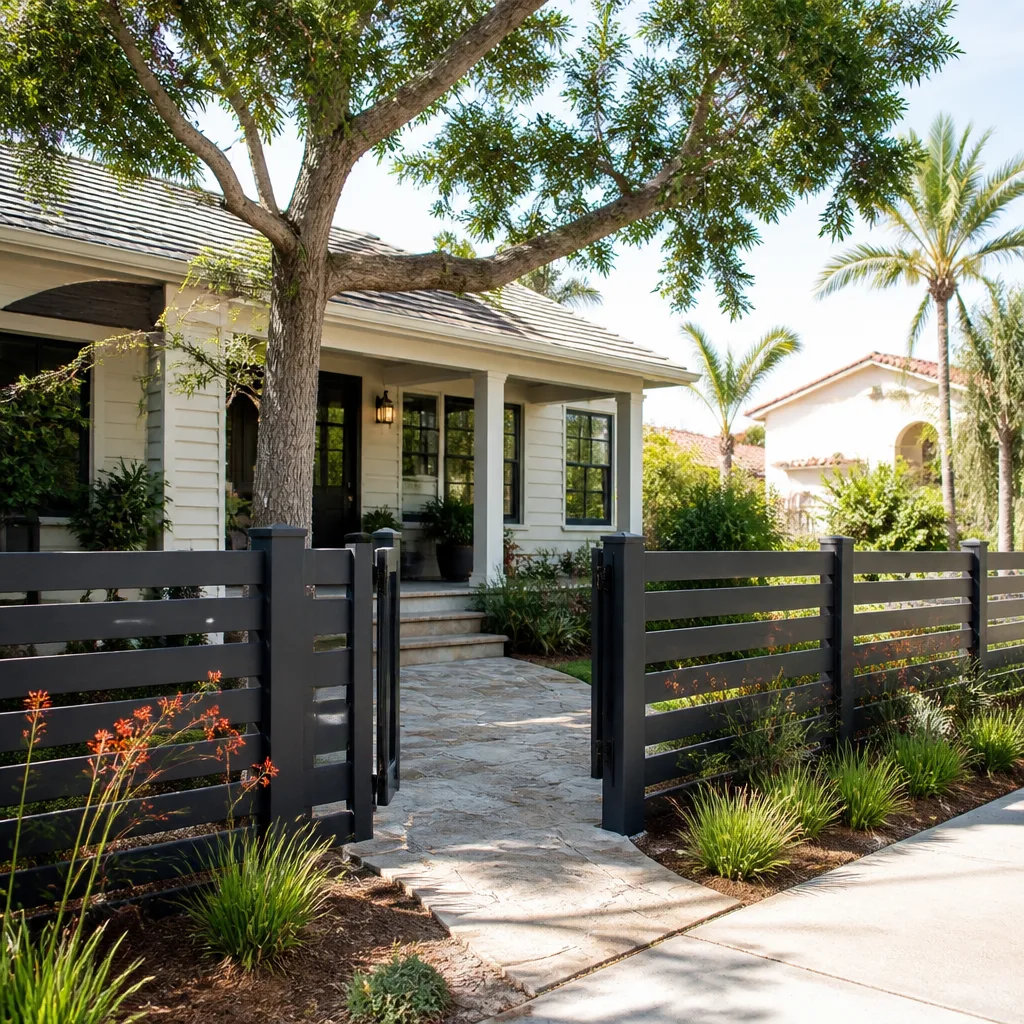
- Fence
See the difference
 Before
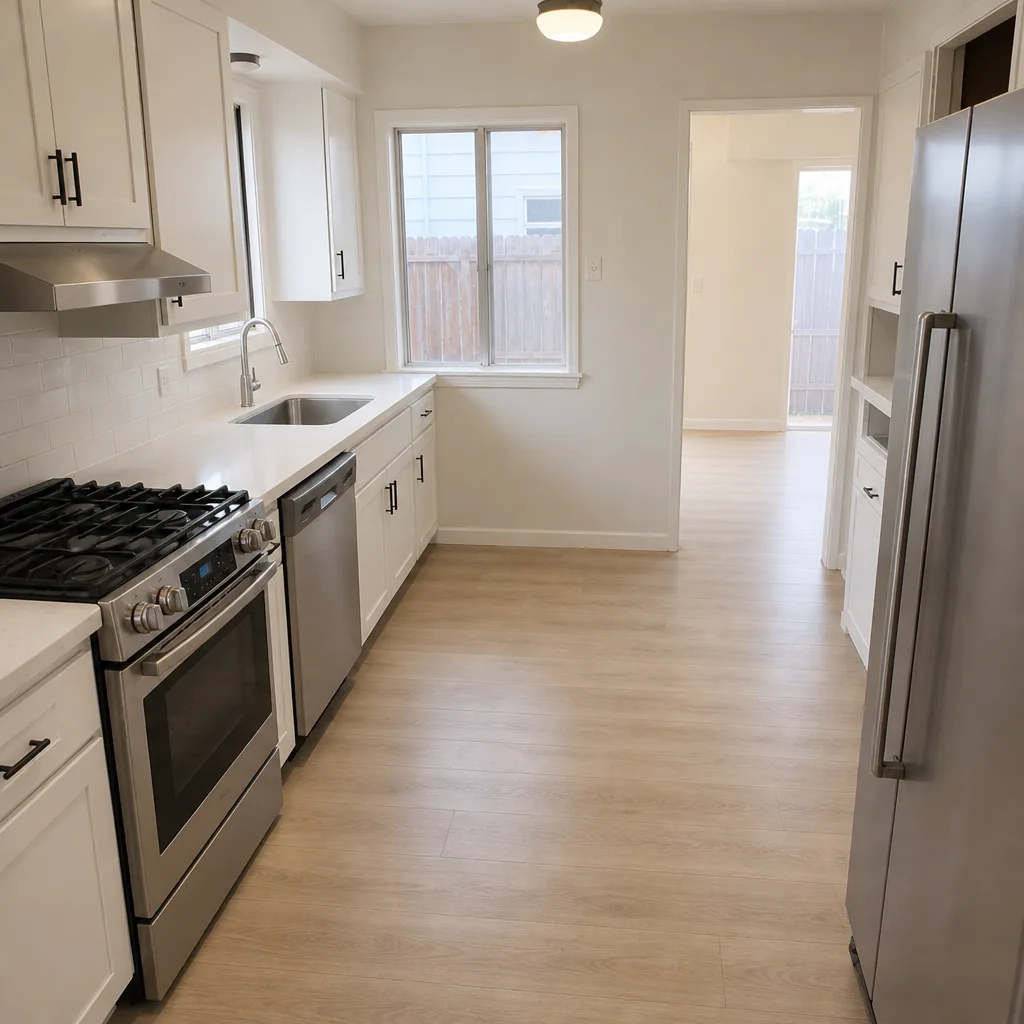 After
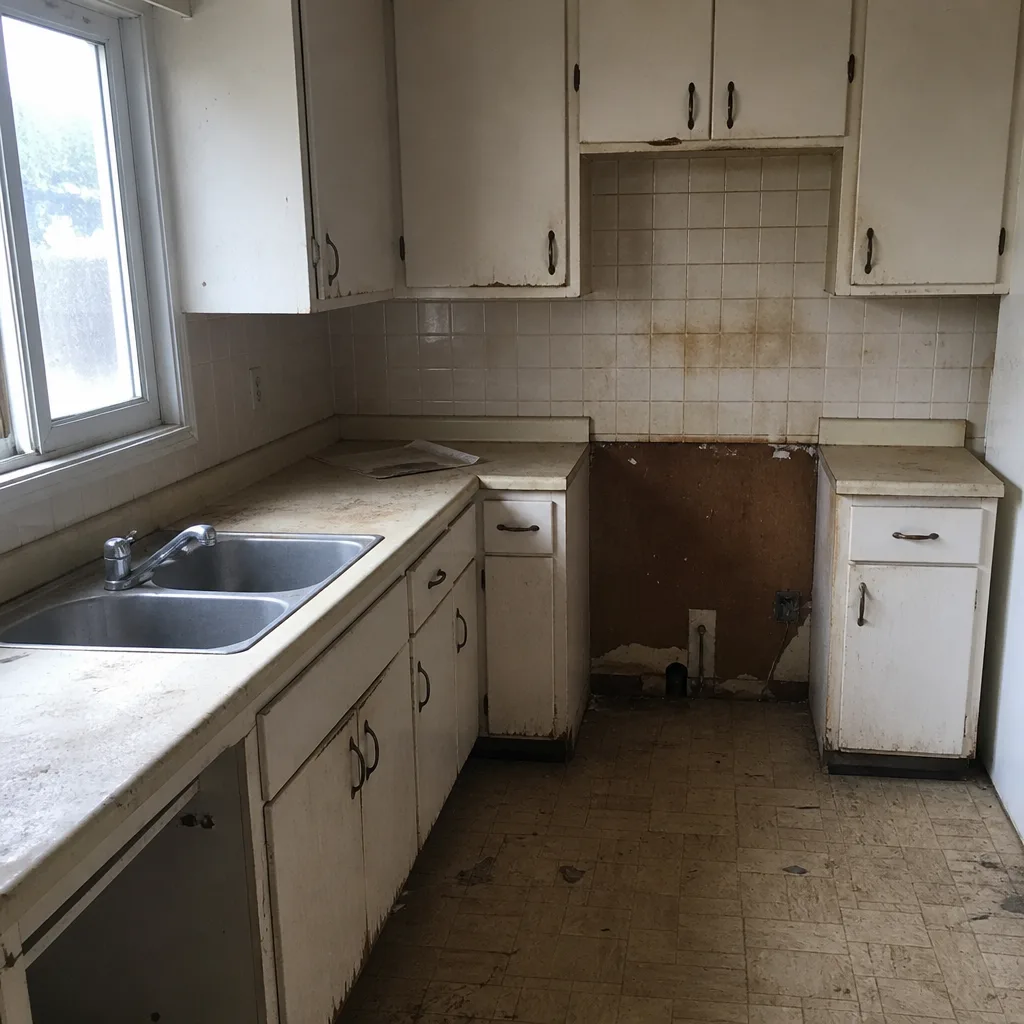 Before
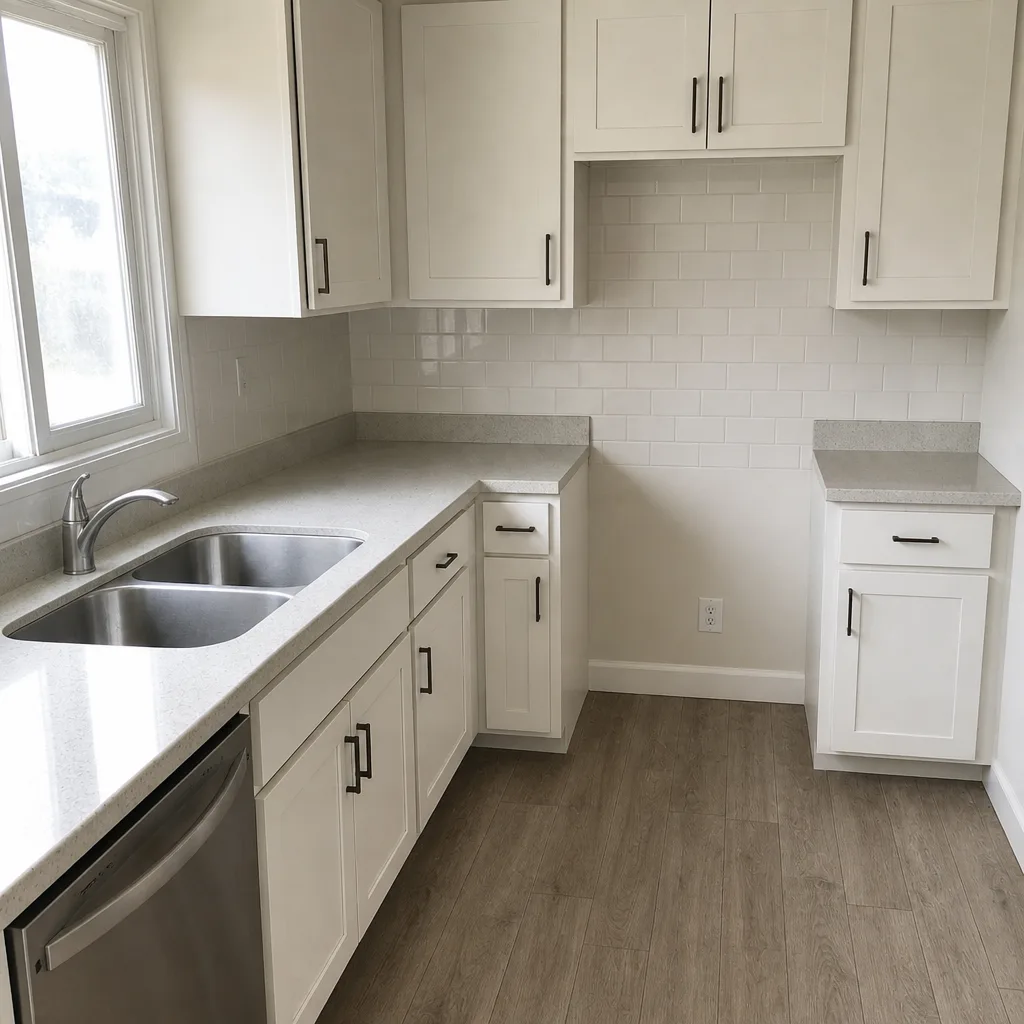 After
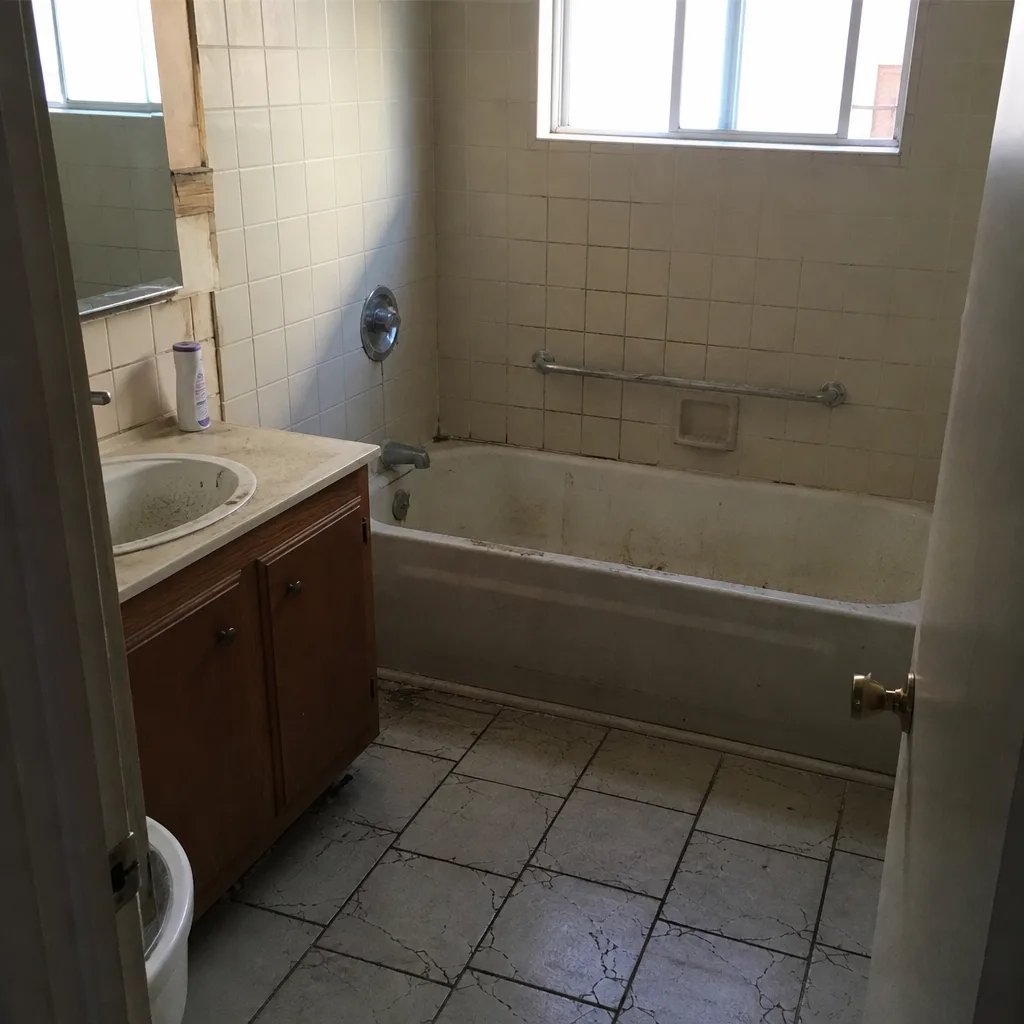 Before
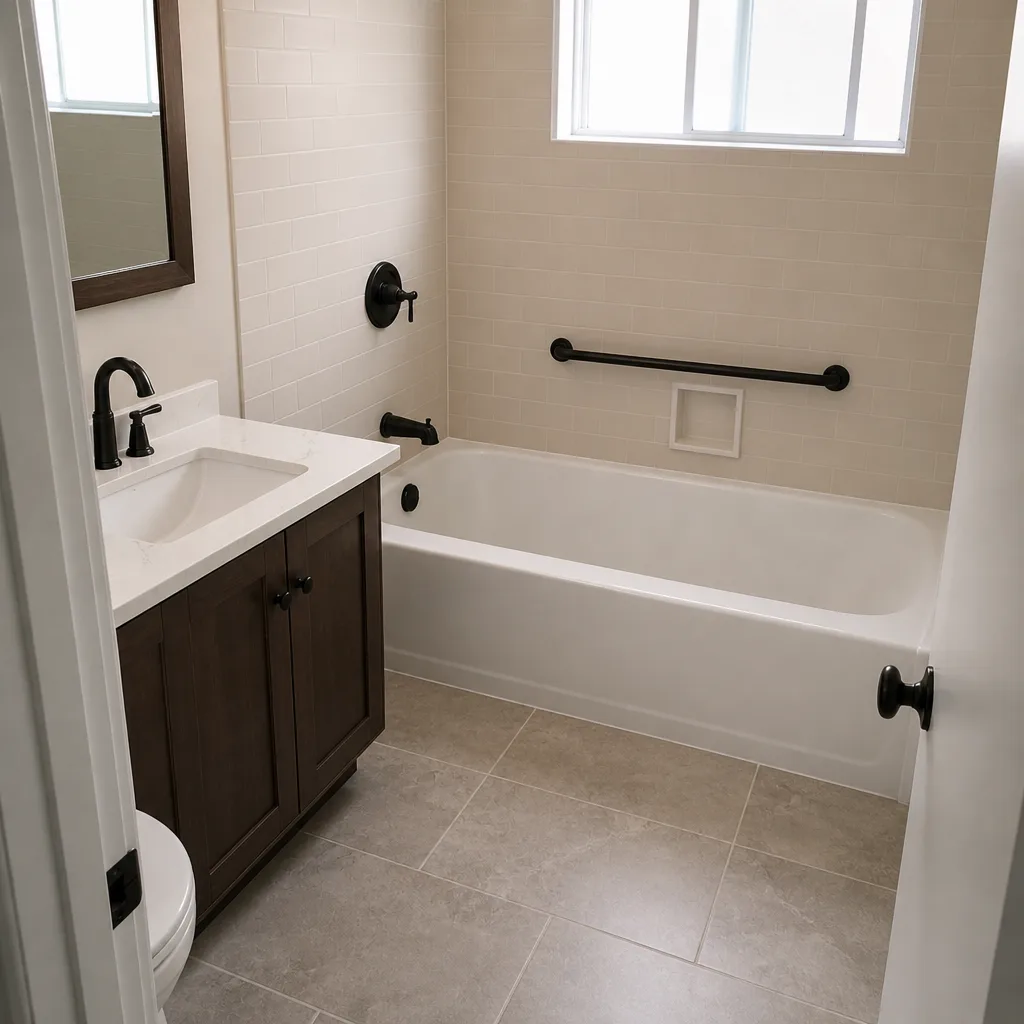 After
How to Repair a Chain Link Fence in Richmond, CA
Repairing chain link fence in Richmond usually means one of two jobs: patching the mesh and hardware above grade, or pulling and resetting a post that has corroded at the soil line. Mesh and rail work is homeowner-friendly. Post-base work is not, and on Richmond’s older flatland lots the post-base problem is almost always the real one. If your fence is rusting at the base while the mesh still looks fine, call (833) 700-4611 and we’ll help you sort out which repair you’re actually facing before you buy a single tension band.
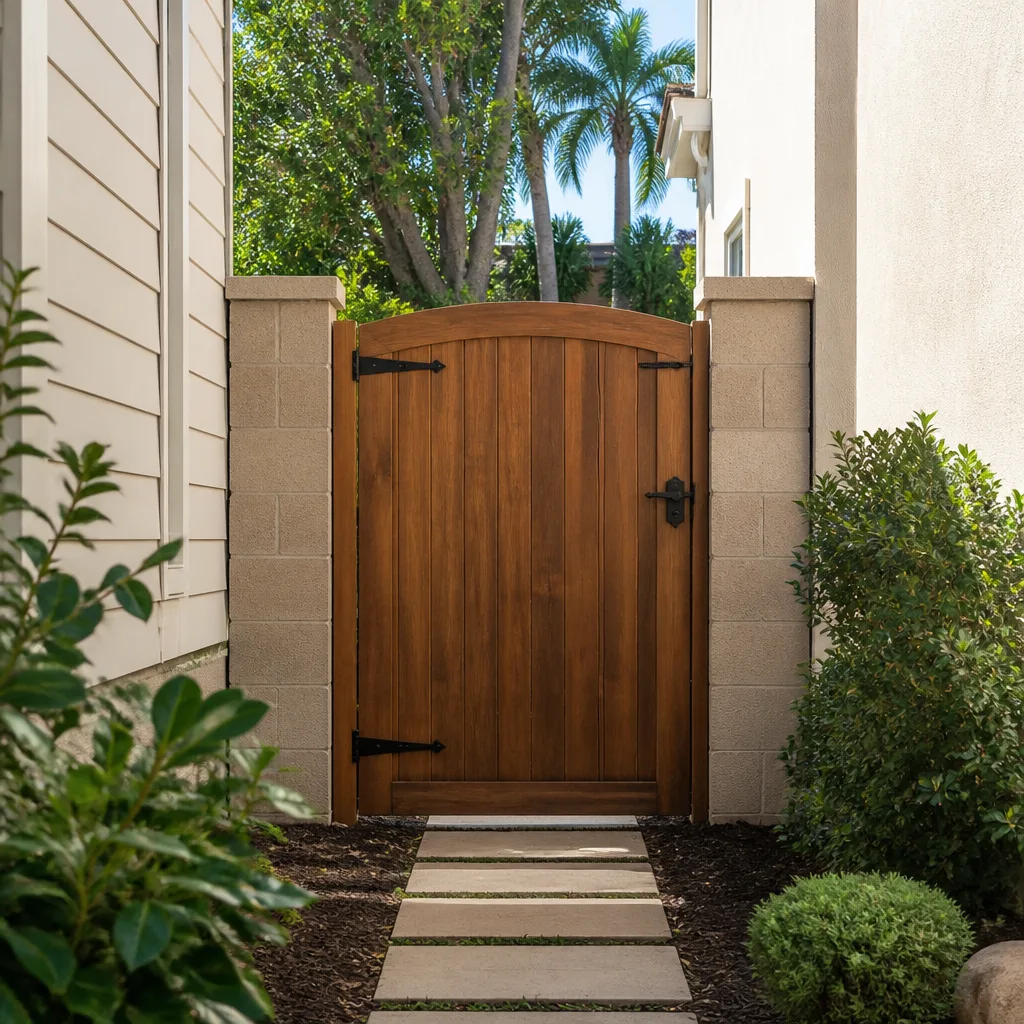
Richmond’s ground is harder on fence steel than the weather is
Richmond sits on the bay with fog-heavy summers and wet winters, and that moisture matters. But fog doesn’t eat fence posts. What eats them is what’s in the dirt around them. Across the industrial-legacy flatlands near the former Kaiser Shipyards and the bay-facing lots in Point Richmond, soil and fill frequently carry chloride buildup and legacy industrial material. Chlorides drive galvanic corrosion, and they attack steel right where the oxygen is richest and the moisture never fully drains: the soil line, just under the concrete collar.
We see it on 1940s shipyard-worker bungalows in South Richmond and the Iron Triangle, and on 1950s-60s stucco tract lots over in Parkview and Verde. The mesh up top is still galvanized and sound. The post below grade is porous, flaking, and a half-inch narrower than the day it was set. Every guide you’ve read about chain link repair covers rust from weathering. Almost none of them cover a fence that’s being eaten from underneath. That’s the Richmond problem.
This is also why Richmond site work is a different animal than a job in El Cerrito or San Pablo. Fill, buried tanks, and soil that could need testing before anything gets dug are routine here. On a fence repair it doesn’t usually mean a permit circus, but it does mean a proper assessment before you decide what to replace.
Mesh repair or post-base repair? A checklist to tell the difference
Most homeowners start with a sagging mesh, a busted top rail, or a bent gate and assume the whole fence is failing. Sometimes it is. Often it isn’t. Before you spend anything, run three checks. They take about ten minutes and they’ll tell you whether you’re patching a fence or buying time on a dead one.
- The wobble test. Grab each post and push it front-to-back with real force, not a gentle nudge. A post that moves more than a quarter-inch at the base has a compromised collar or a rusted-out underground section. Grab the mesh near the center and push. If the mesh flexes and the post doesn’t, your mesh is the issue. If the post rocks, it’s the base.
- The base rust depth. Look at the post just above the concrete collar. Surface rust is orange and flakes off. Structural rust is dark brown, pitted, and when you poke it with a screwdriver it gives. If the shaft is dimensionally smaller than the post above it, the steel is gone. No paint, wrap, or post-saver sleeve fixes that on a load-bearing post.
- The concrete collar condition. A collar that’s cracked, tilted, or separated from the soil lets water channel straight into the post. A sound, level collar that sheds water is a good sign. If the collar rocks when you step on it, the post has been holding on borrowed time.
Mesh repair makes sense when the posts pass all three. That’s fabric replacement, tension bands, a top rail, gate hardware, maybe a tension bar. Homeowners can do this safely with basic tools, and it costs a fraction of a rebuild. Post-base repair is a different job entirely, and it’s the one that surprises people who patched their mesh first and found the fence sagging again by the next wet winter.

Why the standard lever-and-pull method fails in Richmond fill
Most how-to guides show a set post being worked loose by rocking it side to side and levering it out. That works in loamy soil with a shallow collar. It does not work in compacted fill, and Richmond has plenty of that. Compacted fill grips concrete like a vise, and the collar is often wider and deeper than the guide assumes. Try the lever method and you’ll usually break the post at the soil line and leave the collar and bottom stub in the ground, which makes the next step harder, not easier.
The reliable approach is to break the concrete collar out with a digging bar or pry bar, excavate around it to the full collar depth, and then lift the post and collar as one unit. In fill-heavy lots on the bay side, that can mean a hole 18 to 24 inches across and 30-plus inches deep. If the soil around the old post shows rust staining, fuel odor, or unusual discoloration, stop and have it looked at before you go deeper. That’s not a DIY afternoon; that’s a site condition that needs a professional read.
Setting the new post is where the repair earns its keep. A chain link post in Richmond’s soil needs a deeper footing than a market-average spec, well-graded gravel at the base for drainage, and a collar that sheds water away from the steel. We set posts to hold in this ground. Anything shallower is a repeat of the problem you just paid to solve. Our technicians have up to 12 years of experience with exactly this kind of post work.
What chain link repair costs in Richmond
Pricing depends entirely on which repair you’re facing. Here’s what Richmond homeowners actually see for chain link and adjacent fence work, in the ranges we quote. Upfront pricing, no surprises.
| Job | Typical Richmond range |
|---|---|
| Mesh and hardware repair (posts sound) | $350 - $900 |
| Single post pull-and-reset | $350 - $800 |
| Multi-post repair, industrial-legacy lot | $1,200 - $3,200 |
| Full chain link replacement (Residential) | $3,500 - $9,000 |
| Vinyl fence replacement (Bufftech, ActiveYards) | $3,500 - $9,000 |
| Aluminum fence replacement | $4,000 - $10,000 |
That top range is the honest answer when you add up the numbers: patching mesh on posts that fail the wobble test, then pulling those posts a year later, then finally deciding on a replacement. You’ll spend three trips and still own a forty-year-old fence. When the repair bill gets within a couple thousand of a new installation, replacing is the right call. That new fence is covered by our 730-Day Done Right Promise, and vinyl options from Bufftech and ActiveYards hold up better than galvanized steel in bay-adjacent soil. If you want to see what a clean replacement looks like, our Fence Installation page covers materials, styles, and the full install process.
FAQs
Yes, if the posts pass the wobble and rust-depth checks. Mesh, tension bands, top rails, and gate hardware are all easily replaced on a sound frame. When the posts are compromised, patching mesh is painting over rust. It buys you one season, maybe two, before the same sag comes back worse.
Because the corrosion is happening below grade in the soil, where chloride-laden bay-adjacent fill on Richmond’s industrial-legacy lots accelerates galvanic corrosion on the steel. The mesh above grade stays galvanized and sound while the post shaft narrows away under the collar. It’s a Richmond-specific failure mode, not a weathering one. Call (833) 700-4611 and describe the lot (industrial-adjacent, bay-facing, standard residential), and we’ll give you a straight repair-versus-replace read before you spend a dollar.
Mesh and hardware-only repair typically runs $350 to $900. A single post pull-and-reset runs $350 to $800, and multi-post repair on an older fill lot runs $1,200 to $3,200. Full replacement lands in the $3,500 to $9,000 range. A free estimate gives you an exact number for your fence; estimates are always free.
Not usually in Richmond’s compacted fill, which is why the standard lever-and-pull method fails here. The collar has to be broken and excavated first, then the post lifts out as a unit. Attempting it cold snaps the post at the soil line and doubles the work.
Repair is cheaper when the posts are sound and only mesh or hardware is damaged. Once post-base corrosion shows up on more than a post or two, replacement is the cheaper answer over a five-year horizon. If the repair quote starts pushing within a couple thousand of a new install, a replacement fence with a written guarantee wins every time.
If you’d rather have it looked at, Groundwork Construction Co. of Richmond offers a no-pressure assessment in Richmond - call (833) 700-4611. A live person answers around the clock, so an evening call with your fence condition and lot location in hand gets you a straight repair-or-replace answer before you buy materials. You can also start with our Fence Installation in Richmond page for materials and options across Bufftech, ActiveYards, and Belgard. We also work the surrounding neighborhoods and East Bay cities; start from the home page if you’re not sure which page fits.
Written by the team at Groundwork Construction Co. of Richmond, serving Richmond, CA.