
Free written scope consultation - allowances, timeline, and change-order rules on paper before a single trade is scheduled
Styles & brands we work with
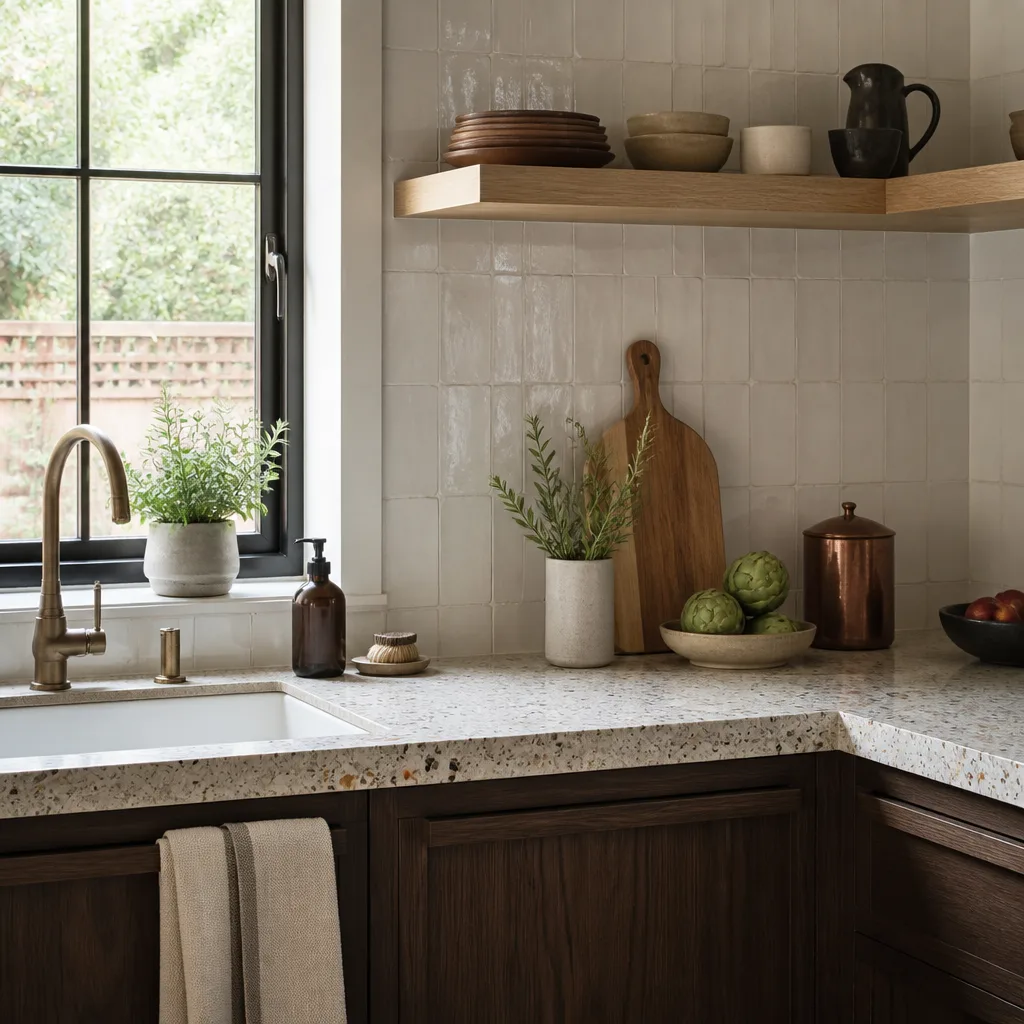
- Kitchen remodeling
- Bathroom remodeling
- Home additions & ADU
- Roofing
- Windows & doors
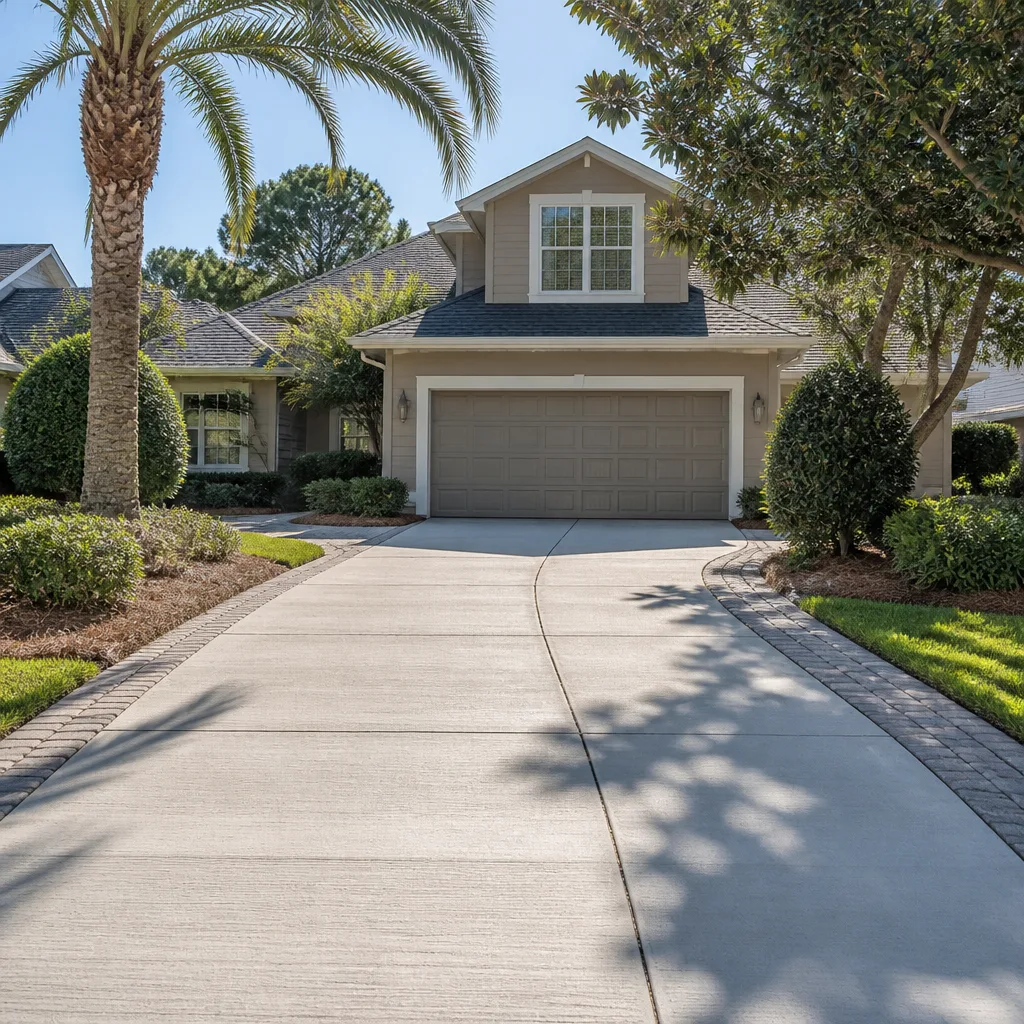
- Driveway & pavers
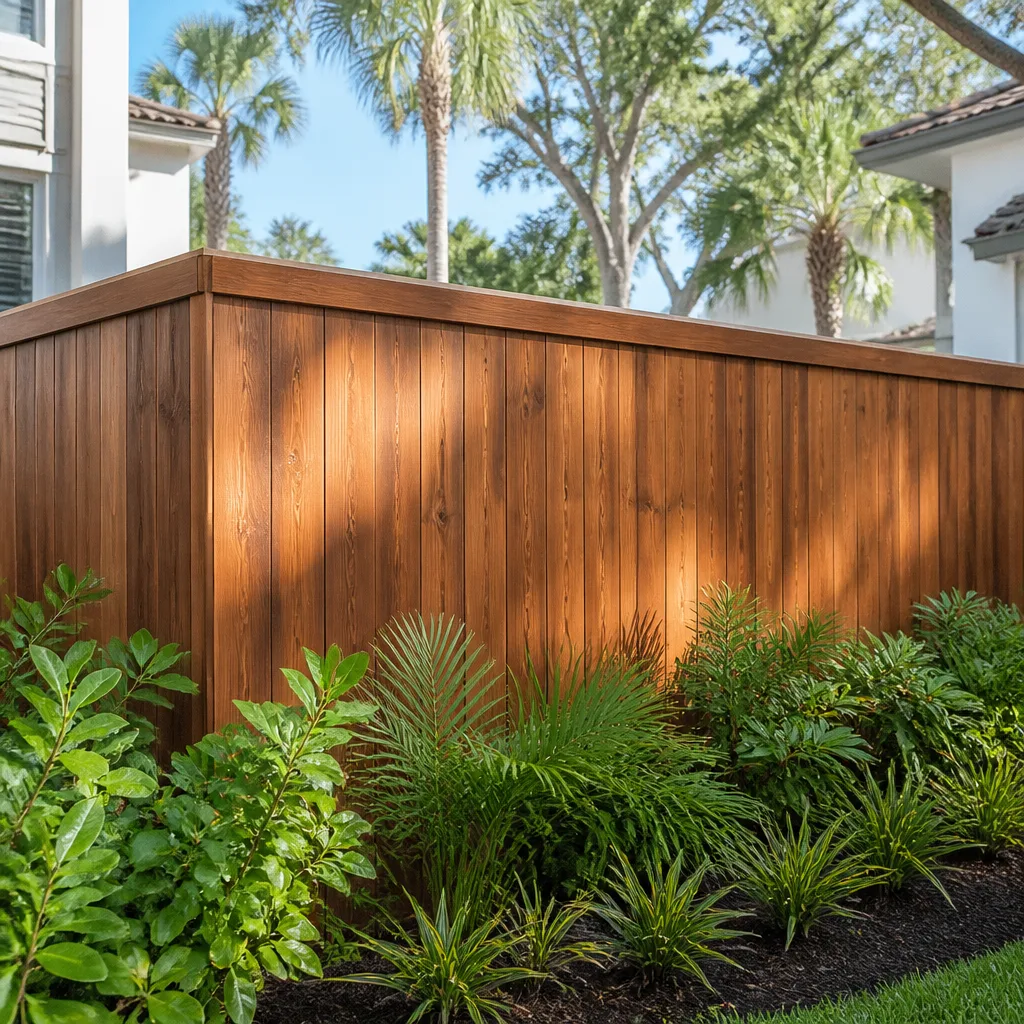
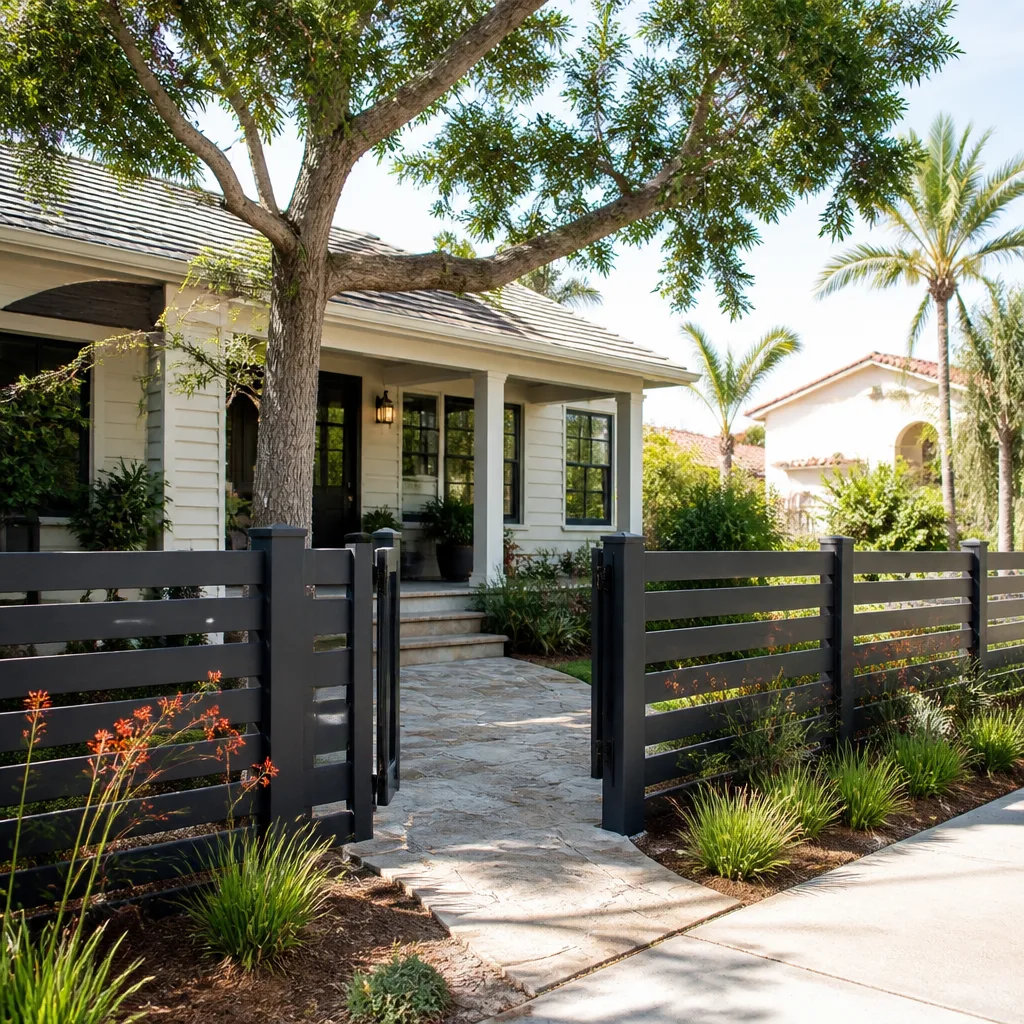
- Fence
See the difference
 Before
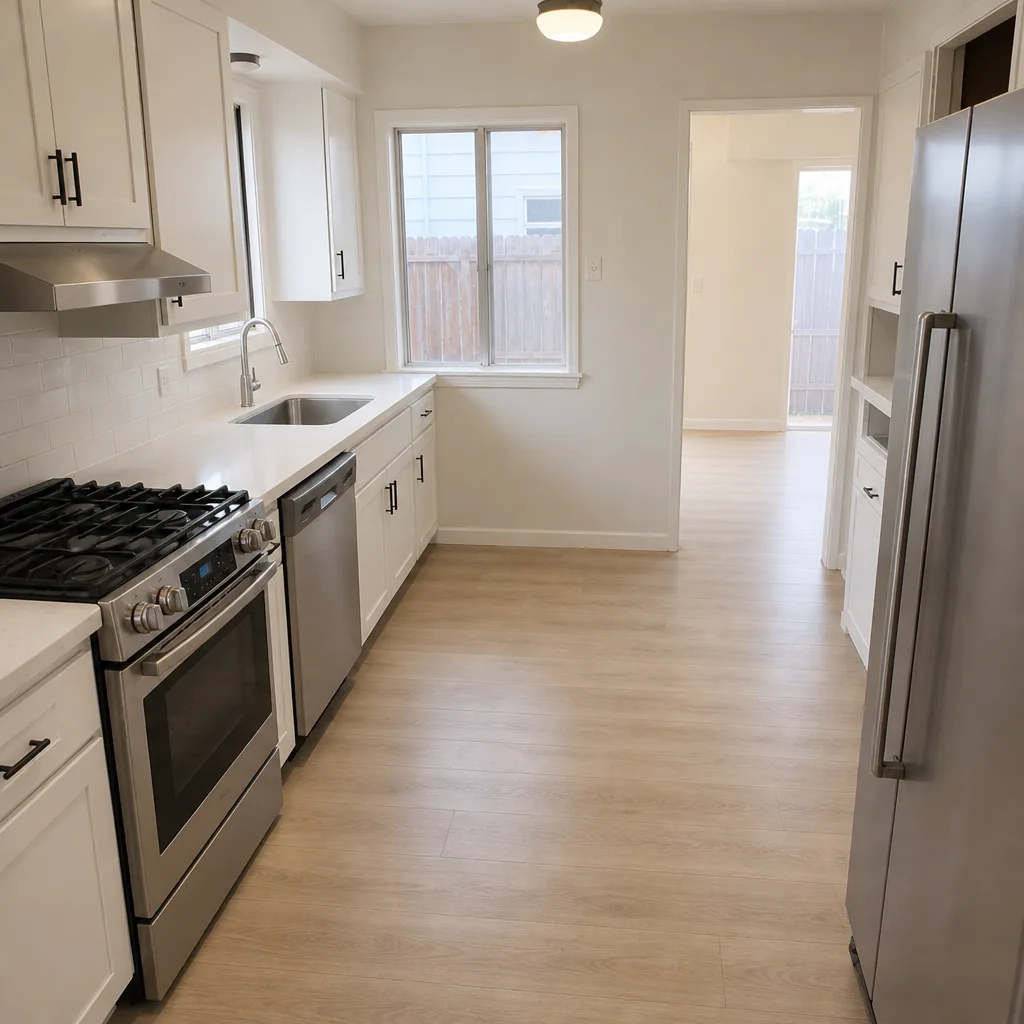 After
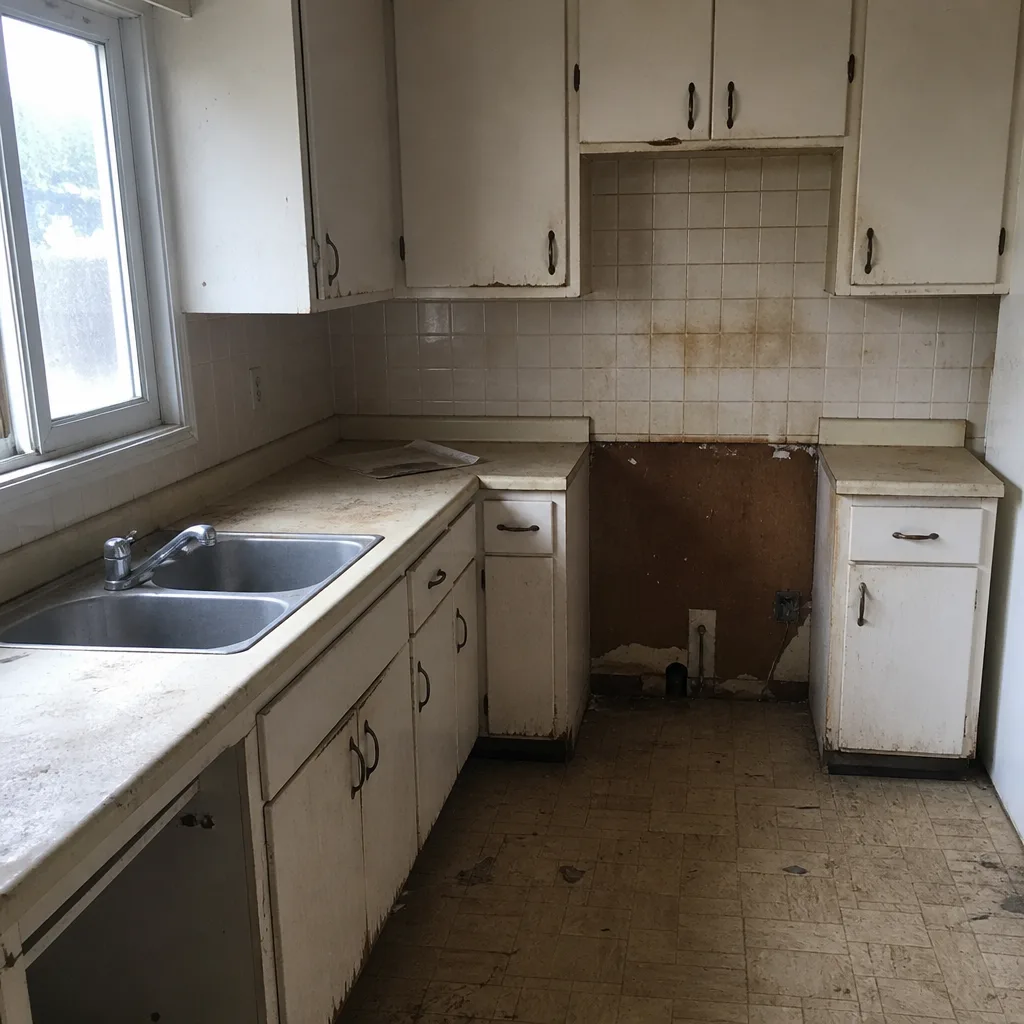 Before
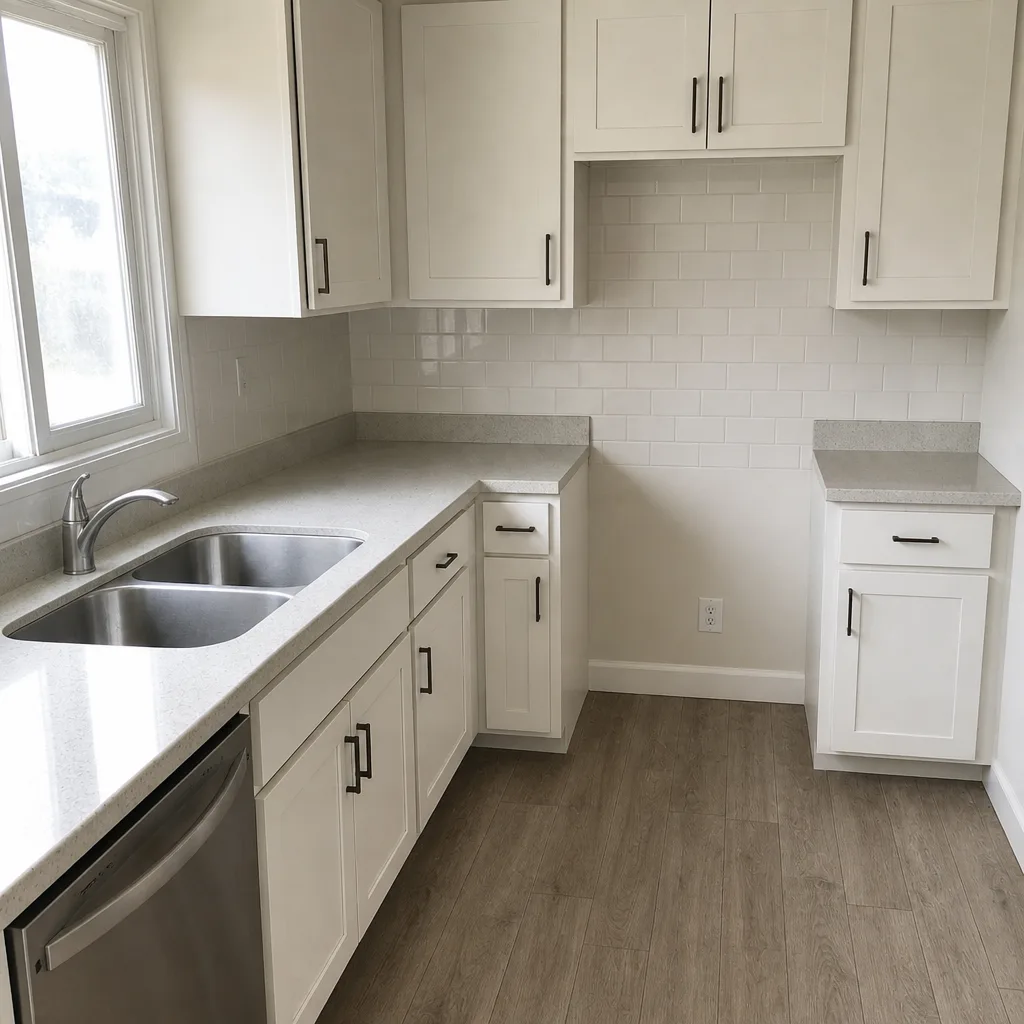 After
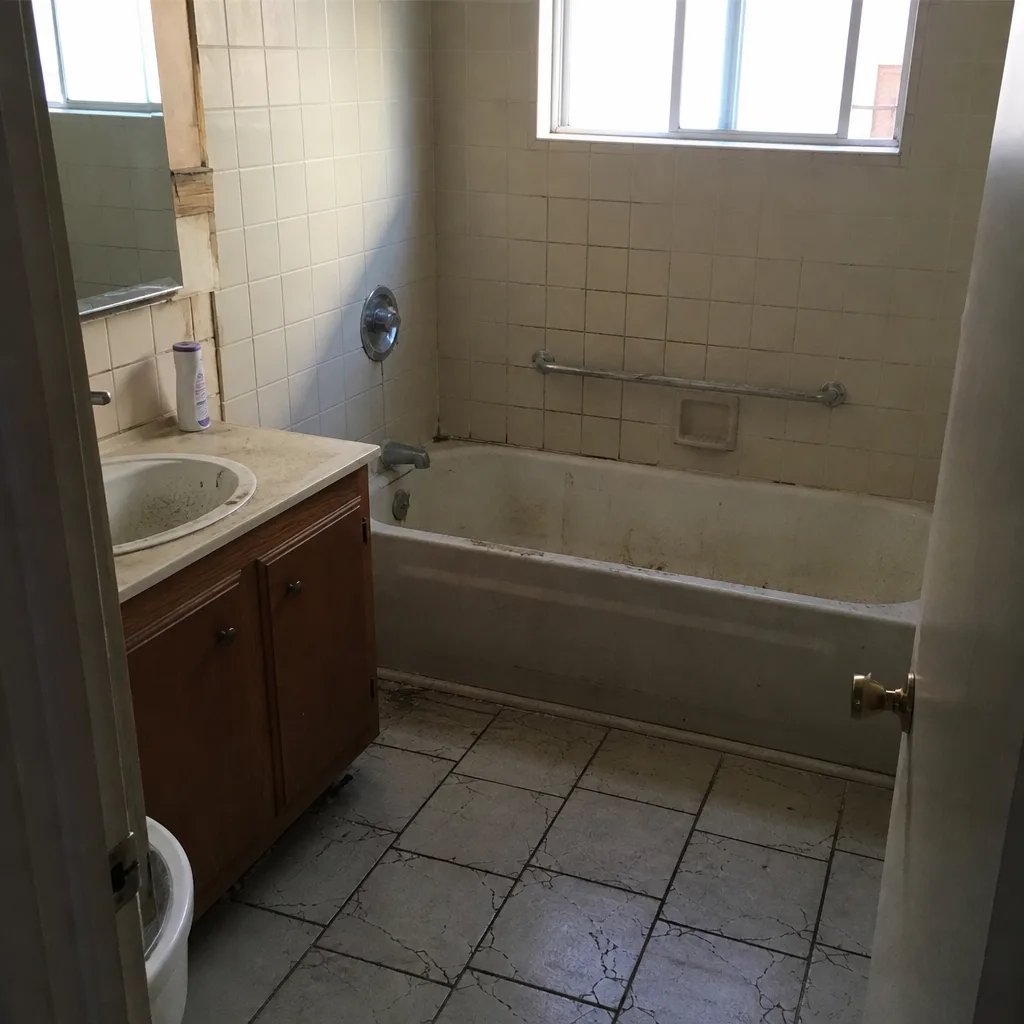 Before
 After
Vinyl vs Aluminum Fence in Richmond, CA: Choose Aluminum for South and West Runs, Vinyl for East-Facing Privacy Lines
Choose aluminum if your fence line takes the afternoon sun and steady salt-air off the bay, and choose vinyl if you’re fencing an east-facing side yard where privacy matters more than wind load. That’s the short answer for Richmond, CA, and it runs against the usual “both are maintenance-free” pitch. In Richmond’s fog belt, neither material is truly maintenance-free. They just fail in opposite directions and on different schedules. If you want a straight read on your specific lot, call Groundwork Construction Co. of Richmond at (833) 700-4611 and we’ll walk the property line with you.
Key Takeaways
- Sun exposure and thermal cycling punish vinyl faster on south and west runs.
- Salt air corrodes aluminum’s steel fasteners at contact points, a failure mode vinyl never touches.
- Bay-corridor gust loads change post depth requirements, especially on solid vinyl panels.
- Typical Richmond installs land between $3,500-$9,000 for vinyl and $4,000-$10,000 for aluminum.
Why “Maintenance-Free” Doesn’t Survive Richmond’s Marine Layer
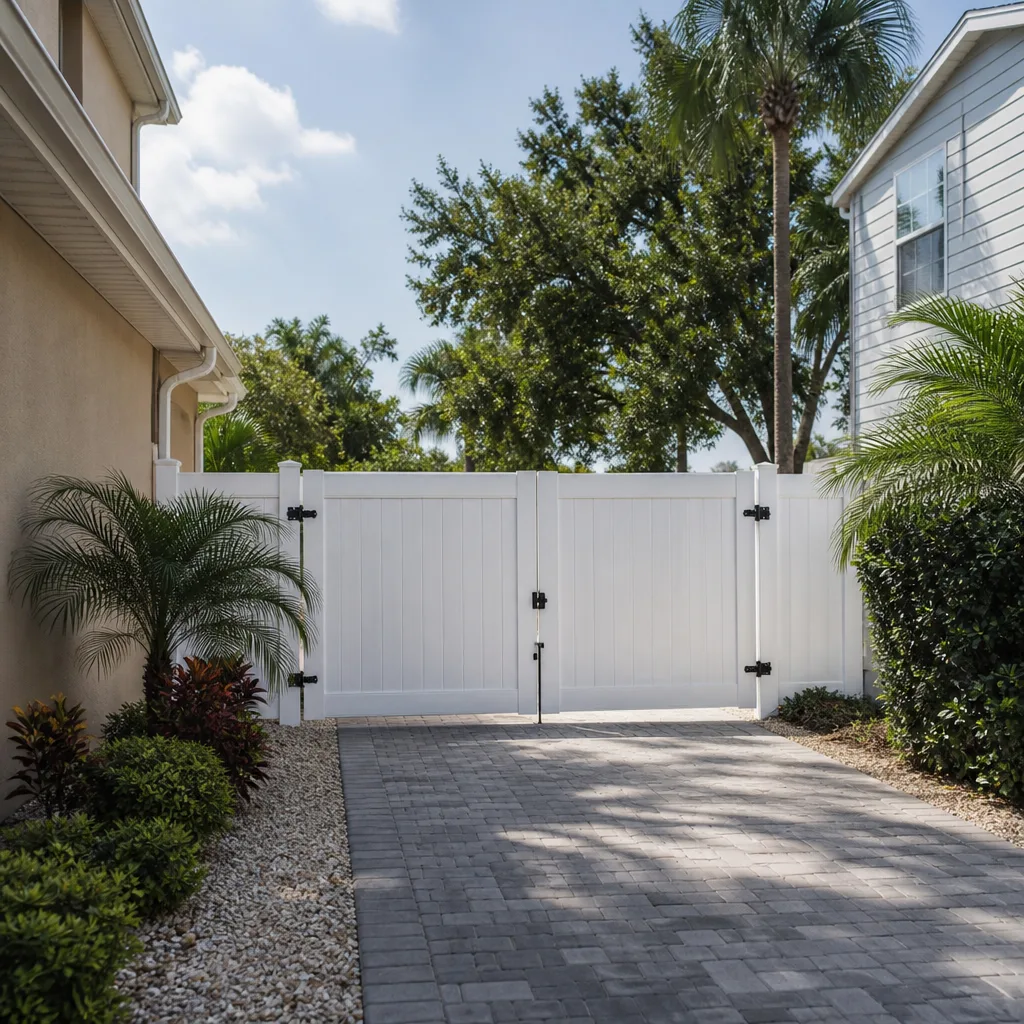
The fog changes the math. Richmond runs cool and damp most of the year, and a fence on a south-facing run takes UV all afternoon while the marine layer keeps temperatures from ever drying the surface out completely. Vinyl hates that combination. Moisture sits on the skin of the panel, UV oxidizes the surface chemistry, and you get chalking first, then hairline cracks at stress points within a few seasons. Inland California fences don’t take this beating the same way because the air dries out. Richmond’s doesn’t.
Aluminum shrugs off the UV. It won’t chalk or go brittle. What it does instead is corrode at the fastener points. Most powder-coated aluminum fence systems still use steel or zinc self-tapping screws at the post brackets and picket rails, and in bay salt-air those fasteners start to oxidize before the aluminum does. We’ve pulled brackets off Richmond fences where the coating was flawless and the screw was halfway to rusted through, staining the post face and letting the rail loosen. That galvanic mismatch is the aluminum failure nobody puts on a brochure.
Which is why Groundwork Construction Co. of Richmond specs fasteners per exposure, not per catalog. Our technicians have up to 12 years of experience, and the ones who work Richmond’s waterfront and flatlands know where the salt load runs heavier. We source fencing hardware through suppliers that hold up in coastal conditions, the same standard we hold our GAF and CertainTeed roofing partners to. Built to last, backed in writing – that’s the point of the Fence Installation work we do here.
The Orientation Framework: Which Wall of Your Yard Are You Fencing?
Look at the sun path and the wind before you pick a material. Here’s how we read a Richmond lot.
- South and west-facing runs: Aluminum. Maximum UV, maximum thermal cycling, and the marine layer keeping vinyl damp on the shaded side. Aluminum holds its structure and finish through both.
- East-facing and shaded runs: Vinyl. Less UV load, less salt-air exposure on the inland side, and vinyl’s total immunity to corrosion makes it the safest long-term call there.
- Waterfront and bay-corridor lots: Aluminum frame with stainless or coated fasteners, or vinyl if you want zero metal-to-metal contact. This is where fastener spec matters most.
- Lots on former industrial fill: Footings drive the decision as much as material does. Richmond’s shipyard legacy means pockets of fill soil and buried debris, and post depth has to account for what’s actually underground.
The housing stock reinforces this. South Richmond and Iron Triangle bungalows often sit on tight lots with a south-facing back line against a neighboring structure, so the fence gets reflected heat off the wall plus full sun. Parkview and Verde tract homes in the east tend to have more even exposure and a longer east run, where vinyl earns its keep. On Richmond Heights and El Sobrante fringe properties the grades shift, and post embedment becomes the spec that actually matters.
Privacy, Security, and Wind Load: Where the Two Materials Diverge Most
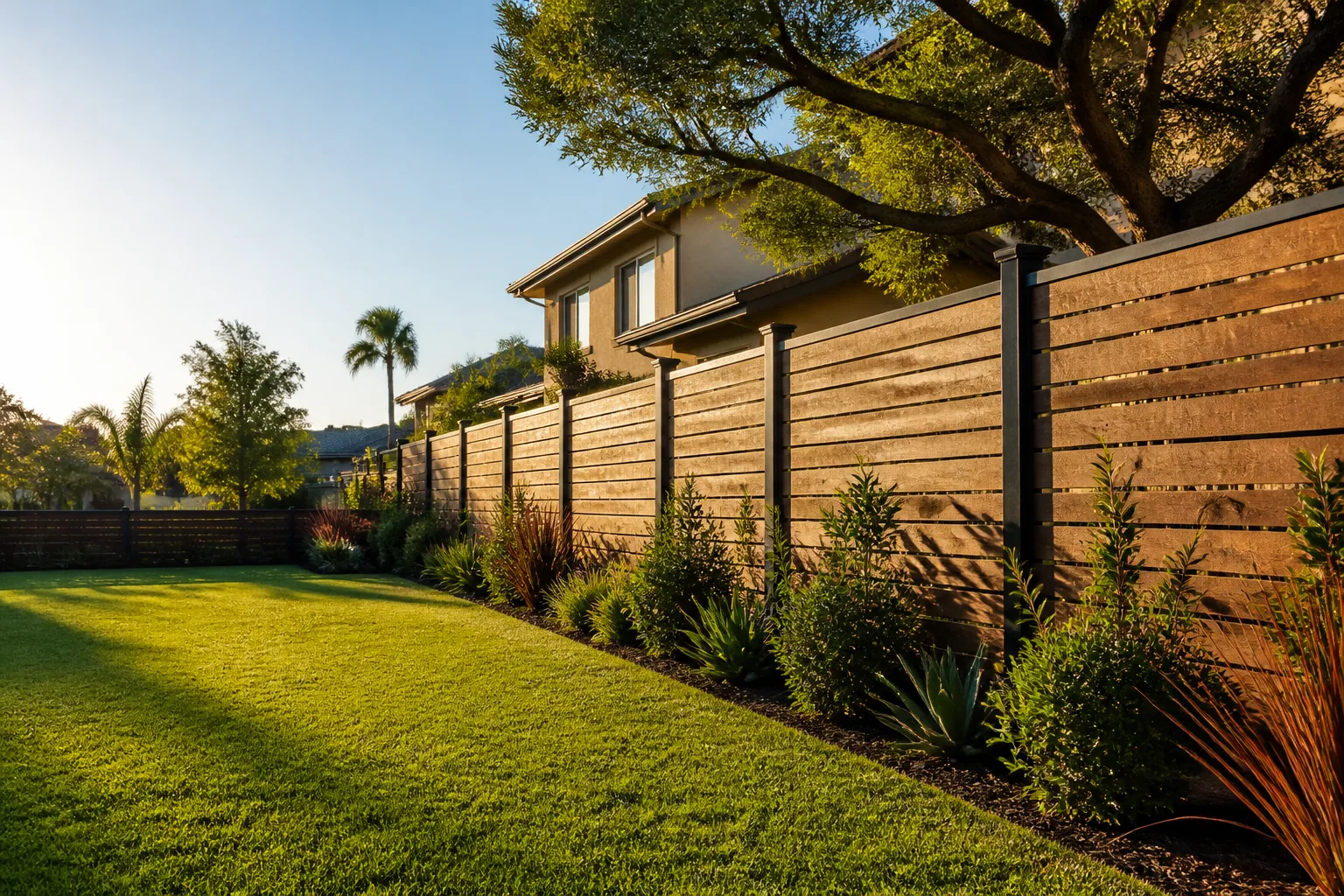
Aluminum’s open picket design gives you sightlines. For a homeowner who wants to see the yard, keep a view of the bay, or keep the fence from being a climbable screen, that openness is the point. It’s a security fence by visibility, not by solidity.
Vinyl panels give you full privacy and block wind-driven rain. They also block airflow. On Richmond’s bay-corridor lots where westerly gusts push through consistently, a solid vinyl panel is a sail. That changes post depth and footing size – a 6-foot solid panel in a gust corridor needs more embedment and often a concrete footing spec that a generic install skips. We’ve seen Richmond fences lean within two years because a crew set standard depth on an exposed run.
Our 730-Day Done Right Promise is where this gets real for you. If we spec the material and the footing and the fastener for your exposure and something fails inside that window, we make it right. Not every Richmond fence contractor will warranty both a vinyl install and an aluminum install for two full years in this climate. Asking that question up front tells you a lot about how the job will be built.
What Does Vinyl vs Aluminum Fence Cost in Richmond?
Vinyl typically runs a bit less than aluminum for the same linear footage, but on exposed or wind-loaded runs the footing and fastener work can close the gap. Here’s the Richmond range.
| Material | Typical Installed Range | Best fit for |
|---|---|---|
| Vinyl | $3,500-$9,000 | East-facing runs, full privacy, corrosion-free lines |
| Aluminum | $4,000-$10,000 | South/west runs, view preservation, salt-air exposure |
Upfront pricing means the number you see is the number you pay. Financing at 0% for 18 months and $1,000 off projects over $10,000 take the sting out of a longer run. For a fuller look at the trade and how we handle install scheduling, see Fence Installation in Richmond.
How Groundwork Construction Co. of Richmond Approaches a Fence Decision
We don’t lead with a brand or a material. We walk the line, look at sun exposure, note the wind corridor, check what’s under the footing, and then recommend. That’s the same discipline we bring to the rest of the home, from kitchens with KraftMaid and Cambria to roofing with GAF and Owens Corning and windows with Andersen and Pella. Fence is one line in a larger scope, and it should match the property, not the catalog.
Call and you reach a real person, any hour. Our technicians are background-checked, arrive in uniform, and leave you a written spec you can hold us to. To see the full breadth of what we install from foundation to finish line, start at the home page, or reach out directly and we’ll set a free project estimate and design consult.
FAQs
Aluminum holds up better on sun-exposed south and west runs, while vinyl wins on shaded east runs where its corrosion immunity matters most. The deciding factor is which wall of your yard you’re fencing, not the material itself. Richmond’s fog belt punishes vinyl with UV oxidation and punishes aluminum at fastener points, so exposure drives the call. Call (833) 700-4611 for a free, no-pressure read on your lot.
Vinyl installs typically land at $3,500-$9,000 in Richmond, and aluminum at $4,000-$10,000, depending on run length, footing depth on wind-exposed lines, and gate count. Extra post embedment on a bay-corridor lot can push both toward the top of range. Call (833) 700-4611 for an exact quote, with estimates free.
The aluminum itself doesn’t rust, but the steel or zinc fasteners at brackets and rails can corrode at the contact point in bay-influenced salt air. That’s why fastener spec matters as much as the aluminum finish, and why we choose hardware per exposure. If you’ve noticed staining or loosening at the brackets on an existing fence, call (833) 700-4611 and we’ll take a look.
It can, if the posts are set deep enough for the exposure and the panel doesn’t act as a sail on an open run. Solid vinyl panels on bay-corridor lots with steady westerly gusts need a different footing spec than a sheltered side yard. Get the footing right at install and vinyl holds up; skip it and you’ll see lean within a couple of seasons. Call (833) 700-4611 to set a site walk.
If you’d rather have it looked at, Groundwork Construction Co. of Richmond offers a no-pressure assessment in Richmond – call (833) 700-4611 and we’ll bring the framework to your property line.
Written by the team at Groundwork Construction Co. of Richmond, serving Richmond, CA.