Free written scope consultation - allowances, timeline, and change-order rules on paper before a single trade is scheduled
Styles & brands we work with
- Kitchen remodeling
- Bathroom remodeling
- Home additions & ADU
- Roofing
- Windows & doors
- Driveway & pavers
- Fence
See the difference
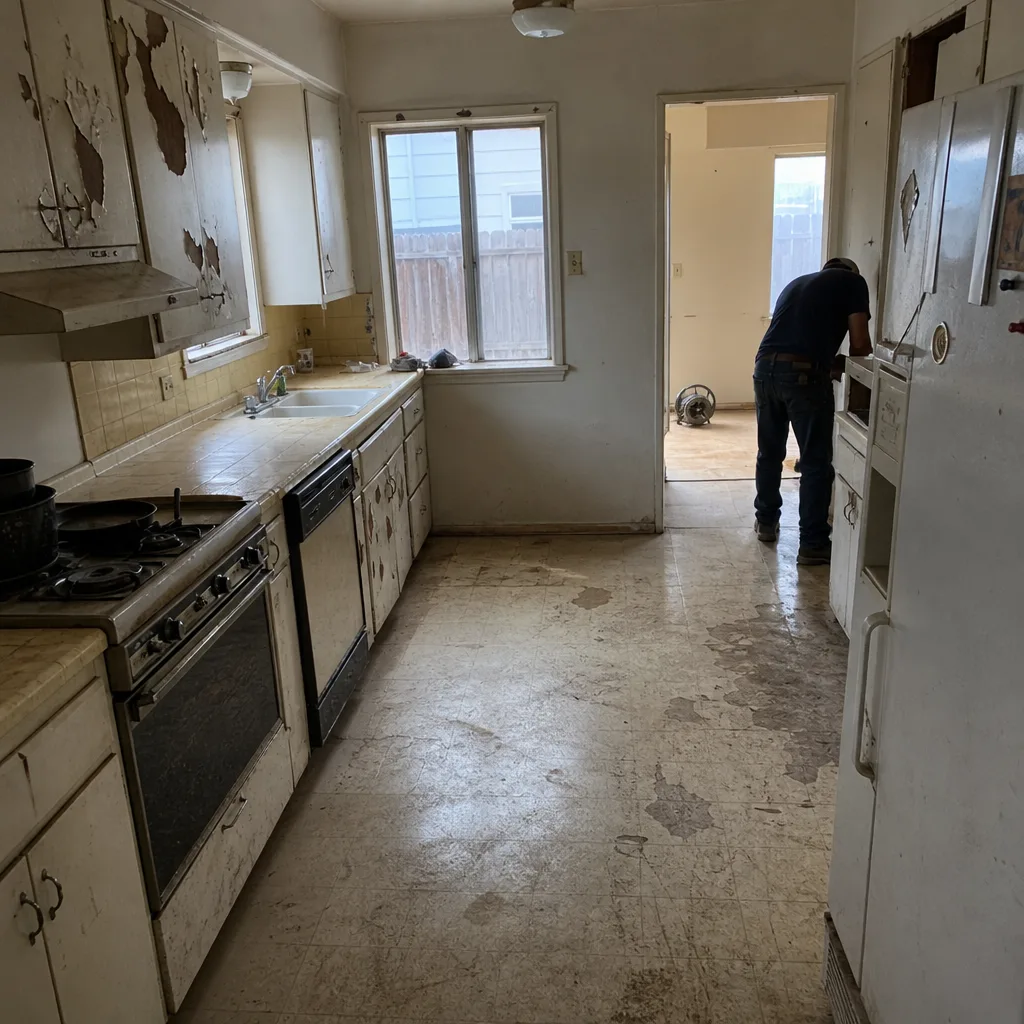 Before
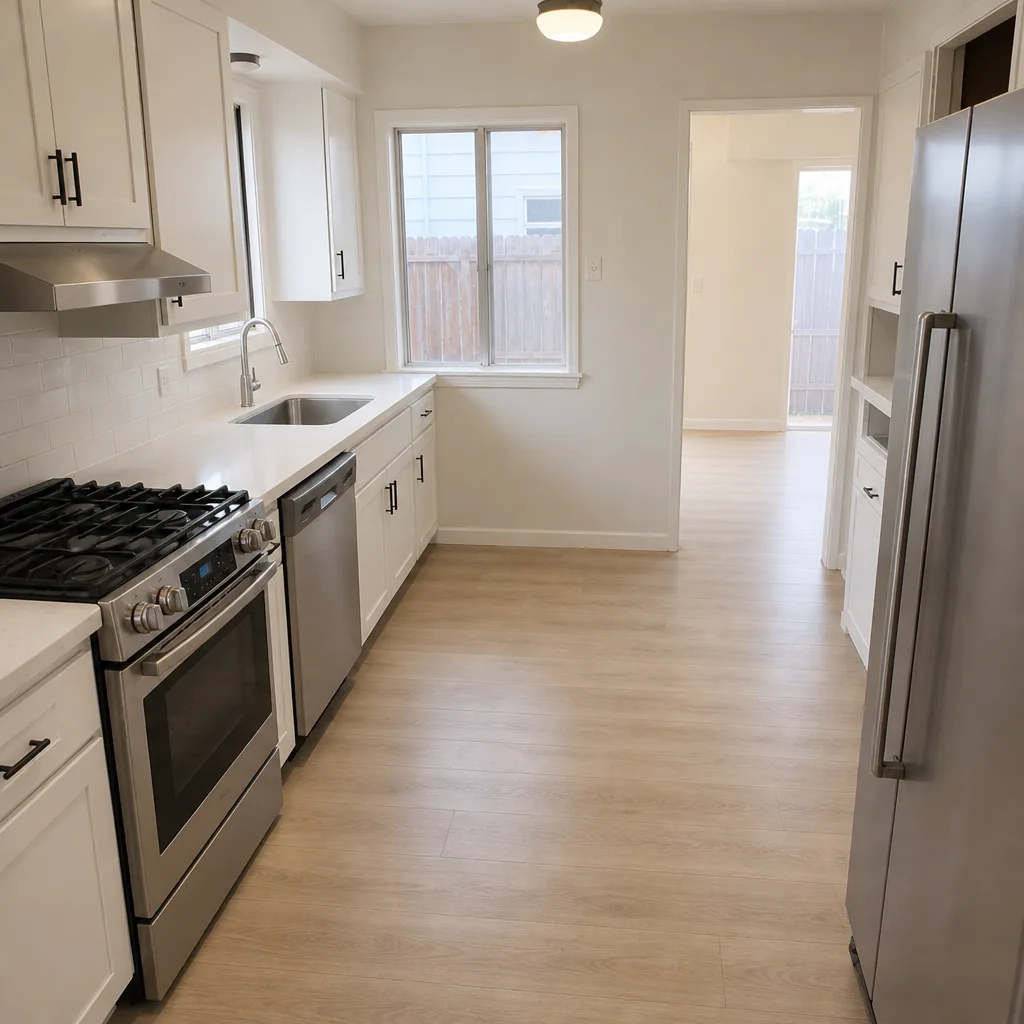 After
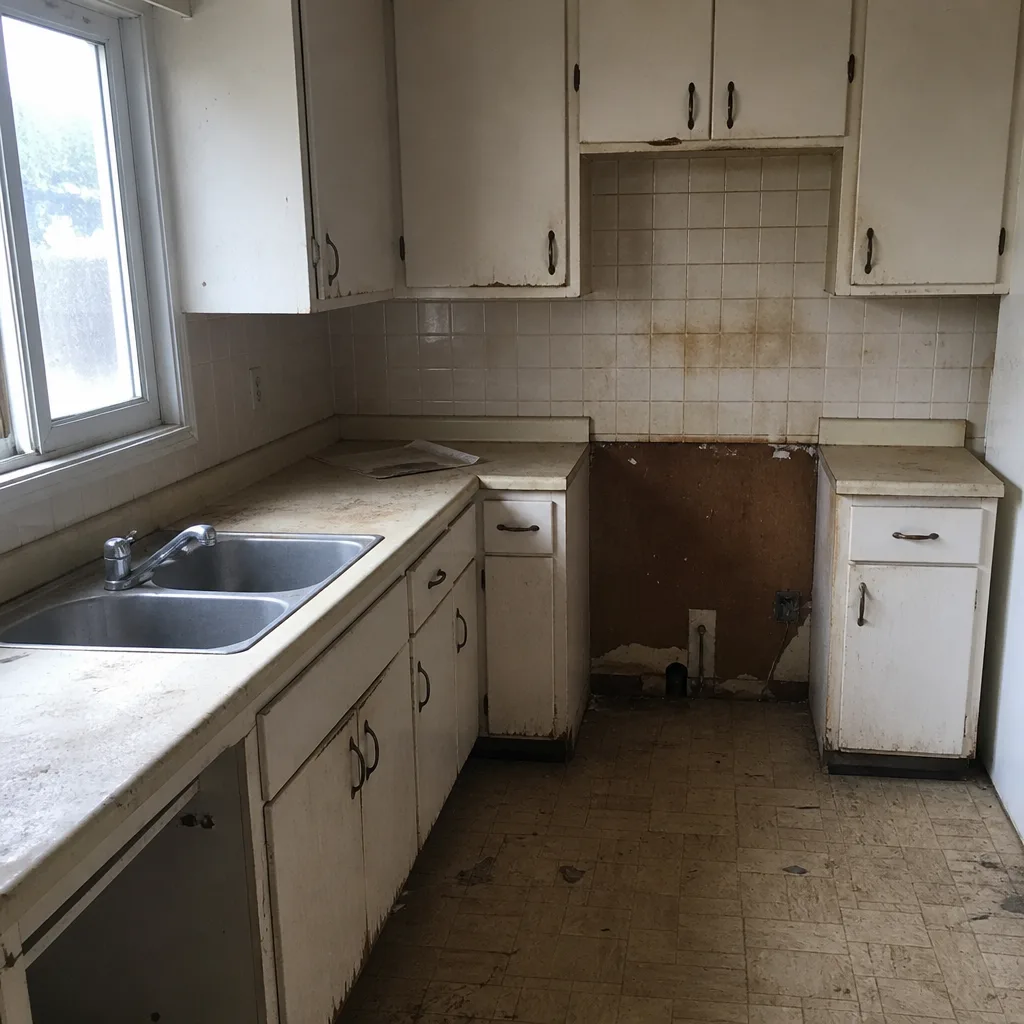 Before
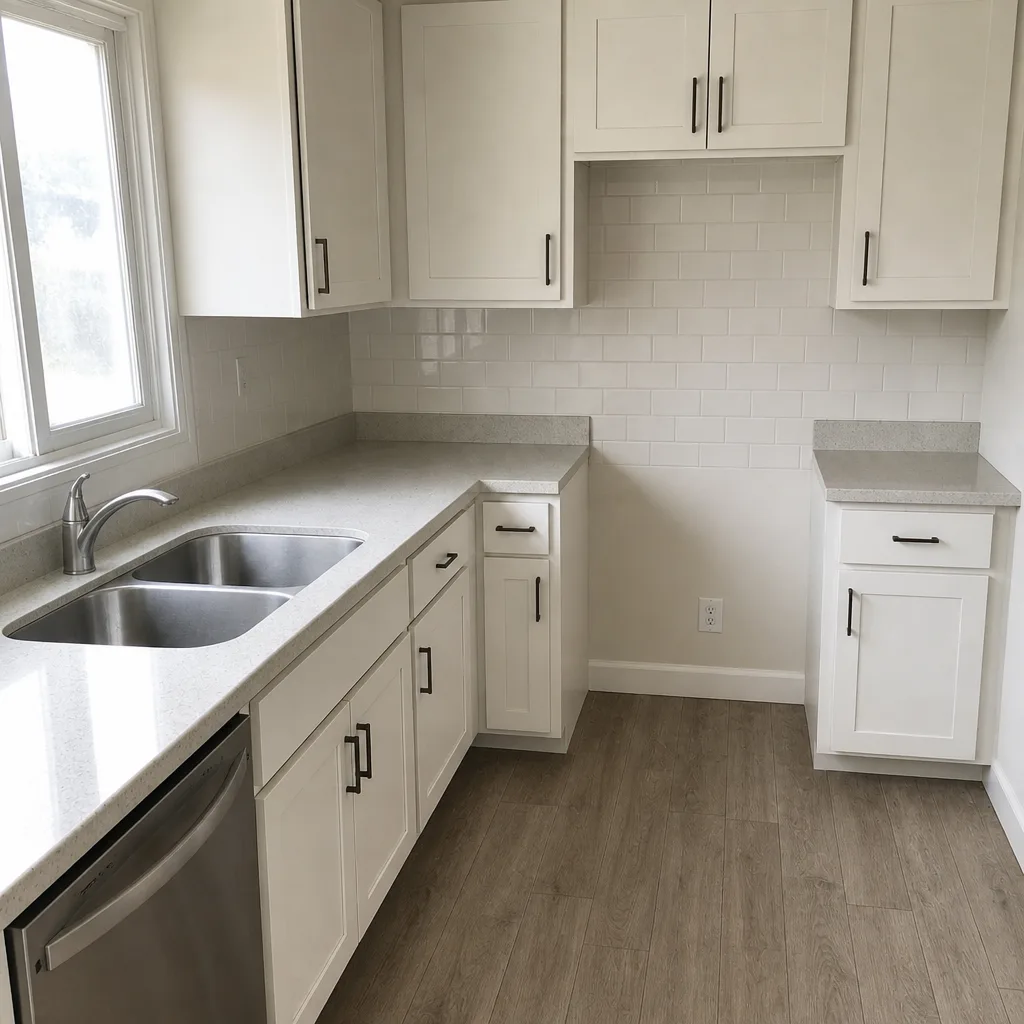 After
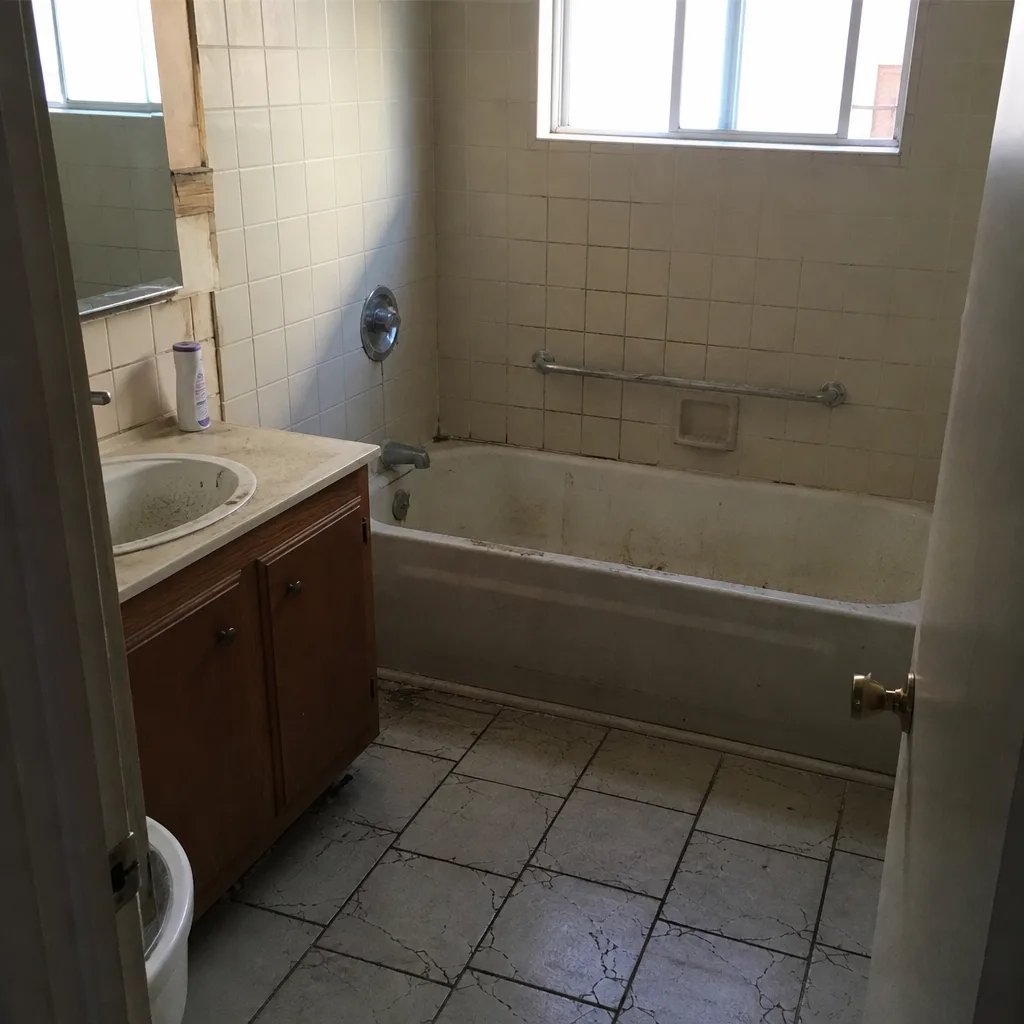 Before
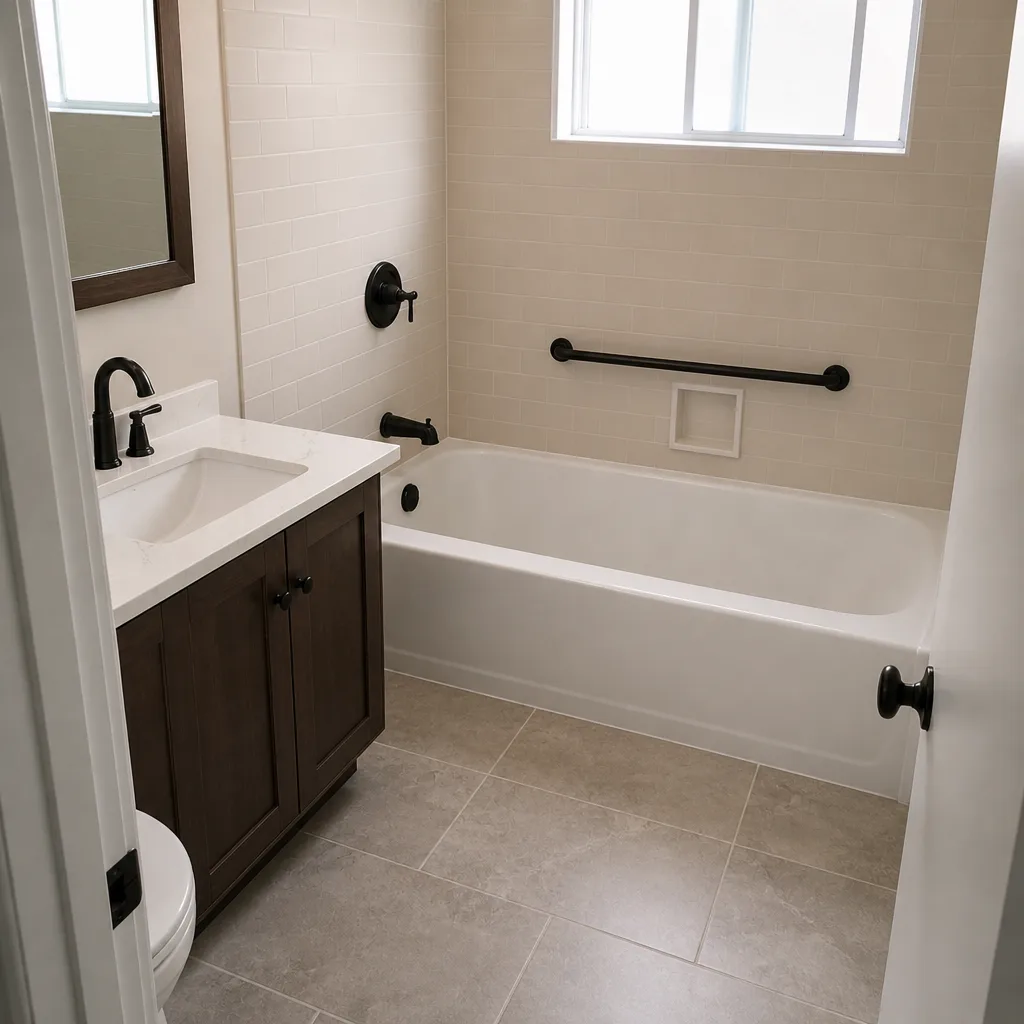 After
How Long Does a Paver Driveway Last in Richmond, CA? The Honest Answer Is Two Numbers
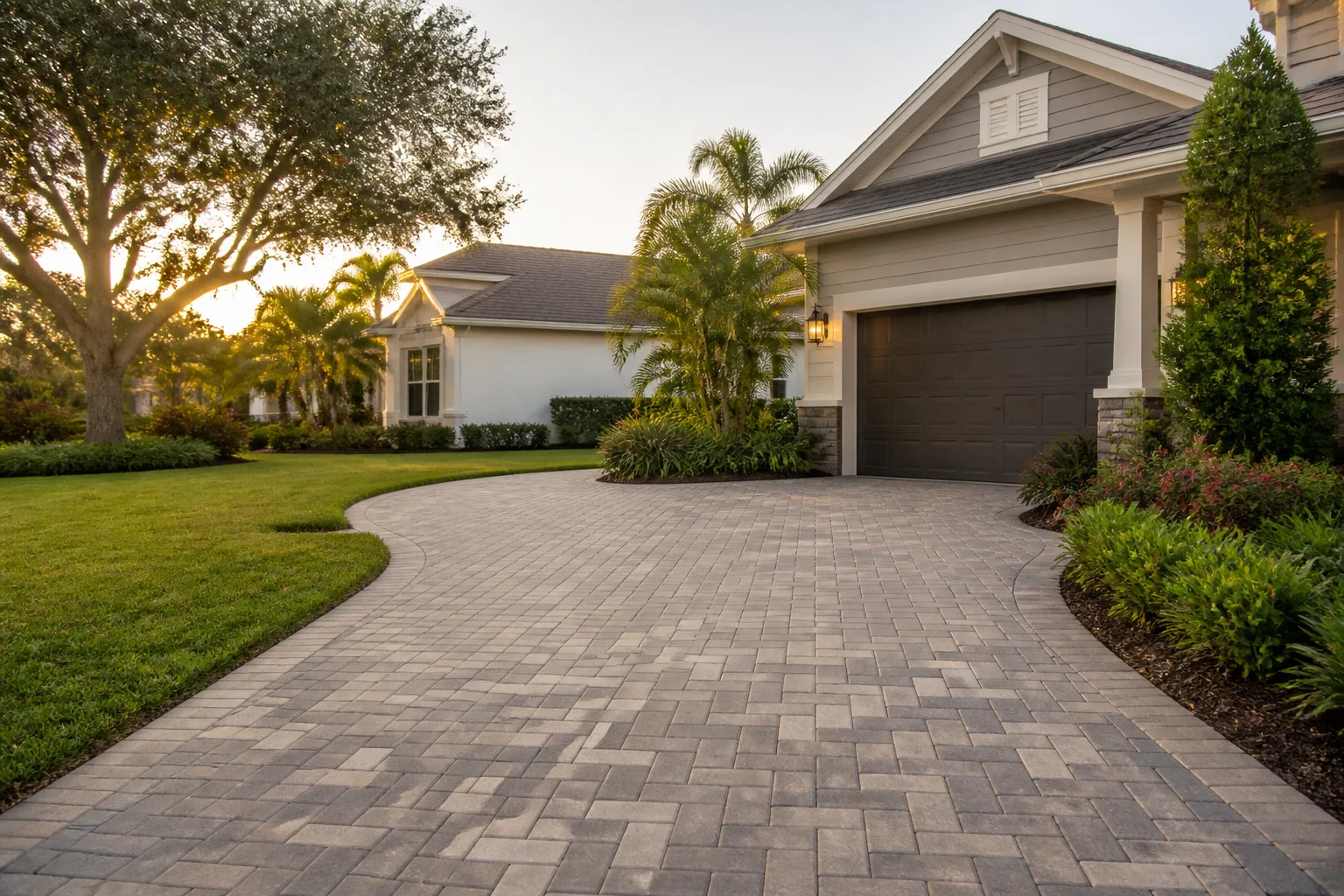
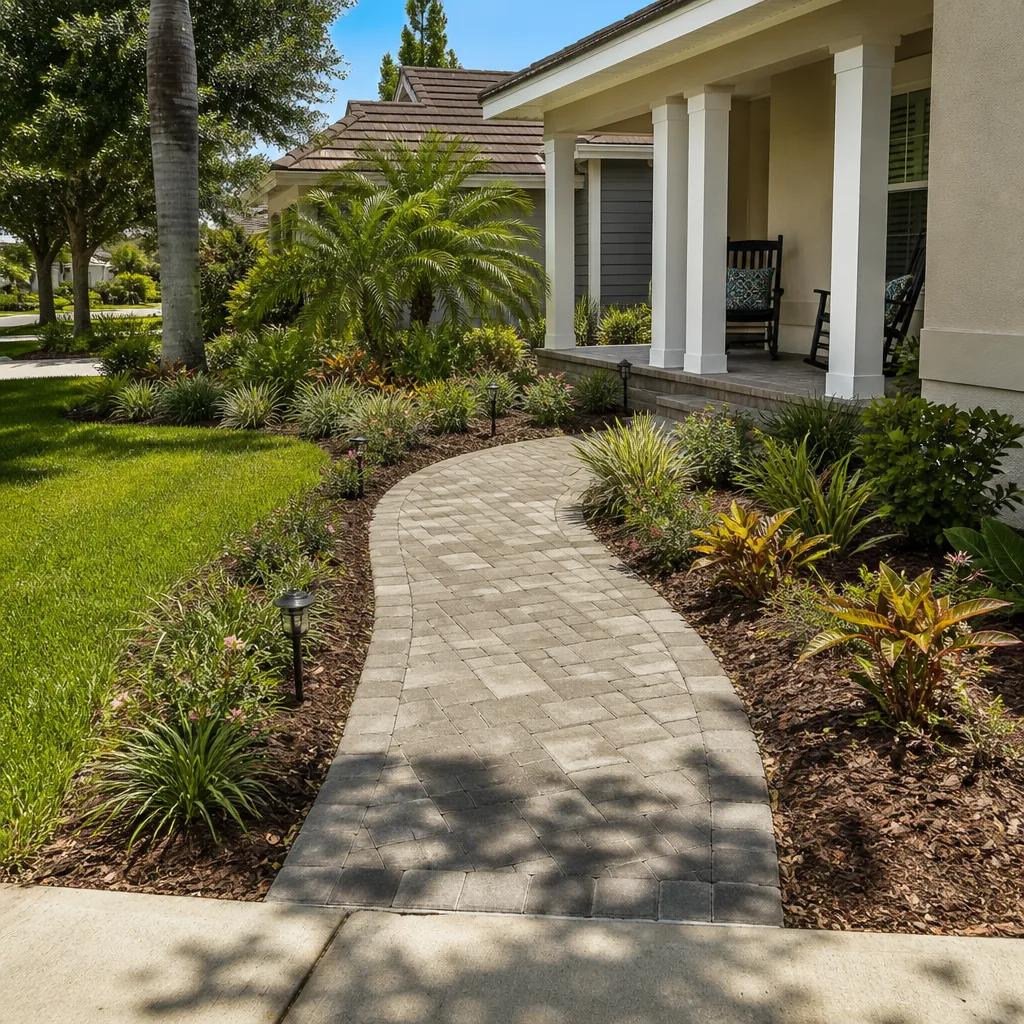
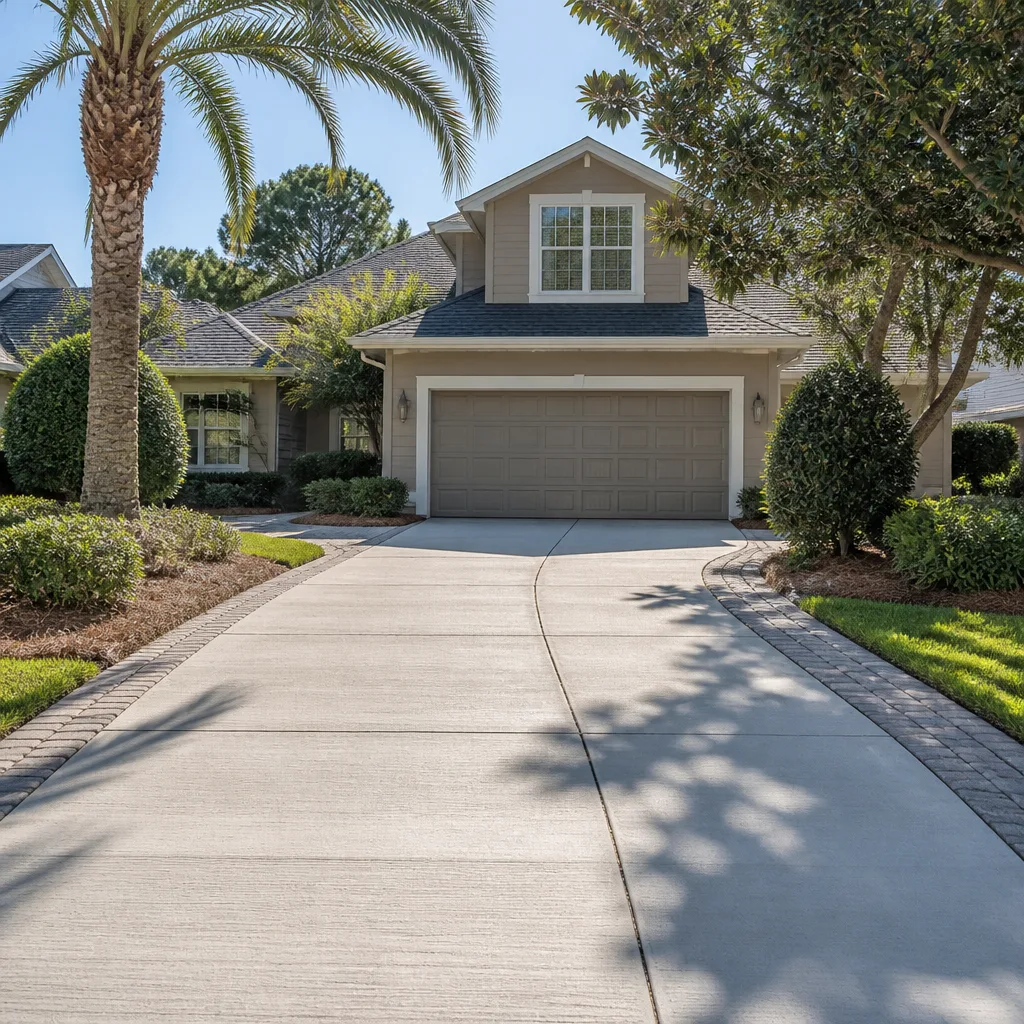
A paver driveway lasts 25 to 50 years when the pavers and the base underneath are both done right. In Richmond, the paver itself is rarely the problem. The base layer is what decides whether you get 30 years out of that driveway or you’re tearing it out inside a decade. The paver can last 50 years. An undersized base over Richmond’s clay soils and wet winters can fail in 7. That gap is a base-engineering question, and most bids answer it with a shovel depth instead of a soil read.
If your Richmond driveway is already showing joint widening or a wave in the surface, call (833) 700-4611 and we’ll tell you whether it’s the base or the stone.
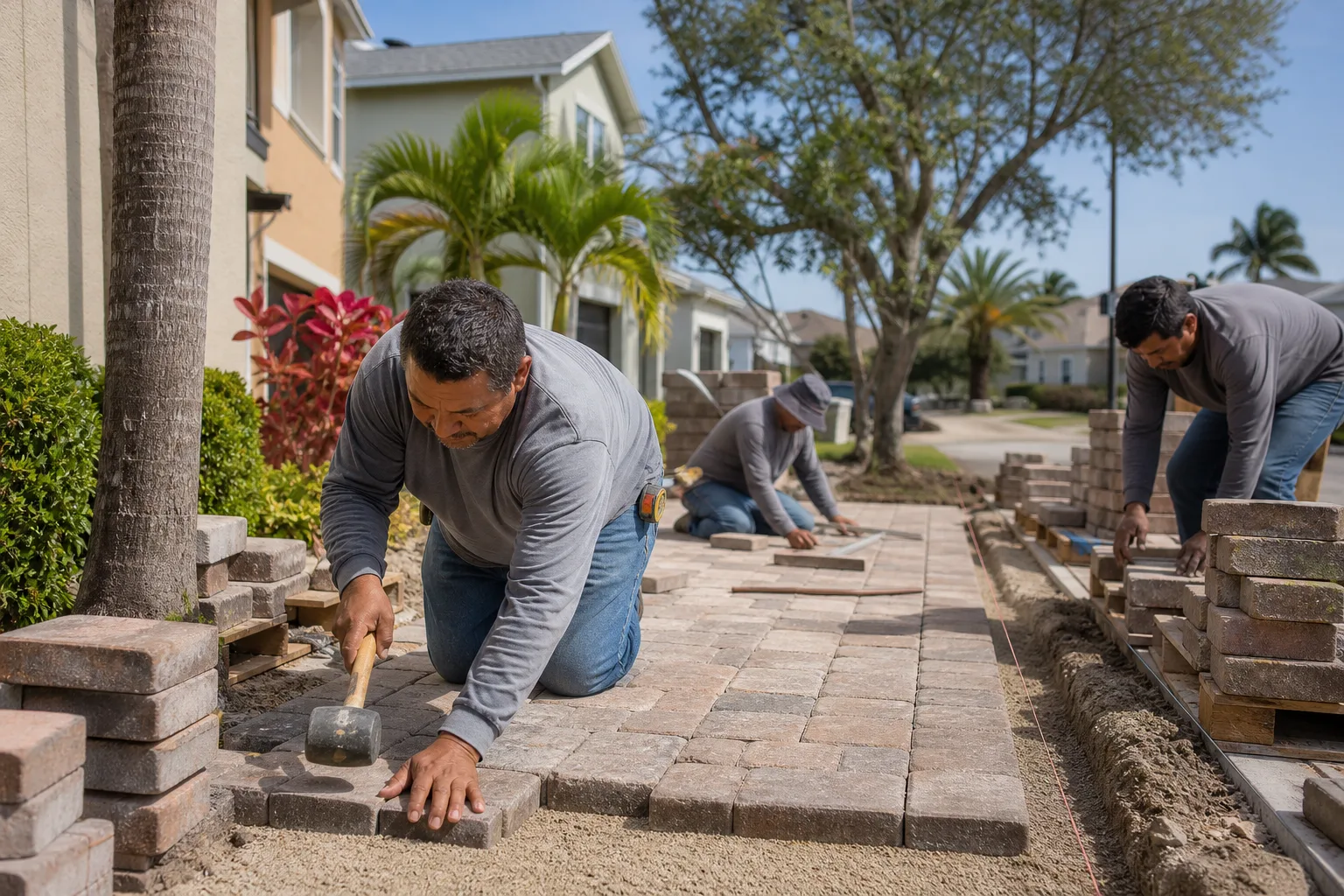
Why Richmond Chews Up Paver Bases That Do Fine Elsewhere
Groundwork Construction Co. of Richmond builds a lot of driveways on both sides of the city, and the pattern is consistent: clay-heavy subgrades plus winter rain equals movement. Richmond sits on the bay with cool, fog-influenced summers and genuinely wet winters. On the low-lying flatlands near the water, that rain soaks into clay that drains slowly. When clay takes on water it swells. When it dries out in late spring it shrinks back. That expansion and contraction happens under your driveway twice a year, every year.
Here’s the part contractors from drier markets miss. Richmond doesn’t get hard freezes, but it does get frost-heave-like movement from saturated clay. The soil heaves and settles without ever freezing. Pavers ride that movement. If the base rock and compaction aren’t sized for it, the pavers start stepping and separating within a few seasons. A crew that learned the trade in a dry inland market will quote you the same 4-inch base they always use, and it’ll be undersized for Richmond clay.
The two lifespans, side by side
Think of it as two separate clocks running at the same time.
| Component | Expected life | What controls it |
|---|---|---|
| Paver material | 25-50 years under normal driveway load | Manufacturer, thickness, freeze-thaw rating, joint sand upkeep |
| Base layer (base rock + compaction + drainage) | 7-30 years | Soil type, drainage, compacted depth, edge restraint |
The 25-50 year figure that gets quoted everywhere is a material lifespan. It assumes a base that’s built for the site. On a Richmond lot with competent native soil and good drainage, you can chase that top number. On a lot near the bay or over fill, you’re pushing against the bottom of the range unless the base is built deeper and reinforced.
The Lots Where the Math Changes: Bay Proximity, Fill Soil, and Legacy Ground
Richmond’s construction history is heavy-industrial. Swaths of former Kaiser Shipyards land and refinery-adjacent ground mean contractors here routinely hit contaminated soil, buried fuel tanks, and fill ground that needs a soil management plan and DTSC or Bay Area Air Quality permits that a homeowner over in El Cerrito or San Pablo never touches. Your driveway might be the one part of the property that doesn’t need a phase of environmental review, but it sits on the same ground.
What that means for longevity: on soft fill or bay-mud ground, the base needs a geotextile separation fabric and deeper base rock to reach the same surface stability a native-soil lot gets for less. Without the fabric, fine clay particles pump up into the base rock over time and the base loses its drainage. That’s a slow failure, and it shows up as settling at the edges and along the wheel tracks. On the older flatlands – the 1910s-1940s shipyard-worker bungalows in South Richmond and the Iron Triangle – the driveway often replaces a worn apron on ground that’s already been disturbed, and we test before we design a base depth. If you’re reworking a driveway as part of a larger exterior project, our Driveway & Pavers page covers the full scope.
Base Failure or Paver Failure? How to Diagnose What You’re Looking At
You can tell which clock has stopped by what you see on the surface.
- Joint widening, pavers stepping, or a visible wave in the surface = base issue. The pavers themselves are likely fine. This is fixable by lifting, re-basing, and resetting, and it’s the kind of failure that worsens with every wet winter you ignore it.
- Individual pavers spalling, chipping, or cracking = material issue. Usually one unit or a batch. You replace the affected pavers, not the whole driveway.
- Settling concentrated along the edges or wheel paths = edge restraint or compaction problem. The base didn’t hold its line, or the edge wasn’t locked in.
- Water pooling at the garage apron or the low corner = drainage pitch problem. Left long enough, that pooled water works into the base and starts the whole cycle.
Widening joints and surface undulation almost always point to the base. When we see it in Richmond, it’s usually a driveway that went in over unprepared clay with a shallow base. That failure is recoverable, and it’s cheaper than a full replacement if it’s caught early.
What Two Years of Real Proof Looks Like: The 730-Day Done Right Promise
A base is only as trustworthy as the people who stand behind it. Groundwork Construction Co. of Richmond backs every driveway under the 730-Day Done Right Promise – if it’s not done right, we make it right. For a paver driveway that means two years of real-world proof that the base was built for Richmond. If pavers shift or sink inside that window, we pull them, re-base, and reset at no charge. That guarantee is one of the longest workmanship promises in the residential construction space, and it’s specifically the part of the job that a base problem tests.
We use Belgard pavers and a curated set of brand partners across every trade, so the surface you’re paying for is a known quantity. Our technicians have up to 12 years of experience, and they arrive background-checked and in uniform. Calls are answered by a live person 24/7 – no voicemail black hole. Upfront pricing means the number you see is the number you pay. You can also apply the standing $1,000 off on projects over $10,000, and 0% financing for 18 months to spread the cost of getting the base right the first time.
What a paver driveway costs in Richmond
Paver driveway installation in Richmond runs $7,000-$18,000, with base depth and drainage pushing the top of that range on fill or bay-adjacent lots. Concrete driveway installation comes in at $4,500-$12,000, and asphalt paving at $3,500-$9,000. Driveway replacement runs $5,000-$14,000, and sealing, once a driveway is in, is $250-$700. The base is the line item you don’t want anyone trimming, because that’s the one that resets the clock on your pavers.
FAQs
A paver driveway lasts 25-50 years when the base is built correctly, but the base itself can fail in as little as 7 years on undersized or poorly drained ground. In Richmond that second number is the one to watch, because clay soils and wet winters put more stress on the base than a dry market would. The pavers outlast the base nearly every time. Call (833) 700-4611 for an assessment.
Pavers in Richmond typically sink or spread because the base under them is moving – usually saturated clay swelling and shrinking through the wet season, or an undersized base over fill. It’s a base problem, not a paver problem, and it’s fixable by lifting and resetting. Call (833) 700-4611 and we’ll come tell you whether the base held or not.
For a base failure, lifting and resetting the existing pavers is almost always cheaper than full replacement, usually a fraction of the $7,000-$18,000 range for a new install. Full replacement makes sense only when the pavers themselves are failing or the base is too shallow to salvage. Estimates are free – call (833) 700-4611 for an exact quote.
We can assess a shifting or settling driveway quickly, and many repairs are scheduled within days rather than weeks. Missed estimates and slow scheduling are exactly what our live-person, 24/7 call line is built to prevent. For a same-day look, call (833) 700-4611 and we’ll find the fastest window that works.
A Driveway Base Built for Richmond, Not Borrowed From Somewhere Else
If you’d rather have it looked at, Groundwork Construction Co. of Richmond offers a no-pressure assessment in Richmond – call (833) 700-4611 and we’ll check whether your paver driveway has a base problem or a paver problem, with an exact quote up front.
Written by the team at Groundwork Construction Co. of Richmond, serving Richmond, CA.