



Free written scope consultation - allowances, timeline, and change-order rules on paper before a single trade is scheduled
Styles & brands we work with
- Kitchen remodeling
- Bathroom remodeling
- Home additions & ADU
- Roofing
- Windows & doors
- Driveway & pavers
- Fence
See the difference
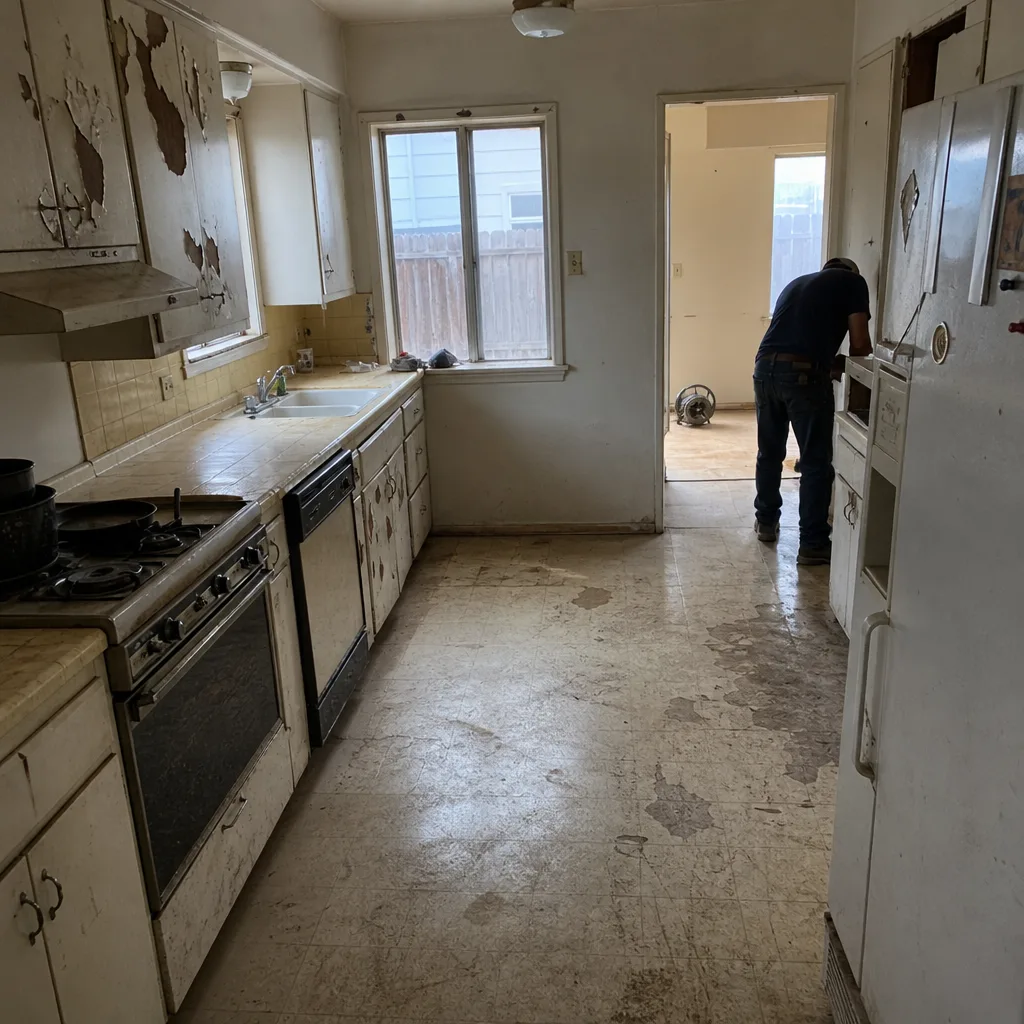 Before
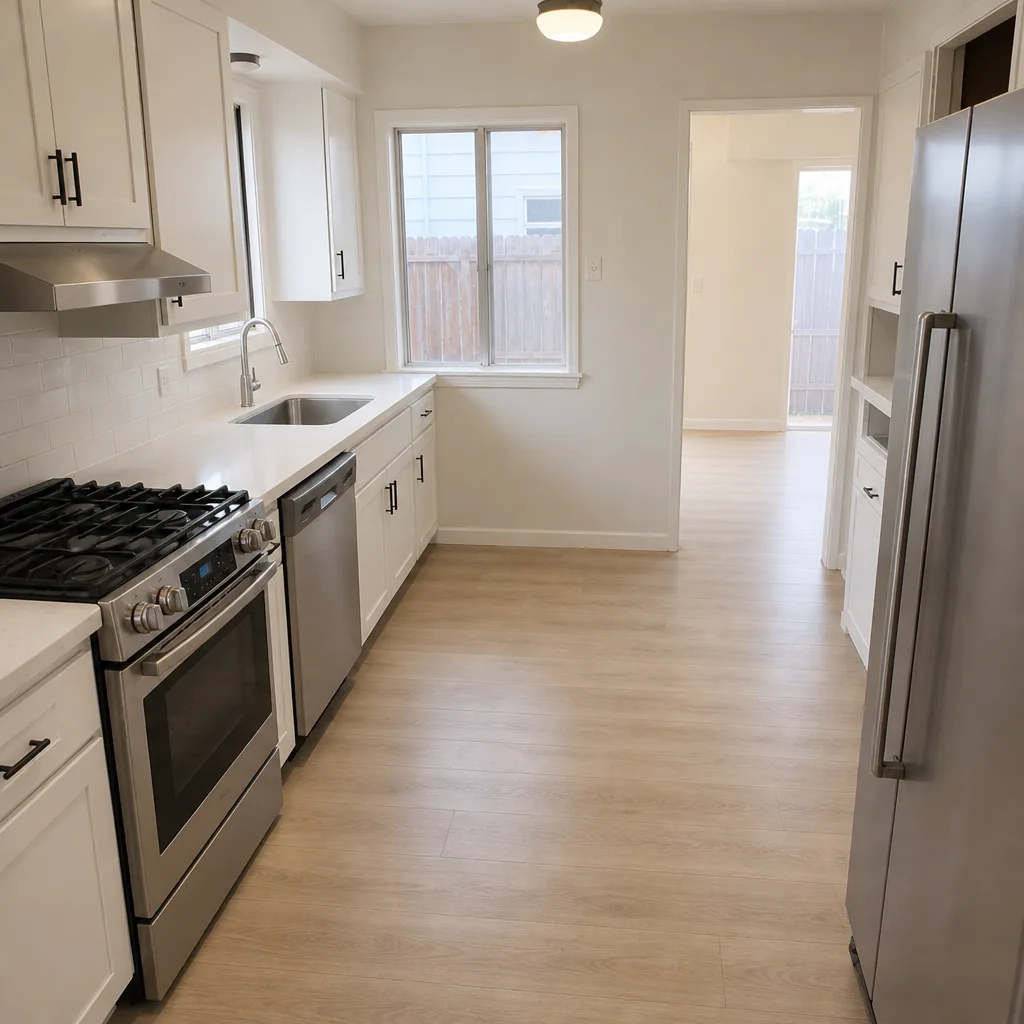 After
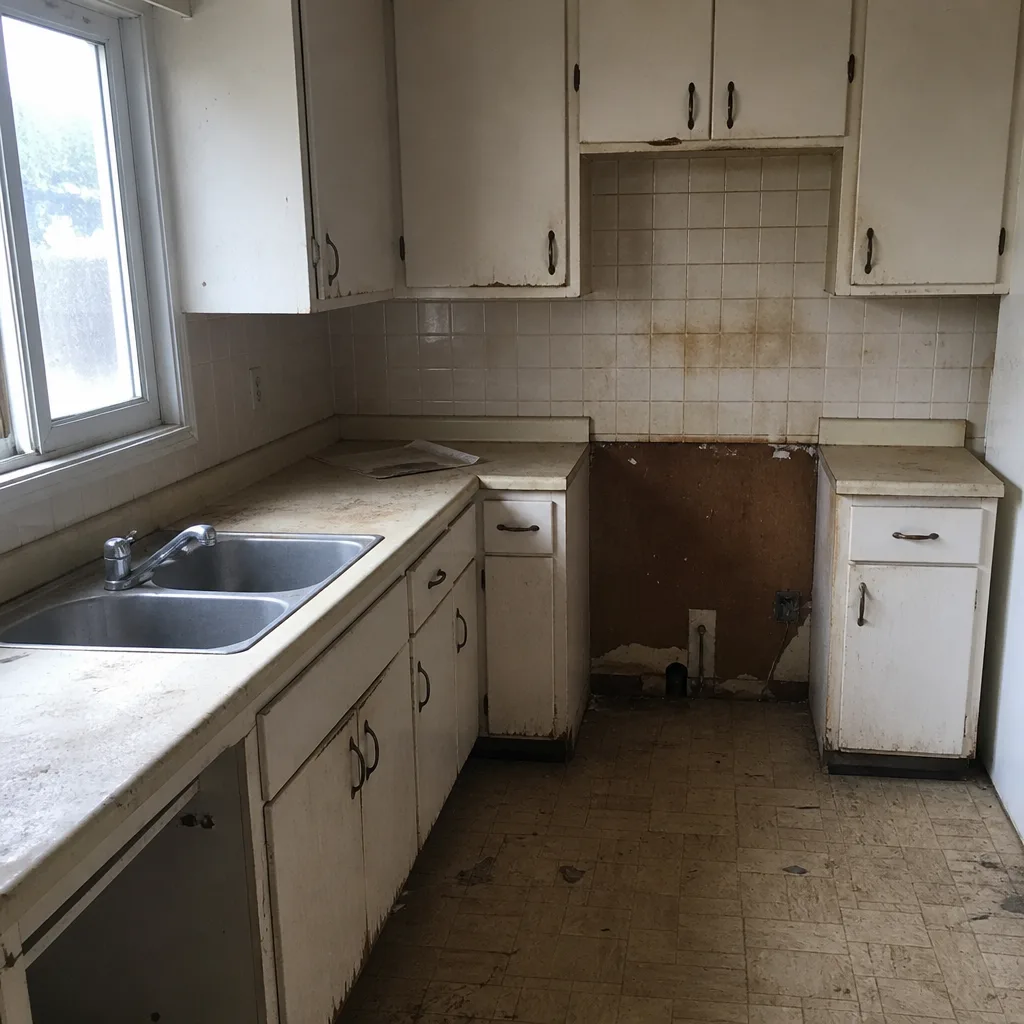 Before
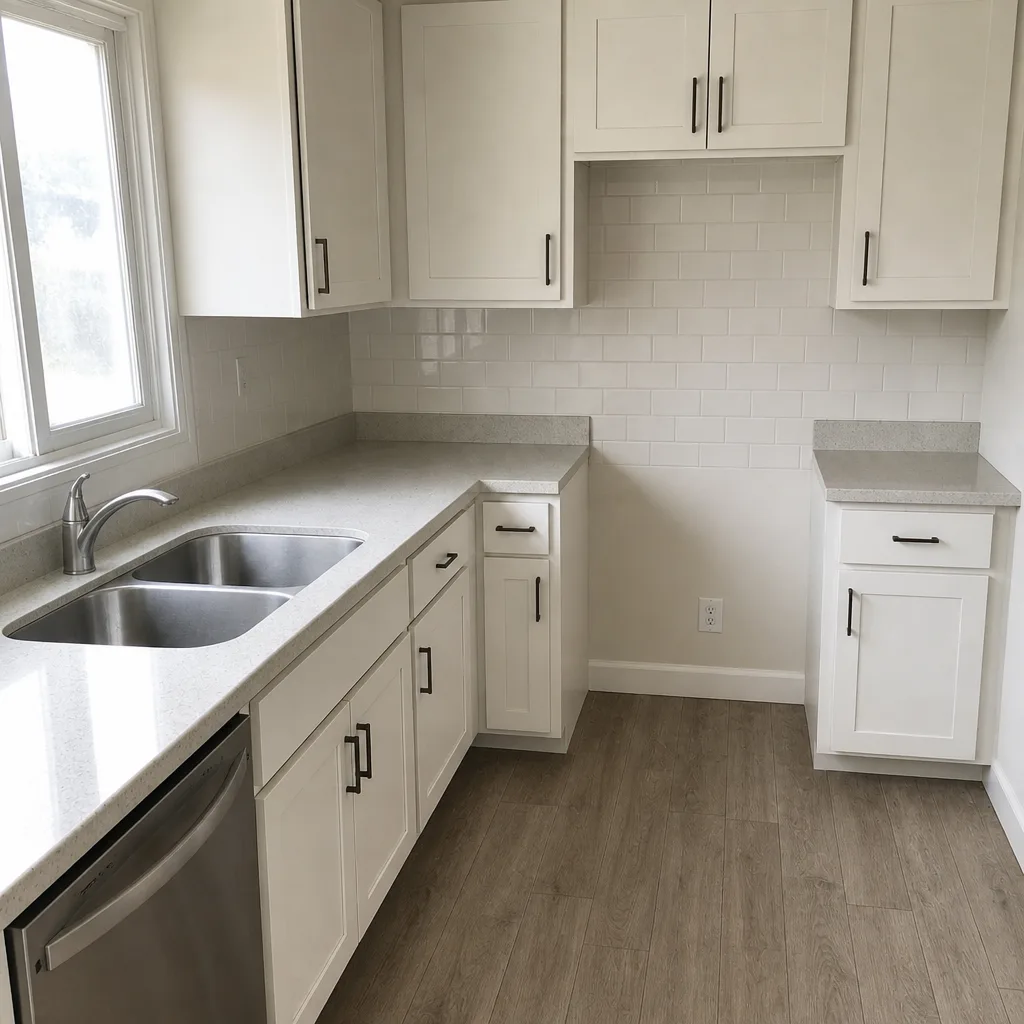 After
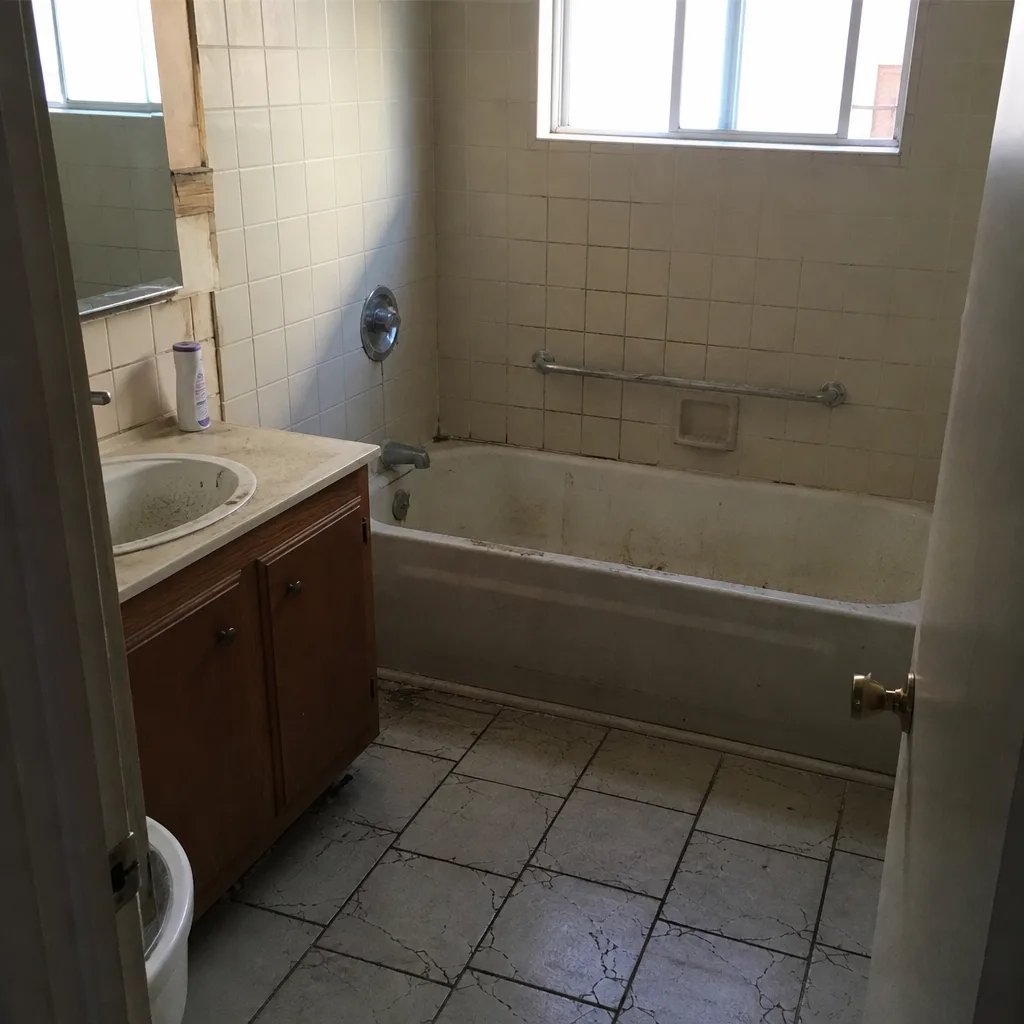 Before
 After
How Long Before You Can Drive on New Concrete in Richmond, CA?
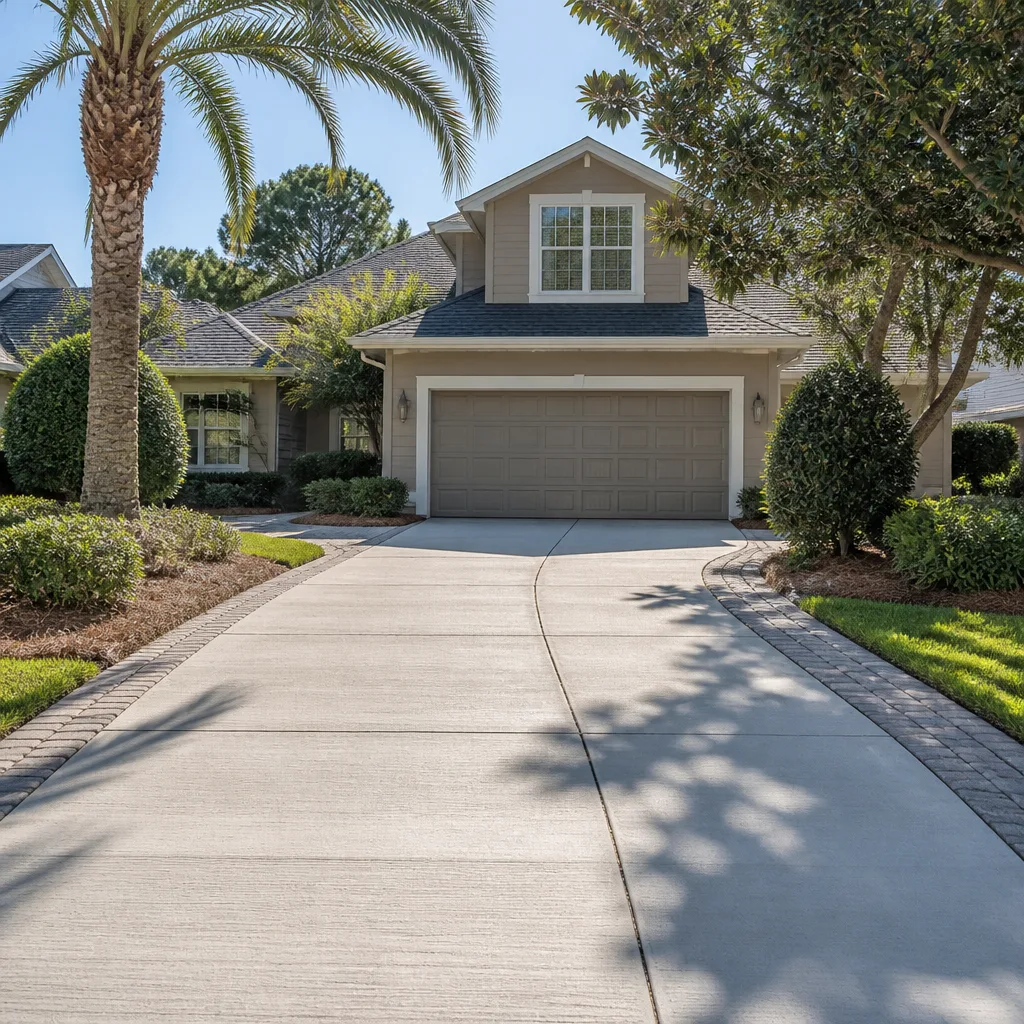
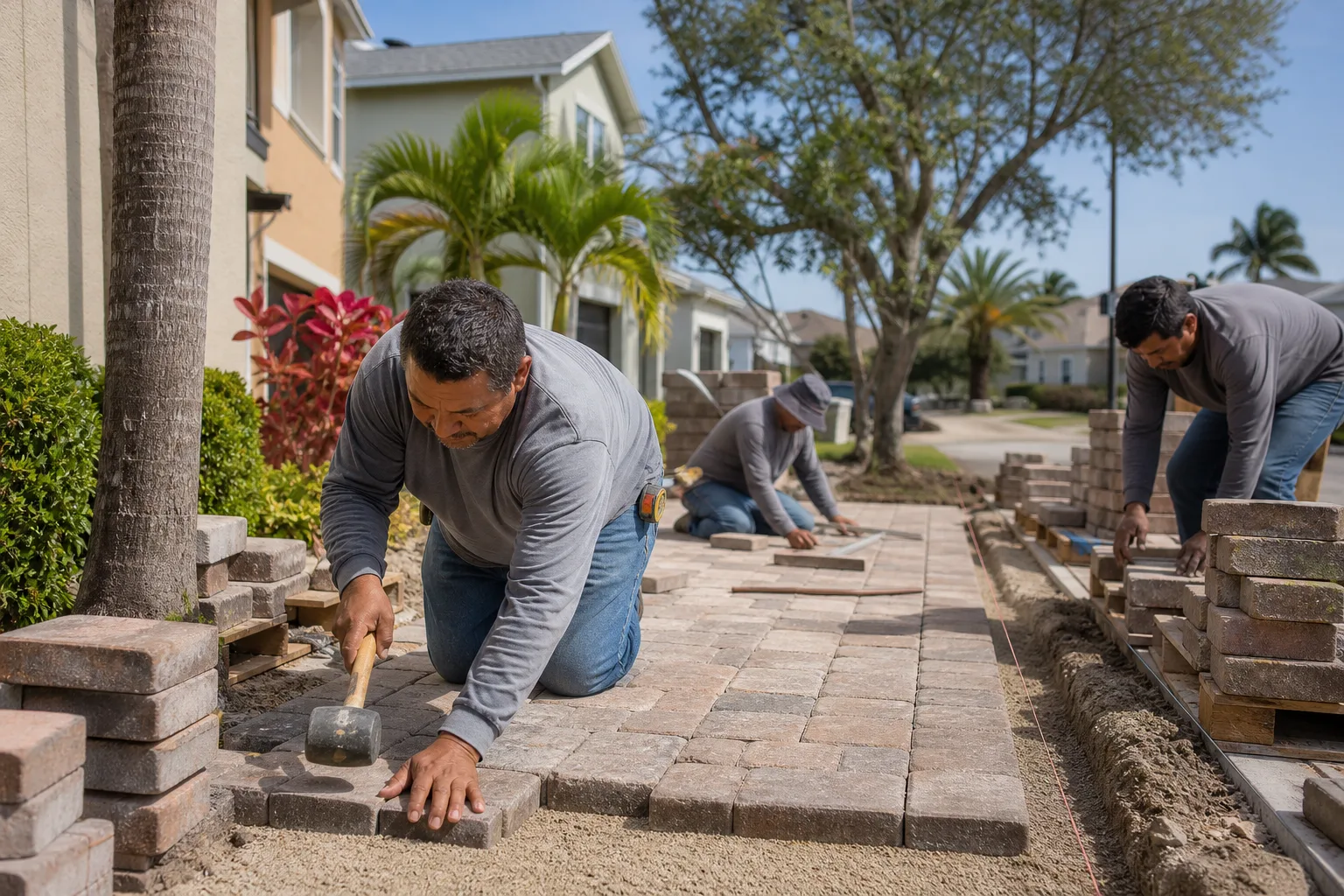
Give a new concrete driveway 7 to 10 days before parking a standard passenger car on it, and 10 to 14 days before an SUV or truck. The seven-day rule you’ll read on most contractor blogs is a dry-climate baseline; in Richmond’s cool, fog-influenced summers that clock runs slower. Concrete doesn’t care what day of the week it is. It cures to a schedule set by temperature and humidity, and those two things here don’t match the inland numbers most guides publish. Get the wait wrong and you’re looking at edge chipping and surface scaling on a pour that was done perfectly. Call (833) 700-4611 if you’d rather have a pro read your specific pour and give you a real timeline.
Why Richmond’s Climate Stretches the Wait Time
A standard mix hits about 70% of its design strength at seven days when the concrete sits at 70°F. That’s the number the “seven-day rule” is built on. Drop the ambient temperature and the curve flattens. Every 10°F below 70°F adds roughly 20-30% to the time it takes to get there. Richmond’s June and July fog belt sits around 60°F for long stretches, which pushes real strength development from seven days out to nine, ten, sometimes eleven days before the slab is genuinely ready for vehicle weight.
The calendar and the chemistry are two different things. A homeowner who poured on a Saturday and parks on the following Saturday has waited seven days. The concrete, in a 60°F Richmond summer, hasn’t reached the strength that seven days represents in Walnut Creek or Concord. That gap is where most of the mysterious cracking complaints on Bay Area flatland driveways come from.
Wait Times by Vehicle and Load
Vehicle type matters as much as the clock. A light sedan distributes its weight differently than a three-row SUV, and a truck with a loaded bed is a different animal again. Here’s how we map it out for a driveway in Richmond:
| Use | Wait Time (Richmond climate) | Why |
|---|---|---|
| Foot traffic | 24 hours | Surface hard enough to walk on, no point loading |
| Passenger car | 7-10 days | ~70% design strength reached; fog months push the high end |
| SUV / pickup | 10-14 days | Higher axle loads need more strength development |
| RV / heavy vehicle | Full 28-day cure | Design strength, not partial strength, for sustained weight |
A useful mental model: passenger cars early, everything heavier later, and anything with a loaded tongue weight treats it like a heavy vehicle. When we finish a Driveway & Pavers project, the homeowner gets this table in writing along with the date their specific pour reaches each milestone. No guessing, no “I think it was a week.”
The Edge Problem Nobody Talks About
Most of the spalling and chipping we get called out to look at in Richmond starts at the edge, not the field. Here’s the reasoning. Edge concrete is thinner than the field, and it’s exposed to air and moisture on two faces instead of one. That means it cures slower and dries unevenly. A tire parked with the outer edge sitting on the driveway’s edge too soon loads a section of concrete that hasn’t caught up with the rest of the slab.
The failure shows up weeks later as a chipped corner or a scalloped edge, and the homeowner often blames the mix. Nine times out of ten it’s early edge loading. Two things prevent it: wait the high end of the range before you roll a vehicle up, and think about where the tire actually lands. If your driveway meets a curb or a planting bed on the west side, that edge is the one to watch in Richmond’s prevailing moisture.
Rainy-Season Pours Need a Different Playbook
From October through March, Richmond gets the wet part of its year, and curing in the rain is a site management job, not a pour-and-hope job. If ambient temps are cool and the forecast is wet, the mix can lose the heat it needs to develop strength on schedule. That’s when experienced Bay Area crews use curing blankets, plastic sheeting, or adjusted mix designs to hold adequate heat. An out-of-area crew that pours the same way in Richmond that it pours in Fresno will hand you a slab that’s behind schedule the moment the first rain hits.
When Groundwork Construction Co. of Richmond finishes a pour, you get a written post-pour care sheet. It’s specific to the mix we used, the date we poured, and the forecast for the two weeks ahead. Not a generic internet answer. A real timeline for your driveway. Our technicians bring up to 12 years of experience to a job like this, and every project is covered by the 730-Day Done Right Promise: if it’s not done right, we make it right.
What a New Concrete Driveway Costs in Richmond
Concrete work in Richmond sits in an unusual spot because of the local ground conditions. Parts of the older flatlands and the waterfront fringe carry fill soil or legacy industrial material, and any foundation pour under a driveway may need a soil check before we pour. That’s site work, not finishing work, but it’s part of the budget.
- Concrete driveway installation: $4,500-$12,000
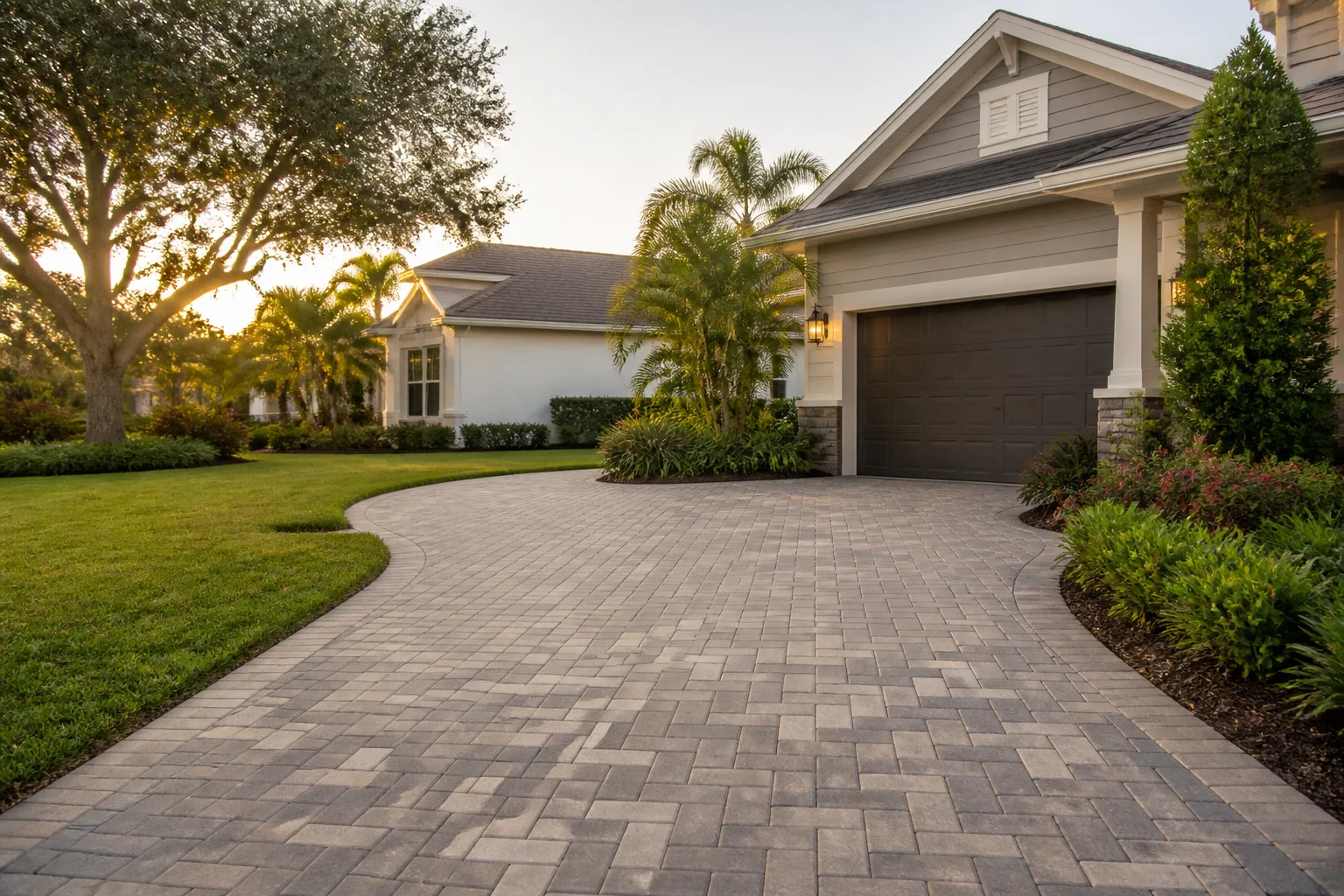
- Paver driveway installation: $7,000-$18,000
- Asphalt driveway paving: $3,500-$9,000
- Driveway replacement: $5,000-$14,000
- Driveway sealing: $250-$700
For the full scope of what driveway materials and site work look like here, see our Driveway & Pavers page. If you’re comparing pavers against concrete for the same space, our Driveway & Pavers in Richmond guide walks through the trade-offs for Richmond’s fog-belt conditions. Start at our home page for the rest of our service lines. Upfront pricing means the number you see is the number you pay, and projects over $10,000 get $1,000 off. We also offer 0% financing for 18 months to make a large pour fit a real budget.
Curing Concrete in the Rainy Months
Early curing is a moisture balance. Concrete needs water to cure, but too much surface water during cool, wet pours can weaken the top layer and lead to scaling. Curing blankets hold warmth where you need it. Plastic sheeting keeps rain off but needs management so it doesn’t trap standing water. If you’re dealing with a pour that’s already showing a soft, chalky surface in the days after, get someone to look at it before you seal it, because sealing at the wrong stage locks in the problem.
FAQs
Seven to ten days for a passenger car and ten to fourteen days for an SUV or truck in Richmond’s climate, not the flat seven days most guides quote. Cool fog-belt temps slow strength development, so the calendar and the chemistry don’t line up. Call (833) 700-4611 if you want a real timeline for your pour – estimates are free.
Usually not in Richmond’s fog belt. Seven days gets you to roughly 70% design strength at 70°F, and cool June or July mornings knock that down considerably. Wait out the high end of the range before any vehicle weight, and double it before anything heavy. Call us for an exact quote on your job.
No. New concrete needs to finish curing before sealing, and sealing too early traps moisture in the slab and can cause the very scaling you were trying to prevent. Wait for the full cure, then seal. If you’re unsure, we’ll look at it with you – the assessment is free.
Most concrete driveway installs here run $4,500-$12,000, and paver driveways run $7,000-$18,000. Soil conditions on the older flatlands and waterfront fringe can add site work before any pour. Call (833) 700-4611 for an upfront number – the price we quote is the price you pay.
If you’d rather have it looked at, Groundwork Construction Co. of Richmond offers a no-pressure assessment in Richmond – call (833) 700-4611. We answer by a live person 24/7, our technicians arrive in uniform and background-checked, and the 730-Day Done Right Promise backs the work.
Written by the team at Groundwork Construction Co. of Richmond, serving Richmond, CA.