
Free written scope consultation - allowances, timeline, and change-order rules on paper before a single trade is scheduled
Styles & brands we work with
- Kitchen remodeling
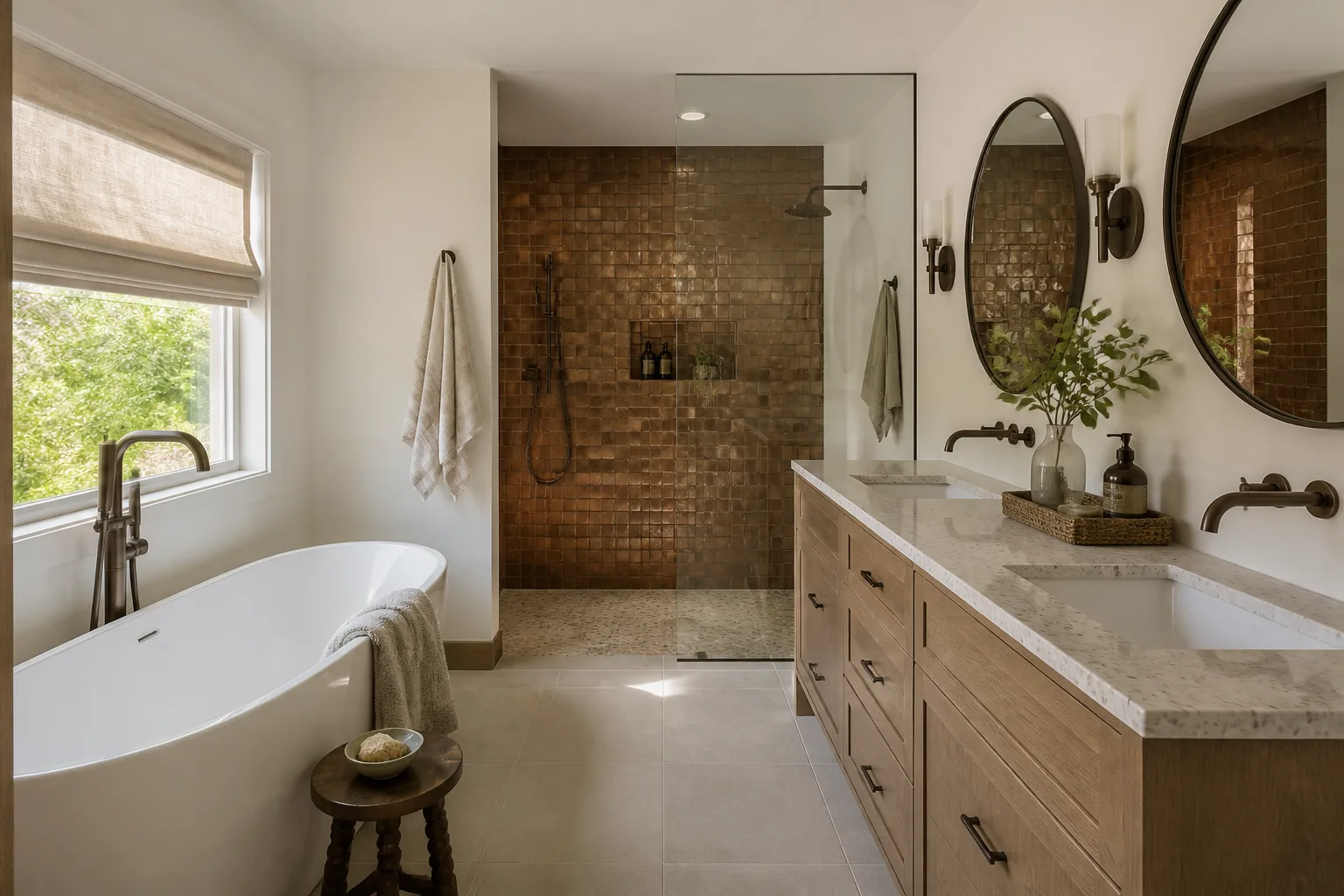
- Bathroom remodeling
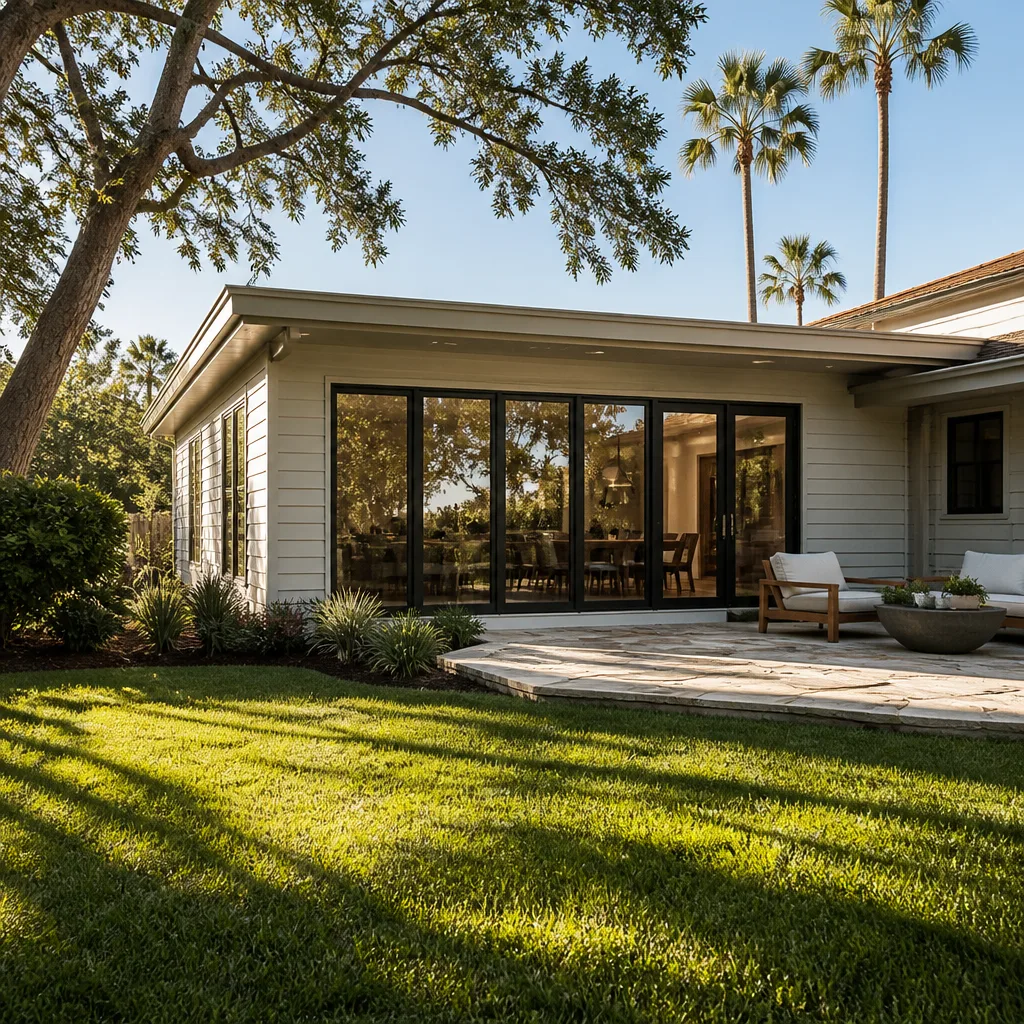
- Home additions & ADU
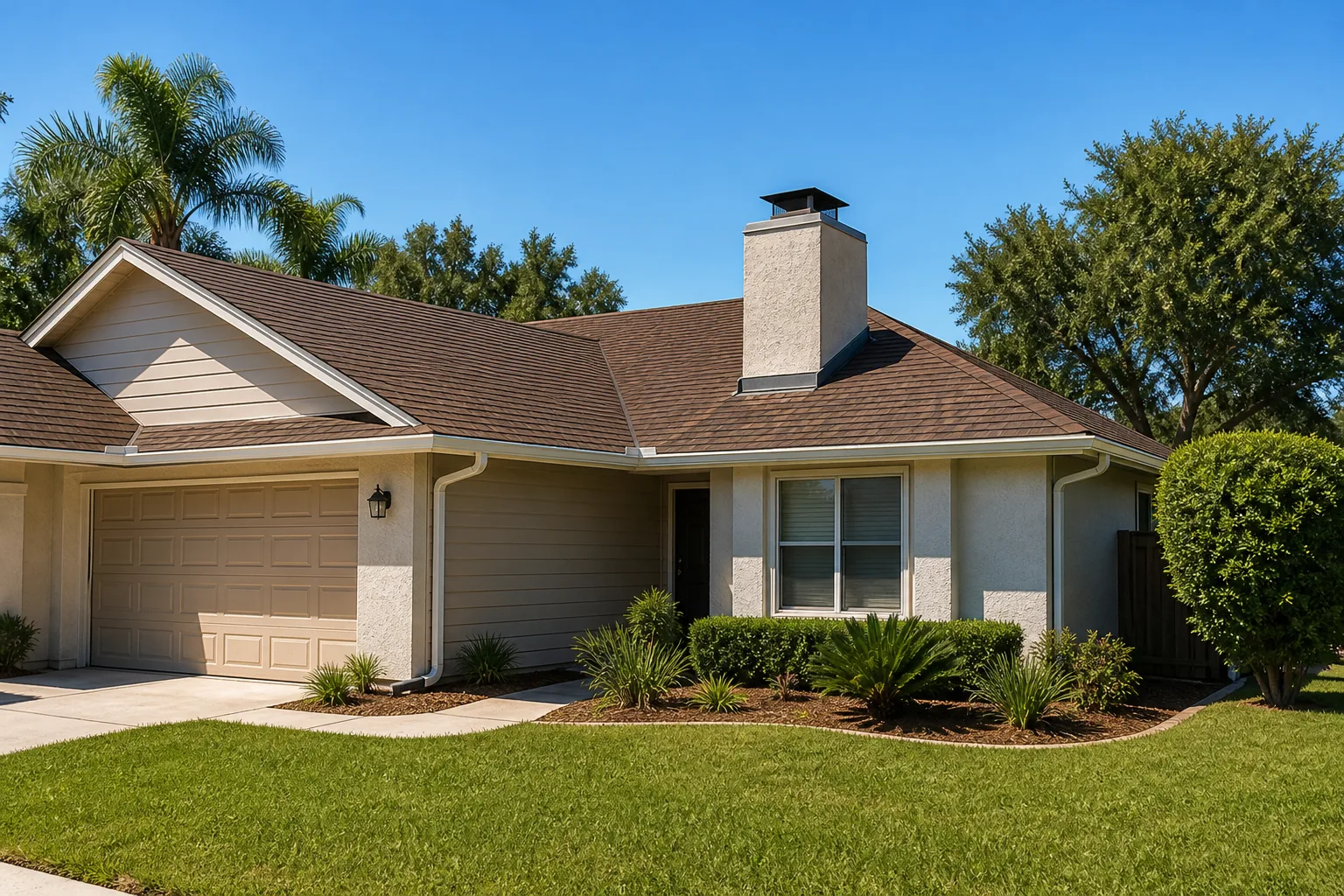
- Roofing
- Windows & doors
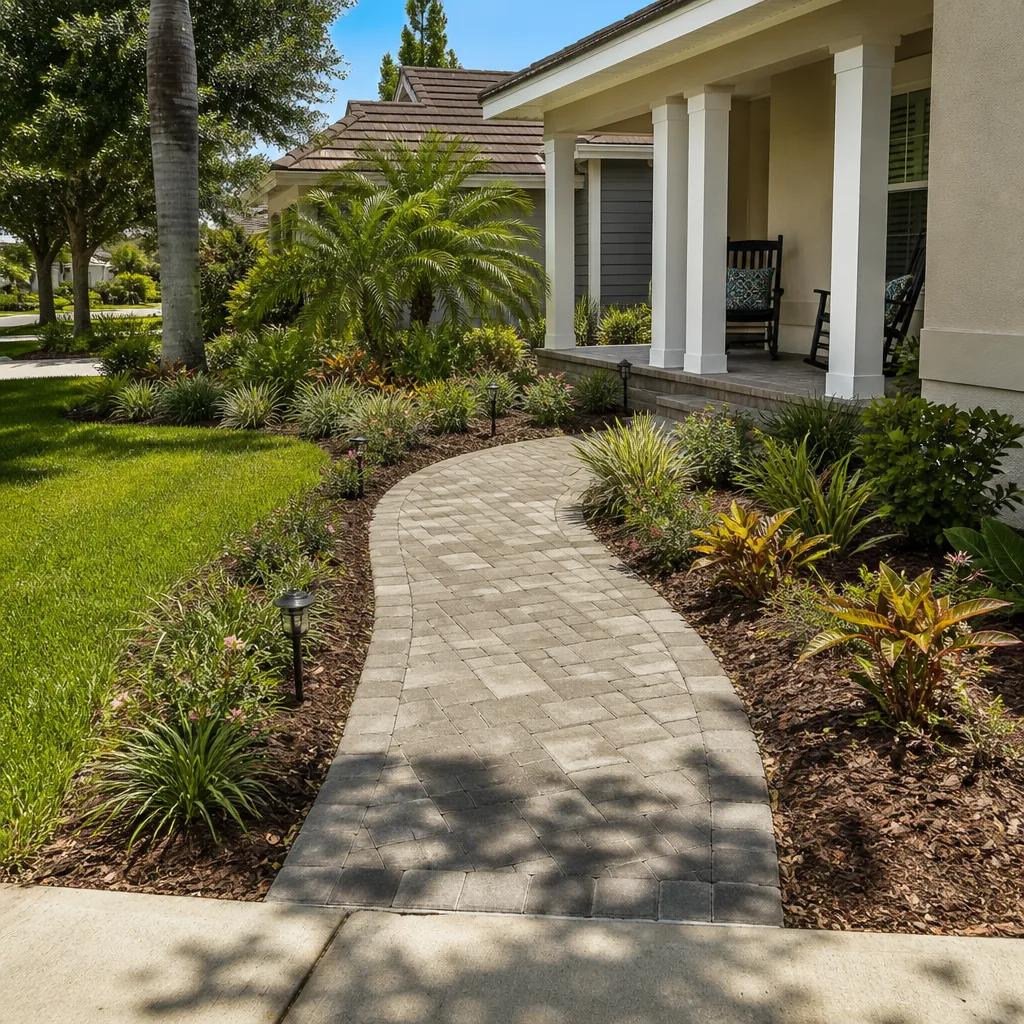
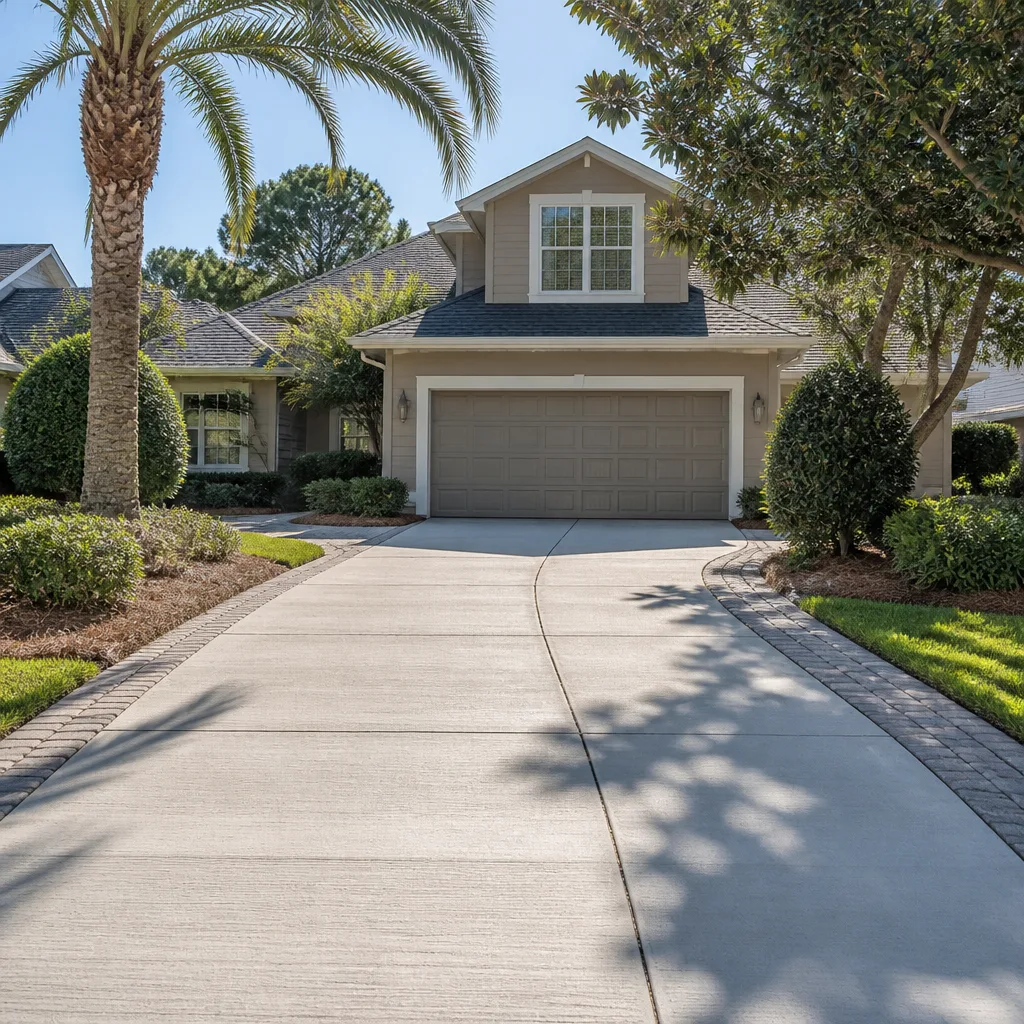
- Driveway & pavers
- Fence
See the difference
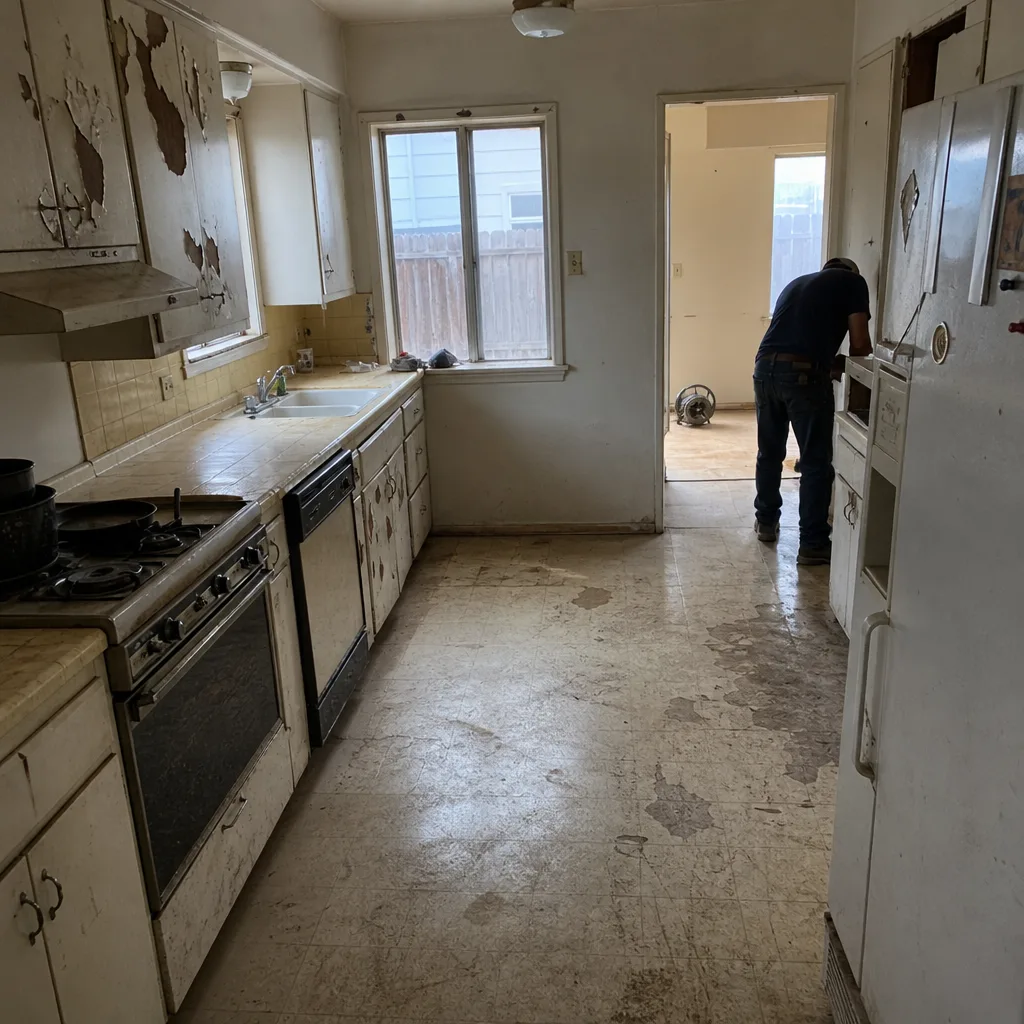 Before
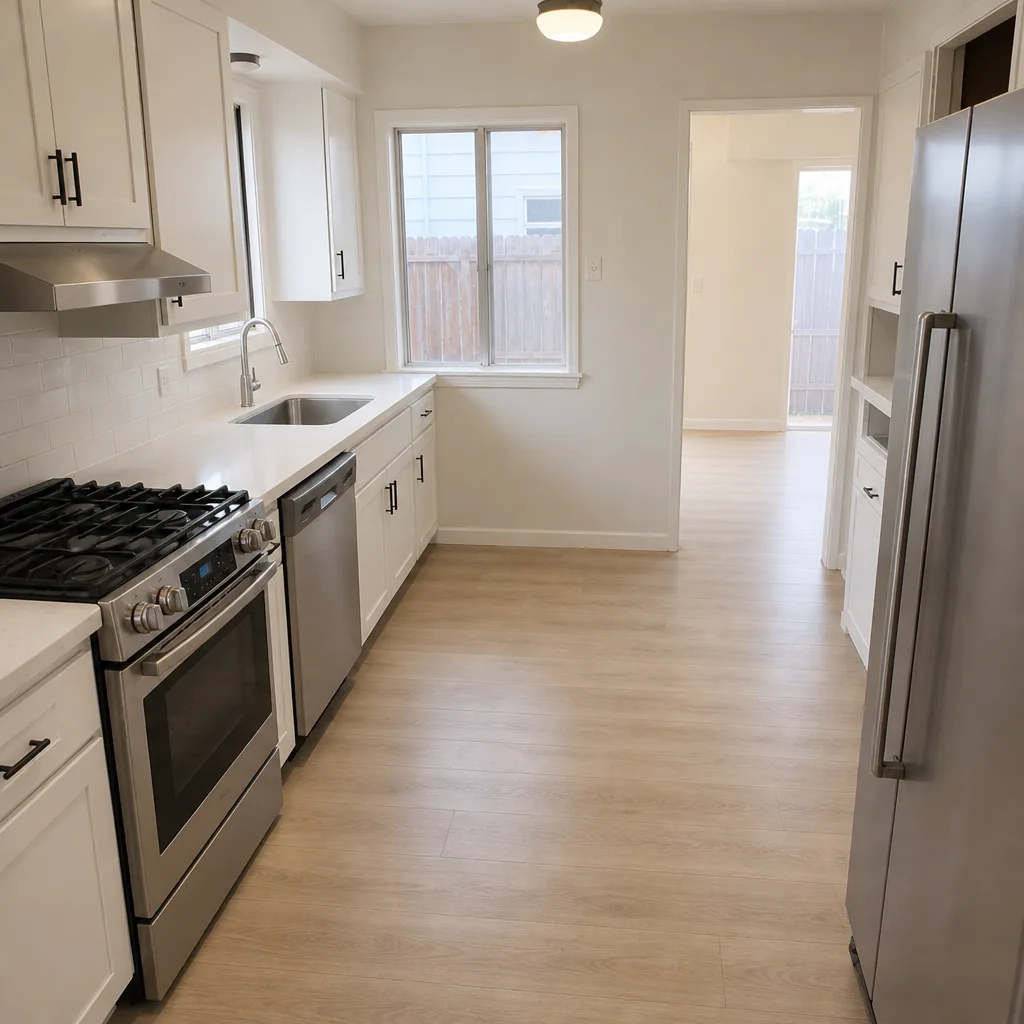 After
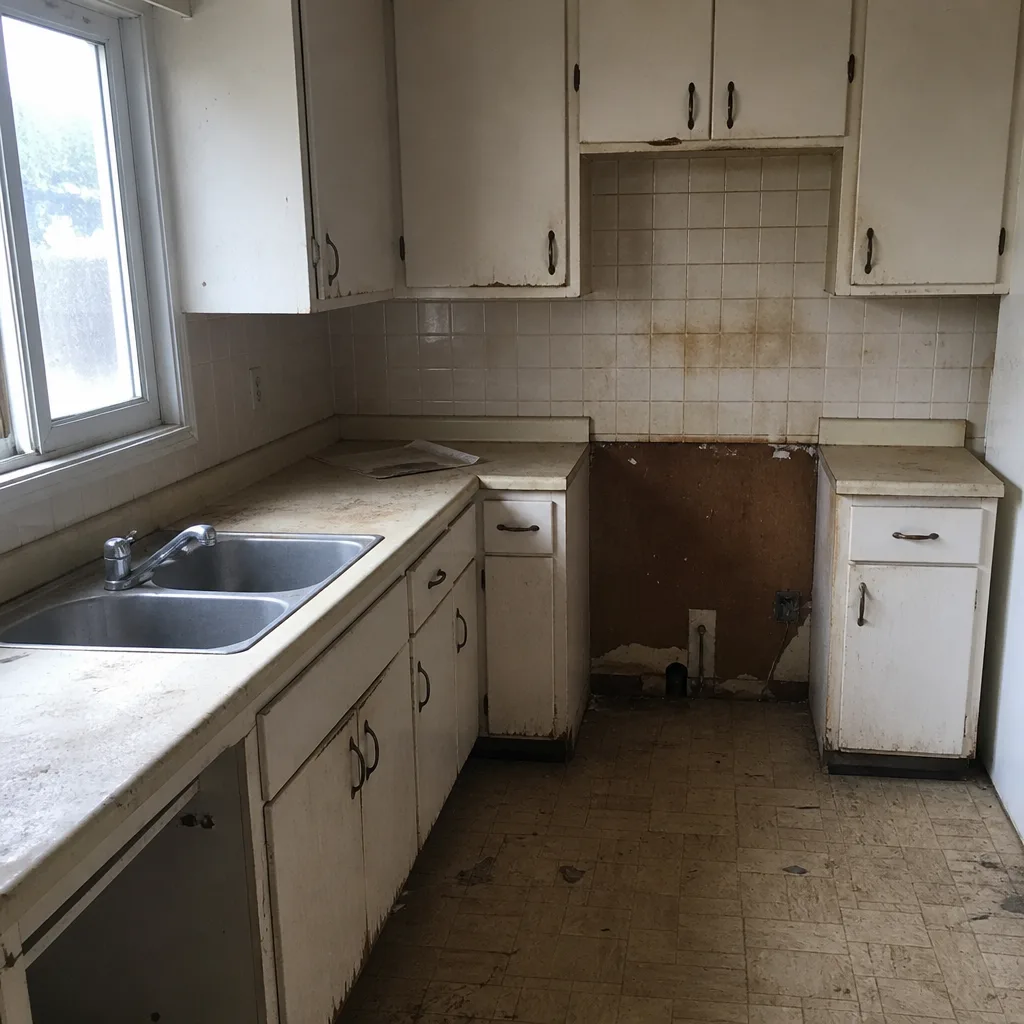 Before
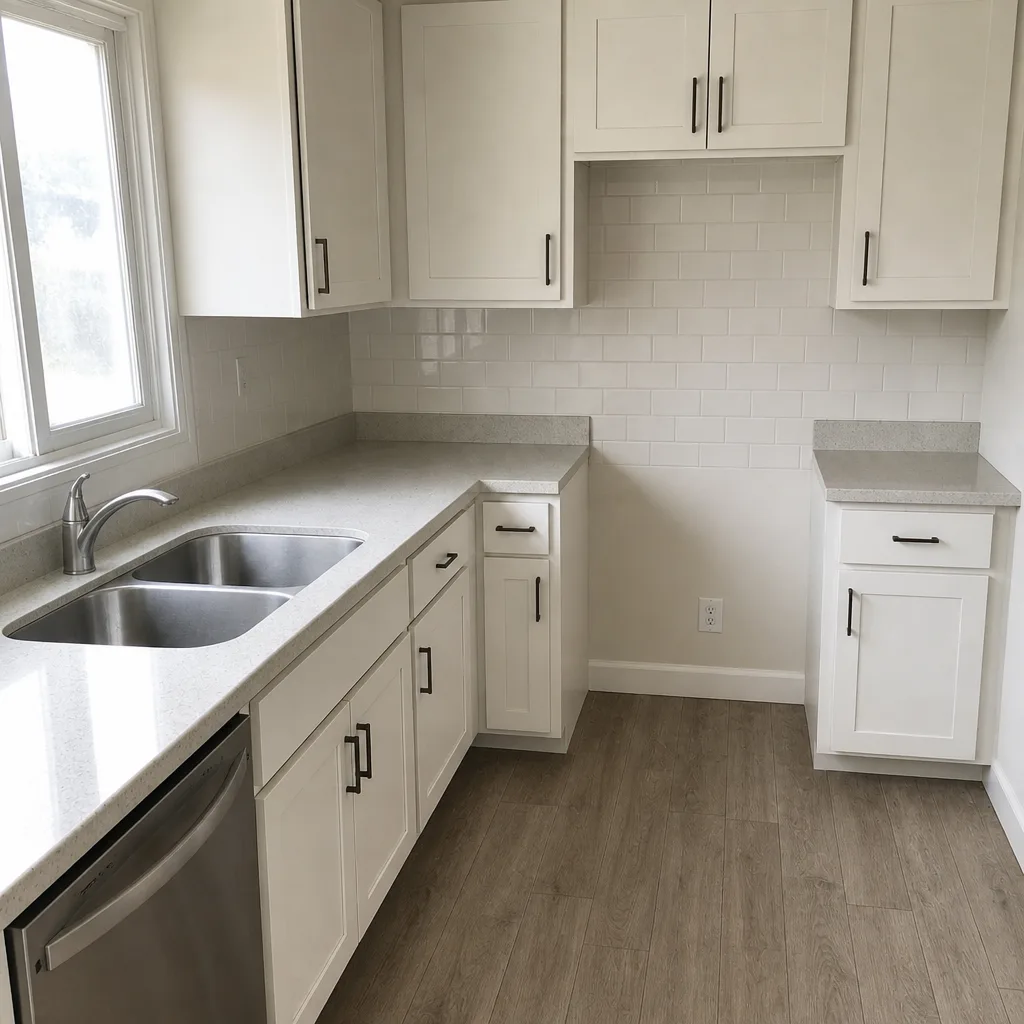 After
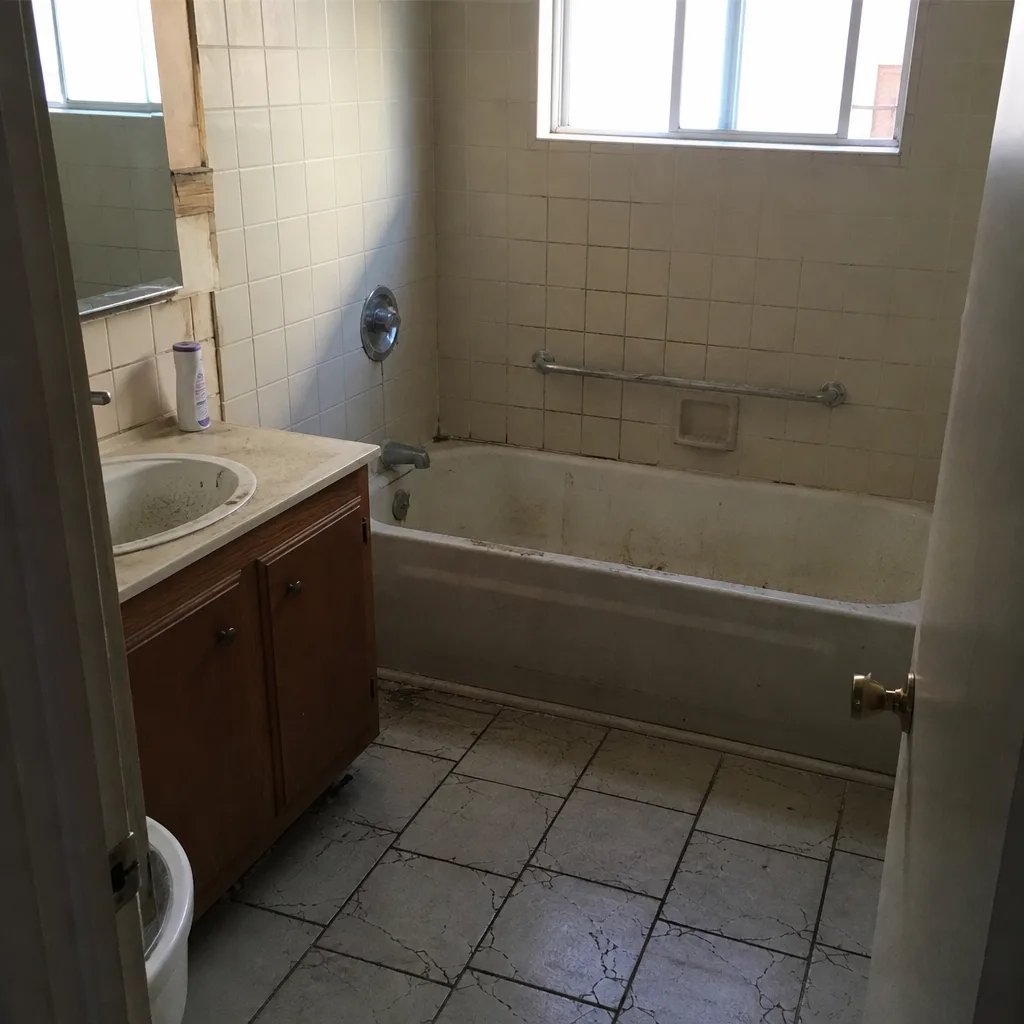 Before
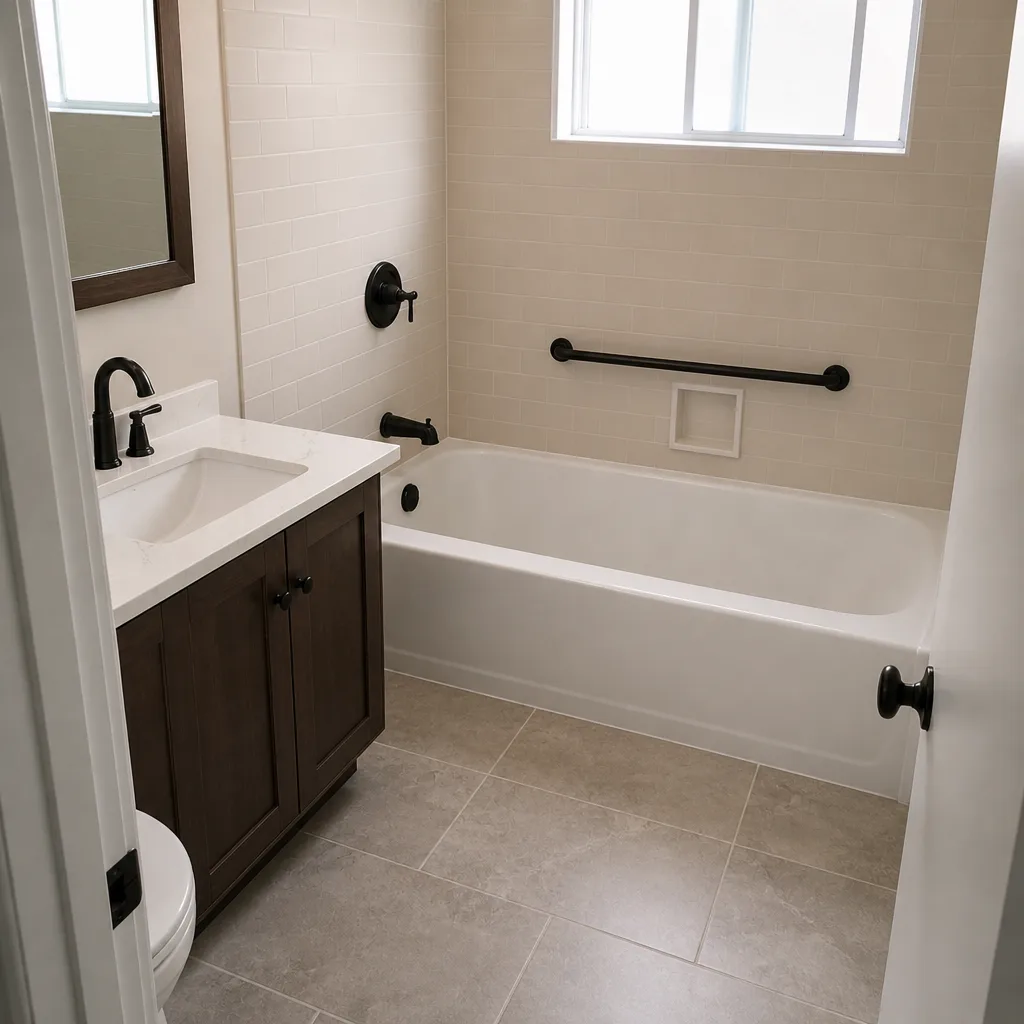 After
Pavers vs Concrete Driveway in Richmond, CA: Which Surface Holds Up?
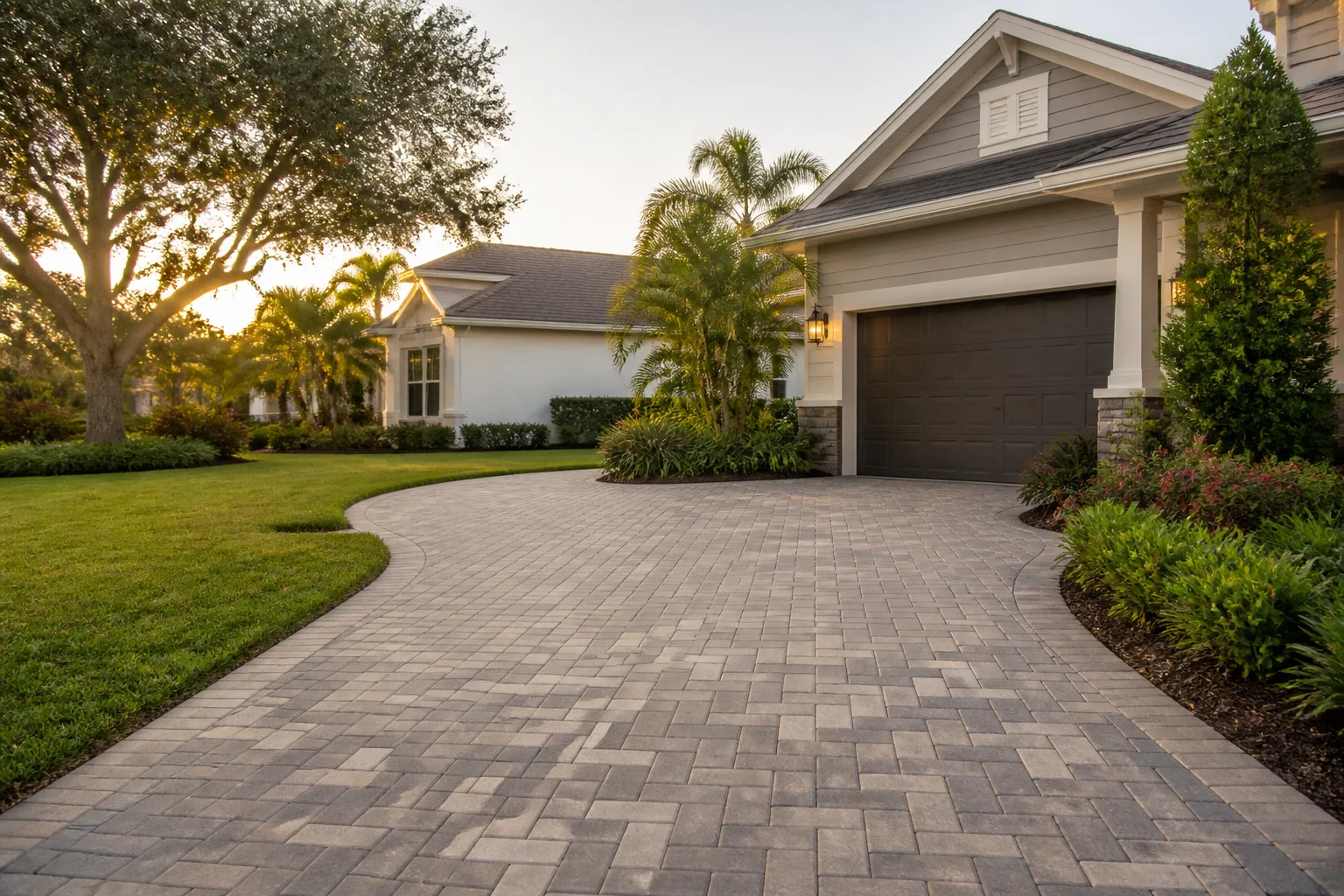
Choose pavers over concrete for almost any Richmond driveway on flatland fill soil, and choose concrete only if your slab sits on engineered, well-draining subgrade and you’re willing to accept the risk of span-wide cracking. The reason is simple: Richmond’s bay-mud and fill soils move in sections, and pavers are the only driveway surface that lets us pull three or four units, re-level the base, and reset – without breaking out a jackhammer. If you want the short answer, that’s it. Call (833) 700-4611 for a free on-site assessment and we’ll tell you straight which surface your address actually wants.
Why Richmond soil makes this decision different from the generic debate
Most pavers-versus-concrete comparisons stop at looks and price. Richmond adds a third variable that overrides both: differential settlement. Our flatlands sit on fill and old bay mud that doesn’t sink evenly. It tilts, heaves, and shifts in one section while the next stays put. A monolithic concrete slab has no give, so when the ground moves under one corner, the crack runs across the full span. A paver field flexes unit by unit, which is why we tell homeowners in the Iron Triangle and along the low ground near the bay that pavers aren’t the fancy option – they’re the structural one.
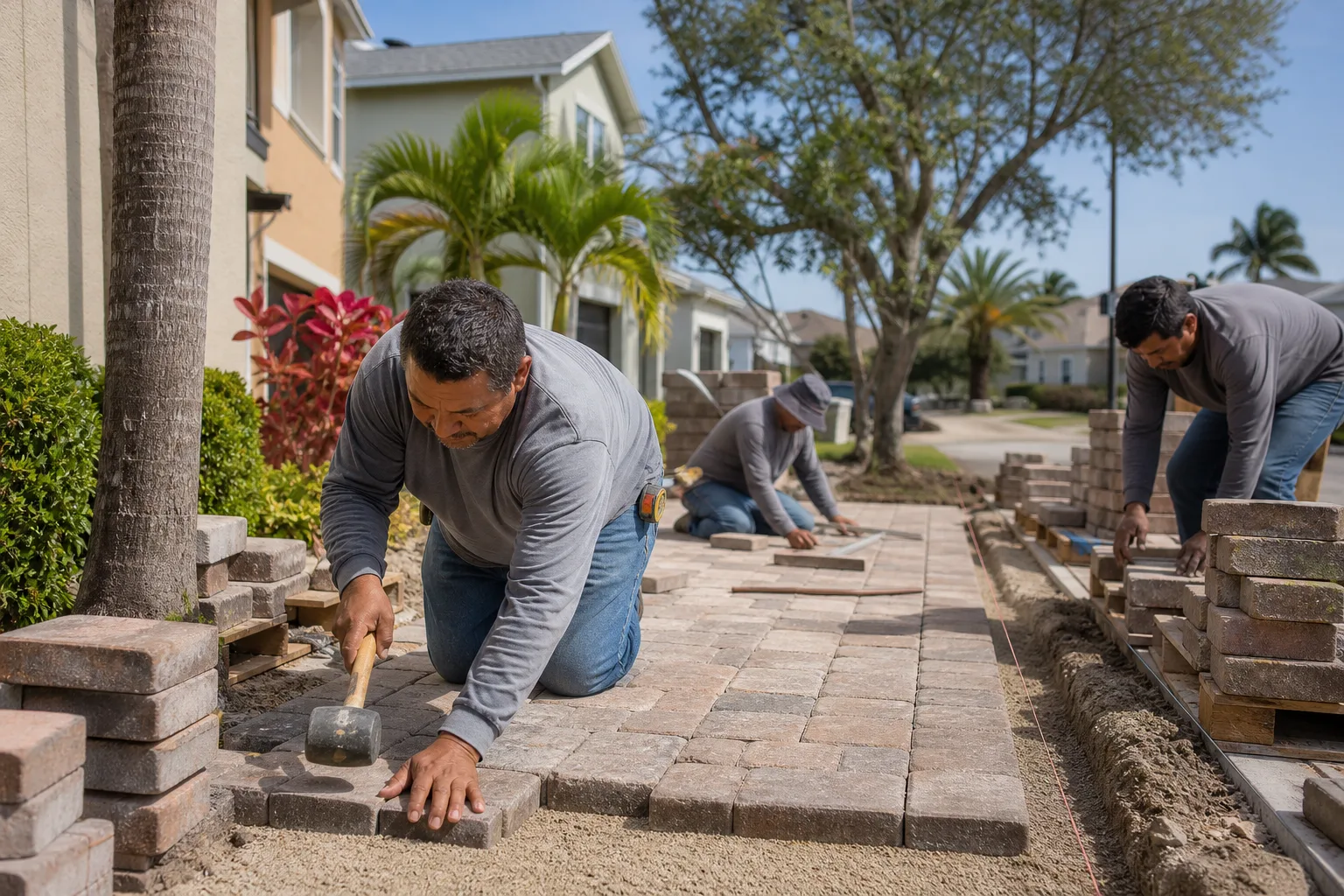
Then there’s the fog belt. Cool, wet winters followed by dry summers work Richmond’s clay soils through a shrink-swell cycle every year. Concrete fights that cycle and eventually loses. A properly built paver system – compacted aggregate base, sand setting bed, polymeric joint sand – rides the movement without surface failure. We’ve seen this pattern repeat across South Richmond bungalow blocks where the original 1940s concrete aprons are now a web of cracks.
The marine-air factor
Concrete in Richmond’s bay-influenced air faces carbonation and chloride penetration, which quietly weakens the surface and speeds up spalling near the coast. Sealed pavers with individual unit replacement carry a lower long-term maintenance cost on those lots, because damage is a swap, not a tear-out. If your property sits anywhere the salt air reaches – Point Richmond, the waterfront edges, the older streets off the flat – this matters more than the sticker price difference.
Side-by-side: pavers vs concrete in Richmond
| Factor | Pavers | Concrete |
|---|---|---|
| Movement tolerance | Flexes unit by unit; re-level a section without demolition | Cracks across the full slab when soil shifts |
| Repair approach | Pull, reset, replace individual units | Break out and repour the whole section |
| Marine air / chloride | Sealed surface; damage is localized | Carbonation and spalling risk over time |
| Typical Richmond cost | $7,000-$18,000 installed | $4,500-$12,000 installed |
| Stormwater review | Permeable systems can satisfy C.3 requirements | Impervious review required above certain square footage |
| Long-term cost | Lower on coastal and fill lots | Higher if settlement cracks the slab |
On the up-front number, concrete wins – usually by a few thousand dollars on the same footprint. Over a decade on Richmond fill soil, that gap often closes or reverses the first time a slab cracks and needs a section repour. See the full breakdown on our Driveway & Pavers page, or compare our Driveway & Pavers in Richmond service directly.
What to look for in a paver driveway build (and what most bids skip)
The paver-versus-concrete decision only pays off if the base is built for Richmond ground. A cheap paver job laid over thin, poorly compacted base will heave and rut within a season or two – and then you’ve paid paver prices for concrete problems. Here’s what a real Richmond paver bid should spell out, and what we walk through on every estimate:
- Excavation depth matched to soil: on fill and bay-mud lots, we dig deeper and build a thicker compacted aggregate base than a stock spec, because the ground under it moves.
- Compaction in lifts: base compacted in layers, not dumped and rolled once.
- Polymeric joint sand: the locked joint sand that resists washout through a wet Richmond winter.
- Edge restraint: the hidden edge that keeps the field from spreading at the driveway mouth.
- Permeable design option: where stormwater review applies, a permeable system can satisfy it without adding separate drainage infrastructure – which can trim total project cost.
We install with a curated portfolio of top-tier paver brands – the kind of material partners that hold color and dimensional tolerance – and back the installation under our 730-Day Done Right Promise. If units settle or joint sand washes out in year one, we’re back on site. That’s the whole point of the guarantee: it’s written, and it’s ours to honor, not yours to chase through a disclaimer.
What does a driveway cost in Richmond?
Paver driveway installation in Richmond runs $7,000-$18,000; concrete driveway installation runs $4,500-$12,000; asphalt lands at $3,500-$9,000. Those are market-calibrated ranges for a typical residential driveway, and your exact number depends on square footage, base depth, and whether stormwater review or a permeable design is in play. We give you upfront pricing – the number you see is the number you pay – plus 0% financing for 18 months and $1,000 off projects over $10,000.
- Paver driveway installation: $7,000-$18,000
- Concrete driveway installation: $4,500-$12,000
- Asphalt driveway paving: $3,500-$9,000
- Full driveway replacement: $5,000-$14,000
- Driveway sealing: $250-$700
One Richmond-specific cost most bids leave out: a concrete driveway over a certain square footage can trigger an impervious surface stormwater review under Contra Costa’s C.3 requirements. A permeable paver system can meet those requirements without extra drainage infrastructure, which sometimes narrows the price gap between the two surfaces more than homeowners expect. Ask about it on your estimate.
FAQs
Usually replace, because a cracked Richmond slab tends to crack again over the same moving fill soil unless the base is rebuilt – patching a section often just postpones the next break. That’s the core case for switching to pavers: when a section of the paver field settles, we pull and reset those units instead of pouring a whole new slab. For an honest repair-versus-replace read on your driveway, call (833) 700-4611 – estimates are free.
Yes, on most flatland addresses, because pavers handle differential settlement that cracks a monolithic slab across its full span. The pavers themselves aren’t magic – the win comes from a properly compacted base and polymeric joint sand, which let the surface flex and be re-leveled unit by unit. A paver job built on a thin base won’t outperform concrete, which is why the base spec matters as much as the material.
Possibly, if you pour an impervious concrete driveway above the C.3 threshold, which can trigger an impervious surface review under Contra Costa’s requirements. A permeable paver system can satisfy those requirements without additional drainage infrastructure, so it’s worth exploring before you commit to a surface. We’ll flag whether your project falls under the rule during the estimate – call (833) 700-4611 with your square footage.
Most residential paver driveways are completed over a short, scheduled window rather than a single day, since proper excavation, layered base compaction, and joint sand can’t be rushed on Richmond’s moving soils. Calls are answered by a live person 24/7, technicians are background-checked and arrive in uniform, and every job is covered by our 730-Day Done Right Promise.
Get a straight answer for your address
If you’d rather have it looked at, Groundwork Construction Co. of Richmond offers a no-pressure assessment in Richmond – call (833) 700-4611 for a free estimate and design consult. We’ll check your subgrade, explain whether stormwater review applies, and give you an upfront number on pavers or concrete. From foundation to finish line, built to last and backed in writing.
Written by the team at Groundwork Construction Co. of Richmond, serving Richmond, CA.