Free written scope consultation - allowances, timeline, and change-order rules on paper before a single trade is scheduled
Styles & brands we work with
- Kitchen remodeling
- Bathroom remodeling
- Home additions & ADU
- Roofing
- Windows & doors
- Driveway & pavers
- Fence
See the difference
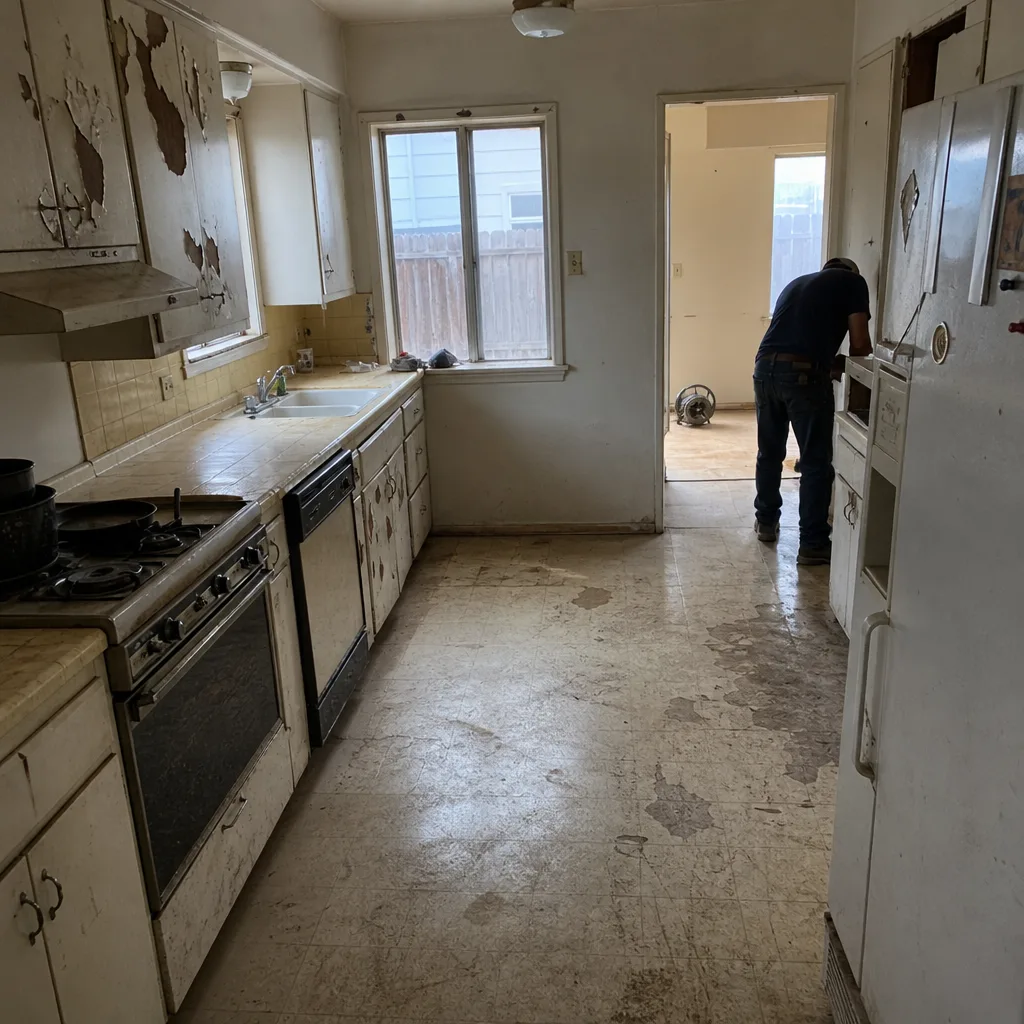 Before
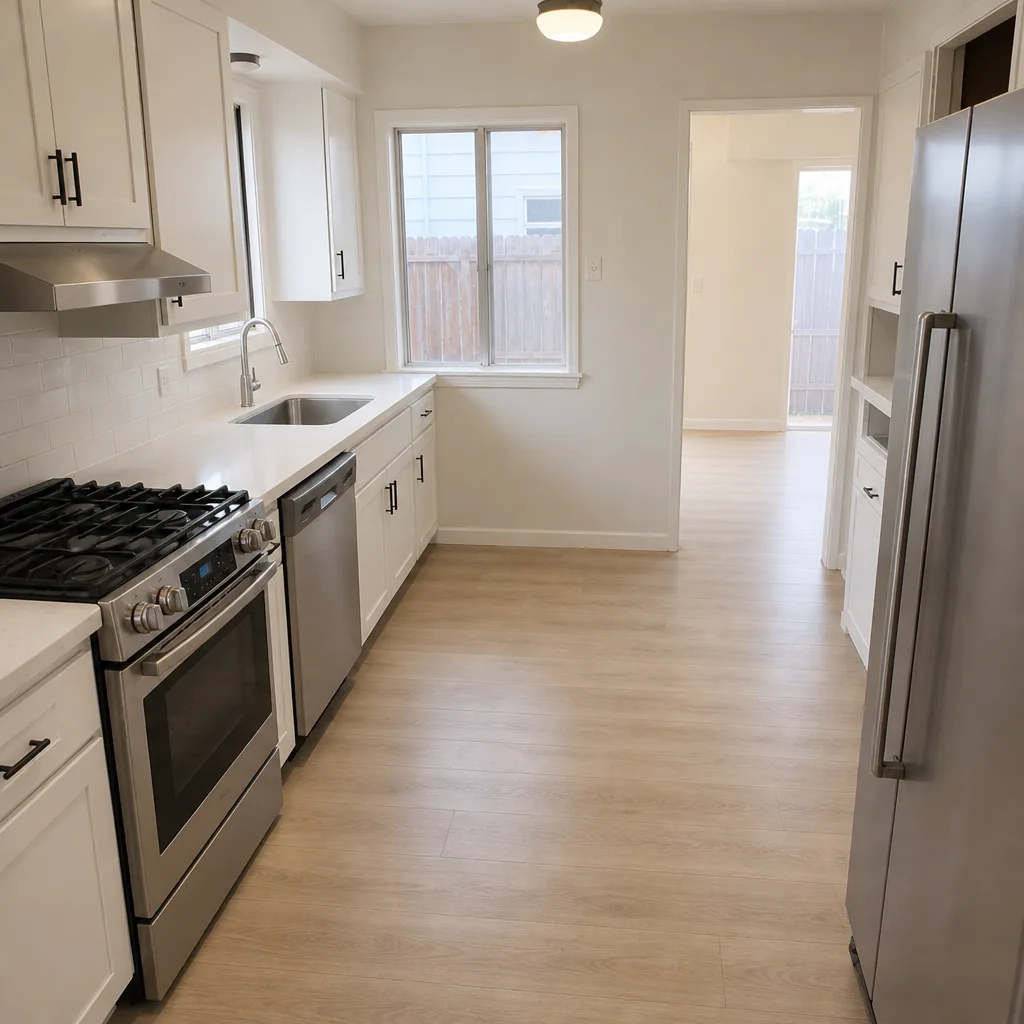 After
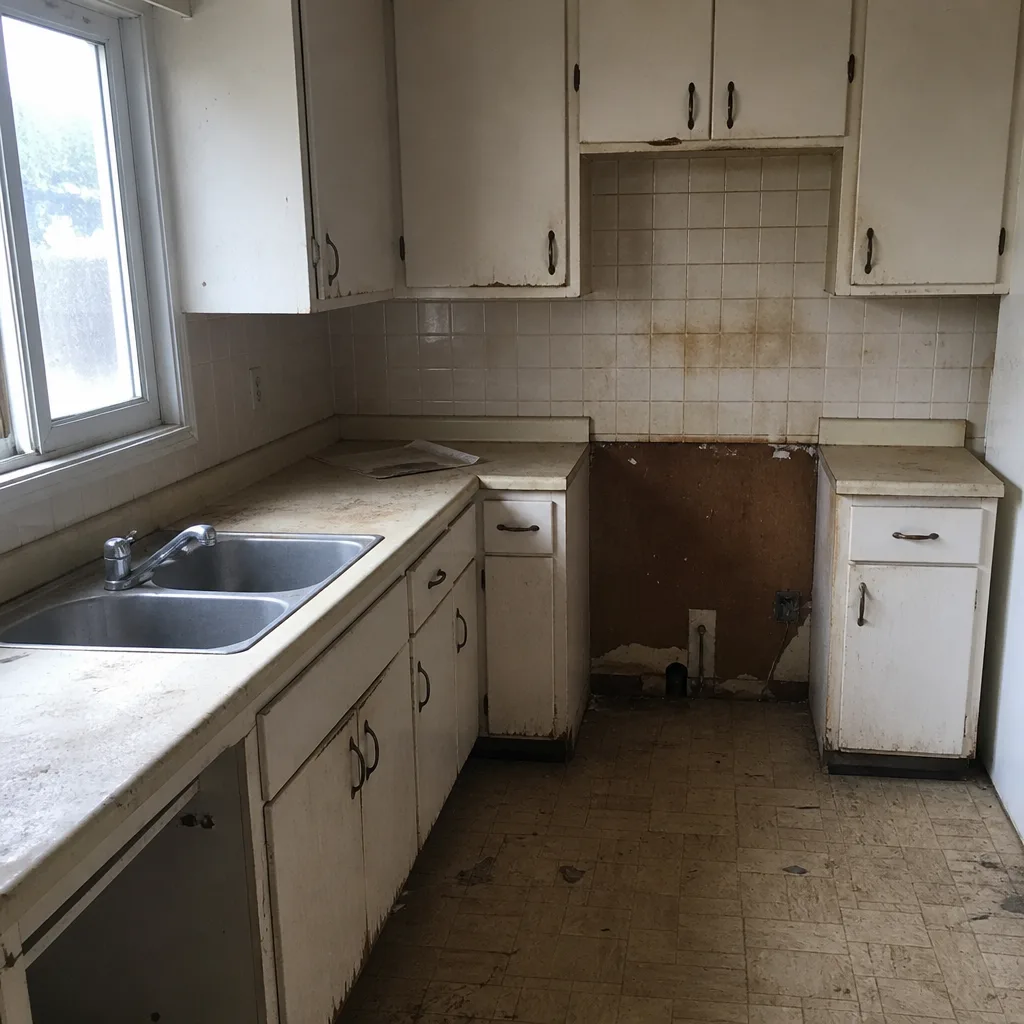 Before
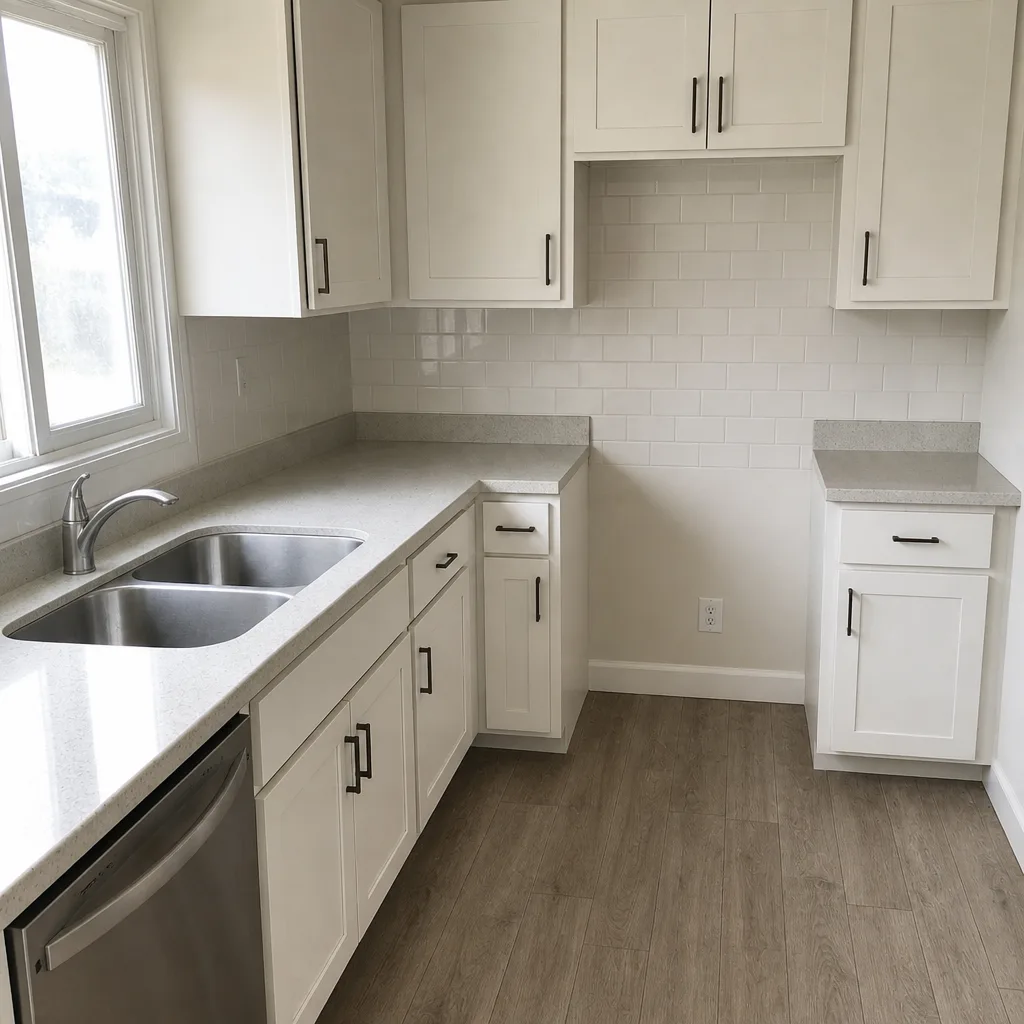 After
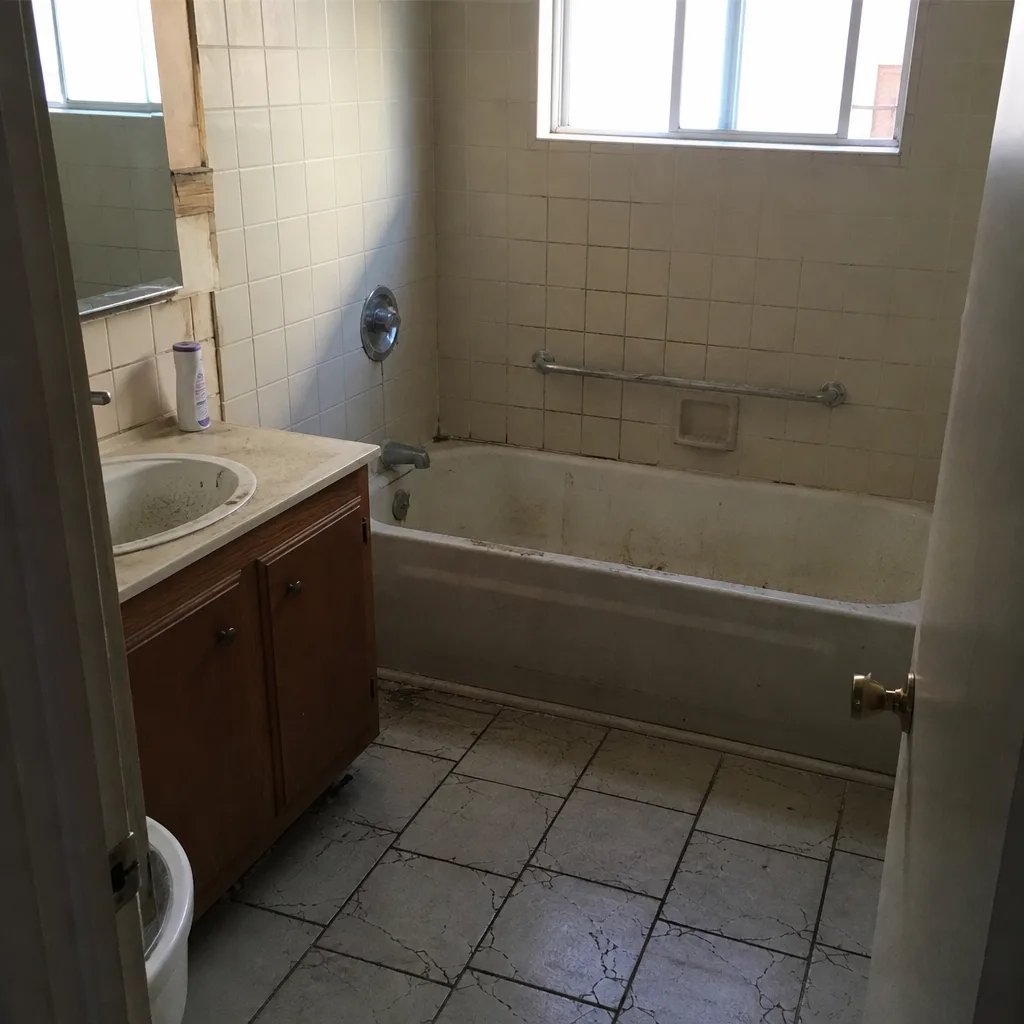 Before
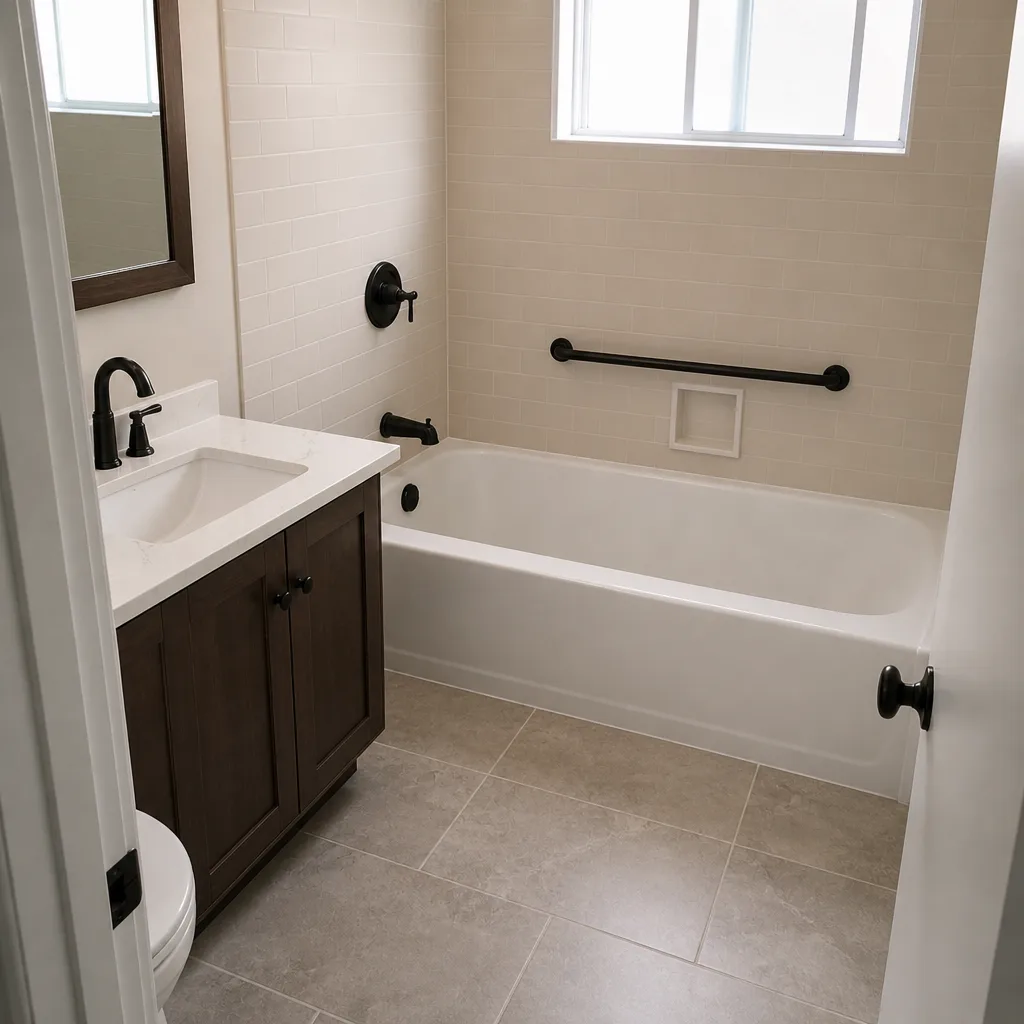 After
Stamped Concrete vs Pavers in Richmond, CA: Which Should You Choose?
Choose pavers if your Richmond driveway or patio sits anywhere near mature street trees or the bay-influenced fog belt, which describes most of the older flatlands. Choose stamped concrete only if you have a clean, root-free subgrade, a fully settled lot, and a realistic plan to replace the entire pour if it cracks. Stamped concrete looks like pavers on installation day and behaves like a slab forever after. In Richmond’s 1910s-1940s bungalow and craftsman neighborhoods, that difference shows up within five years. Call Groundwork Construction Co. of Richmond at (833) 700-4611 for a free estimate.
Key Takeaways
- Stamped concrete is a single slab – one crack or root heave means replacing a whole section.
- Pavers lift out and reset with no visible seam, often for a few hundred dollars.
- Richmond’s marine air and fog-driven moisture fade and scale stamped finishes faster than drier inland climates.
- For design continuity across driveway-to-walkway transitions, pavers avoid the expansion joints that break a stamped pattern.
Why Richmond’s Streets Make This Decision for You
Stamped concrete photographs beautifully on day one. Walk past a 1930s Iron Triangle bungalow with a stamped driveway in year five and you’ll see exactly why the pattern lines are also crack lines. The material behaves like a rigid plate pinned to one spot. When the soil under any part of it moves, the plate cracks.
In Richmond’s older craftsman and bungalow blocks, the soil moves constantly. Sixty- to hundred-year-old street trees push roots laterally under driveways and walkways. On the low-lying flatlands near the bay, wet winters and fill-heavy lots add settling and drainage movement on top of it. A stamped slab near those roots will heave and crack predictably. And here’s the part most comparison articles skip: the integral color and surface-applied release agent mean the decorative surface can’t be invisibly patched. You get a visible scar or a full section replacement.
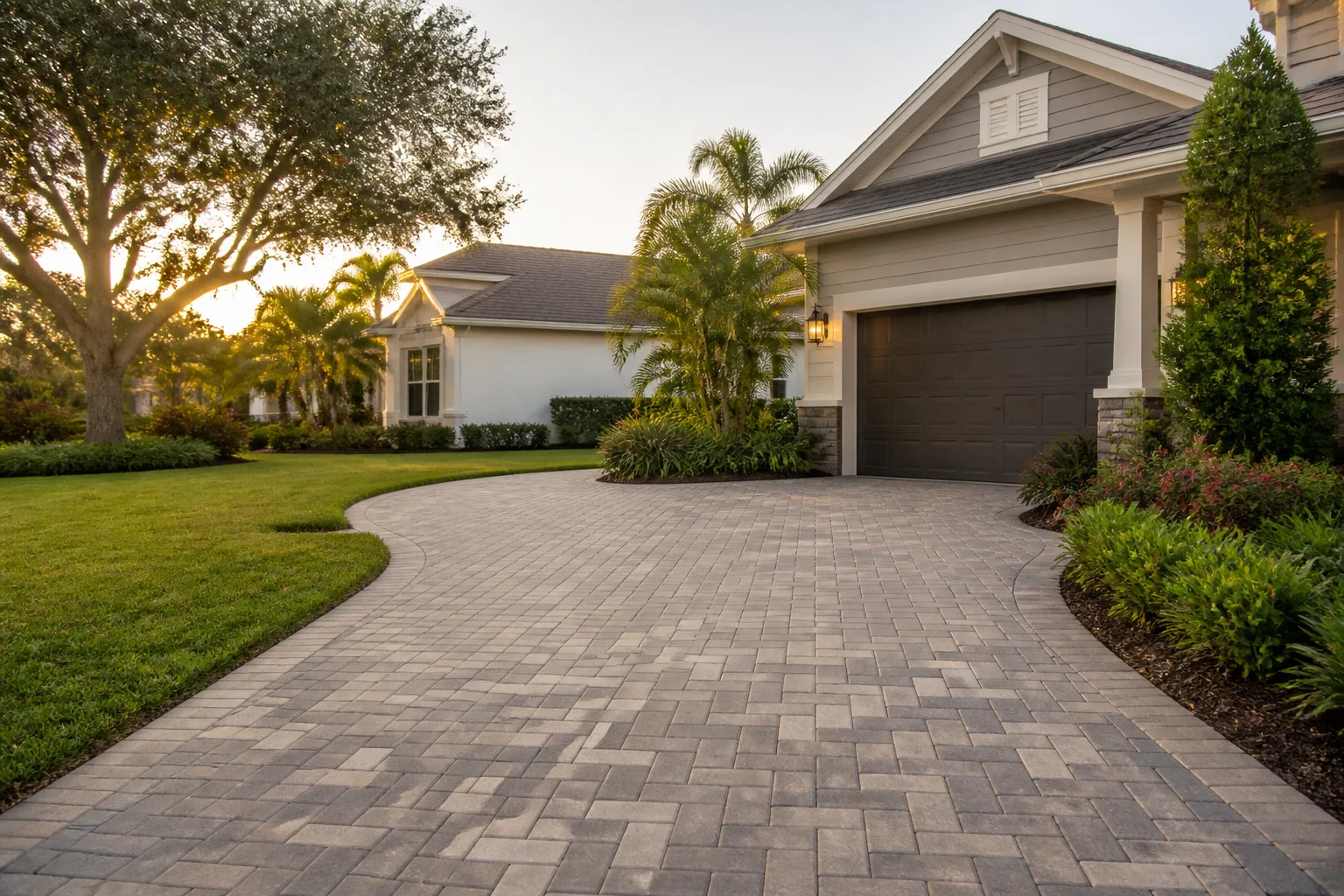
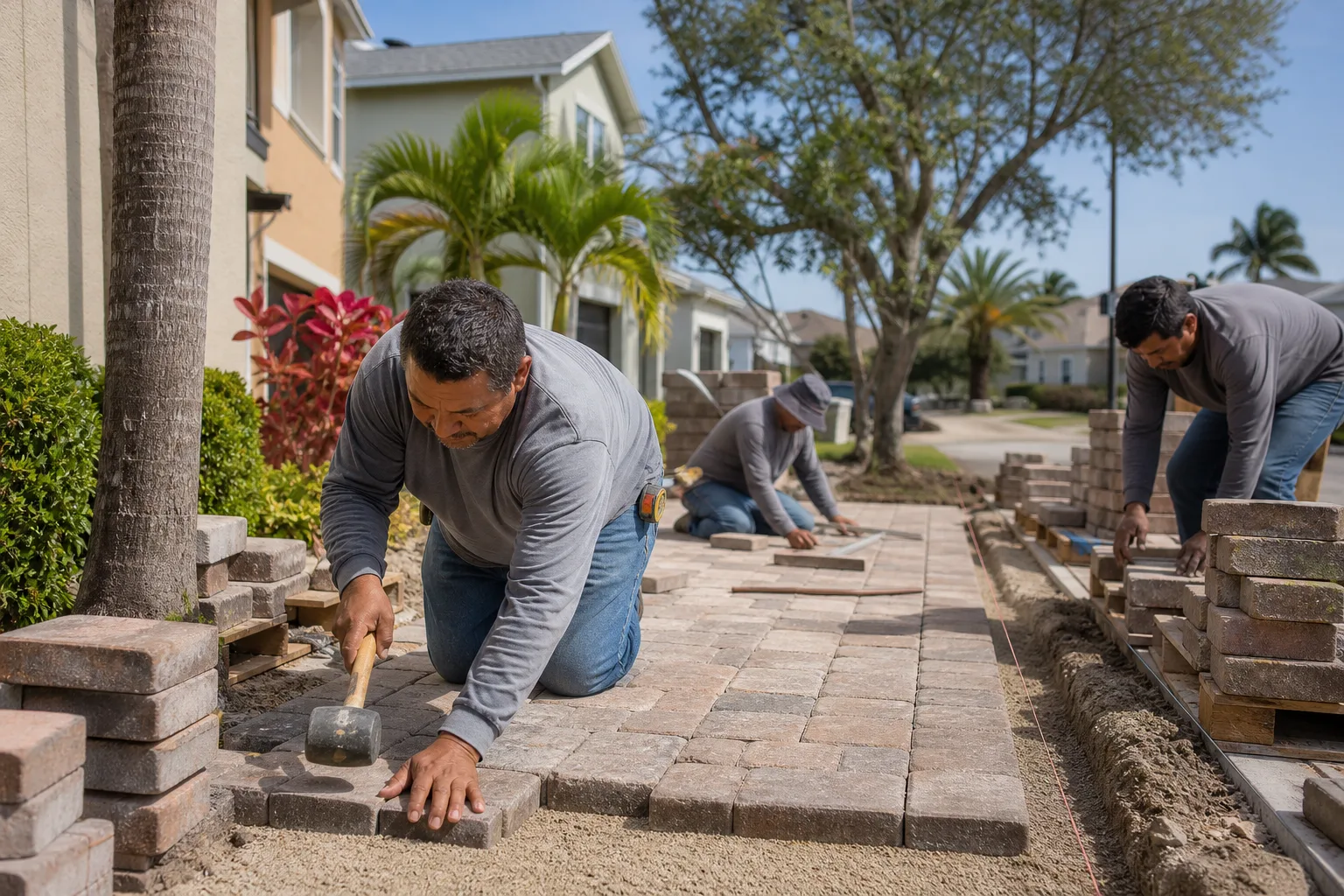
Pavers are modular. Pull the affected units, address the root, relevel the sub-base, and reset the same pavers. No visible seam. No color-matching problem. That repair typically runs a few hundred dollars against a stamped panel replacement that costs thousands, and still doesn’t match the original finish.
The Climate Factor: Fog Belts and UV Fading
Richmond’s cool, fog-influenced summers and wet winters are hard on a decorative slab. Surface-applied release agents and topical sealers degrade under fog-driven moisture cycles that wick in and out repeatedly. What you see is accelerated UV fading and surface scaling – the “stamping” reading duller each year. The same finish in drier, sunnier inland markets holds its look longer. If your property faces south or west toward the marine layer, expect the decorative effect to soften faster than the brochure suggests.
Pavers face the same weather, but their color runs through the full unit rather than sitting on the surface. A worn paver looks worn; a worn stamped slab looks patchy.
Wider Driveways and Design Continuity
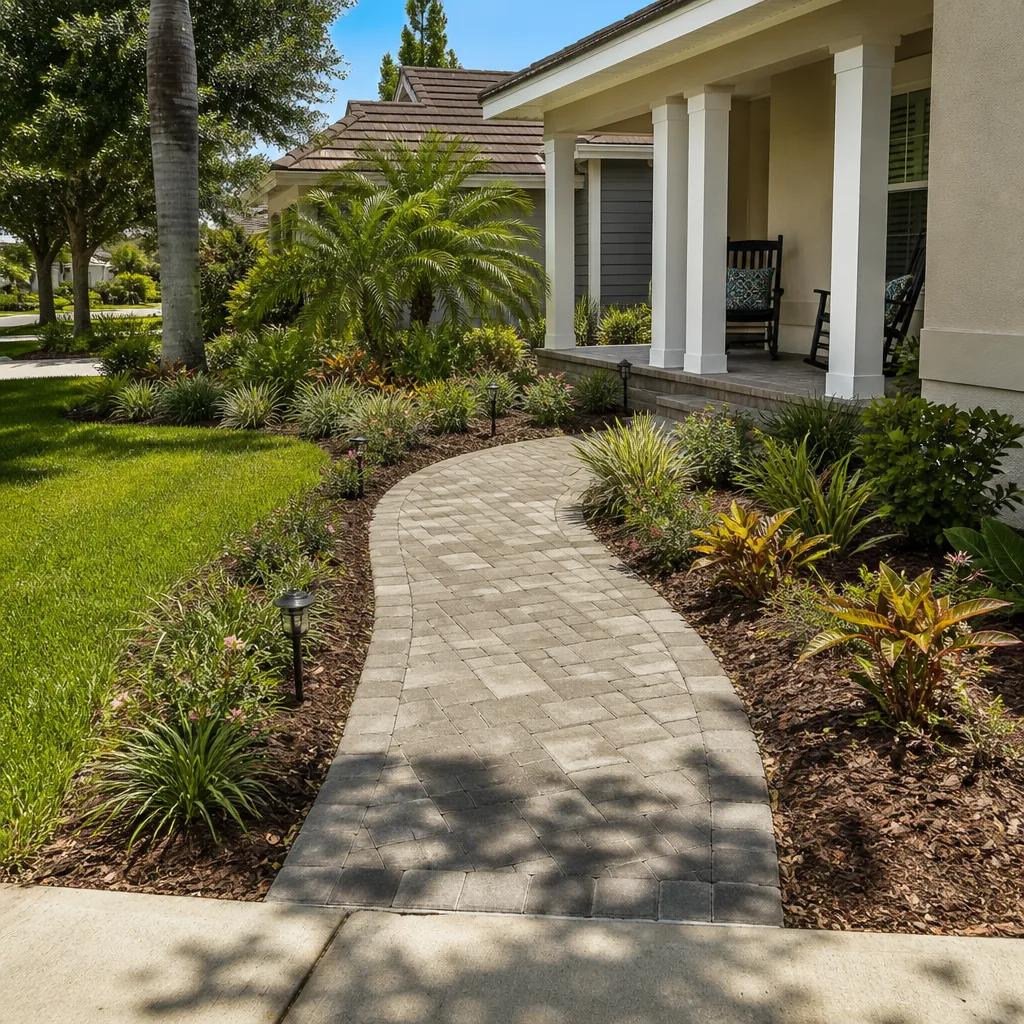
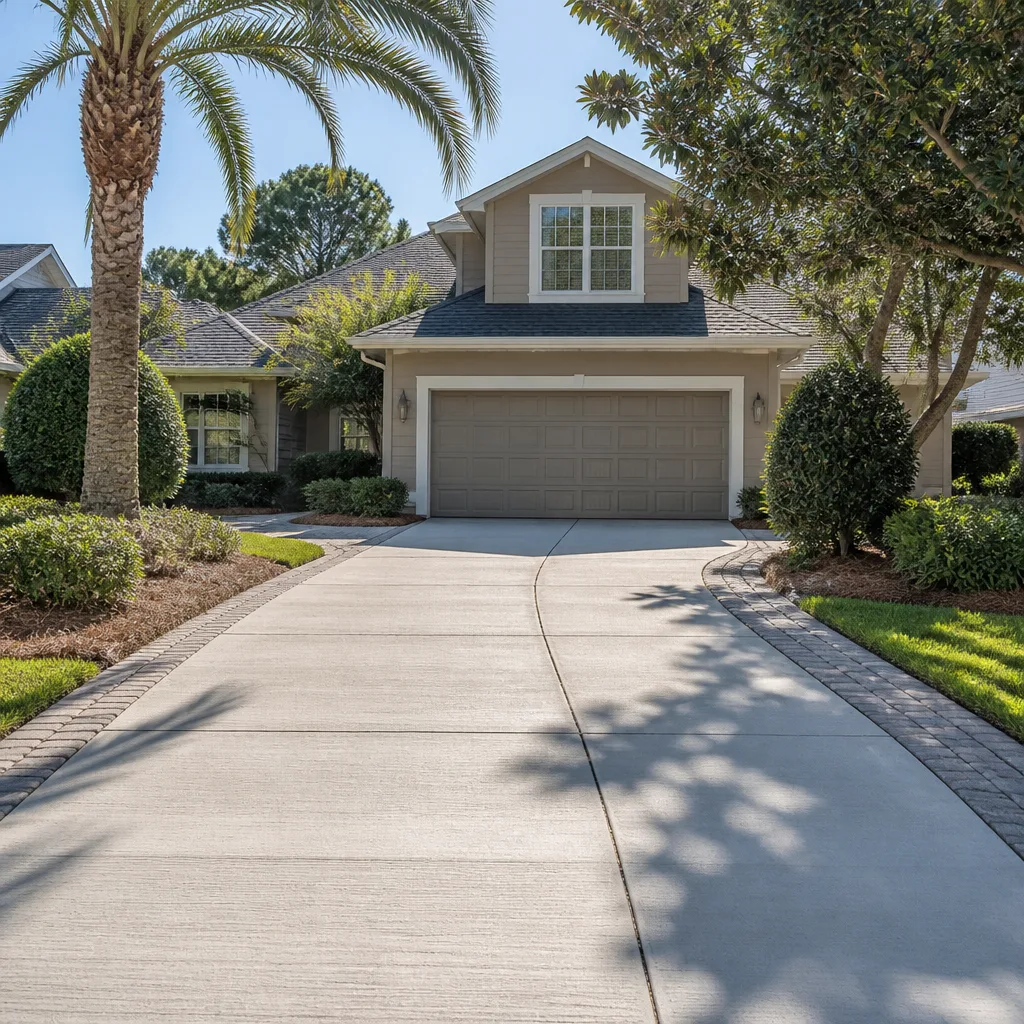
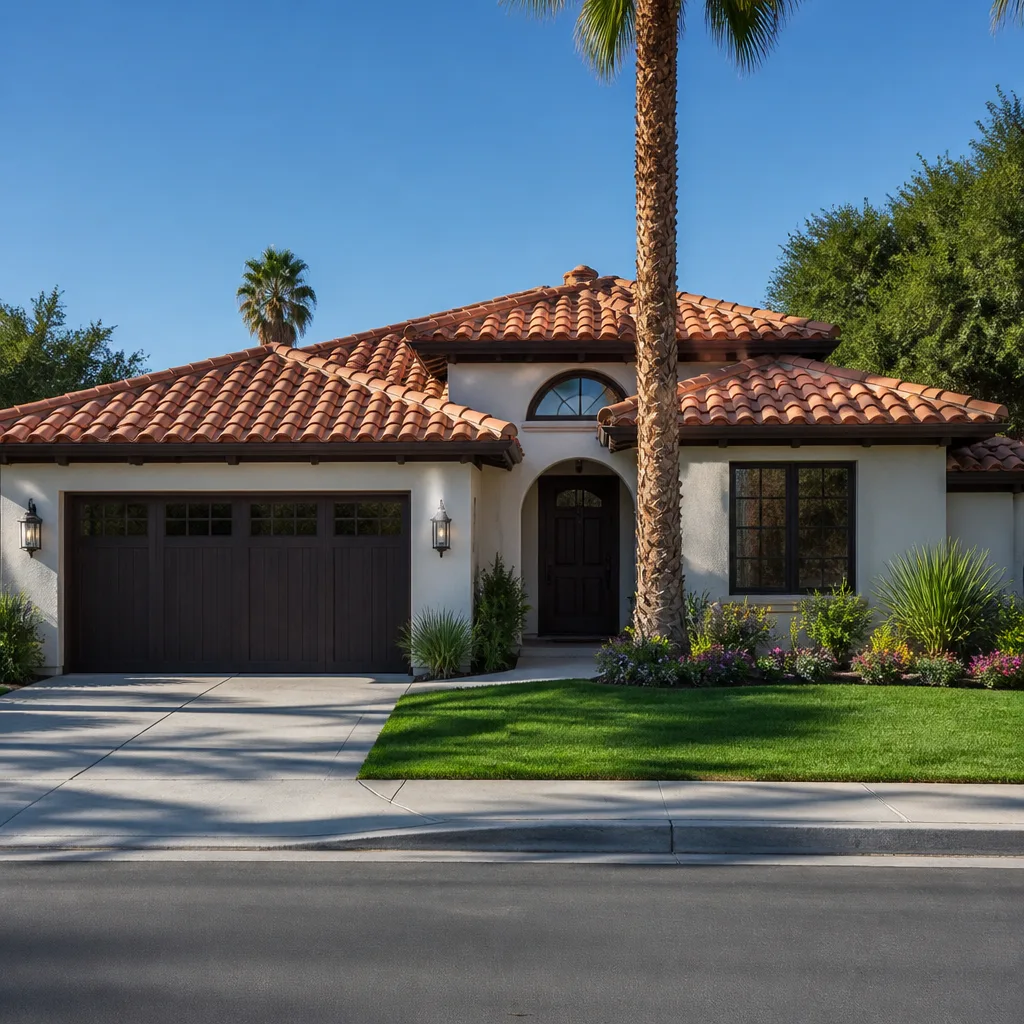
For Richmond Heights and Parkview ranch-style homes with wider driveways, the layout matters as much as the material. A stamped driveway needs expansion joints at regular intervals, and those joints interrupt any running pattern. Pavers let you carry one design language from driveway to front walkway to patio without joints chopping the pattern. Groundwork sources from a curated portfolio of premium paver manufacturers – Cambridge Pavers and Oldcastle among them – so unit thickness, finish, and warranty line up with your specific site conditions, backed by the 730-Day Done Right Promise on the installation itself.
Stamped Concrete vs Pavers: Side-by-Side
| Factor | Stamped Concrete | Pavers |
|---|---|---|
| Repair after root heave | Full section replacement, visible mismatch | Lift and reset; a few hundred dollars |
| Fog-belt UV and scaling | Fades faster; sealer needs renewing | Color runs through the unit |
| Design continuity | Broken by expansion joints | Continuous pattern across surfaces |
| Initial cost per project | Lower upfront | Higher upfront, lower over time |
| Lifespan with tree roots nearby | Predictable cracking | Stable; individual units reset |
On money, the honest picture: paver driveway installation in Richmond runs $7,000-$18,000, against concrete driveway installation at $4,500-$12,000 and driveway replacement at $5,000-$14,000. Paver patios run $3,500-$11,000. Stamped concrete wins the first invoice. Pavers win the decade, because the repair economics and the design continuity compound. That’s why the short answer above leans pavers for older Richmond neighborhoods.
Common Local Scenarios We See in Richmond
- South Richmond bungalow with a 70-year-old street tree on the parking strip: roots run under the drive. A stamped pour is a scheduled crack. Pavers let us set the base around the root zone and reset units if the tree keeps moving.
- Iron Triangle craftsman with an unpermitted shipyard-era garage conversion out back: when we open up paving work near that structure, plan-check can surface a retroactive-permit scramble, so we flag it early and keep the paving scope clean.
- Parkview ranch with a wide driveway feeding a walkway: one paver pattern carried continuous from curb to front door, no joint interruptions.
- El Sobrante fringe ranch on a sloping lot: drainage and base prep drive the decision more than the surface, so paver base depth and edge restraint get specified to the slope.
- Waterfront-adjacent or east-side lot with fill soils: legacy industrial contamination or fill can force soil testing before any pour – paver projects need less excavation and pose fewer surprises.
That last point is part of why Richmond is a different animal from El Cerrito or San Pablo. The city’s industrial legacy means contractors here routinely meet contaminated soil, buried tanks, and fill that calls for a soil management plan. Reducing excavation is a real cost saver, and pavers do that by design. You can learn more about how we handle site conditions on our home page, and see the full scope of what we install on our Driveway & Pavers and Driveway & Pavers in Richmond pages.
What to Check Before You Commit
Whichever material you pick, the base decides everything. Paving failure is almost always a base failure, not a surface failure. Before signing, ask for: the base depth and compaction spec, the edge restraint method, and how drainage will move water away from the structure. For Richmond’s wet winters, drainage is not optional detail. Groundwork technicians have up to 12 years of experience across residential site work, they arrive background-checked and uniformed, and every project is covered by the 730-Day Done Right Promise. Calls are answered by a live person, 24/7. Pricing is upfront: the number you see is the number you pay, with $1,000 off projects over $10,000 and 0% financing for 18 months available.
FAQs
Typically repair is cheaper for a small isolated crack, but once heaving from tree roots reaches a full panel, replacement of that section is usually the only matched fix – and it can run into the thousands while still not matching the original color. Call (833) 700-4611 for an exact quote on your driveway – estimates are free.
Yes. Because pavers are individual units on a granular base, we lift the affected ones, correct the root or sub-base, and set the same units back down. There’s no seam because there’s no poured joint to patch. Call (833) 700-4611 to see whether your existing pavers can be reset.
Paver driveway installation in Richmond runs $7,000-$18,000 depending on square footage, base conditions, and unit selection. Stamped or plain concrete driveway installation runs $4,500-$12,000. Call (833) 700-4611 for an itemized, upfront number – estimates are free.
Wet winters and fog-driven moisture cycles break down topical sealers and release agents faster, so UV fading and surface scaling show up sooner than in drier inland markets. The color sits on the surface, so wear is more visible. Call (833) 700-4611 if you want your current slab assessed.
If you’d rather have it looked at, Groundwork Construction Co. of Richmond offers a no-pressure assessment in Richmond – call (833) 700-4611. We’ll walk the property, check the base and drainage, and tell you plainly whether pavers or stamped concrete makes sense for your lot. Free estimate and design consult, upfront pricing, and the 730-Day Done Right Promise on every installation.
Written by the team at Groundwork Construction Co. of Richmond, serving Richmond, CA.