
Last updated November 18, 2026







Free written scope consultation - allowances, timeline, and change-order rules on paper before a single trade is scheduled
Bathroom Remodeling Maintenance Schedule: What to Do and When
Grout doesn’t fail overnight. It fails because nobody told you to reseal it every 12 months. The remodel you paid for is degrading right now on a predictable schedule, and a simple calendar can stop it. We’ve walked into Richmond bathrooms five years after a full remodel that already looked ten years old, not because the materials were cheap, but because no one handed the homeowner a maintenance calendar. This guide gives you that calendar: month-by-month tasks, annual inspections, the difference between a contractor’s responsibility and yours, and how a maintenance log protects you when a warranty claim is on the line.
Quick Answer
A remodeled bathroom needs resealing every 6 to 12 months, caulk inspection every 6 months, exhaust fan cleaning every 3 to 6 months, and an annual deep check of grout, seals, and fan performance. Homeowners should handle cleaning, resealing, and caulking; contractors handle structural, plumbing, and waterproofing failures under their workmanship warranty.
Styles & brands we work with
- Kitchen remodeling
- Bathroom remodeling
- Home additions & ADU
- Roofing
- Windows & doors
- Driveway & pavers
- Fence
Table of Contents
- Why a Remodeled Bathroom Needs a Maintenance Schedule
- The Monthly Bathroom Maintenance Checklist
- Quarterly Tasks: Exhaust Fan, Grout, and Drain Care
- The Annual Bathroom Inspection: What to Check Every 12 Months
- Why Caulk and Grout Timelines Differ in Richmond
- How to Test Exhaust Fan Performance (and Why It Matters)
- Warranty-Protecting Maintenance: What a Log Actually Does
- Done Right Promise vs. Homeowner Responsibility
Why a Remodeled Bathroom Needs a Maintenance Schedule
A bathroom is the highest-moisture room in your house. Every shower dumps gallons of water vapor into the air, and that vapor finds every gap in caulk, every microscopic crack in grout, and every seam behind the tile. Left unmanaged, water works its way behind the waterproofing membrane, into the substrate, and eventually into the framing. By the time you see a stain on the ceiling below, the repair has gone from a $15 tube of silicone to a four-figure tear-out.
We see this pattern constantly in Richmond. The city’s older housing stock, much of it built between the 1920s and 1960s, was not designed with modern vapor management in mind. Remodeled bathrooms in neighborhoods like the Richmond Annex, North & East, and Point Richmond sit inside wall assemblies that may have original plaster, retrofitted cement board, and whatever waterproofing the previous owner installed. A scheduled maintenance routine is the cheapest insurance you can buy against all of it.
There’s a second reason most homeowners miss: a remodel is a system, not a finished product. The tile, grout, caulk, fan, drain, and fixtures all interact. Grout protects the tile edges. Caulk protects the grout-to-fixture joints. The exhaust fan protects all of it by pulling moisture out of the air. When one piece of that system fails, the others degrade faster. Schedule the upkeep and the system holds. Skip it and you’re replacing the whole thing early.
What a Maintenance Calendar Actually Prevents
- Mold and mildew behind caulk lines – resealing every 6 to 12 months stops the moisture that feeds it
- Grout erosion and tile loosening – sealing grout annually keeps it from crumbling under constant wet-dry cycling
- Subfloor rot – a failed toilet seal or shower pan leak caught in month one costs under $100 to fix
- Exhaust fan failure – a fan that’s stopped moving air is a moisture trap behind the drywall
- Premature fixture replacement – a $40 cartridge replacement beats a $400 faucet swap every time
The Monthly Bathroom Maintenance Checklist
Monthly upkeep takes about 15 minutes. It’s not deep work – it’s early detection. Think of it the way you’d think about checking the oil in your car: cheap, quick, and it stops small problems from becoming expensive ones.
- Wipe down shower walls and glass after the last shower of the day. A squeegee takes 30 seconds and cuts mineral buildup dramatically. Richmond’s water runs moderately hard, so glass and chrome spot quickly without it.
- Run the exhaust fan for 20 minutes after every shower. Not five. Twenty. This is the single highest-impact habit for preventing moisture damage behind your walls.
- Check the caulk line at the tub or shower base. Press a thumb along the seam. If it’s soft, cracked, or pulling away, note it and plan to recaulk that weekend.
- Look under the sinks for moisture. A flashlight check around the supply lines and P-trap catches a slow drip before it warps the cabinet base.
- Flush the drains with hot water. Once a week, run hot water for 30 seconds to keep soap scum and hair moving through the trap.
- Wipe down grout lines in high-traffic areas. A soft brush and a mild solution keep mildew from setting in.
If you have a bathroom remodel in Richmond that included new tile, this monthly routine is what keeps the grout looking new for years rather than months. We install tile systems built to last, but no tile system is maintenance-free. Groundwork Construction Co. of Richmond home clients who follow this routine consistently report grout holding its color for the full life of the installation.
Quarterly Tasks: Exhaust Fan, Grout, and Drain Care
Every three months, add four tasks to the rotation. These are the checks that catch the things monthly maintenance can’t see.
1. Clean the exhaust fan cover and blades
Pop the cover off and vacuum the blades and housing. Dust buildup on fan blades cuts airflow, and reduced airflow means moisture stays in the room. On a remodeled bathroom with a modern fan, this takes ten minutes and restores near-full performance.
2. Inspect grout lines for hairline cracks
A flashlight held at a low angle across the shower floor reveals cracks you’d miss in normal light. Small cracks are normal wear – they need sealing, not replacing. Wide, deep cracks around a shower pan are a different story and worth a professional look.
3. Test the toilet for silent leaks
Add a few drops of food coloring to the tank. Wait 15 minutes without flushing. If color appears in the bowl, the flapper is failing. A $10 flapper now beats a $300 water bill later, and it protects the subfloor from a slow leak you’d never notice.
4. Check and clean the drain strainers
Pull the strainers from the shower and sink drains and clear them. A clogged strainer at the shower drain pushes hair and soap scum deeper into the trap, where it becomes a plumbing call.
For homeowners in Richmond planning a larger remodel where bathroom work is one phase of a bigger project, the same quarterly rhythm applies once everything’s finished. The Home Additions & ADU in Richmond work we do often includes primary suite bathrooms, and those benefit from this same schedule from day one.
The Annual Bathroom Inspection: What to Check Every 12 Months
Once a year, block out two hours for a full inspection. This is where most of the value lives. Here’s the sequence we recommend:
- Reseal all grout lines. Clean with a grout-safe cleaner, let it dry completely (24 hours), then apply a penetrating grout sealer. This is the single task that most determines how long a tiled shower looks new.
- Recaulk the tub, shower, and sink joints. Remove the old caulk entirely with a plastic scraper, clean with rubbing alcohol, and apply a fresh bead of silicone. Don’t caulk over old caulk – it won’t bond.
- Test the exhaust fan’s actual airflow. Hold a piece of toilet paper against the fan grille. If it flops down or barely moves, the fan has lost efficiency. Full instructions in the next section.
- Check the toilet tank and supply lines. Look for corrosion, mineral buildup at the connections, and any signs of moisture on the floor around the base.
- Inspect the shower pan for flex. Stand in the shower and shift your weight. Any give or movement underfoot means the pan needs professional attention. Do not ignore this.
- Look for paint bubbling or peeling on the walls or ceiling. In a bathroom, that’s often the first sign of a moisture problem inside the wall.
- Test all GFCI outlets with the test button. In Richmond, code requires GFCI protection in bathrooms, and a failed outlet is a real safety issue.
- Check the window seals if your bathroom has one. Richmond’s wet winters drive water against exterior walls, and a failed window seal on a bathroom window invites rot into the framing.
A word on the shower pan and wall moisture checks: those point to waterproofing failures. That’s not a homeowner fix. If you find flex in a pan or bubbling paint, it’s time for a professional look, and the earlier the better. For a related look at exterior moisture management on your property, our guide to Driveway & Pavers in Richmond covers how drainage around your home affects the moisture load your foundation and lower walls carry.
Why Caulk and Grout Timelines Differ in Richmond
Here’s the part no one puts on the calendar: caulk and grout age at different rates depending on how you use the shower and what’s in the water. Two Richmond bathrooms remodeled the same week can need completely different maintenance intervals.
The shower frequency factor
A guest bathroom used twice a week may hold its caulk for two years. A primary shower used twice a day by two adults will typically need recaulking every 12 to 18 months. The difference is wet-dry cycling. Every time the shower goes wet then dry, the caulk flexes. Flex enough times and it cracks. Grout is more stable but wears faster in high-traffic wet zones.
The Richmond water hardness factor
Richmond’s water supply draws from a mix of sources including the San Francisco Bay watershed and treatment facilities that vary in mineral content. Harder water deposits calcium and magnesium on grout and glass, and those minerals break down sealers faster. In bathrooms where water hardness runs higher, plan on resealing grout every 9 to 12 months rather than stretching to 12 to 18. A simple test: if you’re seeing white crust on shower glass and fixtures within two weeks of a cleaning, you have harder water and should tighten the schedule.
The ventilation factor
A well-functioning exhaust fan pushes the same wet-dry cycling down. A bathroom that’s run with a strong fan every shower ages slower than one where the fan gets flipped on after the mirror’s already fogged. Ventilation, water hardness, and shower frequency together should calibrate your personal maintenance calendar.
How to Test Exhaust Fan Performance (and Why It Matters)
The exhaust fan is the most underrated component in your bathroom, and it’s the one that fails quietly. When a fan loses airflow, nothing dramatic happens. No alarm, no visible crack. The moisture just stays in the room, working its way into the drywall, the insulation, and eventually the framing. By the time you notice, the drywall around the shower is soft or mold is blooming behind the paint.
Test the fan once a year, and test it after you clean the blades quarterly. Here’s the method:
- The tissue test. Cut a square of toilet paper and hold it against the fan grille while the fan runs. It should stick firmly and stay up. If it falls or barely clings, the fan has lost meaningful airflow.
- The mirror test. Run a hot shower for five minutes with the fan on. If the mirror is fogged over and stays fogged for several minutes after the shower, the fan is not moving enough air.
- The timing test. Measure how long it takes for the bathroom to feel dry after a shower. A working fan clears the air within 10 to 15 minutes of continued running. If it takes 30 minutes, the fan is undersized or worn.
- The listen test. A rattle, hum, or grinding sound often means a failing motor bearing or a loose mount. A worn fan is usually a replacement, not a repair.
If your fan fails these tests, don’t delay. In a Richmond bathroom, especially one with exterior walls that face the summer fog from the Bay, moisture trapped behind walls is a recipe for mold and rot. If your exhaust fan is more than a decade old or rated below 110 CFM, a replacement is often the cheapest insurance on the whole room. A stronger fan also improves window and wall performance nearby, which is why we often pair a fan upgrade with window replacement on a bathroom that has an exterior-facing wall. Our Fence Installation in Richmond team regularly sees how wind-driven rain load varies by neighborhood, and the same principle applies to exterior wall moisture in bathrooms.
Warranty-Protecting Maintenance: What a Log Actually Does
If a remodeled bathroom develops a leak, the first question a warranty claim answers is: did the failure come from a workmanship defect, or from a maintenance failure? The difference matters to both sides. A log protects you in that conversation.
What to track in your log:
- Date of each resealing and recaulking (grout and caulk separately)
- Products used (brand and type – especially sealers and silicone)
- Exhaust fan cleaning and testing dates, with the tissue-test result
- Any cracked grout, soft caulk, or moisture you noticed and how you addressed it
- Photos of any issues with a date stamp
- Any professional inspection or service call with the date and what was found
Why this matters under the Groundwork 730-Day Done Right Promise: our promise covers workmanship. If a shower pan we installed fails inside that window because of a defect in the installation, we fix it. If it fails because the caulk wasn’t maintained and water got behind the pan for two years, that’s a different conversation. A log demonstrates that you did your part, which keeps the warranty clean and unambiguous. It’s the same principle a mechanic applies when you bring in a car with records versus one with none. Records get the benefit of the doubt.
Under the 730-Day Done Right Promise, when it’s a workmanship issue, we make it right. Clear records are how that works fastest for everyone.
Done Right Promise vs. Homeowner Responsibility
A common question we hear in Richmond: which of these maintenance tasks are covered, and which are mine? Here’s the split:
Covered under the contractor’s workmanship warranty
- Waterproofing membrane failures and shower pan defects
- Improperly installed tile that debonds or cracks from installation error
- Plumbing rough-in leaks from installation defects
- Fixture installation failures (a faucet that leaks from a bad install)
- Subfloor and framing issues caused by installation error
Homeowner responsibility
- Resealing grout on the recommended schedule
- Recaulking joints on the recommended schedule
- Cleaning the exhaust fan and testing airflow
- Running the fan after showers and wiping down shower walls
- Managing water hardness and using a squeegee
- Cleaning drains and replacing toilet flappers
- Reporting any moisture issues promptly when noticed
The line is simple: if the failure comes from a defect in how we installed it, it’s our responsibility. If it comes from normal wear that wasn’t maintained, it’s on the homeowner’s calendar. This is exactly why the calendar matters. Most homeowners have never received one. If you’ve had a bathroom remodeled in Richmond and don’t have a maintenance plan, get one. We’re happy to help you build one during a free project estimate and design consult.
Common Mistakes to Avoid
- Treating grout sealing as optional. Grout is porous. Skip sealing and water finds the substrate. That’s a tear-out, not a touch-up.
- Caulking over old caulk. New silicone will not bond to old silicone. Strip it, clean the joint, and start fresh. This is the single most common mistake we fix.
- Ignoring water hardness differences. Two Richmond bathrooms can need different schedules. If you’re seeing white crust on glass, tighten your calendar.
- Letting the exhaust fan go unserviced. A fan that’s lost 50% of its airflow fails silently, and the damage happens behind the wall where you can’t see it.
- Skipping the annual shower pan flex test. A small amount of movement underfoot is a warning. Ignoring it lets water get under the pan for months.
- Not keeping a maintenance log. Without records, a legitimate workmanship claim becomes a he-said-she-said conversation. A log keeps the door open for you.
- Fixing a moisture problem with paint. If you see bubbling drywall near a shower, paint doesn’t fix the source. It hides it. Call a pro and diagnose it.
See the difference
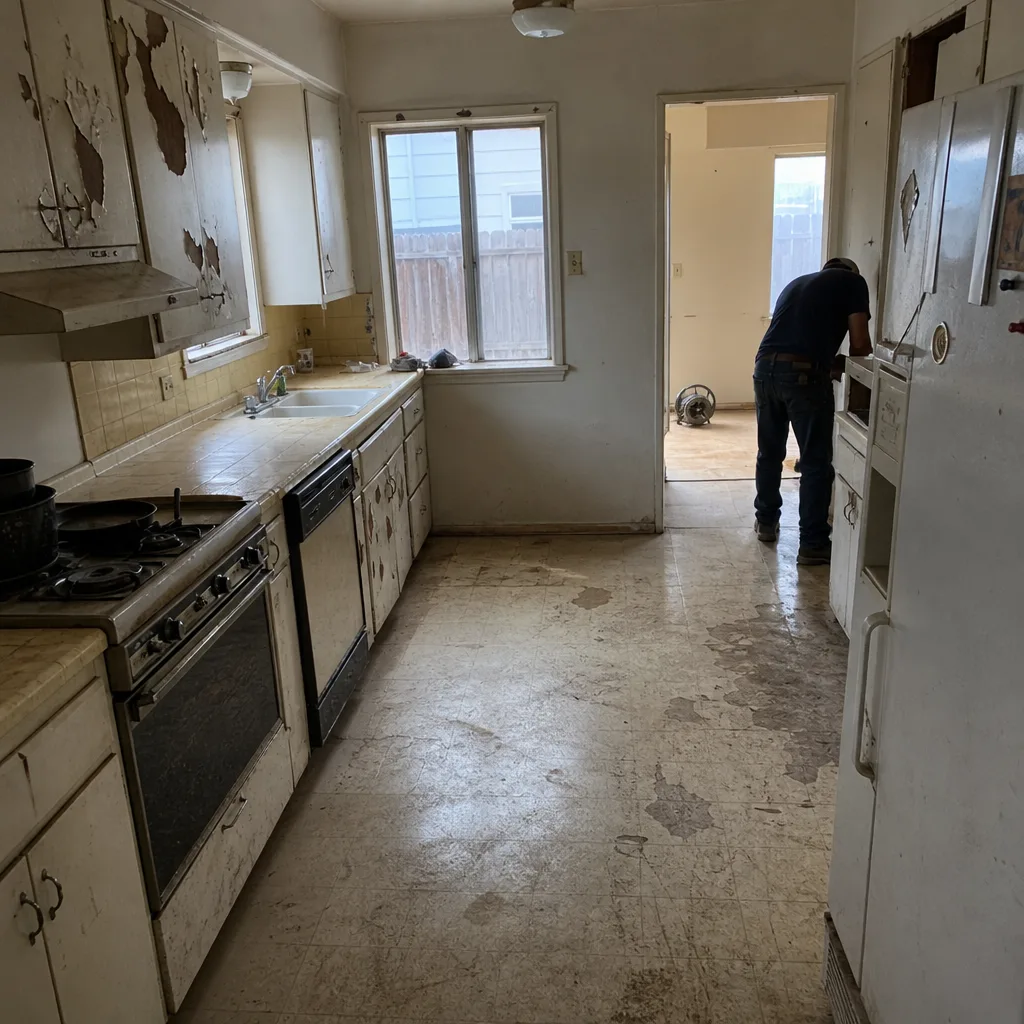 Before
 After
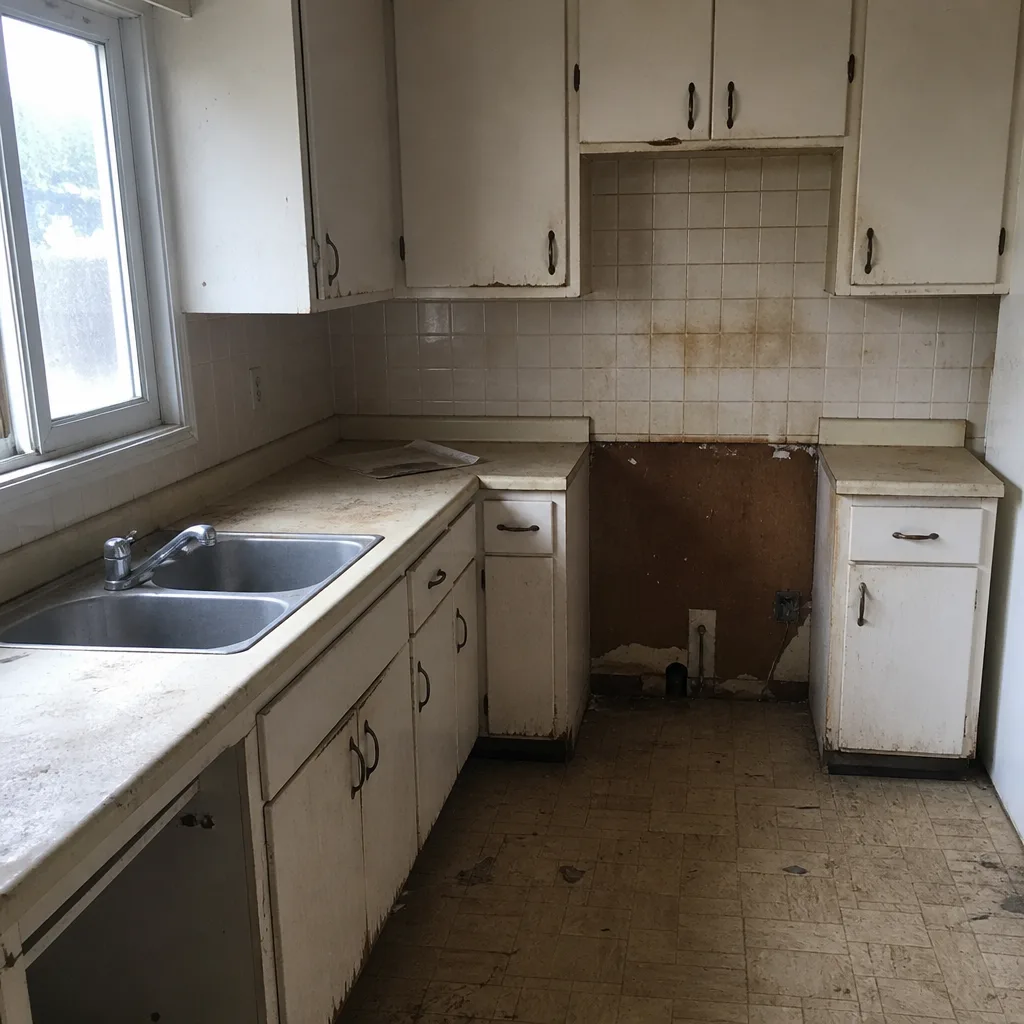 Before
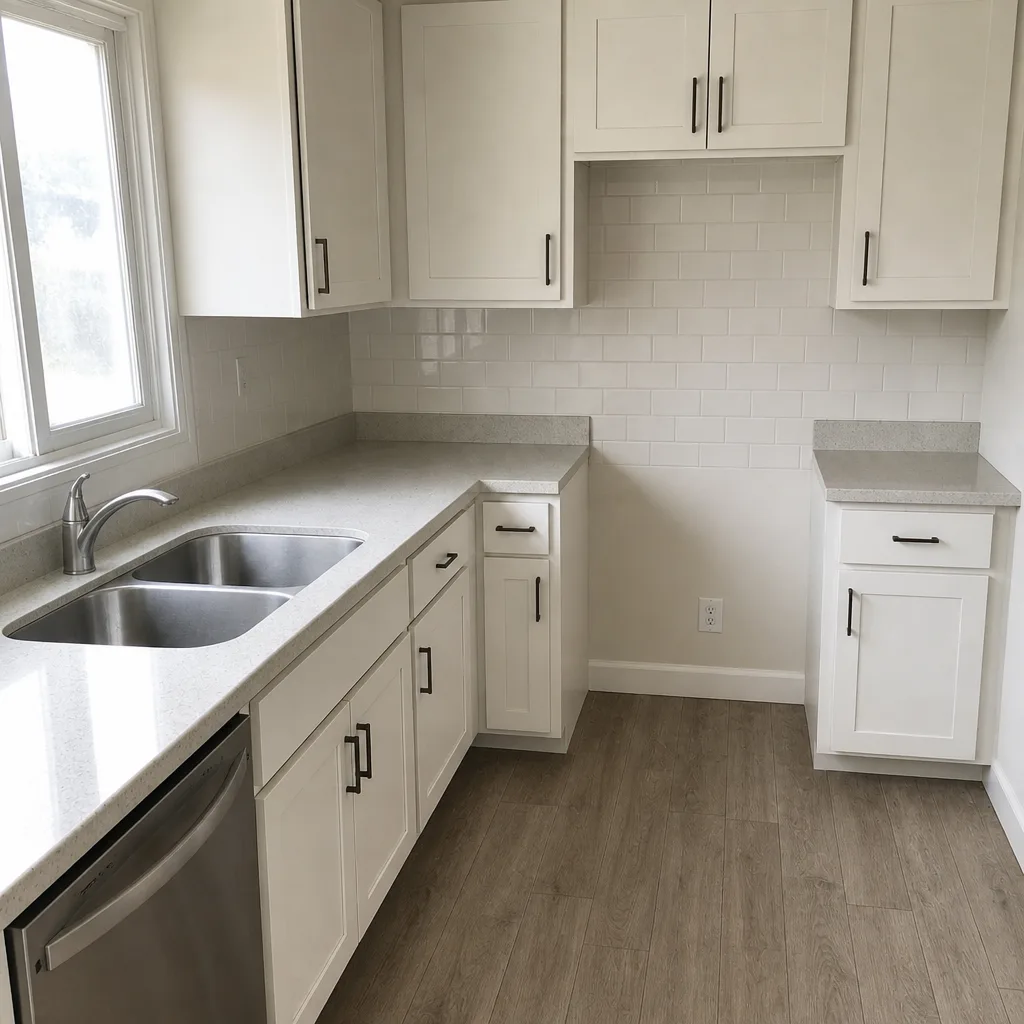 After
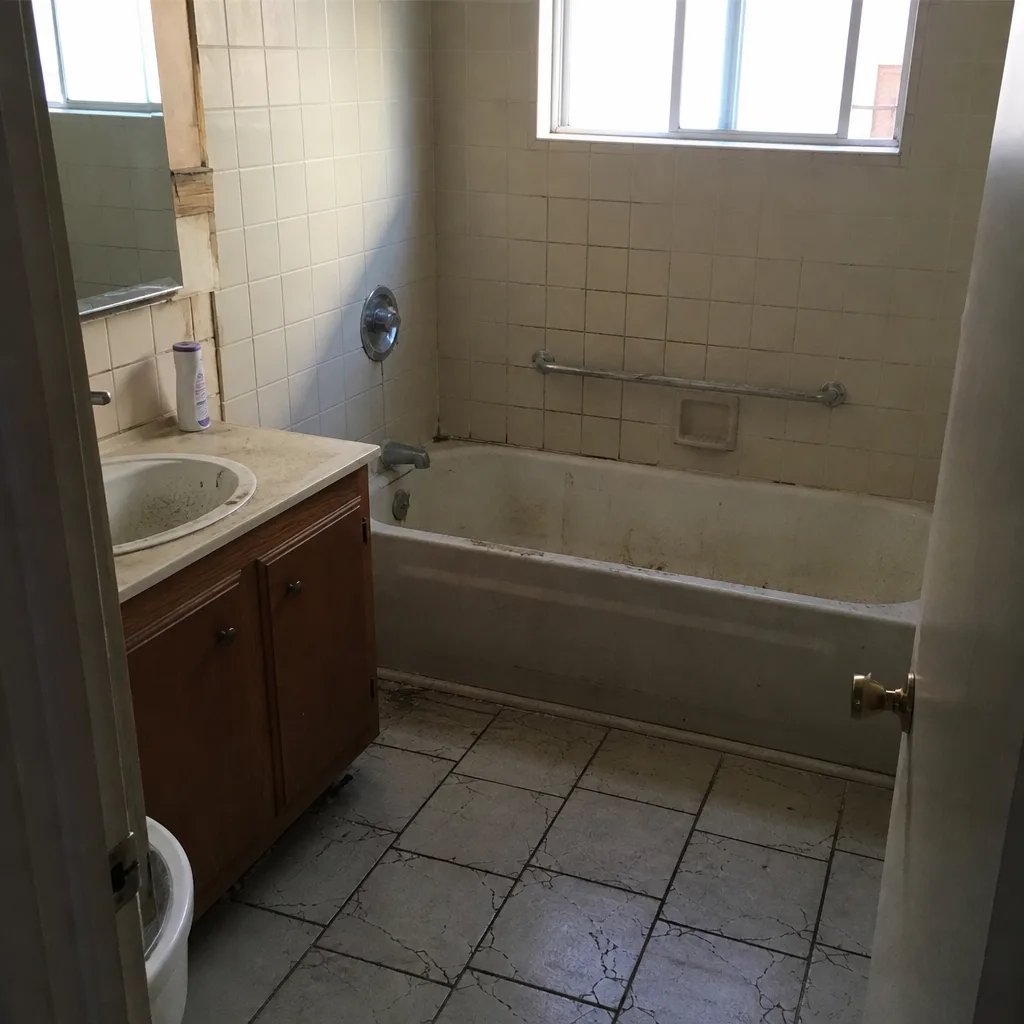 Before
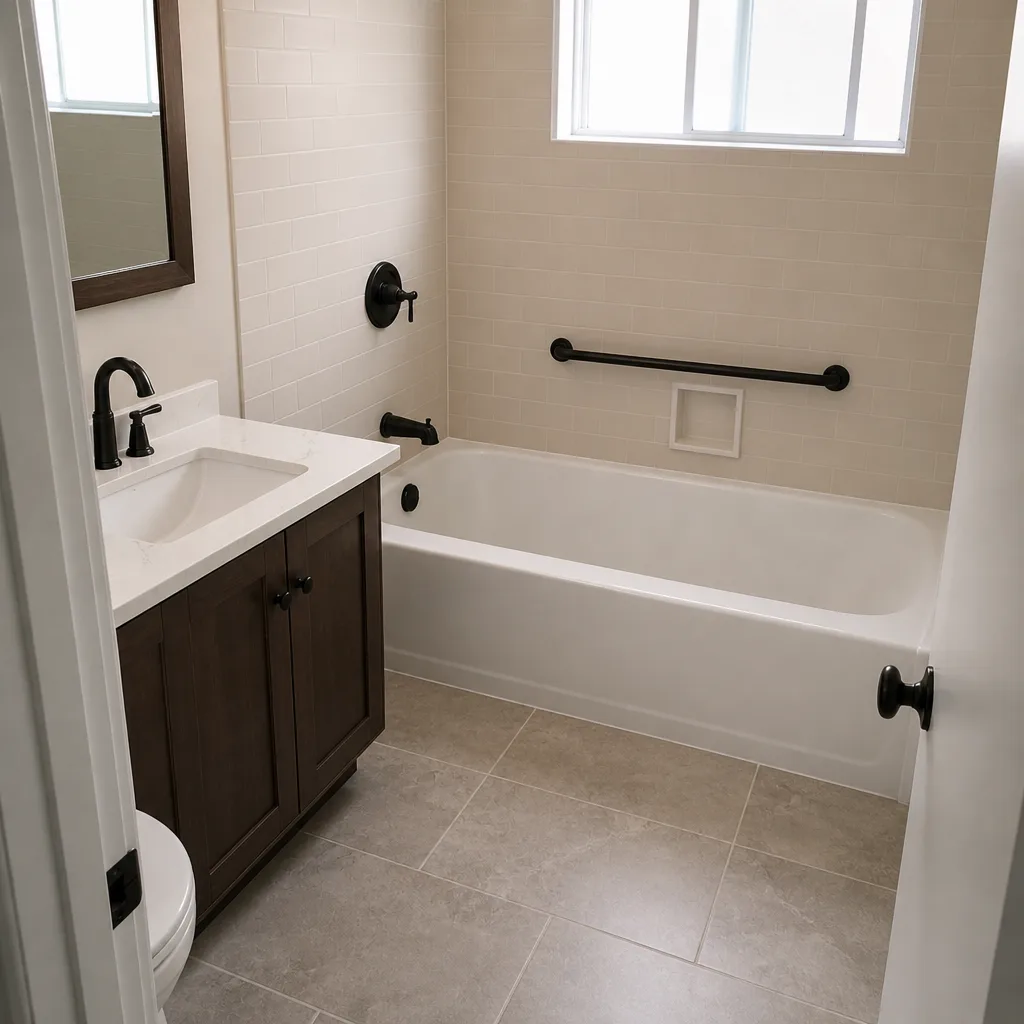 After
When to Call a Professional
Many maintenance tasks belong on your calendar. A handful don’t, and this is where you call us. Call a professional if you notice: flex or movement in a shower pan, bubbling or soft drywall near the shower, a persistent moisture smell that doesn’t clear with ventilation, caulk that won’t stay sealed despite recaulking, cracked or debonding floor tile, a plumbing leak inside a wall, or a GFCI outlet that fails its test button.
Also call if your exhaust fan is more than ten years old or can’t pass the tissue test after cleaning. Those are signs of deeper issues or worn components, not maintenance tasks. Groundwork Construction Co. of Richmond offers free estimates in Richmond – call (833) 700-4611 to schedule yours. Our technicians have up to 12 years of experience and every job is backed by the 730-Day Done Right Promise. For larger projects – a bathroom remodel, a laundry addition, or a room reconfiguration – we’ll give you a written, line-item estimate before any work starts. Upfront pricing, no surprises.
Frequently Asked Questions

Reseal grout every 9 to 12 months if your water runs hard or your shower gets daily heavy use, and every 12 to 18 months if it’s a lightly used secondary bathroom. Richmond’s water mineral content pushes most homeowners toward the shorter interval. Recaulk tub and shower joints every 12 months as a baseline. Call (833) 700-4611 if you’re unsure how to tell whether your grout is holding its seal – a free estimate visit can tell you in minutes.
A maintenance log isn’t legally required, but it protects you in a dispute. When a leak appears and the cause is unclear, a log showing regular resealing, recaulking, and fan service gives you a strong case for a workmanship claim. Without records, that conversation gets harder. Keep the log and keep your receipts for any products you use.
Not necessarily broken – it’s probably underperforming. Dust on the blades, a partially blocked vent, or a fan that’s aging out of spec can all cause it. Clean the blades, check for a kinked or blocked exhaust duct, and run the tissue test. If it still fails, a replacement fan is usually the right call, and a modern fan rated at 110 CFM or higher will outperform what’s likely in the ceiling now.
You can handle most of it: cleaning, resealing grout, recaulking, testing the fan, flushing drains, and checking under sinks. Those are routine homeowner tasks. What you shouldn’t handle is anything involving the waterproofing membrane, shower pan, subfloor, or plumbing inside the wall. If you spot flex in the pan, soft drywall, or a stain on the ceiling below, call a pro. Our team at Groundwork Construction Co. of Richmond is happy to take a look during a free estimate.
A full bathroom remodel in the Richmond market typically runs from the mid five figures for a modest hall bath to well into the six figures for a primary suite with layout changes – the exact number depends on square footage, tile selection, plumbing relocation, and fixture brand. Every Groundwork bathroom project includes a walkthrough at completion where we hand you a maintenance calendar built around your specific installation and your Richmond water conditions. Call (833) 700-4611 for a free project estimate and design consult – the number you see is the number you pay.
If it’s surface discoloration on the caulk line, remove the caulk, clean thoroughly with a mold-safe product, let it dry completely, and recaulk. If the discoloration is behind the tile line, the drywall is soft, or there’s a persistent musty smell that doesn’t clear with ventilation, it’s time for a professional inspection. That points to moisture behind the wall, which doesn’t resolve on its own. Call (833) 700-4611 for a free estimate and we’ll tell you what we see.
The Bottom Line
A bathroom remodel is a system that needs a calendar, not a one-time investment. Reseal grout every 9 to 18 months depending on your shower use and Richmond water hardness. Recaulk every 12 months. Clean the exhaust fan quarterly and test it annually with the tissue and mirror tests. Inspect the shower pan, tank, and outlets every 12 months. Keep a maintenance log that protects you in a warranty conversation. And remember the split: workmanship defects are covered under the 730-Day Done Right Promise, routine maintenance is on your calendar. From foundation to finish line, built to last, backed in writing. If you want a professional to review your bathroom maintenance or plan a remodel, call (833) 700-4611 for a free estimate.
Written by the team at Groundwork Construction Co. of Richmond.