Last updated November 18, 2026






Free written scope consultation - allowances, timeline, and change-order rules on paper before a single trade is scheduled
Fence Installation Maintenance Schedule: What to Do and When
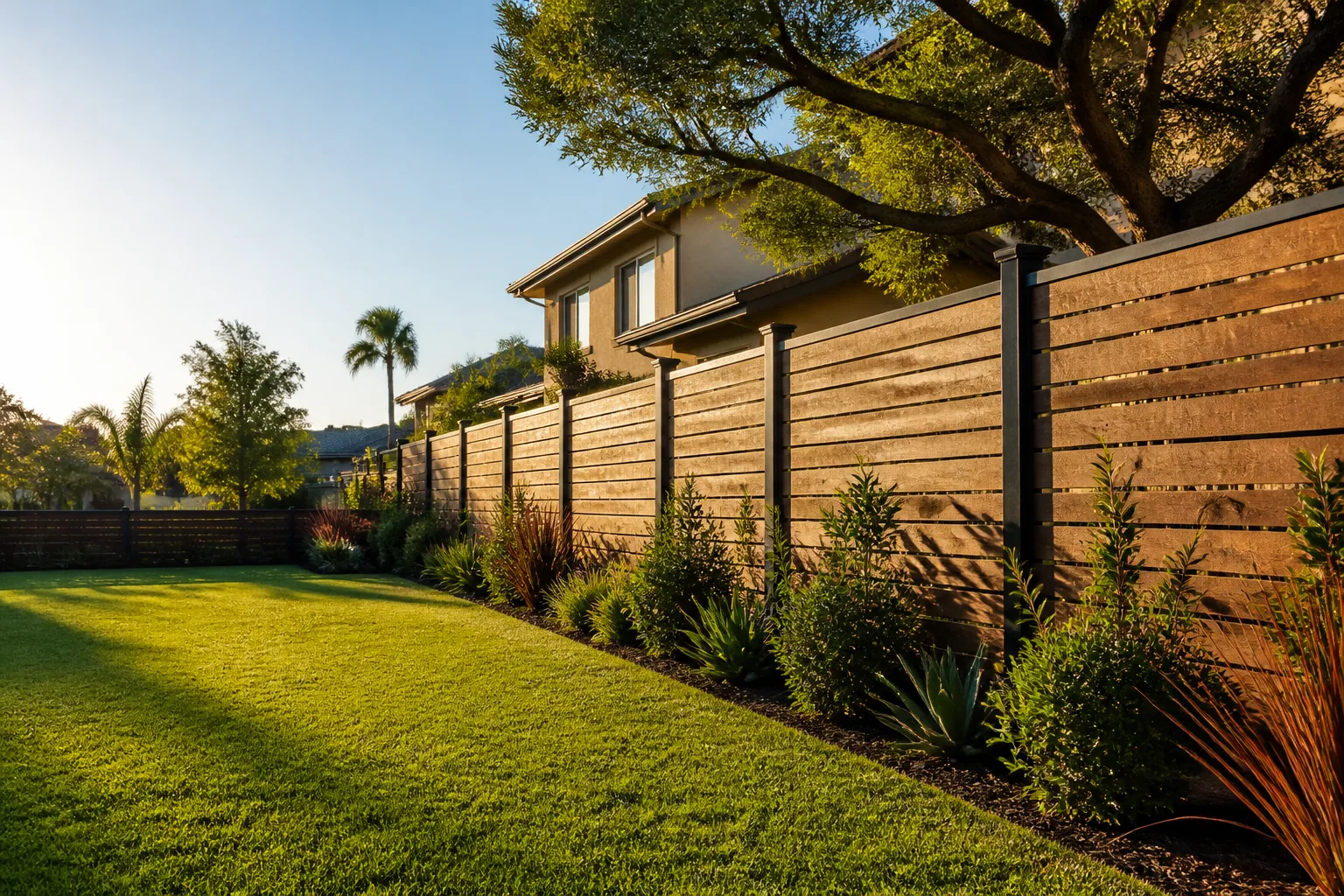
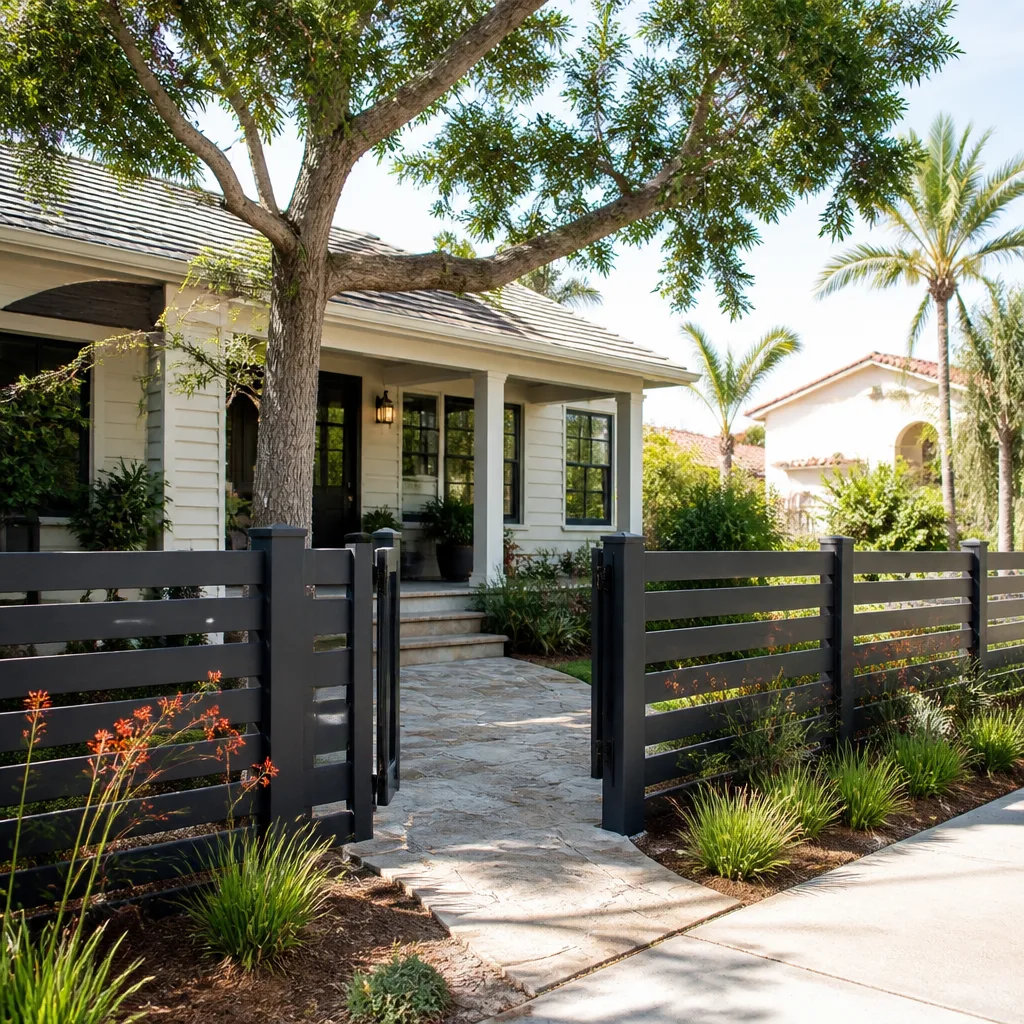
Painting a wood fence on the wrong cycle doesn’t protect it. It traps moisture against the wood and speeds up the rot you were trying to prevent. We’ve torn out fences in Richmond that were coated every single year and still failed at the posts, because the timing was wrong and the material clock was ignored. Vinyl, aluminum, composite, and wood each run on a different maintenance calendar, and applying one schedule to the wrong material either wastes your weekends or misses the actual threat. This guide breaks the calendar down by material, covers the post-base inspection most homeowners skip, and shows you exactly what to do in Richmond’s wet season and when.
Quick Answer
Wood fences need inspection twice a year and stain or seal every 2 to 4 years, applied in Richmond’s dry window from late spring through early fall. Vinyl needs a wash once or twice a year and a hardware check each spring. Aluminum needs a rinse and touch-up as needed. Composite needs an annual wash and a yearly look at fasteners. Every material needs a spring post-base inspection and gate hardware maintenance, and that’s the task most homeowners skip until the gate sags or the post rots through.
Styles & brands we work with
- Kitchen remodeling
- Bathroom remodeling
- Home additions & ADU
- Roofing
- Windows & doors
- Driveway & pavers
- Fence
Table of Contents
- Material-Specific Maintenance Calendars, Side by Side
- Why Richmond’s Wet Season Should Set Your Wood Fence Schedule
- The Spring Post-Base Inspection: What You’re Actually Looking For
- How to Clean Vinyl and Aluminum Without Damaging the Finish
- Gate Hardware Maintenance Most Homeowners Skip
- Composite Fence Care: What It Needs and What It Doesn’t
- Repair or Replace? Reading the Signals
- Richmond Conditions That Change the Schedule
Material-Specific Maintenance Calendars, Side by Side
The single biggest mistake we see is treating every fence the same. A vinyl fence in the Richmond flats and a cedar privacy fence on a hillside lot are two completely different maintenance animals. Here’s how the four common materials line up across a year.
Wood (cedar, redwood, pressure-treated pine)
- Spring: Full inspection, post-base check, tighten fasteners, look for green algae and mildew on north-facing panels.
- Late spring to early fall: The stain or seal window. Do it in dry weather with 48 hours of no rain forecast.
- Fall: Second inspection before the rains settle in. Clear soil and mulch away from the base so water drains.
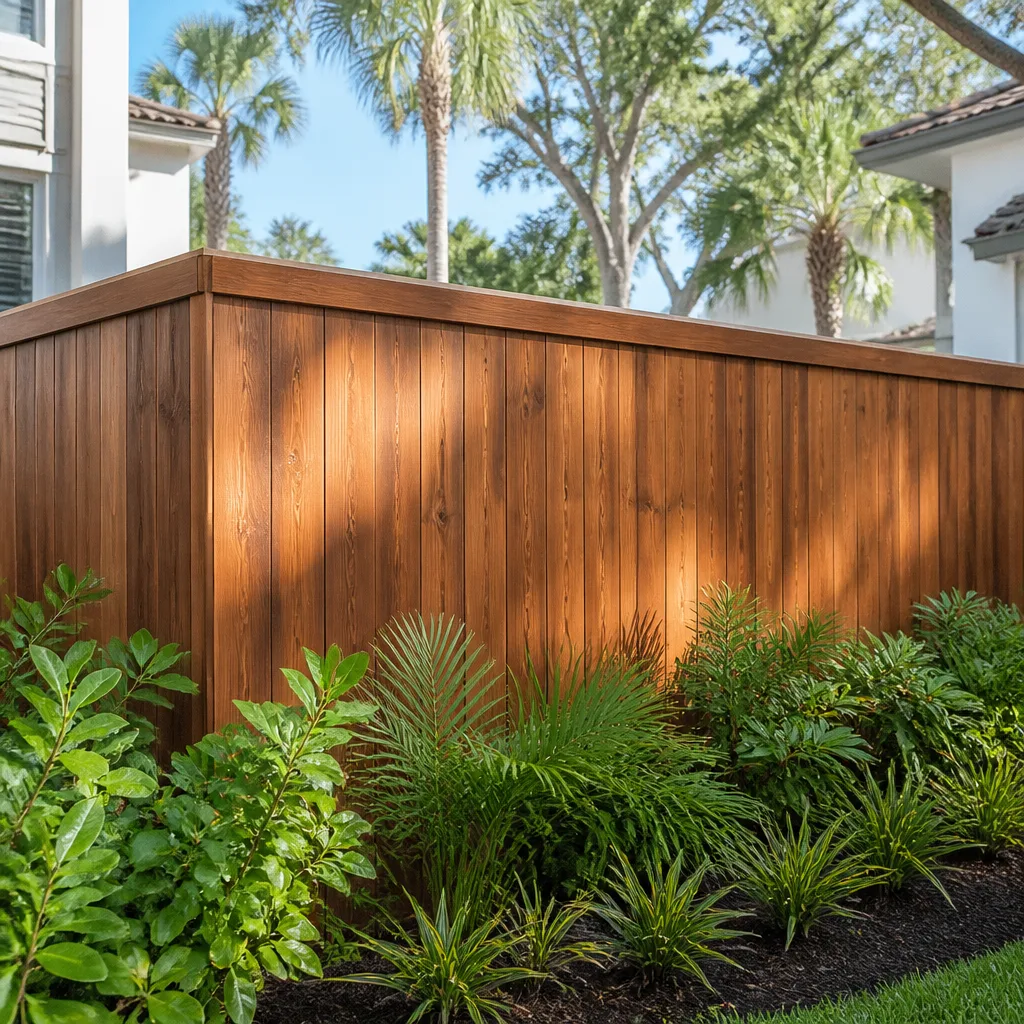
- Every 2 to 4 years: Re-stain or re-seal. Semi-transparent stains on horizontal rails need the shorter end; vertical boards in shade can stretch toward 4.
Vinyl
- Spring: Wash with mild soap and water, check post caps and rail connections, lubricate gate hinges.
- Mid-summer: Rinse off dust and pollen. Inspect for hairline cracks at fastener points.
- Fall: Clean off leaf tannin stains before they set over winter.
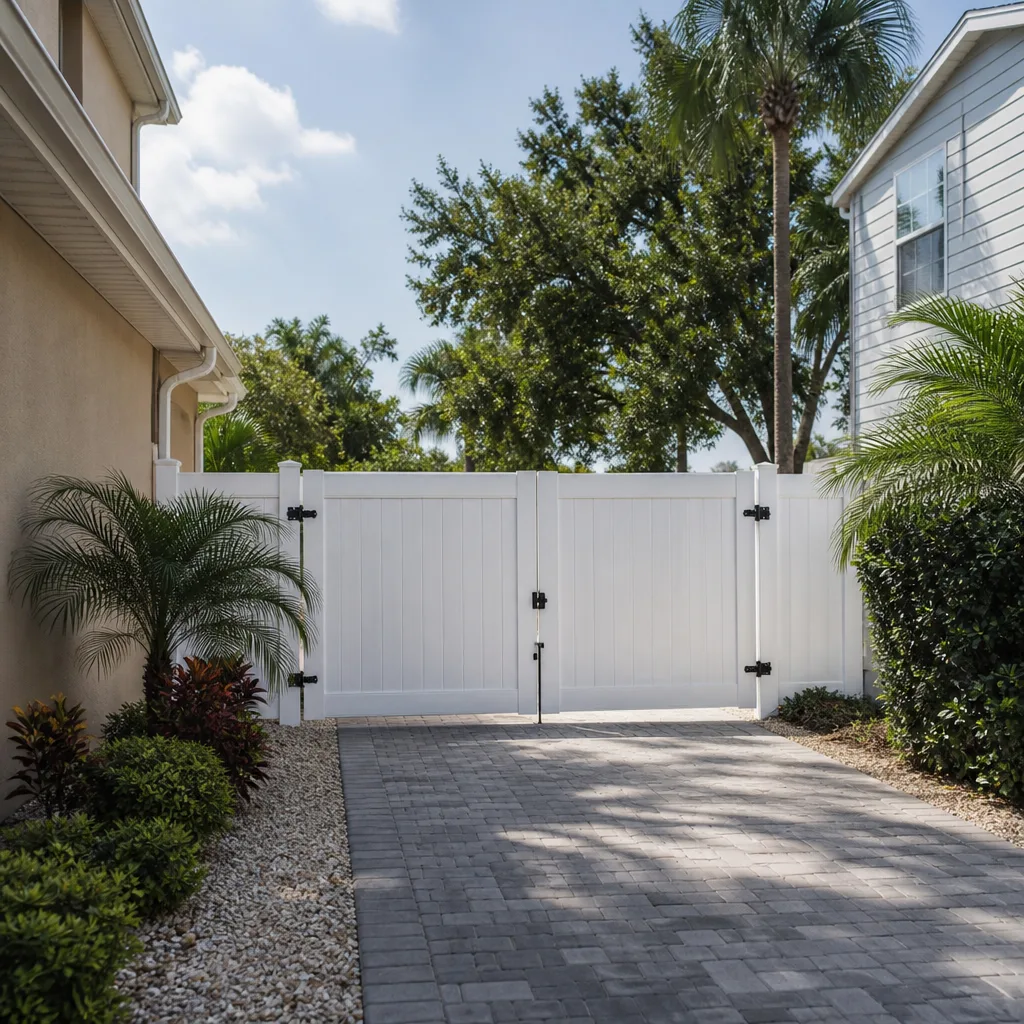
- Every 2 to 5 years: Deeper clean with a soft brush. Never power wash above low pressure.
Aluminum (ornamental, pool, and security fencing)
- Spring: Rinse, check powder coat for chips, inspect welds and bracket connections.
- Summer: Wipe down salt and dust if you’re near the bay. Touch up any scratch with matching paint.
- Fall: Lubricate gate hinges and latches; check for loose anchors at posts.
- As needed: Touch-up paint on chips to stop corrosion.
Composite
- Spring: Wash with soap and water, check fasteners and rail brackets.
- Summer: Spot-clean any mildew or pollen streaks.
- Fall: Clear debris from the base of posts and along the bottom rail.
- Never: Paint or seal a composite fence. It doesn’t need it and most manufacturers say so.
If you’re still deciding which material fits your property, our overview of Fence Installation in Richmond walks through the tradeoffs in more detail.
Why Richmond’s Wet Season Should Set Your Wood Fence Schedule, Not Convenience
Richmond gets the bulk of its rain between November and April. That’s a long stretch of wet, cool weather, and it’s the worst possible time to stain or seal a wood fence. If you seal wood while it’s damp, or right before a stretch of rain, you trap moisture inside the wood. The finish cracks, moisture gets behind it, and the rot you were trying to prevent actually speeds up. We’ve pulled panels off fences in the Richmond Annex and the El Cerrito border that were sealed every October and were still soft at the bottom because the timing was wrong.
The right window is the dry stretch from late spring through early fall, when the wood has had time to dry out and you’ve got 48 hours of clear weather to let the finish cure. In our experience, a fence that gets stained in June holds up noticeably better than one stained in November, even with the exact same product.
Two other Richmond-specific factors matter here:
- Fog belt properties: Homes in the Point Richmond and Marina Bay areas sit in cooler, damper air. Wood there stays wet longer in the morning and dries slower. That pushes you toward the shorter end of the 2 to 4 year re-stain range.
- Hillside lots: Properties up in the Berkeley and Kensington hills get more sun but also more runoff. That means you need to be more careful about clearing soil from the post base so water doesn’t pool against it.
If you’re not sure whether your fence is ready for a fresh coat or already past the point where staining will help, our team can take a look during a free estimate. We also handle larger property improvements, so if you’re planning a yard overhaul, it’s worth checking our Driveway & Pavers in Richmond work alongside your fence project.
The Spring Post-Base Inspection: What You’re Actually Looking For
The post base is where almost every fence failure starts, and it’s the step most homeowners skip because the rest of the fence looks fine. Spring – after the wet season, before summer – is when you want to catch it. Here’s exactly what to check, in order.
- Dig away the soil and mulch about 3 to 4 inches down around each post. You should see the post base and, depending on how it was set, the concrete collar or footing.
- Poke the wood or material at the base with a screwdriver. On wood, you’re looking for soft spots or a tip that sinks in easily. If it goes in a quarter inch or more without resistance, that post is compromised.
- Look for standing water or dark, saturated soil at the base. If water pools there after rain, the post will rot from the bottom up regardless of what’s above ground.
- Check for separation between the post and its footing. On concrete-set posts, a gap means movement. On metal posts, look for rust weeping at the base.
- Push test. Firmly push each post side to side. Any give beyond a small flex means the footing or the wood is failing.
- Look up. On older fences, check the top rail connection points for cracks or sag. That’s the second most common failure point after the base.
What you’re really checking for is whether the fence has lost structural integrity at the ground, which is where moisture and insects do their work. If you find soft posts on a wood fence, don’t wait to address it – a single failed post can take down a whole section. A repair visit is far cheaper than a full rebuild, and it’s exactly the kind of thing we assess during a free estimate in Richmond. Our team has up to 12 years of experience on fence and exterior projects, and we’ve seen every version of post rot that this climate produces.
How to Clean Vinyl and Aluminum Without Damaging the Finish or Voiding Coverage
Vinyl and aluminum fences are low-maintenance, not no-maintenance. The cleaning step is straightforward, but the products and pressure you use matter. Get it wrong and you can dull the finish, scratch the powder coat on aluminum, or, in extreme cases, void a manufacturer’s warranty. Here’s the safe approach for both.
Cleaning vinyl
- Rinse the whole fence first with a garden hose to loosen dust and pollen.
- Mix mild dish soap with warm water in a bucket. Skip abrasive cleaners, bleach-heavy solutions, and anything with grit.
- Wash with a soft brush or sponge, top to bottom. Keep the pressure light.
- Rinse thoroughly and let it air dry.
- If you use a power washer, keep it on the lowest setting and keep the nozzle moving. High pressure forces water behind panels and can crack the material at fastener points.
Cleaning aluminum
- Rinse first, especially if you’re near the bay and there’s salt or road dust on the metal.
- Use mild soap and a soft cloth. Never use steel wool or abrasive pads on a powder-coated finish.
- Dry the surface with a clean cloth to prevent water spotting.
- Touch up any chips with matching paint. A chip left alone is where corrosion starts.
One thing we flag often: check your manufacturer’s coverage language before you clean. Some brands require a specific cleaning method or prohibit certain chemicals, and using the wrong one can affect coverage. We work with trusted brand partners across every category, and the fence materials we install come with clear care guidance. When in doubt, mild soap and a soft brush handle 90% of what Richmond’s climate throws at these fences.
Gate Hardware Maintenance Most Homeowners Skip Until the Gate Fails
Gate hardware is the most ignored part of any fence, and it’s the one that fails first. A gate that gets stiff, sags, or stops latching is a security risk, not just an annoyance. The fix is small if you catch it early and expensive if you wait for the hinge to pull out of a post.
Here’s what to do, ideally each spring and again in the fall:
- Lubricate hinges and latches with a silicone-based or lithium lubricant. Avoid oil that attracts grit in a coastal climate like Richmond’s. Two drops per hinge is usually plenty.
- Check alignment by opening and closing the gate slowly. If it drags on the ground or the latch doesn’t catch cleanly, the gate has shifted. That’s a hinge or post problem, not a latch problem.
- Tighten all visible fasteners. Screws and bolts loosen over a season or two. A loose hinge is the first stage of a sagging gate.
- Look at the hinge-to-post connection. If the wood or material around the hinge fasteners is soft or cracked, the gate is pulling out of the post. That needs a repair, not more tightening.
- Check the gate post itself for the same signs you checked on fence posts: soft wood, standing water, or movement when you push.
If your gate has already failed – sagging, dragging, or not latching – we can assess whether a hardware swap, a post repair, or a new gate section is the right fix. Call (833) 700-4611 and we’ll set up a free estimate. Live person on the line, 24/7, so you’re not leaving a message and waiting for Monday.
Composite Fence Care: What It Needs and What It Doesn’t
Composite fencing has a reputation as the maintenance-free option, and it’s close to true. Mostly. The material doesn’t rot, doesn’t need paint, and doesn’t need sealing. What it does need is a wash once a year and a look at the mechanical connections, because composite expands and contracts with temperature swings in a way that wood and vinyl don’t.
Here’s the composite maintenance calendar:
- Annual wash: Mild soap, warm water, soft brush. Do it in spring so you can combine it with the post inspection.
- Spot clean mildew: In Richmond’s damp climate, composite panels on north-facing fences can develop surface mildew. A diluted white vinegar and water solution handles most of it. Skip bleach unless the manufacturer allows it.
- Check fasteners and brackets each spring: Composite’s expansion and contraction loosens hidden fasteners over time. A loose bracket is easy to tighten early and a pain to fix later.
- Clear the base: Debris and soil packed against the bottom rail holds moisture and encourages growth. Clear it in fall and spring.
- Never paint or seal it: Composite doesn’t absorb stain and paint will flake. Most manufacturers explicitly advise against it.
One thing we tell homeowners considering composite: it’s not maintenance-free, it’s maintenance-light. The tasks are fewer and simpler than wood, but the spring once-over and fastener check are still worth doing every year. If you’re weighing composite against other options for a new fence, our team can walk you through the realistic long-term care and cost for each material during a free design consult.
Repair or Replace? Reading the Signals
Sooner or later every fence gets to the point where you’re deciding between fixing what’s there and starting fresh. Here’s how we read the signals after a thorough inspection.
Repair is usually the right call when:
- One or two posts are soft or leaning, and the rest of the fence is solid.
- The panels are tight and the rails haven’t rotted at the connection points.
- The gate has failed but the gate post is sound.
- You’re dealing with cosmetic issues: peeling stain, surface mildew, or a couple of cracked panels.
Replacement usually makes more sense when:
- More than a third of the posts are soft or moving when push-tested.
- The bottom rails are rotting across multiple sections.
- The fence is leaning across a long run, not just at isolated posts.
- The material itself is past its lifespan and repairs are just buying time.
If you’re on the fence (pun intended) about which way to go, get a professional eye on it before you decide. Our team can assess the structure and give you a written, line-item estimate so you can compare the repair cost against a replacement cost and see which one actually makes sense for your budget. We also handle the larger property projects around your fence, so if you’re already thinking about yard work this season, our Home Additions & ADU in Richmond page is worth a look for planning purposes.
Richmond Conditions That Change the Schedule
Fence maintenance advice written for the rest of the country doesn’t always apply here. Richmond has a specific set of conditions that change the timing and frequency of what we’ve laid out above.
The wet season. November through April is the big one. Wood fences absorb moisture during those months, which is why the stain window has to be dry weather in the late spring or summer, not the fall.
Bay moisture and salt air. Properties closer to Point Richmond, Marina Bay, and the shoreline deal with more salt and moisture in the air. On aluminum, that means more frequent touch-up paint on chips. On wood, it means slightly shorter re-stain cycles.
The fog belt. Cooler, damper air lingers longer in some parts of Richmond than others. A fence in the fog belt dries more slowly after rain, which matters for both staining and for detecting rot early. We take this into account when we set maintenance timing for a specific property.
Hillside runoff. Homes on sloped lots in the Richmond hills push water downhill fast. Post bases on the downhill side of a fence line are the ones to watch most closely, because that’s where runoff will sit.
Coastal wind. Wind loosens gate hardware and post connections faster on exposed properties. A second hardware check in the fall, not just spring, is worth adding for fences on a windy lot.
If you’re not sure which of these conditions applies to your property, we’re happy to take a look. From foundation to finish line, our team can assess a fence, plan for its maintenance, and recommend the materials that hold up best in Richmond’s specific climate.
Common Mistakes to Avoid
- Staining wood before it’s dry. If you seal over damp wood, the finish traps moisture and the rot accelerates. Test the wood first: a spot of water that beads is dry enough; a spot that soaks in means wait.
- Power-washing vinyl above low pressure. High pressure forces water behind the panels and cracks the material at fastener points. Keep the nozzle moving and stay on the lowest setting.
- Skipping the post-base inspection. The post base is where failures start, and it’s the most common thing we find wrong when we’re called out to look at a “looks fine from the street” fence.
- Sealing composite. Composite doesn’t absorb stain and most manufacturers advise against painting or sealing it. Doing so is wasted effort at best, and can void coverage at worst.
- Ignoring gate hardware until the gate fails. Two drops of silicone lubricant twice a year costs almost nothing. Replacing a pulled-out gate post does not.
- Clearing mulch against the fence base but not the soil. Mulch and soil packed against the base holds moisture year-round. Clear both, and make sure water drains away from the post line.
- Treating vinyl and aluminum the same. They’re both low-maintenance but they clean differently. Abrasive cleaners or heavy pressure can damage vinyl, and rough pads can scratch a powder-coated aluminum finish.
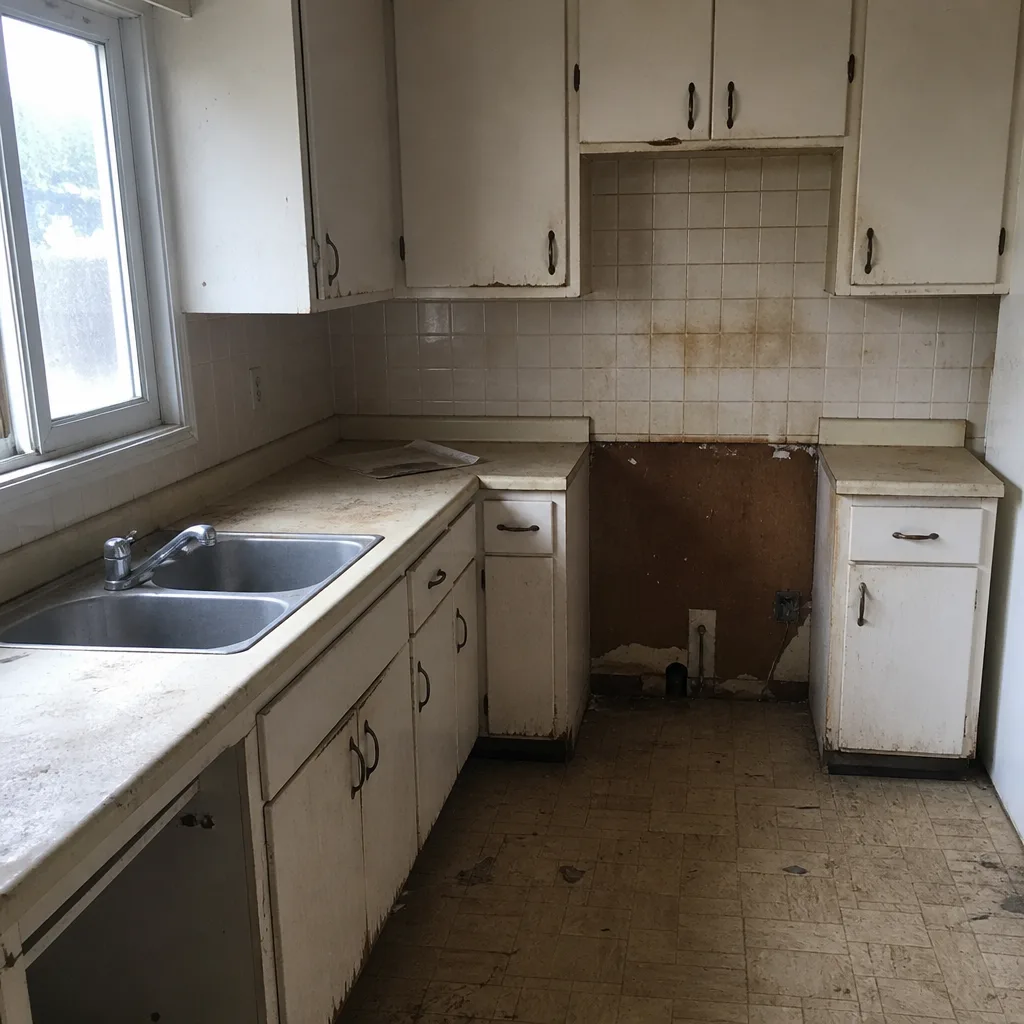
See the difference
 Before
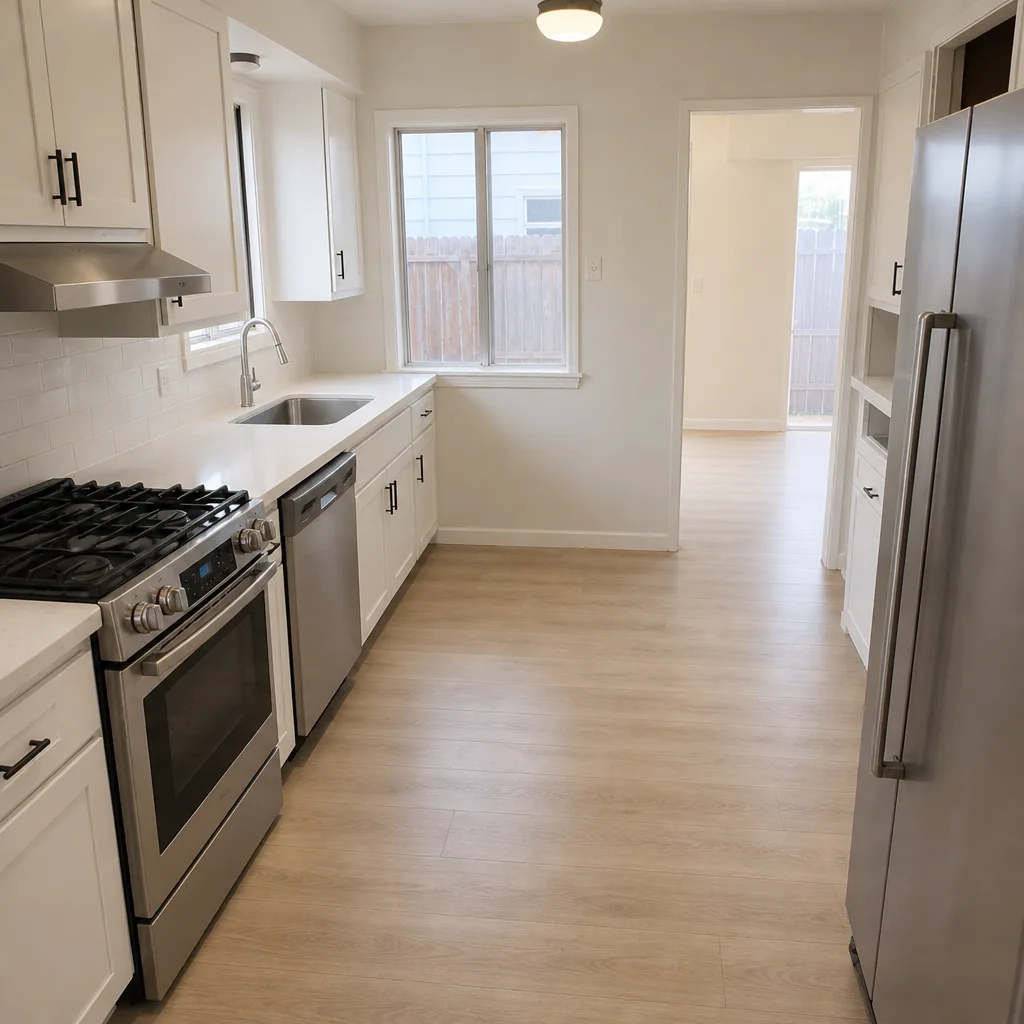 After
 Before
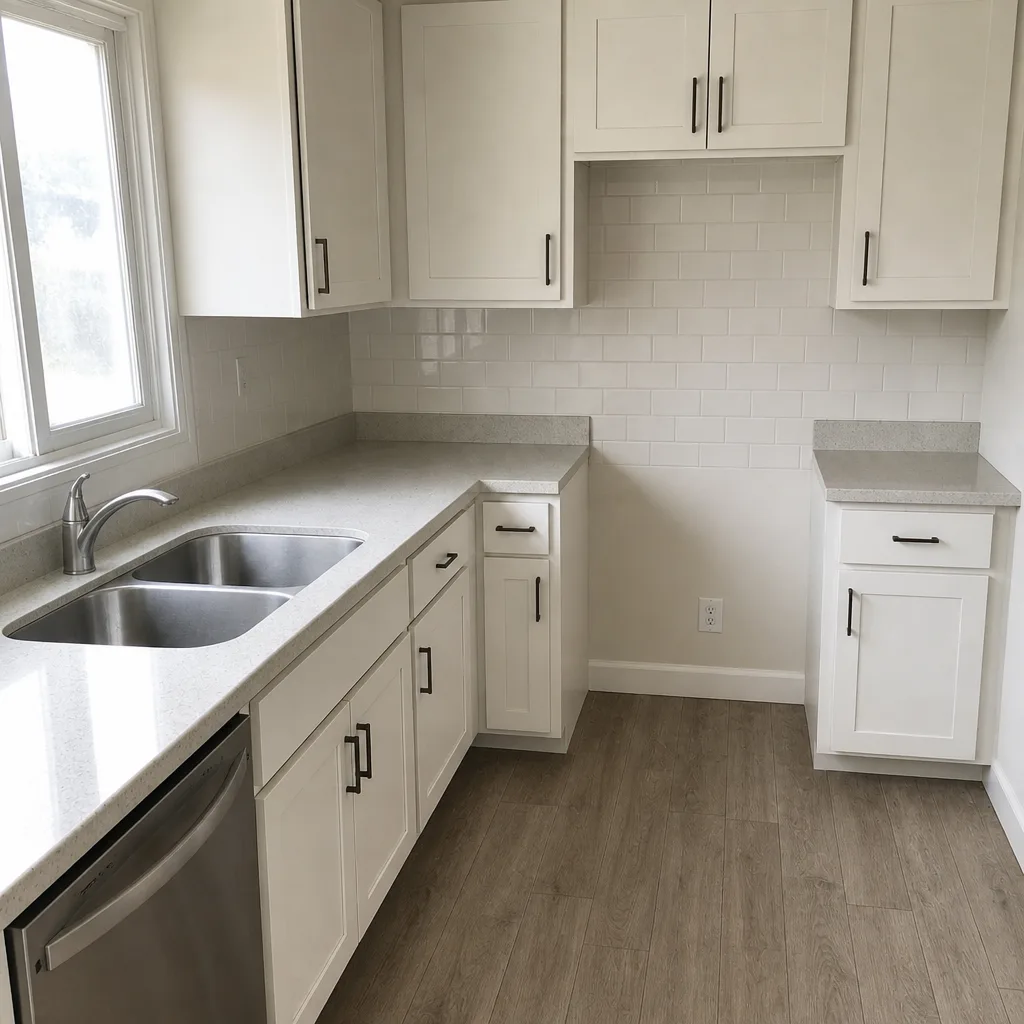 After
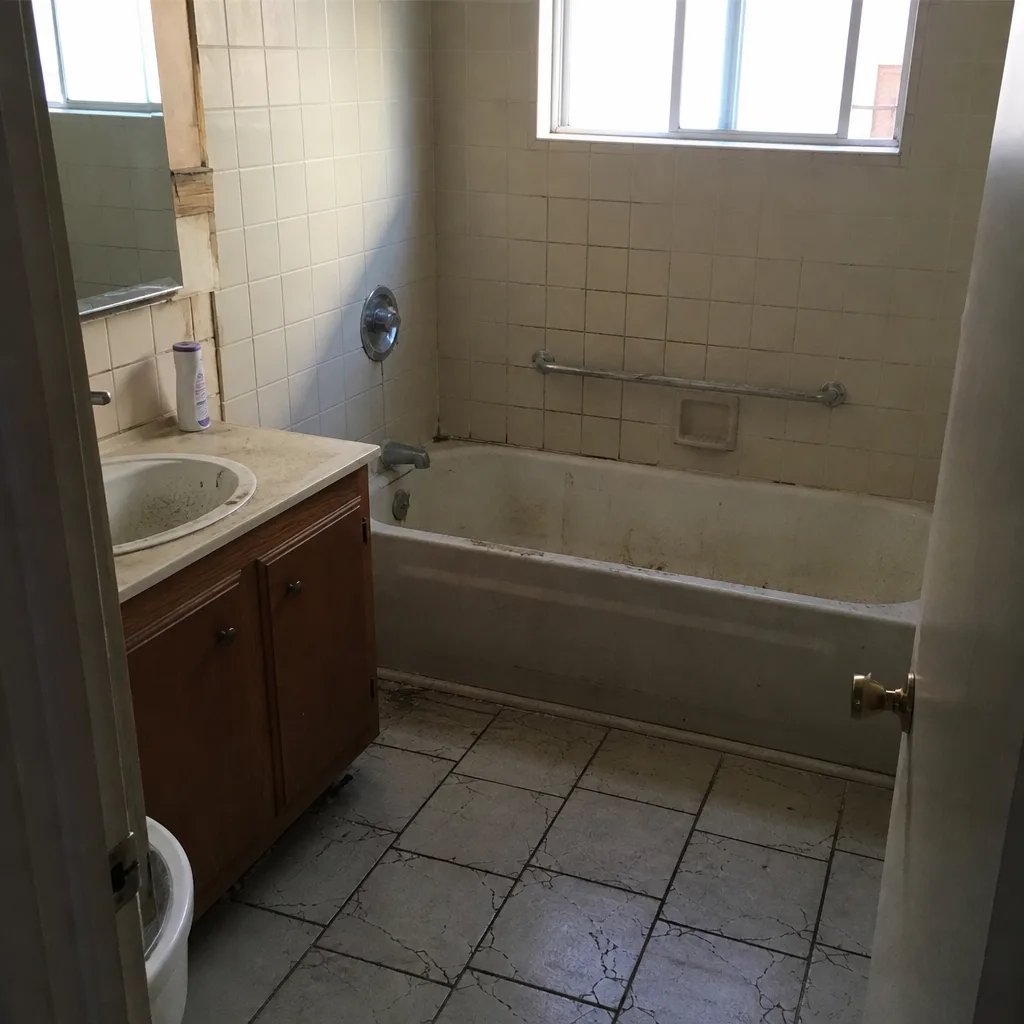 Before
 After
When to Call a Professional
Some fence maintenance is genuinely DIY. Washing vinyl, lubricating a hinge, and clearing debris from a post base are all things any homeowner can do on a Saturday. The things you should not tackle yourself: replacing a rotted post that’s set in concrete, correcting a fence that’s leaning across a long run, and any structural repair where the failure is at the footing. Post replacement means digging out concrete, setting a new post to the right depth and alignment, and getting the connection to the surrounding panels right so the fence doesn’t rack. That’s a professional job, and doing it wrong just means the repair fails again faster.
If you’re not sure whether the issue is cosmetic or structural, get a trained eye on it. Groundwork Construction Co. of Richmond offers free estimates in Richmond – call (833) 700-4611. Live person, 24/7, and if a repair isn’t the right answer, we’ll tell you that too. Every project is covered by our 730-Day Done Right Promise, so if it’s not done right, we make it right.
Frequently Asked Questions
Every 2 to 4 years, applied in dry weather between late spring and early fall. Semi-transparent stains on horizontal rails and fences in the fog belt usually need the shorter end of that range, closer to 2 to 3 years, because moisture exposure is higher. Vertical boards in a sunny spot can stretch toward 4. Call (833) 700-4611 for a free estimate on staining or a full inspection – estimates are free.
Yes, but only on the lowest pressure setting, and keep the nozzle moving. High pressure forces water behind the panels and can crack the vinyl at fastener points, which is the opposite of what you want. Mild soap, warm water, and a soft brush handle almost everything. Call us if you’re unsure whether the finish is already damaged.
Dig down 3 to 4 inches around each post, poke the base with a screwdriver to check for soft spots, look for standing water or saturated soil, and push each post firmly side to side to check for movement. Any soft wood or post that moves beyond a small flex is a repair candidate. We check all of this during a free estimate – call (833) 700-4611 to schedule.
Yes, but lightly. Composite doesn’t need paint or seal, but it needs an annual wash, a check of fasteners and brackets, and clearing debris from the base. Richmond’s damp climate can also cause surface mildew on north-facing panels, which a diluted vinegar solution usually handles. Call us for a care walkthrough if you’ve just had one installed.
A sagging gate is almost always a hinge, fastener, or gate-post problem, not the gate itself. It can usually be fixed with a hardware swap, tightening, or a post repair, and early intervention keeps it from becoming a bigger job. Our team can assess it and give you a written estimate. Call (833) 700-4611 – we’ll tell you the simplest fix that actually works.
Spring, right after the wet season, for the main inspection. That’s when post rot, water damage, and hardware issues are most visible, and it gives you the whole dry season to get any repairs done before the rains return. A second lighter check in fall clears debris before winter and catches any loosening from summer wind. Call us to book the spring inspection – estimates are free.
The Bottom Line
The right maintenance schedule depends on what your fence is made of. Wood runs on a 2 to 4 year stain cycle timed to Richmond’s dry season, not the calendar. Vinyl needs an annual wash and a hardware check. Aluminum needs a rinse, a look at the finish, and touch-up on chips. Composite needs a light annual wash and a fastener check. Across all four, the spring post-base inspection and gate hardware maintenance are the tasks that most often get skipped and most often lead to expensive failures. Stay ahead of them and your fence will hold up through Richmond’s wet season for years longer than it would otherwise. Built to last, backed in writing.
If you’d like a professional assessment of your fence, a plan for its maintenance, or a quote on a repair or replacement, call Groundwork Construction Co. of Richmond at (833) 700-4611 for a free estimate. Live person, 24/7, upfront pricing, no surprises, and every job backed by our 730-Day Done Right Promise. From foundation to finish line, we handle the whole project so you don’t have to piece it together yourself. Start with a look at our Groundwork Construction Co. of Richmond home page to see all seven of our service lines in one place.
Written by the team at Groundwork Construction Co. of Richmond.