Free written scope consultation - allowances, timeline, and change-order rules on paper before a single trade is scheduled
Styles & brands we work with
- Kitchen remodeling
- Bathroom remodeling
- Home additions & ADU
- Roofing
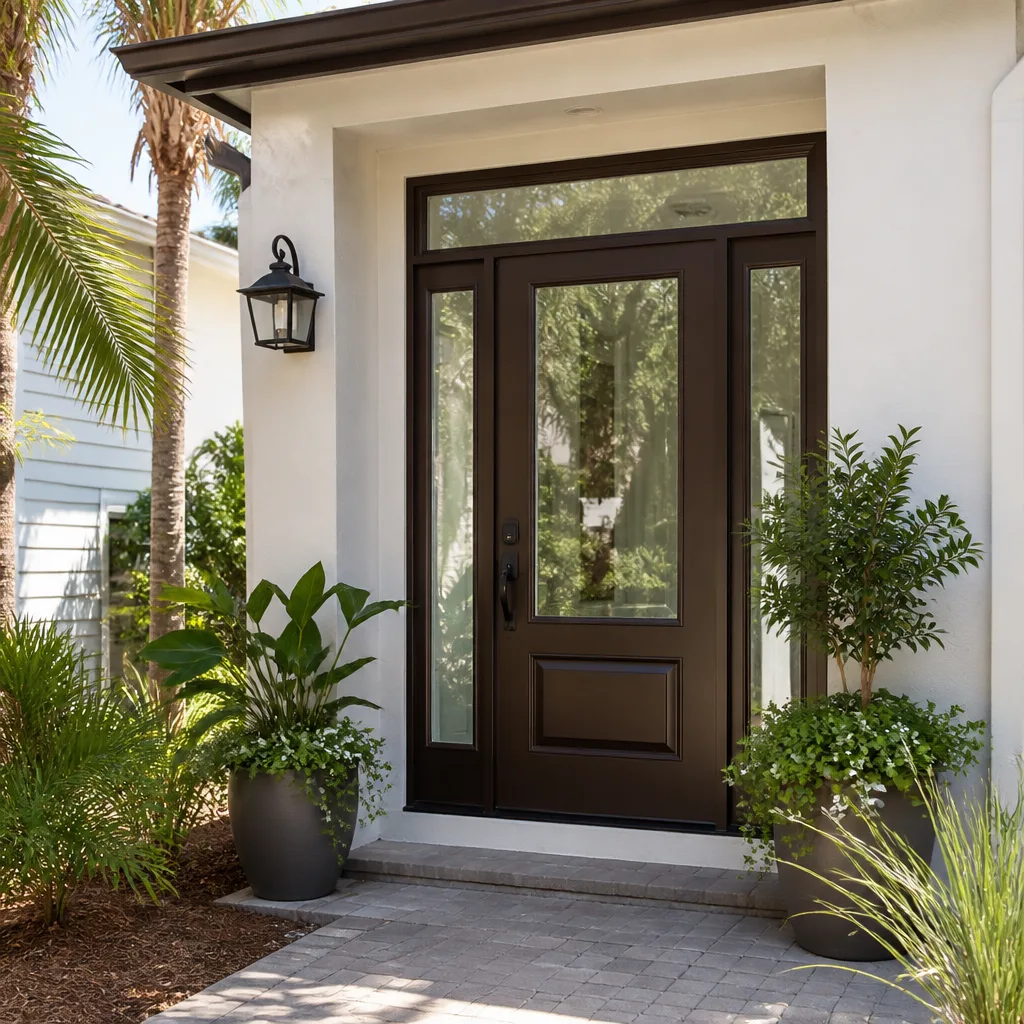
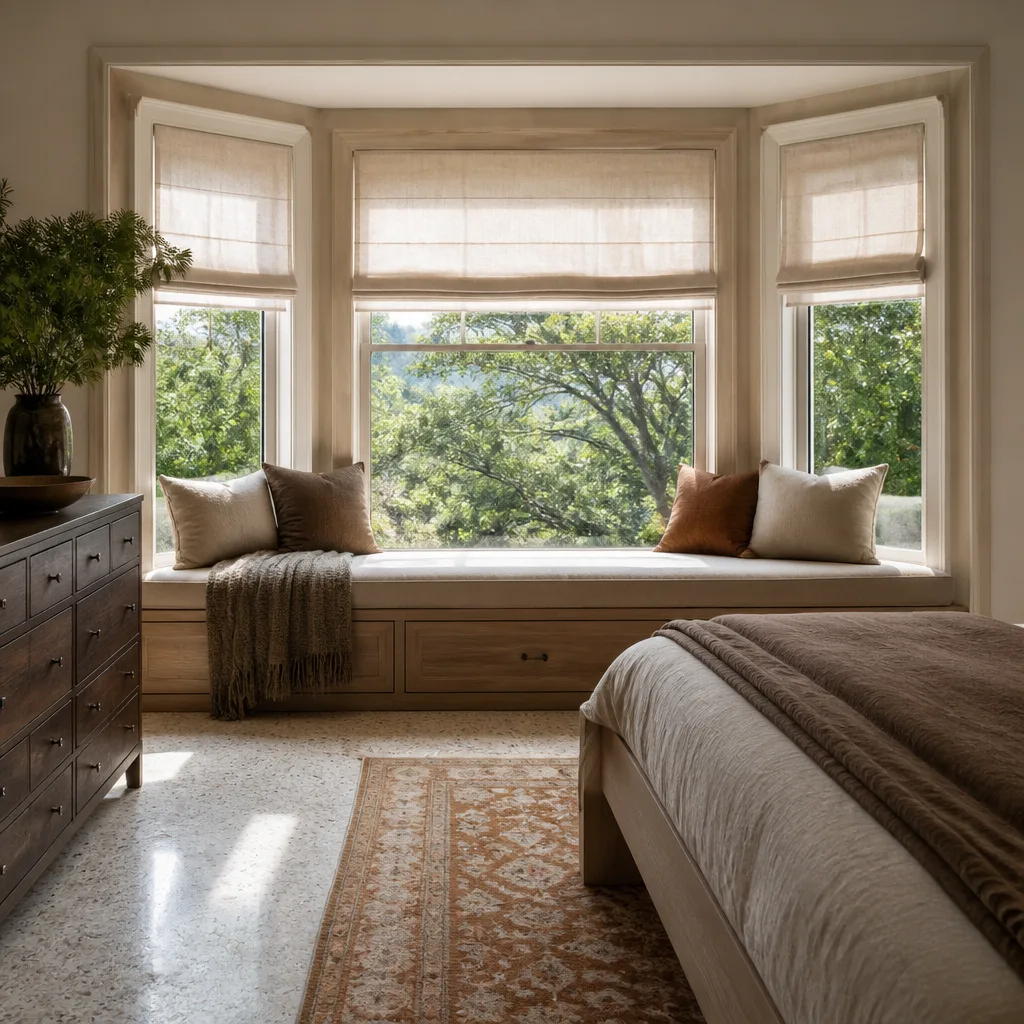
- Windows & doors
- Driveway & pavers
- Fence
See the difference
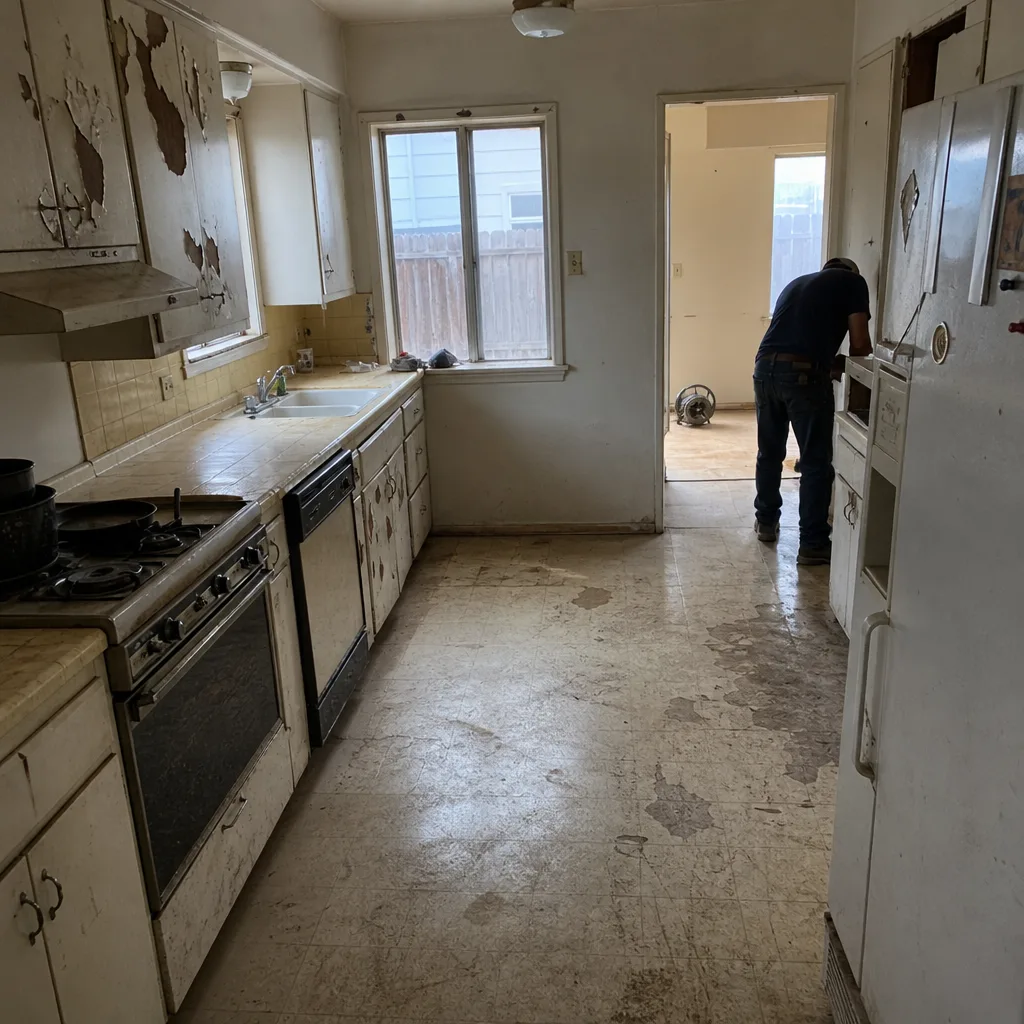 Before
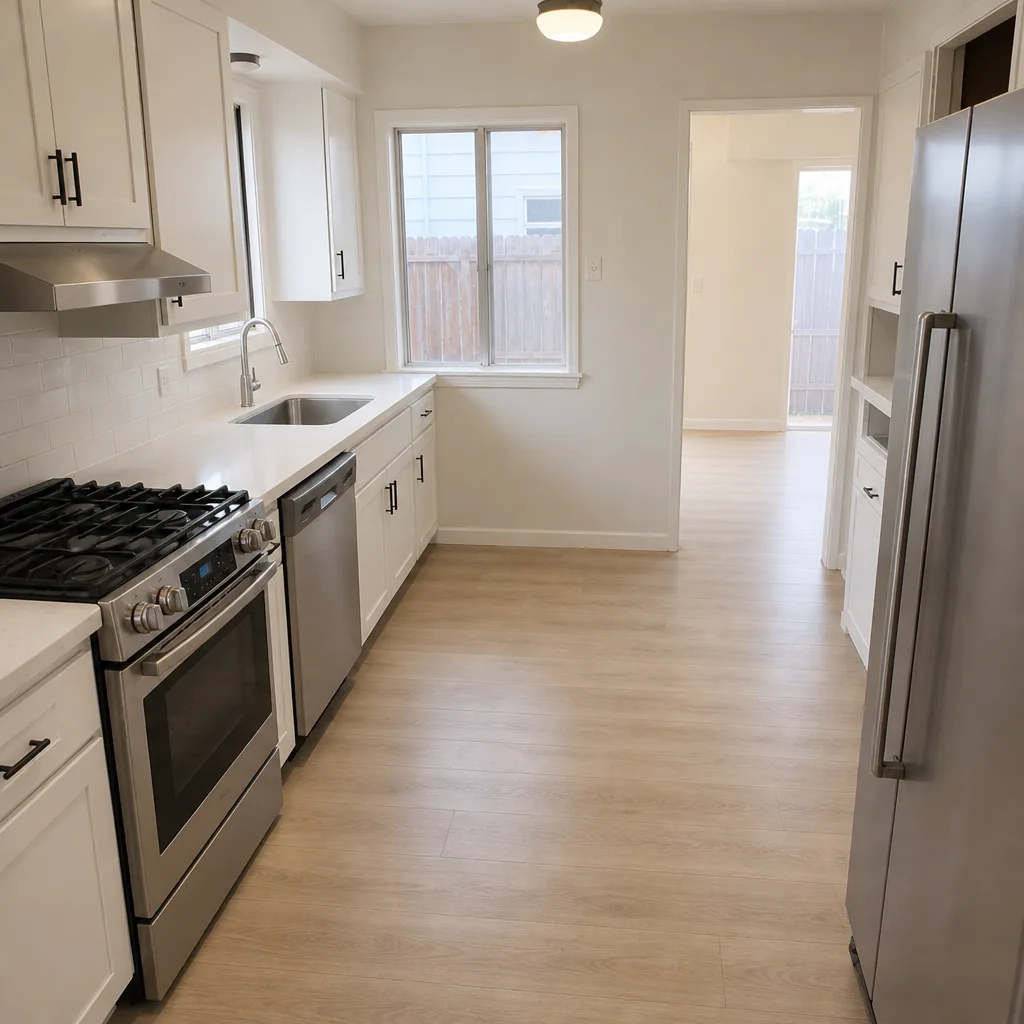 After
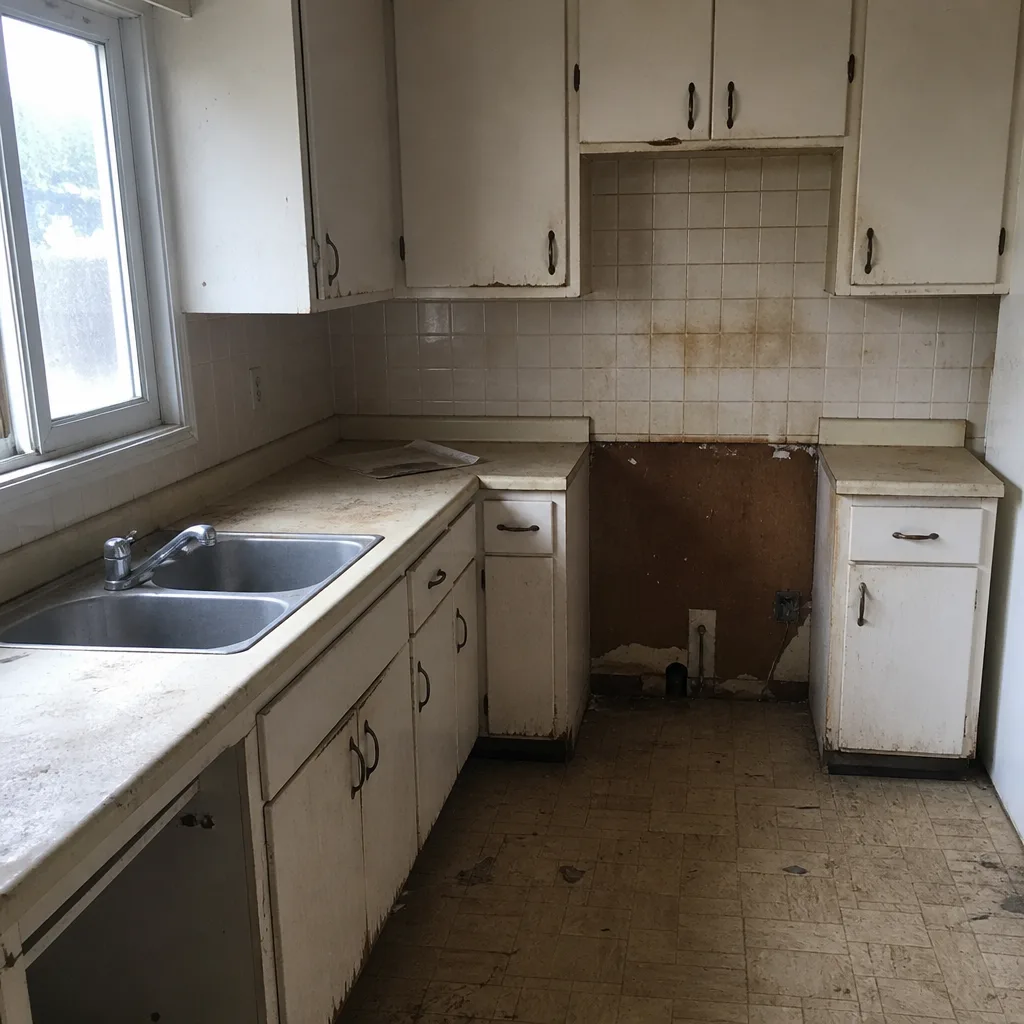 Before
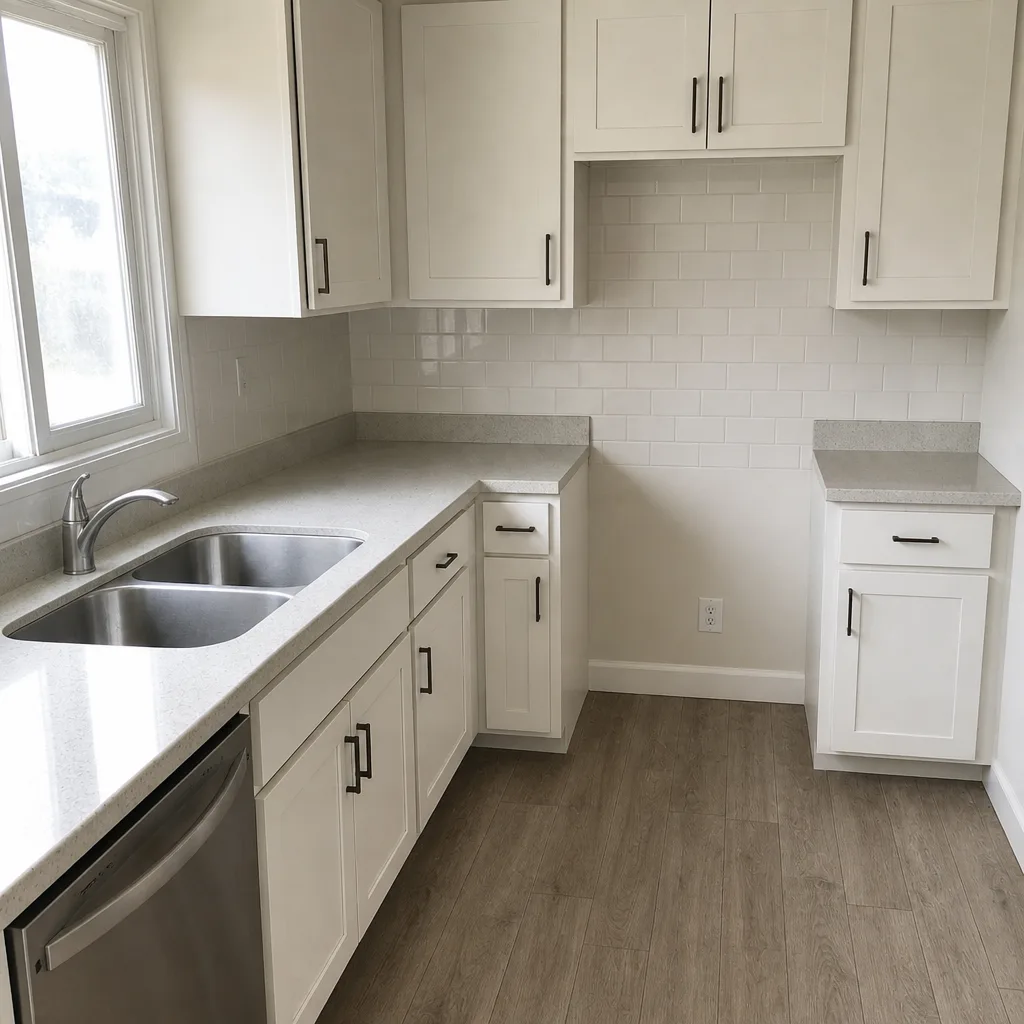 After
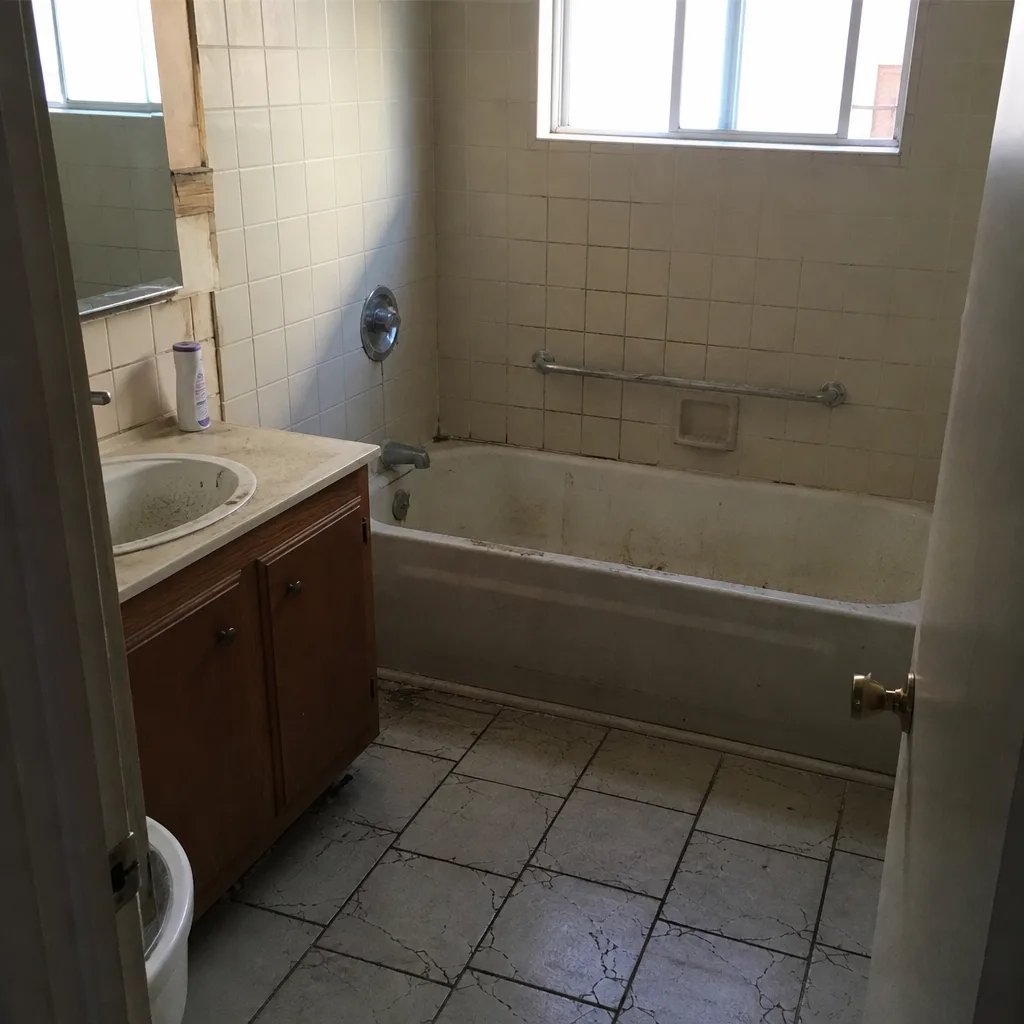 Before
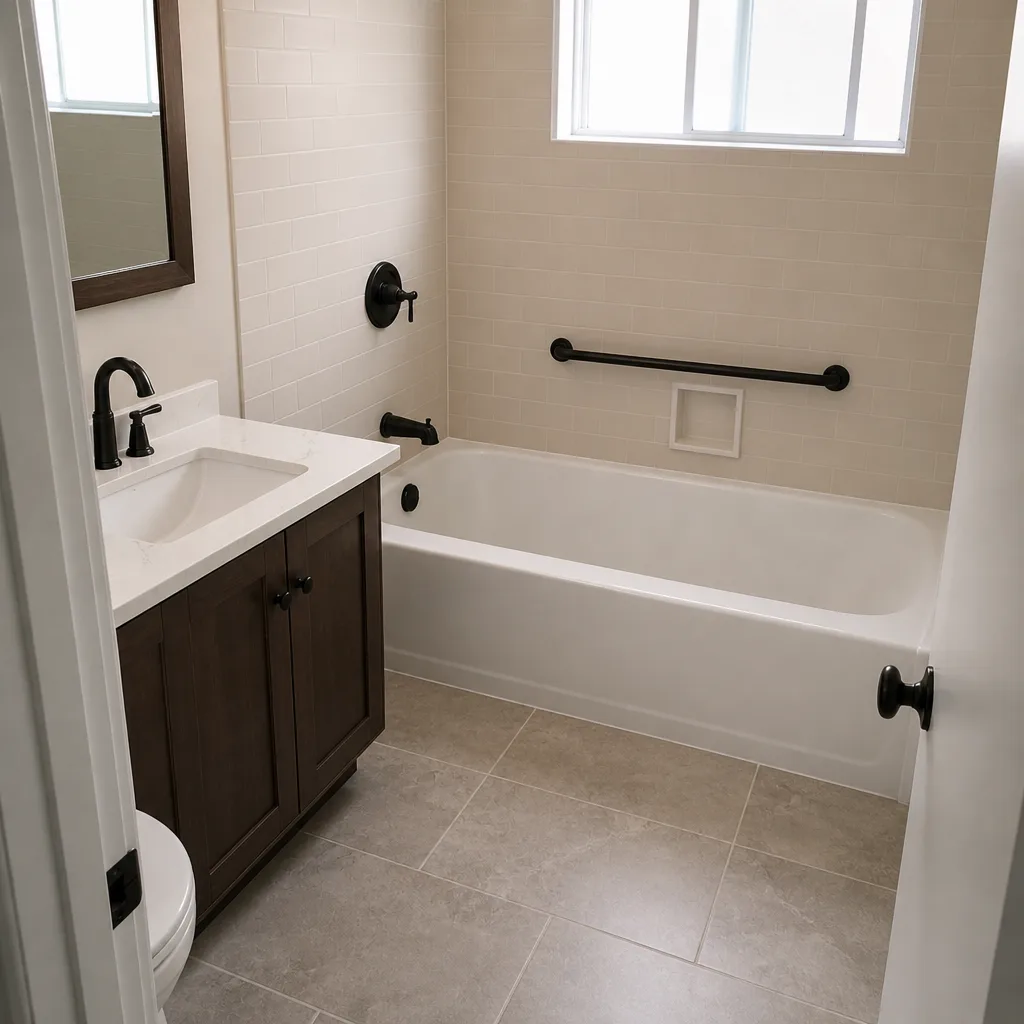 After
Vinyl vs Fiberglass Windows in Richmond, CA: Which Should You Choose?
Choose fiberglass if your Richmond home was built before 1950, especially a wood-frame bungalow or Craftsman in South Richmond or the Iron Triangle, because non-standard openings and bay humidity reward dimensional stability over the 15-25% cost savings vinyl offers. Choose vinyl if you own a 1950s-60s stucco tract home in Parkview or Verde, where openings are uniform and vinyl’s lower cost wins on value. For everything in between, the decision comes down to opening condition and how long you plan to stay. Call (833) 700-4611 for a free assessment and we’ll tell you which camp your house falls into.
Most vinyl-vs-fiberglass comparisons online are written for a hypothetical house in a hypothetical climate. Here’s how the decision actually plays out across Richmond’s three distinct housing eras, from the fog-belt flatlands to the El Sobrante fringe.
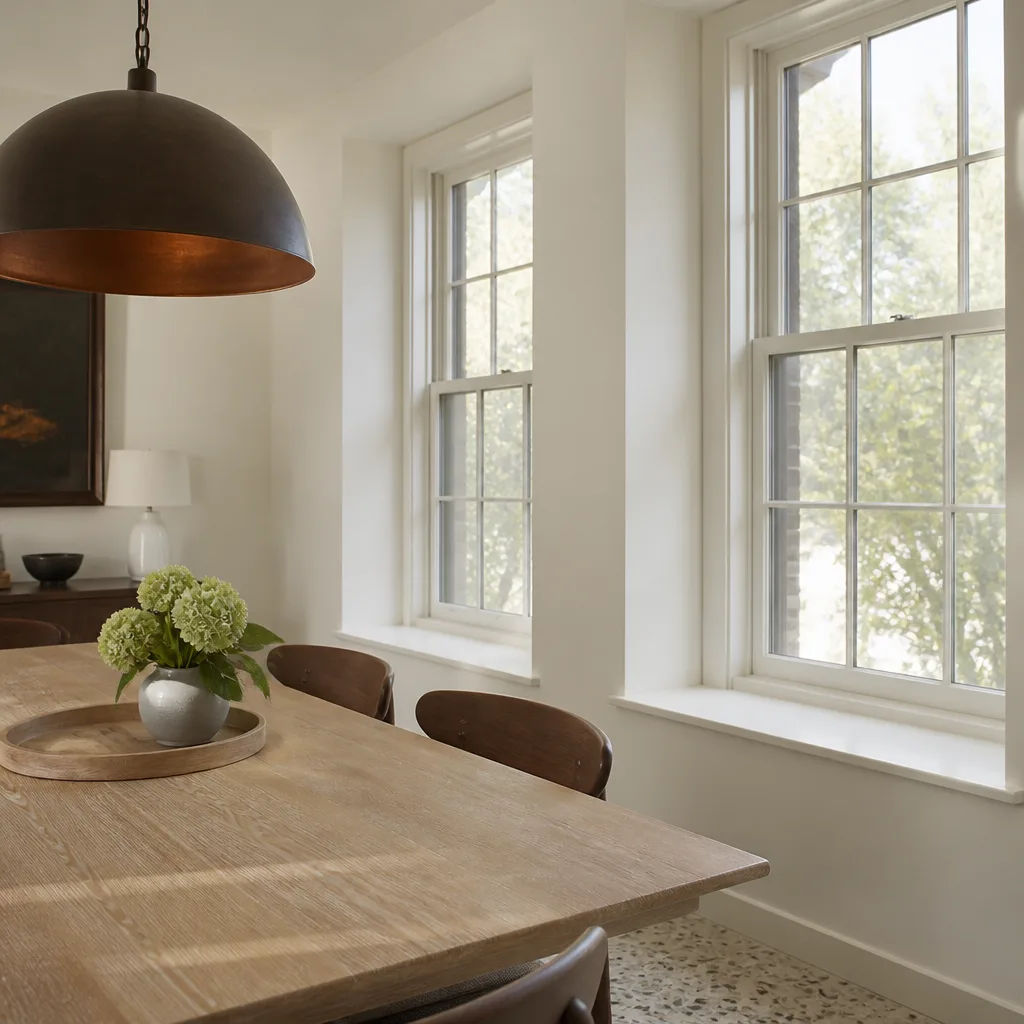
Why the fiberglass decision resolves differently in Richmond
The national argument for vinyl rests on two things: cost and low maintenance. Both are real, and neither disappears in Richmond. What changes is the physics. Vinyl is a plastic; it expands and contracts with temperature. In an inland climate with 100°F summers and 30°F winters, that swing is wide enough to stress caulk joints, warp frames in tight openings, and pull weatherstripping loose over a decade. Richmond’s fog belt is the opposite: temperatures rarely drop below 40°F or climb above 75°F, so vinyl’s expansion problem is genuinely milder here than the same product would face in Concord or Livermore.
But Richmond’s real adversary isn’t temperature. It’s moisture. Persistent bay humidity, wet winters, and fog-heavy mornings on west- and south-facing elevations drive rot and fungal decay into wood framing, trim, and the rough openings around older windows. Fiberglass holds its dimensions in that environment; it doesn’t swell, shrink, or soften when the humidity climbs. In a 1930s shipyard-worker bungalow where the opening has been exposed to decades of that moisture, that stability is worth paying for.
Richmond’s three housing eras and what each one needs
Generic advice collapses the moment you’re standing in front of the house. Richmond’s stock divides into three tiers, and each one points a different direction.
1910s-1940s wood-frame bungalows and Craftsmans (South Richmond, Iron Triangle)
Fiberglass is the right call here. Three reasons specific to these homes:
- Non-standard, hand-framed openings. Pre-war construction didn’t follow a uniform module. Openings vary by fractions of an inch from window to window. Fiberglass can be custom-fabricated to those dimensions and stays put; a vinyl frame installed in an irregular opening tends to telegraph the misfit as it moves.
- Humidity-driven stability. When a rough opening has absorbed decades of fog-belt moisture, the window has to hold its own dimensions while the surrounding wood continues to move. Fiberglass does.
- Paint adhesion and period finish. Fiberglass accepts paint and holds it, which matters if you’re matching an original Craftsman trim color. Vinyl cannot be painted. That’s not just a technical limit; on Richmond’s older housing, it’s a preservation question. Replacing a painted wood window with a factory-white vinyl unit changes the elevation’s character in a way many homeowners in the older flatlands care about.
1950s-60s stucco tract homes (Parkview, Verde)
Vinyl is viable here, and often the sensible budget choice. These homes were built to standard opening dimensions, the stucco skin is more dimensionally stable than old wood framing, and the uniform openings let a stock-size vinyl unit drop in cleanly. Vinyl’s moisture resistance is fine against stucco, and the cost efficiency frees budget for the parts of the job that matter: proper flashing, a solid installation, and sealing the opening against the wet-winter rain that exposes drainage problems on the low-lying east side.
Mid-century ranches (Richmond Heights, El Sobrante fringe)
This is the case-by-case tier. We look at two things: the condition of the rough opening, and what the owner cares about most. Water damage or out-of-square framing at the opening pushes us toward fiberglass. If the openings are sound and the priority is replacing the most windows for the budget, vinyl earns its place. Neither answer is wrong here; the inspection decides.
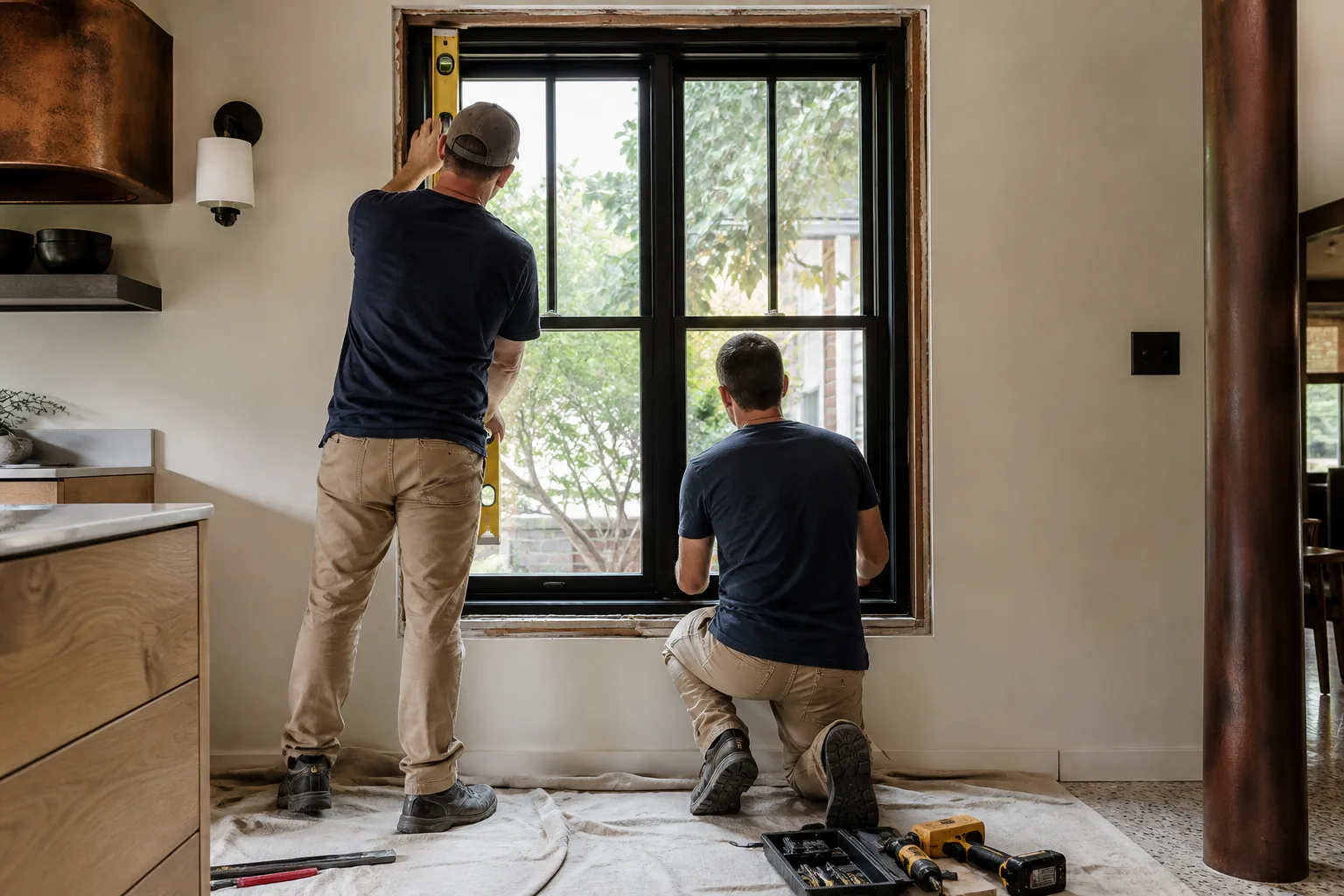
Marvin Elevate vs. Andersen 100 Series: the fiberglass call, priced
When fiberglass is the answer, two products come up most in Richmond: Marvin’s Elevate line (pultruded fiberglass) and Andersen’s 100 Series (Fibrex, a wood-fiber-and-polymer composite). Both do the job on pre-war housing. Here’s how they tend to compare for our customers:
| Factor | Marvin Elevate (fiberglass) | Andersen 100 Series (Fibrex) |
|---|---|---|
| Material behavior in humidity | Excellent dimensional stability | Strong; composite is very stable |
| Paintability for period trim | Paints well; suits Craftsman trim | Paints, with a more limited palette from the factory |
| Custom sizing for odd openings | Broad custom range | Good range, tighter to stock modules |
| Relative cost | Higher | Moderate |
| Best fit for | 1910s-40s bungalows, heavy customization | Mid-century ranches, standard openings that want composite durability |
Our technicians have up to 12 years of experience, and most installations we do in Richmond land inside the $4,500-$15,000 window replacement range for a typical whole-house project. High-performance impact window installation runs $8,000-$25,000. Those numbers are the same whether we put in vinyl or fiberglass; the material choice moves you within the range, not out of it. We also install Andersen and Marvin as part of a curated lineup, so the recommendation follows the house, not the commission.
Our recommendation for Richmond homeowners
For pre-war housing, we recommend fiberglass even at the 15-25% premium, because the fit stability and longevity in a non-standard, moisture-exposed opening deliver better 10-year value than saving money up front and re-doing the job a decade earlier. For the 1950s-60s stucco tract homes, vinyl is a defensible, cost-efficient choice, and we’ll say so plainly. For mid-century ranches, we let the opening decide.
Whichever way you go, the install matters as much as the material. A fiberglass window set into a rough opening without proper flashing and sealing will fail in Richmond’s wet winters regardless of what the frame is made of. That’s why every project comes with our 730-Day Done Right Promise: if it isn’t done right, we make it right. Upfront pricing means the number you see is the number you pay, and our Windows & Doors team handles the full scope, from opening prep to finish trim, so there’s no gap between trades to blame.
One local note worth knowing before you sign anything: in the older flatlands, contractors learn fast that the “bonus room” or converted porch on a 1940s South Richmond bungalow was often an unpermitted shipyard-era addition, and on east-side or waterfront lots the soil can read as fill. Neither usually affects the window itself, but a window replacement that pulls a permit can surface the unpermitted work, so it’s worth a quick plan check before the first unit comes out. For a fuller picture of how we work across the city, see our Richmond service area page.
Key takeaways
- Pre-1950 wood-frame homes: fiberglass, because irregular openings and bay humidity punish vinyl’s movement.
- 1950s-60s stucco tract homes: vinyl is viable and cost-effective when openings are uniform.
- Richmond’s narrow fog-belt temperature range eases vinyl’s expansion issue, but persistent moisture is the real test.
- Fiberglass can be painted to match historic trim; vinyl can’t. On older housing that’s a preservation decision.
- Whole-house window replacement in Richmond typically runs $4,500-$15,000, and the material moves you within that range.
FAQs
For a typical whole-house replacement in Richmond, expect roughly $4,500-$15,000, with fiberglass landing toward the upper end and vinyl toward the lower. Fiberglass generally runs 15-25% more than comparable vinyl because the frames are custom-fabricated and the material holds its dimensions better in older openings. Impact window installation, which some bayfront and industrial-adjacent homes consider, runs $8,000-$25,000. Call (833) 700-4611 for an exact quote; estimates are free.
Yes. Fiberglass accepts paint and holds it, which is why it’s the right choice for Craftsman bungalows and pre-war homes in South Richmond and the Iron Triangle where you want to keep period-appropriate trim colors. Vinyl cannot be painted, so a factory-white vinyl unit changes the elevation’s look permanently. If matching your existing trim matters to you, fiberglass is the option that lets you do it.
Repair wins if the frame and rough opening are sound and the problem is isolated to hardware, glazing, or weatherstripping. Replace when the frame is rotted, the seals have failed across multiple units, or the opening has absorbed enough fog-belt moisture that the window no longer closes cleanly. On older flatlands housing, we often find rot behind the trim that changes the answer. Call (833) 700-4611 and we’ll assess it before recommending either path.
We can often schedule a same-day or next-day assessment in Richmond, and calls are answered by a live person 24/7, so you’re never stuck in voicemail. We’ll walk the openings, check for moisture damage, and give you a straight recommendation on vinyl versus fiberglass for your specific house. Call (833) 700-4611 to set it up.
If you’d rather have it looked at, Groundwork Construction Co. of Richmond offers a no-pressure assessment in Richmond. We’ll tell you which material fits your house and why, back it with our 730-Day Done Right Promise, and leave the decision with you. Call (833) 700-4611 for a free estimate.
Written by the team at Groundwork Construction Co. of Richmond, serving Richmond, CA.