Last updated November 18, 2026
Free written scope consultation - allowances, timeline, and change-order rules on paper before a single trade is scheduled
Construction Cost Breakdown: The Richmond Homeowner’s Reference for 2026
You’ve seen the number: some national real estate site says a kitchen remodel runs “$75 to $250 per square foot,” and now you’re staring at a Richmond bid that looks nothing like it. That national figure wasn’t calculated in Contra Costa County. It doesn’t know that a Richmond framer commands wages set by a labor market where a union carpenter on the Richmond-San Rafael Bridge project earns more than the crew bidding your addition. And it will lead you to either over-negotiate a fair bid or, worse, accept a lowball that collapses in month three. This guide gives you the actual numbers that shape construction in Richmond in 2026, the logic behind each one, and how to read a bid line by line so you know exactly where your money is going.
Quick Answer
In Richmond, a mid-range full kitchen remodel lands roughly $95,000-$165,000 in 2026, a hall bathroom runs $28,000-$55,000, an asphalt shingle roof replacement on a typical 1,600-square-foot house runs $18,000-$32,000, and a permitted detached ADU averages $280-$420 per square foot. These ranges are higher than national averages because of Bay Area trade labor rates, California permit and school fees that many contractors surface only at contract stage, and material shipping costs into the East Bay. The number you see is the number you should pay, in writing, before work begins.
Styles & brands we work with
- Kitchen remodeling
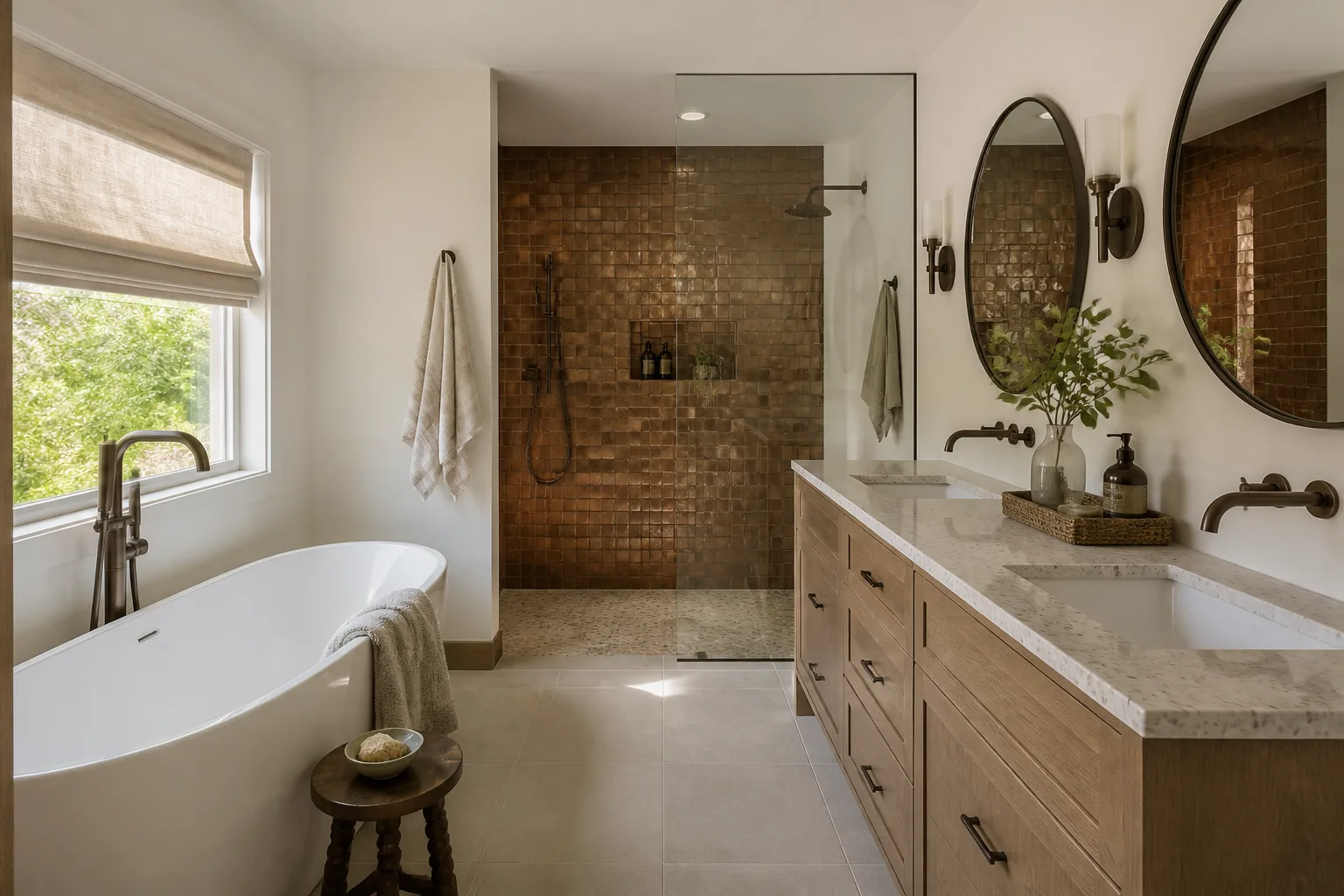
- Bathroom remodeling
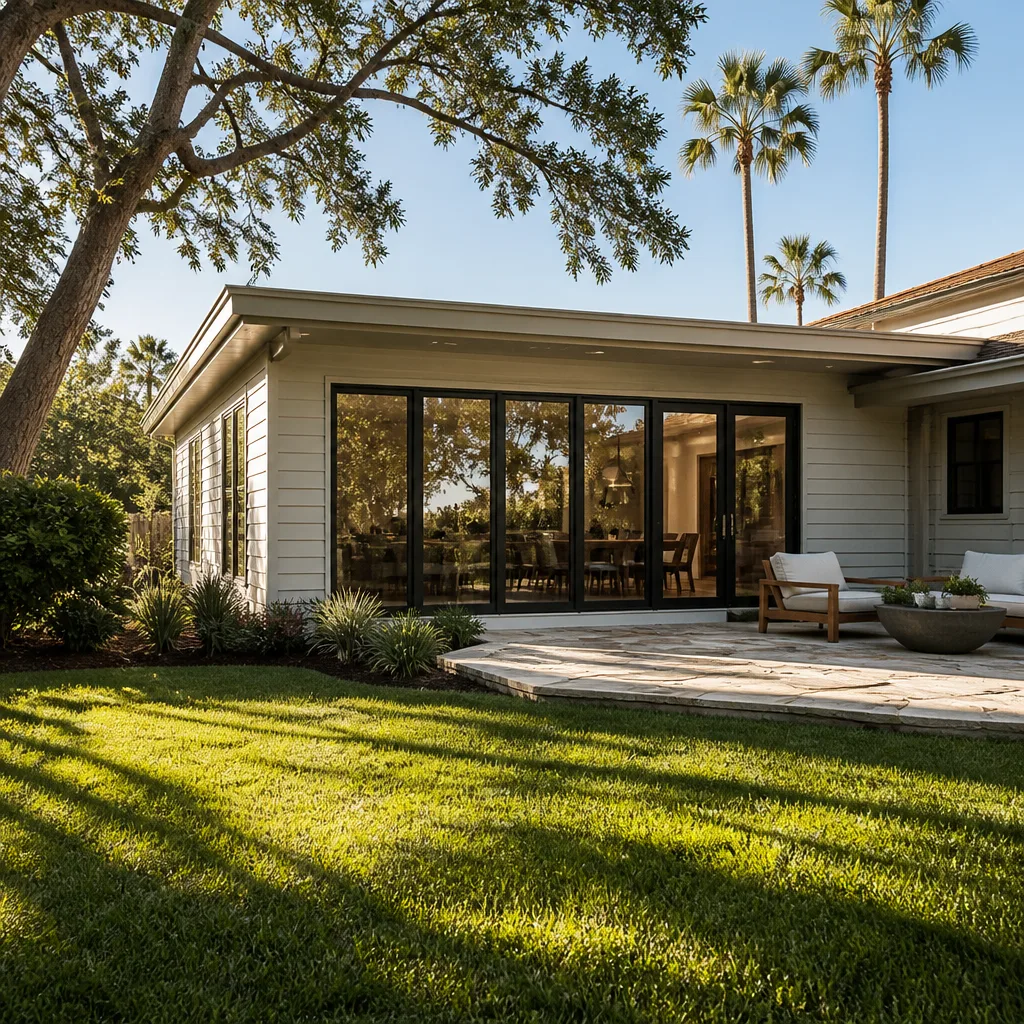
- Home additions & ADU
- Roofing
- Windows & doors
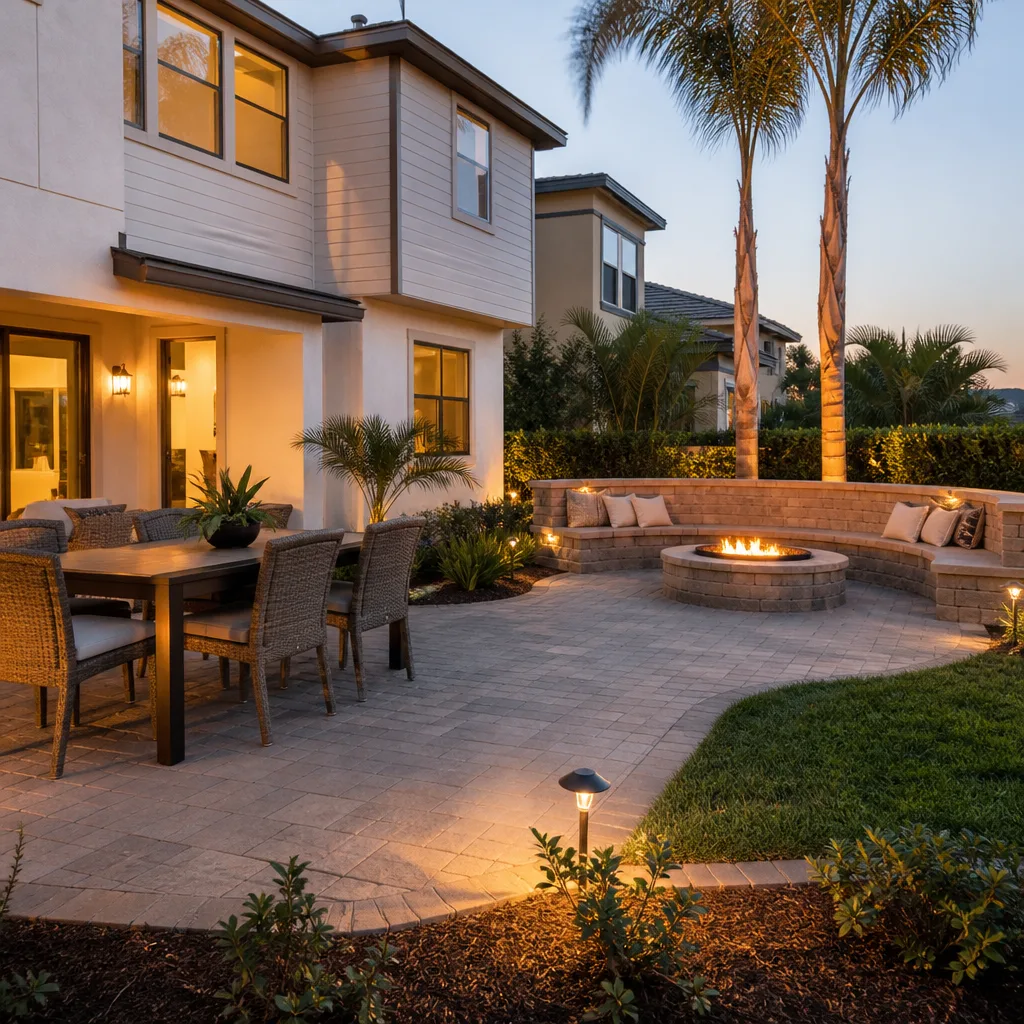
- Driveway & pavers
- Fence
Table of Contents
- Why National Cost Averages Don’t Apply to Richmond
- Richmond Labor Benchmarks by Trade, and Union vs. Non-Union Reality
- Richmond Permit, School, and Impact Fees: The Line Items Contractors Hide
- Material Cost Volatility 2025-2026: What’s Settled and What’s Still Moving
- The Real Cost Difference Between a Full-Scope Partner and a Low Bid
- How to Read a Richmond Bid Line by Line
- 2026 Project Cost Ranges for Richmond Homes
- Common Mistakes to Avoid
Why National Cost Averages Don’t Apply to Richmond
National cost-per-square-foot figures are built from thousands of projects across the country, weighted by volume. When you read “kitchen remodel averages $150 per square foot,” you’re reading a national median that pulls down lower-cost states like Texas and Ohio and spreads them across the entire picture. Richmond isn’t in that median. Contra Costa County construction costs run consistently among the highest in the Bay Area, and the Bay Area runs among the highest in the country.
Here’s what the national number misses about Richmond specifically:
- Trade labor rates. A licensed Richmond electrician billing $145-$185 per hour in 2026 reflects a regional labor market where the East Bay has more construction demand than available licensed trades, not a national average of $95.
- Seismic and Title 24 requirements. Richmond sits in a high seismic zone. Any structural alteration, addition, or even large remodeling project must satisfy California Building Code seismic provisions that many states don’t have, and that means more engineering, more shear wall fasteners, and more inspection time.
- Hillside and older housing stock. Much of Richmond’s housing stock dates to the 1940s through 1960s, and properties in neighborhoods like Point Richmond, Kensington-adjacent streets, and the Richmond Heights slopes often require foundation or drainage work that reveals itself once demolition starts. National averages assume a clean slate.
- Climate loads. Richmond’s bayfront fog and marine air push moisture into wall cavities and roofing assemblies in ways that an inland California average ignores. Roofing and exterior work in Richmond gets specified for wind-driven moisture, not just sun.
- Permit and impact fee structure. California’s school fees and Richmond’s permit fee schedule add line items that a national cost formula simply doesn’t contain.
If you want a single, useful reframe: national figures are a floor you’ll never get in Richmond, not a target you should expect. Any bid submitted at the national average for a Richmond project is either underestimating scope, omitting fees, or planning to recoup the gap later through change orders. Groundwork Construction Co. of Richmond prices every Richmond project with upfront pricing and no surprises, because a bid that changes mid-project is more expensive than one that never did.
Richmond Labor Benchmarks by Trade, and Union vs. Non-Union Reality
Labor is the single largest line item on most Richmond projects, and it’s the number most homeowners have no way to verify. Here are 2026 benchmarks we’ve observed across Richmond residential work, listed as loaded hourly rates (wage plus burden, insurance, and supervision):
- General carpentry / framing: $85-$120 per hour
- Licensed electrician: $145-$185 per hour
- Licensed plumber: $150-$195 per hour
- HVAC technician: $130-$175 per hour
- Drywall and finish carpentry: $75-$110 per hour
- Tile and stone setting: $95-$135 per hour
- Roofing crew labor: $70-$105 per hour
Now the part national figures never touch: union versus non-union differentials. Richmond residential work is mostly non-union, but union wages set the ceiling of the local market. When a union carpenter working a major infrastructure project earns a loaded rate north of $100 an hour, that wage gets pulled into every residential bid because contractors are competing for the same licensed tradespeople. A non-union remodeling crew may bill $85 an hour, but if the best finish carpenter in the county can make more on a commercial job, the residential contractor has to pay enough to keep that carpenter on the job, and that cost lands on your bid either way.
What this means practically for a Richmond homeowner:
- Expect labor to be 40-55% of a remodel bid. If a bid puts labor at 25%, it’s either using unlicensed labor or shaving scope.
- Specialty trades run higher and drive scheduling. Electricians and plumbers are the hardest to keep on site, and their rates reflect that. A crew with up to 12 years of experience in the trades will schedule and sequence specialized crews to reduce that premium; a low-bid contractor often lets a job sit for weeks waiting for the electrician.
- Permit inspections cost time even when they don’t cost money. Richmond inspections require sequencing that adds labor hours to a project. A contractor who builds in realistic inspection windows avoids the “we’ll get back to you” stall.
When you’re evaluating bids, ask each contractor to break out labor from material on at least the major trades. A bid that hides labor inside a lump sum is a bid you cannot audit.
Richmond Permit, School, and Impact Fees: The Line Items Contractors Hide
This is where Richmond bids diverge the most, and where homeowners get blindsided at the contract stage. Richmond’s permit fees and California-mandated school and impact fees are separate line items that some contractors omit from the initial bid to look competitive, then add as “allowances” after you’ve signed.
What actually goes into a permitting package for a Richmond residential project:
- Building permit fee. Based on project valuation. For a typical kitchen or bath remodel, expect $1,200-$4,500. For an addition or ADU, expect $4,000-$18,000 depending on scope and valuation.
- Plan check fee. Roughly 50-75% of the building permit fee in most Richmond cases.
- California school fees (developer fees). Required for new square footage under certain thresholds. These can run $3-$6 per square foot for residential additions in the West Contra Costa Unified School District catchment area.
- Water and sewer connection fees. Where a project adds fixtures (a new bathroom in an ADU, for example), expect $4,000-$12,000 in capacity charges.
- Fire and impact mitigation. Some Richmond parcels have fire-zone-driven fees; hillside properties in particular carry additional requirements.
Here’s the line-item lesson: a contractor should present permit fees as their own explicit line on the bid, not as an “allowance” or a “permit handling” charge rolled into the project total. When fees appear as allowances, the homeowner eats the difference if actual fees come in higher. Groundwork Construction Co. of Richmond pulls the permits and passes inspections as a matter of course, and we list the fee line transparently so you know what’s going to the city, not what’s going to the contractor.
A bid that lumps “permits and fees” into a single vague figure is where scope gaps live. Ask for the fee breakdown in writing before you compare bids.
Material Cost Volatility 2025-2026: What’s Settled and What’s Still Moving
Material pricing in 2025 and 2026 has been uneven. Some categories have stabilized after the wild swings of 2021-2023, while others are still moving due to supply chain and tariff pressure that hits Bay Area jobs hardest. Here’s what we’re seeing across Richmond projects:
Stabilized categories
- Dimensional lumber and framing. Framing lumber has settled into a narrower band and is no longer the wild ride it was. Budget roughly $4.50-$7 per board foot depending on grade.
- Drywall and interior finishes. Consistency across suppliers, with pricing predictable enough to quote without an escalation clause.
- Standard asphalt shingle roofing. GAF and CertainTeed architectural shingles have stabilized in price; the variance now is on the contractor’s labor and disposal, not the material.
Still volatile categories
- Windows and doors. Andersen and Marvin products carry lead times and pricing that shift with imported component costs. Bay Area jobs are particularly exposed here because West Coast distribution of premium window lines runs through fewer suppliers, and a single factory slowdown ripples into delivery windows of 12-20 weeks. Richmond homeowners planning a window replacement should factor in longer lead times and lock pricing early.
- Mechanical equipment. HVAC components and tankless water heaters are still moving with supply chain pressure. American Standard and Toto fixtures in baths and kitchens remain broadly available, but specialty finish lines can slip.
- Roofing underlayments and waterproofing. Products from Schluter and similar premium waterproofing lines have held quality but not fully held price; increases have been moderate but not zero.
- Concrete and masonry. Bagged concrete, aggregate, and pavers have climbed. Bay Area concrete supply is tight because of regional construction volume and hauling costs, and driveway and paver projects see that directly.
What a homeowner should do with this information: ask each bidder whether their pricing includes an escalation clause or a firm material lock. A firm lock on volatile categories means the contractor is absorbing some risk and pricing it in. That’s fair. An open escalation clause means you’re absorbing all of it. Also ask which brands they specify; a construction partner using verified brand partners (GAF and Owens Corning on roofs, KraftMaid and Cambria in kitchens, Andersen and Marvin for windows) has predictable supply relationships and pricing stability that a contractor shopping from a random lumber yard does not.
Our team has seen Richmond projects where a $12,000 window package turned into a $15,000 line by the time the order was placed because the bid didn’t lock pricing. Locked pricing up front is the difference between a budget and a guess.
The Real Cost Difference Between a Full-Scope Partner and a Low Bid
The gap between the lowest bid and a full-scope contractor’s bid on a Richmond project usually runs 15-25%. It’s tempting to take the low number. Before you do, understand what that gap is actually buying:
What the gap buys
- Carrying costs on materials. A full-scope contractor fronts material purchase and carries supplier relationships that transfer to pricing. A low-bid contractor often buys on your card and from a smaller supplier with less leverage.
- A warranty that actually exists. The 730-Day Done Right Promise – if it’s not done right, we make it right – is a 730-day guarantee on workmanship. A low-bid contractor with a one-year warranty (or no written warranty at all) shifts the cost of failures back to you.
- Subcontractor reliability. Groundwork Construction Co. of Richmond uses background-checked, uniformed technicians and vetted trade partners. A low bid often relies on day labor for the parts of the job the bidder doesn’t have in-house.
- Administration and permits pulled correctly. A full-scope bid includes the labor of pulling the correct permits, coordinating inspections, and closing out the permit file. An unpermitted job can cost tens of thousands to legalize later, and Richmond permits unpermitted work meticulously.
- Schedule integrity. A full-scope contractor sequences trades and stays on site. A low bid means fewer crews and more of your job sitting empty between phases.
What the gap does not buy
- A higher finish level by definition. A full-scope contractor can specify the same materials as a low bidder; the difference is in the execution and guarantee, not in whether the tile was set the same day.
- Faster delivery. Nobody speeds up a permitted project by cutting scope.
- Freedom from municipal inspections. Every Richmond project with a permit is subject to the same inspection sequence.
Our team’s honest read: the 15-25% gap is a hedge against the 40% chance of a change order, penalty, or warranty gap that the low bid is quietly counting on. On a five-figure project, that’s real money. When you factor in financing – 0% financing for 18 months and $1,000 off projects over $10,000 – the gap gets smaller in monthly terms than it looks on paper.
How to Read a Richmond Bid Line by Line
Most Richmond construction disputes start not with a contractor doing bad work but with a bid that was vague on scope. Here’s how to read the bid you hold in your hand, line by line, to catch the gaps before you sign.
What’s commonly bundled (and hard to compare)
- “Labor and materials” as a single lump sum for a whole trade. You can’t audit it. Ask for labor and material as separate lines on the major trades.
- “Demo and disposal” tossed into one line. Demo on a Richmond 1950s ranch can be cheap; demo with lead paint and asbestos surveys is not. The two are not the same line item.
- “Finish carpentry” without a linear foot or door count. If the bid doesn’t specify, the finish line is the contractor’s call, not yours.
What’s commonly excluded (and easy to miss)
- Permit fees. Unless listed as a separate line, they’ll appear as an adjustment.
- Structural repairs and subfloor issues. Common in older Richmond housing; ask explicitly whether the bid assumes “after demo, no surprises.”
- Painting and drywall touch-up. Frequently excluded or double-counted.
- Site protection and dust containment. A paper-covered floor is not a protected floor.
- Cleanup and haul-away after the final punch list.
Where scope gaps hide in vague language
- “Per plan” without attached plans means there are no plans.
- “Matching existing” without a photo or sample of the “existing” means whatever finishes are cheapest.
- “As needed” without a quantity is the most expensive phrase in a bid.
- “Allowance” is a placeholder. Every allowance should have a dollar amount and a specification attached.
Ask each bidder to produce a line-item scope with quantities, brand names where applicable, and a clear statement of what’s excluded. A full-scope contractor will do this without resistance. Our bids are line-item and written, because upfront pricing with no surprises is the whole point.
2026 Project Cost Ranges for Richmond Homes
Here are the ranges we’re seeing across Richmond projects in 2026. These are whole-project ranges that include labor, typical finishes at a mid-range specification level, permits, and standard site conditions. They do not include major structural surprises discovered during demolition or the higher end of premium material selections.
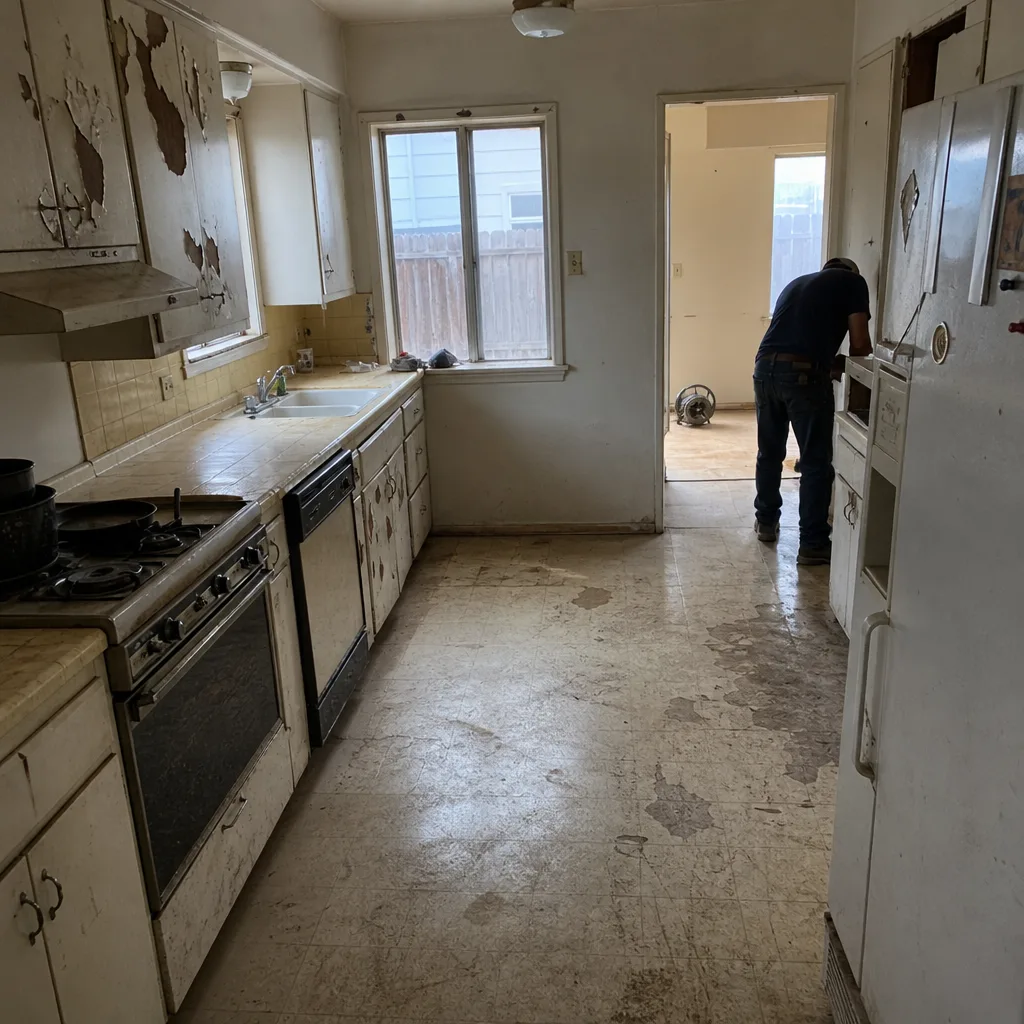
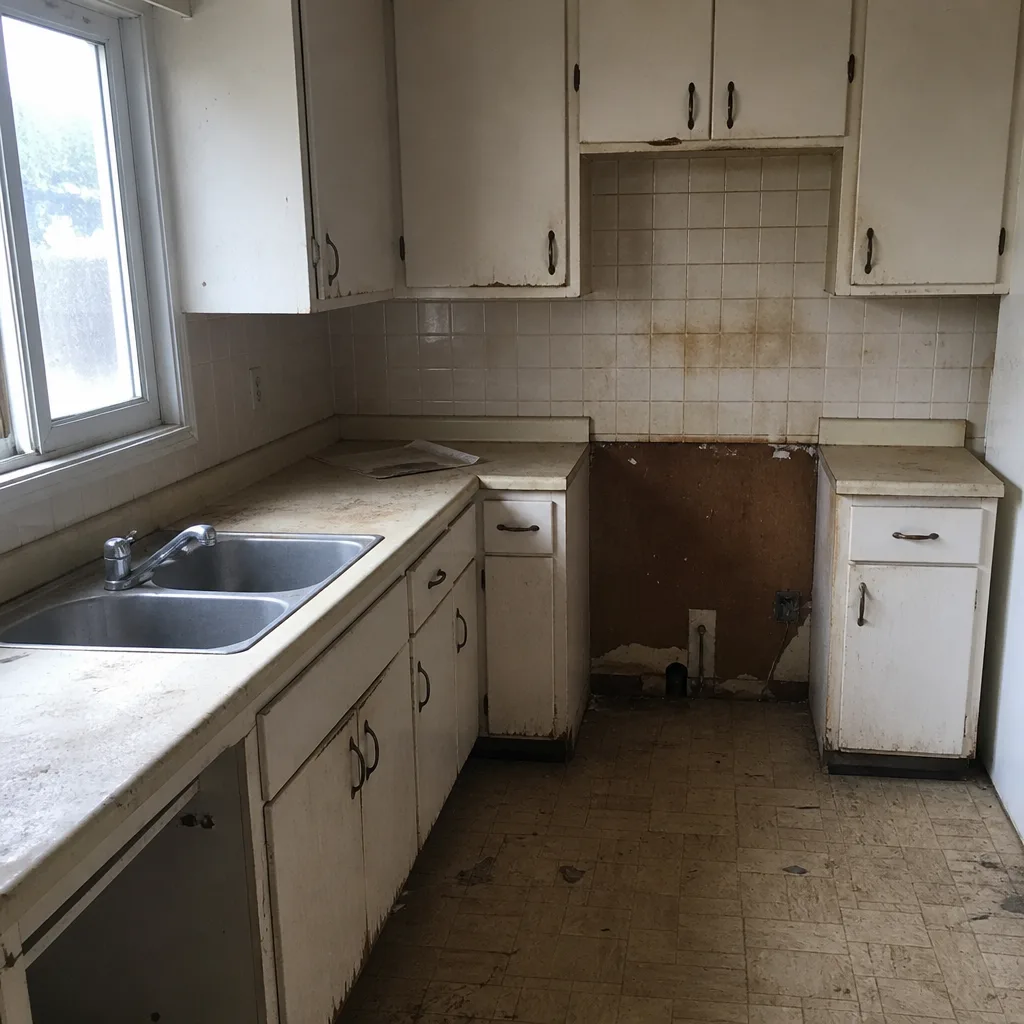
- Kitchen remodeling: $95,000-$165,000 for a mid-range full remodel on a typical Richmond 150-200 square foot kitchen. Premium finishes with Cambria surfaces push higher.
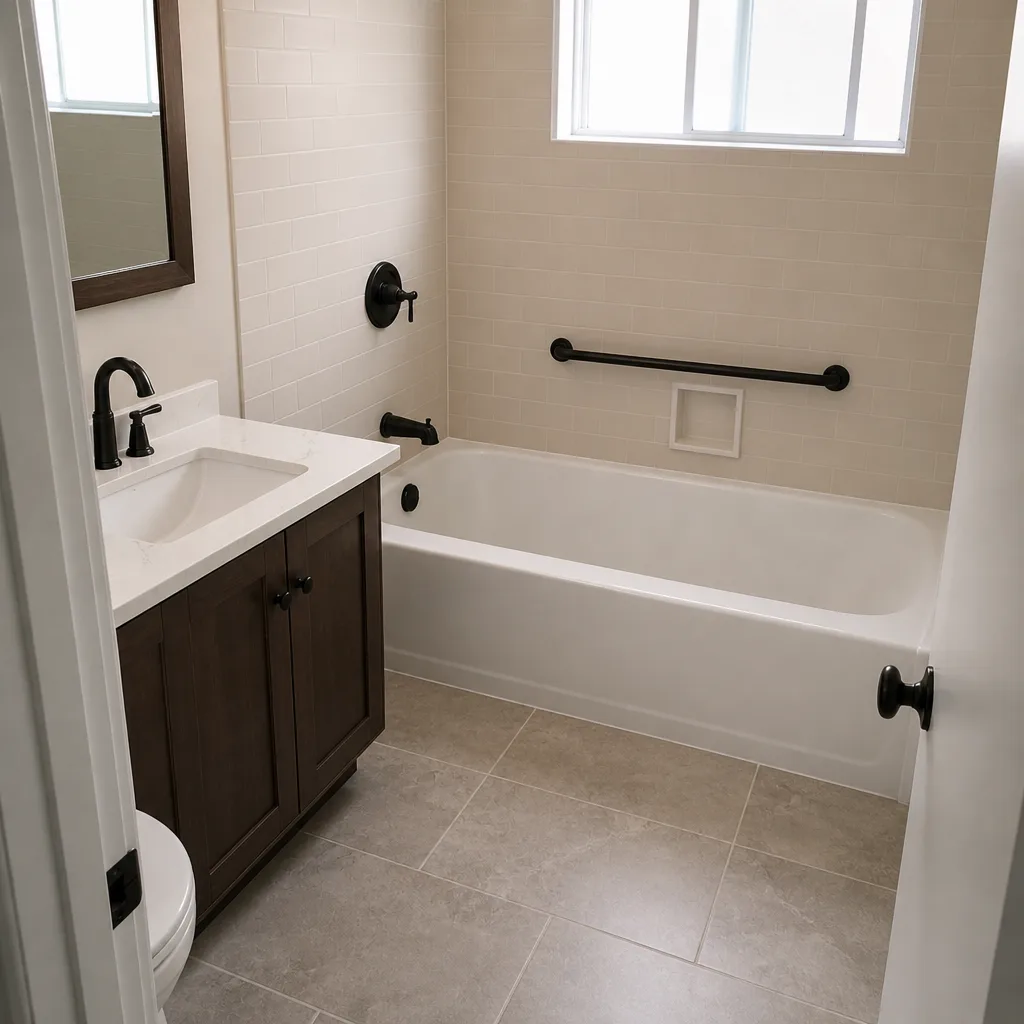
- Bathroom remodeling: $28,000-$55,000 per hall or primary bathroom. Full gut-renovations with Toto or Sterling fixtures land at the higher end.
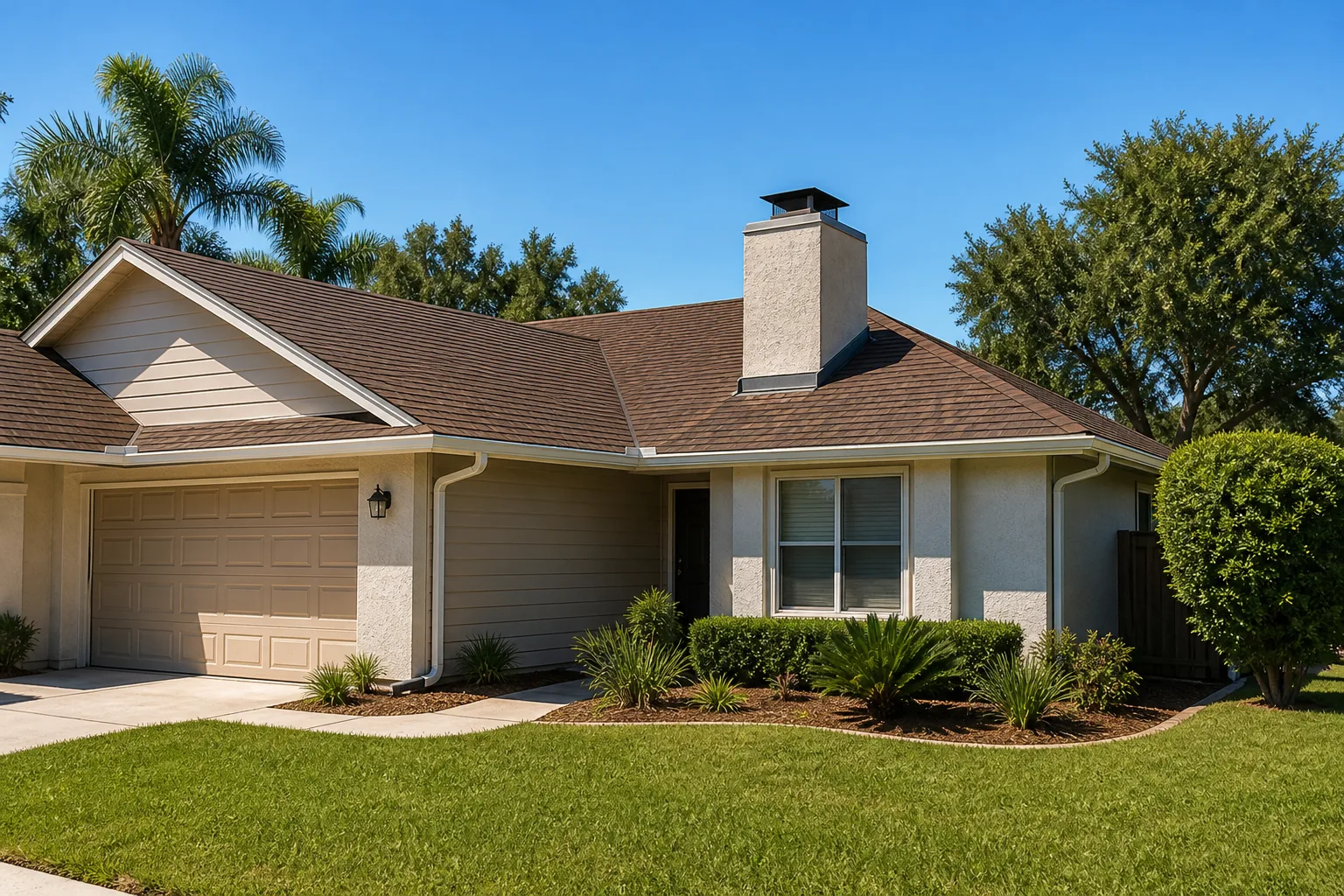
- Roof replacement (asphalt shingle): $18,000-$32,000 for a typical 1,600 square foot Richmond house with GAF or CertainTeed architectural shingles. Original roof removal and disposal included.
- Window replacement: $950-$2,200 per opening depending on brand and specification (Andersen and Marvin at the higher end). Whole-house packages see the lower end of that range per unit.
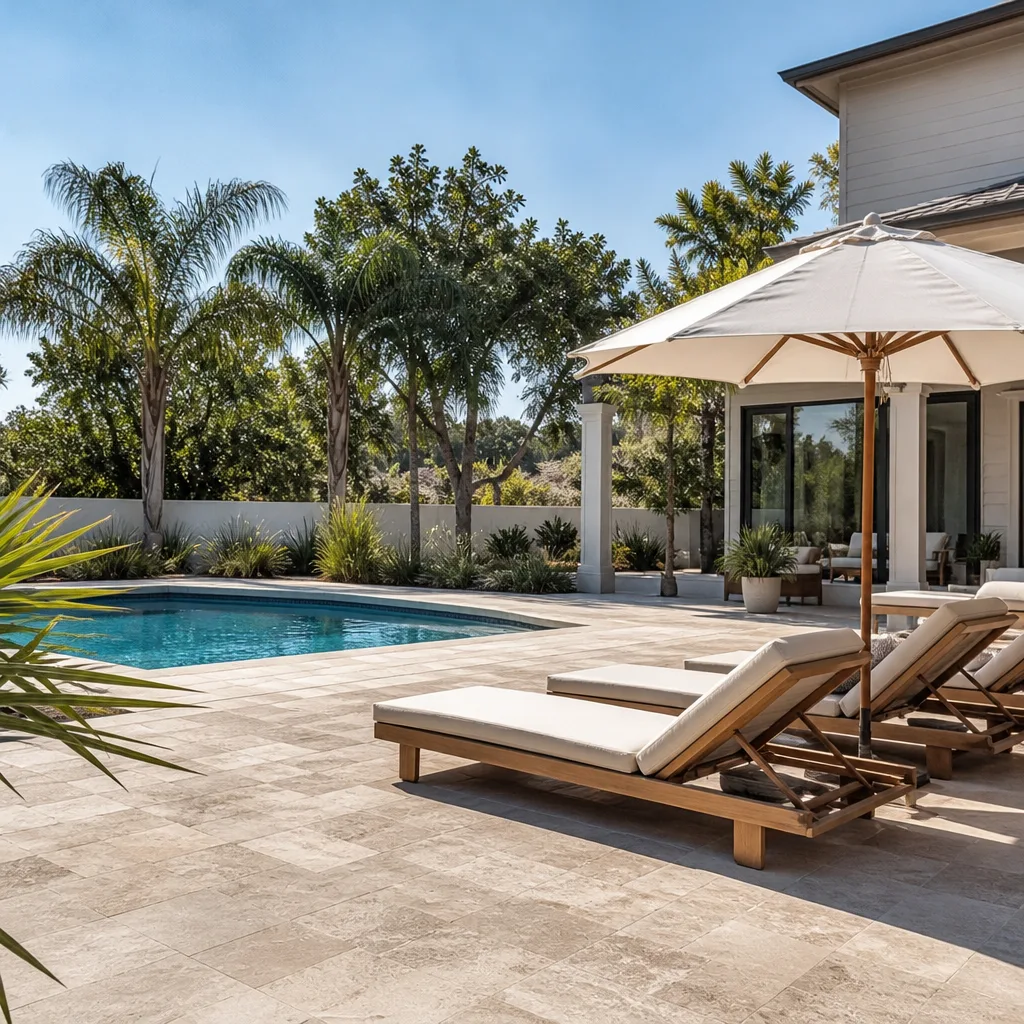
- Driveway and pavers: A new concrete drive runs $12,000-$28,000 depending on length and site access; paver drives run higher. Our Driveway & Pavers in Richmond page covers the site-by-site variables that move that range.
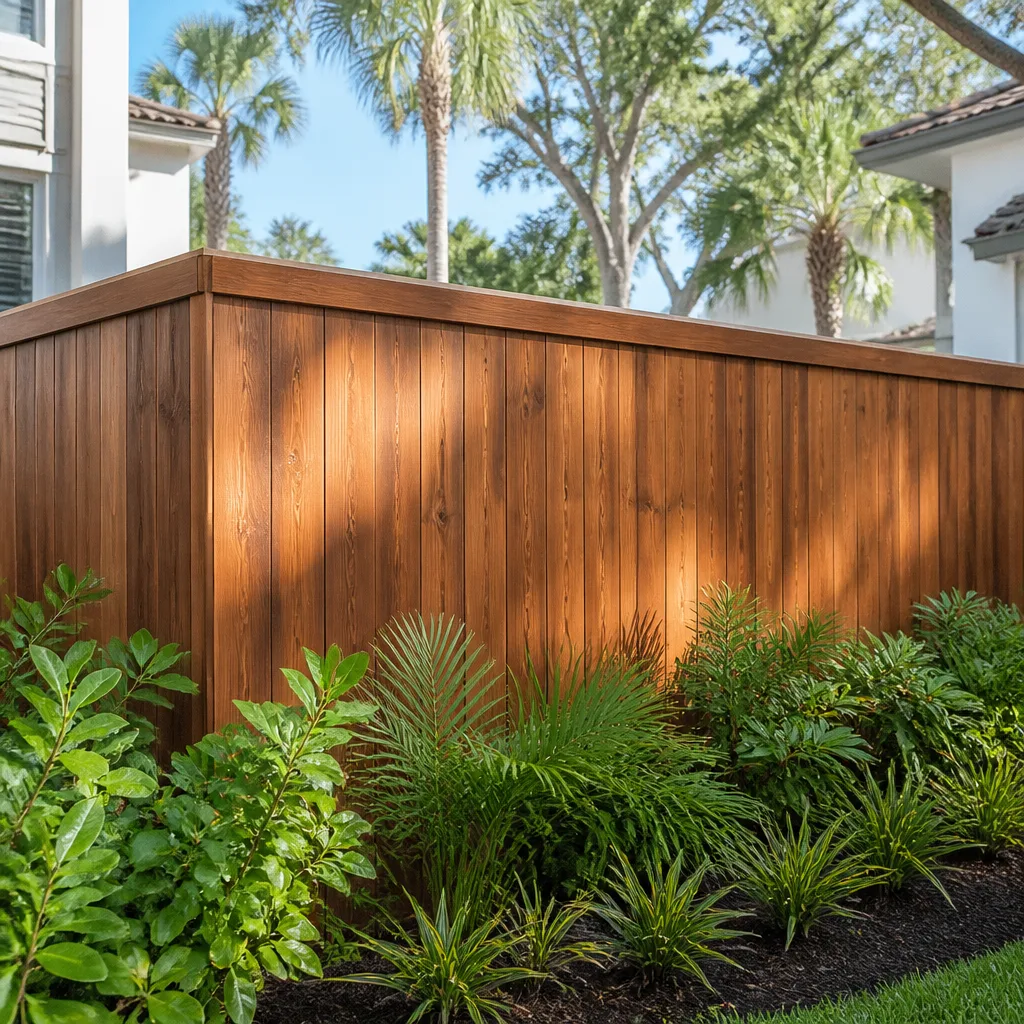
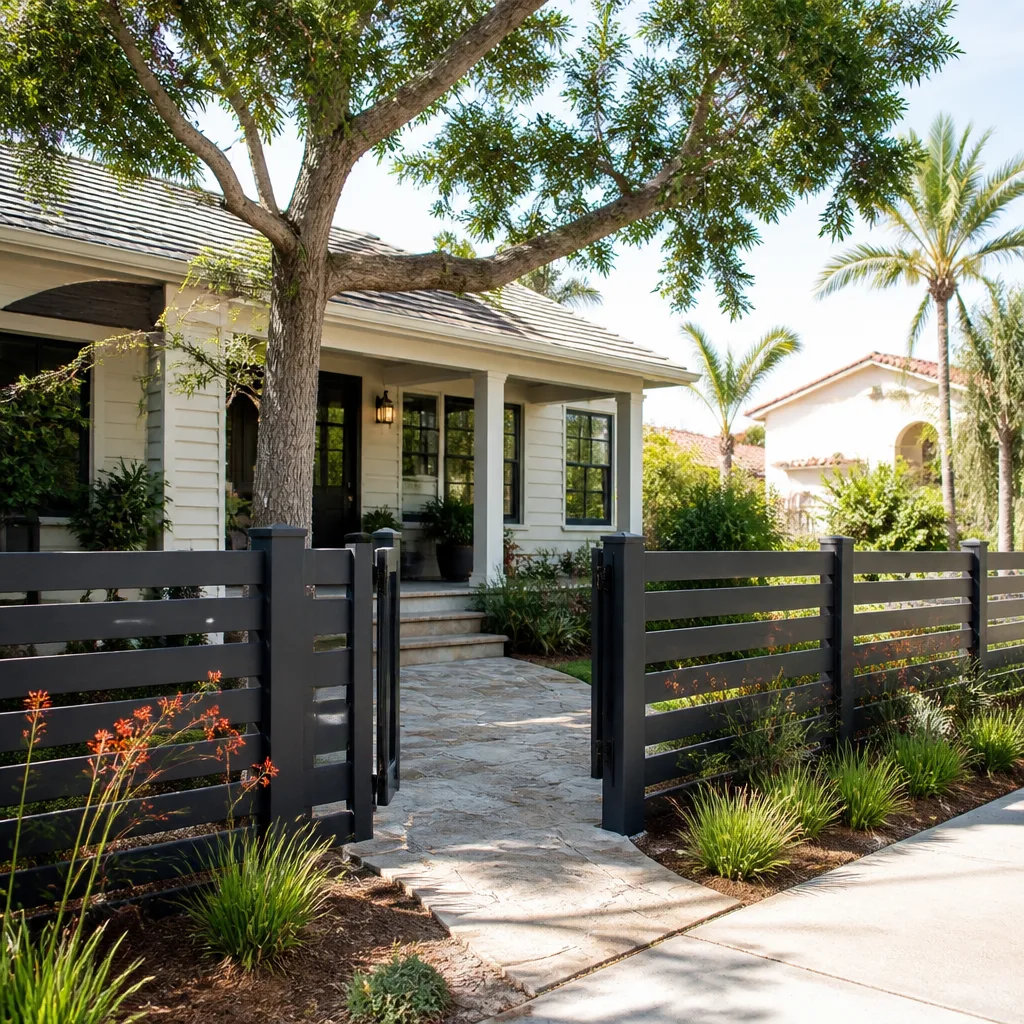
- Fence installation: $55-$130 per linear foot depending on material – wood, vinyl, or metal. Our Fence Installation in Richmond page breaks the material and site conditions that set the line.
- Home additions and ADUs: $280-$420 per square foot for permitted additions and detached ADUs. A 600 square foot ADU lands in the $168,000-$252,000 range. Our Home Additions & ADU in Richmond page addresses the permit path and site-specific constraints in Richmond.
If you want the full picture of how we work across every trade, from foundation to finish line, the Groundwork Construction Co. of Richmond home page lays it out. And nothing you see here replaces a walkthrough; every estimate starts with one.
Common Mistakes to Avoid
- Comparing three bids that don’t cover the same scope. A bid for the same kitchen means the same brand line, the same permit scope, and the same exclusion list. If two bids diverge on what “full kitchen” means, they aren’t comparable numbers – they’re different projects with the same label. Ask every bidder to submit against the same scope document.
- Accepting a bid with no line-item permit fee. Richmond permit and school fees are a real cost and a line item, not a rounding error. A bid that doesn’t show the fee is one that will surface it after signing, usually as an “allowance adjustment.”
- Pricing windows, HVAC, or roofing against 2022 numbers. Bay Area lead times on premium windows run 12-20 weeks in 2026. If a bidder quotes a window package without a pricing lock, the number is a guess.
- Assuming the cheapest bid saves money. On a Richmond project, the gap between lowest and full-scope is typically 15-25%, and the low bid often recovers that gap through change orders and mid-project adjustments. The bid that doesn’t change mid-project is the one that saves money.
- Skipping the plan and demo-surprise conversation. Richmond’s 1940s-1960s housing stock hides subfloor issues, old knob-and-tube wiring, and galvanized plumbing behind walls. Ask every bidder what happens, in writing, if demolition reveals a problem.
- Choosing a contractor on availability alone. A crew with capacity tomorrow is a crew without a backlog, and a backlog is what happens when the work is good. Speed shown on day one may be the last time you see the crew.
- Not reading the warranty. A written 730-day workmanship guarantee is fundamentally different from a verbal “we’ll make it right.” Get the warranty in writing, in the contract, before work starts.
When to Call a Professional
There are projects you can confidently scope and manage yourself: painting, cosmetic updates, a simple fixture swap. There are also projects where DIY or a handyman will end up costing more than a proper bid. Call a professional – which for many Richmond homeowners means calling us – when the work touches any of the following:
- Any structural alteration, wall removal, or addition requiring a permit
- Electrical panel work, new circuits, or rewiring
- Any gas line work
- Roofing, especially on Richmond’s wind-exposed hillside and bayfront properties where waterproofing detailing matters
- Any work on an older home where the mechanical or structural baseline is unknown
- Kitchen or bathroom remodels where waterproofing and code compliance are non-negotiable
Groundwork Construction Co. of Richmond offers free estimates in Richmond – call (833) 700-4611. Every estimate includes a line-item scope, a firm material and labor breakdown, and a realistic schedule. Our technicians have up to 12 years of experience in the trades, are background-checked, and arrive in uniform. Our calls are answered by a live person 24/7, so you’ll talk to someone who can actually help.
See the difference
 Before
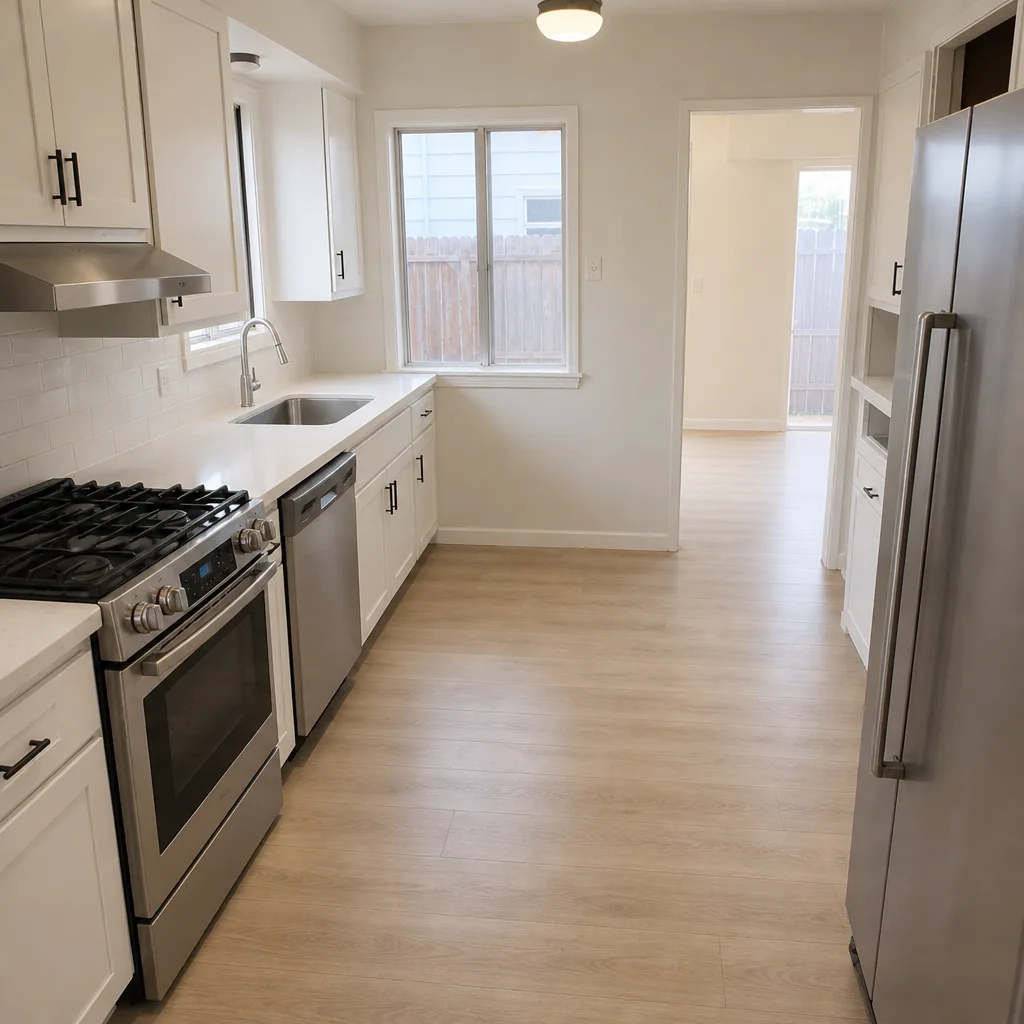 After
 Before
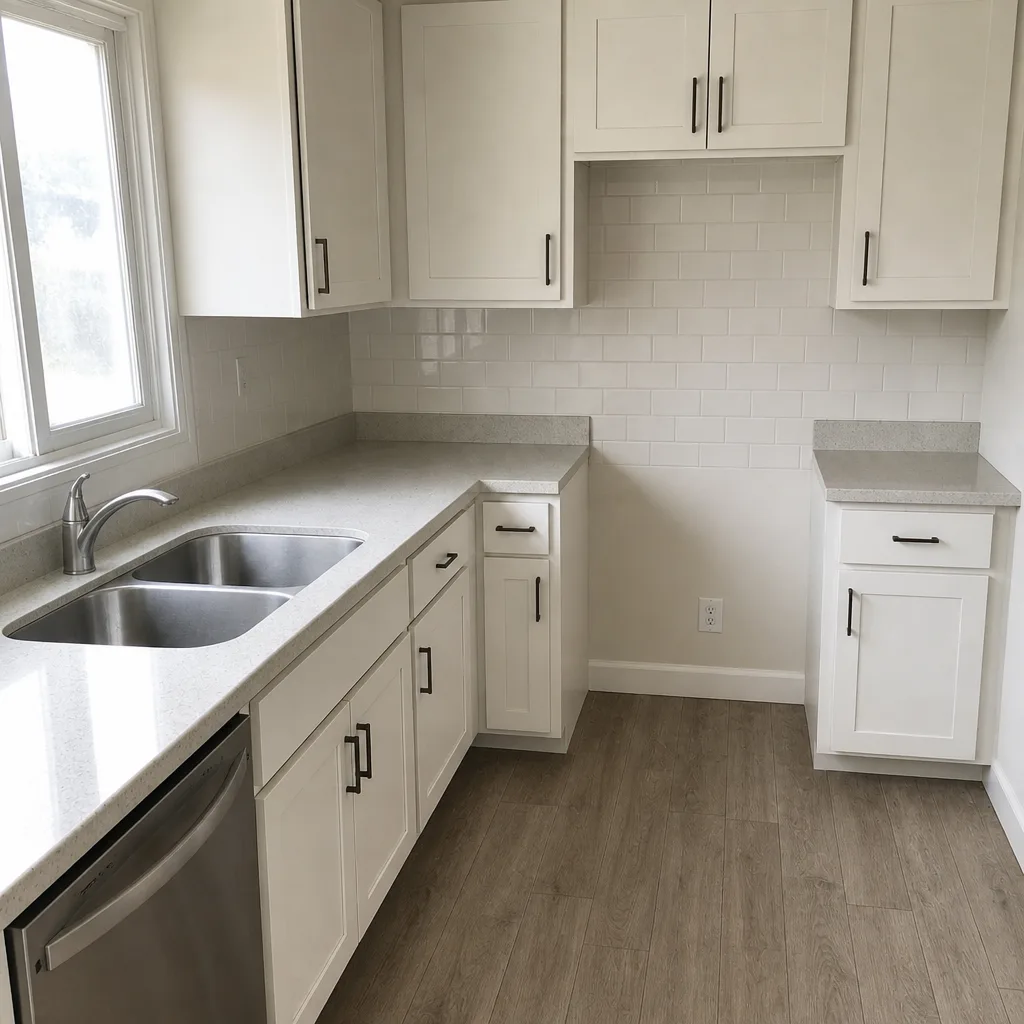 After
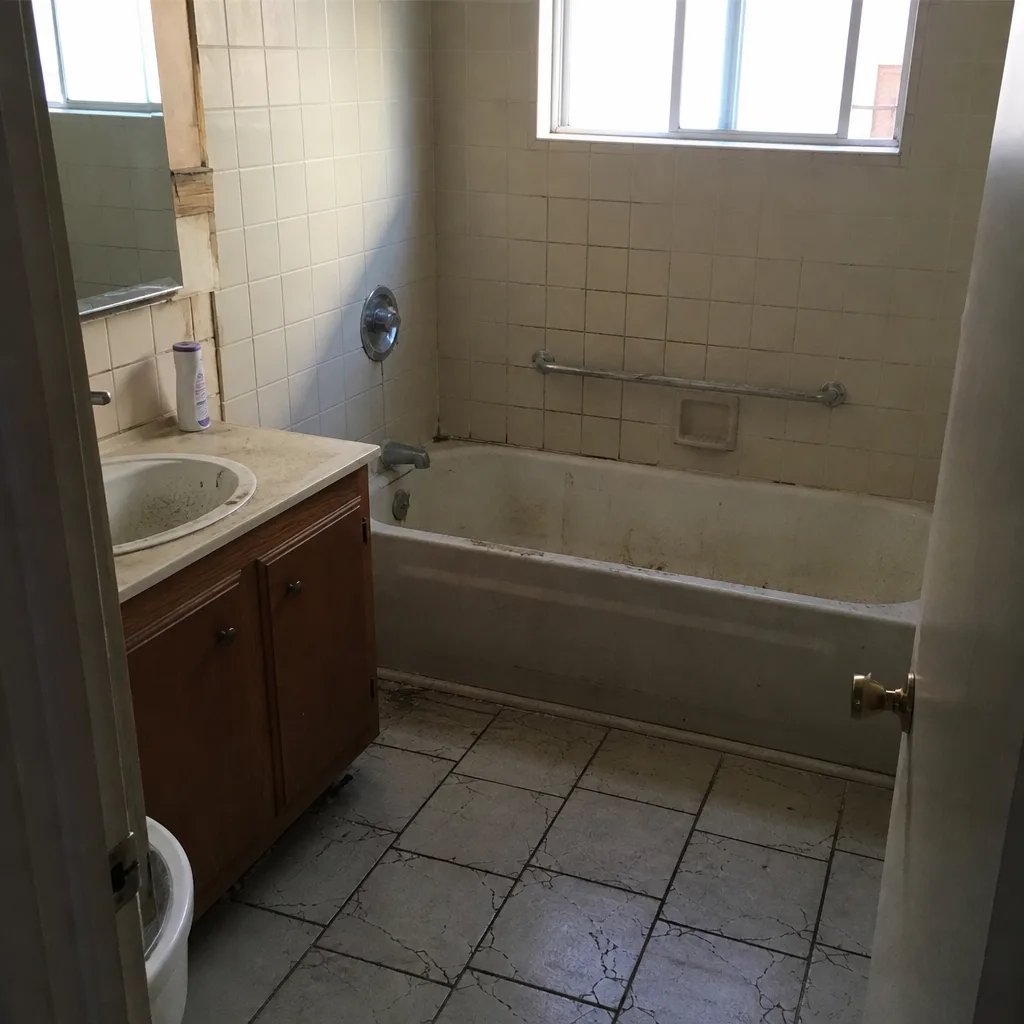 Before
 After
Frequently Asked Questions
A mid-range full kitchen remodel in Richmond runs $95,000-$165,000 in 2026, depending on the size of the kitchen, the finish level, and any structural or mechanical upgrades discovered after demolition. Premium finish selections (Cambria stone surfaces, KraftMaid cabinetry, custom tile) land in the higher end of that range. Call (833) 700-4611 for a free, line-item estimate on your specific kitchen; our estimates are free.
Richmond construction costs run above the national average because of Bay Area trade labor rates, California seismic and Title 24 code requirements, Richmond permit and school fees that national formulas don’t include, and shipping costs into the East Bay for materials. The Bay Area’s licensed-trade labor market is the single biggest driver. A national cost-per-square-foot figure isn’t calculated on any of that.
Over-the-counter permits for simple work (a water heater replacement, a small electrical job) can be issued within a few weeks in Richmond. A kitchen or bathroom remodel with plans runs four to eight weeks through plan check. Additions and ADUs commonly take three to six months through Richmond plan check and any required design review, depending on the property’s zoning. Plan check time is a real cost in the schedule and should be built into your project timeline.
Fence permits depend on height and location relative to the property line; fences under the height threshold often don’t require a permit, while taller fences, fences in front setbacks, and fences on corner lots may. Driveway replacements and new driveways generally need a permit and, in some cases, an encroachment permit for the public right-of-way. Call the city before you build; a call is cheaper than a violation.
The difference typically runs 15-25% on a Richmond project. That gap buys firm material and labor pricing, a real warranty on workmanship (our 730-Day Done Right Promise, if it’s not done right, we make it right), background-checked and uniformed technicians, permit research and closing, and schedule integrity. The gap does not automatically buy you a higher finish level – that comes from the material selections you make, not from the bidder’s hourly rate.
Ask three questions: Is the permit fee a separate line item? Is the scope described with quantities and brand names, or with vague language like “matching existing” and “as needed”? And is the labor broken out from the material on the major trades? A fair bid answers all three without resistance. Call (833) 700-4611 for a free, written, line-item estimate – our numbers are upfront pricing with no surprises.
The Bottom Line
Richmond construction costs in 2026 reflect a specific mix of Bay Area labor rates, California code and permit fees, and material categories that are still settling after the supply shocks of the last few years. The national per-square-foot number you’re reading online isn’t wrong as a national figure; it’s wrong for Richmond. The correct approach: use the local ranges in this guide to set expectations, ask every bidder for a line-item scope with clear exclusions, verify permit fees are shown as their own line, and check the warranty before you sign. A bid that stays the same from first walkthrough to final inspection is the one worth taking. When you’re ready to price your project, call (833) 700-4611 for a free estimate. Every estimate is line-item, written, and includes our 730-Day Done Right Promise – if it’s not done right, we make it right.
Written by the team at Groundwork Construction Co. of Richmond.