Last updated November 18, 2026

Free written scope consultation - allowances, timeline, and change-order rules on paper before a single trade is scheduled
Choosing the Right Construction Brand: A Buyer’s Guide for Richmond
Two driveways poured the same week, same square footage, same gray finish on the same block of Cutting Boulevard can have a 15-year difference in how long they last. The variable isn’t the crew’s skill. It’s the brand of concrete mix and the aggregate gradation specified in line 14 of a proposal most Richmond homeowners never read. We’ve pulled enough failed flatwork out of Bay Area yards to know this isn’t a theory. This guide shows you how to read a material specification, spot the “or equal” clause that lets a contractor swap down without telling you, and ask questions that reveal a builder’s real supply chain in Richmond instead of their sales pitch.
Quick Answer
The right construction brand in Richmond is the one whose manufacturer warranty, installer certification, and material grade match your property’s actual climate and use. Brand names matter most in categories where failure is expensive and hard to see later: concrete and paving, roofing underlayment, exterior siding, windows, and drainage. They matter least in categories where the brand is mostly a label on the same commodity product. The test is whether the brand can survive Richmond’s marine fog, winter rain concentration, and expansive clay soils, and whether the installer is certified to keep the warranty valid.
Styles & brands we work with
- Kitchen remodeling
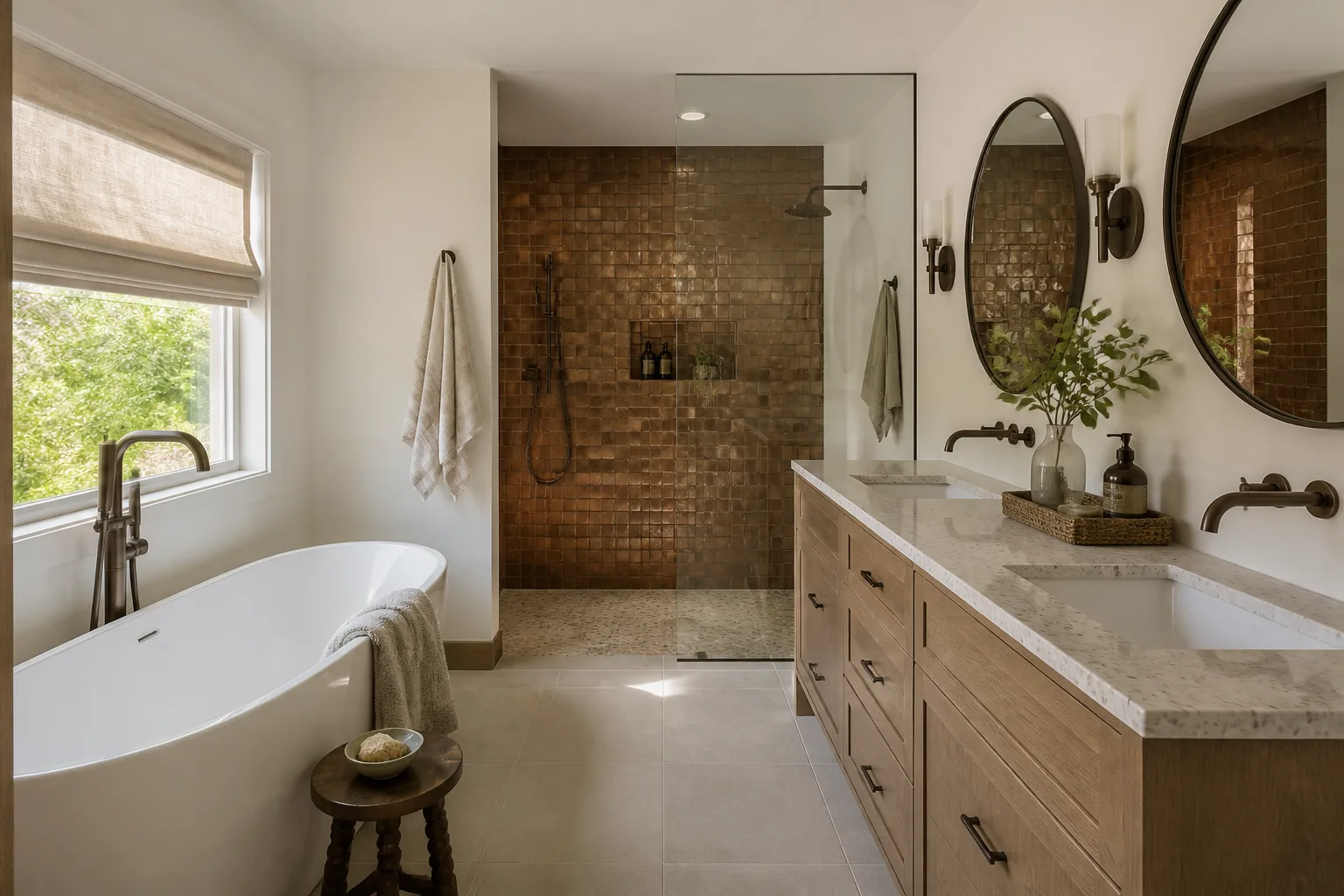
- Bathroom remodeling
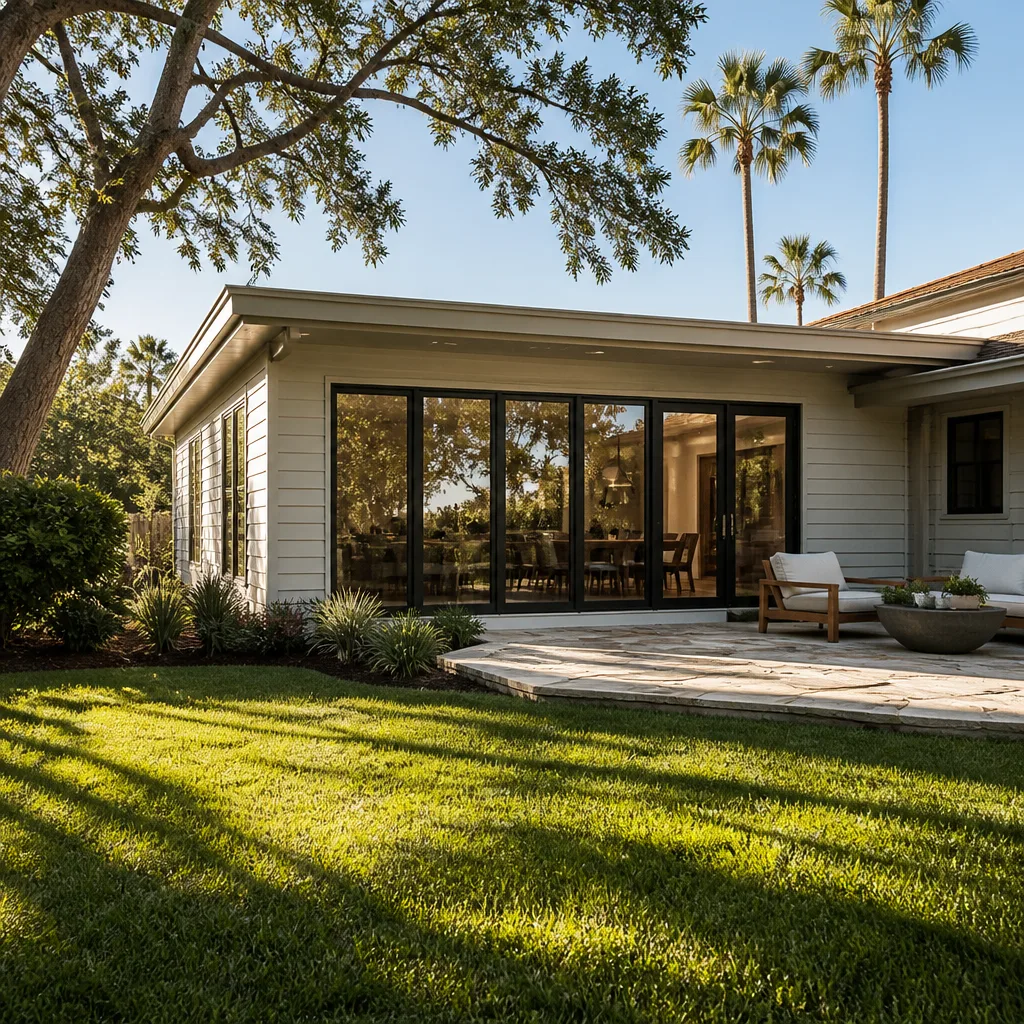
- Home additions & ADU
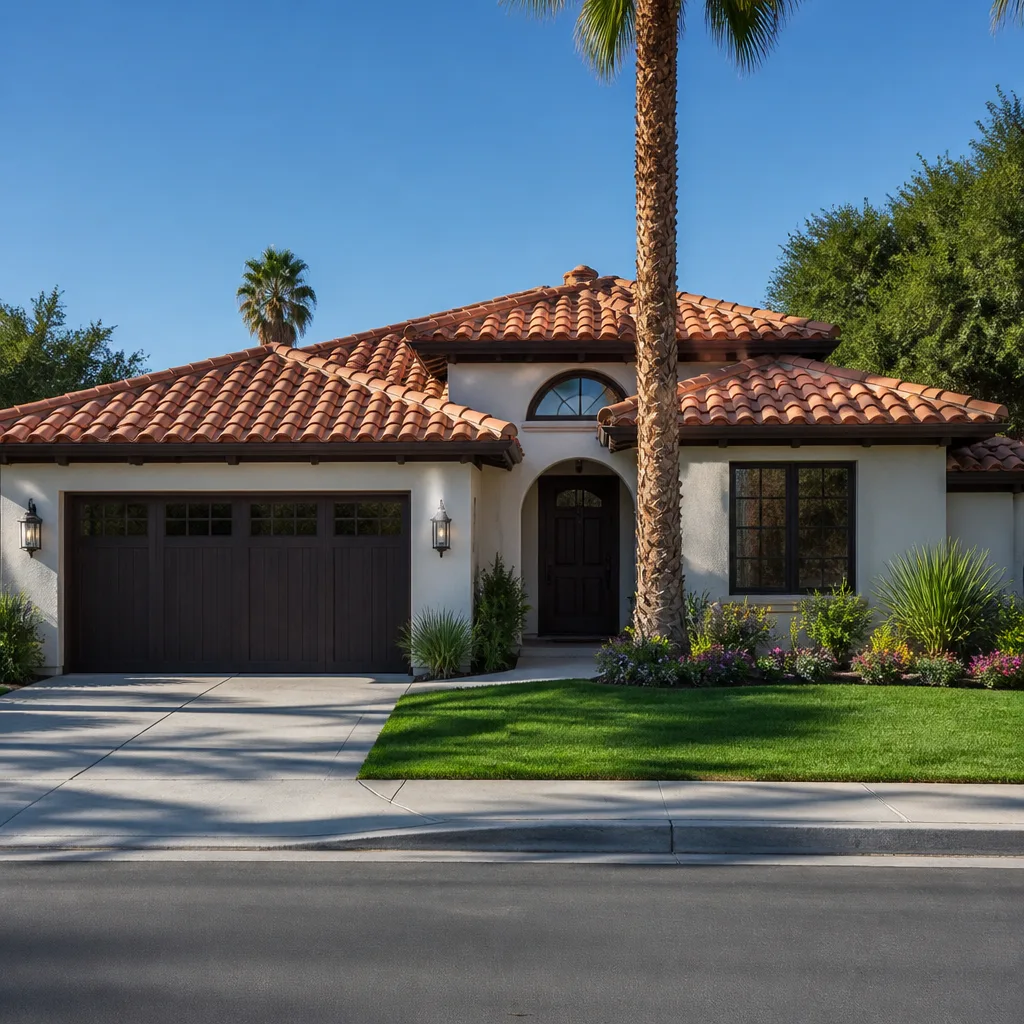
- Roofing
- Windows & doors
- Driveway & pavers
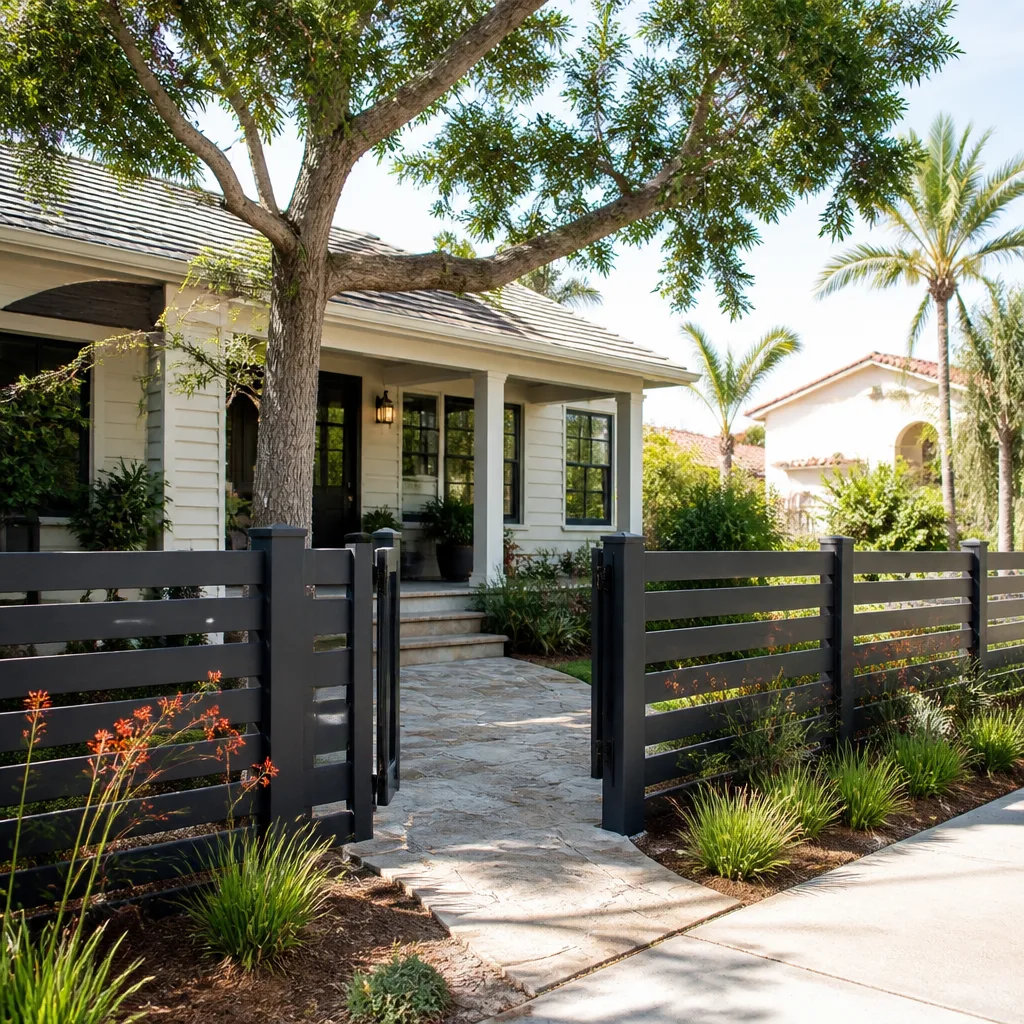
- Fence
Table of Contents
- How to Read a Material Specification in a Richmond Construction Contract
- The “Or Equal” Clause: Where Brands Quietly Disappear
- Which Product Categories Have Real Brand Differentiation
- How Brand Warranties Actually Work (and What Voids Them)
- Brands That Perform in Richmond’s Climate
- How to Ask a Contractor About Their Brand Partnerships
- Common Mistakes to Avoid
- Frequently Asked Questions
How to Read a Material Specification in a Richmond Construction Contract
A material specification is the section of your contract that names what will actually be installed. Most homeowners skim it. Most disputes we get called in to fix live inside it. Read it like a lease, not a brochure.
Here’s the order to read it in:
- Find the scope of work page. This is usually the first 1-2 pages. Identify every line that lists a product name, model number, or manufacturer.
- Circle every brand name. If a line item for a roof has no manufacturer, that’s a gap. James Hardie siding has a spec sheet; “fiber cement siding” does not.
- Look for model numbers, not just brands. “KraftMaid cabinets” is wide open. “KraftMaid Vantage, door style Stockton, finish Husk” is a specification. Cabinets priced at $8,000 and $28,000 both wear the KraftMaid badge.
- Read the exclusions and allowances. A $6,000 cabinet allowance in a Richmond kitchen remodel means you’re picking something at that number, not a brand. Allowances are the most common place a spec gets stretched.
- Check the underlayment and fastener page. This is where Richmond contractors hide cheap substitutions. The top layer of your roof or the surface of your paver driveway looks the same when the hidden layer is downgraded.
- Confirm who supplies the material. Some contractors buy direct through a dealer program, some buy from a lumber yard that stocks whatever’s cheapest that week. The answer changes what you get.
Richmond’s building department requires that exterior work in the shoreline zones and older neighborhoods near Point Richmond meet specific wind and seismic attachments. When a proposal doesn’t specify fasteners, you can’t tell whether the installation meets those attachment requirements or not. A proper spec names the fastener manufacturer and the model, not “standard fasteners.”
The “Or Equal” Clause: Where Brands Quietly Disappear
The “or equal” clause is a single sentence that appears in nearly every construction proposal. It usually reads something like: “Contractor reserves the right to substitute materials of equal or better quality.” Sounds reasonable. It is also the legal mechanism by which the James Hardie siding you paid for becomes a no-name cement board, and the Cambria quartz becomes an imported stone that looks almost identical under the showroom lights.
Here’s what “or equal” actually does in practice:
- It shifts the definition of “equal” to the contractor. Unless the spec locks the manufacturer, model, and grade, “equal” is a judgment call made the morning of delivery.
- It travels with supply chain pressure. When a specific brand is on backorder, “or equal” is the fast path to something else. The homeowner finds out after the material is installed, not before.
- It’s rarely used with written disclosure. The good contractors do disclose and re-quote. The bad ones don’t, and the wording of the clause gives them cover.
- It interacts with your warranty. If a substituted material isn’t installed to the original manufacturer’s spec, you can lose the manufacturer warranty without ever knowing you had one.
The way to protect yourself is a written “no substitution without written owner approval” line, plus a schedule of values attached to the contract that names each brand and model. Every legitimate builder, including ours, will sign that. When a contractor pushes back on it, that’s your answer about how they run their supply chain.
Which Product Categories Have Real Brand Differentiation
Not all brand names mean the same thing. Some are engineering standards. Others are marketing. Here’s how the categories break down for a typical Richmond project:
Categories where brand matters a lot
- Roofing. GAF, CertainTeed, and Owens Corning each publish specific wind and impact ratings and each has its own certified installer program. The difference between a 30-year shingle from one of these three and a house-brand equivalent shows up in year 18, not year 3. Our Groundwork Construction Co. of Richmond home lays out how we spec these on every roof.
- Exterior siding. James Hardie’s fiber cement has a documented formulation that resists moisture cycling. Off-brand fiber cement cartons aren’t chemically identical, and the difference shows up as paint failure on the fog-facing elevations in Richmond.
- Windows. Andersen and Marvin maintain their own frame formulations and glass coatings. Cheap vinyl windows fail at the seals in ways that are invisible until the fog creeps inside the sash.
- Concrete pavers. Belgard and similar premium manufacturers test compressive strength and freeze-thaw resistance to standards no commodity paver meets. For driveways with real vehicle load in Richmond, this matters.
- Drainage components. NDS is the practical standard for grates, channel drains, and catch basins. Off-brand fittings fail at the joint stress points.
Categories where brand matters less
- Stucco and plaster base coats. Most major brands meet the same ASTM standard, and the installer’s technique drives longevity more than the bag.
- Lumber and framing. Grading is the specification, not the mill. You can still find quality differences in how a yard handles moisture, which matters on Richmond’s fog-heavy flatlands.
- Interior paint. There are meaningful differences (Benjamin Moore, Sherwin-Williams, and Farrow & Ball in finish feel), but not the durability gap you see in roofing or windows.
- Drywall. Standard gypsum board is broadly commodity. The exceptions are moisture-resistant and fire-rated boards, where the standard is a code number, not a brand.
The lesson is that you should ask for brand specificity in the categories where failure is expensive and hard to catch. In the commodity categories, ask instead for grading and installer qualifications.
How Brand Warranties Actually Work (and What Voids Them)
A brand warranty is a promise from the manufacturer, not the contractor. That distinction is where most homeowners get surprised. Manufacturer coverage is conditional on how the product was installed and whether the installer is certified by the manufacturer.
Here’s what a manufacturer warranty typically requires:
- Certified installation. GAF’s strongest roofing warranties require a GAF-certified contractor. If your installer isn’t on the certified list, the same shingles come with a shorter warranty.
- Manufacturer-specific underlayment and accessories. A GAF shingle installed over off-brand underlayment typically voids the extended coverage. The bundle is the warranty, not the shingle alone.
- Specific fastener patterns and ventilation. Roof deck ventilation matter in Richmond’s wet-winter, warm-summer pattern. An installer skipping the ridge vent spec voids coverage regardless of the shingle brand.
- Registration within a time window. Most brands require warranty registration within 30-90 days of install. The contractors who do this for you are telling you something about how they track their own work.
- No unapproved modification. Adding a satellite dish or solar panels without approved flashing can void shingle coverage. This is worth knowing before you add any roof-mounted equipment.
Now the contractor side. A workmanship warranty is different from a manufacturer warranty. The manufacturer covers the product failing to spec. The contractor covers installation defects, which are the more common failure mode where products are installed over Richmond’s clay soils. That’s where our 730-Day Done Right Promise sits: if a material or install doesn’t hold up to spec, we make it right, and the promise is written.
- A brand warranty without certified installation coverage is close to worthless. In a Richmond roof replacement, the installer certification is what keeps your claim eligible at year 12.
- A workmanship warranty without a named manufacturer spec is nearly as weak. If the contract doesn’t lock the brand, the workmanship warranty only covers installation of whatever got delivered.
You need both to be real. And you need them to be in writing before work starts.
Brands That Perform in Richmond’s Climate
Richmond’s microclimates are not one thing, and the brands that survive here are the ones tested for Bay Area conditions, not the ones tested for a Phoenix subdivision.
The practical texture of Richmond’s climate for exterior work:
- Marine fog cycling on the bay-facing slopes. Point Richmond, the Marina Bay edge, and the western hills see daily condensation cycles that push moisture into any poorly sealed joint. Windows and siding brands must carry moisture management systems, not just a look.
- Winter rain concentration. The Bay Area gets most of its rain in a few big events between November and March. Richmond flatwork fails when drainage can’t handle those events. NDS channel drains and properly graded pavers are the difference between a driveway that sheds water and one that pools at the garage door.
- Expansive clay soils. Richmond areas from the flats near the bay up through the older neighborhoods have shrink-swell clay that moves seasonally. The paver base and the concrete mix design carry more of the load here than in dry, stable regions. Elevated height requirements on the paver base are not optional.
- Summer UV and heat cycling. Not extreme, but enough that windows and roof seals in Richmond degrade faster on south and west exposures.
- Bay spray on the western edge. Within roughly a quarter mile of the shoreline, metal fasteners, flashing, and window hardware need corrosion-resistant grades or they’ll fail at year 8 instead of year 20.
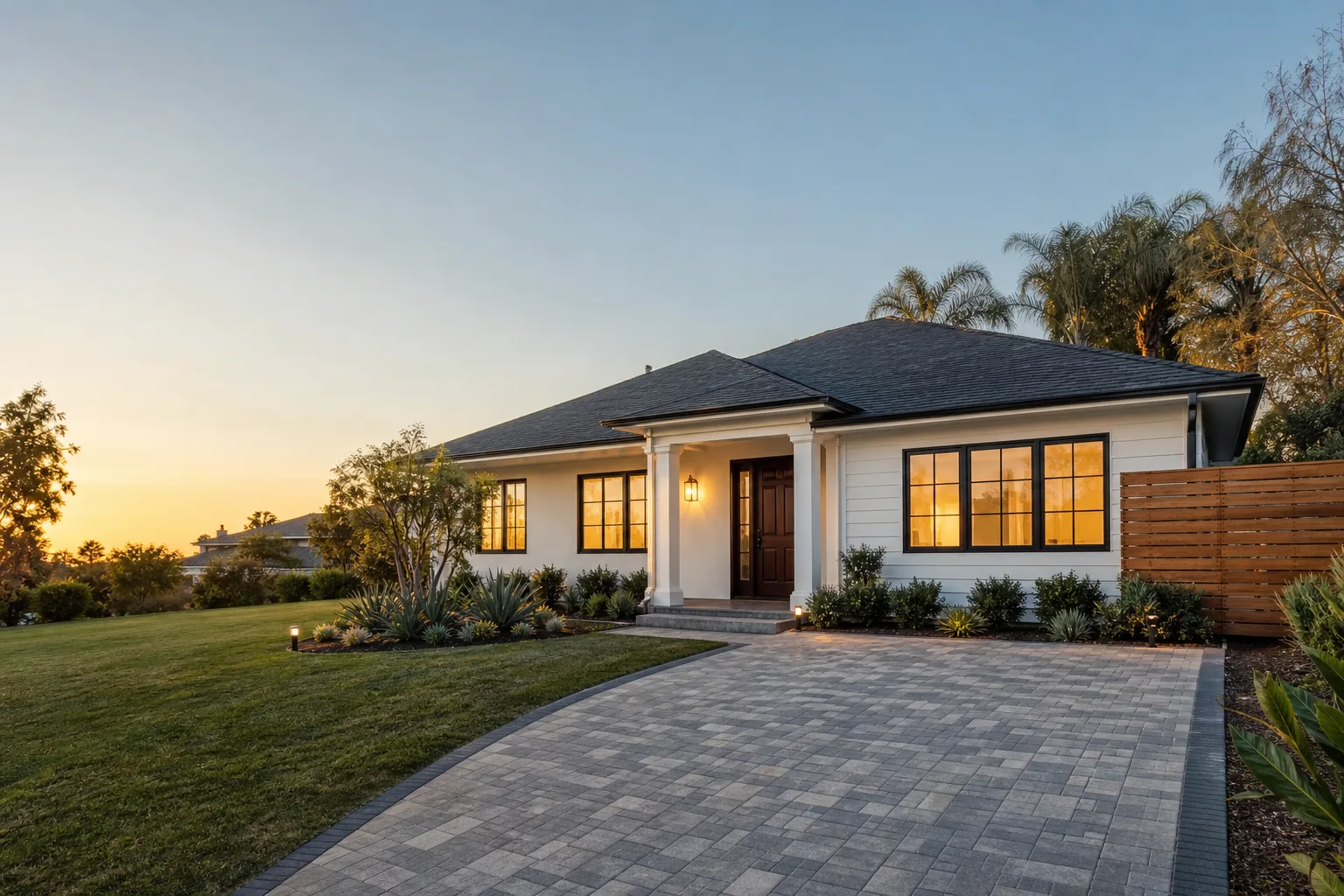
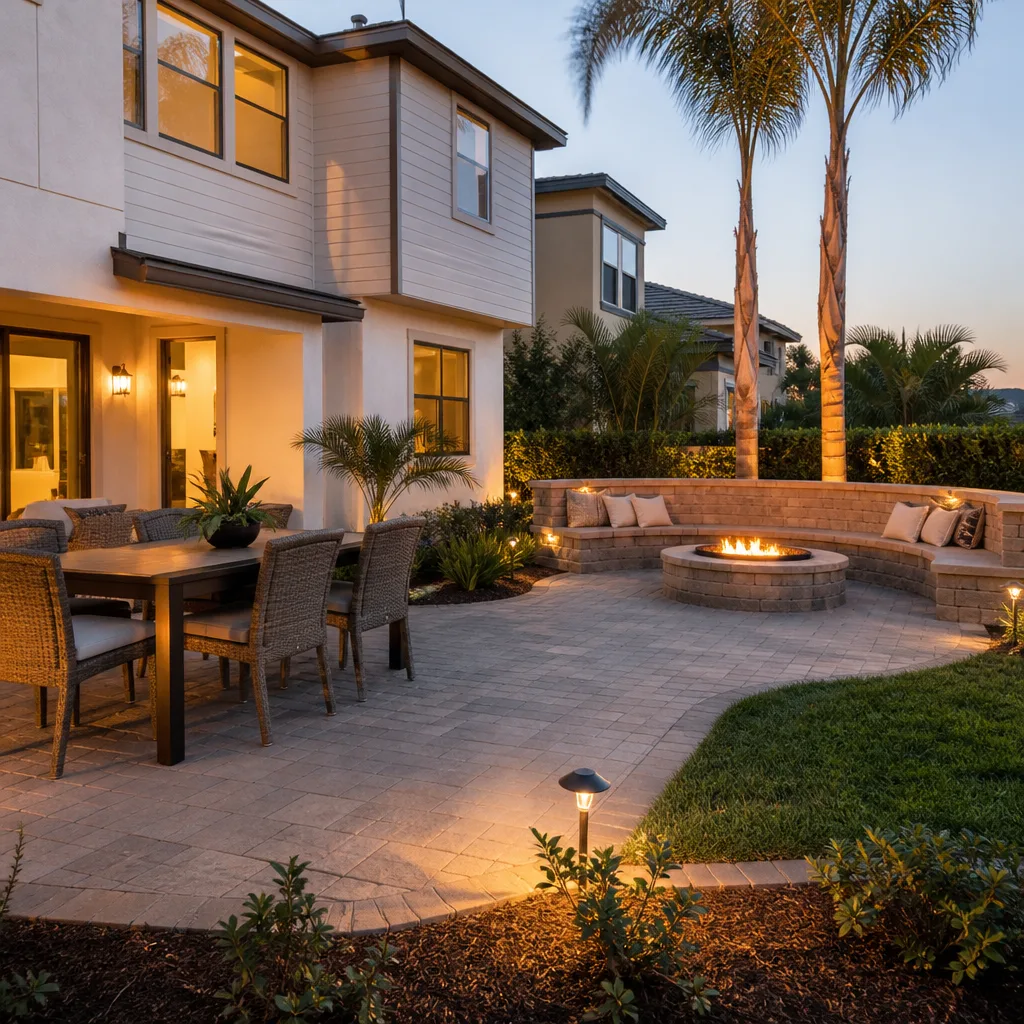
For a Richmond driveway replacement on those clay soils, that’s the case for premium pavers over asphalt: a Belgard-style interlocking block system set to spec handles ground movement better than a monolithic slab, and the base prep matters as much as the paver brand. Our Driveway & Pavers in Richmond page covers the base construction sequence we use for that reason.
For exterior siding, James Hardie is the practical standard in Richmond because the fiber cement holds up under the fog cycles and the installer training is standardized across the county. For roofs, GAF and CertainTeed both have strong coverage in Bay Area conditions and both have dealer programs that keep fasteners, underlayment, and ventilation bundled to warranty terms. For windows on the shoreline elevations, Andersen’s glass coatings and frame formulations hold up to the salt loading better than the generic vinyl on the market.
Fences are a category worth calling out because brand matters less than material grade. A cedar fence from a graded lumber line with correct post depth and post material will outperform a “premium” brand fence with undersized posts. Our Fence Installation in Richmond page goes into the post specification in more detail because it’s the failure point we rebuild most often. And when a project includes a shed, ADU, or detached structure, one brand to consider is Tuff Shed for a pre-engineered unit, which is often a faster path than a stick-built option and comes with its own manufacturer warranty. Our Home Additions & ADU in Richmond page covers when the detached option is the smarter build.
How to Ask a Contractor About Their Brand Partnerships
Most homeowners ask “What brand do you use?” That question returns whatever answer the salesperson rehearsed. You want questions that force a specific answer and reveal whether the contractor has a real dealer relationship or just buys from a lumber yard that week.
Here’s the list of questions that work, in escalation order:
- “Are you a certified installer for this specific brand, and can you show me the certificate?” Real certifications have paperwork. It’s the first test.
- “Which dealer or yard are you buying this through, and how long have you used the same supply chain?” A real answer is specific. A vague answer means the contractor is not brand-locked and will substitute.
- “What’s the model number and warranty tier on the product you’re proposing?” Model numbers get you to the actual warranty document and the actual price point. This is where “or equal” dies.
- “Who registers the manufacturer warranty, and when?” The good answer is “we do, within the registration window.” The bad answer is “you have to do that part.”
- “What did you install on the last three jobs in Richmond, and can I see photos?” Photos of similar work in similar climates reveal whether the contractor has real experience with the products in this market.
- “If the brand is on backorder, what happens to my price and my spec?” This is the question that opens the conversation about “or equal.” Get the answer in writing.
What you’re looking for is a contractor who can name the brand, model, dealer, and certificate in one sentence. What you’re looking to avoid is a smooth talker with a glossy catalog who can’t answer any of those questions without a callback. When we quote a project in Richmond, the brand, model, and warranty come in the written estimate so we can sign the exact scope before we sign the contract.
Asking these questions is also a legitimate way to compare contractors in Richmond. Two bids that name the same brand are comparable. Two bids that name different brands or no brands are not, even if the totals look similar. The right comparison is brand-for-brand, model-for-model, with the underlayment and fastener package spelled out the same way on both sides.
Common Mistakes to Avoid
- Reading the total price and skipping the spec section. In Richmond, the spec drives the price far more than labor. A $14,000 roof and a $20,000 roof are rarely the same scope, even when both say “GAF shingles.”
- Accepting “or equal” language without a substitute approval clause. This is the most common hole in a Richmond homeowner contract. Lock it down before you sign.
- Assuming the brand warranty is automatic. A GAF or CertainTeed warranty requires a certified installer and specific underlayment. If the installer isn’t certified, the extended coverage is gone, regardless of what the brochure says.
- Comparing bids across different brands. A James Hardie siding bid against unnamed fiber cement isn’t a real comparison. Normalize the spec before you normalize the price.
- Ignoring the drainage spec on a paver driveway. Richmond’s winter rain events overwhelm poorly designed drainage on flat lots, particularly in the Marina Bay and Iron Triangle areas. The NDS channel drain spec and the paver base thickness are both in scope.
- Trusting a contractor who supplies “KraftMaid” without a model line. KraftMaid builds three tiers. The lowest tier and the highest tier are both KraftMaid. Specify the series, door style, and finish on the line item or you’re shopping blind.
- Skipping the warranty registration follow-up. Some brands default to a shorter warranty if you don’t register. Confirm in writing that the contractor will register the warranty and that you’ll get confirmation.
See the difference
 Before
 After
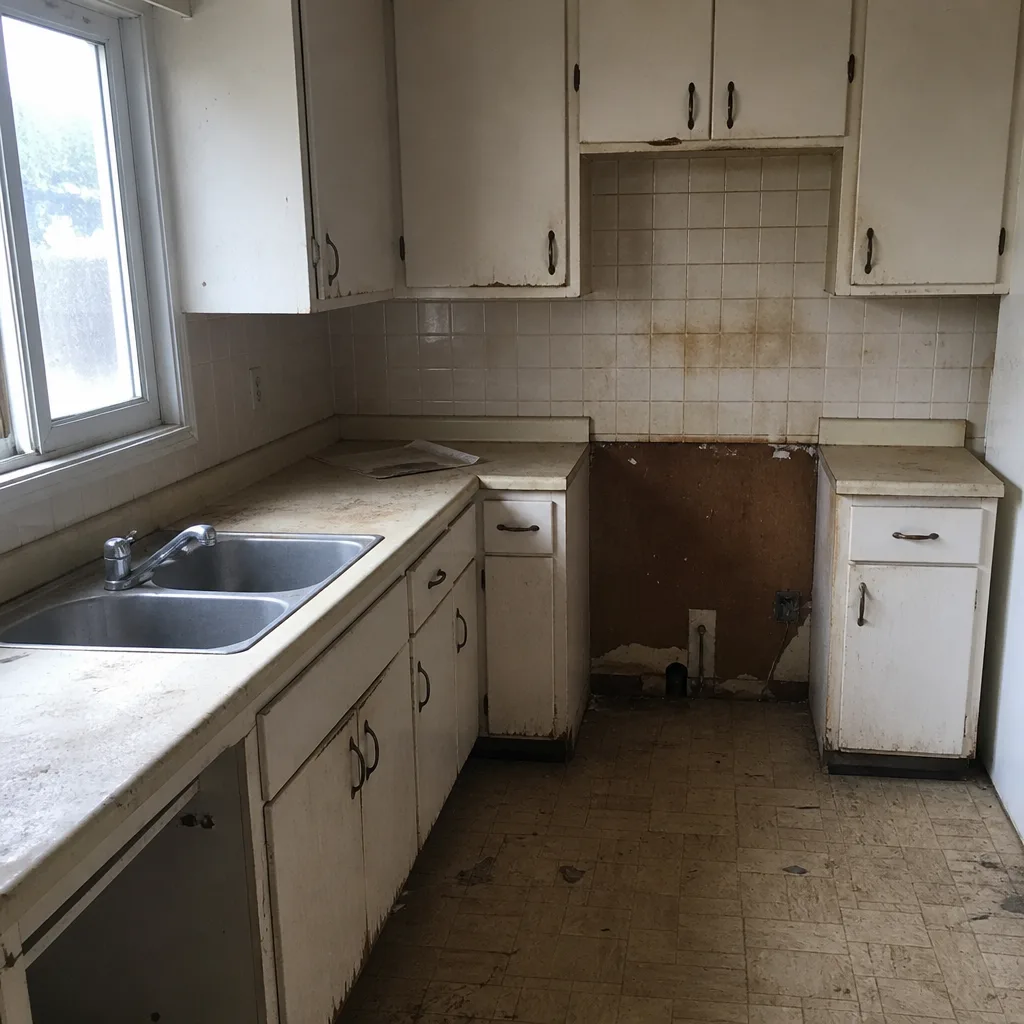 Before
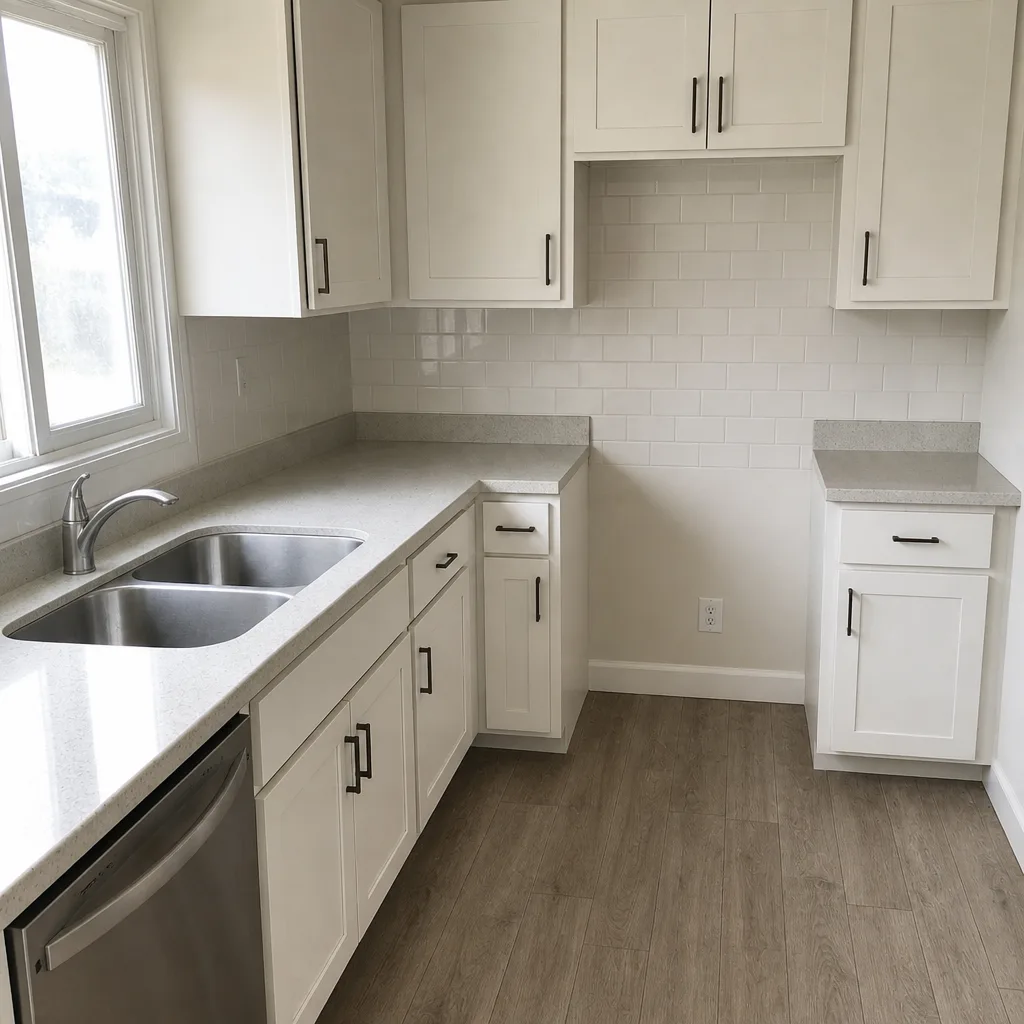 After
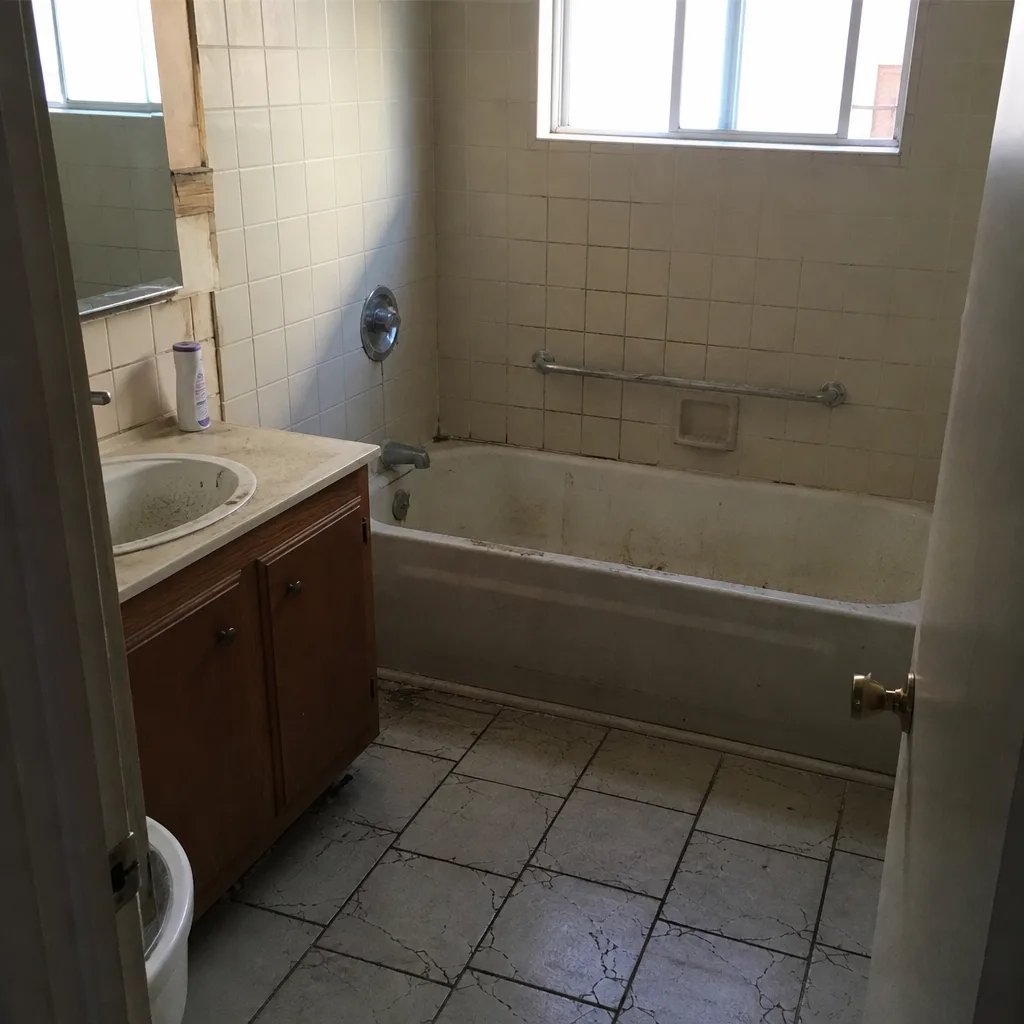 Before
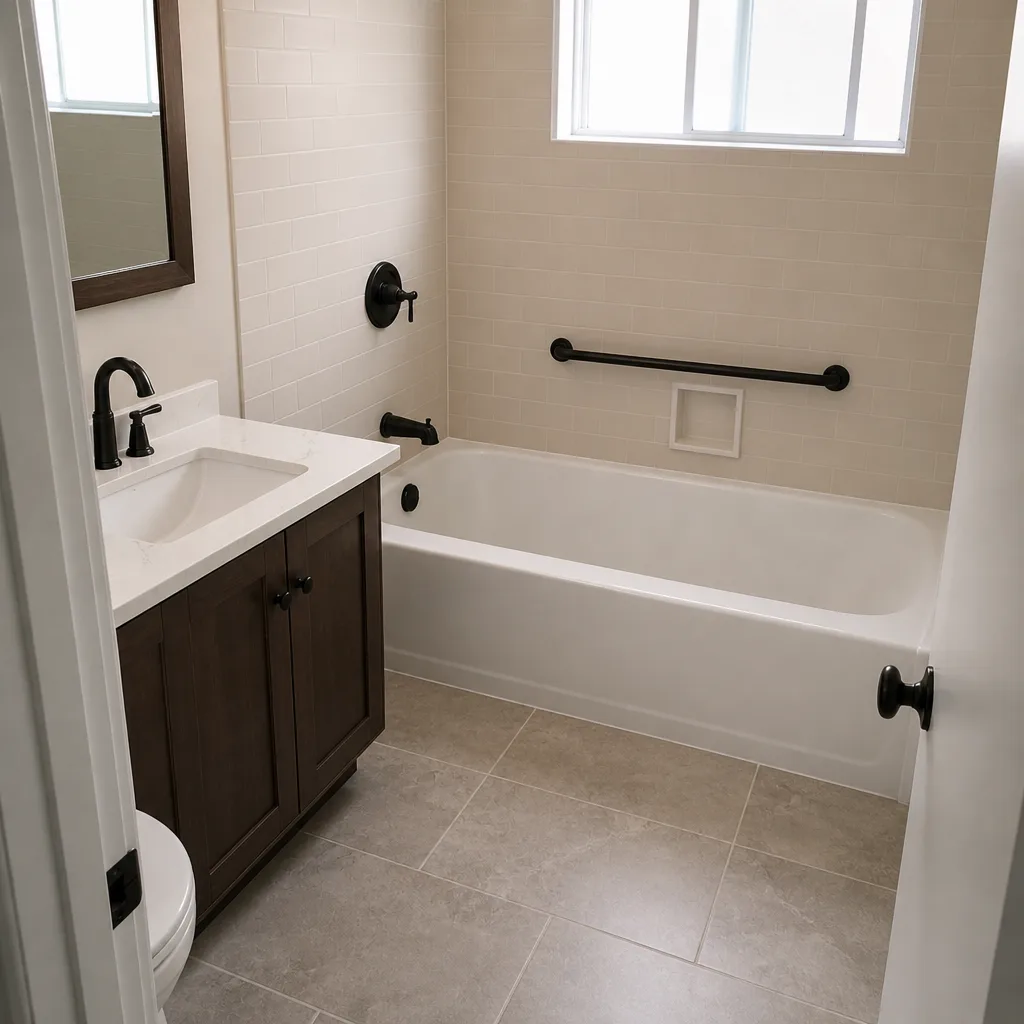 After
When to Call a Professional
Some jobs are genuinely DIY territory: a gate repair, a small fence replacement in a backyard, a repaint of an interior garage. The rest of what we’re covering here isn’t, and the safety line is real. Roof work, window replacement on upper floors, drainage systems that touch foundation grading, and any project involving expansive clay soils or structural base work all require a professional crew with the right insurance, installation certification, and warranty backing. When the material brand matters to your warranty, the installer matters just as much, because the wrong installer voids the brand coverage without telling you. Groundwork Construction Co. of Richmond offers free estimates in Richmond with a written brand-and-model schedule on every proposal. Call (833) 700-4611 to schedule yours.
Frequently Asked Questions
The brands worth the upgrade in Richmond are the ones with certified installer programs and documented performance in coastal Bay Area conditions: GAF and CertainTeed for roofing, James Hardie for fiber cement siding, Andersen and Marvin for windows, Belgard for pavers, and NDS for drainage. KraftMaid and Wellborn in cabinets are worth comparing carefully because both brands build multiple tiers, so the model line matters. The upgrade is worth it where the material is hard to see after installation and expensive to redo, not where the brand is mostly a label. Call (833) 700-4611 for an exact quote on a specific scope, and the estimate is free.
“Or equal” is a substitution clause that lets the contractor install a different material of “equal or better quality” without your written approval. In practice, it’s the most common way a specified brand disappears from a Richmond job without the homeowner noticing, because “equal” is defined by the contractor, not by the manufacturer. Ask for a “no substitution without written owner approval” addendum and a schedule of values that names each brand and model. Call (833) 700-4611 to see a sample spec schedule and a free quote.
Usually no. Most top-tier manufacturer warranties, including the extended-coverage tiers from GAF, CertainTeed, and James Hardie, require certified installer status and brand-specific underlayment and fasteners. If your installer isn’t on the certified list, the same shingles or siding come with a shorter warranty. Ask for the certificate, verify it directly with the manufacturer, and confirm who registers the warranty after install. Call the company at (833) 700-4611 for a free estimate that includes the warranty tier in writing.
You can’t compare them yet. Normalize the spec first: brand, model, quantity, underlayment, fasteners, and warranty tier on both bids. Once the scope lines match brand-for-brand, the totals become comparable and you can see who is actually cheaper. A $3,000 gap between bids usually reflects a brand substitution somewhere in the spec, not a labor discount. For an apples-to-apples quote on your Richmond project, call (833) 700-4611, and the estimate is free.
Belgard and similarly tested premium pavers are the strongest performers for Richmond driveways on expansive clay because they’re engineered for compressive strength and joint stability, and they’re installed over a properly compacted base with drainage. The brand matters less than the base prep and drainage in the flat neighborhoods, but the two together are what keeps a Richmond driveway from settling at year 5. NDS drain components at the transitions matter as much as the pavers themselves. Call (833) 700-4611 for a free driveway estimate.
Brand partnerships can lower the price when the contractor has real dealer pricing and volume on the specific line, and they can raise it when the contractor is passing along premium brand costs you didn’t ask for. The honest answer is that it depends on the category. Ask which dealer, which tier, and what the alternative cost would be for a non-premium version. That answer tells you whether the partnership is real pricing power or a selling point. For a written upfront price that doesn’t change after signing, call (833) 700-4611 for a free estimate.
The Bottom Line
The brand on your Richmond construction project is not a cosmetic choice. It’s the specification that decides whether your warranty stays valid, whether your roof or siding survives a decade of marine fog, and whether your kitchen cabinets resell as an asset or a liability at year 12. Read the spec section before you sign. Kill the “or equal” clause or convert it into a written approval requirement. Ask for certified installer status, model numbers, dealer names, and warranty registration in writing. When a contractor answers all four without flinching, you’re talking to a real builder. When they hedge, you know what that means.
Most projects we walk into in Richmond get a free design consult that includes the material spec, the brand-and-model schedule, and the warranty tier for the exact products in the estimate. That’s the conversation worth having before you sign anything else.
Ready to Price Your Richmond Project?
Call (833) 700-4611 to schedule a free project estimate and design consult. We’ll send the brand-and-model schedule in writing, lock the spec so substitutions require your approval, and back the workmanship with the 730-Day Done Right Promise. Upfront pricing, no surprises, and a real person on the line whenever you call.
Written by the team at Groundwork Construction Co. of Richmond.