Last updated November 18, 2026

Free written scope consultation - allowances, timeline, and change-order rules on paper before a single trade is scheduled
DIY vs Professional Home Additions & ADU: What’s Safe to Do Yourself
California’s owner-builder permit provisions let homeowners self-perform significant construction work. But there’s a disclosure you sign at permit that most people are never told about – one that attaches to your property title and surfaces at every future sale, every refinance, and every insurance claim. We’ve watched Richmond homeowners get surprised by this years after the paint dried. This guide draws the hard line between what California law actually allows an owner-builder to do and what it does not, what voids permits, what voids warranties, and what genuinely safe work you can keep for yourself. You’ll learn where the real boundary sits before you pull a single permit.
Quick Answer
In California, you can legally self-perform a lot of ADU and addition work as an owner-builder, but you cannot legally do electrical panel work, gas line connections, or structural engineering implementation yourself – those require licensed trade contractors regardless of permit type. Everything cosmetic – painting, finish carpentry, landscaping, some tile – is genuinely safe to do yourself and won’t void your permit, your warranty, or your liability coverage. The dangerous middle ground is the work that looks doable but fails inspection and follows your title into resale.
Styles & brands we work with
- Kitchen remodeling
- Bathroom remodeling
- Home additions & ADU
- Roofing
- Windows & doors
- Driveway & pavers
- Fence
Table of Contents
- What California’s Owner-Builder Permit Actually Says
- The Title 25 Disclosure Nobody Warns You About
- The Hard Stops: Work You Cannot DIY in California
- Genuinely Safe DIY: What Won’t Void Permits or Fail Inspections
- The Hidden Cost of DIY Mistakes in Permitted Work
- How Owner-Builder ADU Work Affects Your Ability to Rent
- What Richmond Conditions Do to DIY Timelines
- When to Call a Professional
What California’s Owner-Builder Permit Actually Says
California Business and Professions Code Section 7044 is the statute that governs owner-builder permits. It’s surprisingly permissive on its face: a homeowner can pull a permit and perform work on their own primary residence without holding a contractor license, provided they do the work themselves or with their own employees (not paid subcontractors they direct). The moment you hire unlicensed people to do the work under your owner-builder permit, you’ve broken the law – not them, you.
Here’s the part most homeowners miss: the exemption applies to your own residence, and it applies to your own labor. It does not let you run a construction site as an unlicensed general contractor. If you hire a framer, a roofer, and an electrician directly and pay them, you are functioning as an unlicensed GC. The state can pull your permit, stop work, and in some cases require you to remove completed work.
The exception is licensed trade contractors. You can hire a licensed electrician to do electrical under your owner-builder permit, and a licensed plumber to do plumbing. Those trades carry their own license and their own liability for their scope of work. That’s the legal structure almost every California owner-builder permit actually uses in practice.
What the permit does allow
- You performing physical work yourself on your primary residence
- Unpaid friends and family helping you (though not as employees in the workers’ comp sense)
- Licensed trade contractors working under your permit
- Licensed specialty contractors (roofing, HVAC, solar) handling their own permitted scope
What it does not allow
- Acting as an unlicensed general contractor directing other people’s work for pay
- Pulling a permit for a property you don’t live in and don’t intend to occupy
- Skipping the disclosures that attach to the permit application
- Bypassing local Richmond building department requirements on top of state law
In our experience working across Richmond, the confusion usually isn’t the permit itself – it’s what happens after. Homeowners pull the owner-builder permit, get partway through the framing, realize the sequencing is wrong, and call us to fix out-of-sequence work. That’s a much more expensive path than starting with a Home Additions & ADU in Richmond plan that sequences the trades correctly from day one.
The Title 25 Disclosure Nobody Warns You About
When you file for an owner-builder permit in California, you sign a disclosure under Business and Professions Code Section 7044.5 acknowledging that you are acting as an owner-builder and that you take on the responsibilities of a general contractor for the project. That signature is not a formality. It creates a legal record that follows the property.
Title 25 of the California Code of Regulations covers the permitting and construction standards that apply to owner-builder projects, and the disclosure that accompanies those permits becomes part of the permitting record on the property. What that means in practice: your owner-builder status on the ADU is discoverable by any future buyer’s inspector, any appraiser, any title company searching permit history, and any insurance underwriter evaluating the property.
Why it matters at resale
When you sell a home with an owner-builder permitted ADU or addition, the buyer’s agent will pull the permit history. What they see is not “professionally built ADU” – they see “owner-builder.” That single line opens a set of questions: Was it inspected? Was the work done correctly? Is the structure covered by any warranty? Will our lender accept it?
- Buyers walk or negotiate hard when they see owner-builder permits on a major structure
- Lenders may require additional inspections or appraisals before financing the buyer
- Insurance carriers sometimes require a new policy review or decline coverage on unverified construction
- Title insurance doesn’t cover construction defects, only title problems
We’ve had Richmond homeowners call us years after finishing an owner-builder ADU because a buyer’s inspector flagged deferred workmanship issues that had nothing to do with permits. Once the sale is in motion, the timeline to fix things is short and the buyer has all the leverage. The Groundwork Construction Co. of Richmond home page is where most of those conversations start – curious homeowners trying to understand what their options are now.
Why it matters on insurance
Homeowner’s insurance treats owner-builder construction differently. Most standard HO-3 policies exclude damage caused by faulty workmanship on non-professionally-built structures. If your owner-builder ADU develops a water intrusion issue and ruins the interior drywall, the insurance carrier will likely deny the claim under the faulty workmanship exclusion – regardless of whether your work was actually faulty. The exclusion is structural, not merit-based.
Run through the state-licensed trades under your permit, that risk profile changes completely. A panel built by a licensed electrician is covered. A panel built by you, even if you have an engineering degree, is not.
The Hard Stops: Work You Cannot DIY in California
Some work is off-limits to owner-builders regardless of how capable you are, how many YouTube videos you’ve watched, or how many tools you own. In California, these requirements are statutory, not advisory. Doing this work yourself isn’t a gray area – it’s a permit violation that surfaces at inspection and follows you into resale.
1. Electrical panel and service work
Installing or upgrading an electrical panel, running the service drop, or replacing the main breaker requires a licensed C-10 electrical contractor in California. This isn’t a permitting headache – it’s a genuine safety hazard. A miswired panel can kill someone. A 200-amp service improperly bonded to the ground can energize the entire structure. Pulling your own permit for panel work and failing the inspection means you pay twice: once for the work, once to redo it.
2. Gas line work
Any new gas line, gas line relocation, or gas connection for an ADU kitchen or water heater requires a licensed plumber and gas safety inspection. Richmond’s building department treats gas work under the C-36 plumbing licensing requirement, and there’s no owner-builder exemption on gas in practice. Gas leaks don’t announce themselves. If you’re building an ADU with a gas range or gas water heater, plan on this scope going to a license holder.
3. Structural engineering implementation
You can design a plan with a licensed structural engineer and you can submit it. You cannot implement structural work that deviates from the engineered plan, including moving shear walls, changing beam sizes, altering connection hardware specified by the engineer, or modifying the foundation design. If your ADU plan calls for a 3-ply LVL beam with specific Simpson hangers, you install exactly that, or the engineer needs to revise the plan and you need to refile.
4. Seismic retrofit and tie-down work
Richmond sits in a high seismic zone, and the ADU’s seismic design is part of the engineered plan. You can install anchor bolts to the engineer’s specification, but you cannot re-engineer the tie-down strategy on your own. The building department will check the seismic details line by line.
5. Fire-rated assembly work
ADUs are required to meet specific fire separation requirements from the primary residence. Fire-rated drywall, fire-rated door assemblies, and fireblocking at penetrations have specific installation requirements. Failure here fails inspection every time.
The pattern through all of these: it’s not about whether you’re smart enough. It’s about whether the work carries a license requirement that triggers at inspection. If you’re not sure whether a specific task you’re planning is a hard stop, that alone is the signal to call a professional before you start – because discovering it at inspection costs significantly more than discovering it now.
Genuinely Safe DIY: What Won’t Void Permits or Fail Inspections
Here’s the good news. A meaningful portion of ADU and addition work is entirely legitimate for owner-builder self-performance. This includes work that isn’t inspected (either by code or by scope), work that isn’t structural, and work that doesn’t touch licensed trades. If you want to save money by keeping some scope in-house, this is where to spend your sweat equity.
What’s genuinely safe to do yourself
- Interior painting – All paint, primer, and finish work after drywall inspection. This is the most common owner-builder scope and rarely anything fails from it.
- Finish carpentry – Baseboard, casing, crown, closet shelving, door hardware. Not framing (that’s inspected), but finish millwork after inspection is fine.
- Landscaping and site finish – Grading after final inspection, planting, gravel paths, patio furniture, ADU approach hardscaping. This is where the biggest visual impact lives and the fewest regulatory risks sit.
- Some tile work – Bathroom tile, backsplash, and floor tile after the waterproofing inspection passes. The waterproofing membrane itself needs to pass inspection, but tile over it is yours to lay.
- Cabinetry install (post-inspection) – Hanging kitchen cabinets, vanity installs, closet systems after inspection. Cambria and Silestone countertop templates are often done post-cabinet-install and the counter installers handle final fit.
- Fixture install (post-inspection) – Faucets, showerheads, towel bars, light fixture install on pre-wired circuits, door hardware. Licensed plumber or electrician runs the rough-in; you install the finish fixture.
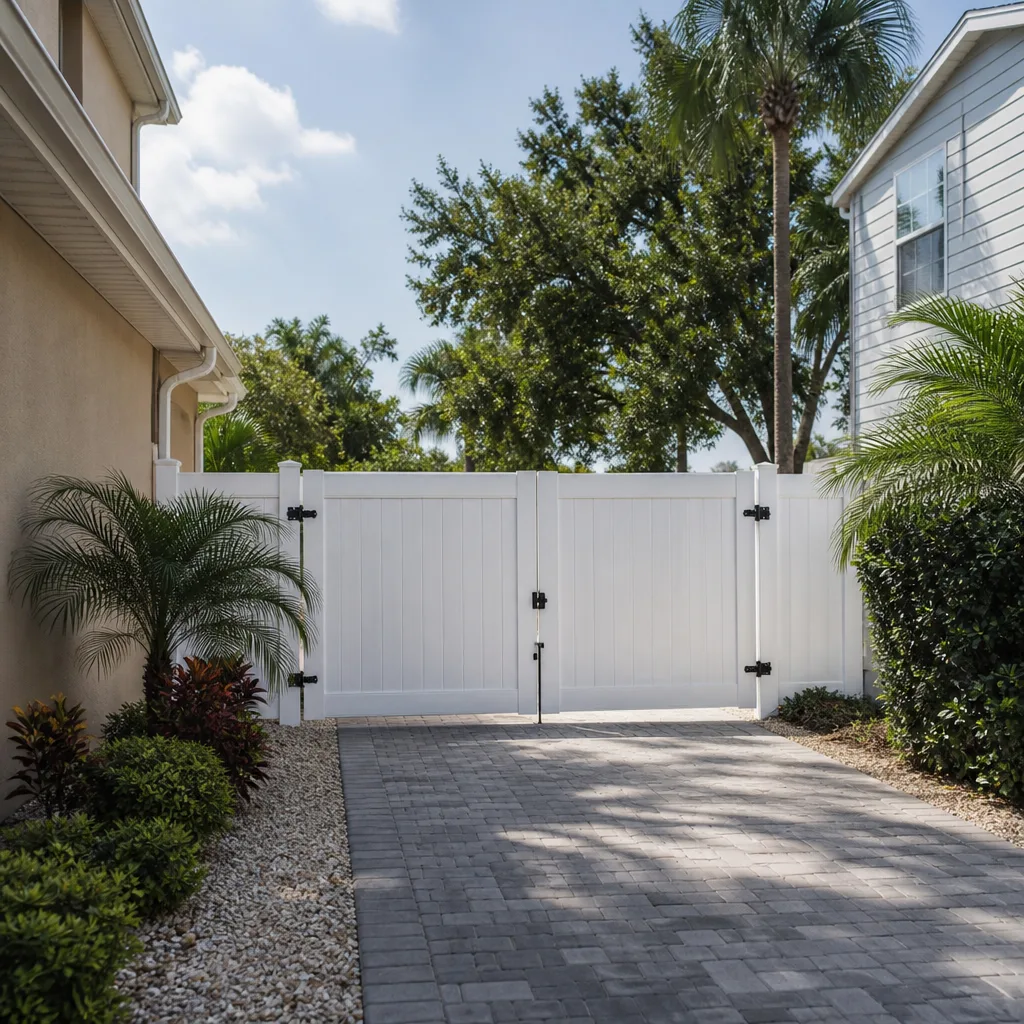
- Fence and gate install – Yard fencing, garden gates, and non-boundary fences don’t require the ADU permit – though if you’re doing this alongside, the Fence Installation in Richmond team can plan the boundary fence scope so it doesn’t trigger a survey issue.
- Driveway and hardscape finish – Paver install or topcoat after the site grading is signed off. The Driveway & Pavers in Richmond service handles the sub-base prep, but finish pavers are a legitimate DIY scope if you have the time and patience.
What looks safe but isn’t
- Rough framing – Inspected, structural, and fails constantly on homeowner self-frames
- Drywall hang and finish – Inspection happens after, so a failed drywall install is a full tear-out
- Waterproofing membranes – Bathroom and shower waterproofing is inspected; improper install fails inspection
- Insulation – Title 24 energy compliance requirements mean the specific R-value and install method are in your permit
- Roofing – Inspected, and improper flashing install causes water intrusion within one Richmond rainy season
The safe-DIY list gives you 15-30 percent of the labor cost on a typical ADU in savings if you put in the hours. That’s real money. Just don’t touch anything on the second list.
The Hidden Cost of DIY Mistakes in Permitted Work
Homeowners compare contractor bids to DIY cost by looking at materials, tools, and their own time. That’s the visible cost. The hidden cost of a DIY mistake in permitted work is a multiplier, and almost nobody factors it in before they start.
The real cost breakdown of a DIY rework
- Original permit fees and design cost – Already spent, not recovered
- Failed inspection fee – Richmond’s building department charges a re-inspection fee per visit in most cases, plus the delayed work timeline
- Removal and rework labor – The most expensive category, since you’re paying licensed labor to undo and redo
- Contractor premium on out-of-sequence work – A contractor fixing someone else’s paused project charges a premium because the sequencing has to be re-derived and materials reordered
- Extended permit timeline – Building permits have expiration dates and most jurisdictions require extension fees if the permit lapses
- Materials replacements – Materials damaged in removal (drywall, insulation, sometimes lumber) are often not reusable
- Downstream trades rescheduled – Every trade after the failed inspection has to re-mobilize, and that’s often a 2-4 week delay in Richmond’s current market
In our experience, the average DIY rework on a permitted ADU scope runs 1.5x to 2.5x the original scope’s professional cost to fix, and adds 4-8 weeks to the timeline. The math only works out if you’re confident enough to get it right the first time on an inspected, structural, or licensed-trade task. That’s a small pool of work.
What “out-of-sequence” actually costs
One of the most common patterns we see in Richmond is an owner-builder who does the framing themselves, gets partially through, realizes the shear wall detailing doesn’t match the plan, and calls us mid-build. By that point the framer has to unbolt existing connections, re-cut the shear wall panels, reframe windows to the engineered plan, and re-inspect. The cost of re-doing framing correctly is 60-80 percent of the original framing cost, not a small fix-up. The savings on DIY framing disappeared before the wall was up.
How Owner-Builder ADU Work Affects Your Ability to Rent
An ADU is a legal rental unit if it’s permitted, built to code, and inspected. It is not a legal rental unit if it’s unpermitted, and the owner-builder disclosure makes that distinction visible to any future tenant, insurance carrier, or city rental inspector. Richmond has periodic rental inspection programs for ADUs, and occupancy without a permit can trigger stop-rent orders.
What the rental math actually depends on
- Legally permitted unit – You can rent, claim the income, and use it for mortgage qualification
- Unpermitted unit – You cannot rent legally, cannot claim the income on a loan application, and face liability if the tenant is injured
- Owner-builder but permitted and inspected – You can rent, but the disclosure follows the property at resale and complicates the sale process
- Professionally built and permitted – Cleanest rental profile: no disclosure to explain at resale, no exclusion in the insurance policy, no ambiguity about the unit’s legal status
Here’s the rental-specific risk most Richmond owners don’t think about: if an unpermitted ADU has a fire and the tenant is injured, the insurance claim is denied on faulty workmanship grounds and the liability lands personally on the property owner. That’s not a hypothetical – it’s a pattern in California insurance case law. A renter is one insurance claim away from being a permanent financial liability to you, and that’s the real reason the owner-builder ADU path is a bigger financial risk than the resale risk.
If you’re planning to rent, the resale-complication argument is only half the story. The insurance exclusion is the bigger one. Professionally built and permitted ADUs carry the standard policy profile – no exclusion, no ambiguity, and no disclosure to explain to a buyer, tenant, or lender.
What Richmond Conditions Do to DIY Timelines
Richmond has a permitting environment that makes DIY mistakes more expensive than the state baseline. The city’s building department has a reputation for thorough plan review, its seismic zone requires specific detailing on every project, and the wet winter season compresses the exterior work window. All of that amplifies the cost of getting something wrong.
Richmond-specific factors
- Seismic detailing – Richmond sits in a seismically active zone; shear wall detailing, foundation hold-downs, and cripple wall bracing are inspected to the engineer’s plan, not to “best practice”
- Winter rain season – Exterior framing, roofing, and site work has a limited window; a DIY framing delay that pushes you into December can mean a two-month pause
- Permit review timelines – Richmond’s plan review timeline is comparable to Contra Costa County, but any re-submittal (which happens after a failed inspection) resets the clock
- Neighborhood-specific review – Properties near the shoreline or in designated historic zones may have additional design review requirements that affect the as-built scope
- ADU-specific ordinance – Richmond adopted ADU standards that more permissive jurisdictions haven’t; a self-designed ADU scope often needs adjustment before submission
We’ve worked ADU projects in Point Richmond, the Richmond Annex, North & East, and along the El Sobrante edge. What they have in common is that the wins come from sequencing and specification decisions made at the front end, not from rescuing builds mid-stream. In Point Richmond, the graded lots and shoreline orientation often change how the foundation and drainage scope plays out – a detail that’s hard to catch on your own before the permit is pulled. In North & East, older property boundaries create specific site-planning issues on ADU setbacks that a professional site survey resolves in week one.
If you’re planning to DIY part of the scope, plan around the weather window. Start framing in March or April if you can. Give yourself 6-8 extra weeks versus the contractor timeline for the learning curve. And reserve at least one inspection buffer per specialty scope – the re-inspection happens more often than homeowners expect.
When to Call a Professional
Call a professional when the work is inspected, structural, or licensed-trade – that’s the short answer. Specifically: electrical panel work, gas lines, structural framing, waterproofing, roofing, insulation, and any scope requiring a licensed specialty contractor. Also call when you’re considering an owner-builder permit for a full ADU or addition, because the disclosure and the resale consequence aren’t worth the labor savings on a project at that scale.
Groundwork Construction Co. of Richmond offers free estimates in Richmond – call (833) 700-4611 to schedule. We bring a licensed and insured team, background-checked uniformed technicians, upfront pricing with the number you see being the number you pay, and the 730-Day Done Right Promise on workmanship – if it’s not done right, we make it right. On ADU projects in Richmond, we handle the design consult, permit submission, and every trade under one coordinated scope, using brand partners like Cambria for countertops and Kohler for fixtures when the ADU includes a kitchen and bath. Call (833) 700-4611 for a free estimate and design consult.
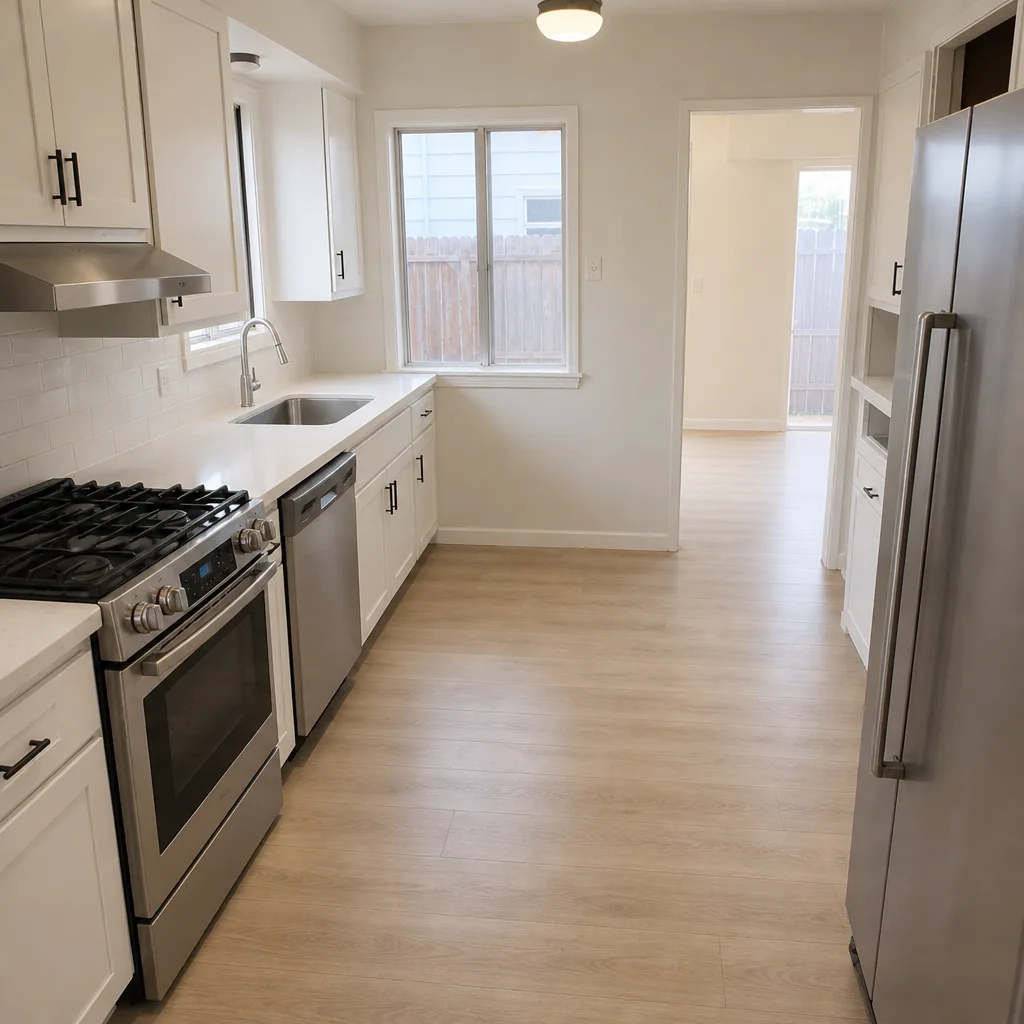
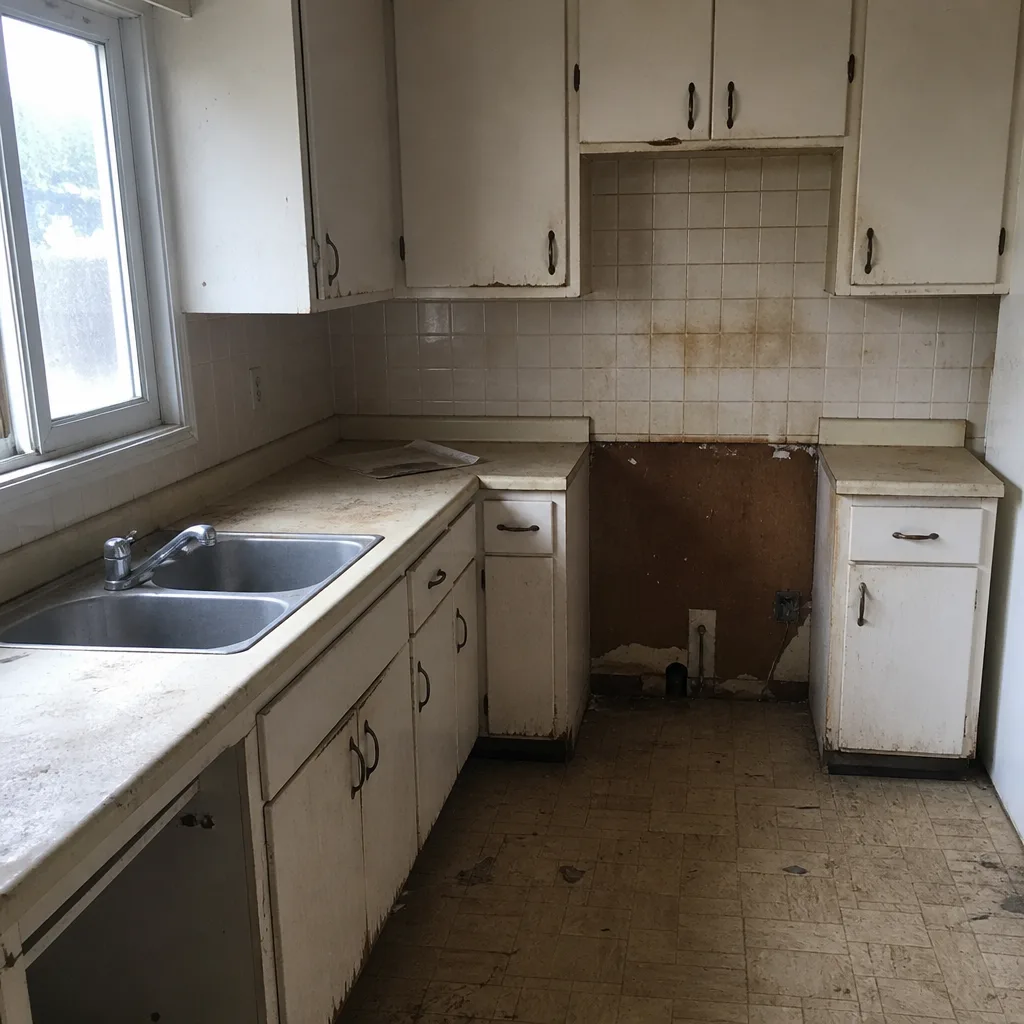
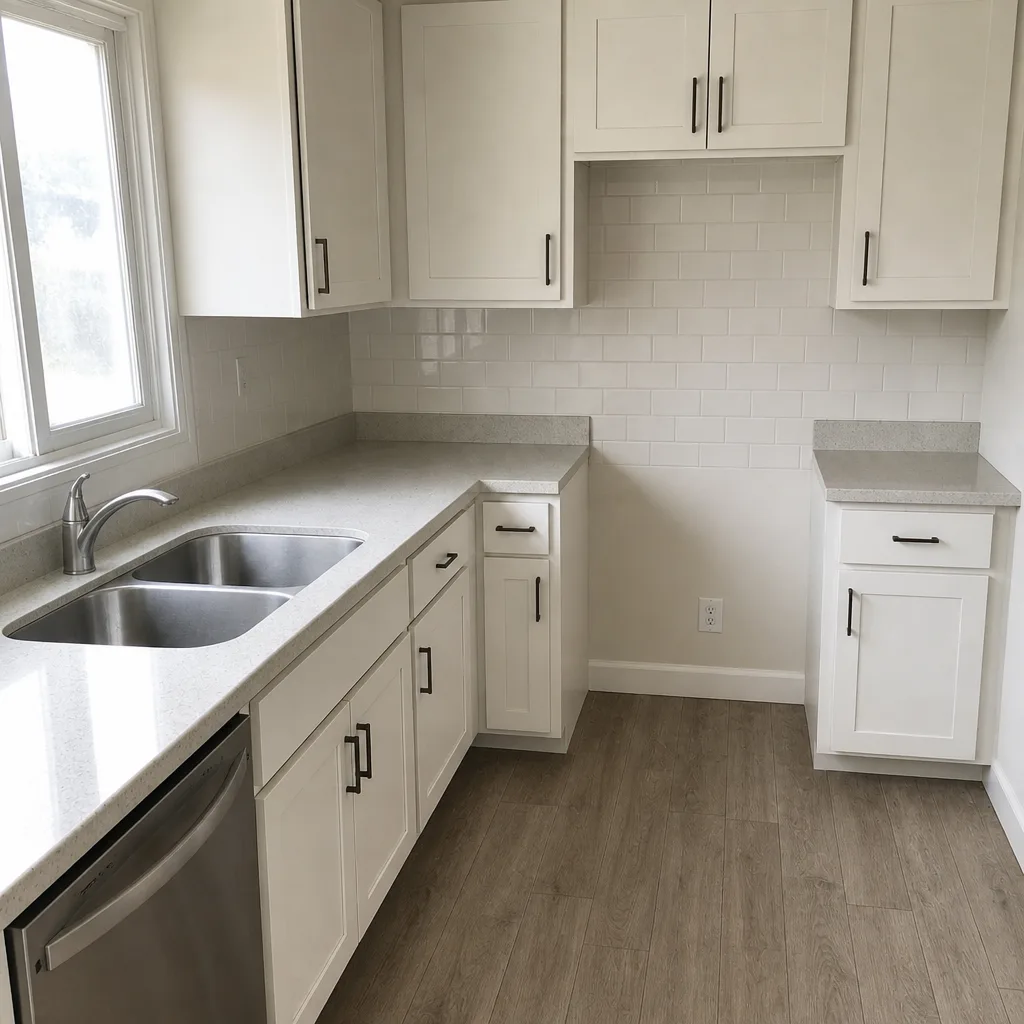
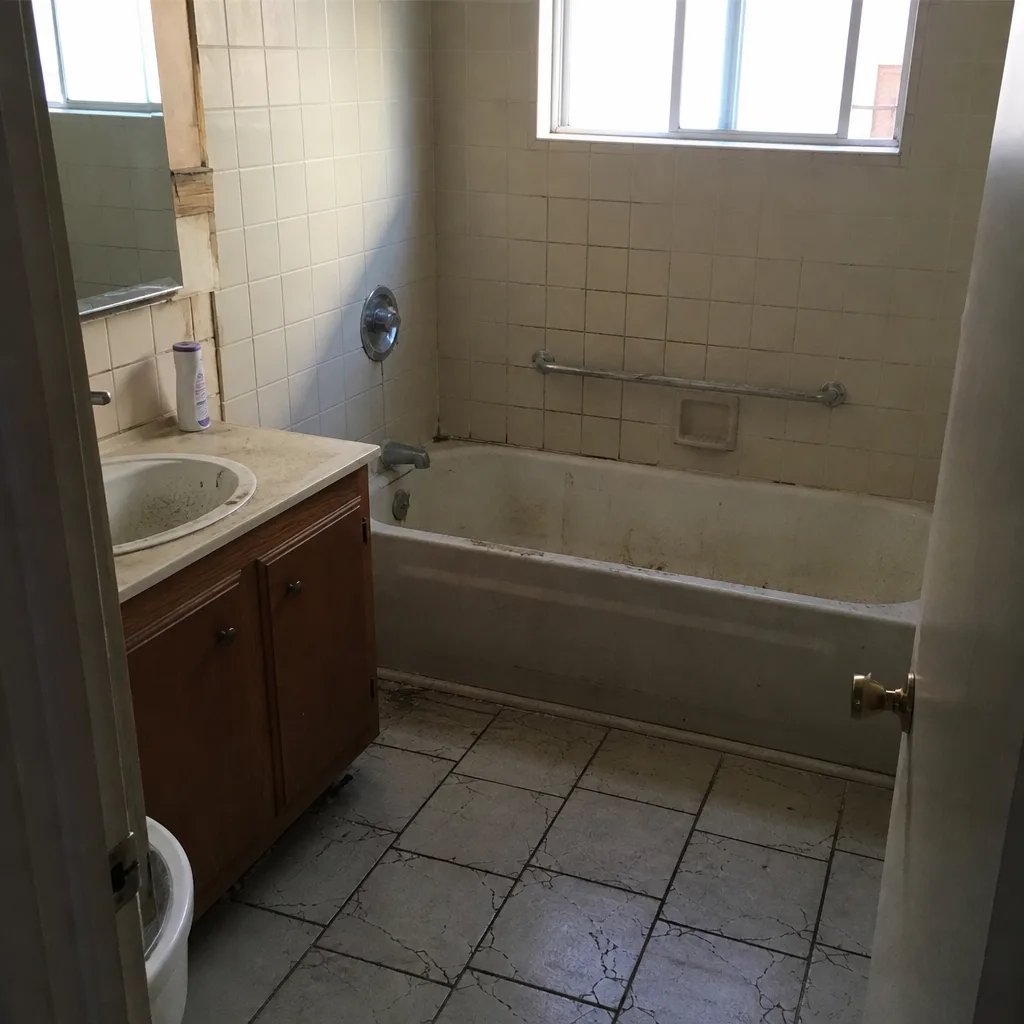
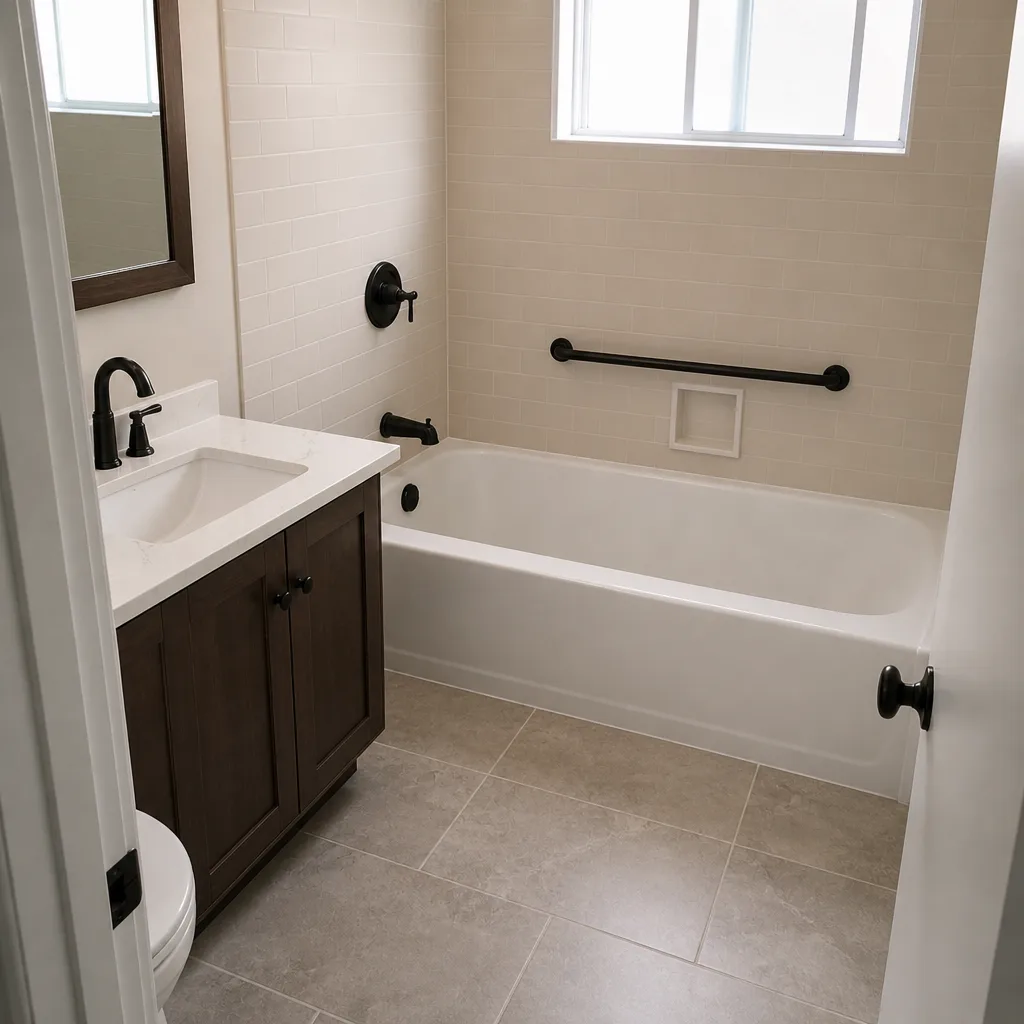
See the difference
 Before
 After
 Before
 After
 Before
 After
Frequently Asked Questions
Yes, you can legally self-perform ADU framing under an owner-builder permit in California, provided you do the work yourself on your primary residence and it matches the engineered plan exactly. The catch is that framing is inspected, and the failure rate on DIY structural framing is high enough that contractors regularly get called to redo existing work. If you’re going to frame it yourself, plan on a licensed structural engineer available for any plan questions during construction, not just at design. Call (833) 700-4611 for a free estimate if you’d rather have the scope professionally handled from permit to final walkthrough.
The Title 25 disclosure is the owner-builder acknowledgment you sign at permit under California Business and Professions Code Section 7044.5; it becomes part of the property’s permit record, which means future buyers, appraisers, and lenders can see that an ADU or addition was owner-builder rather than professionally built. It does affect resale value in practice – buyers routinely negotiate harder and some lenders require additional inspections on owner-builder structures. The disclosure follows the property, not the person. Call (833) 700-4611 to talk through what your specific project would look like on a professional build.
Re-inspection fees in Richmond are typically a few hundred dollars per visit depending on the scope, but that’s the smallest cost. The real cost is the removal and rework labor (often 60-80 percent of the original scope) plus the 4-8 week timeline extension plus the contractor premium on out-of-sequence work. A failed framing or waterproofing inspection commonly runs $8,000-$25,000 all-in to correct. Call (833) 700-4611 for a free estimate on getting a paused or failed scope back on track – we walk a lot of owner-builders through this.
You can rent it if the ADU is permitted, inspected, and legal for occupancy – the owner-builder status alone doesn’t block renting. What it does affect is your insurance coverage and your liability profile: standard homeowner’s policies typically exclude damage from non-professionally-built structures, which means the same structure you’re renting could have an insurance claim denied on faulty-workmanship grounds if anything goes wrong. Richmond has periodic rental inspections for ADUs, so an unpermitted or partially permitted unit is discoverable. Call (833) 700-4611 to talk through the professional-build path if the rental income is central to your math.
No, on our projects it doesn’t. We use upfront pricing with a written line-item scope, so the number you see at the estimate is the number you pay unless you change the scope yourself. Owner-builder projects don’t have that protection – if you discover at framing that a plan detail doesn’t work, you absorb the change order cost. Call (833) 700-4611 for a free estimate with the fixed pricing model; on projects over $10,000 the current promotions include $1,000 off and 0% financing for 18 months.
Yes, we pull the permits and coordinate every inspection on ADU and addition work in Richmond. We also handle the plan review process with the city, the structural engineering team coordination, and the schedule that sequences the trades in the correct order for inspection. That’s usually the difference between a project that closes in 6 months and one that consumes 12. Call (833) 700-4611 for a free estimate and design consult – we’ll map the full permit path for your specific property.
Interior painting, finish carpentry, post-inspection cabinetry installs, some tile work, landscaping and site finish, fence and gate installs, and post-inspection fixture installs are all genuinely safe DIY scope. The rule of thumb is: anything that’s not inspected, not structural, and not a licensed trade is safe. Everything else is a calculated risk against the cost of rework. Call (833) 700-4611 to plan a hybrid scope where you keep the safe-DIY list and we handle the rest.
Common Mistakes to Avoid
- Pulling an owner-builder permit on a rental property. The owner-builder exemption applies to your primary residence. Using it on a rental is a licensing violation that surfaces at resale and at any insurance claim on the property.
- Hiring unlicensed subs under an owner-builder permit. The moment you direct a paid crew, you’ve become an unlicensed contractor. The state can pull the permit and require removal of completed work, and Richmond enforces this when it surfaces.
- Doing panel or gas work yourself. This isn’t a permitting gray area. It’s a genuine safety hazard and requires a licensed C-10 electrician or C-36 plumber regardless of permit type – and doesn’t get leniency at inspection.
- Skipping the pre-pour drainage review in Richmond’s winter season. Point Richmond, the Annex, and the flats near the shoreline see groundwater issues that turn a simple slab pour into a rework project. The pre-pour review is not optional.
- Framing to best-practice instead of the engineered plan. If your plan calls for a specific Simpson hanger or a 3-ply LVL beam, you install exactly that. Substituting your judgment for the engineer’s is a failed inspection every time.
- Assuming the permit is the only check. Title 25 disclosure attaches to title. Insurance exclusions attach to the policy. Resale inspectors flag owner-builder status. The permit is the first checkpoint, not the last.
- Underestimating the weather window. A DIY framing delay that pushes you into December means a 2-month pause on exterior work in Richmond. The budget impact isn’t the labor cost – it’s the carried cost of the permit, insurance, and any temporary financing on the project.
The Bottom Line
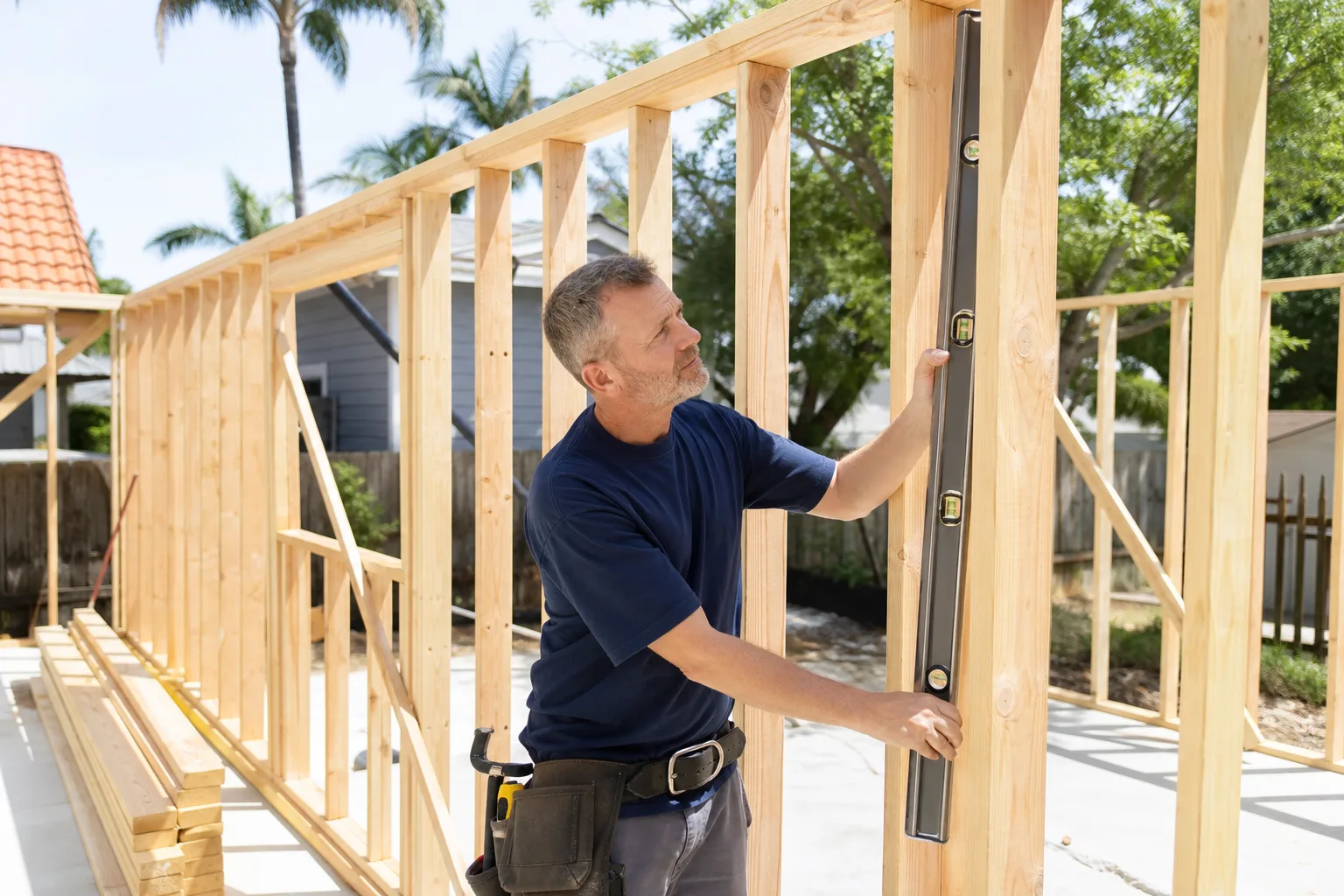
California’s owner-builder permit provisions are genuinely permissive on paper, but the consequences of using them on structural, inspected, or licensed-trade work go far beyond the permit fee. The Title 25 disclosure follows your title into resale. The insurance exclusion follows any claim on the structure. The rental liability follows the tenant. What’s actually safe to DIY is narrower than most homeowners expect – painting, finish carpentry, landscaping, some tile, and post-inspection fixture installs – and the rest belongs with a licensed professional. The math works out if you stay on the safe side of the line. The math gets ugly fast if you don’t. If you’re planning an ADU or addition in Richmond and want to know which specific scope to keep and which to hand off, start with a free estimate and we’ll map it property by property.
Call (833) 700-4611 for a free estimate and design consult on your ADU or home addition in Richmond. A live person answers 24/7 – no voicemail, no waiting until Monday. We’ll walk the property, price it line by line, and put the scope in writing before you commit to anything.
Written by the team at Groundwork Construction Co. of Richmond.