Last updated November 18, 2026

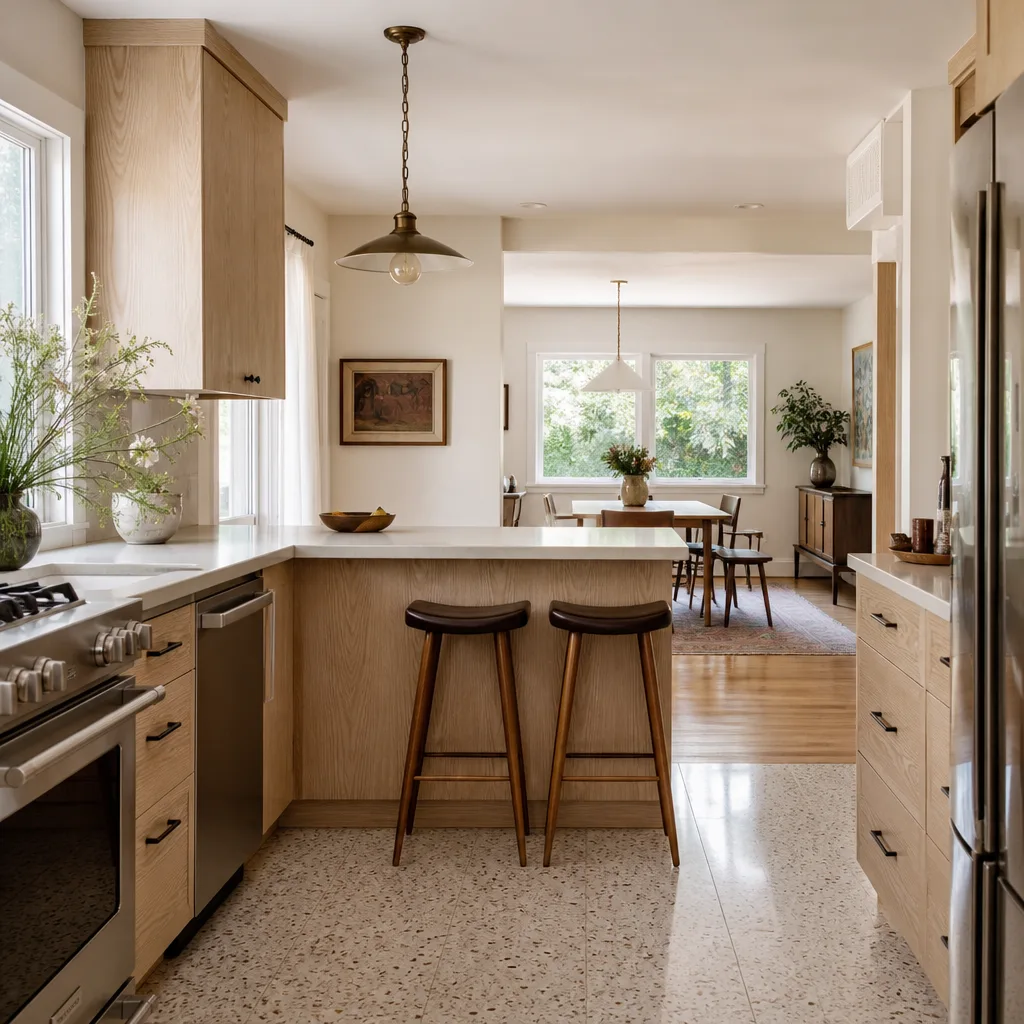

Free written scope consultation - allowances, timeline, and change-order rules on paper before a single trade is scheduled
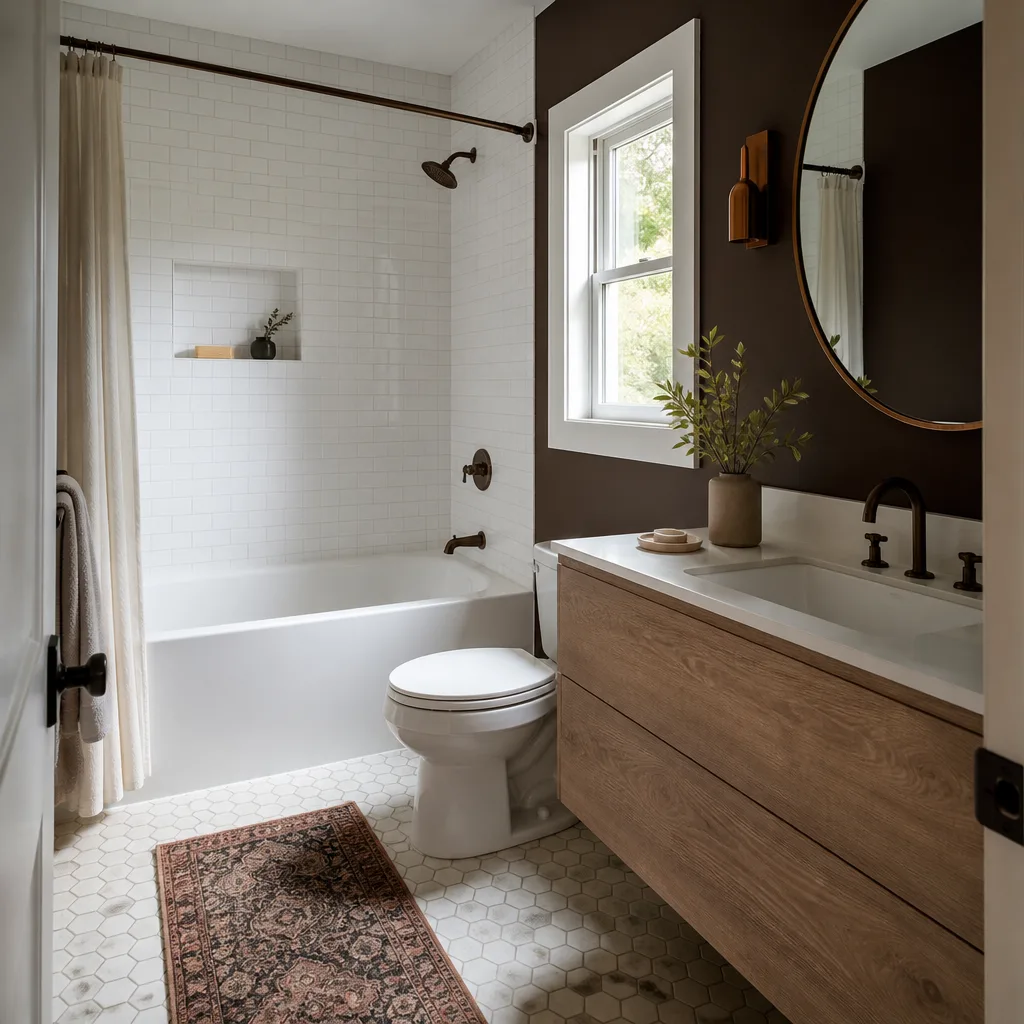
The Complete Bathroom Remodeling Guide for Richmond Homeowners
In Richmond, a bathroom remodel that looked like a $20,000 project on tile and fixtures alone has crossed $45,000 more than once. Not because of scope creep. Because the walls opened up and revealed galvanized supply pipe, asbestos mastic under the old vinyl, or knob-and-tube wiring that hadn’t been touched since the Eisenhower administration. This guide is written for what Richmond homes actually look like inside the walls: much of the city’s housing stock went up before 1980, and that single fact changes how you budget, sequence, and permit a bathroom remodel here. You’ll learn how to spot the expensive surprises before demo day, what Richmond permits actually require, honest cost ranges by home age, and how to keep a one-bathroom house livable through the whole job. Call (833) 700-4611 for a free estimate when you’re ready to price it.
Quick Answer
A bathroom remodel in Richmond, CA typically runs $18,000-$32,000 for a mid-range full gut and $40,000-$65,000 for an upscale remodel, with older pre-1980 homes frequently adding $3,000-$12,000 in hidden-condition work like re-piping, electrical upgrades, or asbestos abatement. The biggest cost driver in Richmond isn’t the tile you pick. It’s what the walls reveal once demo starts, which is why a pre-demo risk assessment matters more here than in newer Bay Area suburbs.
Styles & brands we work with
- Kitchen remodeling
- Bathroom remodeling
- Home additions & ADU
- Roofing
- Windows & doors
- Driveway & pavers
- Fence
Table of Contents
- Why Richmond’s Housing Stock Changes Your Budget
- The Pre-Demo Risk Assessment: What to Check Before Demo Begins
- Richmond Permit Requirements for Bathroom Remodels
- Real Cost Ranges for Richmond Bathrooms, By Home Age
- Choosing Fixtures for Richmond’s Water
- How to Sequence a Remodel in a One-Bathroom Home
- Material Selection That Holds Up in Richmond
- How to Vet a Bathroom Contractor in Richmond
Why Richmond’s Housing Stock Changes Your Budget
Richmond grew in bursts, and each burst left a different set of materials in the walls. The pre-war bungalows in neighborhoods like Point Richmond and North and East often still carry original galvanized steel supply lines, some with 60+ years of interior corrosion. The post-war tract homes built through the 1950s and 1960s in Southwest Richmond and Belding Woods frequently have copper supply but aluminum-branch wiring or original two-wire circuits with no ground. Mid-century construction from the 1960s and 1970s across Fairmede and Hilltop is where we see the most asbestos-containing floor tile and mastic, laid under vinyl or carpet and undisturbed for decades.
None of this is a reason to walk away from a house. It’s a reason to price the risk before you sign. A bathroom guide written for a 2015 build won’t warn you that a $400 tile allowance can turn into an $8,000 re-pipe. In Richmond, a good contractor prices the walls, not just the finishes. The finishes are the easy part.
What this means practically: when you get a bid on a Richmond bathroom, look at the line items that cover “allowance for unforeseen conditions” or “contingency.” If there isn’t one, ask why. On a pre-1980 house, a bid with zero contingency is either a bid that assumes everything is fine or a bid that will grow into a change order the moment the drywall comes off. A written, upfront-priced contract with a real contingency line is the honest version.
The Pre-Demo Risk Assessment: What to Check Before Demo Begins
The single best way to protect a Richmond bathroom budget is to spend a few hundred dollars assessing the walls, floor, and service lines before demolition starts. A trained pro can do this in a couple of hours. Here’s what they look for and what you can observe yourself.
1. Asbestos-containing floor tile and mastic
Vinyl or asphalt floor tile laid in 9-inch or 12-inch squares, especially with black mastic underneath, is a strong candidate for asbestos in homes built before the mid-1980s. Do not scrape it, sand it, or throw a hammer through it. The material is only dangerous when friable (broken into dust). The right move is a bulk sample tested by an accredited lab, usually $50-$150 per sample. If it comes back positive, an abatement contractor handles removal under containment, and Richmond-area abatement for small bathroom floor runs roughly $1,200-$2,800 depending on square footage and how much mastic comes with it.
2. Galvanized versus copper supply lines
Look under the sink cabinet. Galvanized steel pipe is dull gray, threaded at the joints, and often rust-colored at the fittings. Copper is reddish-orange and soldered. Galvanized lines that are 50+ years old commonly restrict to a fraction of their original inside diameter, which shows up as weak shower pressure and rusty water after a vacation. If the bath is fed by galvanized while the rest of the house is copper, you’ll want to re-pipe the run feeding the bathroom at minimum. Budget $2,500-$6,000 for that scope in a typical Richmond single-family bath.
3. Knob-and-tube wiring
Knob-and-tube shows up as individual black or white wires running through ceramic knobs and porcelain tubes in the framing, no ground conductor. It’s common in Point Richmond and the older flats. A bathroom with no grounded circuits needs a dedicated 20-amp circuit for the GFCI receptacles (required by code in bathrooms) and, if you’re adding heated floors or a fan, a second circuit. Full bathroom rewire with panel capacity available: $1,800-$4,500. If the panel is a Zinsco or Federal Pacific, that’s a separate upgrade conversation.
4. Cast iron versus PVC drain lines
Cast iron drain stacks from the 1940s and earlier can be corroded at the horizontal runs under the floor. You’ll usually know: slow drains, gurgling, rust stains at the toilet flange. Scope a camera inspection before demo, or accept that you may discover this mid-job. In a Richmond home this age, the safer bet is inspecting first.
The order that keeps you out of trouble: sample first, camera second, budget third, demo fourth.
Richmond Permit Requirements for Bathroom Remodels
Richmond’s Building Division follows the California Building Code, but the practical trigger question is simple: is the work cosmetic or is it structural, mechanical, plumbing, or electrical? Here’s the short version of what does and doesn’t pull a permit.
What qualifies as like-for-like replacement (usually no permit required)
- Replacing a vanity top and sink with the same size and same drain location
- Replacing a toilet with a same-or-less water-use model, same location
- Retiling a shower or floor with no change to the waterproofing assembly, plumbing, or framing
- Painting, caulking, replacing a light fixture on the existing circuit (small fixture swap only)
- Replacing a mirror, faucet cartridges, or towel bars
Even here, a homeowner can inadvertently trip a permit requirement: if the shower pan is replaced (not just retiled), the plumbing and waterproofing assembly change and a plumbing permit is typically required.
What requires a permit in Richmond (typical bathroom scope)
- Any relocation of plumbing fixtures (moving a toilet, sink, or shower drain)
- Any change to supply or drain lines beyond a cartridge swap
- Any new or relocated electrical circuit, including a GFCI receptacle, exhaust fan, or heated floor
- Any new exhaust fan installed where none existed, or any fan replaced with a different size/CFM
- Any wall removal, soffit change, or structural alteration
- Replacement of the shower pan or tub (plumbing permit)
Plan on 2-4 weeks for a bathroom permit to run through Richmond’s plan check, faster when the scope is clear. A contractor who pulls a permit gets inspected at rough frame, rough electrical, rough plumbing, and final. Those inspections do more than satisfy the city: they catch a shower pan that wasn’t waterproofed correctly, which is the number-one cause of a bathroom leak you discover six months later. The cost of the permit is small (a few hundred dollars for a typical bathroom). The cost of closing over unpermitted work is real money, and it comes up at resale.
If you’re also remodeling the rest of the house, the permitting and sequencing overlap. Our team at Groundwork Construction Co. of Richmond handles additions and ADUs and can speak to how a bathroom dovetails with a larger scope.
Real Cost Ranges for Richmond Bathrooms, By Home Age
National home improvement sites quote averages from across the country. Richmond is not the national average. Labor and materials for a full bathroom gut here run higher than the interior of California and the hidden-condition risk on older homes runs higher still. Here’s what we actually see in Richmond.
Mid-range full remodel (5×8 to 8×10 typical Richmond bathroom)
- Total range: $18,000-$32,000
- Demo and haul-out: $800-$1,800
- Tile (floor and shower, mid-grade ceramic or porcelain): $3,500-$7,000 installed
- Vanity and countertop: $1,200-$3,200
- Fixtures (toilet, shower valve, faucet, fan): $900-$2,200
- Plumbing rough-in adjustments: $1,200-$3,000
- Electrical (GFCI, fan, dedicated circuit): $1,000-$2,400
- Waterproofing and tile backer board: $900-$1,800
- Drywall, paint, trim, mirrors: $1,200-$2,600
- Permit and inspections: $350-$700
Upscale remodel (larger bath, walk-in shower, freestanding tub)
- Total range: $40,000-$65,000
- Custom tile work (large-format, herringbone, marble): $9,000-$18,000
- Freestanding tub plus deck-mount filler: $3,000-$7,000
- Custom vanity and cabinetry: $4,000-$9,000
- Frameless glass shower enclosure: $2,500-$5,500
- Heated floor: $1,400-$3,200
- Kohler, Cambria, or comparable finish-grade fixtures: $4,000-$8,000
Honest contingency by home age
- Built after 1990: 8-10% contingency, usually unspent
- Built 1970-1990: 12-15% contingency, often partially spent on plumbing or electrical
- Built before 1970: 15-20% contingency is the honest number in Richmond, and on a house that has never been updated, higher isn’t absurd
On a pre-1970 Richmond house, a 15% contingency on a $25,000 mid-range bid is $3,750. That’s not padding. That’s the difference between finishing the job with a reserve and getting a change order in week two. Upfront pricing, no surprises, is the standard we hold ourselves to: the number you see is the number you pay, with the contingency spelled out in writing before demolition.
Choosing Fixtures for Richmond’s Water
Richmond’s water is supplied by EBMUD and comes mostly from the Mokelumne River watershed in the Sierra. It’s soft relative to much of the Bay Area, which is good news for your plumbing and your glass shower door. But it carries elevated chloride and a moderate mineral load that interacts with certain finishes and grout choices over time. Here’s how to pick with that in mind.
- Skip polished chrome on shower valves if you want maximum longevity. Chrome holds up, but the polished finish shows water spotting more than brushed nickel, brushed gold, or matte black on a shower wall that gets hit every day. Any finish with a PVD coating (most major brands offer it on their brushed finishes) resists mineral spotting and cleaning scratches far better than thin electroplated chrome.
- Sealed porcelain over unsealed natural stone. Porcelain tile with a factory-glazed finish handles EBMUD water and cleaning agents without etching. Marble and travertine in a shower or on a vanity top look great but etch from acids and require annual sealing. In our experience, once a homeowner has cleaned etched marble one time, they choose porcelain on the next bath.
- Epoxy or polyaspartic grout over standard cementitious grout. Grout is where mineral spotting shows first. A single-component or epoxy grout in a shower doesn’t need sealing and resists the staining that cement grout fights year over year.
- Quarter-turn or ceramic-disc cartridges. Hard-water-adjacent water chemistry wears out rubber compression washers faster. Kohler, Moen, and Delta all offer ceramic-disc cartridges that last decades if you ever need to replace them.
Small detail worth knowing: Richmond’s water pressure typically runs 55-75 psi at the service, higher than some surrounding cities. If yours is near the top of that range, install a pressure-reducing valve at the main if you don’t have one. It protects every fixture cartridge in the house, extending the life of the shower valve you just paid for.
How to Sequence a Remodel in a One-Bathroom Home
Most Richmond homes have one full bath, sometimes two, and a remodel that removes it for three weeks is a real household disruption. The right sequencing shortens the no-bathroom window from a month to a week or less, and it’s something you have to ask for by name. Most contractors won’t offer it unless you do.
The sequencing that keeps you bathing
- Get the new fixtures and tile on site before demo. Lead times on tile, shower valves, and vanities are the #1 cause of a job stalling mid-demo. Order two weeks earlier than the schedule implies, and get written confirmation the shower valve body is in hand before the first hammer swings.
- Rough-in demo first, finishes later. Have the plumber rough-in the new valve and drain, then the electrician rough in the circuit and fan, then the city rough inspection, all inside a single 3-4 day window while the bathroom is unusable. Don’t spread the trades across two weeks.
- Set the tile and shower pan on a compressed schedule. A skilled tile setter can waterproof, tile, and grout a standard shower in 5-7 working days with 24-hour adhesive and grout. Ask for this; many tilers build in a week of curing time that a deadline-tight schedule can compress.
- Trim and fixtures in one day. Toilet, vanity, faucet, mirror, trim, and paint all go in on the same day. A good contractor schedules all of them back-to-back, not “next week when the guy is available.”
- Ask about a temporary fixture setup. A licensed contractor can install a temporary shower valve or a utility sink on the same rough-in if the rough-in is exposed. It’s more common on additions, less so on a basic remodel, but ask.
Where you can actually live
For a one-bathroom household, the practical options during the no-bathroom window are family or friends nearby, a short-term rental, or a gym membership with showers. Plan two weeks, not four. If a contractor can’t tell you the no-bath window in writing before demo, that’s a scheduling problem you’ll absorb later.
The topic of sequencing matters even more when you’re adding a bathroom or tying it into a larger scope. Our team’s guide on home additions and ADUs in Richmond covers how a new full bath fits into a whole-house build sequence.
Material Selection That Holds Up in Richmond
Richmond’s climate is milder than inland California, and that shows up in your bathroom budget. Mold and moisture are the persistent enemies. Choosing materials that handle the moisture load without replacement saves you money ten years out.
- Cement board, not drywall, in the wet zone. In a Richmond bathroom, the shower wall and half the bathroom floor should be cement or foam backer board with a bonded waterproof membrane (Schluter Kerdi, wedi, or RedGard, applied to spec). Standard greenboard drywall behind tile is a leak waiting to happen.
- A properly sized exhaust fan, on a timer or humidity switch. Some Richmond homes have a fan that vents into the attic instead of through the roof. That’s a mold-and-rot problem in the making. The fan should be sized at 1 CFM per square foot minimum, vented outdoors, and on a humidity sensor so it runs longer than the switch would.
- Solid-surface or quartz vanity top. Cambria or a comparable quartz handles EBMUD water and cleans without sealing. Laminate and unsealed stone don’t hold up as well in a bathroom with daily steam.
- Non-slip shower floor tile. The DCOF (dynamic coefficient of friction) matters more in Richmond than the Bay Area average because older floors slope. Look for a shower floor tile rated at 0.42 DCOF or higher.
- Kohler, Moen, Delta fixtures. These are the brands we regularly specify because their parts are stocked locally and their cartridges are serviceable a decade out. A no-name import fixture looks fine on day one; day 1,800 is where it matters.
Richmond’s building inspectors are familiar with the waterproofing spec sheets, and having them on site gives you a paper trail. The right move on any waterproofing decision is to ask for the manufacturer’s installation instructions in the permit packet.
How to Vet a Bathroom Contractor in Richmond
A bathroom remodel is a small job by dollar value compared to a kitchen or addition, which is why some contractors treat it as filler between larger jobs. You don’t want filler scheduling on a job where the bathroom is down. Here’s what to look for.
- License and insurance in writing. Ask for the CSLB license number and a certificate of insurance before you sign. Verify the license number on the CSLB website, not just on a business card.
- Written scope, line-item pricing. A two-page bid on letterhead is the minimum. The bid should list every fixture, every tile square footage, every plumbing change, and the contingency line.
- A real workmanship warranty, in writing. Ask what the warranty actually covers and how long. A 30-day warranty on a shower leak is worthless; the leak surfaces at month four. The 730-Day Done Right Promise is the standard we hold: if it’s not done right, we make it right, and the guarantee is 730 days from completion.
- Permits pulled in your name, under the contractor’s license. The permit should name the contractor, not you. If the contractor asks you to pull it as owner-builder for anything beyond simple fixture swaps, that’s a red flag on warranty coverage and on resale.
- Live person on the phone, 24/7. A bathroom with active water damage at 10pm on a Saturday needs a call answered, not a voicemail. Our phones are staffed by a real person around the clock, every day.
- Background-checked, uniformed technicians. Ask about it. Contractors who invest in this signal a professional operation; contractors who don’t often can’t say where their crew was yesterday.
If this bathroom scope sits inside a larger project, our Groundwork Construction Co. of Richmond home page covers the full range of services. If you’re also updating exterior hardscape and fences while you’re at it, the guides on driveway and pavers in Richmond and fence installation in Richmond are worth a look before you finalize material selections.
Common Mistakes to Avoid
- Skipping the asbestos sample to save $100. The most expensive bathroom demo mistake in Richmond is treating pre-1980 vinyl tile as ordinary flooring. One positive sample costs $50-$150; abatement after improper removal costs five figures and disrupts the whole job.
- Bidding without a contingency line. A bid with no contingency on a 60-year-old Richmond house is a bid that will grow. Ask specifically for the contingency amount before signing, even on a cosmetic refresh.
- Choosing tile before choosing the shower valve. The valve rough-in depth and trim shape determine how the tile meets the shower control. Homeowners who pick tile first sometimes get a valve that doesn’t fit the alcove without extra framing. Order valve first, tile second.
- Ignoring the exhaust fan. Richmond’s marine influence keeps ambient humidity higher than inland, and a bathroom without a proper vented exhaust fan grows mold in the corners within two years. Budget for a fan and ducted vent, not just a hole in the ceiling.
- Assuming a shower pan replacement is like-for-like. A new pan means new plumbing and typically a plumbing permit. Plan for it, price it, and pull the permit.
- Letting the contractor schedule the tile on a “when the tiler is available” basis. Get the tiler’s start date in writing before demo. That single date determines how long the bathroom is down.
- Choosing a no-name shower valve to save $200. A cartridge failure on a $200 valve can mean a wall opening and a water-damage claim. Buy a branded valve with a serviceable cartridge.
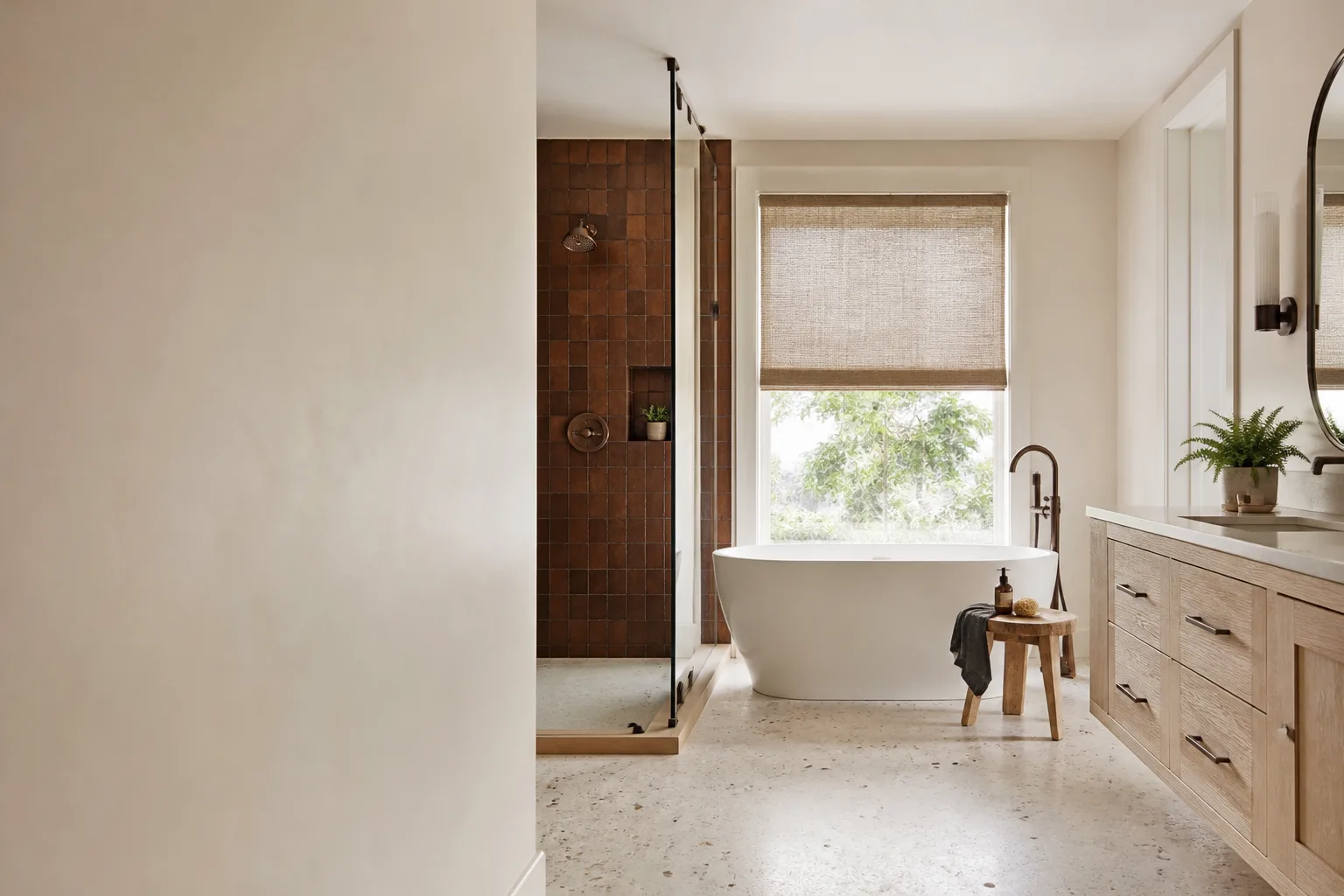
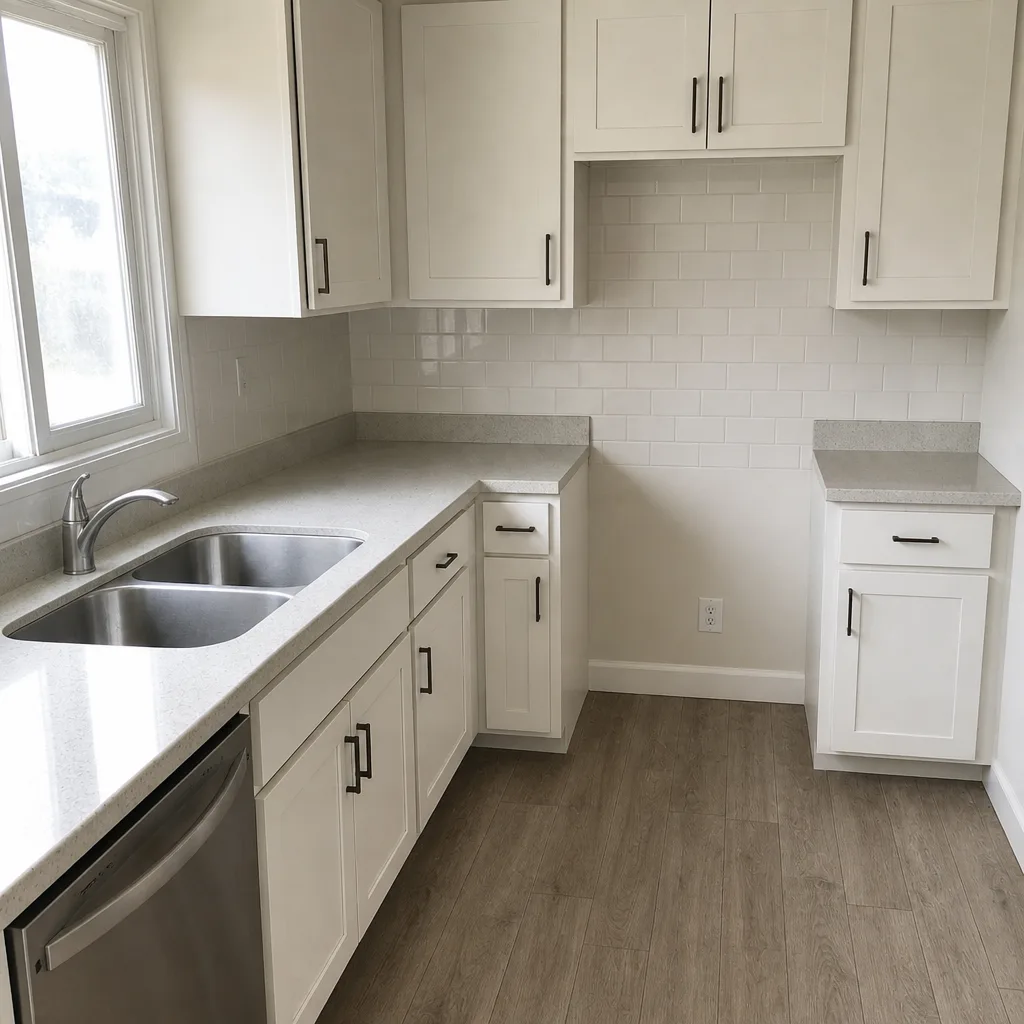
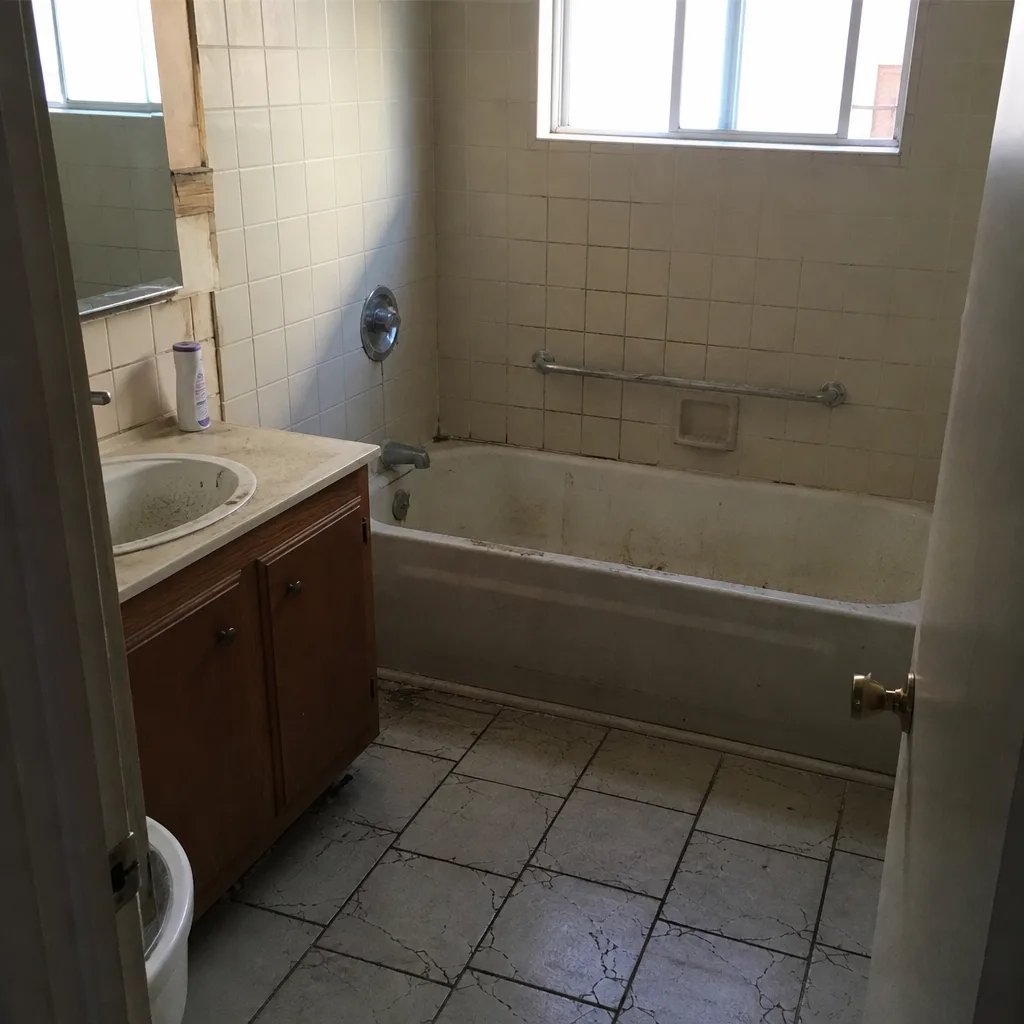
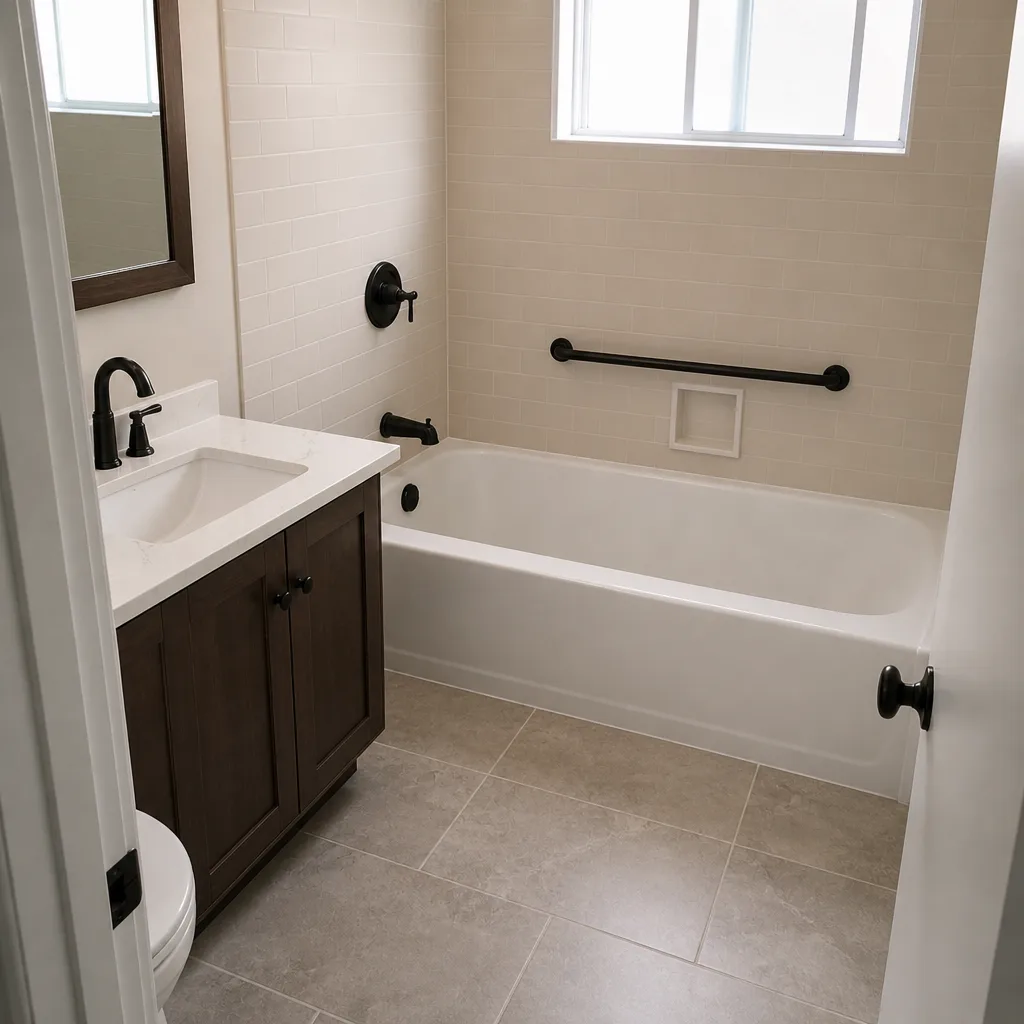
See the difference
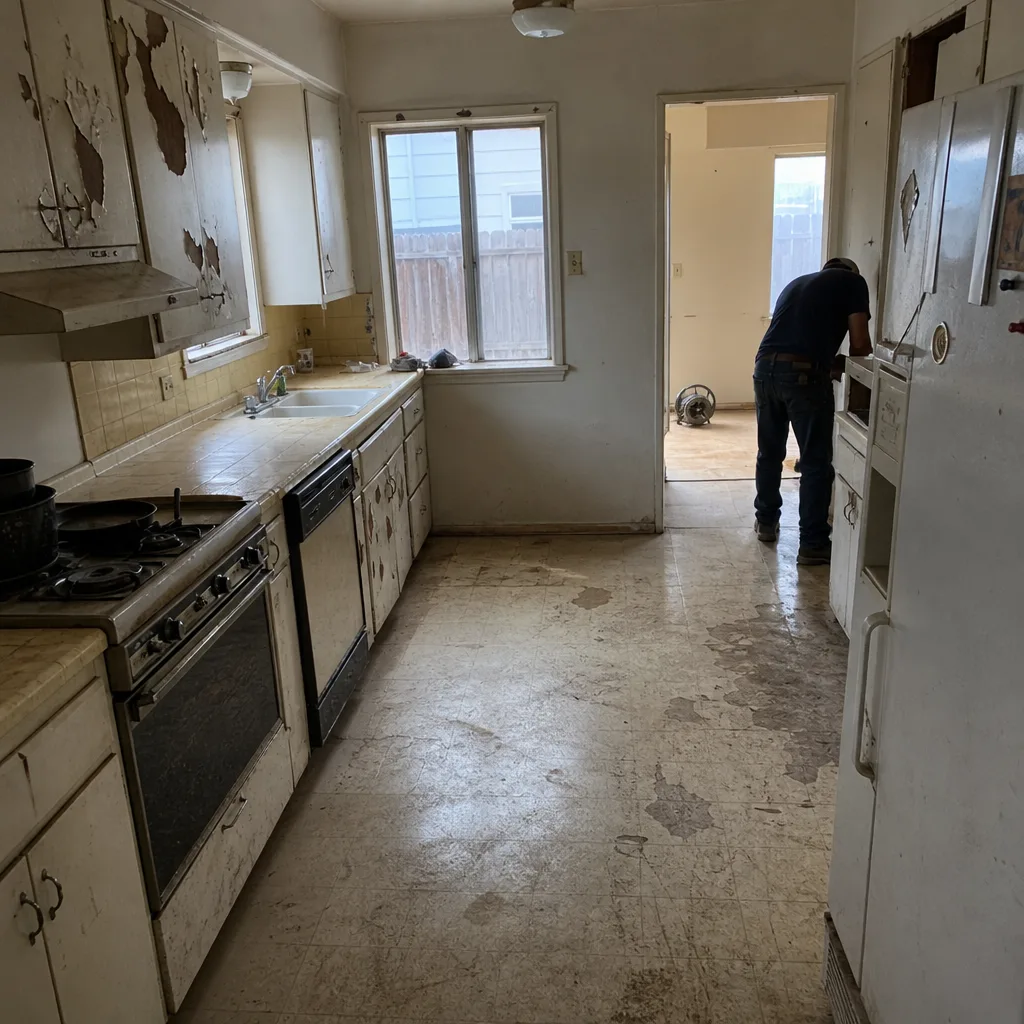 Before
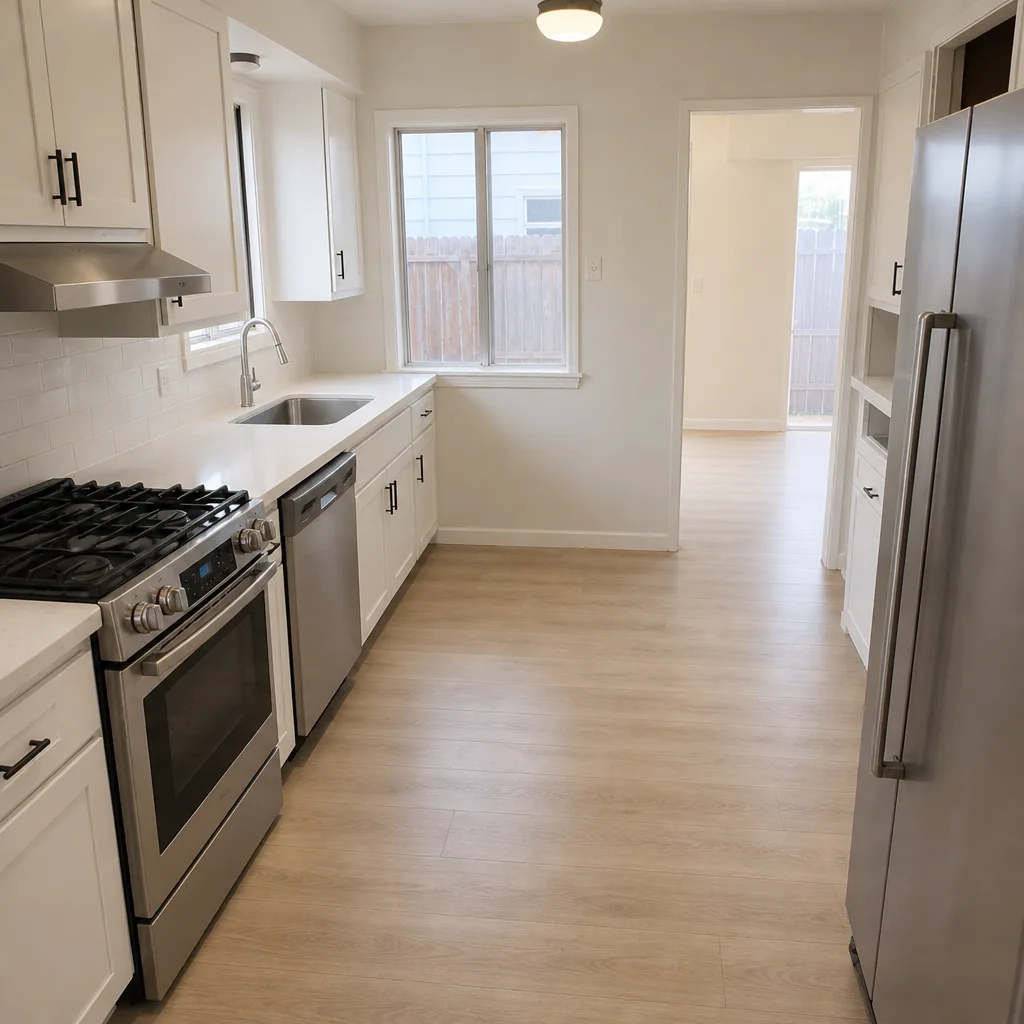 After
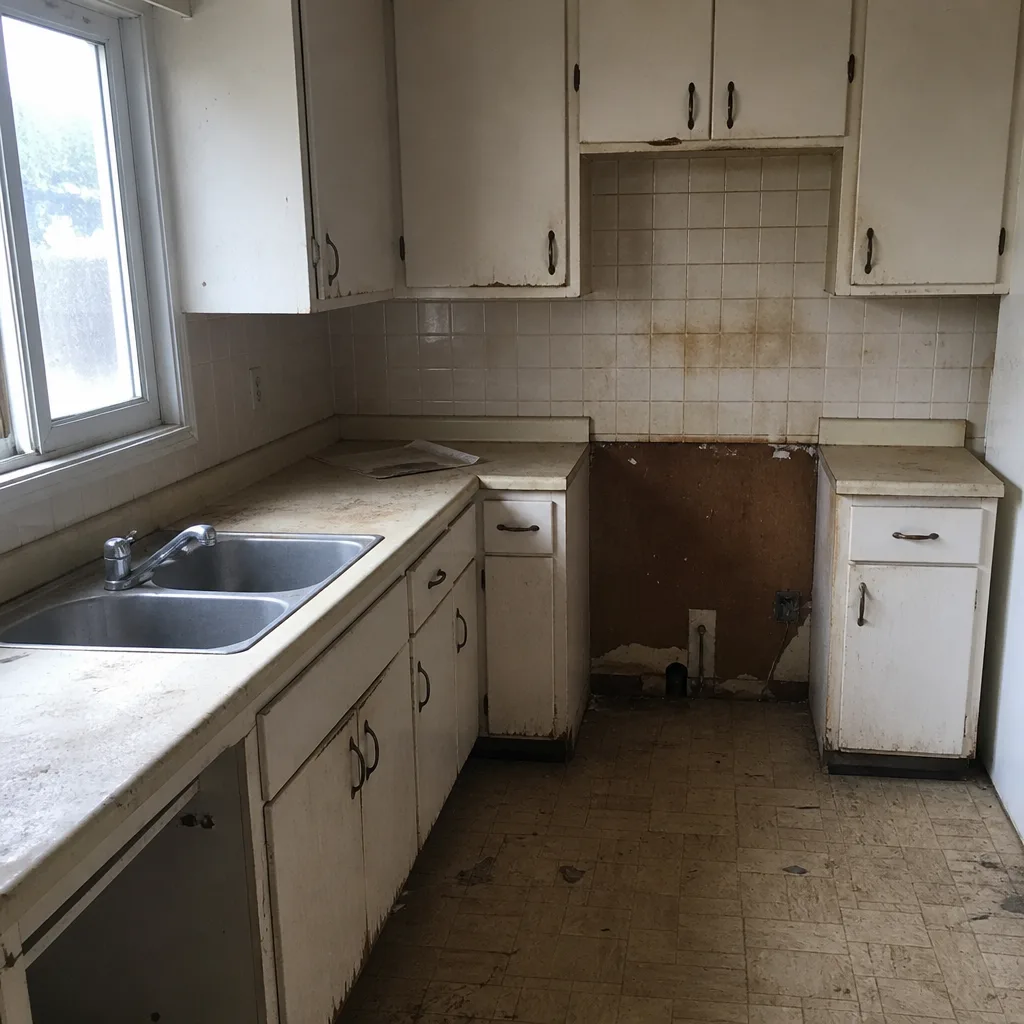 Before
 After
 Before
 After
When to Call a Professional
Some bathroom decisions are DIY-friendly: swapping a faucet cartridge, replacing a shower head, painting above the tile, updating a mirror. But the moment a bathroom remodel crosses into plumbing, electrical, or waterproofing, the wrong shortcut costs a lot more than the labor saved. Specifically: any scope involving a shower pan replacement, moving a fixture, opening a wall, changing a circuit, removing suspect tile, or addressing slow drains is professional territory. Those are exactly the areas where Richmond’s older housing stock makes the risk highest. Groundwork Construction Co. of Richmond offers free estimates in Richmond. Call (833) 700-4611 to schedule yours, and you’ll get a written, line-item scope with the contingency spelled out, not a number pulled out of the air. We answer the phone around the clock, every day.
Frequently Asked Questions
A mid-range full bathroom remodel in Richmond runs $18,000-$32,000, and an upscale remodel with custom tile, a freestanding tub, and a frameless glass shower runs $40,000-$65,000. Homes built before 1970 usually need a 15-20% contingency on top for hidden plumbing, electrical, or asbestos work. Call (833) 700-4611 for a free estimate specific to your bathroom, and the number we quote is the number you pay.
Yes, if the work touches plumbing, electrical, framing, or waterproofing, or replaces a shower pan or tub. Cosmetic tile, paint, and like-for-like fixture swaps on the same plumbing and circuit typically don’t require a permit. When in doubt, ask the Building Division directly; the permit cost is small compared to the cost of closing over unpermitted work. Groundwork pulls permits and passes inspections on every Richmond bathroom we remodel.
You don’t know until you test. Pre-1980 vinyl or asphalt tile (especially 9-inch or 12-inch squares) with black mastic underneath is the classic suspect. Have a bulk sample tested by an accredited lab for $50-$150 before any demo, and if it comes back positive, abate it before the tile comes up. Never sand, scrape, or hammer through it as a DIY step.
A typical full bathroom remodel in Richmond takes 3-5 weeks from demo to final walkthrough, and the no-bathroom window can be compressed to 7-10 days if the contractor schedules the plumber, electrician, and tile setter inside a single window rather than across weeks. Ask for that scheduling in writing before demo. Permit approval runs an additional 2-4 weeks before work can start.
EBMUD’s water is moderately soft compared to much of the Bay Area, but it still carries enough mineral content and chloride to show spotting on polished chrome and to shorten the life of low-grade grout. Choose PVD-coated brushed finishes, high-DCOF porcelain tile, and epoxy or polyaspartic grout in the shower. They outlast chrome and cement grout by years, saving you the annual resealing and scrubbing.
Not if the contract is written correctly. Upfront pricing with a stated contingency is how we quote: the line-item price is locked, and the only movement comes from the contingency line, which is agreed in writing before demo. Change orders, if any, are presented in writing. Any contractor who can’t answer “how much can this go up” with a number is asking you to absorb their risk. Call (833) 700-4611 for a free estimate with that structure in place.
The Bottom Line
Richmond bathrooms are not the same as bathroom remodels in newer Bay Area builds. The pre-1980 housing stock means a pre-demo risk assessment (asbestos sample, plumbing camera, wire check) is worth more than any tile selection you’ll make. Permits matter when the scope touches plumbing, electrical, or the shower pan. The honest contingency on a pre-1970 Richmond home is 15-20%, not national-average 10%. And on a one-bathroom house, the contractor’s scheduling discipline in the rough-in and tile phases is what keeps your household functional. Price the walls, not just the finishes, and the remodel goes the way it should: finished on time, with a written number you recognize.
Contact
If you’re ready to price your Richmond bathroom, call (833) 700-4611 for a free estimate and design consult. Our team walks the space, assesses the pre-demo risk, and writes a line-item scope with the contingency spelled out before you commit to anything. No-hassle upfront pricing, the 730-Day Done Right Promise on all work, and 0% financing for 18 months available, plus $1,000 off projects over $10,000. Live person answers the phone around the clock, every day.
Written by the team at Groundwork Construction Co. of Richmond.