
Last updated November 18, 2026








Free written scope consultation - allowances, timeline, and change-order rules on paper before a single trade is scheduled
Windows & Doors Warning Signs Every Homeowner Should Know
Paint peeling on interior window trim isn’t a painting problem. It’s condensation escaping a failed seal or thin insulation, and it means moisture has already been working on your wall framing behind the drywall. By the time a window fogs up, a door drags, or a sill feels soft under your thumb, the damage behind it has usually been running for months. In Richmond, where marine air pushes humidity against the hillside neighborhoods all winter, that timeline runs faster than most homeowners expect. This guide covers the warning signs worth acting on, the ones that get misread, and the contractor bid signals that predict a bad install before the first window goes in.
Quick Answer
The warning signs that matter most are soft or discolored window frames, fog between double-pane glass, door frames separating at the top corners, and energy bills that climb while your habits stay the same. Any one of these means moisture or air is getting past the building envelope. In Richmond’s damp, salt-influenced climate, those signs tend to show up sooner and progress further than homeowners anticipate.
Styles & brands we work with
- Kitchen remodeling
- Bathroom remodeling
- Home additions & ADU
- Roofing
- Windows & doors
- Driveway & pavers
- Fence
Table of Contents
- Frame Rot: The Signs Homeowners Dismiss
- Fogged Glass: Cosmetic or Failed Unit?
- Door Frame Separation and What It Really Tells You
- Energy Bill Red Flags Before Visible Damage
- Contractor Bid Warning Signs That Predict a Bad Install
- Why Richmond Homes See These Problems Earlier
- Repair or Replace? How to Decide
- Your Step-by-Step Seasonal Inspection
Frame Rot: The Signs Homeowners Dismiss
Wood window frames fail from the outside in, and the earliest evidence rarely looks like rot. It looks like paint. Bubbling or blistering paint along the interior sill and lower trim means moisture is pushing out from behind the coating. A homeowner paints over it, and the clock keeps running. Discoloration at the corners, particularly a dark ring where the frame meets the wall, is another quiet signal. So is a sill that gives slightly when you press it, or trim that crumbles instead of splintering when you probe it with a screwdriver.
What’s happening structurally matters more than the paint. Once water enters the frame joint, it wicks into the rough opening and the wall sheathing behind it. Wood swells, then dries, then swells again. That cycle loosens the seal between frame and wall, which lets in more water. In our experience, a window frame showing bubbling paint and a soft sill is usually hiding rot in the jack studs and sill plate too. That turns a window swap into framing repair.
- Paint bubbling or peeling on interior trim – often moisture escaping, not a paint failure.
- A sill that feels soft or spongy – press with your thumb; it should feel solid as a cutting board.
- Dark discoloration at frame corners – the joint where water collects first.
- Trim that crumbles when probed – a sign the wood fiber is already compromised.
- Visible gaps between frame and wall – the weather seal has opened up.
Check every window on the weather side of your house first. On a Richmond hillside lot facing the bay, that’s usually the west and southwest elevation, where wind-driven rain works the seals hardest.
Fogged Glass: Cosmetic or Failed Unit?
Fog between the panes of a double-pane window is never just cosmetic. That haze is moisture that has passed the perimeter seal of the insulated glass unit, which means the unit is no longer sealed. It’s a failed unit. The window still stops rain and wind, so homeowners live with it for years. But the argon or krypton gas that gave the window its insulating value has already leaked out, and the desiccant that kept the cavity dry is saturated.
The practical result is heat transfer. In summer, a failed unit lets solar heat straight through, and in winter, the interior pane runs cold enough to condense room moisture. That condensation runs down the glass, pools on the sill, and feeds the frame rot described above. The two problems are the same problem at different stages.
- Look for a white or cloudy film between the panes, not on the surface you can wipe.
- Note whether the fogging is uniform or concentrated near the edges. Edge fog points to a perimeter seal failure that started at the spacer.
- Check for condensation on the interior glass on mild mornings when other windows are dry.
- Feel the glass on a cold day. A pane that’s noticeably colder than its neighbor has lost its gas fill.
Replacing the glass unit alone is possible on some window systems. But when a unit fails, the frame around it has usually been wet for a while too. A window professional can tell you which one you’re dealing with, and a full assessment is worth more than guessing.
Energy Bill Red Flags Before Visible Damage
Your utility bill often reports window and door failure before your eyes do. The pattern to watch for is a bill that climbs season over season while your habits stay the same: same thermostat setpoints, same number of people, no new appliances. In Richmond, where the marine layer keeps winters mild but damp, a failing window or door shows up as a steady upward drift rather than a dramatic spike. That drift is easy to miss.
Here’s what to look at:
- Room-specific drafts. If one bedroom runs noticeably colder than the rest, hold a tissue near the window sash and door edges on a breezy day. Fluttering means air is moving through.
- Condensation patterns. Windows that sweat on the inside while others stay dry point to cold glass and a broken seal.
- Weatherstripping that’s flattened or torn. Run a hand along door edges. You should feel resistance and a seal, not a smooth gap.
- Daylight through door edges. On a sunny day, look at the perimeter of your doors. Light where there should be none is air where there should be none.
- A door that won’t latch or drags on the threshold. A shifted frame opens gaps the strike plate can’t hide.
None of these signs, on their own, proves a window needs replacing. But two or three together, especially with a rising bill, are worth a professional look. Catching it at this stage is far cheaper than catching it after the rot sets in.
Door Frame Separation and What It Really Tells You
A gap that opens at the top corners of a door frame, where the head casing meets the jamb, is not a door problem. It’s a house problem. That separation signals movement in the wall or the framing behind it, and the door is just the first place you can see it. Most homeowners blame the door and consider replacing it. That treats the symptom and leaves the cause.
There are a few common causes, and they look similar at first glance:
- Settlement of the foundation. Particularly in older Richmond homes built on expansive clay or sloped lots, minor foundation movement pulls the door opening out of square.
- Framing movement from moisture. A door adjacent to a failing window or a wet exterior wall can shift as the framing wood swells and dries.
- Seasonal wood movement. Solid wood doors and frames expand and contract with humidity. Some seasonal binding is normal; a gap that stays open year-round is not.
- Weight or load changes above. A new addition, a heavy roof load, or a settling header can transfer movement down to the opening.
How to tell them apart: if the gap appears, widens, and shrinks with the seasons, wood movement is likely. If it opens gradually and stays, or if it comes with cracked drywall at the top corners or doors that won’t latch, get a structural assessment. Replacing the door without addressing the movement just means the new one separates too. Richmond’s clay soils and hillside grading make this a real concern in neighborhoods like Point Richmond and the older parts of North and East.
Why Richmond Homes See These Problems Earlier
Richmond’s climate is unusually tough on window and door assemblies. The marine layer brings damp air and frequent fog, and the salt in the air near the shoreline accelerates corrosion on metal frames, hinges, and hardware. Homes on the hills face wind-driven rain that pushes water into seal joints from a direction many installs weren’t detailed for. Meanwhile, older housing stock in neighborhoods like the Iron Triangle and South Richmond often has single-pane windows with original wood frames that have survived decades of this without a proper weather seal.
What that means in practice: a fogged unit in a dry climate might limp along for ten years. In Richmond, the moisture behind a failed window frame finds the sill plate faster. That’s why an inspection schedule built for the weather here matters more than general advice written for a national audience.
- Late fall, before the rains. Check every frame, sill, and weather seal ahead of the wet season.
- Mid-winter, during heavy rain. Look for interior condensation and water staining after storms.
- Early spring, after the rains. Look for soft sills and paint bubbling that weren’t there in fall.
- Late summer, before heat stress. Check seal integrity and look for failed units before the interior warms up.
This cadence catches the warning signs at the cheapest stage. It also gives you a baseline, so you know when something has changed rather than guessing whether a gap has always been there. If a home addition or ADU is in your plans, mention any window or door concerns early. It’s easier to tie new openings into existing walls correctly during design than to correct a problem after the fact. Our team handles both new construction and replacement work through Home Additions & ADU in Richmond, and the same attention to flashing and sealing applies.
Contractor Bid Warning Signs That Predict a Bad Install
Most window and door problems aren’t manufacturing failures. They’re installation failures, and the warning signs are usually visible in the bid before anyone swings a hammer. A contractor who skips the flashing detail or the permit discussion in the proposal is telling you something important about how the job will go. Learning to read those signals is cheaper than discovering them after the first rain.
Here’s what to watch for:
- No mention of flashing. A proper proposal specifies how the window will be flashed and sealed to the wall. Flashing is the first line of defense against water intrusion. If the bid doesn’t discuss it, the install likely won’t include it done right.
- No permit discussion. Window and door replacements generally require permits in Richmond, and a permitted job means inspection of the install. A contractor who dodges the permit question is dodging accountability.
- Same-day availability for a multi-window job. Real window work takes planning and lead time for materials. A crew that can start immediately on a whole-house job is likely juggling unvetted product and rushed sequencing.
- No written scope of what’s inside the wall. Will the contractor repair rot they find when the window comes out? A vague bid means surprise change orders later.
- No warranty in writing. If the workmanship warranty is vague or verbal, that’s a red flag. We back every job with the 730-Day Done Right Promise, and it’s spelled out, not implied.
The best bid is the one that reads like a plan: materials specified by brand, flashing detailed, permits pulled, and a clear answer on what happens if rot turns up. Our technicians have up to 12 years of experience, and background-checked, uniformed technicians handle every job. A bid that looks detailed is a sign the work will be, too.
Repair or Replace? How to Decide
The decision comes down to four questions. Answer them honestly and the choice usually makes itself.
- Is the problem the glass, the frame, or the wall? A failed glass unit on a sound frame can sometimes be replaced on its own. Rot in the frame or wall means the window comes out and framing gets repaired.
- How old is the assembly? Modern windows built with quality brands like Andersen and Marvin can last decades when installed correctly. Original single-pane windows in older Richmond homes usually aren’t worth the repair cost.
- Is it one window or a pattern? A single bad window may be a localized failure. Multiple failing windows on the same elevation suggest a systemic install or flashing problem worth an overall review.
- Are there energy or comfort goals to meet? If you’re trying to fix cold rooms, drafts, and a climbing bill, replacement with properly installed units does more than patching glass.
We install and service windows and doors using a curated set of brands, including CGI, CWS, and ES Windows, selected for build quality and availability rather than what’s cheapest on the truck. That matters because a window is only as good as the frame and the install around it. Repair makes sense when the failure is isolated and the frame is sound. Replacement makes sense when moisture has already reached the wall or when multiple units are failing together. A free estimate will tell you which side of that line you’re on. If your home also has exterior damage to sort out at the same time, we handle that under one roof through Driveway & Pavers in Richmond and Fence Installation in Richmond.
Your Step-by-Step Seasonal Inspection
You don’t need special tools. A flashlight, a screwdriver, a tissue, and fifteen minutes per season cover most of it.
- Walk the interior of every window. Look for paint bubbling, dark rings at corners, and water staining on the trim and wall below the sill.
- Press every sill. A soft spot or a thumbprint that stays in the wood means moisture has reached the frame.
- Look between the panes. Any fog or film you can’t wipe away is a failed unit.
- Check door frames at the top corners. A persistent gap or fresh drywall crack needs a closer look.
- Test door seals and weatherstripping. Run a hand along the edges for gaps and flattened seals.
- Do the tissue test on a breezy day. Hold a tissue near window sashes and door edges. Movement means air infiltration.
- Compare your utility bills. Note any climb against your habits. Rising bills with the same usage point to envelope failures.
- Walk the exterior. Look for cracked caulk, gaps at the frame, and peeling sealant where the assembly meets the siding.
Write down what you find and date it. That log turns a vague feeling that something’s off into a clear record you can bring to an estimate. It also tells you when a problem started, which helps a contractor pinpoint the cause.
Common Mistakes to Avoid
- Painting over bubbling trim. It hides the evidence for a season while the moisture keeps working on the framing. Fix the source, then paint.
- Ignoring fogged glass because the window still keeps out rain. A failed unit is quietly letting heat through and condensing on your sill. It’s a moisture problem waiting to spread.
- Replacing a door that separates at the corners without checking the framing. The new door will separate the same way if the movement behind it isn’t addressed.
- Hiring the crew that can start a multi-window job tomorrow. Immediate availability on a full-house job usually means rushed materials and skipped flashing. Look for a plan, not a promise.
- Skipping the permit. In Richmond, permitted replacement work means an inspection that catches install errors before the first rainy season. Unpermitted work leaves you holding the repair bill.
- Accepting a bid with no written scope for rot repair. The most expensive part of a window job is often what’s behind the window. Get it in the proposal.
- Waiting for visible damage before acting on a rising bill. The energy bill is the earliest warning you’ll get. Use it.
See the difference
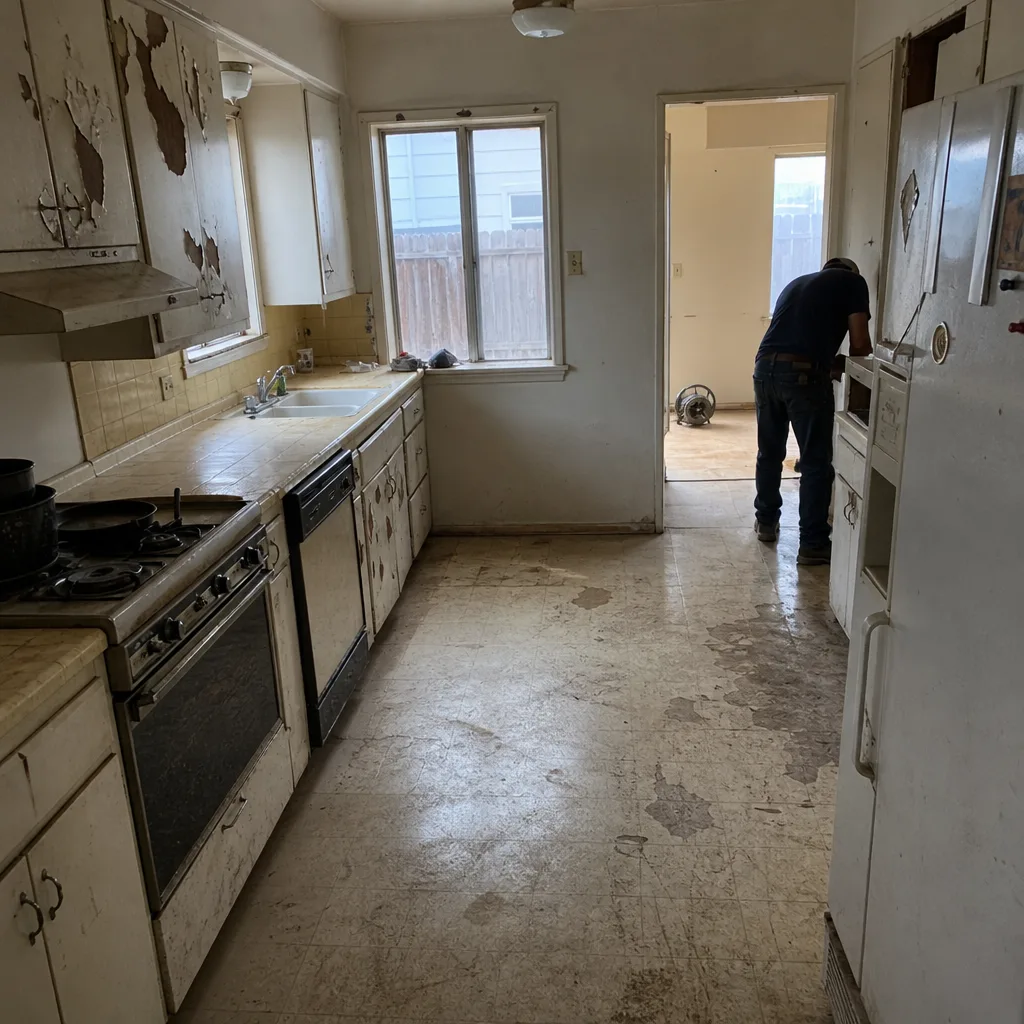 Before
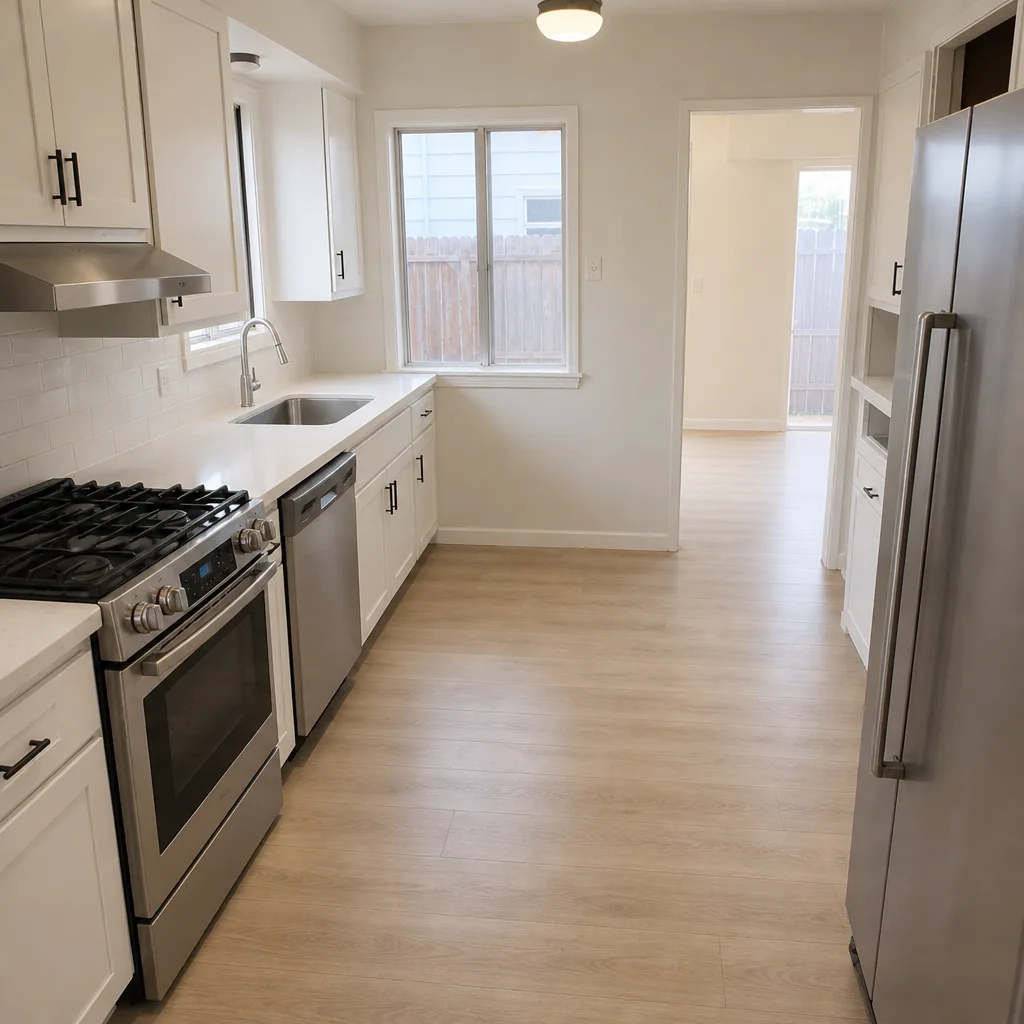 After
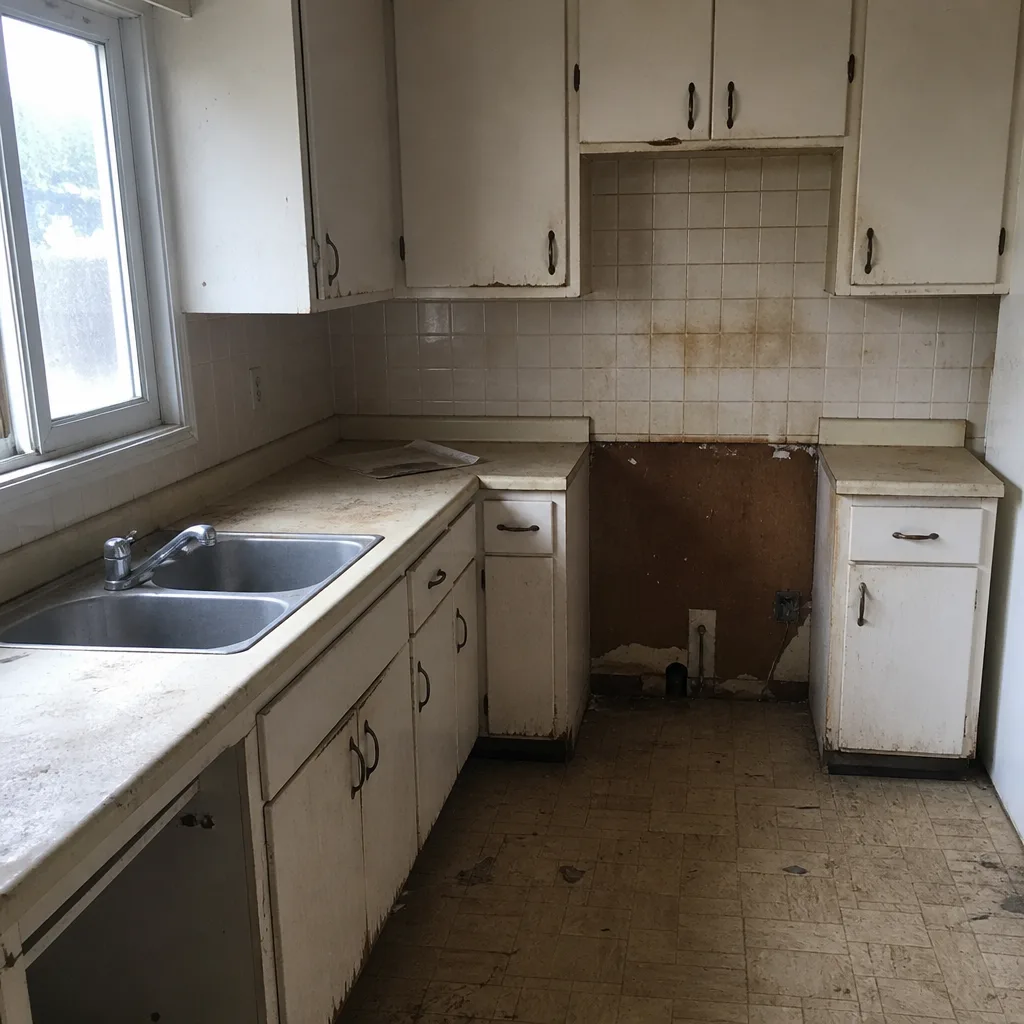 Before
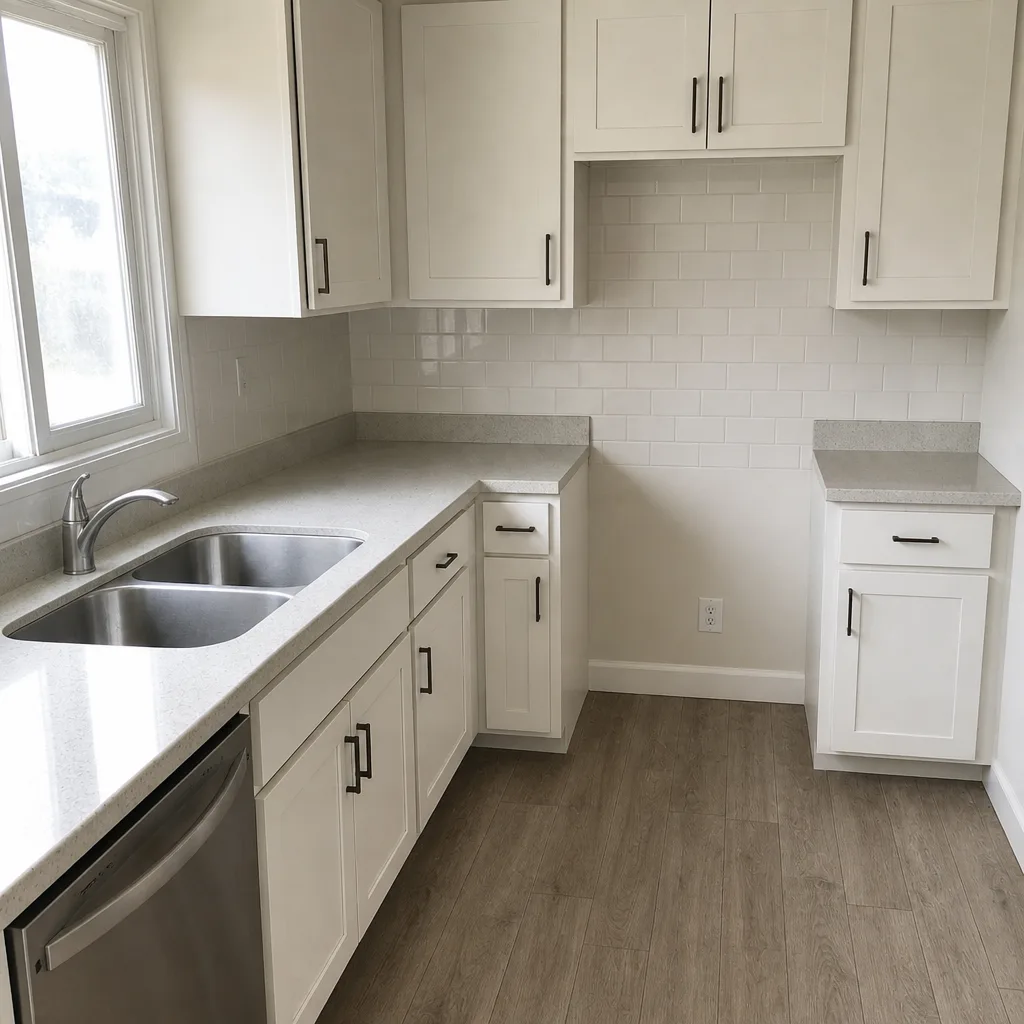 After
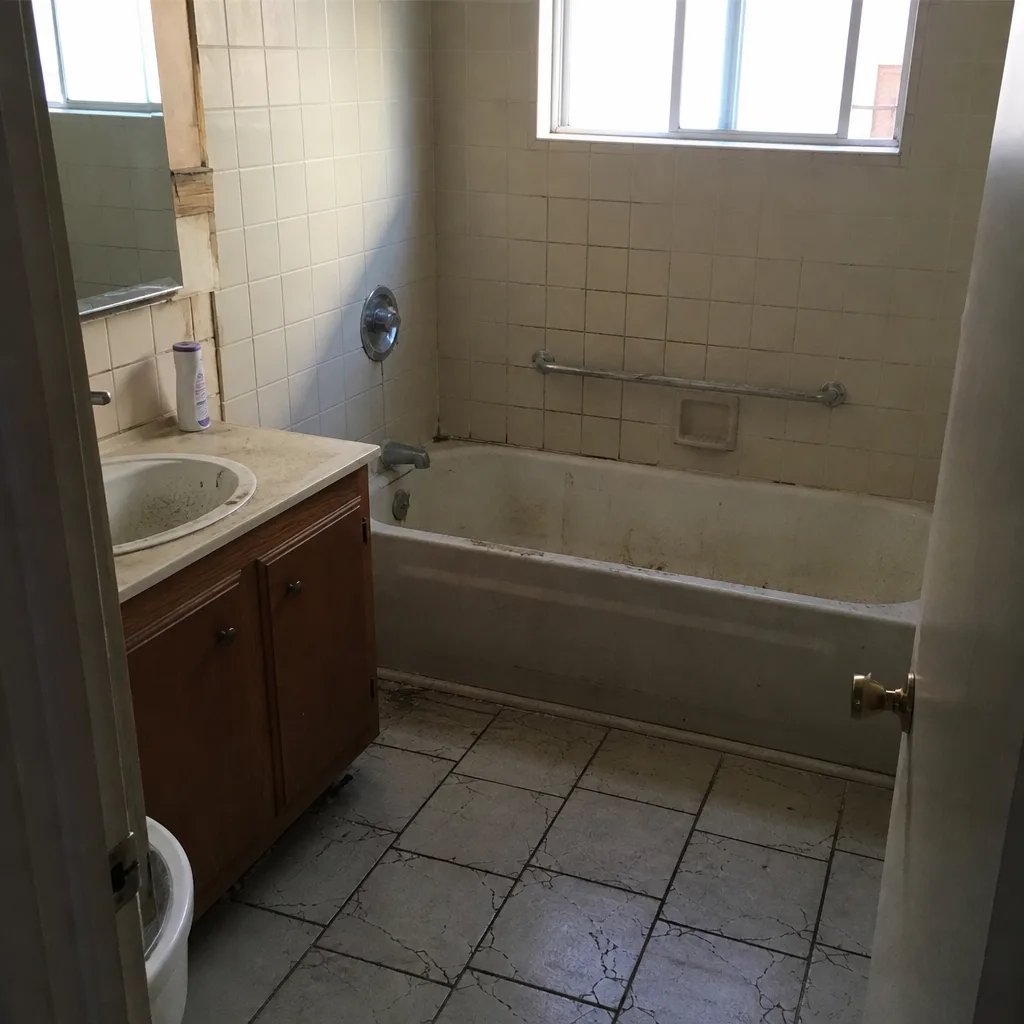 Before
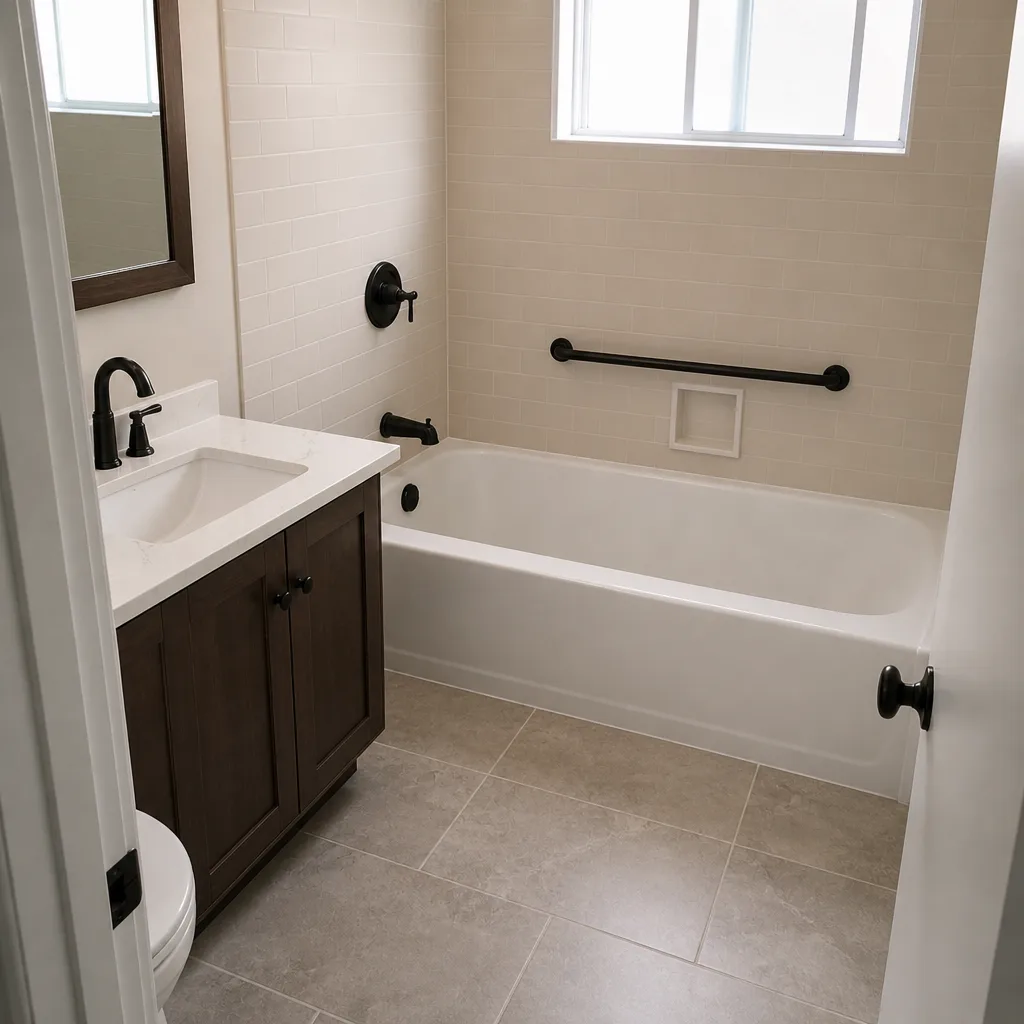 After
When to Call a Professional
Call a professional when a sill feels soft, when a door frame separates and stays separated, when fog appears between panes, or when a bid you’ve received doesn’t mention flashing or permits. Also call if you’ve addressed the surface issue – painting the trim, weatherstripping the door – and it comes back. That return is the tell that moisture or movement is still active. Frame rot, structural movement, and failed glass units need trained eyes and the right tools. The earlier you catch them, the smaller the repair. Groundwork Construction Co. of Richmond offers free estimates in Richmond, and the number you see is the number you pay. Call (833) 700-4611 to schedule yours, and a live person answers any time, day or night. You can also start from our Groundwork Construction Co. of Richmond home page to see the full range of work we handle.
Frequently Asked Questions

The first sign is usually condensation or a foggy film between the panes, often before any visible damage on the frame. On older wood windows, paint bubbling on the interior trim is the earliest physical clue that moisture has entered. Either one means the seal is compromised and the assembly needs a professional look.
It’s a real problem. Fog between the panes means the insulated glass unit’s perimeter seal has failed and its gas fill has leaked out. The window will still keep rain out, but it’s letting heat transfer through and can condense moisture onto the frame and sill. It’s worth replacing the unit or the whole window.
No. A gap at the top corners of a door frame points to movement in the wall or framing behind it, not a defect in the door itself. It can come from foundation settlement, moisture-driven wood movement, or load changes above. Have the wall and framing checked before replacing the door.
Not long. Once the frame shows soft spots or bubbling paint, water is already reaching the framing behind it, and the damage spreads faster the longer it stays wet. In Richmond’s damp, salt-influenced air, that timeline accelerates. Get an estimate now rather than waiting for a repair to turn into a structural job.
Yes, most window and door replacements in Richmond require permits, and a permitted job gets inspected for proper flashing and sealing. A contractor who avoids the permit discussion is avoiding accountability. Ask for the permit in writing before work starts.
A bill that climbs while your habits stay the same often points to air and heat escaping through failing windows and doors. Cold glass, leaky seals, and a failed insulated unit all push your system to work harder. Compare your bill against previous seasons and check for drafts and condensation at the same time.
It depends on how far the rot has spread. Isolated damage on a sound frame can sometimes be repaired, but once rot reaches the wall framing or sill plate, the window usually comes out. A professional assessment will tell you which one you’re facing. Call (833) 700-4611 for a free estimate, and we’ll give you a straight answer before any work begins.
The Bottom Line
Most window and door failures have been running behind your walls for months before you notice them. Paint bubbling on interior trim, a soft sill, fog between panes, and a door frame separating at the corners are not cosmetic quirks. They’re evidence that moisture or movement is already at work. Act on the energy bill drift before the visible damage, check your seals each season, and read every bid for flashing, permits, and a written scope. In Richmond’s damp, salt-influenced climate, catching the sign early keeps a small repair from becoming a major one. When you’re ready, Groundwork Construction Co. of Richmond offers free estimates, upfront pricing, and a 730-Day Done Right Promise on every job. Call (833) 700-4611 to schedule yours.
Written by the team at Groundwork Construction Co. of Richmond.