Last updated November 18, 2026
Free written scope consultation - allowances, timeline, and change-order rules on paper before a single trade is scheduled
The Complete Windows & Doors Guide for Richmond Homeowners
Richmond’s proximity to the Bay means salt-laden air attacks window hardware and door thresholds at a rate inland homeowners never deal with. A window rated for 20 years in Sacramento may last 12 in Point Richmond. Add the temperature swings that roll off the water, the wind that funnels through the hills, and a housing stock that spans everything from pre-war bungalows in North and East to mid-century builds in the El Sobrante flats, and you get a set of conditions that makes generic buying guides useless. This guide is built for Richmond homeowners making real decisions about real money: what to buy, what the code requires, what it costs, and when existing frames are worth saving.
Quick Answer
The best window and door choices for a Richmond home are fiberglass or aluminum-clad frames with low-E, double-pane glass rated for marine exposure; standard vinyl and wood underperform here because salt air, UV, and moisture swings wear them down faster. Expect $9,000-$22,000 for a whole-house window replacement in Richmond depending on count and frame condition, and plan on Title 24 compliance plus a city permit for most swaps. Doors run $1,200-$6,500 installed depending on type and material. Whether you retrofit or tear out depends on whether the existing frames are sound, dry, and square.
Styles & brands we work with
- Kitchen remodeling
- Bathroom remodeling
- Home additions & ADU
- Roofing
- Windows & doors
- Driveway & pavers
- Fence
Table of Contents
- How Richmond’s Coastal Microclimate Affects Window and Door Materials
- Title 24 Energy Compliance: What California Requires When You Replace Windows
- Material Selection: Fiberglass, Aluminum-Clad, Vinyl, and Wood Compared
- Retrofit vs. Full Tear-Out: How to Tell Which Your Home Needs
- Permits and “Like-for-Like” Replacement in Richmond
- Cost and ROI Breakdown for Richmond Window and Door Upgrades
- Choosing Exterior Doors for a Marine Climate
- The Replacement Process, Step by Step
How Richmond’s Coastal Microclimate Affects Window and Door Materials
Richmond sits in a pocket where marine air pushes through the Golden Gate and settles against the hills, and that has consequences for anything on the exterior envelope of your house. The salt content in the air is measurable. It eats hinge pins, corrodes latch mechanisms, and pits the aluminum trim around windows faster than inland homeowners will ever see. The fog that rolls over the Marina District and up through Point Richmond keeps surfaces damp for long stretches, which is exactly the condition that leads to moisture intrusion at door thresholds and window sills.
Temperature swings are the other half of the story. A home in the Richmond hills can see 15- to 20-degree swing between afternoon and early morning during spring and fall. That thermal cycling expands and contracts frames minute by minute, and over years it works seams loose, stresses seals, and opens micro-cracks at the corners of anything that wasn’t built for that movement.
In our experience across Richmond jobs, the materials that hold up best here share three properties:
- Low water absorption. Fiberglass and aluminum-clad frames don’t swell the way wood does when they take on moisture.
- Corrosion-resistant hardware. Stainless or marine-grade hinges, locks, and fasteners are worth the upgrade; standard zinc-plated hardware fails.
- UV-stable finishes. Bay-area sun through fog is diffused but persistent, and vinyl that isn’t UV-stabilized will chalk and yellow within a decade.
If you’ve got an older home in North Richmond or along Cutting Boulevard with original single-pane aluminum sliders, you’re not just losing energy, you’re fighting a losing battle with corrosion at the tracks. Those tracks fill with grit and salt, the rollers seize, and eventually the window won’t slide at all. That’s a material selection problem disguised as a maintenance problem.
Title 24 Energy Compliance: What California Requires When You Replace Windows
California’s Title 24 energy code applies to any window replacement that touches more than 10% of the glazed area on a home, or that involves a permitted alteration. In Richmond, the code is enforced at the city level through the Building Division, and the inspector will want to see either Title 24 compliance documentation from the manufacturer or a prescriptive compliance packet prepared by your contractor.
What that means in practice is that you can’t just pick the cheapest double-pane window off a shelf. Windows need to hit a U-factor (a measure of heat loss) and a Solar Heat Gain Coefficient (SHGC) that depends on the climate zone. Richmond is generally in Climate Zone 3 – the Bay Area marine zone – and the required U-factor for replacement windows is typically 0.40 or lower, with SHGC around 0.35 or below for west-facing glass. Your exact numbers depend on the total glazed area and whether you’re doing a prescriptive or performance compliance path.
Here’s what most Richmond homeowners don’t realize: Title 24 isn’t just a checkbox. It’s an opportunity to qualify for utility rebates through PG&E and to reduce your cooling load meaningfully on the west side of the house where afternoon sun comes through unobstructed. We’ve seen Richmond homes where a proper low-E, argon-filled unit with a tuned SHGC knocked summer cooling costs down by a noticeable margin on the monthly bill.
Brands that carry proper Title 24 documentation are the ones to focus on. ECO Window Systems and ViewLux both publish compliance tables for their full line, and our window installs routinely use manufacturer-specified U-factors and SHGC values confirmed against the current Title 24 tables before the order is placed. That paperwork matters at final inspection.
Material Selection: Fiberglass, Aluminum-Clad, Vinyl, and Wood Compared
Material choice is the single most consequential decision in a Richmond window project. Let’s walk through how each option performs here.
Fiberglass is the material we most often recommend for Richmond homes. It’s dimensionally stable across temperature swings, doesn’t absorb water, and takes paint well if you want a specific color. Fiberglass frames finished with a marine-grade exterior coating hold up better than any other option in this zip code. The cost runs 10-20% above vinyl, but the longevity difference is substantial.
Aluminum-clad wood gives you the warm interior look some Richmond homeowners want, with an aluminum exterior shell that stands up to salt air. It’s excellent for historic-adjacent neighborhoods where the interior trim is part of the character. The catch is that you have to stay on top of the exterior finish; the aluminum will eventually need repainting, and if moisture gets behind the cladding, wood rot follows.
Vinyl is the cheapest option and the most commonly sold in Richmond, but it’s also the material that struggles most with the local climate. Standard vinyl expands and contracts more than fiberglass across a thermal swing, which stresses the corner welds, leading to cracked seams and air infiltration over time. UV-stabilized vinyl from a quality manufacturer performs better, but it’s still a compromise.
Wood frames are the least suited to a Richmond installation. They’re beautiful, but wood absorbs moisture, needs repainting every few years in coastal air, and will eventually rot at the sill or in the threshold if drainage isn’t perfect. For a preservation-sensitive home, wood is defensible; for everything else, we’ve seen too many Richmond wood frames go bad within 15 years to recommend them broadly.
For exterior doors, Therma-Tru fiberglass door systems handle the marine environment well and offer a range of styles that fit Richmond’s varied housing stock, and they’re a brand our installers specify frequently.
Retrofit vs. Full Tear-Out: How to Tell Which Your Home Needs
This is the question most guides skip, and it has a bigger impact on your total cost than which window you pick. Retrofit (also called insert or replacement) install means the new window goes into the existing frame and the old sashes are removed. Full tear-out means the entire window unit comes out down to the rough opening, and a new frame is installed.
Here’s how to assess what your home needs. Look for these signs that a retrofit won’t work:
- Soft or rotted frame wood. Press a screwdriver into the sill and jamb near the corners. If it sinks in, the frame is compromised and needs to come out.
- Visible water staining or dark streaks on the interior frame. That’s moisture that’s already been getting in. Retrofit will just trap it.
- Out-of-square openings. Measure the diagonals of the rough opening at the corners. If they differ by more than 3/8″, the frame has shifted and a new window won’t operate correctly in it.
- Single-pane original aluminum sliders with no thermal break. These are usually a tear-out situation because the frames themselves are the energy loss point.
- Existing rough openings that don’t meet current egress requirements for bedrooms (which require 5.7 square feet of clear opening). If the existing opening is undersized, a retrofit won’t fix it.
When the frames are sound and dry, a retrofit saves significant money – typically 25-40% on labor – and makes the project a one-day-per-window install rather than a multi-day tear-out and rebuild. When frames are bad, retrofit is a temporary fix that will need to be redone, and the cost of redoing it a decade later is greater than doing it right the first time.
In Richmond homes built before 1960, we find that about half the windows are retrofit-ready and half need full replacement. The dividing line is almost always whether the original installation had a proper flashing and drainage detail. Houses with intact flashing tend to have solid frames; houses where the original installer skipped flashing usually have rot.
Permits and “Like-for-Like” Replacement in Richmond
Richmond requires a building permit for window and door replacements, even when they’re “like-for-like” – meaning the same size, same rough opening, same operation type. The city’s definition of like-for-like matters here: it means you’re not changing the size of the opening, you’re not changing from a slider to a casement or from a single-hung to a fixed pane, and you’re not adding new glazed area. If any of those things change, you’re into an alteration permit with broader requirements, including potential structural review for door replacements.
Here’s what the permit process looks like on a typical Richmond window replacement:
- Submit a building permit application with the scope of work, window schedule, and Title 24 compliance documentation.
- Pay the permit fee, which for window replacement typically runs $200-$600 depending on the count of windows for the whole project.
- Receive the permit and post it visibly on the property.
- Complete the installation, including any required framing, flashing, and weather-sealing.
- Schedule inspection – the inspector will check installation quality, flashing details, Title 24 documentation on the glazing labels, and egress on bedroom windows.
- Pass final inspection and receive sign-off. Keep the documentation for resale.
The permit is often the part homeowners try to skip, and it’s the part that can complicate a sale later. When you go to sell a Richmond home with unpermitted window replacements, the disclosure process and any buyer’s inspection will often flag it, and the buyer’s lender may require retroactive permitting before closing. The $400 permit is much cheaper than the $4,000 retroactive compliance scramble.
We pull permits on every window and door project we do in Richmond and handle inspection as part of the job. If your current contractor is suggesting skipping the permit “because it’s like-for-like,” that’s a contractor to walk away from.
Cost and ROI Breakdown for Richmond Window and Door Upgrades
Here’s the realistic cost landscape for window and door work in Richmond, based on the projects we’ve completed here. These are installed costs (material + labor + permit + disposal).
- Single vinyl window, retrofit install: $450-$750 per window
- Single fiberglass window, retrofit install: $650-$1,100 per window
- Single aluminum-clad window, retrofit install: $800-$1,400 per window
- Full tear-out and replacement, per window: $1,100-$1,900
- Whole-house window replacement (10-15 windows, retrofit): $9,000-$16,000
- Whole-house window replacement with tear-out: $15,000-$28,000
- Entry door, fiberglass (Therma-Tru or similar), installed: $2,200-$4,800
- Patio slider, fiberglass or aluminum-clad, installed: $3,500-$6,500
- Permit and inspection fees (window project): $200-$600
The return on a Richmond window replacement runs in the 65-75% range when you factor in resale value, according to cost-vs-value data for the Bay Area market. But the bigger financial impact for most Richmond homeowners is the energy savings. A Richmond home with original single-pane windows typically sees 15-25% of its heating and cooling loss through the glass. Replacing those windows with properly specified low-E units will claw back most of that loss, and in a 1,500-square-foot Richmond home with PG&E rates what they are, that’s several hundred dollars a year in reduced bills.
Appraisers in Richmond do note window upgrades, particularly in the hot North and East Richmond markets where buyers compare one home to the next and window condition is part of the comparison. A home with documented fiberglass windows and Title 24 compliance is a stronger appraisal comp than a comparable home with original aluminum sliders.
Doors offer a different ROI story. A new fiberglass entry door recoups 60-70% of its cost at resale, and the curb appeal improvement is immediate. A patio slider replacement, by contrast, is more about function than resale; the ROI is in daily livability and the security improvement of a properly locking door versus a failed or misaligned original.
One thing to note on larger Richmond projects: bundle window, door, and any exterior trim work into a single scope. The incremental cost of adding doors to an active window job is lower than a standalone door project, and it means the whole envelope is upgraded at once. Projects over $10,000 also qualify for our standing $1,000 off promotion, and 0% financing for 18 months makes the upfront number less of a hurdle.
For driveways and exterior hardscape that complement the window and door upgrades, our Driveway & Pavers in Richmond team can handle the front-of-house finish. The curb appeal story is bigger than the windows.
Choosing Exterior Doors for a Marine Climate
Doors take more abuse than windows in Richmond. Every entry door is exposed to salt air, storm-driven rain, and the constant cycle of expanding and contracting with the door being opened and closed. The material question matters more here than almost anywhere else on the house.
Fiberglass entry doors are the right call for the vast majority of Richmond homes. They don’t absorb moisture, they don’t warp, and the exterior finish stays stable through the seasons in a way wood and standard steel don’t. A fiberglass door from a quality manufacturer like Therma-Tru, with a properly specified hinges and threshold system, will hold up through decades of Richmond weather. It’s what we specify most often.
Steel doors are a middle option. They’re durable but prone to rust at the bottom edge where they take on moisture, and in a salt-air environment, you’ll see rust spots form within a few years unless they’re carefully painted and maintained. If a homeowner wants steel, we specify galvanized steel with a factory powder coat.
Wood doors are beautiful and traditional, and a custom wood entry door makes sense in a Richmond historic home. But wood needs to be repainted every 2-3 years in this climate, and the bottom edge is vulnerable to wicking. Wood doors need to be specified with a proper storm door, generous awning overhang, and good drainage at the threshold to have a chance of long life.
For patio sliders, the door track is the part that fails first. Salt and grit pack into the bottom track and wear the rollers, and once the door starts to bind, the seal fails and water gets in. We specify sliders with a raised-track drainage system and stainless rollers – those are the details that determine whether the door lasts 10 years or 25.
The other door detail that Richmond homeowners often skip is the threshold seal. In a wind-driven rain event, water gets under the door if the threshold hasn’t been properly set with a sill pan and positive drainage slope. If your existing doorstep lets water in during heavy storms, that’s not a door replacement question alone; it’s a threshold and drainage question that has to be answered during the install, or the new door will have the same problem.
The Replacement Process, Step by Step
Here’s what a well-run window or door project looks like from first call to final inspection:
- Free estimate and design consult. A technician walks the house, measures every opening, checks frame condition, reviews the Title 24 requirement for your glazed area, and recommends material. The estimate you receive itemizes the windows, doors, labor, permit, and disposal.
- Product selection and order. Choose the brand and style – ECO Window Systems, ViewLux, Therma-Tru, and Mr-Glass products all have lead times that vary seasonally. Plan on 6-10 weeks from order to delivery for most window lines.
- Permit submittal and approval. The permit is filed with Richmond Building Division, including the Title 24 packet. Approval typically runs 2-4 weeks.
- Pre-install prep. Interior furniture moved back from window walls, exterior landscaping covered, old windows or doors staged for removal.
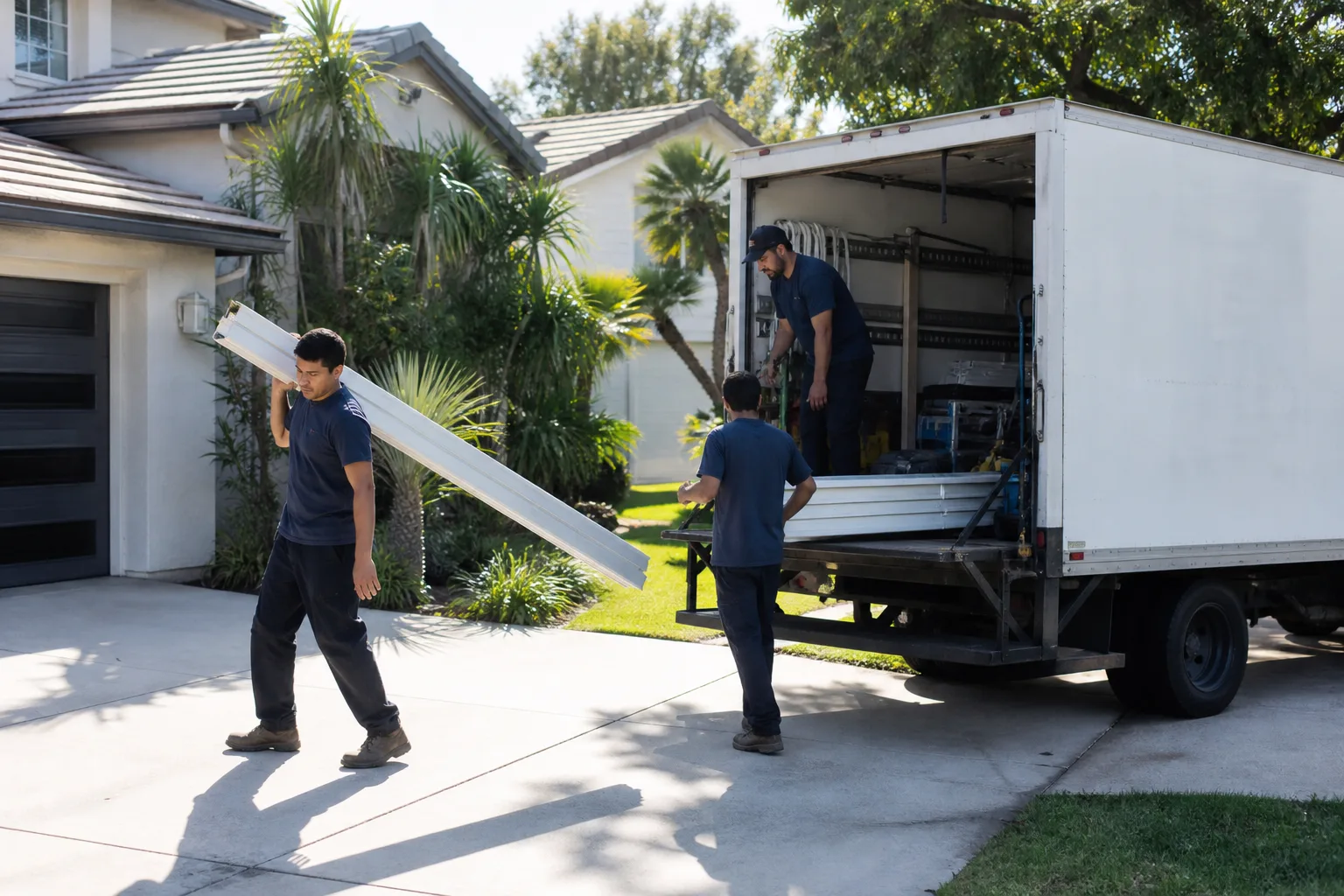
- Installation day(s). Retrofit installs run 1-2 windows per hour. Tear-out and replacement is slower – typically 1-2 windows per day. The crew removes the old unit, checks the rough opening for rot, installs new flashing, sets the new unit, insulates the gap, and installs interior and exterior trim.
- Testing and sealing. Every window is opened and closed to confirm operation. Weatherstripping is checked, exterior caulk line is applied, and any stucco or siding repair is completed.
- Final inspection and walkthrough. The city inspector checks installation and Title 24 document compliance. After sign-off, we walk each window with the homeowner to confirm operation and cleanliness, and the work is documented under the 730-Day Done Right Promise.
The 730-Day Done Right Promise matters more on window and door work than most homeowners expect. Windows fail slowly – a seal goes, moisture fogs the glass, the frame starts pulling away – and the failure often shows up 18-30 months after install. Our promise runs two full years, so if something isn’t right, it gets fixed. That’s the difference between a handshake and a guarantee in writing.
If your Richmond home project also involves an addition or a larger remodel where windows and doors are part of a bigger scope, our Home Additions & ADU in Richmond team handles the full envelope, and if you’re tackling exterior fencing to match, Fence Installation in Richmond completes the property exterior in one coordinated project.
Common Mistakes to Avoid
- Buying vinyl on price alone. Standard vinyl is cheapest upfront and the worst fit for Richmond’s marine air. UV-stabilized, corner-welded quality vinyl is the minimum; fiberglass is the better call for most homes here.
- Skipping the permit to save $400. The unpermitted window project becomes a real estate problem at resale and can cost several times the permit fee to fix retroactively. Richmond issues permits for like-for-like replacement for a reason.
- Retrofitting over rotted frames. A retrofit over a frame with moisture damage looks fine for the first year and then the new unit starts to bind as the frame continues to deteriorate. Always inspect the frame before deciding retrofit vs. tear-out.
- Ignoring Title 24 U-factor requirements. A window that doesn’t meet the required U-factor will fail inspection. Confirming compliance before ordering prevents a costly return-and-reorder cycle.
- Standard hardware in a salt-air environment. Zinc-plated hinges and latches fail within a few years on Richmond’s west side. Stainless or marine-grade hardware is the correct specification.
- Choosing a west-facing picture window without an SHGC spec. The unmanaged solar gain on a Richmond west-facing wall will make the room unusable in summer afternoons even with a good window. Tune SHGC to the orientation.
- Hiring a contractor who doesn’t pull permits or provide written price guarantees. The difference between a real line-item bid and a verbal estimate is what happens when the job runs into a rotted frame or a hidden header. Written scope, fixed price, permit pulled – these are non-negotiable.
See the difference
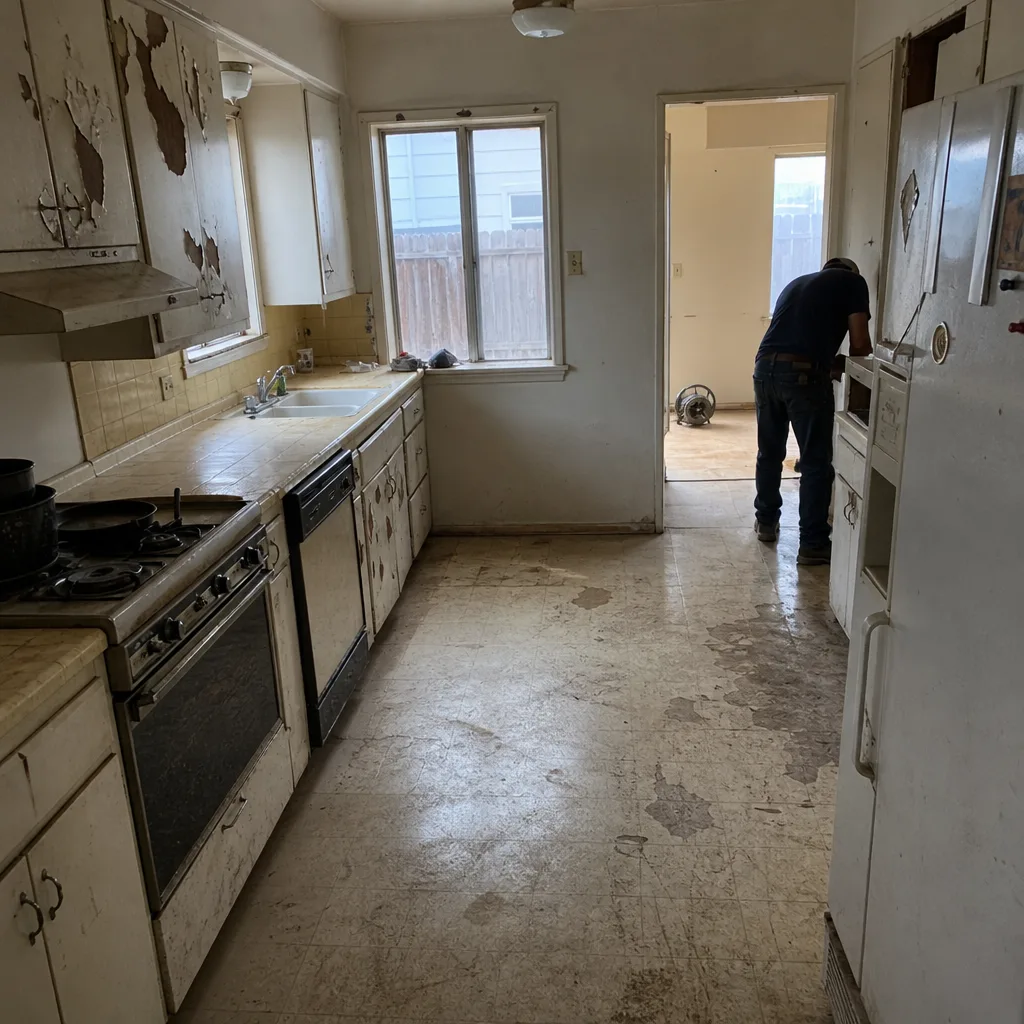 Before
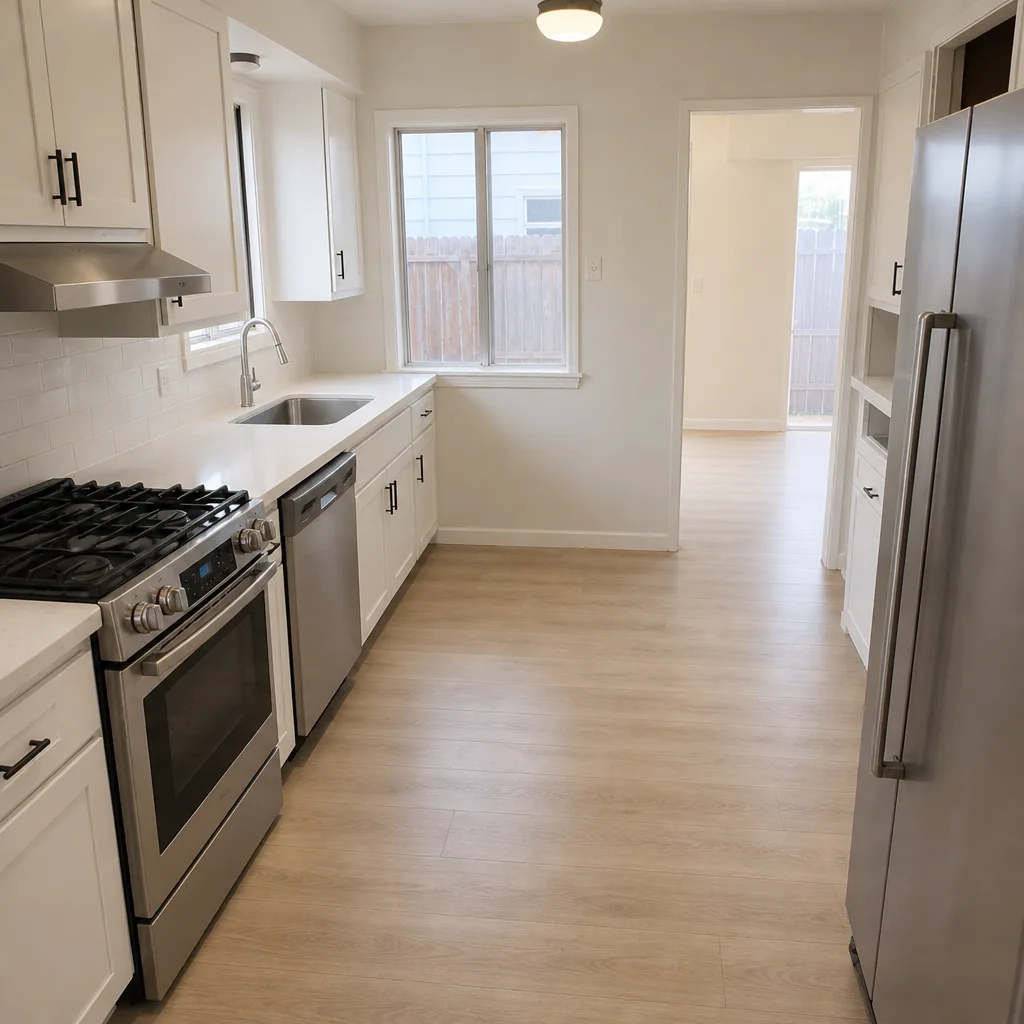 After
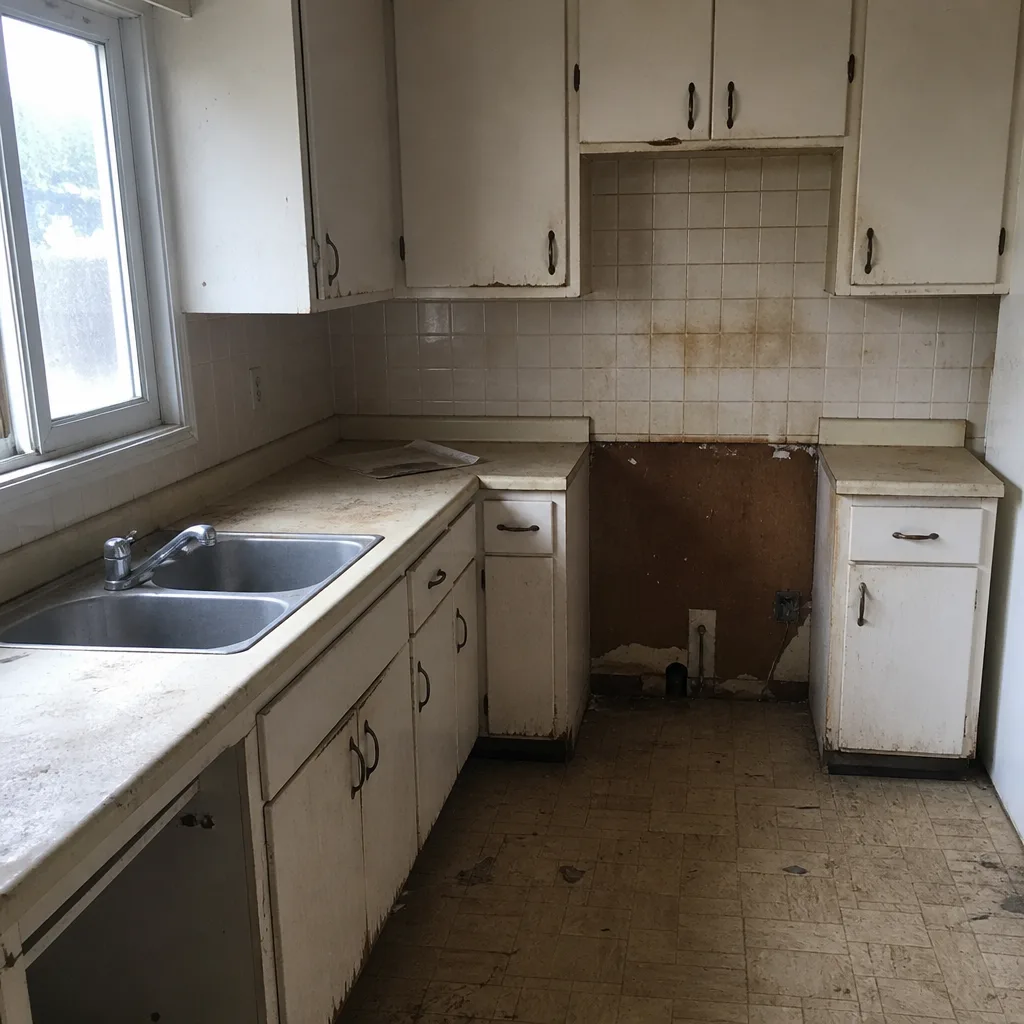 Before
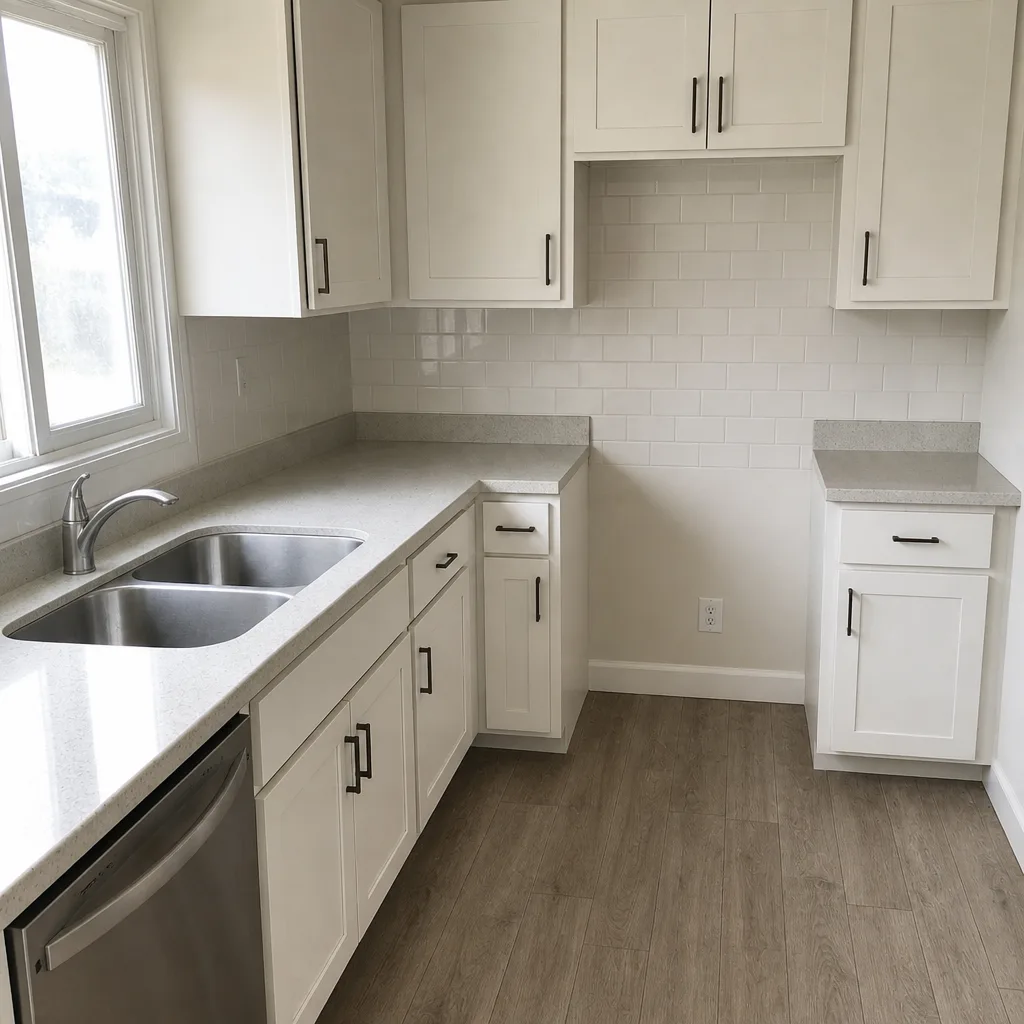 After
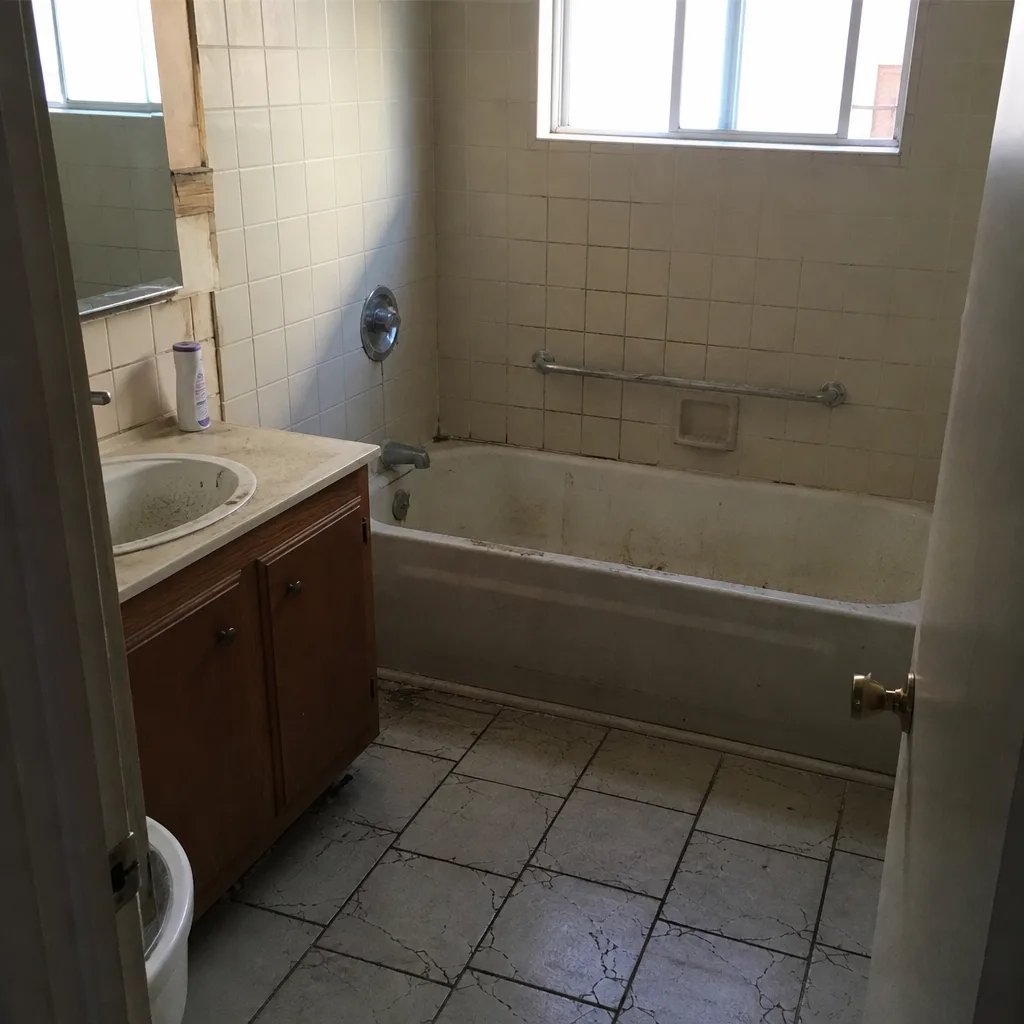 Before
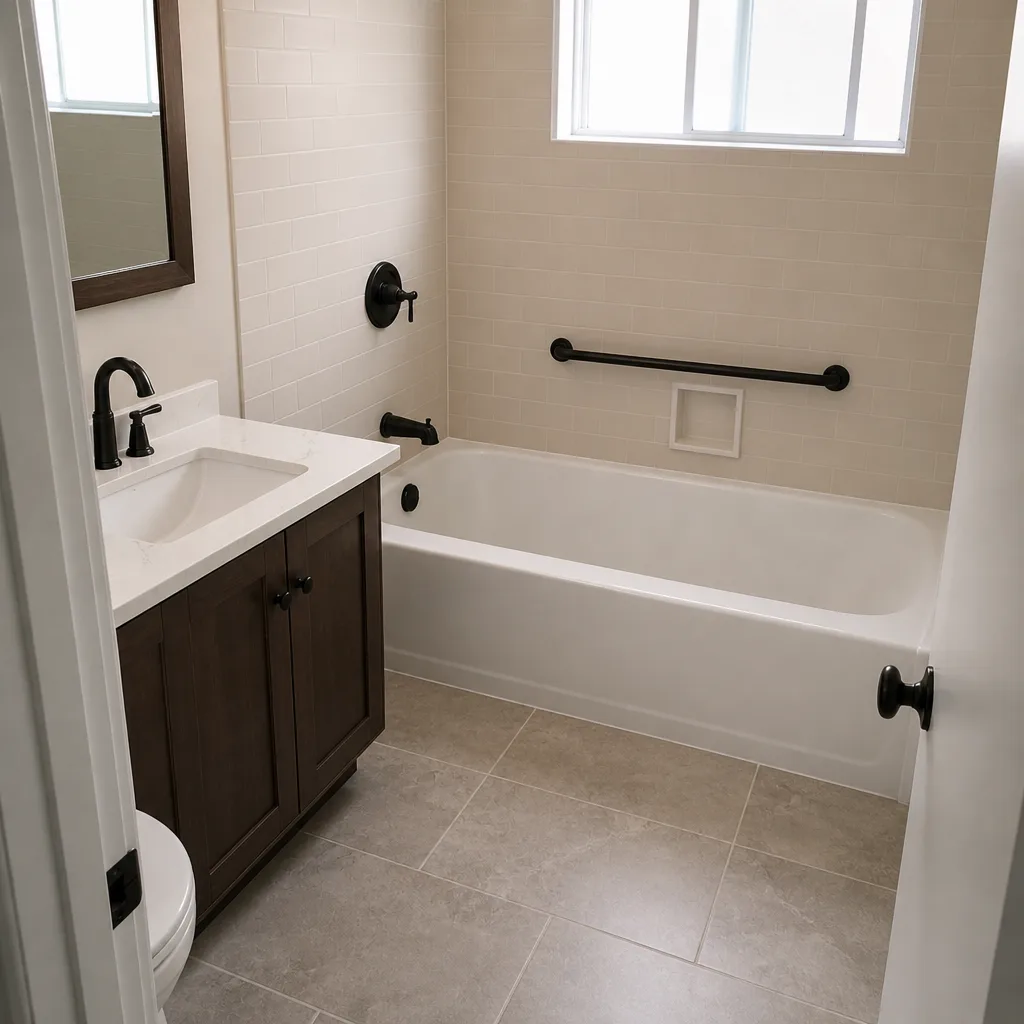 After
When to Call a Professional
Call a professional when any of these are true: water is visible on the interior frame or sill; a window or door binds, sticks, or won’t latch; the glass shows fogging between panes; you’re replacing more than a single window at one time; the home was built before 1980 and has original windows; you’re planning a sale within a few years and want the permits and documentation in order. These aren’t projects that reward DIY effort – a poorly installed window from a homeowner project leaks and voids the manufacturer warranty, and a door that isn’t set level will bind within months.
Groundwork Construction Co. of Richmond offers free estimates in Richmond, with upfront pricing that holds, permits pulled, and inspection handled. Call (833) 700-4611 to schedule yours. Live person, 24/7 – no voicemail.
Frequently Asked Questions

Whole-house window replacement in Richmond typically runs $9,000-$16,000 for standard retrofit install, and $15,000-$28,000 for a full tear-out replacement. The cost depends on the number of windows, frame material, and whether frames are sound enough for retrofit. Call (833) 700-4611 for an exact quote – estimates are free.
Yes, Richmond requires a building permit for window and door replacements, including like-for-like replacement of the same size and operation type. The permit ensures Title 24 energy compliance and gets verified at inspection. Any contractor who suggests skipping the permit is a red flag – we pull permits on every job and handle inspection.
Fiberglass frames with low-E, argon-filled glass are the best overall fit for Richmond’s marine climate. Fiberglass is dimensionally stable across temperature swings, doesn’t absorb water, and resists salt-air corrosion better than vinyl or wood. Aluminum-clad wood is a good second option when interior wood look matters. Call (833) 700-4611 to discuss options for your specific home.
Yes. A Richmond home with original single-pane windows typically loses 15-25% of its heating and cooling through the glass, and a properly specified low-E replacement reclaims most of that. Several hundred dollars a year in reduced energy bills is typical for a 1,500-square-foot home. A free estimate will give you the specific projection on your home.
Retrofit is the right call when the existing frame is sound, dry, and square; full tear-out is required when frames are soft, rotted, or out of square. Test frame condition with a screwdriver and measure the rough opening diagonals before deciding. A professional inspection will confirm which path is right – call (833) 700-4611 for a free assessment.
Title 24 is California’s energy code, and window replacement that touches more than 10% of glazed area or involves a permitted alteration must meet minimum U-factor and Solar Heat Gain Coefficient requirements. Richmond is generally Climate Zone 3, requiring U-factor around 0.40 or lower on replacement windows. A contractor who doesn’t produce Title 24 documentation is a contractor who can’t pass inspection – we include the compliance packet on every permitted job.
The Bottom Line
Richmond windows and doors are a material decision first and a price decision second. Fiberglass or aluminum-clad frames handle this climate; vinyl and wood fight it. Retrofit is the right path when frames are sound and a waste when they’re not. Title 24 compliance and the Richmond permit aren’t optional, and skipping them creates problems that cost more to fix later than the permit and inspection cost upfront. Expect $9,000-$28,000 for a full-house window project in Richmond and $2,200-$6,500 per door installed. Get the scope in writing, get the permit pulled, and get the work backed by a real workmanship guarantee. Our 730-Day Done Right Promise and upfront pricing are built for exactly that.
Ready to start? See the full range of what Groundwork Construction Co. of Richmond handles, then call (833) 700-4611 for a free estimate and design consult. Live person, 24/7. The number you see is the number you pay.
Written by the team at Groundwork Construction Co. of Richmond.